


The state of Florida, known for its vibrant tourism industry, beautiful coastlines, and unique ecosystems, faces a significant threat from rising sea levels. Recent scientific studies have projected that Florida’s sea levels could rise by as much as 5 feet by the year 2100, a scenario with profound implications for its coastal communities, environment, and economy. Understanding the factors contributing to this alarming forecast is crucial for preparing and adapting to these changes.
Understanding Sea Level Rise

Sea level rise is a result of the increasing volume of water in the planet’s oceans due to a combination of factors. The most significant contributors are the melting of ice sheets and glaciers along with the thermal expansion of water as it warms. Human-driven climate change, fueled by greenhouse gas emissions, accelerates these processes, resulting in higher sea levels across the globe.
Why Florida is Particularly Vulnerable

Florida’s geography makes it particularly vulnerable to rising sea levels. The state is characterized by its low elevation, with large swathes of land barely above current sea levels. Additionally, its porous limestone foundation can exacerbate flooding as saltwater infiltrates through the ground, impacting freshwater resources and infrastructure.
Historical Context of Sea Level Changes

In the past century, sea levels have already risen by approximately 8 inches along Florida’s coasts. Historical records and geological evidence indicate that fluctuations in sea level are not unprecedented; however, the current rate of rise is unlike any experienced previously, necessitating a more proactive approach to mitigate its effects.
Potential Impact on Coastal Communities

With projections indicating a rise of up to 5 feet by 2100, coastal communities in Florida face increased risks of flooding, particularly during storm surges and tidal events. Cities like Miami, Tampa, and Fort Lauderdale are expected to experience more frequent and severe flooding, impacting homes, businesses, and critical infrastructure.
Threats to Florida’s Ecosystems
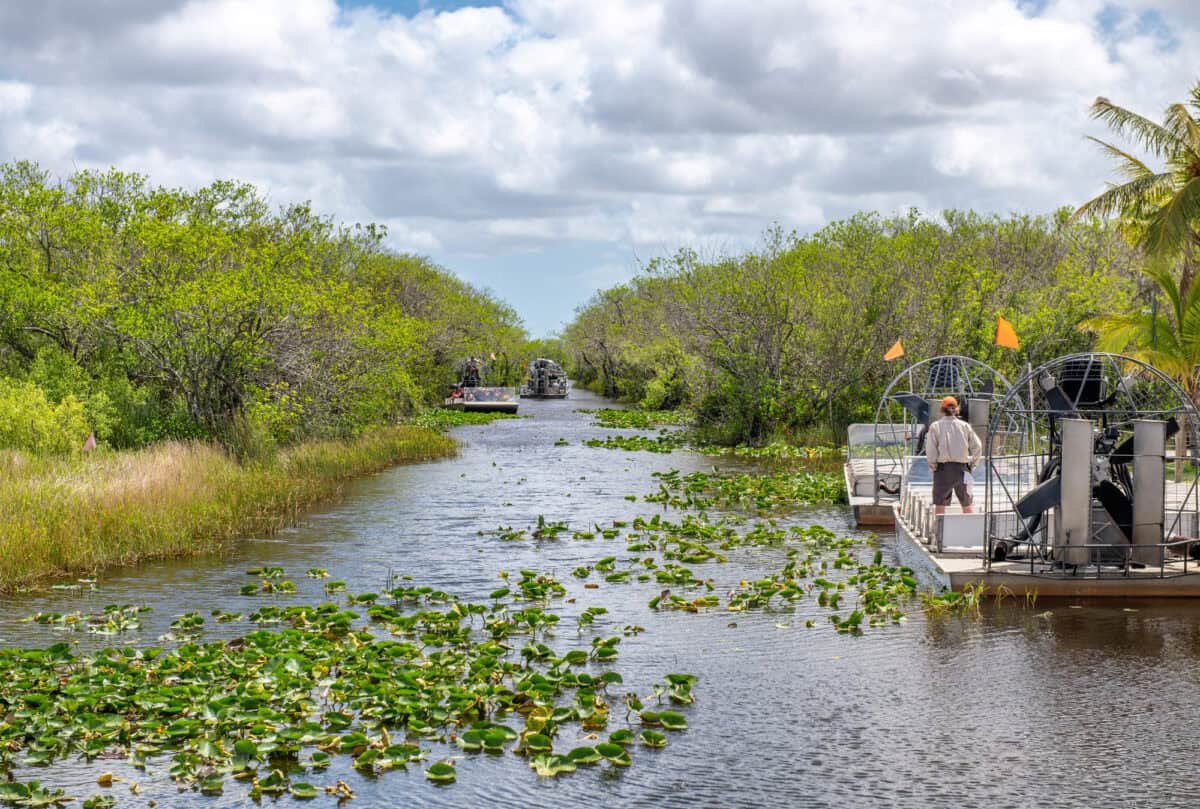
Florida’s unique ecosystems, including the Everglades and coral reefs, are under threat from rising sea levels. Saltwater intrusion can disrupt the balance of freshwater ecosystems, harming native species and altering habitats. Coral reefs, vital for marine biodiversity, suffer from warming waters and acidification, further compounding these threats.
Economic Implications
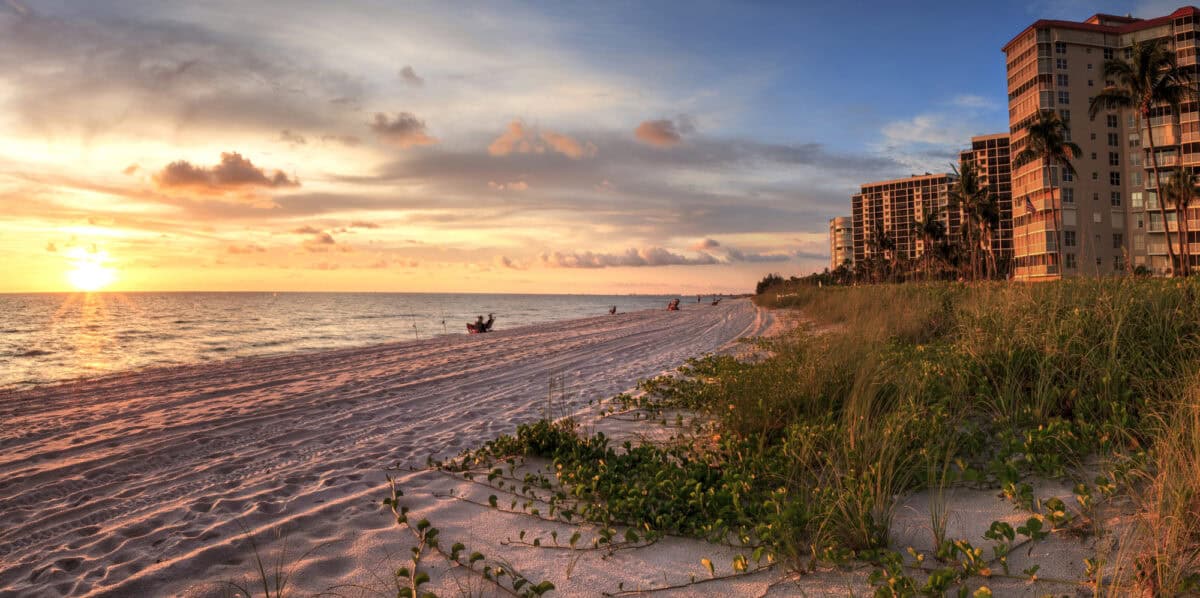
The economic impact of sea level rise in Florida could be substantial. The tourism sector, a cornerstone of the state’s economy, may face significant disruptions as beaches erode and infrastructure suffers damage. Moreover, property values in flood-prone areas might decrease, affecting real estate markets and insurance costs.
Adapting Through Infrastructure

To combat rising sea levels, Florida is investing in resilient infrastructure projects. Efforts include the construction of seawalls, elevated roadways, and improved drainage systems. These initiatives aim to protect critical infrastructure and maintain commerce and safety for citizens in vulnerable areas.
Conservation and Natural Solutions

Beyond physical infrastructure, natural solutions such as conserving wetlands and restoring mangroves are critical in buffering against rising tides. These natural barriers can absorb storm surges and reduce the impact of floods, demonstrating the importance of sustainable environmental practices.
The Role of Policy and Legislation

State and federal policy play a crucial role in addressing sea level rise. Legislation focused on reducing carbon emissions, transitioning to renewable energy sources, and setting guidelines for sustainable development are essential components of a comprehensive strategy to mitigate the effects of climate change.
Community Engagement and Education

Educating communities about the risks of sea level rise and empowering them to take action can drive grassroots adaptation efforts. Public awareness campaigns and community workshops can guide residents in implementing personal and community-wide resilience measures.
Technological Innovations

Technological advancements offer promising tools for monitoring and combatting sea level rise. Satellite data and predictive modeling improve our understanding of climate patterns, while innovative materials and construction techniques enhance infrastructure resilience.
The Global Perspective

While Florida is particularly vulnerable, sea level rise is a global challenge. International cooperation and shared knowledge are vital in developing strategies and solutions that can be applied worldwide. Learning from global experiences in countries facing similar challenges can guide Florida’s adaptation efforts.
Conclusion: Facing the Future

Florida stands at a critical juncture in its history as it confronts the looming challenge of rising sea levels. By leveraging science, community engagement, policy, and innovation, the state can mitigate impacts and adapt to a new reality. As we look ahead to 2100, proactive measures and a commitment to sustainability will be key to preserving Florida’s unique environment and vibrant communities for future generations.

From exploring the marine wonders in the Azores and witnessing the vast savannas of Kenya, to delving deep into the rich biodiversity of South Africa and traversing iconic landscapes in Australia and the US like Yellowstone, Chris's experiences are vast.
With a penchant for diving alongside sharks, the ocean holds a special place in his heart.
Through his academic insights, he champions wildlife conservation, striving with 'Animals Around The Globe' to cultivate a profound connection between humans and animals, enhancing our mutual appreciation.
Connect with him at Feedback@animalsaroundtheglobe.com.