
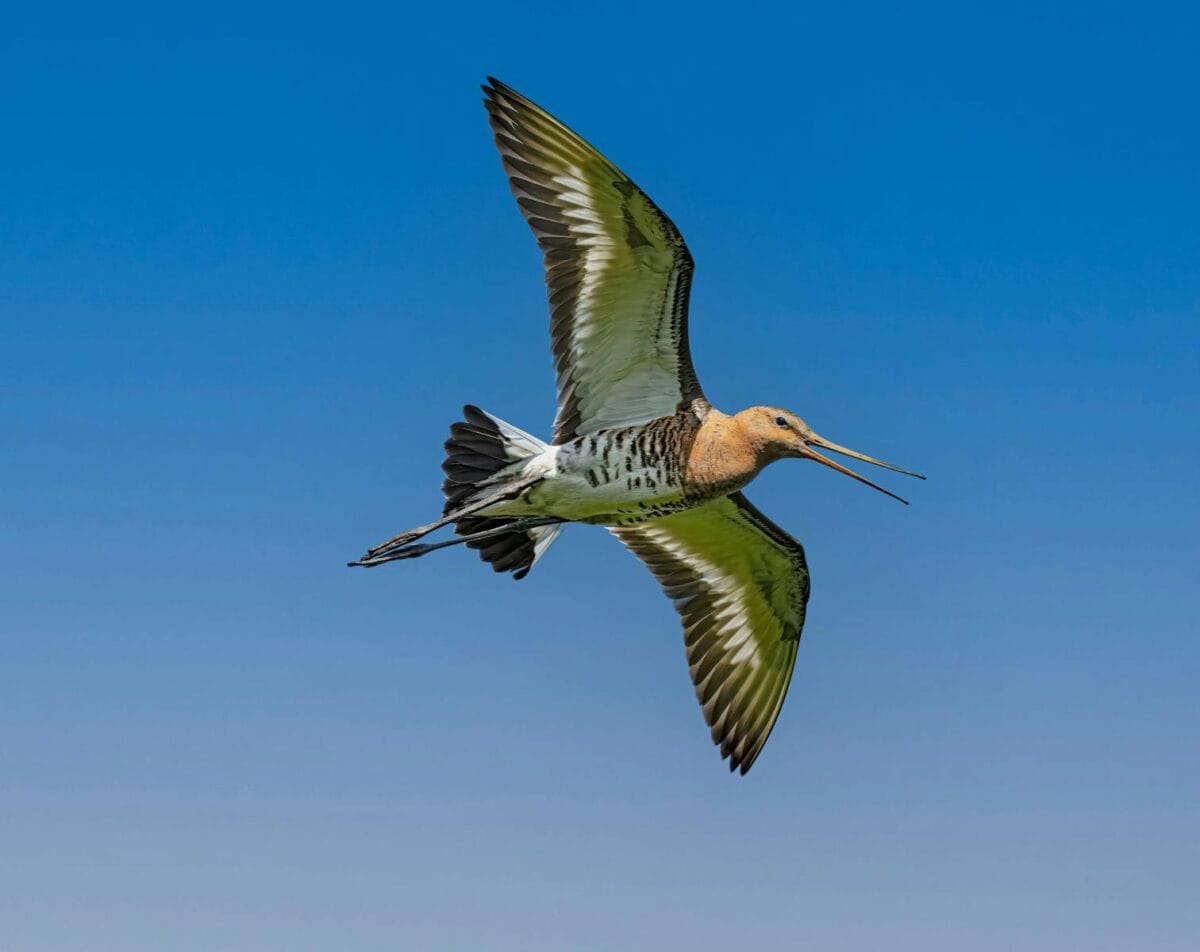
In the world of avian wonders, stories of extraordinary flights are not uncommon. Yet, there are tales so exceptional that they defy the imagination, like that of the bird that flew 3,000 miles off course and survived. This awe-inspiring journey not only emphasizes the incredible resilience of these feathered creatures but also sheds light on the mystery and complexity of avian navigation. Join us as we explore the factors that enabled this miraculous feat in the birding world.
The Journey Begins: A Mysterious Path

Each year, millions of birds embark on long, perilous migrations, navigating vast distances between their breeding and wintering grounds. While most follow predictable paths, occasionally some birds find themselves wildly off course. Such was the case with this particular feathered traveler, whose journey began like any other but soon took an astonishing turn.
Understanding Avian Navigation

Birds have long captivated scientists with their exceptional navigational skills. These abilities are believed to result from an intricate reliance on the Earth’s magnetic fields, solar and stellar cues, and even olfactory signals. Understanding these mechanisms is key to appreciating how the bird managed such a radical detour.
Species Spotlight: The Stowaway’s Identity

Identifying the species is crucial when unraveling such a puzzle. This remarkable tale involves a bird species known for extensive migrations, possibly a shorebird accustomed to traversing vast expanses of ocean and land. Such species are inherently equipped with robust stamina and survival skills, aiding their incredible journey.
Weather and Wind: A Hidden Influence

One significant factor that can redirect birds is the weather. Wind patterns and storms can play a pivotal role in altering a bird’s course. Strong winds can easily push a bird off its intended path, leading to surprise destinations that challenge its survival instincts.
Challenges in Unfamiliar Territories
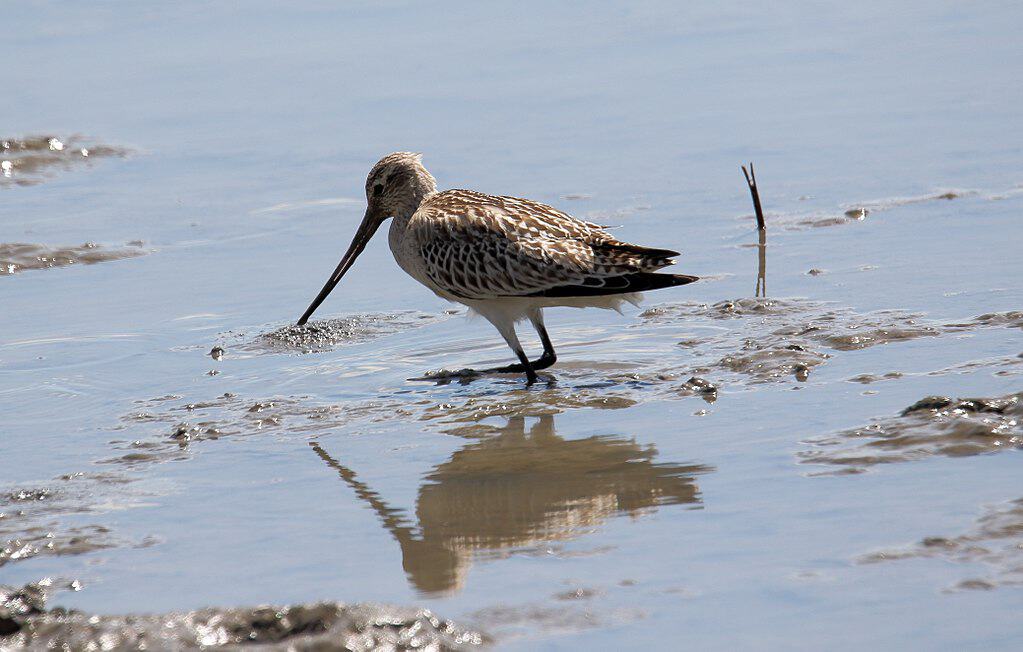
Once a bird veers off its usual route, navigating unfamiliar terrains presents significant challenges. The bird must find food, shelter, and safe passage in places where it might not have genetic or learned knowledge to aid its survival. These obstacles make its survival all the more astonishing.
Adaptation: The Key to Survival
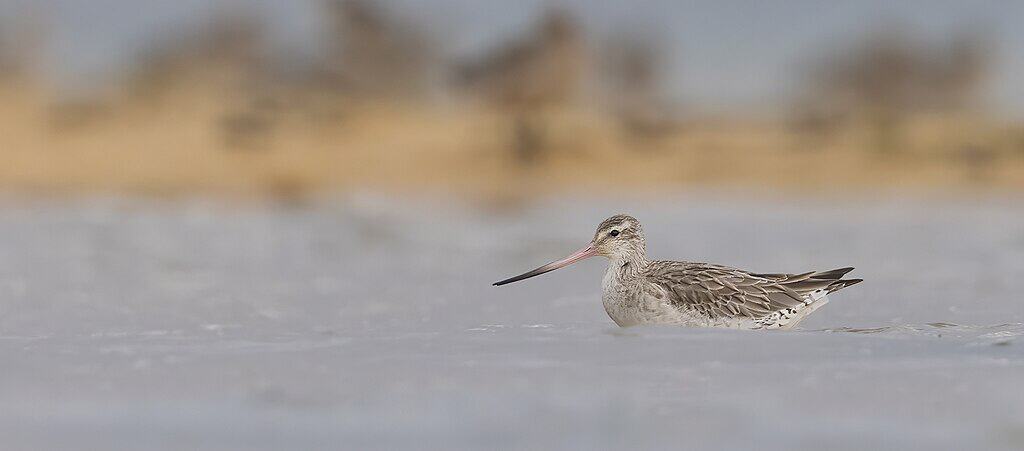
Adaptability becomes crucial when a bird finds itself far from its known route. The ability to adjust dietary habits, seek new types of shelter, and recognize potential threats is essential for its survival. This inherent flexibility is a testament to the evolutionary marvels of avian species.
Human Intervention: A Mixed Blessing
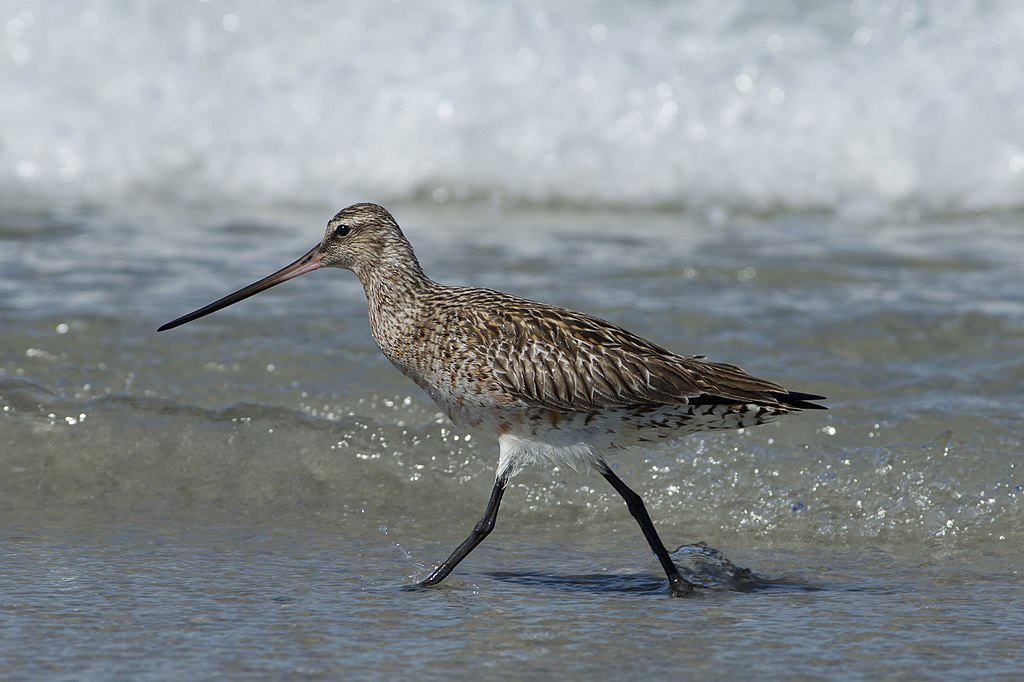
Encountering human habitats can be both beneficial and threatening for a wayward bird. While urban areas may offer food resources and shelter, they also present risks such as predators and human-induced hazards. Understanding this intersection is critical for bird conservation efforts.
The Role of Citizen Science

Ordinary individuals play an increasingly vital role in tracking migratory birds. Citizen scientists—birdwatchers and enthusiasts—often provide crucial data and observations that help researchers piece together these remarkable stories of avian resilience.
Technological Advances in Bird Tracking
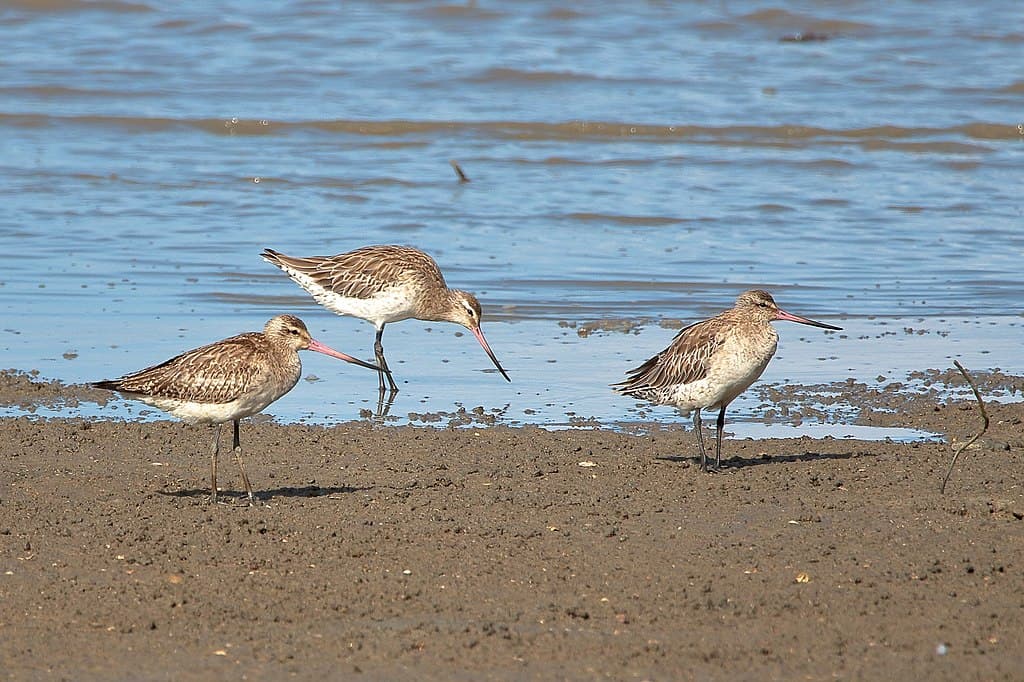
Recent advancements in GPS and satellite technology have revolutionized our ability to track bird migrations. These tools offer significant insights into migratory patterns and deviations, helping to unravel the mystery behind detours like the one taken by this intrepid bird.
Global Implications of Migration Deviations
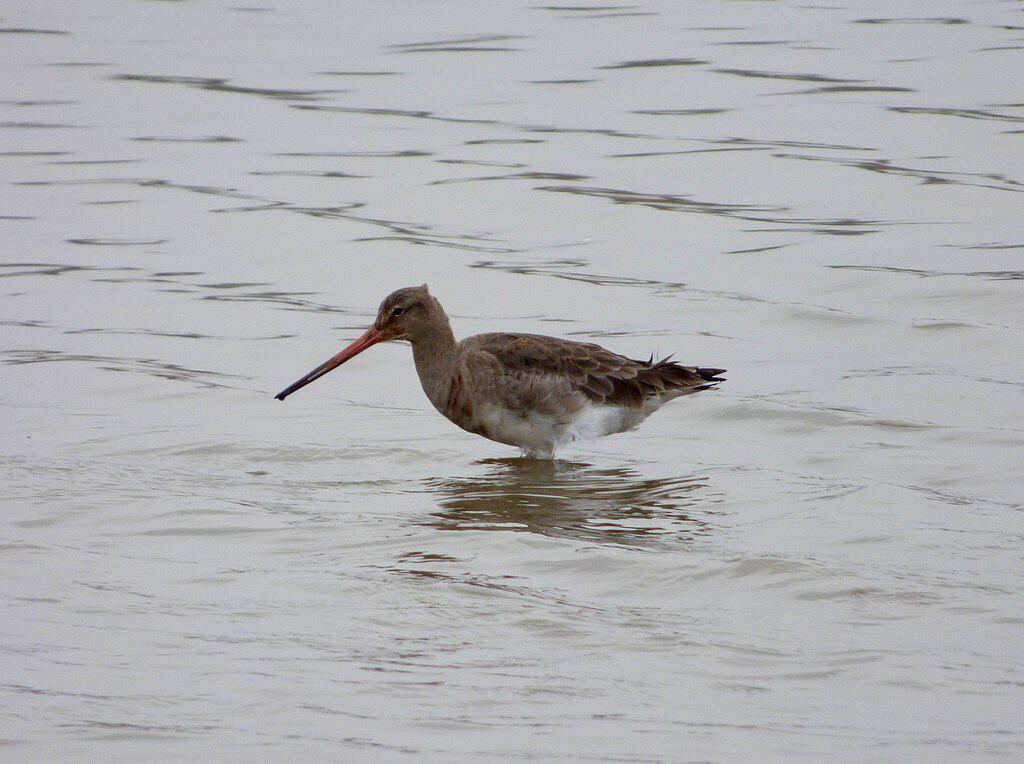
Understanding why certain birds end up far from their expected routes has broader ecological implications. These insights contribute to a greater understanding of climate change impacts, environmental health, and biodiversity conservation on a global scale.
Conservation Lessons Learned
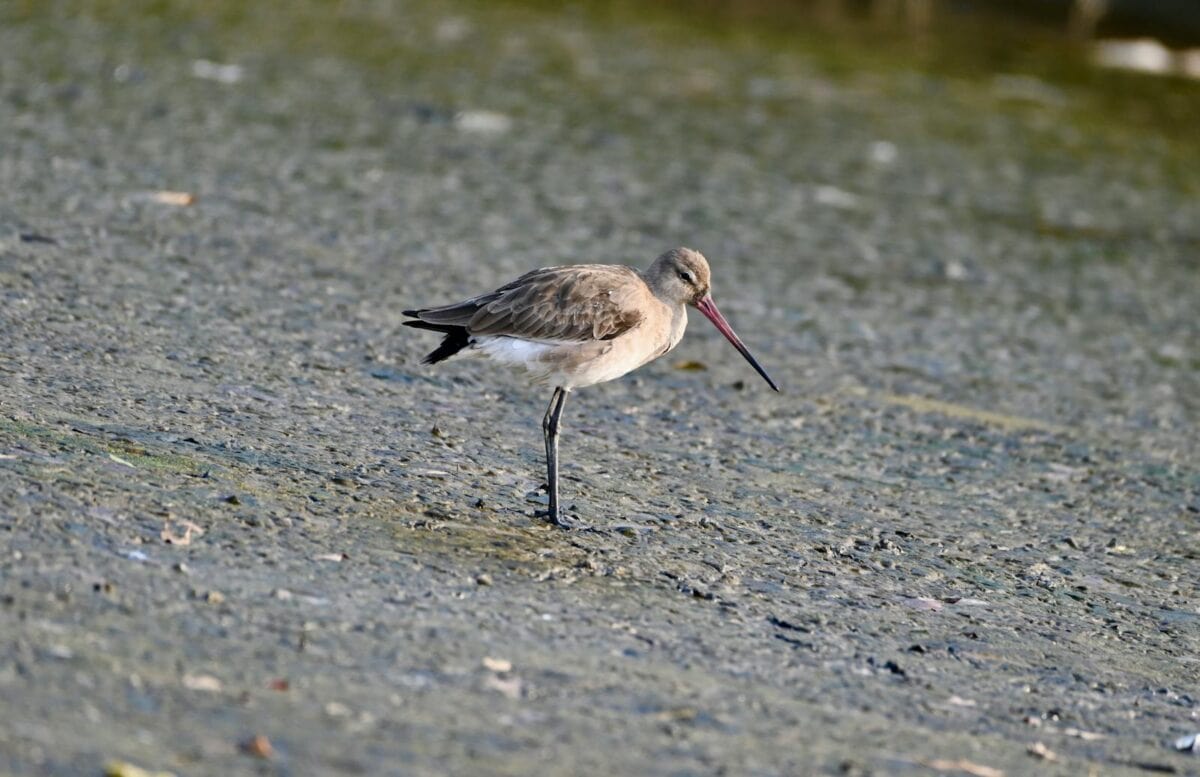
This story of survival offers valuable lessons for avian conservation. It underscores the need for protecting both breeding and non-breeding habitats, ensuring safe migratory corridors, and promoting policies that mitigate human impacts on these essential pathways.
Concluding the Avian Odyssey

The tale of the bird that flew 3,000 miles off course and survived is a testament to the resilience and incredible navigational prowess of birds. It invites us to reflect on the wonders of nature and the importance of preserving these remarkable journeys for future generations. In understanding and safeguarding the marvel of avian migration, we not only protect these birds but also contribute to a healthier planet.
In revisiting stories like this, we are reminded of the delicate balance in nature and our role in ensuring its continuity. Birds continue to astonish and inspire, and their journeys prompt us to deepen our commitment to their conservation.

- 10 Animals That Cheat Death in the Most Unexpected Ways - July 19, 2026
- The Shrimp That Punches Like a Bullet - July 19, 2026
- This Tiny Mammal Can Slow Its Heartbeat to One Beat Per Minute - July 19, 2026