

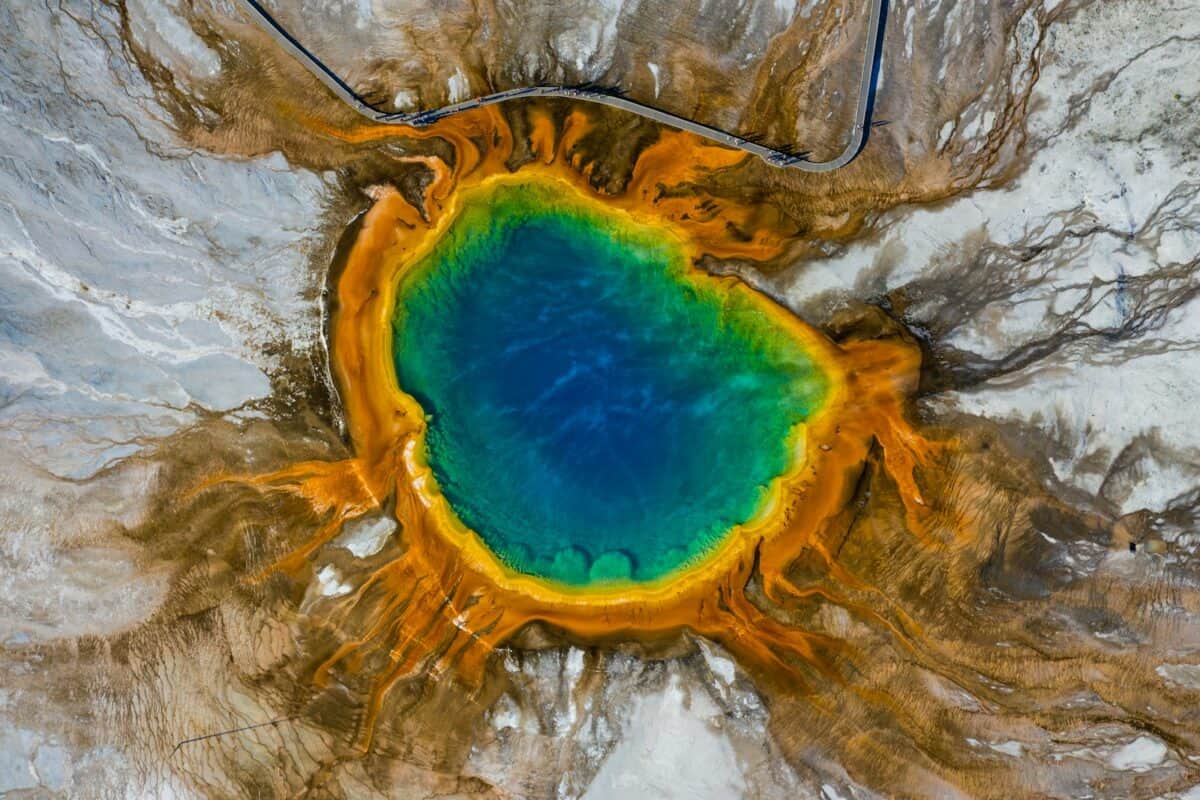
In an era dominated by the global plastic pollution crisis, groundbreaking discoveries wield the potential to reshape our relationship with the environment. The discovery of a unique plastic-eating bacterium in Yellowstone presents such an opportunity. This article delves into how this bacterial wonder could revolutionize our approach to tackling plastic waste.
Introducing a Microbial Marvel

The organism discovered in Yellowstone National Park is a strain of bacteria with an appetite for plastic. Known for its geothermal features and thriving wildlife ecology, Yellowstone has long been a treasure trove for researchers seeking novel microorganisms. This recent find adds to its mysteries, embodying a potential biological ally in curbing plastic pollution.
The Plastic Pollution Crisis
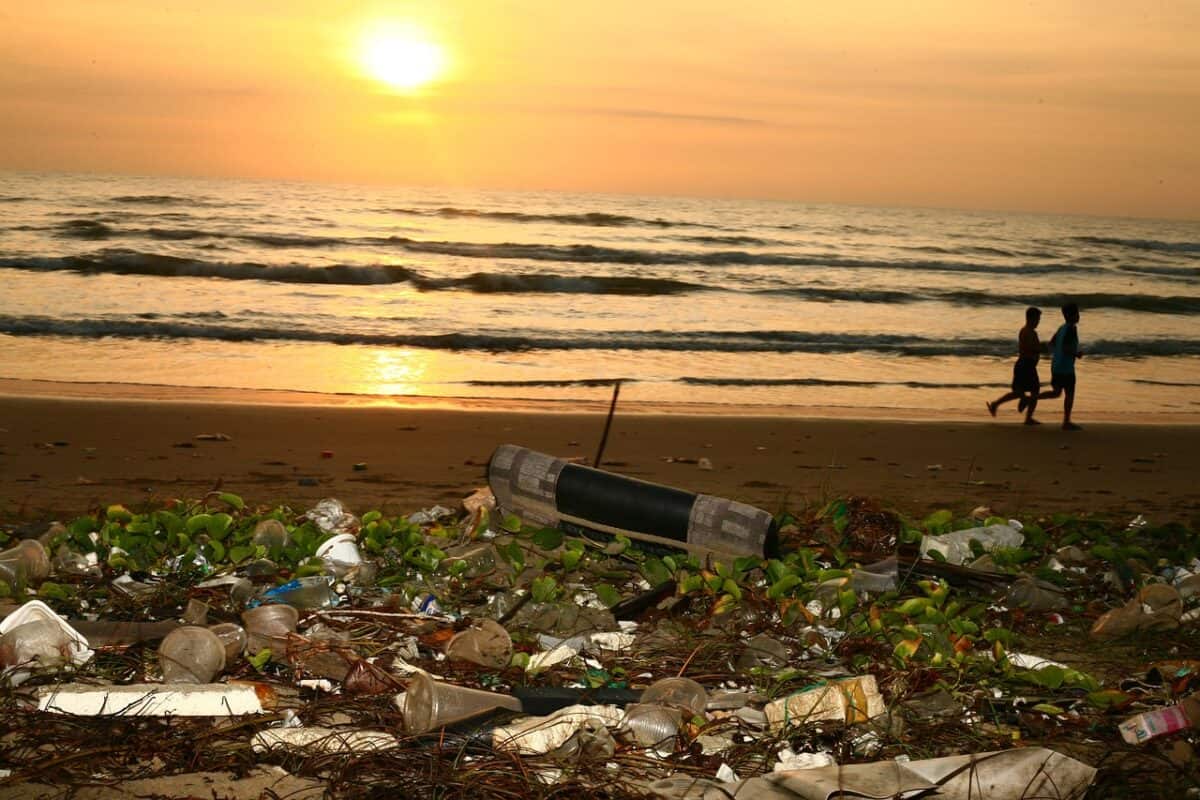
Globally, approximately 300 million tons of plastic are produced annually, with a significant portion ending up in landfills and oceans. Plastics take hundreds of years to decompose, leading to long-term environmental impacts on land and marine ecosystems. Current solutions, like recycling and incineration, have limitations, underscoring the need for innovative approaches.
A Unique Habitat: Yellowstone’s Thermal Features

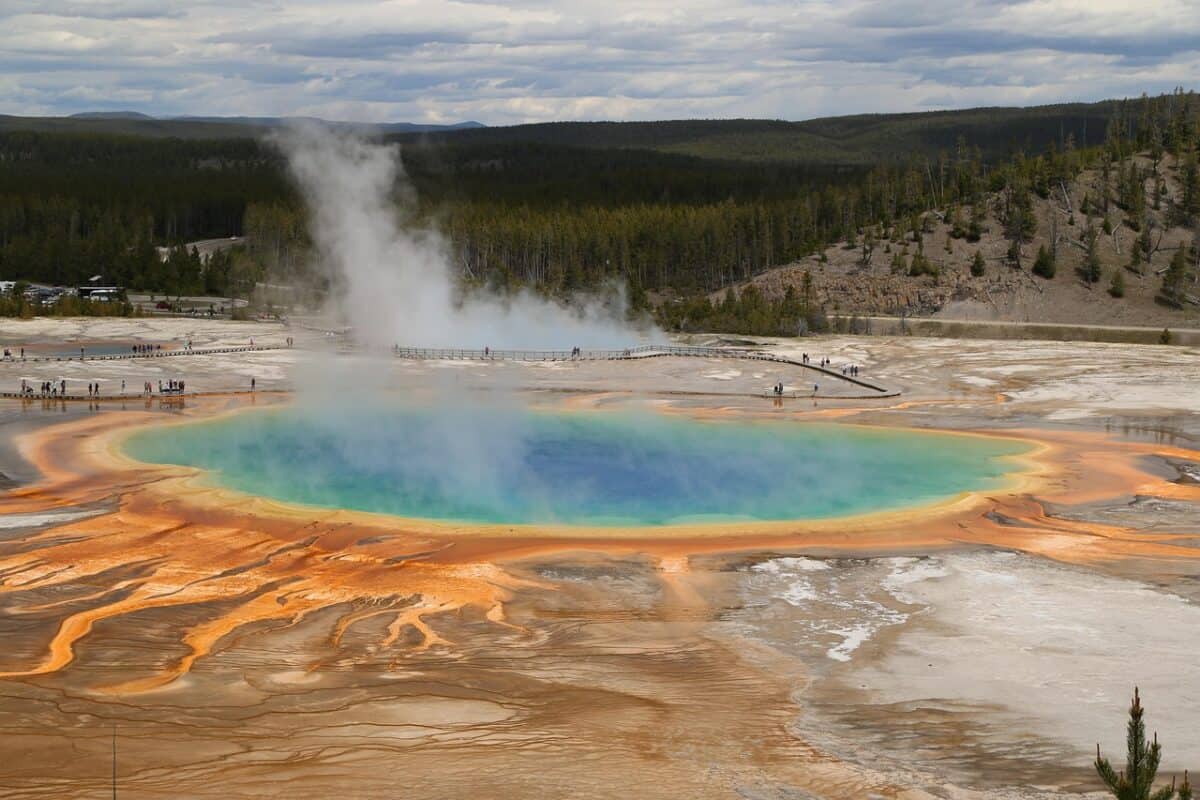
Yellowstone’s high-temperature springs and geysers create extreme environments that host thermophilic organisms. These conditions have led to the evolution of unique adaptations, enabling the discovery of species with remarkable metabolic processes, like those capable of digesting plastic.
How the Bacteria Decomposes Plastic

The bacteria employ enzymes that degrade plastic polymers into simpler monomers. This enzymatic action breaks down plastics like polyethylene terephthalate (PET), commonly used in beverage bottles and clothing fibers, into benign byproducts. The speed and efficiency of this process distinguish it from natural degradation periods spanning centuries.
Potential Environmental Benefits

If harnessed effectively, bacterial plastic degradation could significantly lower the burden of plastic waste on ecosystems. This biotechnological approach offers a biodegradable path for plastics, potentially reducing landfill wastage and ocean debris significantly.
The Role of Biotechnological Advancements

Advancements in biotechnology play a crucial role in understanding and optimizing the bacteria’s plastic-degrading capabilities. Genetic engineering and synthetic biology could enhance bacterial efficiency, transforming the agent into a practical solution for real-world applications.
Current Limitations and Challenges

Despite its promise, deploying plastic-eating bacteria poses challenges. Issues such as maintaining optimal conditions for bacterial activity, ensuring biosafety, and scaling the process need addressing. More research is needed to ascertain practical, cost-effective methods to deploy these bacteria globally.
Real-World Applications

The potential uses of this bacteria extend beyond waste reduction. Application areas include waste management in landfill sites, bioremediation of plastic-polluted marine environments, and integration into recycling processes to enhance efficiency.
Implications for Future Research

This discovery prompts further research into microbial ecology and the enzyme evolution underlying plastic degradation. Scientists aim to explore other extreme habitats for similar organisms, expanding the repository of bacteria with industrial and environmental applications.
Collaboration for a Sustainable Future
The journey to harness this bacterium involves collaborative research across microbiology, environmental science, and chemical engineering sectors. International partnerships and public-private collaborations will be essential to devise sustainable, scalable solutions leveraging this discovery.
Public Awareness and Participation

Public engagement plays a crucial role in addressing plastic pollution. Public understanding of scientific advancements, like these plastic-eating bacteria, encourages responsible consumer behaviors and support for policies favoring biotechnological interventions in environmental conservation.
Conclusion: A Step Toward a Cleaner World

The discovery of plastic-eating bacteria in Yellowstone represents a beacon of hope in the fight against plastic pollution. While challenges remain, this breakthrough marks a pivotal step toward innovative, nature-inspired solutions for environmental conservation. As research progresses, society stands poised at the threshold of potential transformation, driven by science and a commitment to sustainability.

From exploring the marine wonders in the Azores and witnessing the vast savannas of Kenya, to delving deep into the rich biodiversity of South Africa and traversing iconic landscapes in Australia and the US like Yellowstone, Chris's experiences are vast.
With a penchant for diving alongside sharks, the ocean holds a special place in his heart.
Through his academic insights, he champions wildlife conservation, striving with 'Animals Around The Globe' to cultivate a profound connection between humans and animals, enhancing our mutual appreciation.
Connect with him at Feedback@animalsaroundtheglobe.com.