


Dogs have long been celebrated as man’s best friend, but how deep does this bond truly go? Can dogs perceive and comprehend the emotions of their human companions? As science delves deeper into the intricacies of the human-animal connection, new findings continue to shed light on our canine companions’ ability to understand and respond to human emotions. This article explores the fascinating world of dogs and their remarkable capacity for emotional intelligence.
Evolution of the Human-Dog Bond

Humans and dogs share a relationship that dates back thousands of years. The domestication of dogs from their wolf ancestors was a pivotal event in human history, providing companionship, protection, and assistance in hunting. Over millennia, selective breeding and mutual cohabitation have honed this bond, allowing dogs to become exquisitely attuned to human behaviors and emotions.
Canine Emotional Intelligence

Research on canine emotional intelligence reveals that dogs possess a remarkable ability to understand and respond to human emotions. This skill, known as empathetic accuracy, enables dogs to distinguish subtle cues in human behavior and react accordingly. Studies suggest that dogs can differentiate between happy, sad, and angry expressions, showcasing their sophisticated emotional perception.
The Role of Oxytocin

Oxytocin, often referred to as the “love hormone,” plays a significant role in strengthening the bond between dogs and humans. Interactions such as petting, gazing, and playing trigger the release of oxytocin in both species, fostering a sense of trust and attachment. This hormonal exchange not only enhances emotional connections but also aids dogs in understanding human emotions more effectively.
Understanding Facial Expressions

Facial expressions are a key component of human communication, and dogs have demonstrated the ability to interpret them with surprising accuracy. Research involving eye-tracking technology has revealed that dogs focus on a human’s face and closely observe changes in expressions. They use this information to gauge emotions and adjust their behavior accordingly, showcasing their capacity for empathy.
Vocal Cues and Dogs’ Responses

Humans frequently communicate emotions through vocal cues, and dogs have evolved to be adept listeners. Studies demonstrate that dogs can differentiate between human vocal tones, such as those indicating happiness, sadness, or anger. This ability allows them to react appropriately, seeking to comfort or reassess their behaviors based on the emotional context conveyed through speech.
Impact of Owner’s Emotional State

A dog’s behavior is often significantly influenced by the emotional state of its owner. Emotional contagion is a phenomenon where a dog’s emotional state mirrors that of its human companion. For example, a stressed or anxious owner can inadvertently cause their dog to exhibit similar anxiety. Conversely, calm and positive emotions can have a soothing effect on a canine, reinforcing the deep connection between the two species.
Studies on Canine Empathy

Numerous studies have been conducted to assess canine empathy and their ability to support humans in distress. One notable experiment involved placing humans in a room while they displayed signs of emotional distress. The majority of the dogs present sought to comfort the individuals, showcasing a heightened sense of awareness and the desire to mitigate human discomfort.
The Role of Breed Differences

While all dogs possess the capacity to understand human emotions, certain breeds may be more attuned than others. Working breeds, like border collies or retrievers, are often praised for their intelligence and trainability, which includes heightened emotional sensitivity. Companion dogs, such as toy breeds, are bred for their affectionate nature and strong ability to bond with humans.
Training and Reinforcement
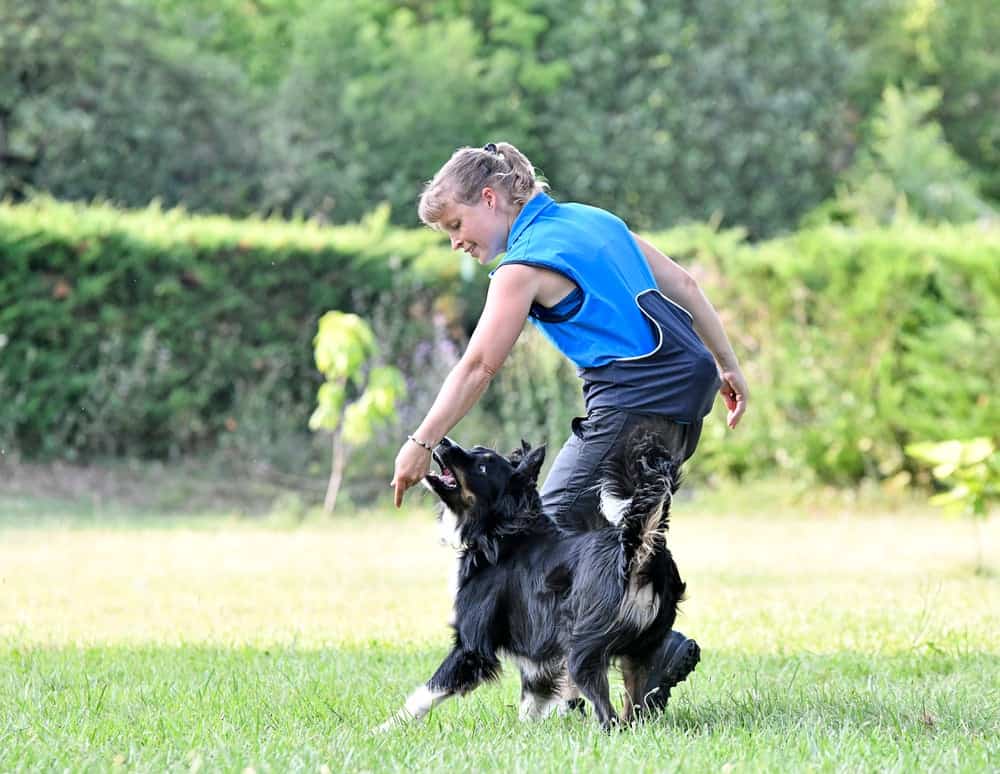
Training plays an essential role in enhancing a dog’s ability to understand human emotions. Positive reinforcement strategies can be used to reinforce desired behaviors and emotional responses. Training promotes better communication and a deeper understanding between dogs and humans, leading to a more harmonious coexistence.
How to Strengthen Emotional Bonds

Building an emotional bond with a dog requires time, patience, and mutual understanding. Engaging in shared activities such as playtime, walks, and training sessions strengthens this bond. Regular interaction not only reinforces trust but also allows humans to better communicate emotions with their furry companions, who, in turn, respond with remarkable empathy.
The Comforting Role of Therapy Dogs
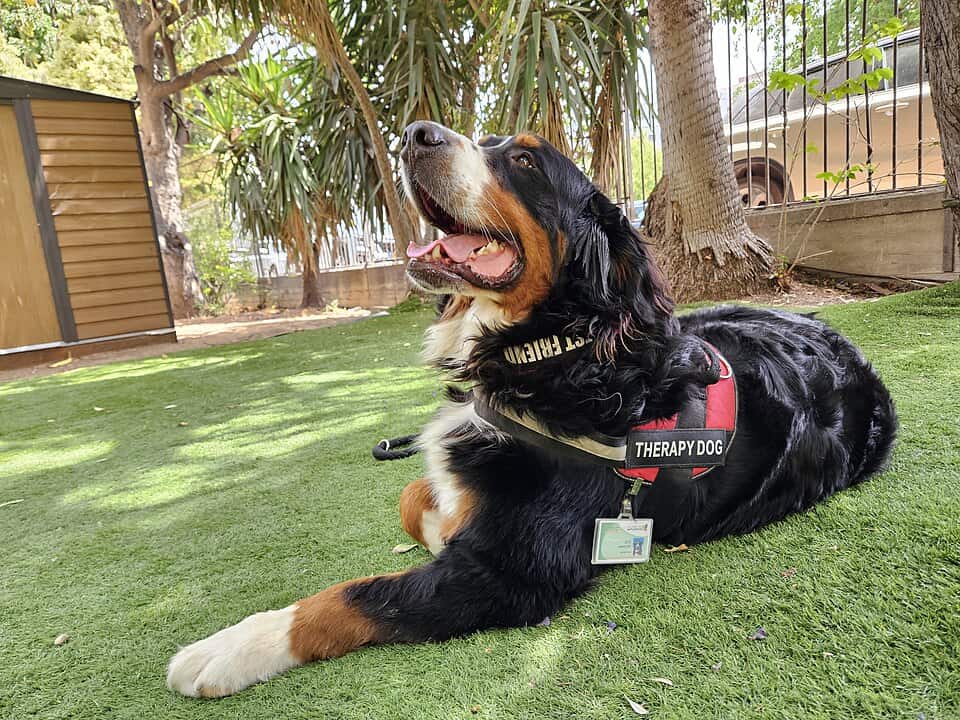
Therapy dogs exemplify the extraordinary ability of dogs to provide comfort and support to those in need. Trained to assist in hospitals, schools, and therapy settings, these dogs offer emotional relief and improve mental well-being. Their ability to sense and respond to human emotions makes them indispensable partners in therapeutic environments.
Personal Stories and Anecdotes

Anecdotal evidence abounds regarding dogs’ intuitive understanding of human emotions. Countless pet owners share stories of their dogs providing comfort during difficult times, showcasing an intrinsic ability to support and care. These heartwarming accounts affirm that dogs possess an extraordinary, empathetic connection to their human companions.
In conclusion, scientific research and personal testimonies combine to highlight the profound emotional intelligence of dogs. Their ability to recognize and respond to human emotions is a testament to the enduring bond shared between humans and their canine companions. As we continue to explore this remarkable emotional connection, it becomes clear that dogs truly understand and enrich our emotional lives, reaffirming their status as cherished members of our families.

- Owls and Other Forest Dwellers of the Cascades - July 19, 2026
- What Happens When a Python Eats Something Too Big? - July 19, 2026
- Baby Koalas Hug Their Moms for Safety and Comfort - July 19, 2026