


Every spring, a remarkable natural event unfolds in certain U.S. coastal waters—sharks arrive at specific bays to give birth. These nurseries play a vital role in the lifecycle of these apex predators, and understanding them is crucial to the conservation of shark species. Among these special locations is a particularly notable bay, where magic happens beneath the waves. This article explores the phenomenon of shark birthing bays, focusing on the ecological importance and fascinating biology behind these incredible gatherings.
The Biology of Shark Reproduction

Sharks are unique in the animal kingdom thanks to their diverse reproductive strategies. While some species lay eggs, many, including those that visit these U.S. bays, give birth to live young. The process known as ovoviviparity involves embryos developing inside eggs within the mother’s body, offering protection until birth. This reproductive method makes safe birthing environments essential for the survival of shark populations.
Identifying Key Shark Birthing Bays

The United States coastline features several shark birthing bays, with Florida and the Gulf of Mexico being prominent locations. Sharks such as the blacktip, bonnethead, and lemon shark frequent these areas annually. The choice of these specific locations is influenced by water temperature, salinity, and the abundance of prey, which provide an ideal setting for juveniles to thrive.
The Role of Temperature and Climate

Temperature plays an instrumental role in the selection of birthing bays. Sharks prefer warm waters for giving birth, as they lead to higher metabolic rates and faster growth in newborns. Seasonal changes in sea temperature signal sharks to migrate to these birthing bays just in time for the spring. Additionally, climate change and rising sea temperatures can impact these migration and birthing patterns, presenting new conservation challenges.
Importance of Birthing Bays in Shark Ecology

Birthing bays serve as essential nurseries where young sharks can grow and develop away from predators. These shallow, nutrient-rich waters provide ample feeding opportunities and shelter for newborns. The concentrated presence of young sharks turns these areas into hotspots of activity and biodiversity, supporting various other marine organisms.
Behavioral Patterns during Shark Maternity

During the birthing season, pregnant female sharks often exhibit specific behaviors. They may reduce their activity levels to conserve energy for the strenuous birthing process. Social interactions can also play a part, as some species show aggregative behavior, potentially for mutual protection. Understanding these patterns is vital for managing human interactions and ensuring the safety and preservation of these essential sites.
Predation and Natural Threats in Nursery Habitats

Despite being designated nurseries, these bays are not devoid of threats. Predators like larger sharks, dolphins, and even seabirds pose risks to newborn sharks. The need to navigate these perilous waters requires the development of immediate survival strategies for young sharks, including camouflage and rapid growth increments to outpace predators.
Human Impact on Shark Birthing Bays
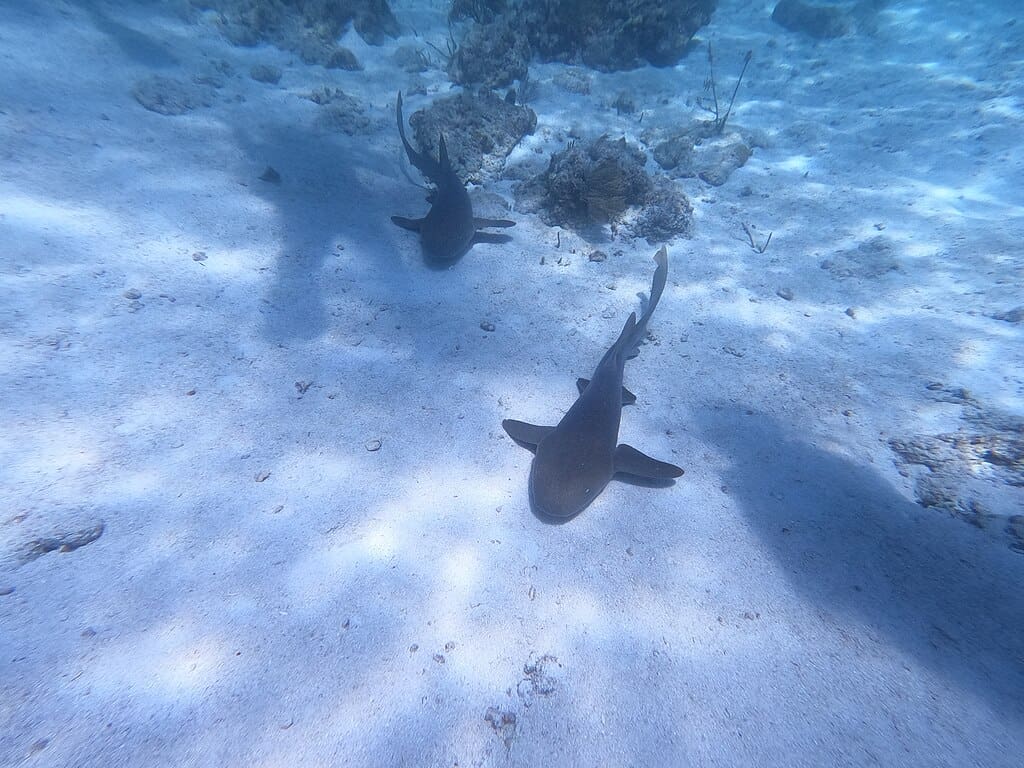
Human activities such as coastal development, pollution, and recreational fishing can significantly impact these sensitive habitats. Disturbances can disrupt birthing patterns and lead to less favorable conditions for shark pups. Conservation efforts are critical to mitigate these threats and protect the delicate balance of these ecosystems.
Conservation Efforts and Protection Measures

Efforts to protect shark birthing bays include establishing marine protected areas, enforcing fishing restrictions, and monitoring water quality. Conservation organizations work alongside government agencies to create awareness and implement measures to ensure the long-term sustainability of these essential habitats. Supporting these initiatives is key to preserving shark populations and the overall health of marine ecosystems.
Research and Monitoring: Studying Maternity Habitats

Ongoing research helps us understand the dynamics of shark birthing bays. Scientists use tagging and tracking technologies to monitor shark movements and behavior, contributing valuable data for conservation strategies. Citizen science programs also play a role, engaging local communities in data collection and fostering a broader understanding of sharks’ ecological importance.
Public Education and Awareness

Educational programs are vital in promoting awareness about the significance of shark birthing bays. Through public outreach campaigns and interactive exhibits, institutions encourage a deeper appreciation of sharks and their ecological role. Educating the public helps shift perceptions and inspires collective efforts in conservation.
Conclusion: A Natural Wonder Worth Protecting
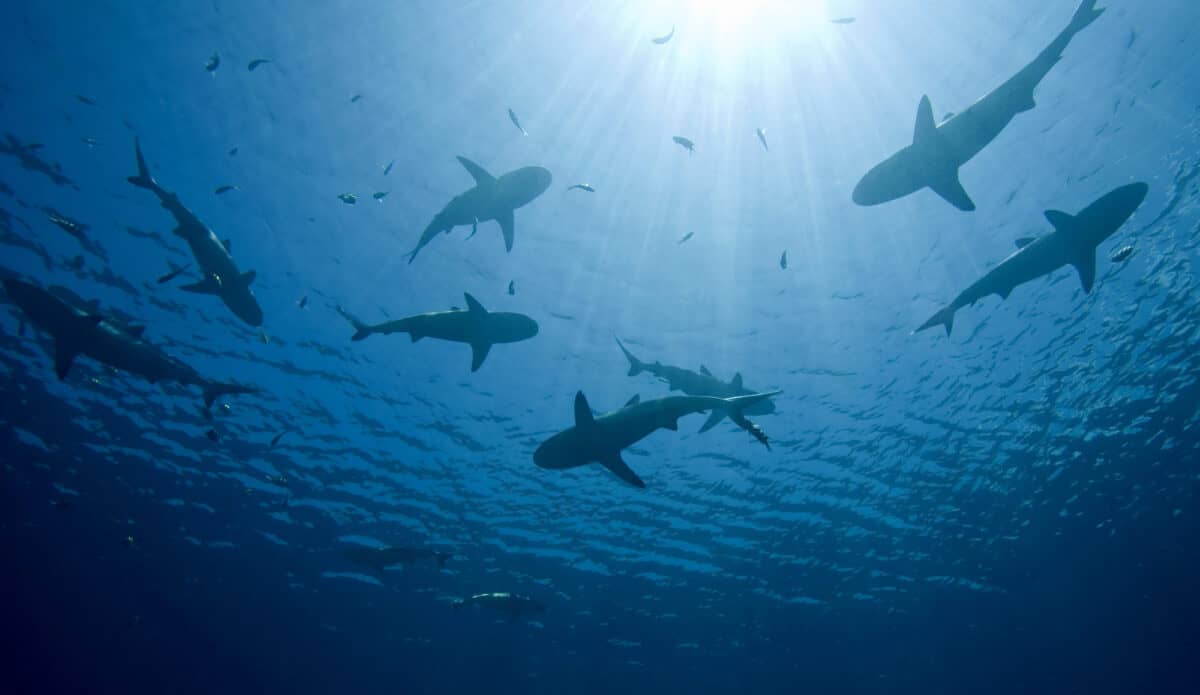
The annual gathering of sharks in U.S. birthing bays is a testament to the intricate balance of our oceans. These unique habitats provide invaluable insights into shark ecology and offer exciting opportunities for scientific study and conservation. Understanding and protecting these nurseries not only benefits sharks but also contributes to the overall health of marine environments. As custodians of the planet, it is our responsibility to safeguard these natural wonders for future generations.

From exploring the marine wonders in the Azores and witnessing the vast savannas of Kenya, to delving deep into the rich biodiversity of South Africa and traversing iconic landscapes in Australia and the US like Yellowstone, Chris's experiences are vast.
With a penchant for diving alongside sharks, the ocean holds a special place in his heart.
Through his academic insights, he champions wildlife conservation, striving with 'Animals Around The Globe' to cultivate a profound connection between humans and animals, enhancing our mutual appreciation.
Connect with him at Feedback@animalsaroundtheglobe.com.
- The Anatomy of a Spider: What Makes It So Unique? - July 19, 2026
- The Largest Wolf Pack Ever Tracked in the Wild - July 19, 2026
- Saving Manatees in Florida’s Warming Waters - July 19, 2026