

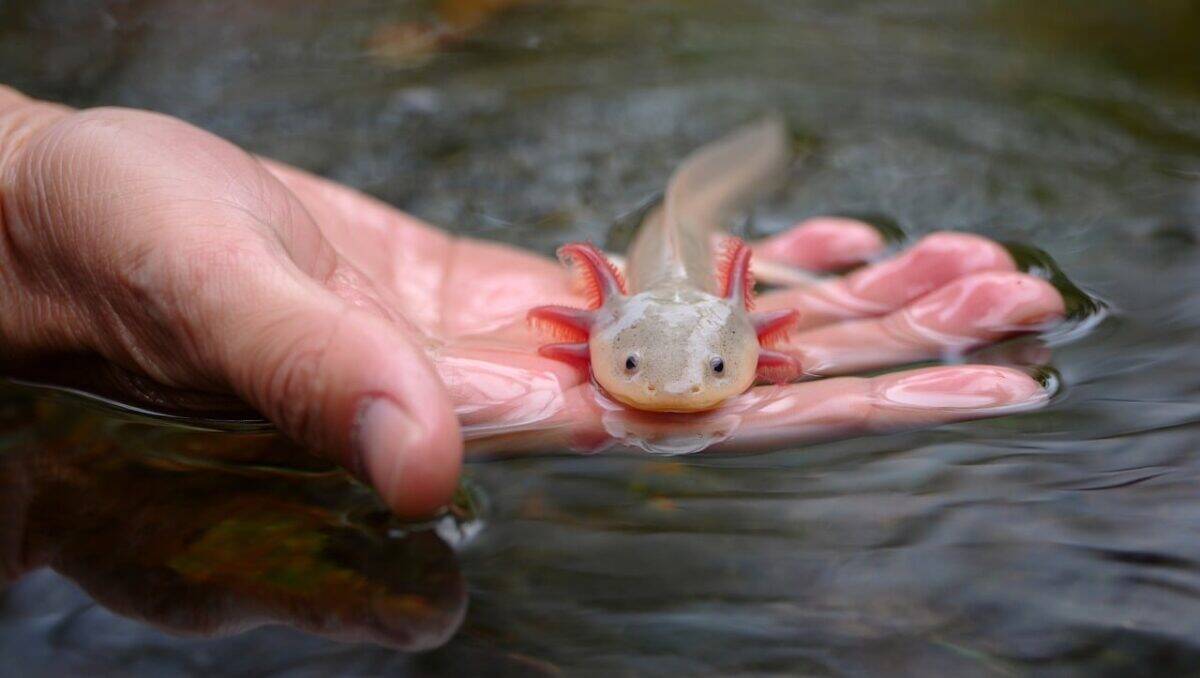
The axolotl, a captivating and extraordinary creature, has garnered global fascination due to its unique characteristics. With its perpetual expression of juvenile allure and remarkable biological features, the axolotl represents one of the most fascinating enigmas of the natural world. Join us as we delve into what makes the axolotl such a marvel, keeping the scientific curiosity alive and the wonder at what nature can achieve.
Origins and Native Habitat
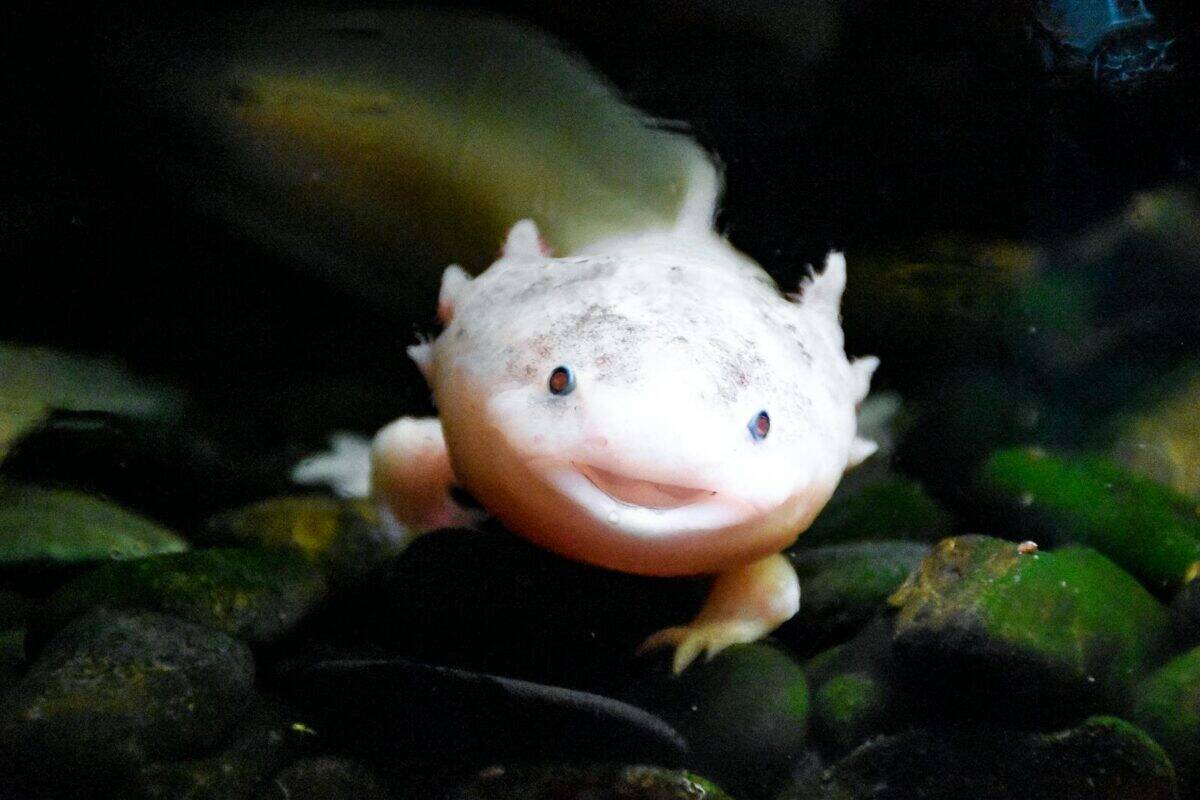
The axolotl, also known as the Mexican walking fish, is not actually a fish but an amphibian. Native to the ancient lake systems of Xochimilco near Mexico City, the axolotl has historically thrived in these unique high-altitude freshwater environments. Its name derives from the Aztec language Nahuatl, combining words that mean “water” and “monster,” a fitting description for this remarkable creature. Today, their natural habitat has been significantly reduced, making conservation efforts crucial.
Neoteny: A Biological Oddity

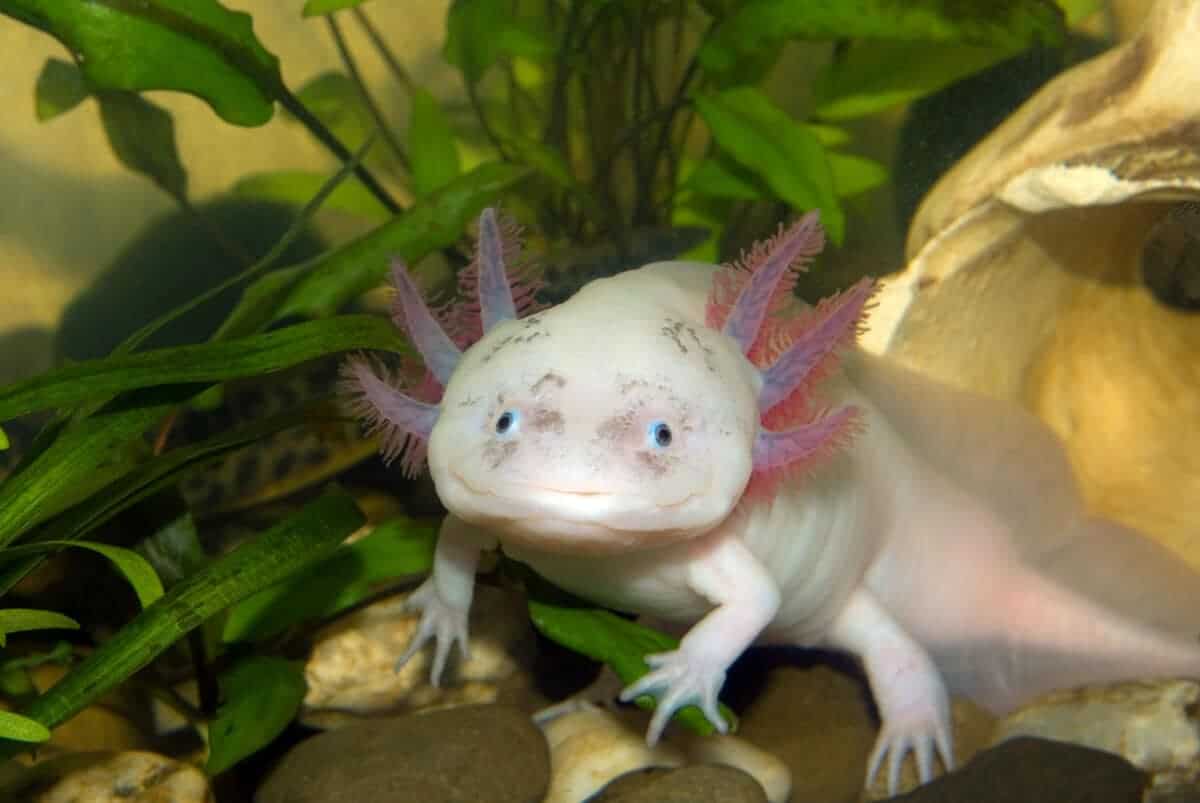
One of the most fascinating traits of the axolotl is its neotenic nature, a biological phenomenon where an organism retains juvenile characteristics into adulthood. Unlike most amphibians that undergo a metamorphosis from larva to adult, the axolotl retains its larval features, such as gills and a dorsal fin, throughout its life. This not only makes them visually distinct but also allows scientists to study the developmental processes in amphibians.
Marvelous Regeneration Abilities
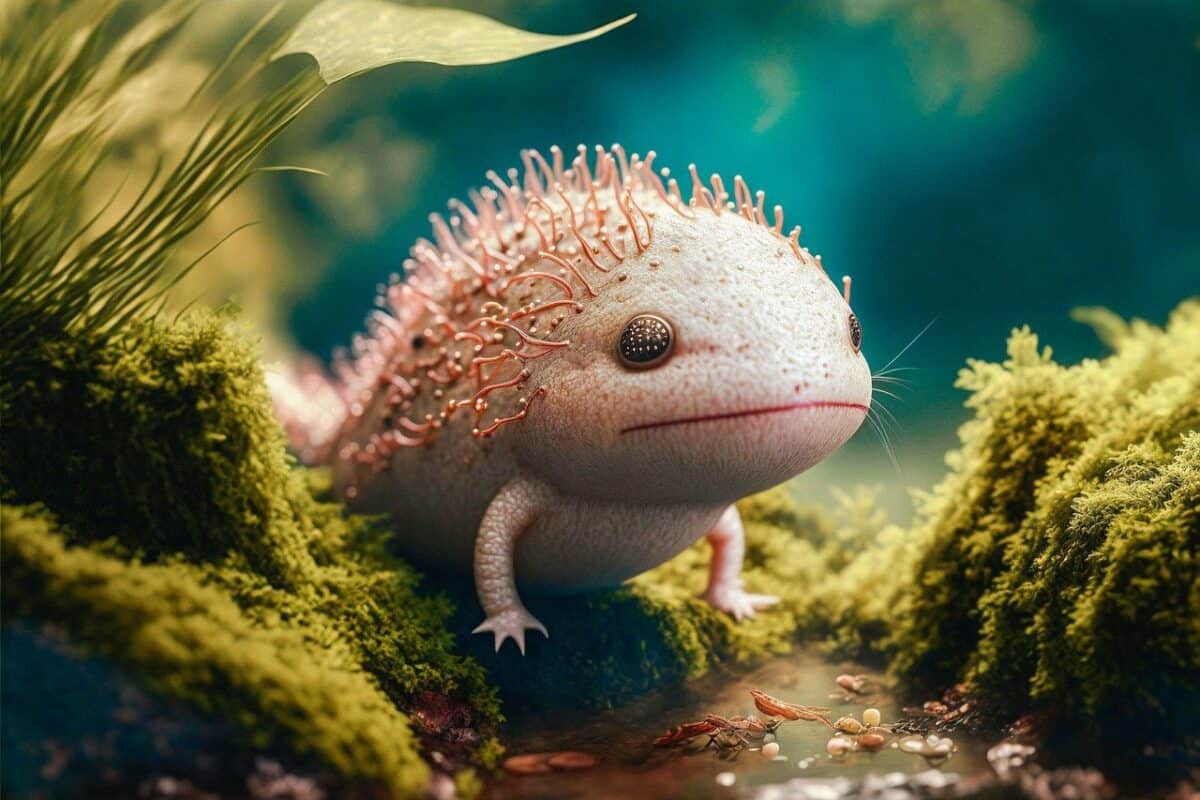
Axolotls are renowned for their unparalleled regenerative abilities. These creatures can regrow entire limbs, spinal cords, tissues, and even parts of their hearts and brains without scar tissue formation. Researchers are intensely studying axolotls to unlock the secrets of regeneration, hoping to apply these findings to human medicine and therapies. Their unique capability to regenerate complex structures opens up possibilities in wound healing and regenerative medicine.
Color Variants and Morphs

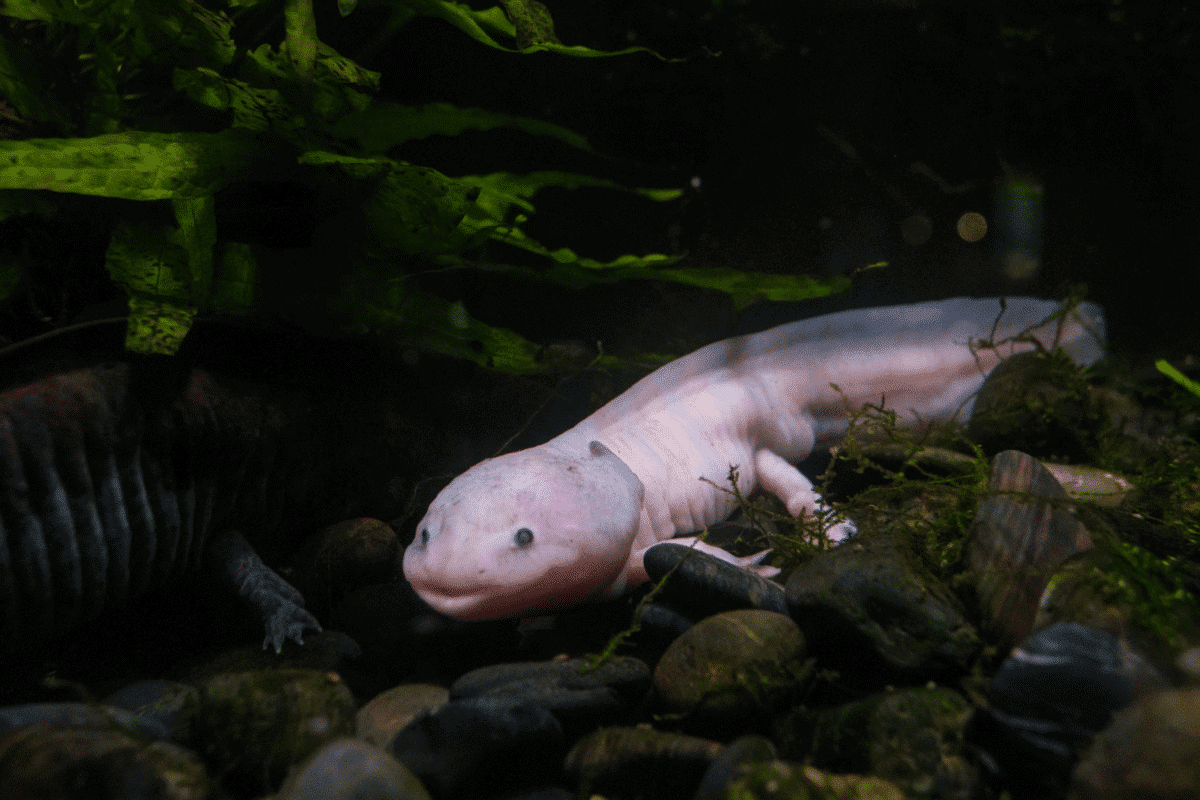
While the wild axolotl typically boasts a speckled appearance with shades of dark brown and black, captive breeding has introduced a variety of color morphs. These include leucistic axolotls with pale pink skin and red eyes, golden albinos, and even blueish variants. The diversity in pigmentation further fuels their popularity among aquarium enthusiasts. These color variations are not just visually appealing but also contribute to genetic research on coloration and breeding.
Diet and Hunting Techniques

A carnivorous species, the axolotl primarily feeds on worms, insects, and small fish in the wild. This unique creature employs a suction mechanism to capture prey, a behavior fascinating to both researchers and pet owners alike. While axolotls have teeth, they are used more for gripping than chewing, as their diet consists primarily of soft-bodied prey.
Threats to Survival

Despite their resilience in certain aspects, axolotls face significant threats that jeopardize their survival. The rapid urbanization and pollution in their native regions, combined with the introduction of predatory fish, have severely impacted their natural populations. Additionally, habitat destruction further complicates their conservation status, necessitating urgent protective measures.
Axolotls in Scientific Research

Beyond their captivating looks, axolotls have been invaluable in scientific research. Their regenerative capabilities and genetic makeup provide a deep well of knowledge that may be applicable to stem cell research and regenerative medical practices. Axolotls have emerged as model organisms in biology due to their extensive genome, offering insight into evolution, development, and disease resistance.
As Pets: Care and Considerations

Keeping an axolotl as a pet is an engaging experience requiring specific care considerations. These amphibians need a regulated tank environment with cold, clean water and proper filtration. Given their neotenic state, they thrive in water rather than on land. Diet management and regular habitat maintenance are essential to ensure their health and happiness.
Reproductive Habits

The reproductive process of axolotls offers more insight into their mystifying nature. Axolotls engage in an intricate courtship before the female lays eggs, which are then fertilized externally. They can produce hundreds of eggs at a time, a necessity for ensuring progeny survival given their precarious status in the wild.
Genetic and Evolutionary Insights
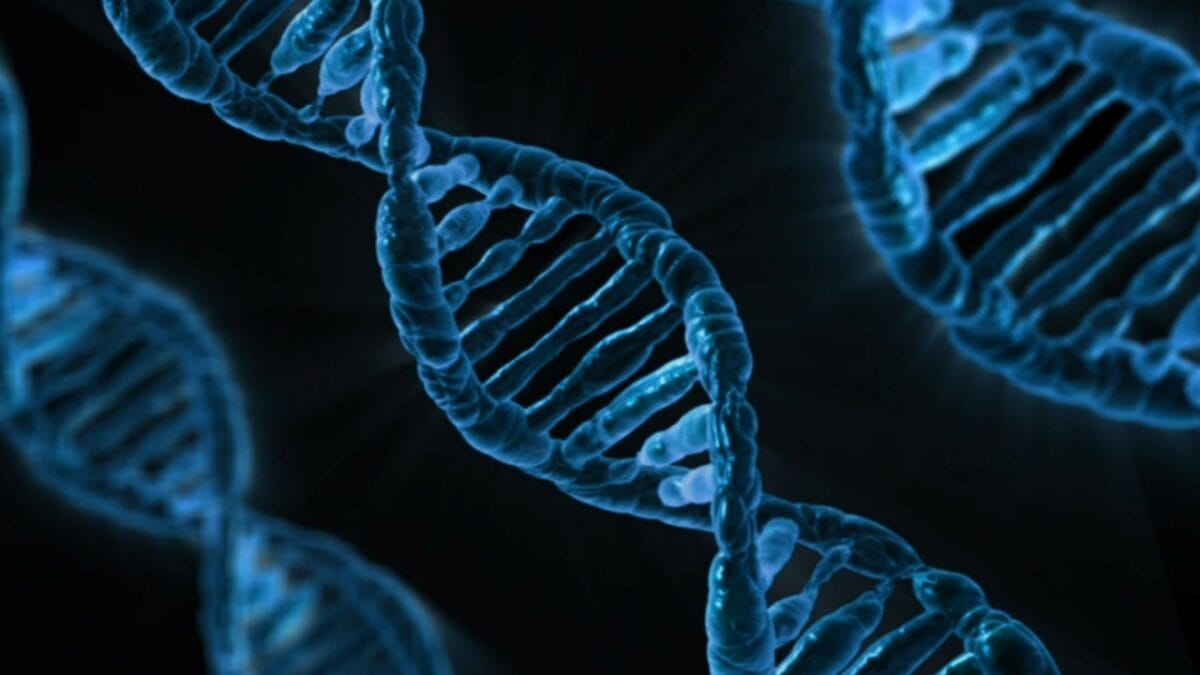
The genetic makeup of the axolotl provides crucial insights into the evolutionary processes. Their unique genome helps scientists understand how certain genes contribute to limb development and regeneration. Such studies are not only pivotal for evolutionary biology but also hold potential for biomedical applications.
Conservation Efforts and Challenges
Conservation efforts are aggressively underway to combat the declining numbers of axolotls in the wild. Programs encompassing habitat restoration, captive breeding, and public education aim to reestablish axolotl populations. However, balancing these efforts against urban demands presents an ongoing challenge for conservationists.
Cultural Significance and Legacy
The axolotl has imprinted its image deeply into cultural references and indigenous folklore, representing themes of transformation and adaptation. From serving as symbols in art and literature to being featured in modern media, they continue to captivate the human imagination worldwide. This cultural legacy reinforces their importance beyond biological interest, reminding us of nature’s inherent wonders and complexities.
In conclusion, the axolotl stands as a testament to the marvels of evolution and adaptation. From its enchanting appearance and intriguing biology to its role in scientific discovery and cultural lore, this “water monster” exemplifies nature’s ability to surprise and inspire. The continued fascination with axolotls ensures they will remain in the spotlight, serving as ambassadors for both biological diversity and conservation advocacy.

- How Crickets Chirp Using Their Wings - July 20, 2026
- The Largest Sea Turtle Ever Rescued Off North Carolina - July 20, 2026
- The Ocean’s Escape Artist: Why Octopuses Outsmart Us All - July 20, 2026