

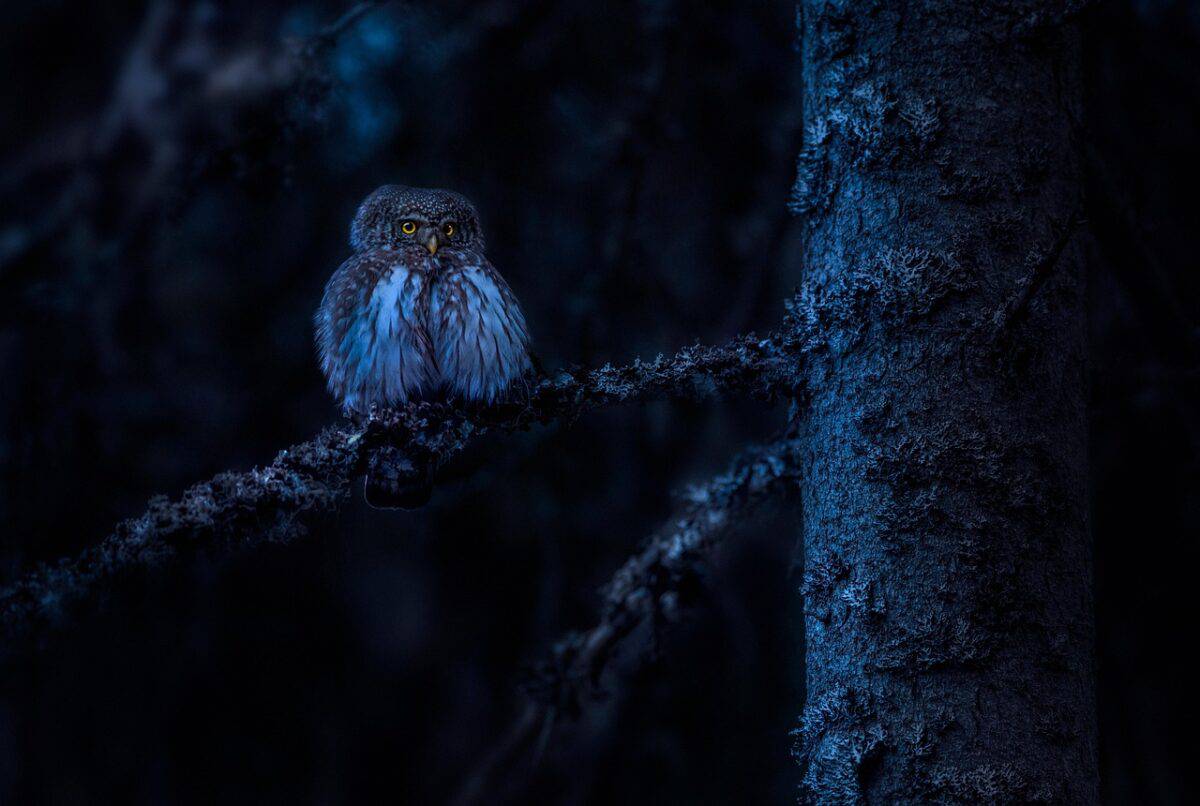
Owls have long been associated with mystery, wisdom, and the supernatural. Yet, beyond these mythical connotations, they are remarkable animals whose adaptations enable them to be among the most cunning and efficient predators of the night. This article delves into the fascinating aspects of owls, exploring what makes them the silent hunters of the dark and how nature has equipped them for a life of nocturnal predation.
Unique Feather Structure

One of the standout features that grants owls their stealth is their unique feather structure. Unlike most birds whose wing feathers produce noise during flight, owl feathers have serrated edges and a velvety texture. These modifications break up the turbulence into smaller flows, effectively muffling the sound of their wings, and allowing them to approach prey unnoticed.
Exceptional Hearing Abilities

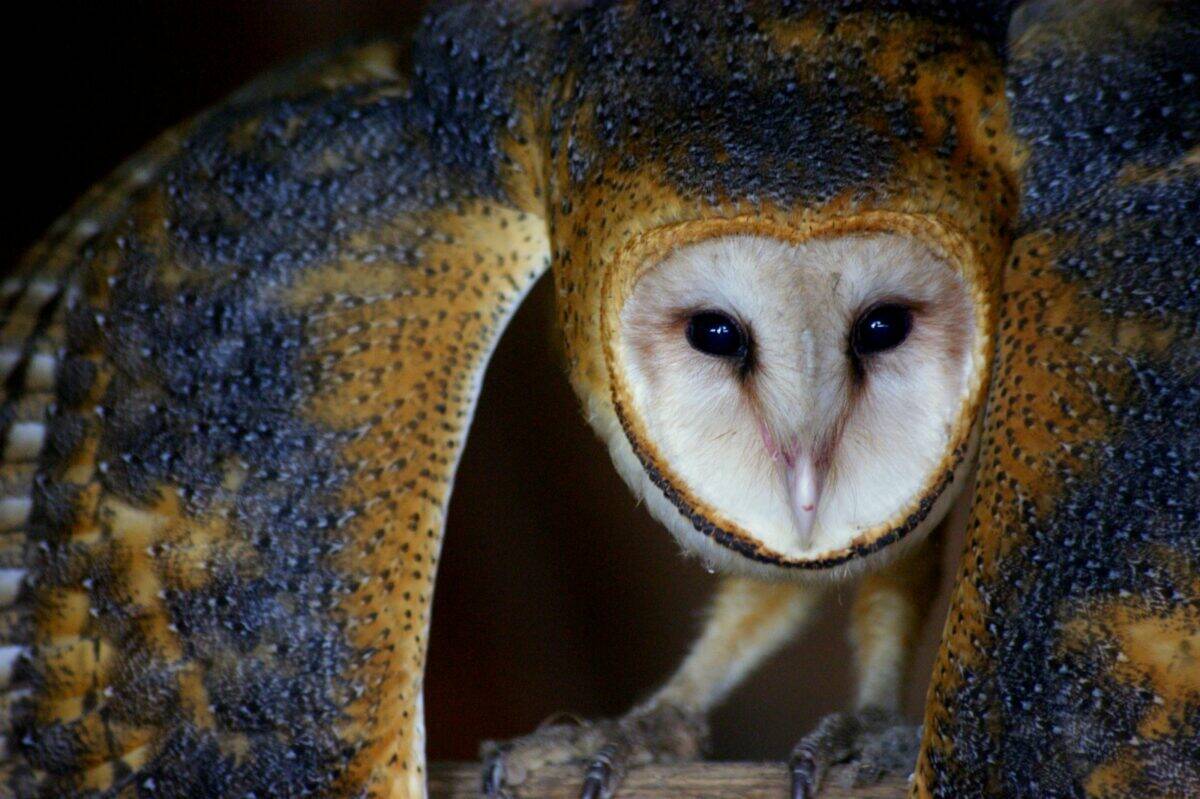
The structure of an owl’s face, often disc-shaped, plays a crucial role in its hunting prowess. Their facial discs funnel sound waves toward their asymmetrically placed ears, allowing them to pinpoint the direction and distance of sounds with remarkable accuracy. This auditory prowess helps owls locate prey even in complete darkness, making them effective hunters when sight alone isn’t enough.
Adaptations for Night Vision

Owls possess exceptional night vision, courtesy of their large eyes, which can occupy up to 70% of their skull volume. These eyes are highly sensitive to low light conditions due to a high number of rod cells and a specialized structure called the tapetum lucidum, which reflects light through the retina. This adaptation ensures they can detect even minimal movements in the dark.
Powerful Talons and Beaks

Beyond their sensory adaptations, owls are equipped with powerful talons and hooked beaks, essential for capturing and consuming prey. Their feet are designed to exert a force strong enough to swiftly kill or immobilize a victim, and their sharp beaks are adept at tearing and consuming flesh. This combination makes them efficient predators once they engage with their prey.
Morphological Coloration and Camouflage
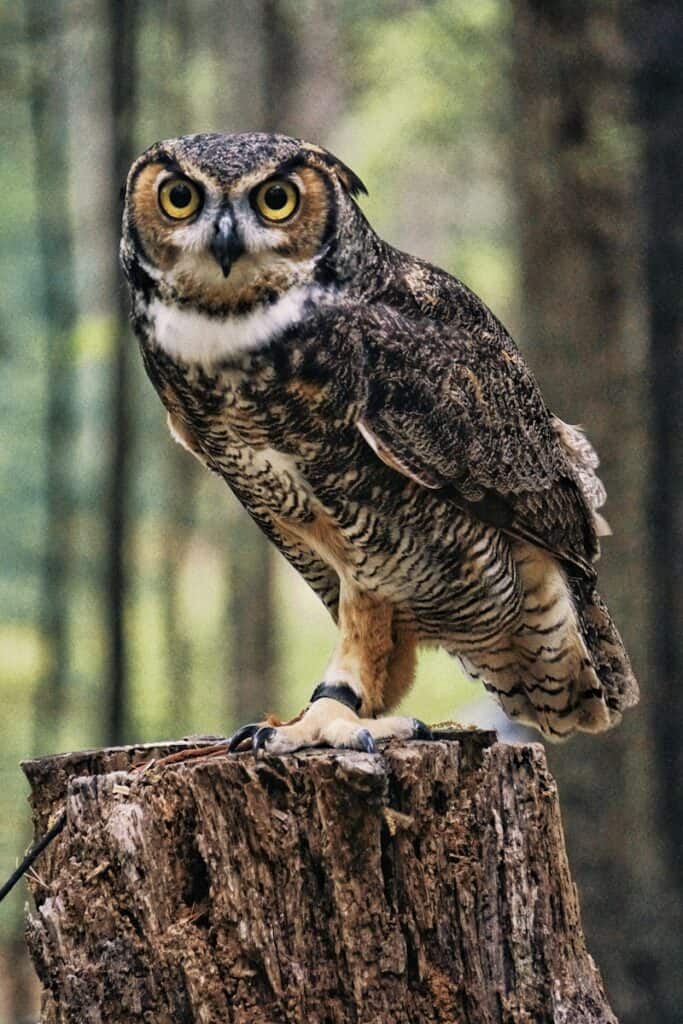
Owls are often well camouflaged against their surroundings. Their feathers exhibit colors and patterns that blend seamlessly with the trees and surroundings, making them nearly invisible both to their prey and to potential predators. This camouflage enhances their ability to remain undetected until they strike.
Variety in Die

Owls are opportunistic predators, with a diet that includes small mammals, insects, and other birds. Some species of owls, such as the barn owl, specialize in hunting rodents, while others may diversify their diet depending on availability. This adaptability in food preferences allows owls to thrive in diverse habitats worldwide.
Silent Stalkers of the Sky

The combination of silent flight, keen hearing, and night vision makes owls adept at stalking and ambushing their prey. Unlike daytime raptors which rely heavily on speed and surprise, owls depend on their silent approach, giving them a distinct advantage as they glide through the night.
Behavioral Adaptations for Hunting
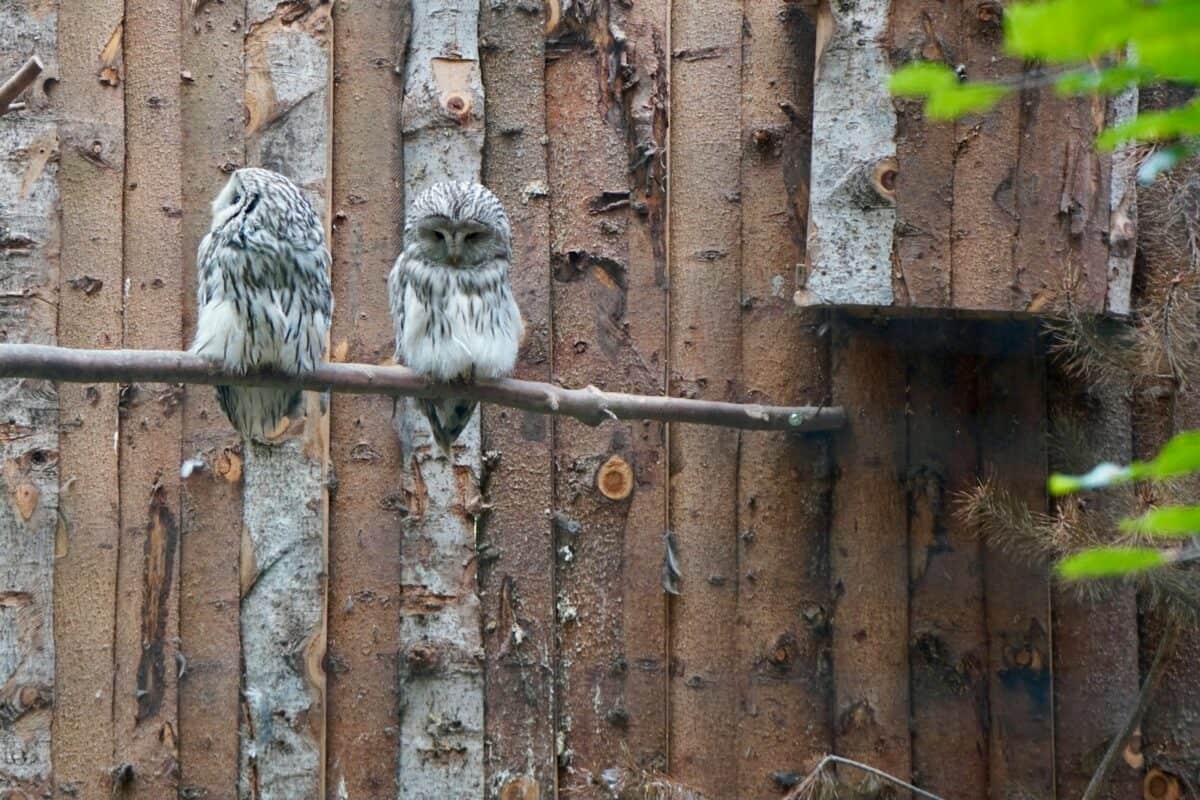
Owls exhibit remarkable patience and strategic hunting techniques. They often perch silently, observing and listening for movements below. Some species have been observed to hover or fly in a pattern designed to flush prey into the open. This blend of strategies underscores their adaptability and intelligence.
Nesting and Reproductive Strategies
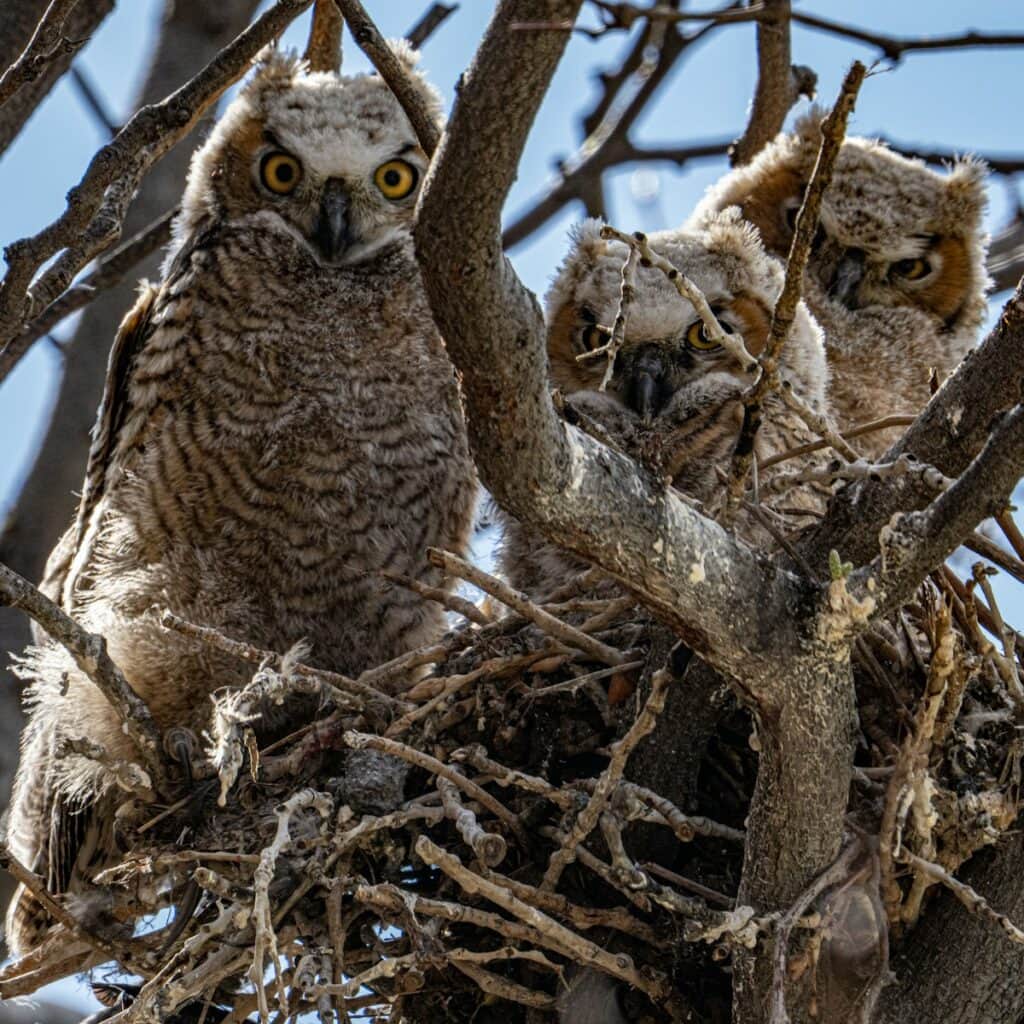
Owls often utilize abandoned nests or natural cavities for laying their eggs. This choice of nesting sites provides protection from predators. Owls typically raise their young in secluded environments, ensuring the future generations of these specialized birds continue.
Global Distribution and Diversity

With over 200 species distributed worldwide, owls inhabit a diverse range of environments, from dense forests to open fields and deserts. This vast distribution is a testament to their adaptability and the evolutionary refinements that make them such efficient hunters across different terrains.
Conservation Concerns

Despite their successful adaptations, many owl species face threats from habitat loss, climate change, and human encroachment. Conservation efforts are crucial for protecting their habitats and ensuring that these night-time predators continue to thrive in the wild.
The Enigma of Nocturnal Predation
Owls remain one of nature’s most intriguing creatures, mesmerizing with their ability to command the night sky silently. Their myriad adaptations make them unparalleled hunters, a testament to evolutionary ingenuity. Understanding these nocturnal predators illuminates the complexities of ecology and underscores the importance of preserving their habitats.
In conclusion, owls are more than symbols of wisdom or omens of myth; they are meticulously adapted creatures who silently govern the night. Their exceptional sensory abilities, physical adaptations, and ecological strategies not only highlight their prowess as hunters but also enrich the tapestry of biodiversity. Protecting these silent predators will ensure that future generations can appreciate the awe-inspiring adaptations of these majestic creatures.

- Wildlife Mysteries That Took Decades to Solve - July 21, 2026
- The Largest Python Ever Captured in Florida’s Everglades - July 21, 2026
- How Crickets Chirp Using Their Wings - July 20, 2026