

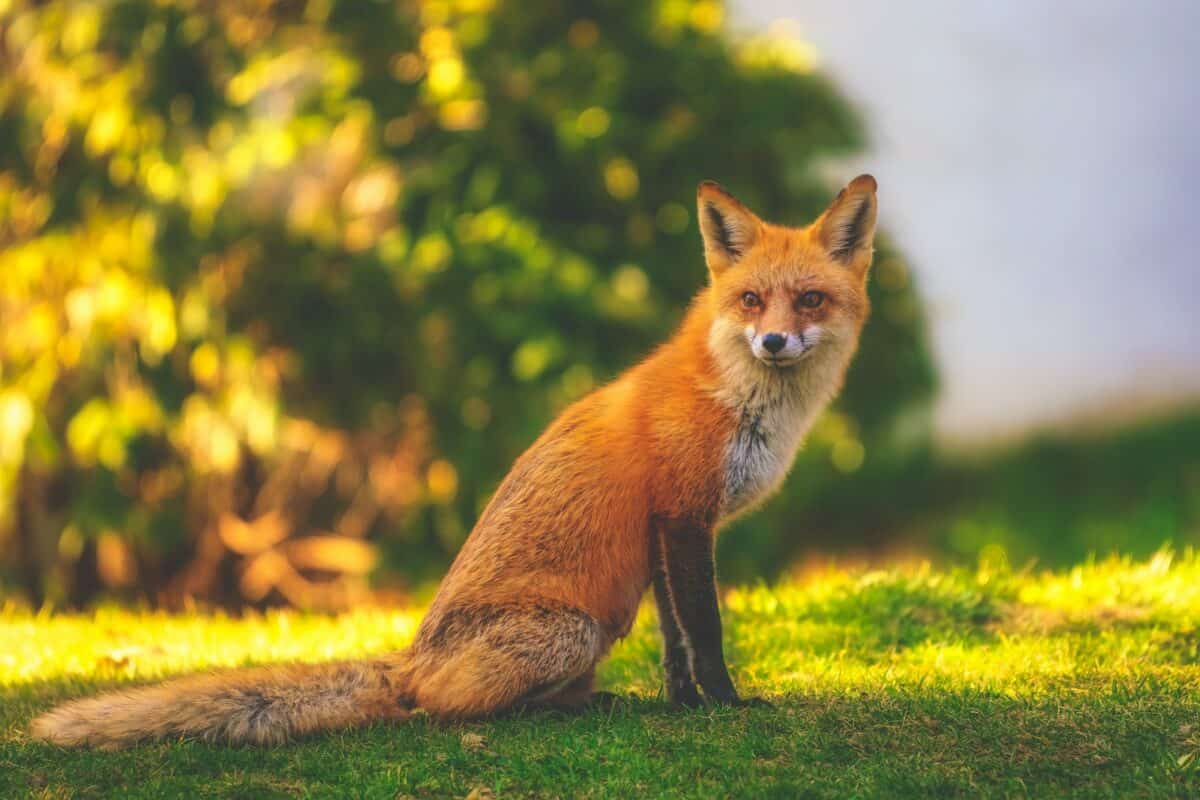
The red fox, with its striking russet coat and cunning reputation, fascinates and mystifies nature enthusiasts and animal lovers alike. Often seen as a symbol of intelligence and adaptability, this captivating creature inhabits diverse environments across the globe. In this article, we will delve into fascinating and lesser-known facts about red foxes, offering a comprehensive glimpse into their intriguing world. From their remarkable survival skills to their complex social systems, prepare to be amazed by the untold wonders of this elusive animal.
Masters of Adaptation

Red foxes are true cosmopolitans, thriving in a wide array of environments ranging from urban landscapes to desert climates. Their ability to adapt stems from their omnivorous diet, intelligence, and resourcefulness. Whether scavenging for leftovers in a city or hunting small mammals in the wilderness, their cunning nature allows them to exploit various food sources effectively.
A Palette of Coats

While the quintessential red coat gives the red fox its name, these animals actually exhibit a range of colors. Variants include melanistic (black), albino, and cross-phase foxes, which feature a blend of colors across their fur. This diversity is the result of genetic mutations, showcasing the wide adaptability of this species to different environments and ecological niches.
Communication Experts

Red foxes are highly communicative animals, using a sophisticated array of vocalizations, body language, and scent markings. With over 28 different vocal sounds identified, they communicate with family members and warn off intruding foxes. A distinctive sound you might hear is the “gekker,” a rapid chatter used in play or as a defensive display against threats.
Monogamous Mates—At Times

Red foxes are generally monogamous, often forming life-long bonds with a single mate. However, in some instances, red foxes might exhibit polygamous behavior, especially in regions with diverse food availability. This flexibility in mating systems is another testament to their adaptability and survival strategy.
Strategic Hunters

Known for their intelligence, red foxes employ strategic hunting techniques when capturing prey. They often use a unique method called “mousing.” By leaping high into the air and pouncing on their target, they take advantage of their acute sense of hearing to locate prey hidden beneath layers of snow or foliage. This precision makes them exceptional hunters.
Incredible Parental Instincts

Foxes display strong parental care, with vixens (female foxes) remaining with their kits (young foxes) for several months. During this time, the male provides food while the mother stays with the offspring. This nurturing behavior ensures the young foxes develop essential skills needed for survival in the wild, including hunting and self-defense.
The Cooperative Aspect of Social Structure
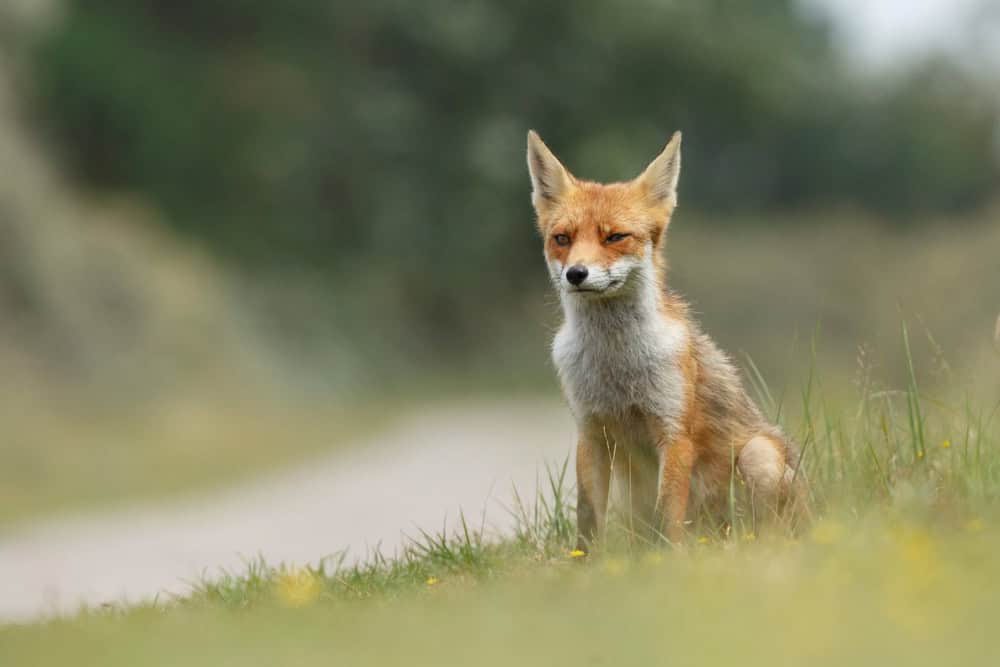
While often perceived as solitary, red foxes can exhibit complex social structures involving small family groups called “leashes” or “skulks.” In such social setups, older siblings or unrelated individuals may assist in raising the young, forming a cooperative unit beneficial for the survival of the kin.
An Ecological Balancer

Red foxes play a crucial role in maintaining the ecosystem balance by controlling the population of small mammals and rodents, acting as natural pest controllers. This predatory function helps reduce the spread of diseases and stabilizes the local food chain, highlighting their important ecological role.
High-Speed Pursuers
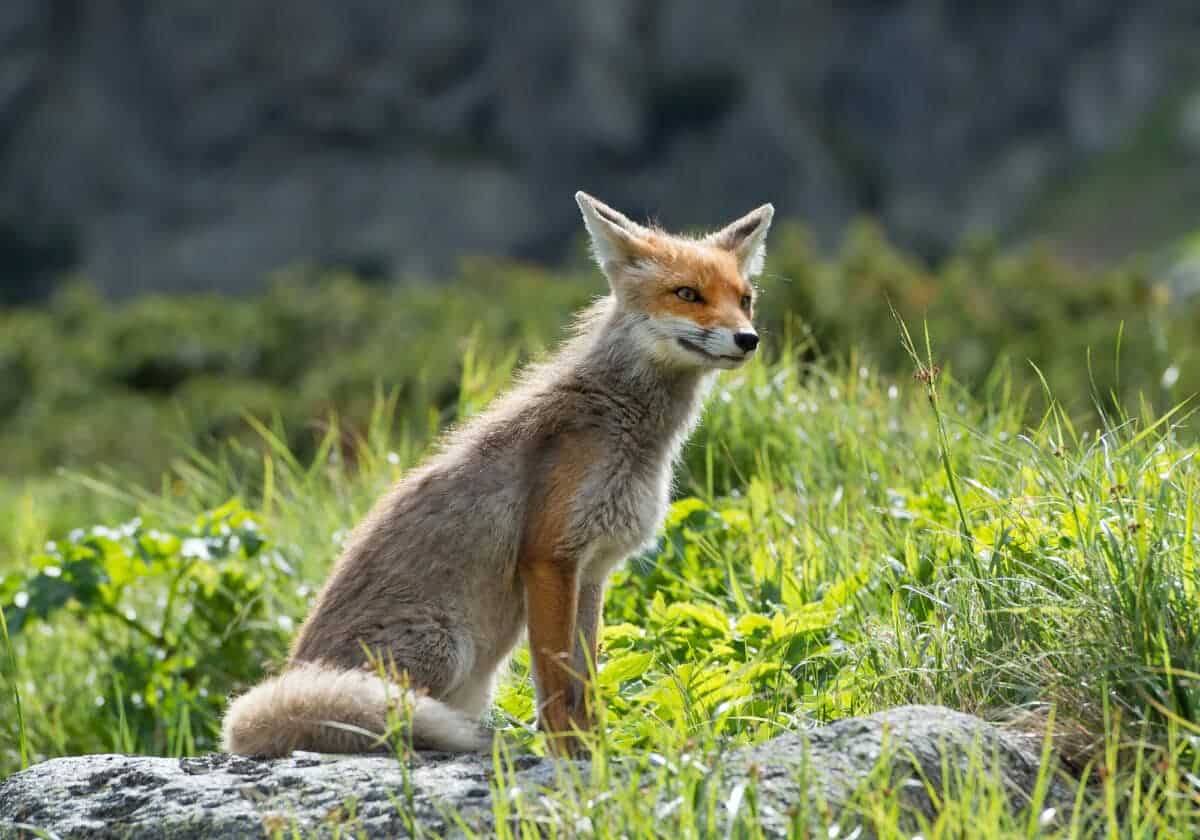
Red foxes are not just agile; they are swift runners capable of reaching speeds of up to 30 miles per hour. This extraordinary speed, along with their sharp reflexes, aids them in escaping predators, chasing prey, and traversing their diverse habitats with ease.
Seasonal Curiosity: The Winter Tail
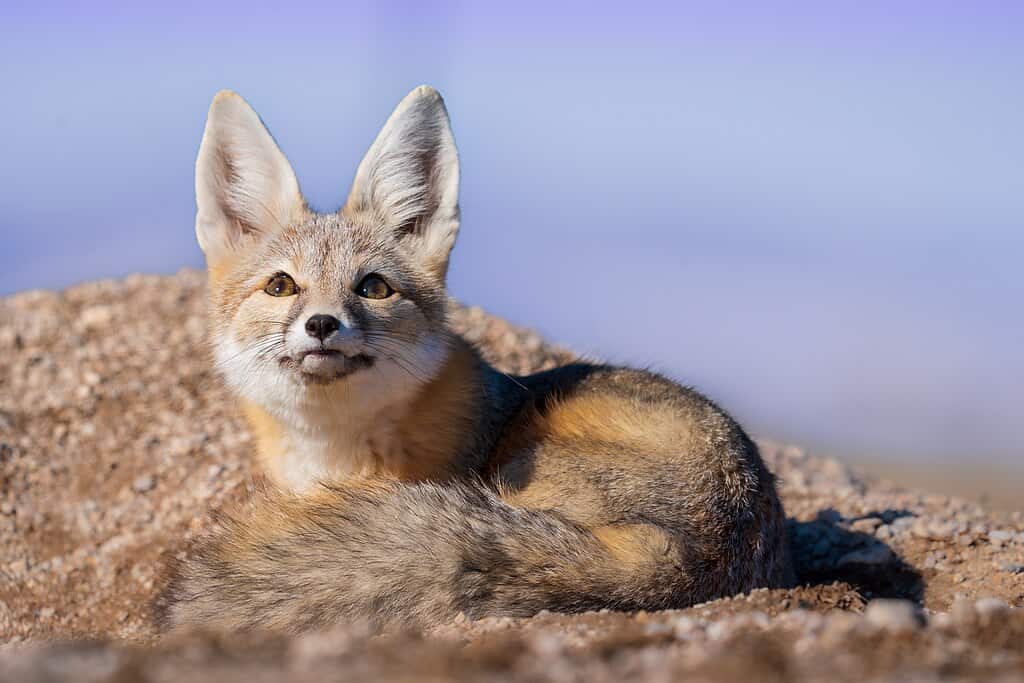
During winter, the bushy tail of a red fox serves more than just aesthetic purposes. Known as a “brush,” it acts as a protective blanket, wrapping around their body to conserve heat during harsh cold conditions. Additionally, their tails assist in balancing when making agile movements and turns.
A Survival Toolkit
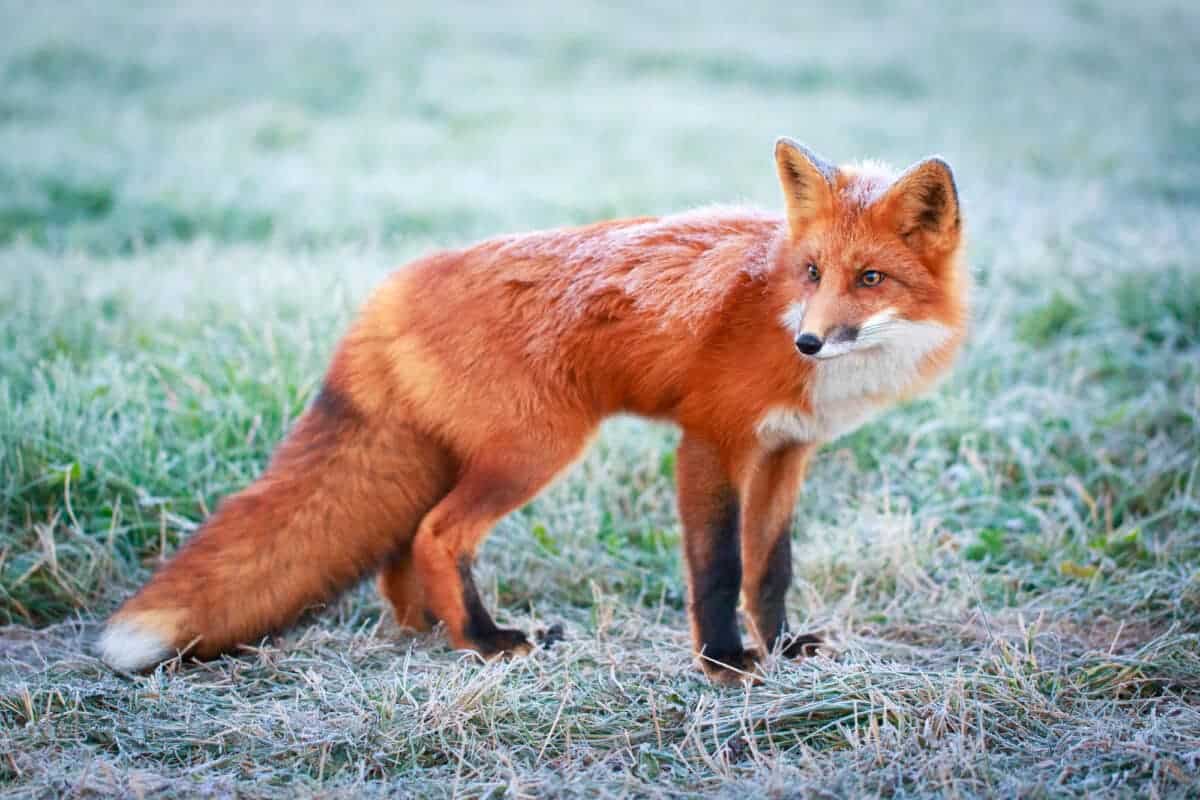
Beyond their impressive physical attributes, red foxes rely on a suite of survival mechanisms: acute senses of hearing, smell, and vision. These abilities allow them to detect prey, avoid danger, and navigate complex terrains. Their cunning instincts combined with a versatile diet make them resilient survivors in the animal kingdom.
Conclusion: A Celebrated Presence in the Wild
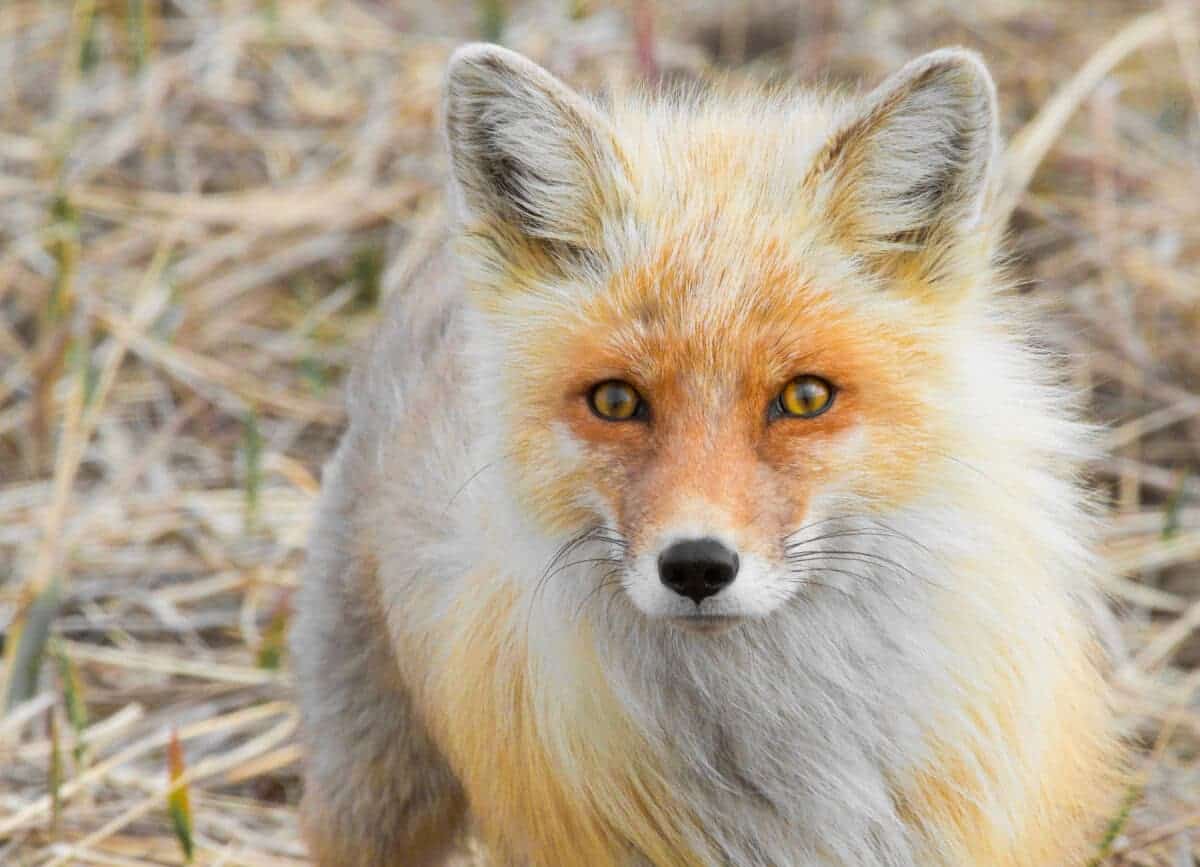
The red fox, a beguiling blend of beauty, cunning, and adaptability, captivates with its myriad of fascinating traits and roles in the ecosystem. Their ability to traverse and thrive in diverse habitats speaks to a resilience that defines their legacy as one of nature’s most intriguing creatures. Whether admired for their strategic prowess or appreciated as ecological assets, red foxes remain an enduring emblem of nature’s wonder, worthy of admiration and respect.

As a little kid, I fell in love with nature, wildlife, and animals. Living in the USA, South Africa, Italy, China and Germany gave me the opportunity to discover the world's Wildlife. My favorite animals are Mountain Gorillas, Siberian Tigers, and Great White Sharks.
I'm a certified PADI Open Water Diver, went to Everest Base Camp and Trekked Gorillas in Uganda. I hold a Master of Science in Economics and Finance.
Please send any feedback to feedback@animalsaroundtheglobe.com
- 10 Dogs That Love to Run And 3 That Prefer the Couch - July 21, 2026
- 15 Spider Adaptations That Defy Logic - July 21, 2026
- 13 Cat Breeds That Get Along with Dogs - July 20, 2026