


Turtles are fascinating creatures with a rich history of evolution that spans over 200 million years. One of their most distinctive features is their shell, which not only serves as a protective barrier but also can reveal vital clues about a turtle’s overall health. Understanding what a turtle’s shell can indicate about its well-being is essential for pet owners, vets, and conservationists alike. This article explores various aspects of a turtle’s shell health and what it can reveal about the turtle itself.
Introduction to Turtle Shells
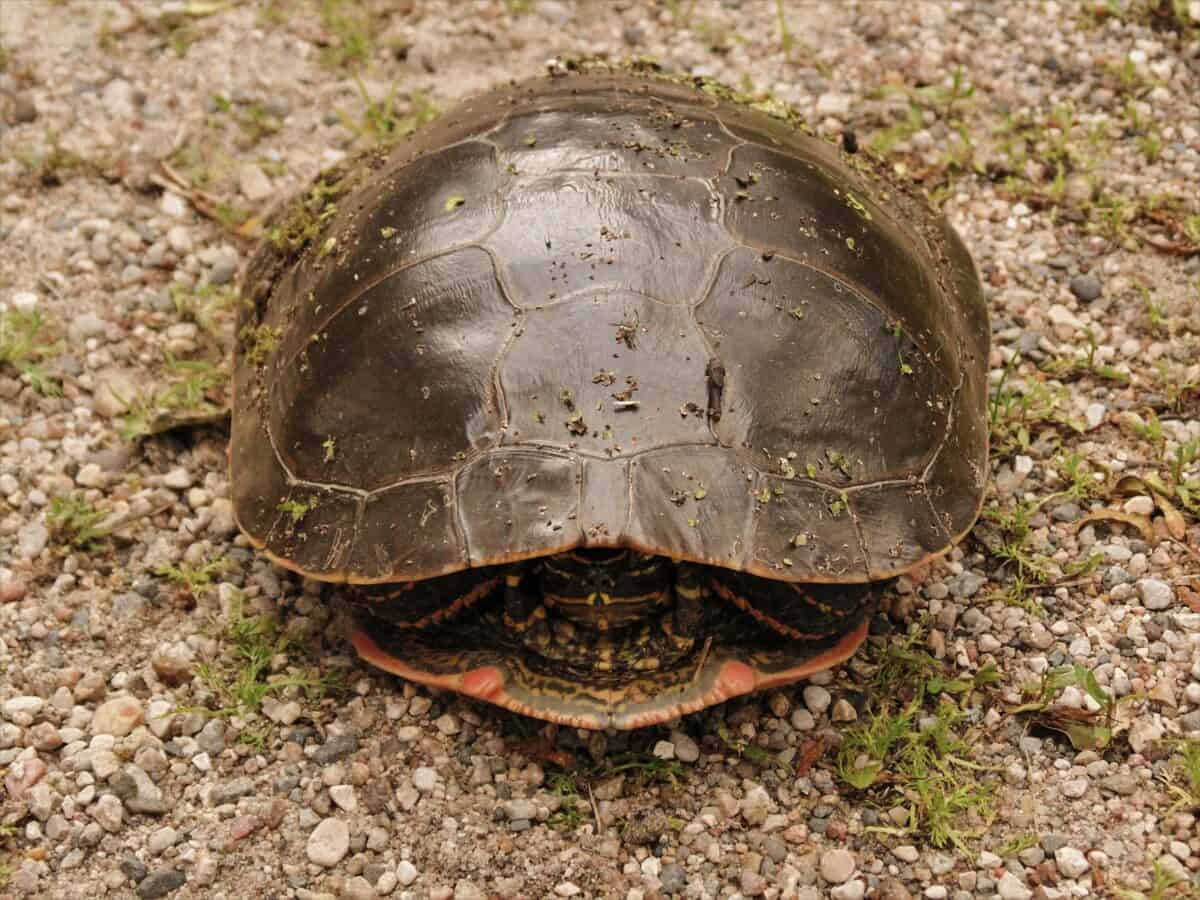
The turtle shell is an evolutionary marvel. Composed of two main parts—the carapace on top and the plastron below—it forms a protective shield around the turtle’s body. The shell is connected by a bridge, and unlike the shells of other animals, it is not an exoskeleton, but rather a modification of the turtle’s ribs and vertebrae.
Structure and Function

The shell’s primary function is protection. Its bony structure and hard outer keratin layer offer defense against predators and environmental hazards. Beyond protection, shells also play roles in buoyancy and temperature regulation. Understanding the structure highlights why any changes in a shell’s appearance or integrity can indicate underlying health issues.
Signs of a Healthy Shell
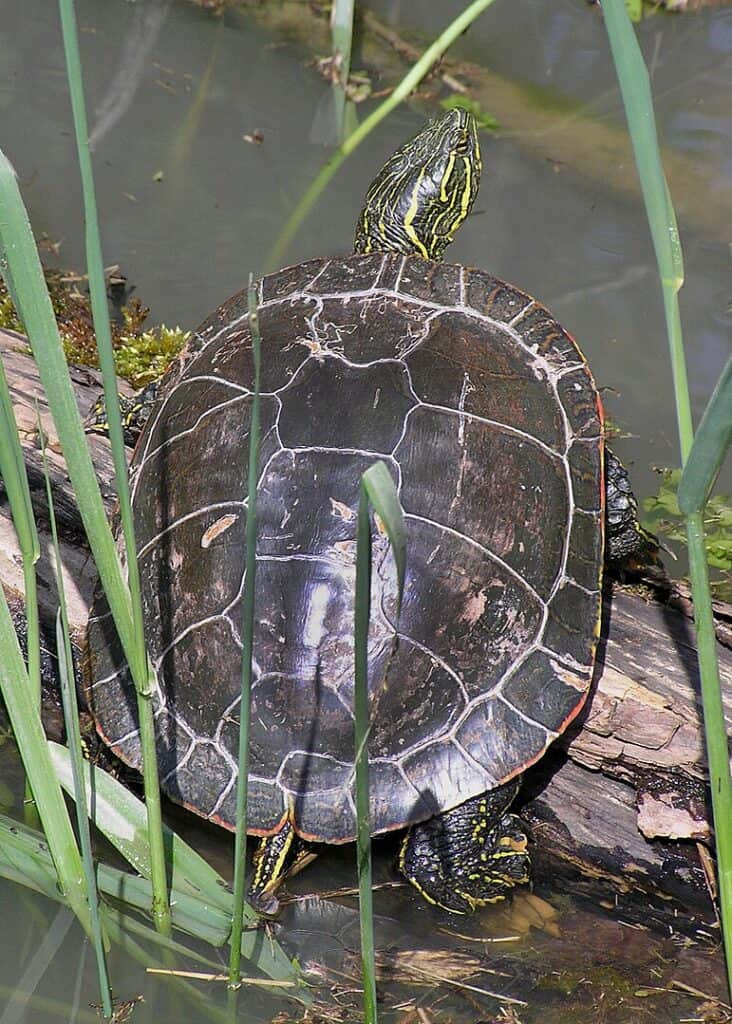
A healthy turtle shell should be smooth, clean, and free of any signs of damage or discoloration. It should not show any soft spots and should be hard to the touch. The scutes, or individual plates covering the shell, should fit snugly without any irregular gaps or peeling.
Common Shell Health Issues

Shell health problems can manifest in various forms, including soft shell (Metabolic Bone Disease), pyramiding, shell rot, and fungal infections. Each of these conditions tells a unique story about the turtle’s health and environment.
Metabolic Bone Disease (MBD)

Metabolic Bone Disease, often caused by inadequate nutrition or lack of UVB light, leads to a shell that is soft or deformed. A healthy diet rich in calcium and exposure to UVB lighting is crucial to preventing MBD, especially in captive turtles.
Pyramiding
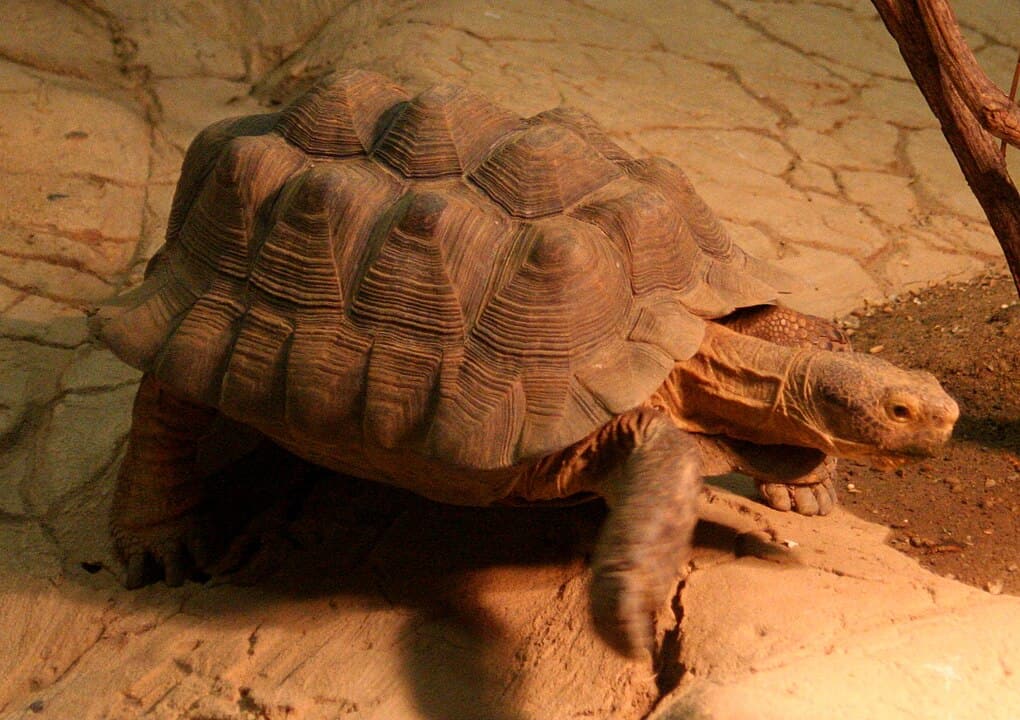
Pyramiding is a condition characterized by raised, pyramid-like growths on the scutes. This condition is often a result of excessive protein intake or improper lighting and humidity conditions. A balanced diet and proper habitat conditions are essential to avoid pyramiding.
Shell Rot
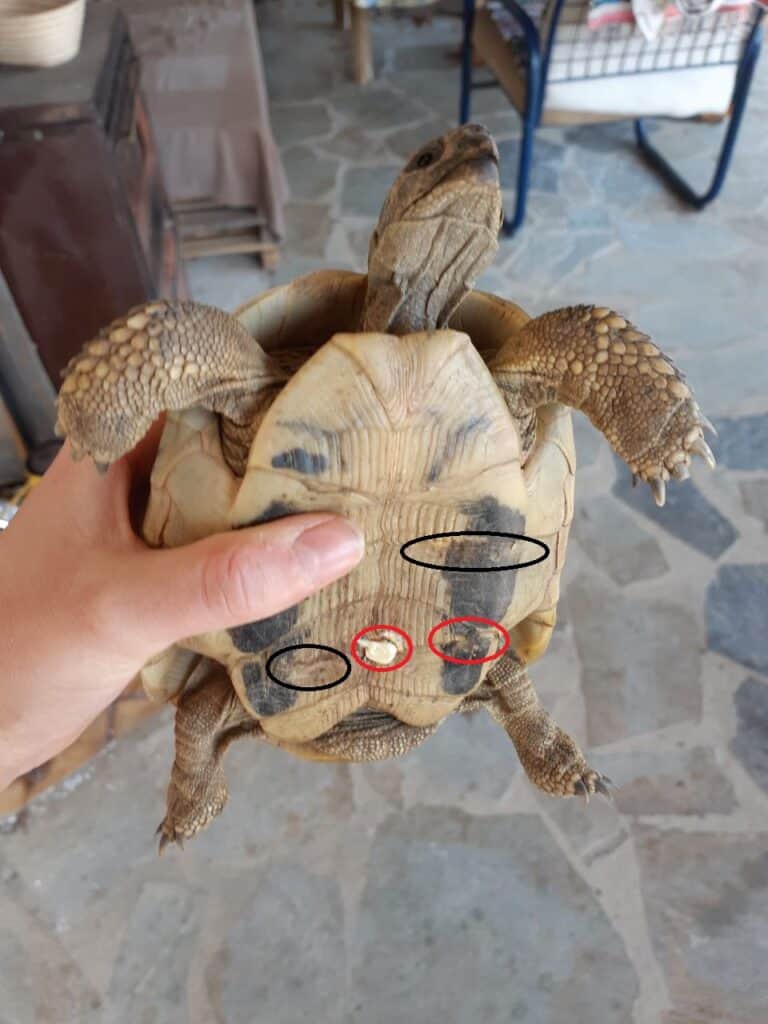
Shell rot is a bacterial or fungal infection that occurs when the shell is damaged. It can cause soft, mushy spots, foul odor, and discoloration. Treatment typically involves cleaning the infected area and administering antibiotics or antifungal treatments.
Fungal Infections
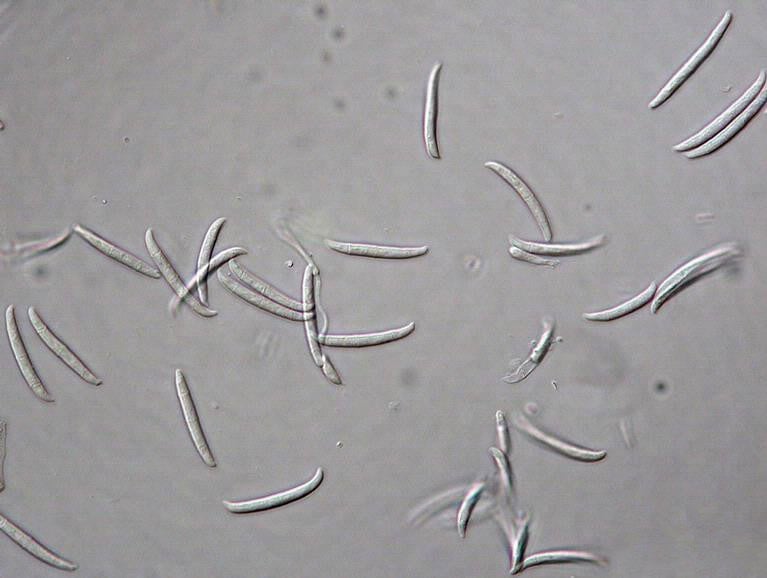
Fungal infections can cause a white, powdery appearance on the shell. This condition usually indicates an environment that is too humid or not clean. Maintaining a clean habitat with appropriate humidity levels is key to preventing such infections.
Environmental Contributions to Shell Health

The turtle’s habitat plays a significant role in shell health. Clean water, adequate basking areas, and proper temperatures contribute to a healthy shell. Ensuring these environmental factors are met is essential for both pet and wild turtles.
Dietary Considerations

Diet directly affects shell health. A balanced diet for turtles includes leafy greens, protein, and calcium supplements. For aquatic turtles, a mix of commercial food and fresh items such as fish or insects, provides essential nutrients.
The Role of UVB Light

UVB light is crucial for calcium metabolism in turtles and helps in the synthesis of vitamin D3, necessary for shell and bone health. Turtles need exposure to UVB light either through direct sunlight or special UVB bulbs.
Checking Your Turtle’s Shell Health
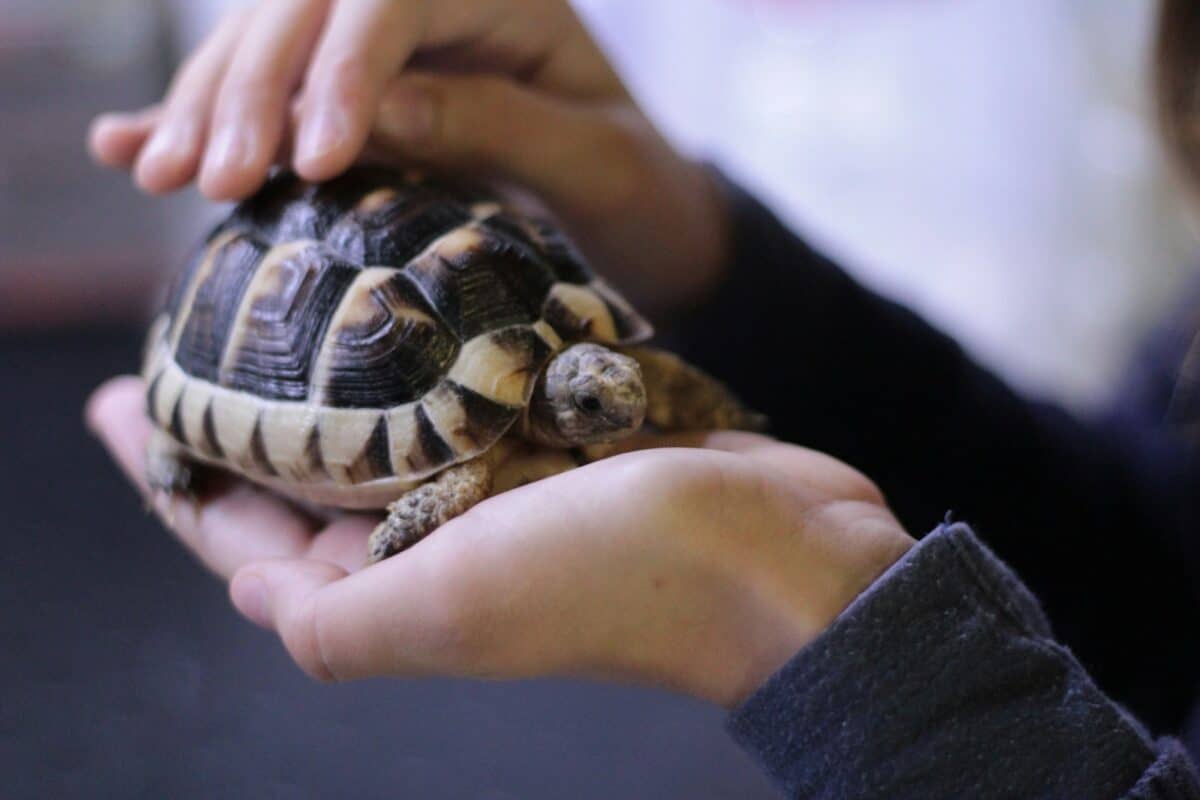
Regular checks of your turtle’s shell can catch potential health issues early. Look for signs of discoloration, soft spots, or unusual growth patterns. Consulting with a veterinarian who specializes in reptiles is recommended if you notice any abnormalities.
The shell is a window into a turtle’s health and well-being. By paying attention to its condition, ensuring a proper diet and habitat, and providing necessary UVB exposure, you can help ensure that your turtle leads a healthy life. Awareness and proactive care can prevent many common shell issues, protecting these ancient creatures for future generations.

- Cuddling for Warmth: How Meerkats Stay Cozy - July 18, 2026
- This U.S. Lake Is Mysteriously Disappearing—Here’s What Scientists Say - July 18, 2026
- This Jellyfish Hunts in Packs - July 18, 2026