


Dogs have long been cherished companions to humans, often becoming beloved members of the family. If you have a dog, you might have noticed that your furry friend tends to follow you everywhere. This endearing yet sometimes puzzling behavior can lead many pet owners to wonder why dogs insist on being close to their human counterparts. In this article, we’ll explore various expert insights into why dogs exhibit this behavior, covering everything from evolutionary traits to emotional needs. By understanding these reasons, you can better appreciate the bond you share with your pet.
Evolutionary Roots: A Pack Animal Mentality
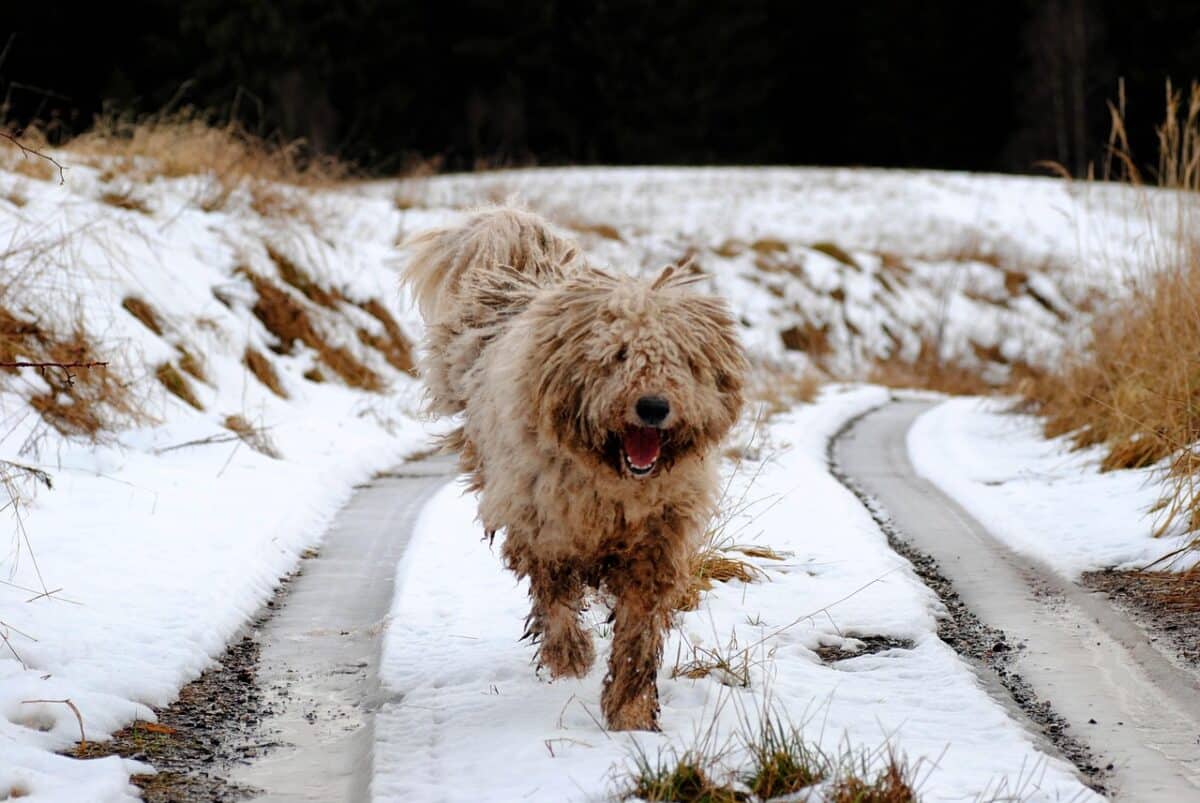
At the heart of your dog’s inclination to trail behind you is their ancestry. Dogs are descendants of wolves, pack animals known for spending their lives in close-knit groups. This social behavior has been passed down to domestic dogs, which manifest their pack mentality by sticking close to their human family, whom they perceive as part of their ‘pack.’
Establishing a Strong Bond

The bond between a dog and its owner is often a powerful one, strengthened through shared experiences. This attachment can lead dogs to follow their humans to nurture and maintain this connection. When dogs accompany you around the house, it’s their way of expressing affection and reliance on the relationship you share.
Seeking Companionship

One of the most straightforward reasons a dog might follow you is their desire for companionship. Dogs are naturally social creatures and thrive on interaction. When they see you as a source of comfort and companionship, they naturally want to be close to you as much as possible.
Sensing Your Emotions

Dogs have an exceptional ability to perceive human emotions, often sensing when you’re happy, sad, or anxious. By following you around, your dog may be trying to provide support during emotional times. They mirror your feelings and offer comfort, an instinctual behavior that reinforces the human-canine bond.
Security and Safety Concerns
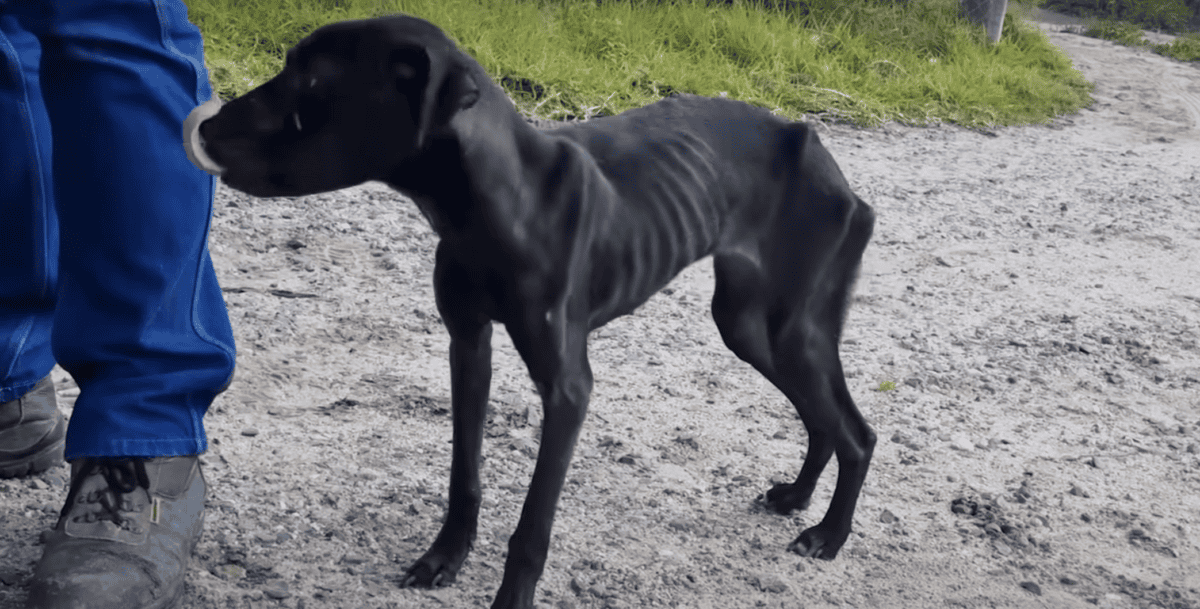
Your dog may follow you as a means of ensuring their security. In environments they’re uncertain about or when faced with new situations, they might look to you for guidance and protection. This behavior is deeply rooted in a dog’s survival instincts, as staying close to the pack leader provides safety from potential threats.
Naturally Curious Creatures

Dogs are inherently curious and interested in everything their humans do. By following you from room to room, they seek to satisfy their curiosity about your actions. This behavior allows them to gather information about their environment and increases their understanding of your daily habits.
Environmental Enrichment

Understanding your dog’s need for mental stimulation is essential in explaining their shadowing behavior. Dogs require enrichment to keep their minds active and healthy, and following you around can be a form of mental exercise that helps stave off boredom.
Attention-Seeking Behavior

Another reason your dog may be glued to your side is the attention they receive from you when they do so. Whether intentionally or unintentionally, rewarding your dog with treats, petting, or talking to them reinforces their behavior, prompting them to continue seeking your attention.
Medical Concerns: When to Worry
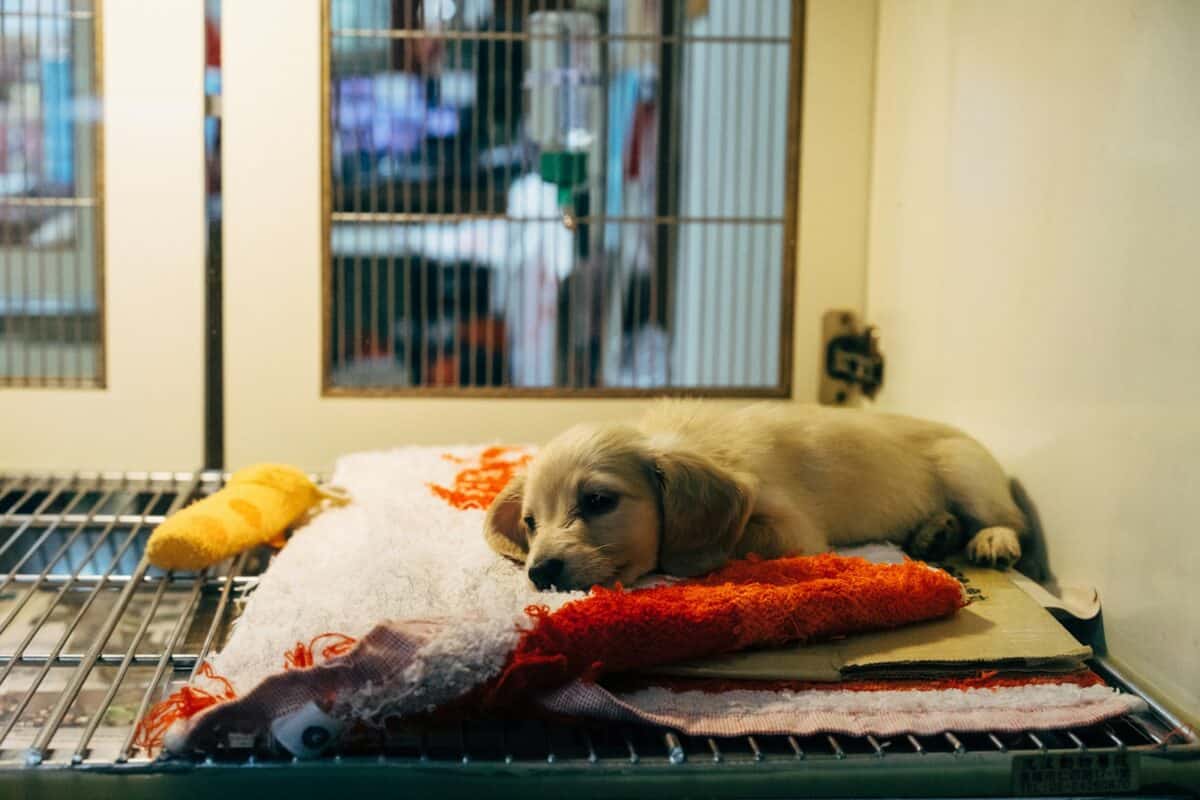
While following you around is typically a sign of attachment, it’s crucial to note any sudden changes in behavior. If your dog becomes excessively clingy or exhibits signs of anxiety, it may indicate underlying health issues. Consulting with a veterinarian can help determine if there are medical concerns that need to be addressed.
Age-Related Changes
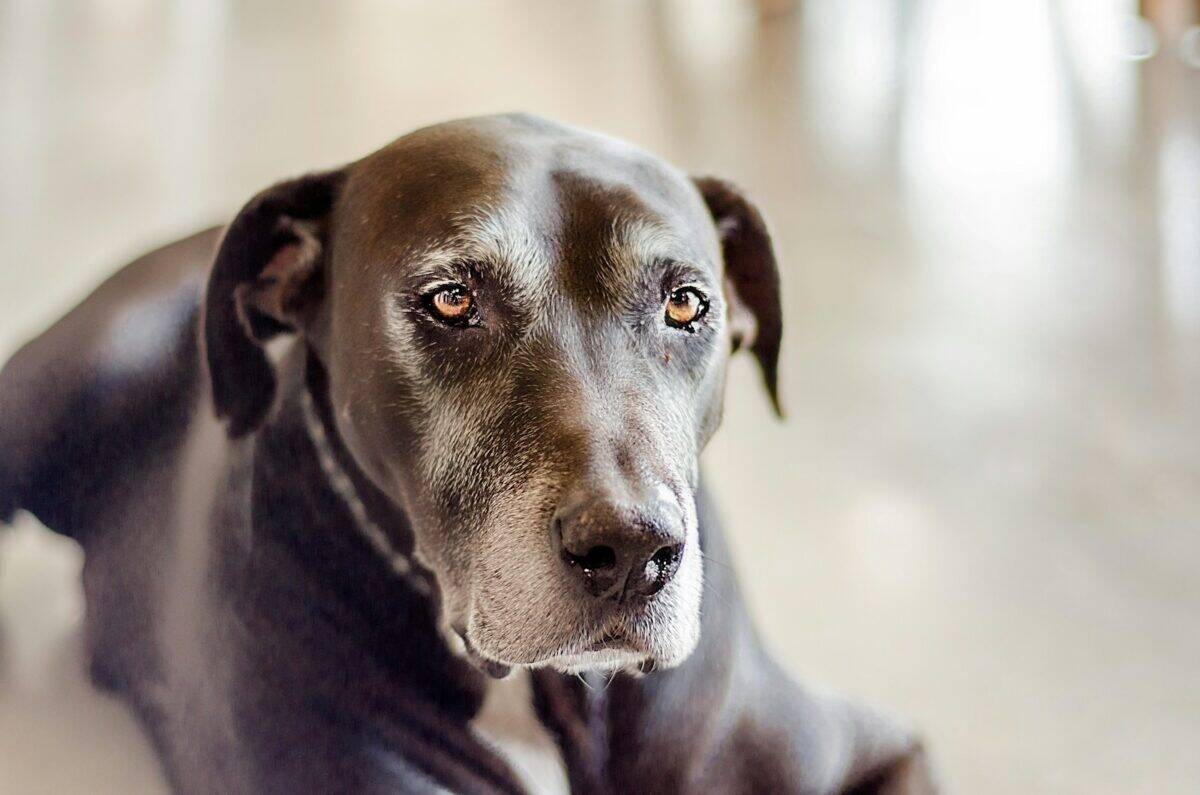
As dogs age, their behavior can change. Senior dogs experiencing cognitive decline or vision loss might begin to follow you more, relying on your presence for stability and reassurance. Understanding these changes can help you provide the necessary care and support for your aging pet.
Training and Conditioning
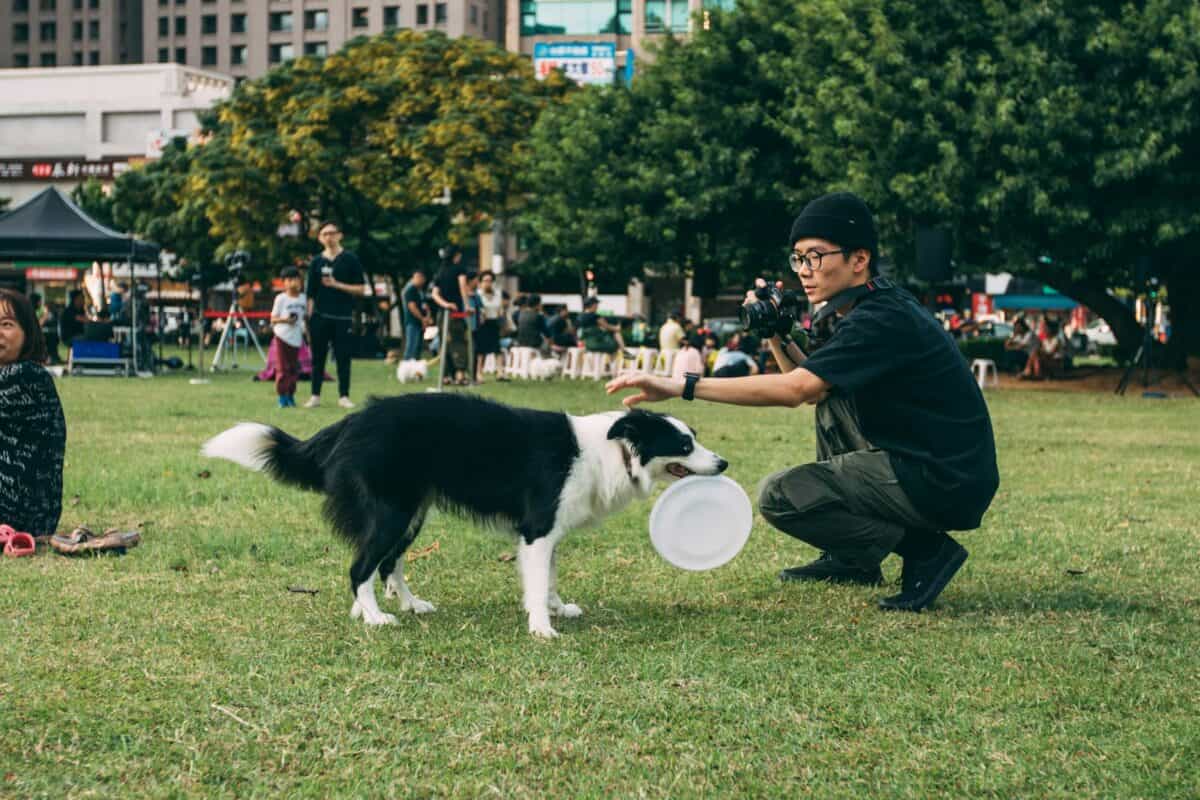
Training and behavioral conditioning also play a role in your dog’s attachment to you. If you’ve consistently encouraged them to accompany you or stay close during specific activities, your dog will learn to associate being near you with positive outcomes, such as treats or praise.
Instinctual Behaviors and Breed Influences
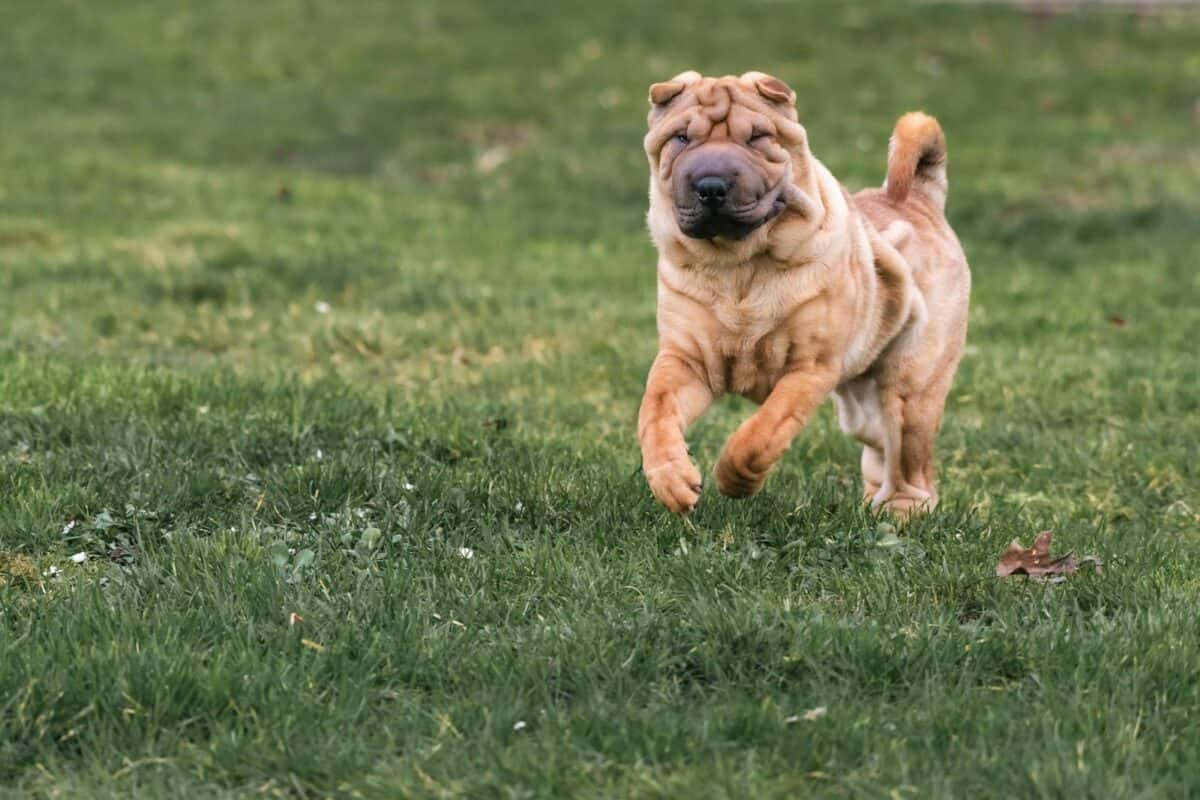
Certain dog breeds are naturally more inclined to be ‘velcro dogs,’ meaning they stick closely to their owners. Breeds developed for companionship, like Pomeranians and Cavalier King Charles Spaniels, may exhibit this behavior more strongly. These instincts can be reinforced by the individual dog’s personal experiences and environment.
The act of your dog following you around often reflects the affectionate and loyal nature of dogs. While there are numerous reasons for this behavior, from evolutionary traits to emotional responses, it’s ultimately a testament to the strong bond shared between humans and their canine companions. By understanding these reasons, pet owners can better appreciate and nurture the relationship with their dogs, ensuring a loving and supportive environment for both parties.

- How Crickets Chirp Using Their Wings - July 20, 2026
- The Largest Sea Turtle Ever Rescued Off North Carolina - July 20, 2026
- The Ocean’s Escape Artist: Why Octopuses Outsmart Us All - July 20, 2026