

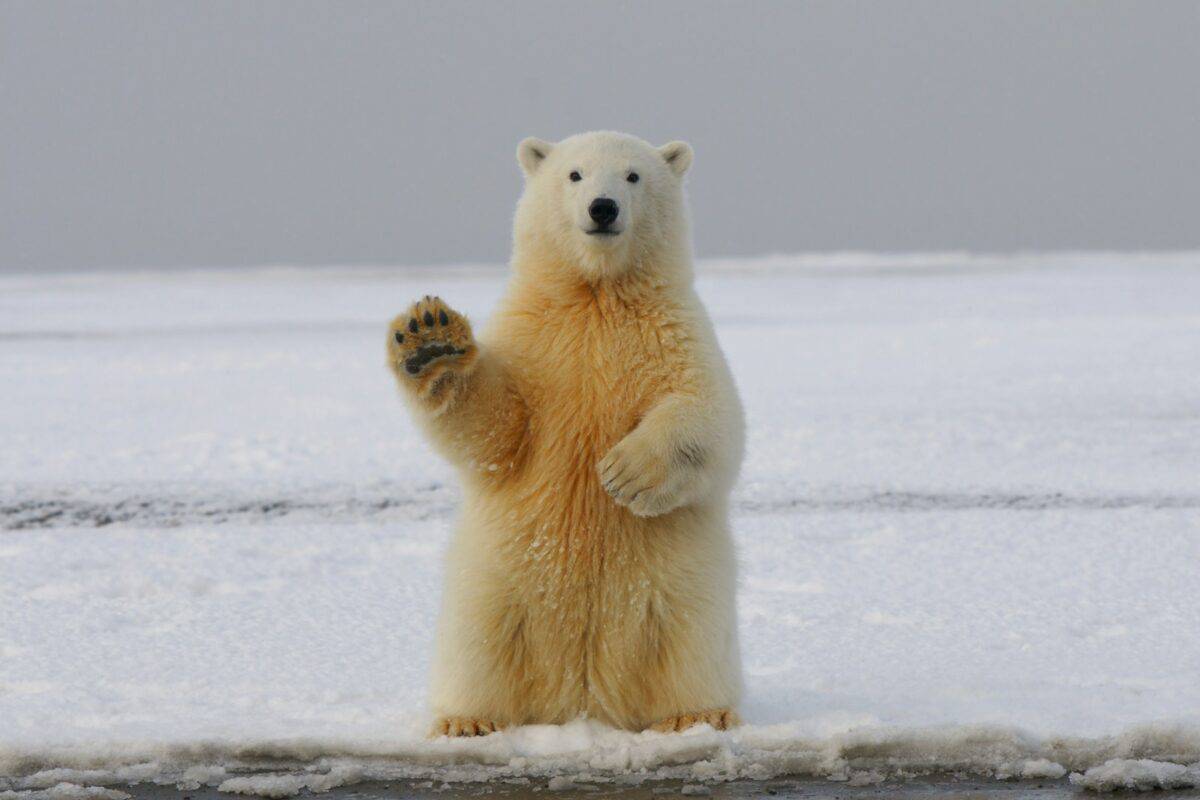
Polar bears, the iconic Arctic dwellers, are fascinating creatures that often symbolize the resilience and stark beauty of the natural world. Despite their prominence in wildlife conservation talks, these magnificent animals hold many secrets. Here, we delve into ten intriguing facts about polar bears that are sure to surprise and enlighten you.
Masters of the Arctic Seas

Despite their classification as land mammals, polar bears are exceptional swimmers, often covering long distances to hunt for seals on drifting ice floes. They can swim at a pace of up to six miles per hour and are known to travel distances of over 30 miles without rest. This ability is crucial for their survival, especially as sea ice continues to diminish.
White Giants with Hollow Hairs

Polar bears appear white, aiding their camouflage in snowy environments, but their fur is actually made up of transparent, hollow hairs that reflect visible light. This amazing adaptation allows them to blend seamlessly into their surroundings, which is vital for stalking prey on the stark ice landscapes.
Under the Skin, They’re Black
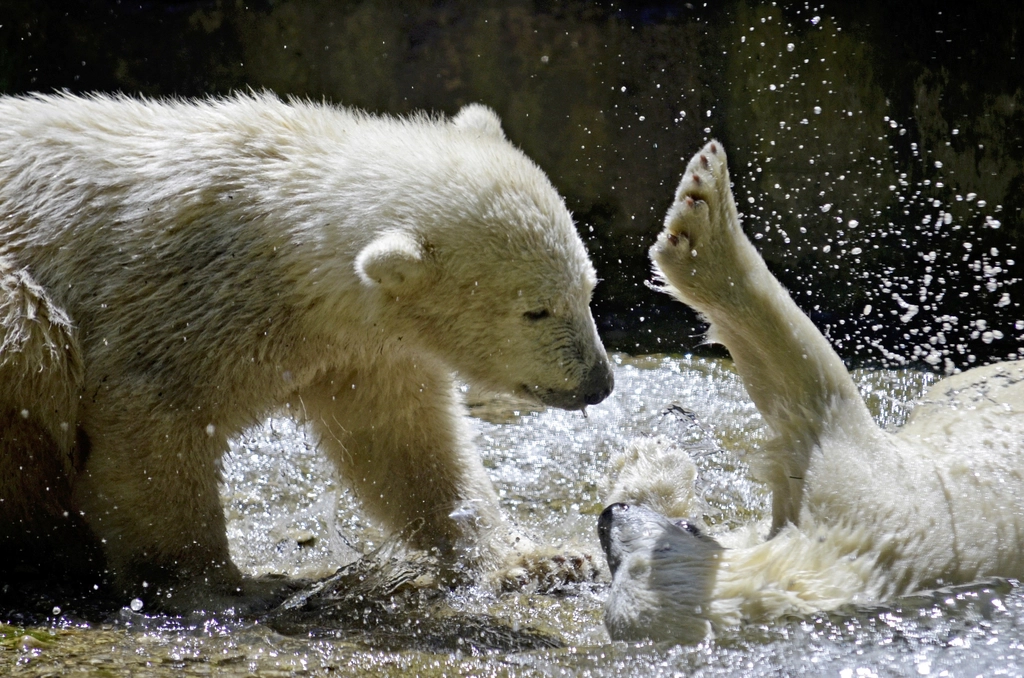
A little-known fact about polar bears is that under their white fur, they have black skin. The black skin helps to soak up the sun’s rays, maximizing heat absorption in one of the coldest habitats on Earth. Combined with their thick layer of blubber, this adaptation is essential for maintaining their body temperature.
Hunting with Precision

Polar bears are highly skilled hunters, primarily preying on seals. They rely heavily on the element of surprise, patiently waiting for seals to surface at breathing holes in the ice. This opportunistic hunting technique requires both patience and precision, reflecting the polar bear’s adaptability and intelligence.
A Life of Solitude

Unlike many other bear species, polar bears lead predominantly solitary lives, except when mating or rearing cubs. This solitary lifestyle reduces competition for resources in their sparse Arctic environment and reflects their status as apex predators.
The Northernmost Carnivore
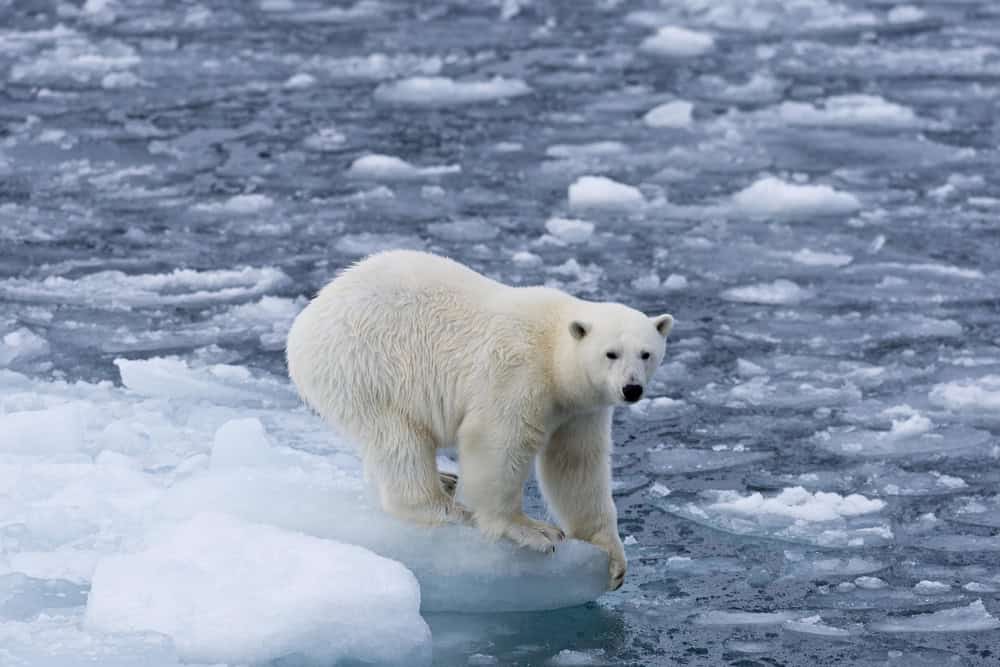
Polar bears hold the title of being the northernmost residing carnivore. These apex predators are found primarily within the Arctic Circle, stretching across five countries: the United States (Alaska), Canada, Russia, Greenland, and Norway. Their distribution is largely dictated by the presence of sea ice, their essential hunting ground.
Polar Bears Are Not Territorial
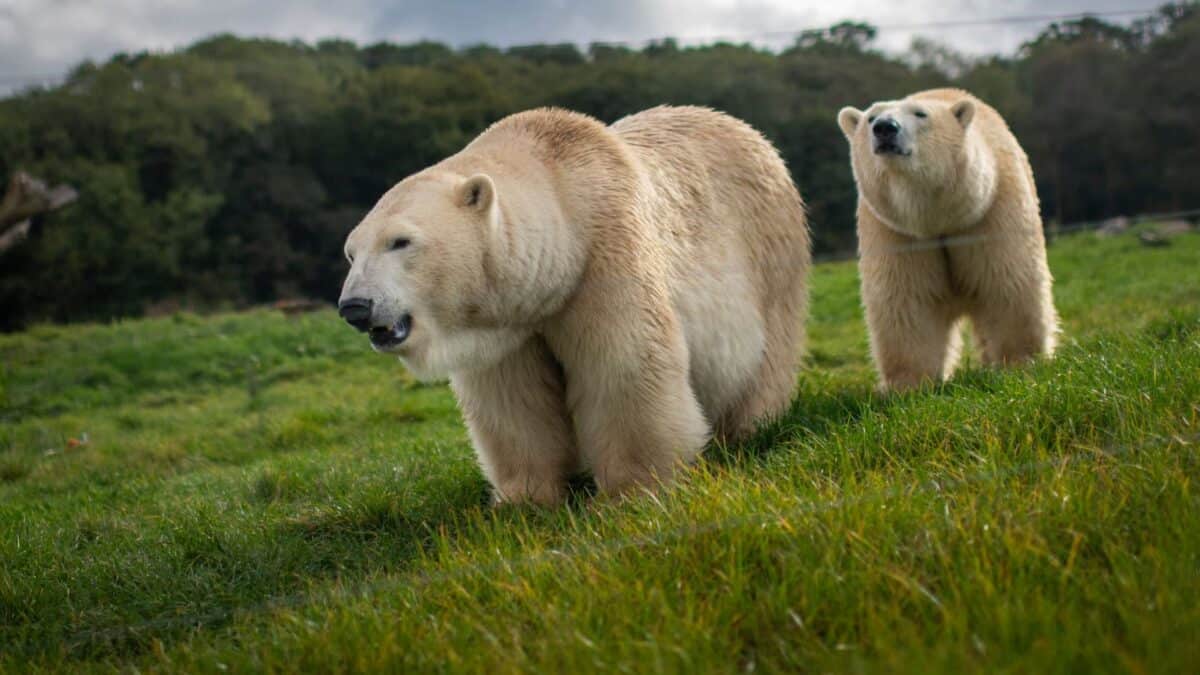
While many mammals fiercely defend their territories, polar bears do not exhibit territorial behavior. Their extensive ranges overlap with others, and they often travel vast distances following the seasonal patterns of sea ice and prey. This behavior is indicative of their solitary and non-aggressive nature towards other bears outside of mating competition.
Twins Are the Norm

Most polar bear cub births result in twins, a fascinating occurrence in the animal kingdom. The cubs are born in the dead of winter and will stay with their mother in the den until spring, when they are strong enough to face the harsh conditions outside. The maternal bond during this period is critical for their survival.
Adapted for the Cold

Polar bears are exquisitely adapted to the Arctic cold. In addition to their thick fur and substantial body fat, their small ears and tails minimize heat loss. They also have powerful paws covered in fur for traction on ice and snow, and a cohesive tread that helps distribute their weight, preventing them from breaking through thin ice.
Polar Bears Contribute to Climate Science
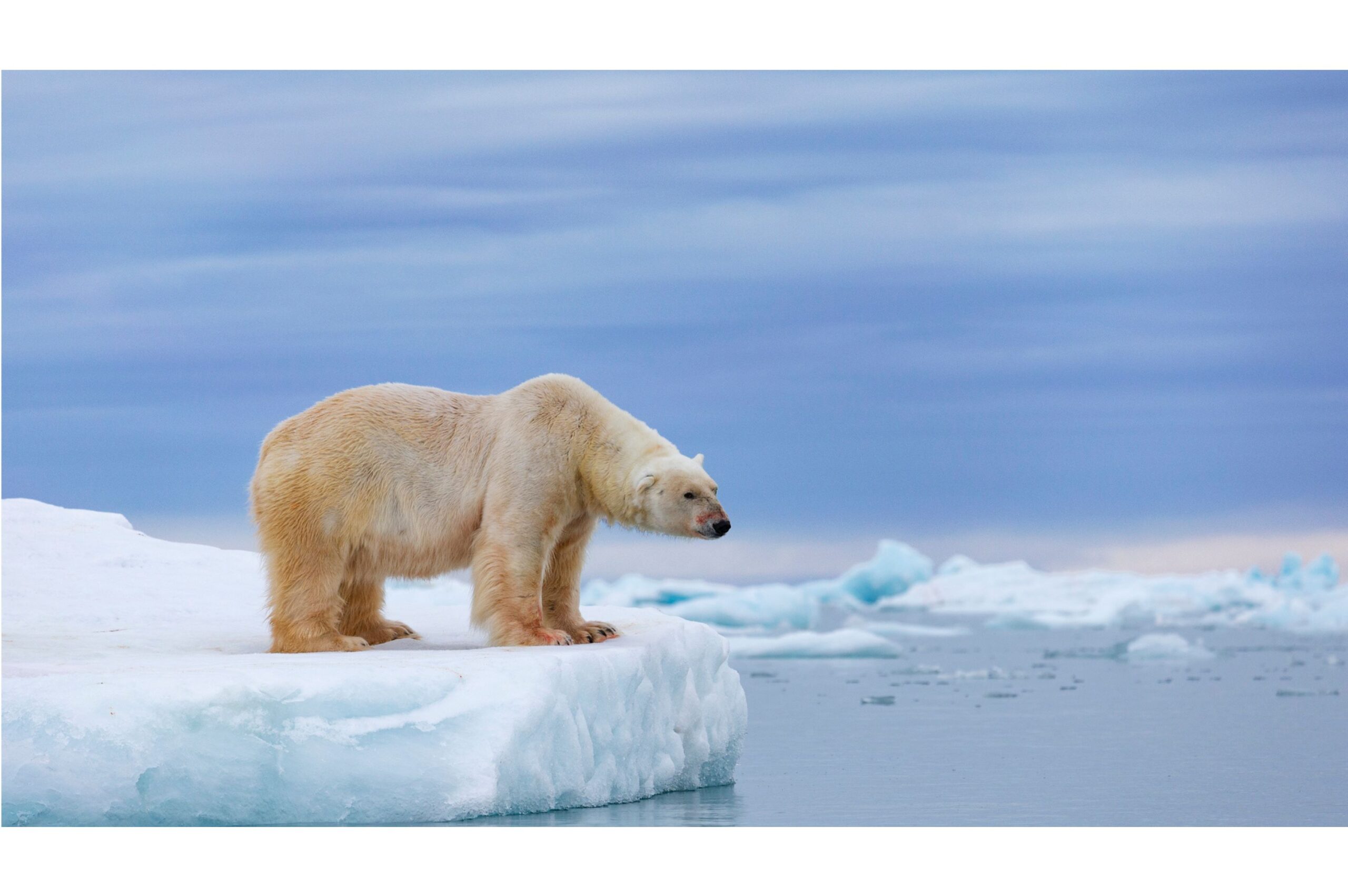
Polar bears are not just icons of climate change; they also play a role in climate science. Researchers study polar bear health and behavior to better understand the impacts of global warming on Arctic ecosystems. These studies also help promote worldwide awareness and drive efforts towards sustainability.
The Challenges of a Changing Climate

The greatest threat to polar bears today is climate change. As global temperatures rise, the melting of Arctic ice is occurring at an unprecedented rate. This loss of habitat not only threatens their survival by reducing their hunting grounds but also affects their ability to breed and raise offspring. Conservation efforts are critical in mitigating these impacts and ensuring the survival of polar bears for future generations.
Conclusion:

Polar bears are undeniably fascinating creatures with unique adaptations that enable them to survive in some of the harshest conditions on Earth. As one of the most studied animals concerning climate change, they highlight the interconnectivity between species survival and environmental stewardship. Understanding more about these magnificent mammals enriches our knowledge of the natural world and reinforces the importance of conservation efforts in preserving their future.

As a little kid, I fell in love with nature, wildlife, and animals. Living in the USA, South Africa, Italy, China and Germany gave me the opportunity to discover the world's Wildlife. My favorite animals are Mountain Gorillas, Siberian Tigers, and Great White Sharks.
I'm a certified PADI Open Water Diver, went to Everest Base Camp and Trekked Gorillas in Uganda. I hold a Master of Science in Economics and Finance.
Please send any feedback to feedback@animalsaroundtheglobe.com
- 13 Cat Breeds That Get Along with Dogs - July 20, 2026
- The 12 Largest Dog Breeds That Still Love to Cuddle - July 20, 2026
- 12 Pet Habits That Secretly Mean They Love You - July 20, 2026