
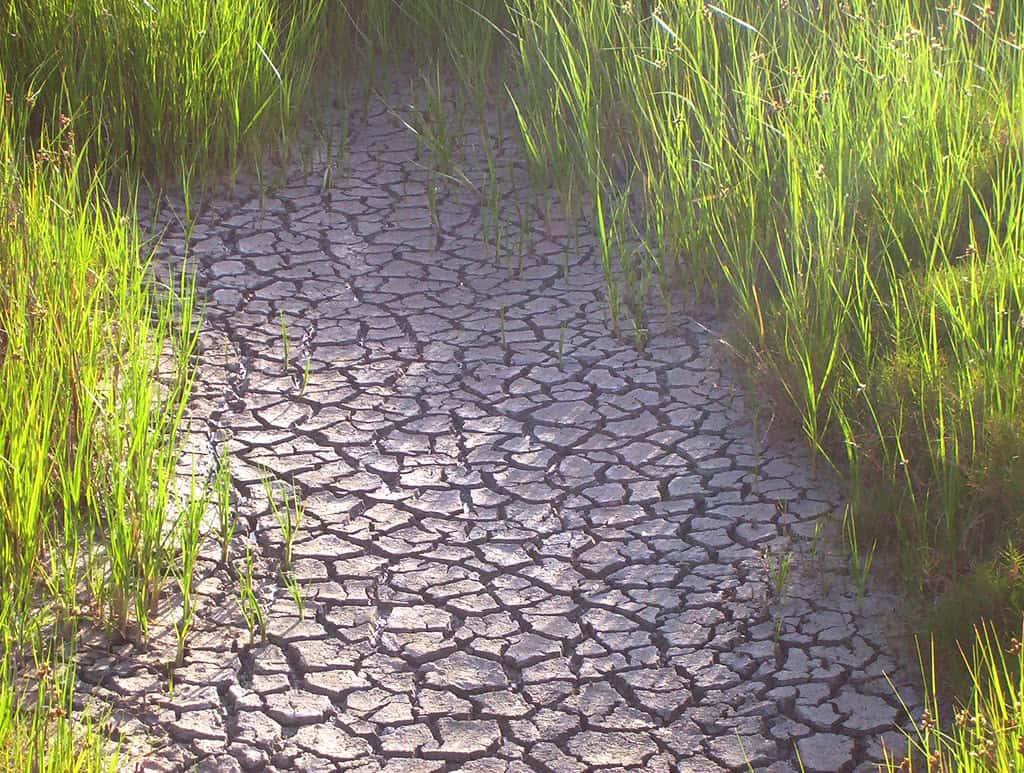
As climate change continues to escalate, a growing body of scientific research warns of the possibility of mega-droughts affecting parts of the United States by 2060. These extended periods of severe dryness could have devastating impacts on agriculture, water supply, ecosystems, and the economy at large. With climate models providing a glimpse into what the future holds, understanding the nature and implications of these mega-droughts is crucial for planning and mitigation.
Understanding Mega-Droughts

Mega-droughts are prolonged periods of drought that can last for decades, significantly longer than typical droughts. Historically, such events have occurred, but with climate change influencing weather patterns, their intensity and frequency are expected to increase. In the U.S., the Southwest and Central Plains are particularly vulnerable due to their semi-arid climate conditions.
The Impact of Climate Change

Climate change is a key driver in altering precipitation patterns and increasing temperatures, both of which contribute to the conditions favoring mega-droughts. As global temperatures rise, evaporation rates increase, leading to drier soils and reduced water availability. This creates a vicious cycle where less rainfall leads to more drought-like conditions.
Regions at Risk
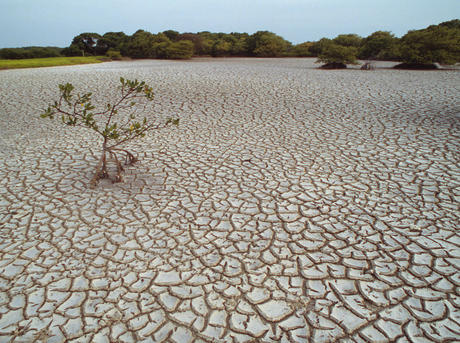
The Southwest and Central Plains of the U.S. are considered high-risk areas for future mega-droughts. These regions already experience significant water scarcity issues, and the projected climate trends suggest that these conditions could worsen, posing a threat to local agriculture and water resources.
Influence on Agriculture

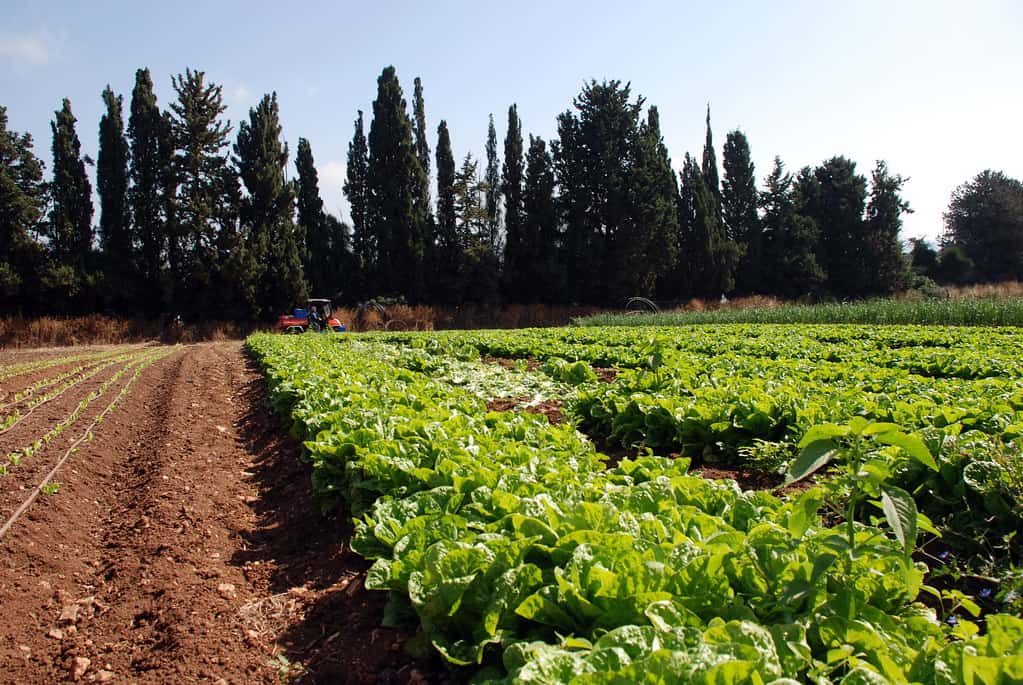
Agriculture is particularly vulnerable to drought, as crops rely heavily on regular water supply. Mega-droughts could lead to reduced crop yields, increased irrigation costs, and a greater dependency on drought-resistant crops. The economic impact could be severe, affecting food prices and supply chains.
Water Supply Challenges

Prolonged droughts can significantly deplete reservoirs, aquifers, and other water sources, prompting a critical need for improved water management strategies. Communities might face water shortages, leading to rationing and an increased need for sustainable water practices.
Ecosystem and Biodiversity Impacts

The ecosystems in drought-prone areas rely on a delicate balance of water availability. Mega-droughts can lead to habitat destruction, loss of biodiversity, and increased incidents of wildfires, all of which strain the natural environment and wildlife populations.
Projected Economic Consequences

The economic repercussions of mega-droughts could extend beyond agriculture and water supply. Energy production, particularly hydropower, can be hindered, while tourism and recreation industries may suffer from degraded natural landscapes. The financial strain on infrastructure and public resources could also rise significantly.
Current Mitigation Strategies
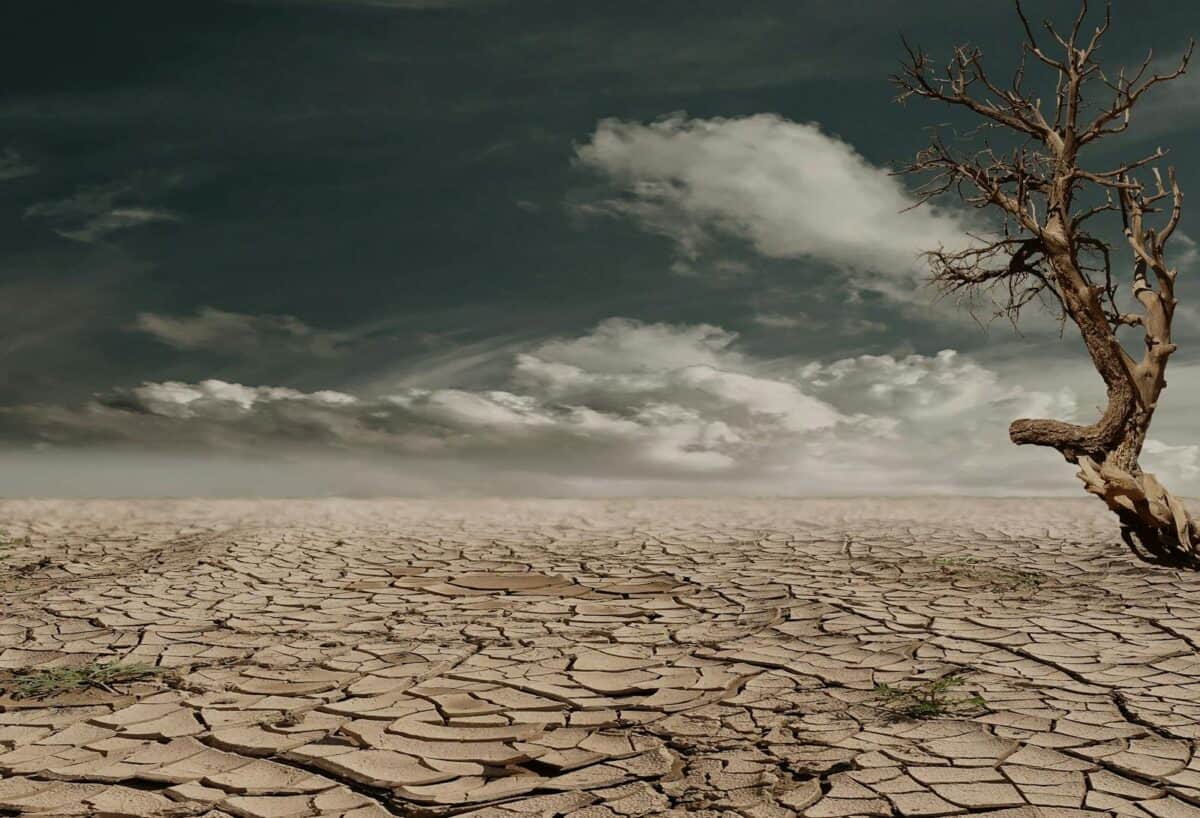
To combat the threat of mega-droughts, various mitigation strategies are being explored. These include developing drought-resistant crop varieties, adopting water-saving technologies, and exploring alternative water sources such as desalination. Policy measures are also being implemented to enhance water resource management and reduce carbon emissions.
Policy and Regulatory Approaches

Government policies play a crucial role in mitigating drought impacts. This includes implementing stricter regulations on water use, investing in infrastructure improvements for water storage and distribution, and encouraging sustainable farming practices. Collaborative efforts between states and local governments are essential for tackling the challenges posed by mega-droughts.
The Role of Technological Innovations
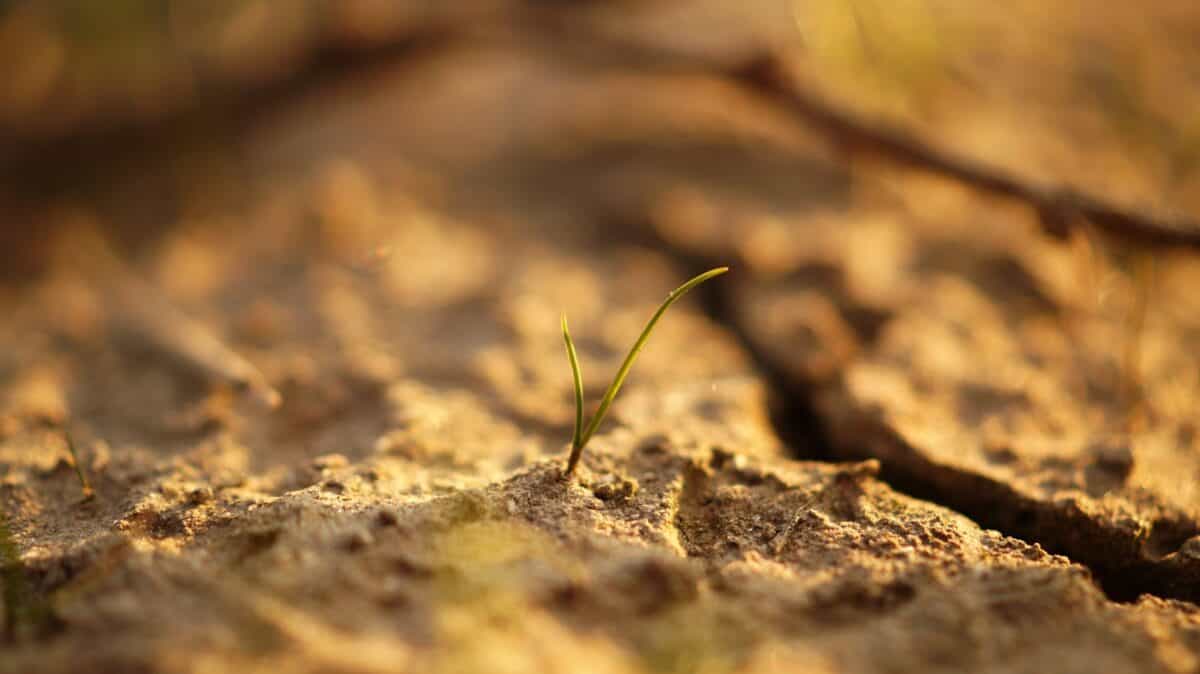
Technological advancements offer promising solutions for addressing drought conditions. Innovations in data analytics, satellite monitoring, and water-efficient technologies can enhance drought prediction and response measures, helping communities better manage their resources amid changing climate conditions.
Community and Individual Responsibilities
Communities and individuals must also play an active role in addressing the potential for mega-droughts. This includes engaging in water conservation practices, supporting local sustainability initiatives, and staying informed about climate change impacts and mitigation efforts.
Looking Toward a Sustainable Future

While the threat of mega-droughts is daunting, the path forward lies in proactive adaptation and mitigation strategies. Emphasizing sustainability, enhancing resource management, and fostering a collaborative approach among government, industry, and communities will be key in confronting the challenges posed by future droughts and ensuring a resilient future for the U.S.

- The Secret Language of Dolphins Decoded by Researchers - July 20, 2026
- 7 Animals That Can Survive Extreme Environments You Couldn’t - July 20, 2026
- The Longest Snake Ever Found in the U.S. - July 20, 2026