
Wolves, the majestic apex predators of many ecosystems, have long been subjects of fascination and fear. Their presence in natural habitats often sparks intense debates, especially concerning their interactions with livestock. This article delves into the complexities of whether wolves and livestock can peacefully coexist, highlighting conservation challenges, strategies, and real-world examples of coexistence efforts.
The Historical Struggle Between Wolves and Humans

For centuries, wolves have been both revered and vilified. Historically, their tenacious hunting skills often brought them into conflict with human agricultural activities. As humans expanded their territories, wolves found themselves at odds with livestock farmers who viewed them as threats to their livelihood.
The Importance of Wolves in Ecosystems

Wolves play a crucial role in maintaining the balance of ecosystems. They are apex predators, which means they help control the populations of other wildlife, preventing overgrazing and promoting biodiversity. Their presence ensures a healthier environment and can even positively impact river systems and forest growth.
Livestock Losses and Economic Impact

For farmers, losing livestock to wolf predation is not just an emotional blow but a significant economic one. Financial constraints, insurance complexities, and the demanding nature of livestock farming amplify the challenges faced by those sharing habitats with wolves. Understanding these pressures is crucial for developing effective coexistence strategies.
Conservation Laws and Their Impacts
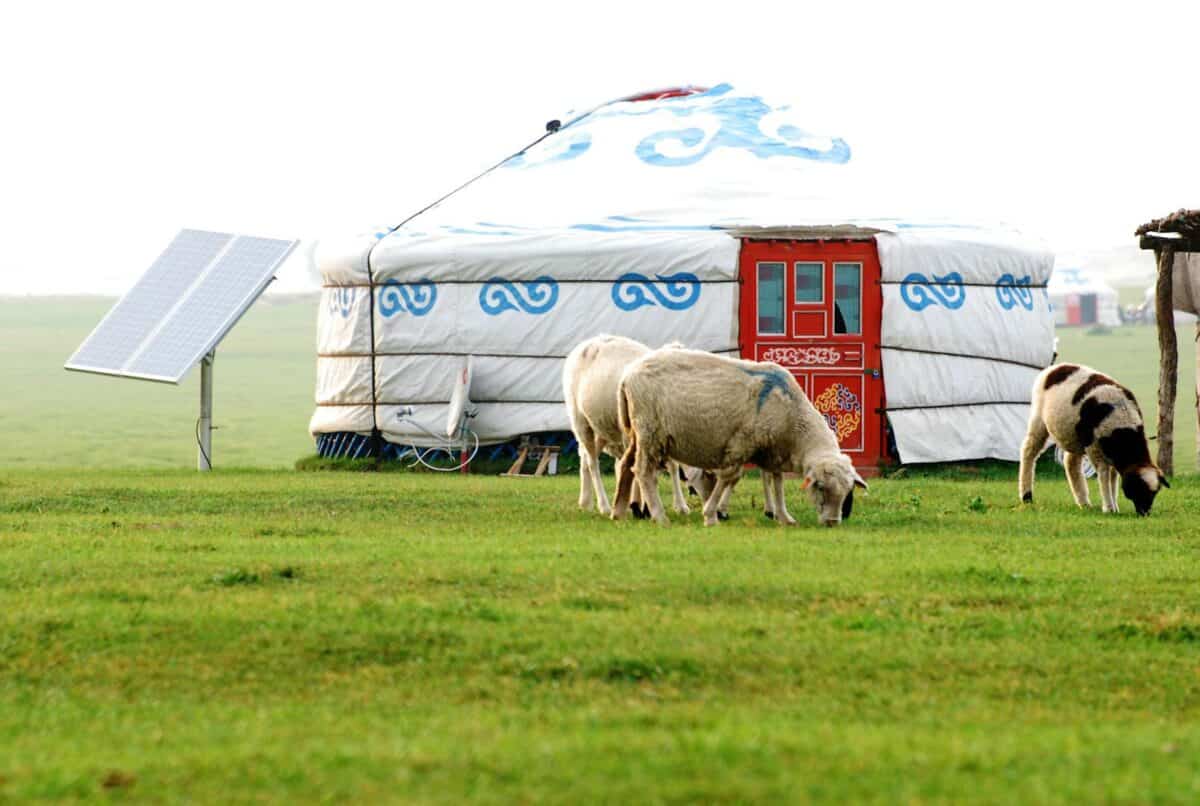
The introduction of conservation laws protecting wolves has stirred controversy. While these regulations aim to preserve the species, they often put farmers in a difficult position, feeling their needs are overshadowed. Balancing conservation with agricultural interests requires nuanced policies that address both ecological and human concerns.
Innovative Solutions for Coexistence
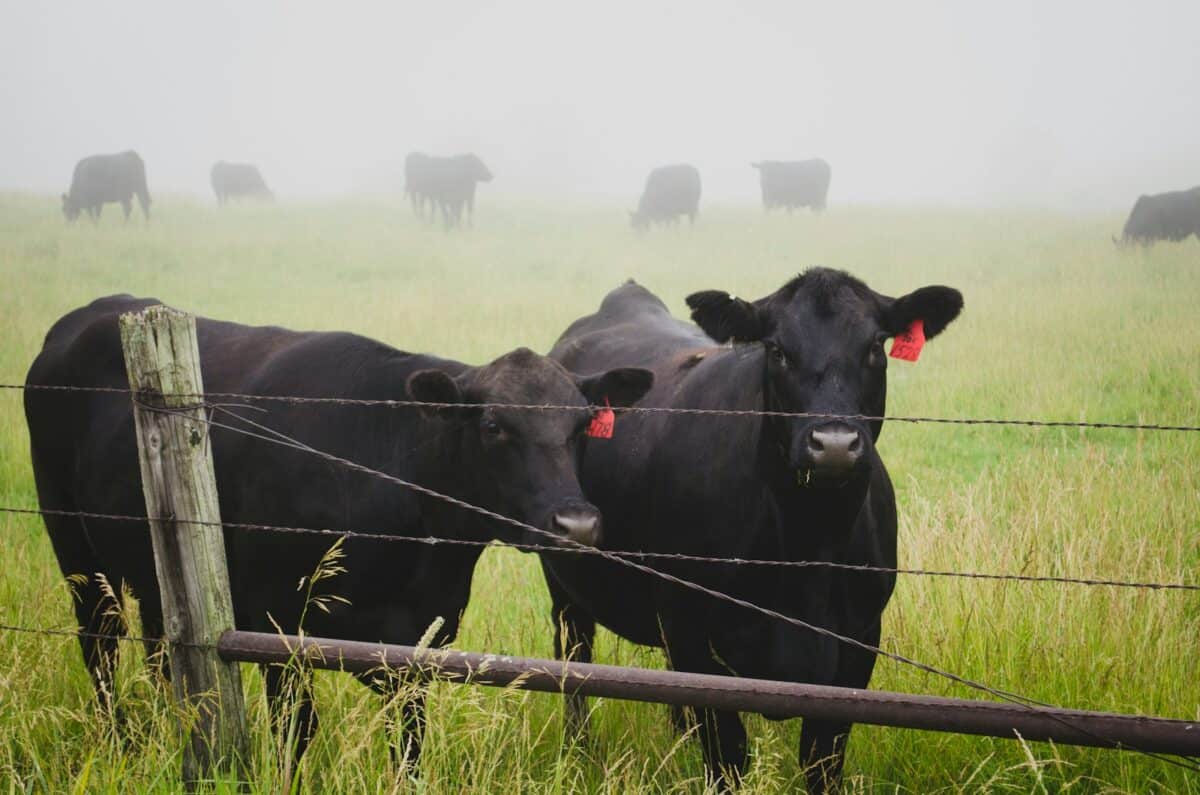
Various innovative solutions are being explored to mitigate conflicts between wolves and livestock farmers. These include installing predator-proof fencing, employing livestock guardian animals, and implementing compensated depredation programs. Such measures aim to reduce livestock losses while conserving the wolf population.
Case Study: Idaho’s Adaptive Management Programs

Idaho has implemented adaptive management programs aimed at reducing wolf-livestock conflicts. By involving local stakeholders, the program emphasizes transparency, uses data-driven strategies, and fosters communication between conservationists and farmers to create effective solutions for coexistence.
Role of Community Involvement

Community involvement is essential to achieving peaceful coexistence. Education initiatives that raise awareness about the ecological benefits of wolves can alter perceptions. Workshops, training, and community dialogues empower local stakeholders, granting them a voice in the decision-making process and promoting collective problem-solving.
Understanding Wolf Behavior

An understanding of wolf behavior can aid in reducing conflicts. Wolves generally avoid humans and attack livestock only when natural prey is scarce. By exploring their behavior, scientists provide practical insights that help shape effective deterrent methods and bolster coexistence efforts.
Technological Advancements in Deterrence

Technology plays a pivotal role in minimizing human-wolf conflicts. Radar and GPS tracking systems, drones, and automated livestock monitoring provide farmers real-time data, enabling them to respond promptly to potential threats. Such tools are indispensable in modern coexistence strategies.
The Role of Compensation Programs
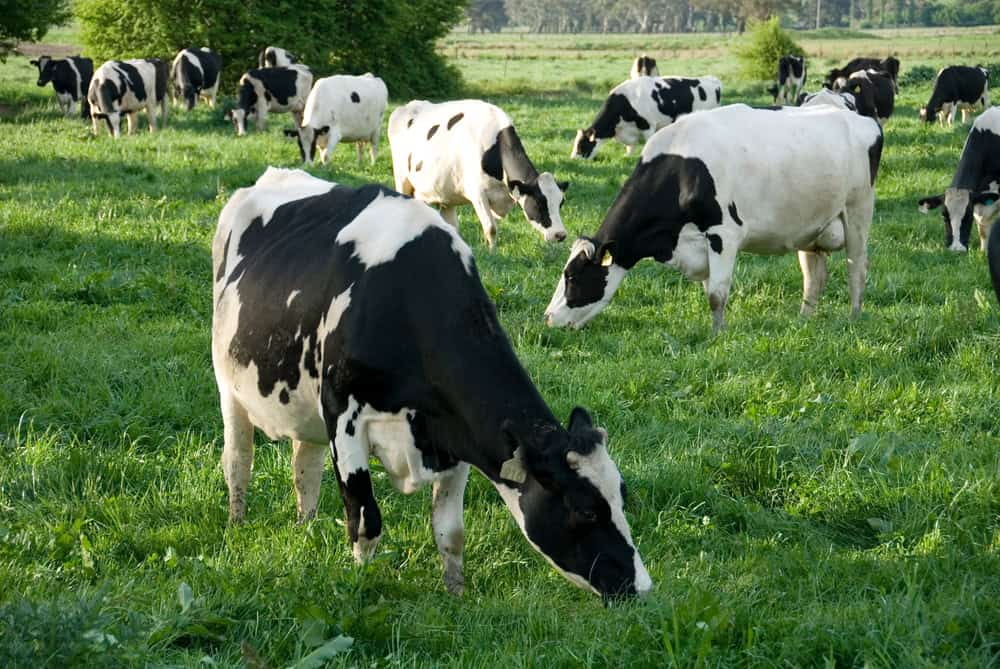
Compensation programs are designed to alleviate the economic strain on farmers losing livestock to wolves. These programs offer financial reimbursement and support to ensure that agricultural livelihoods are sustained while conserving endangered species like the wolf.
Global Examples of Coexistence
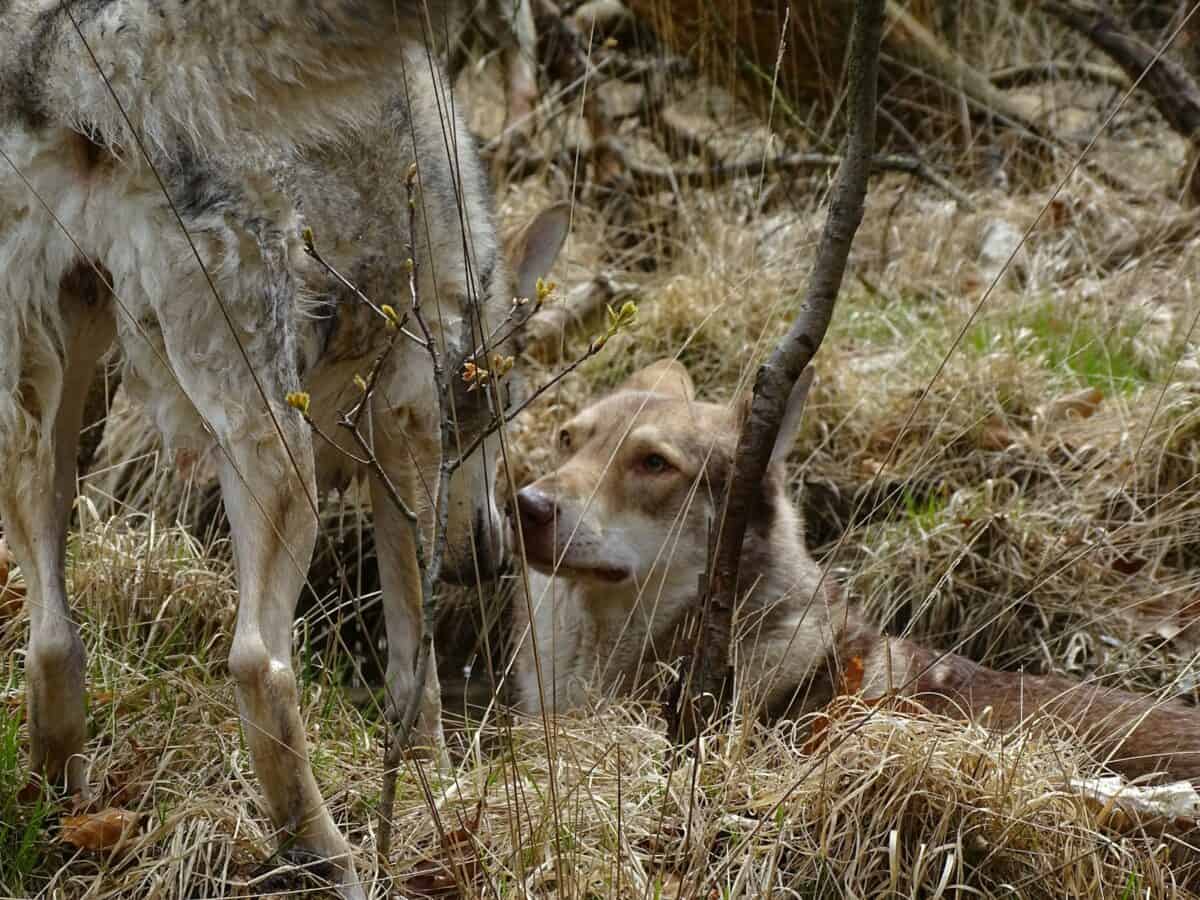
Globally, many countries successfully manage wolf-livestock coexistence. Sweden, for instance, has adopted various measures, including compensation schemes and public education, to reduce predation while maintaining healthy wolf populations. Such international case studies offer valuable lessons and insights.
Concluding Thoughts: A Path Towards Harmony
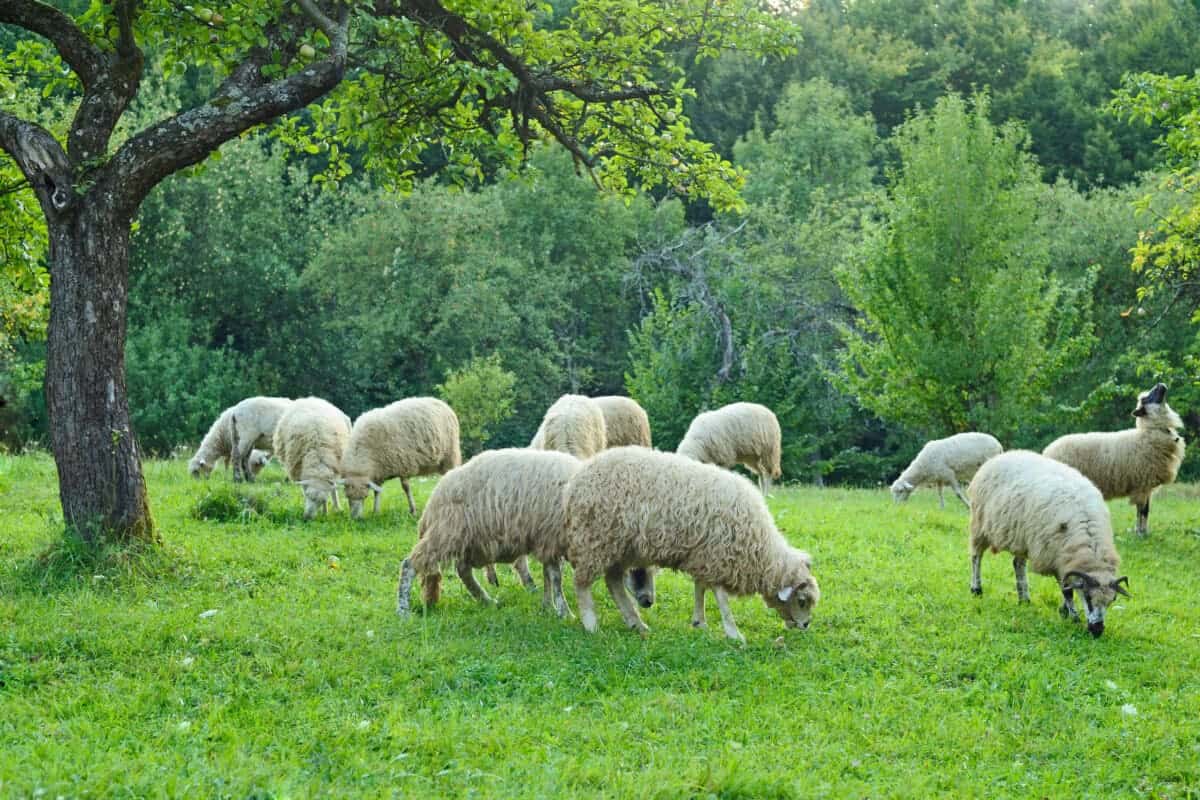
While the challenge of harmonizing the needs of wolves with those of livestock farmers is formidable, a holistic approach combining science, innovation, and community collaboration holds promise. By acknowledging the ecological significance of wolves and accommodating the realities of agricultural livelihoods, society can forge a path towards a sustainable coexistence. With continued effort and understanding, both wolves and livestock farmers can thrive in shared environments.

- The Story of the Arctic Fox’s Incredible Seasonal Transformation - July 18, 2026
- 10 Most Venomous Snakes in US National Parks - July 18, 2026
- The Moth That Drinks Blood - July 18, 2026