

Crocodiles are often perceived as fierce and ruthless predators of the animal kingdom. However, beneath their tough exterior lies a surprising story of maternal care. Contrary to popular belief, crocodile mothers exhibit behaviors that highlight their nurturing side. In this article, we delve into the complexities of crocodile parenting, revealing that these ancient reptiles have evolved with traits that underscore their commitment to the survival and welfare of their offspring.
Understanding Crocodile Maternal Instincts

Like many reptiles, crocodiles follow an oviparous reproductive strategy, laying eggs instead of giving birth to live young. However, their dedication to their eggs and hatchlings sets them apart from many other reptiles. Crocodile mothers display remarkable maternal instincts that ensure the most favorable conditions for their progeny’s development.
Nesting: Creating a Safe Haven
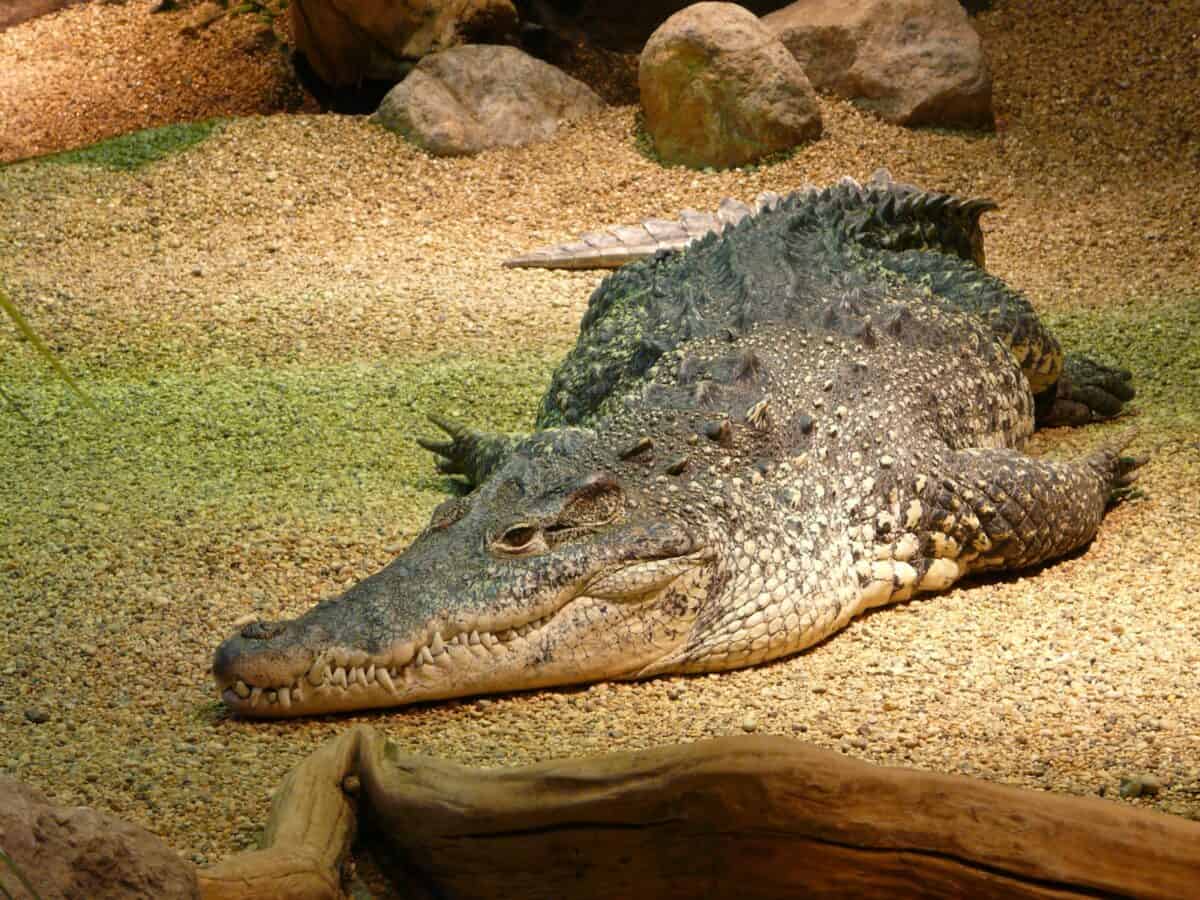
Crocodile mothers invest considerable energy in constructing secure nests. They typically choose elevated areas near water bodies to build these nests, ensuring they are safe from flooding. Using vegetation, soil, and sand, they construct a mound to protect the eggs, which can number between 30 to 60 depending on the species.
Guardians of the Nest
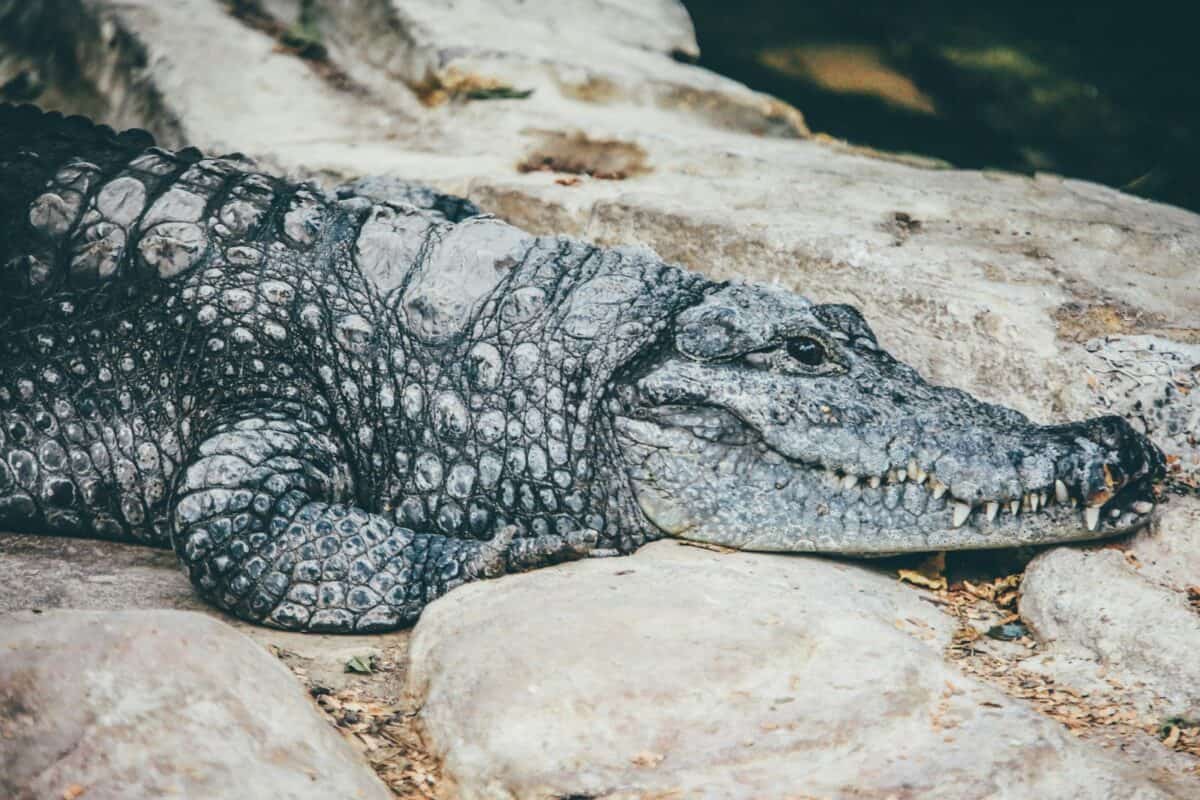
Once the eggs are laid, the female crocodile displays vigilant behavior, guarding the nest from potential threats. This includes predators like monitor lizards, snakes, and even other crocodiles. Throughout the incubation period, which lasts about 80 to 100 days, the mother stays close, ensuring the safety of her future young.
Incubation Care and Temperature Regulation
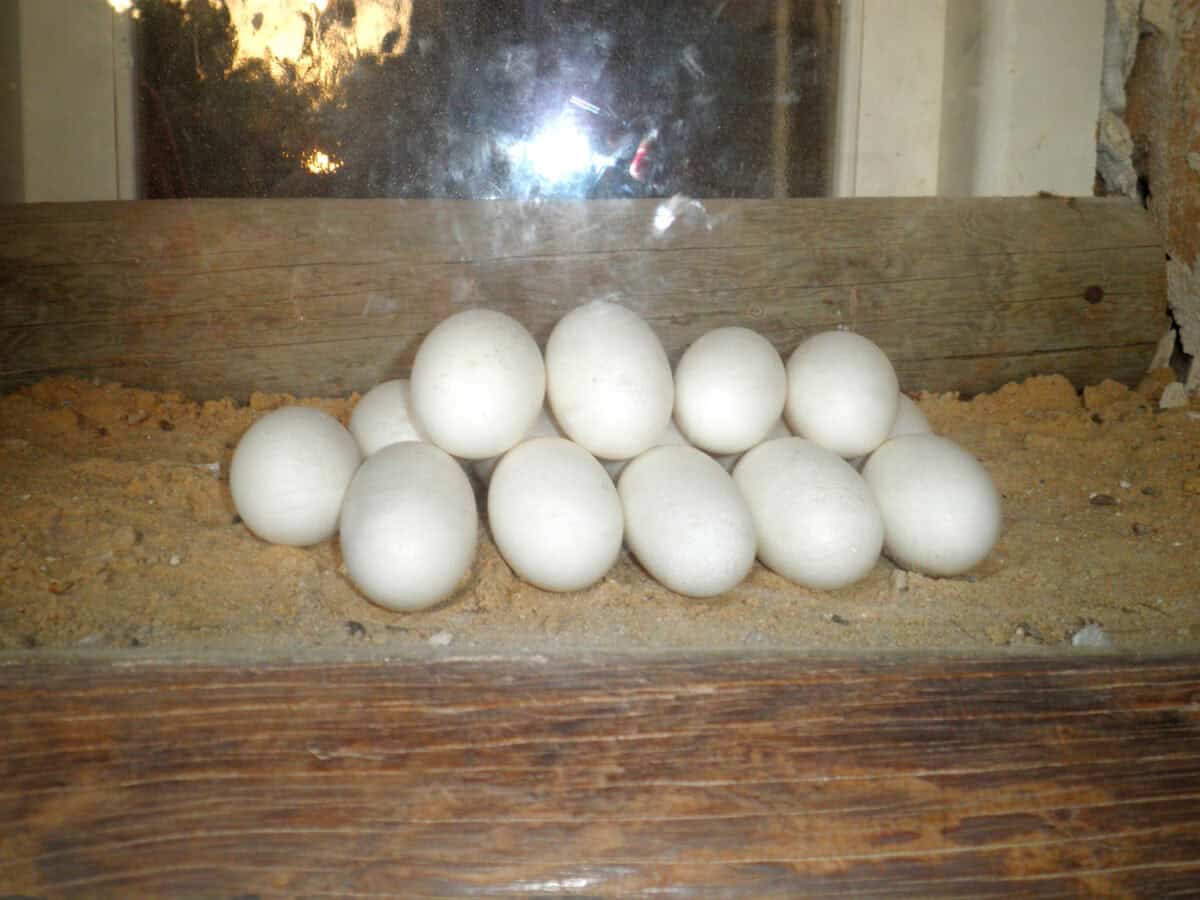
Interestingly, the temperature within the nest influences the sex of the hatchlings, a phenomenon known as temperature-dependent sex determination. Crocodile mothers instinctively regulate the temperature by adding or removing vegetation, ensuring a balanced environment conducive to the development of eggs.
Understanding the Hatchling’s Call

As hatching approaches, the unborn crocodiles emit noises from within their eggs, signaling their readiness to emerge. These vocalizations prompt the mother to start uncovering the nest, revealing an extraordinary level of communication between the mother and her offspring.
Gentle Assistance with Hatching

In an awe-inspiring display of delicacy, the typically predacious mother crocodile uses her powerful jaws to gently transport the fragile eggs into the water. Here, she assists the hatchlings by carefully cracking the shells, facilitating their emergence into the world.
Parental Protection in Early Stages
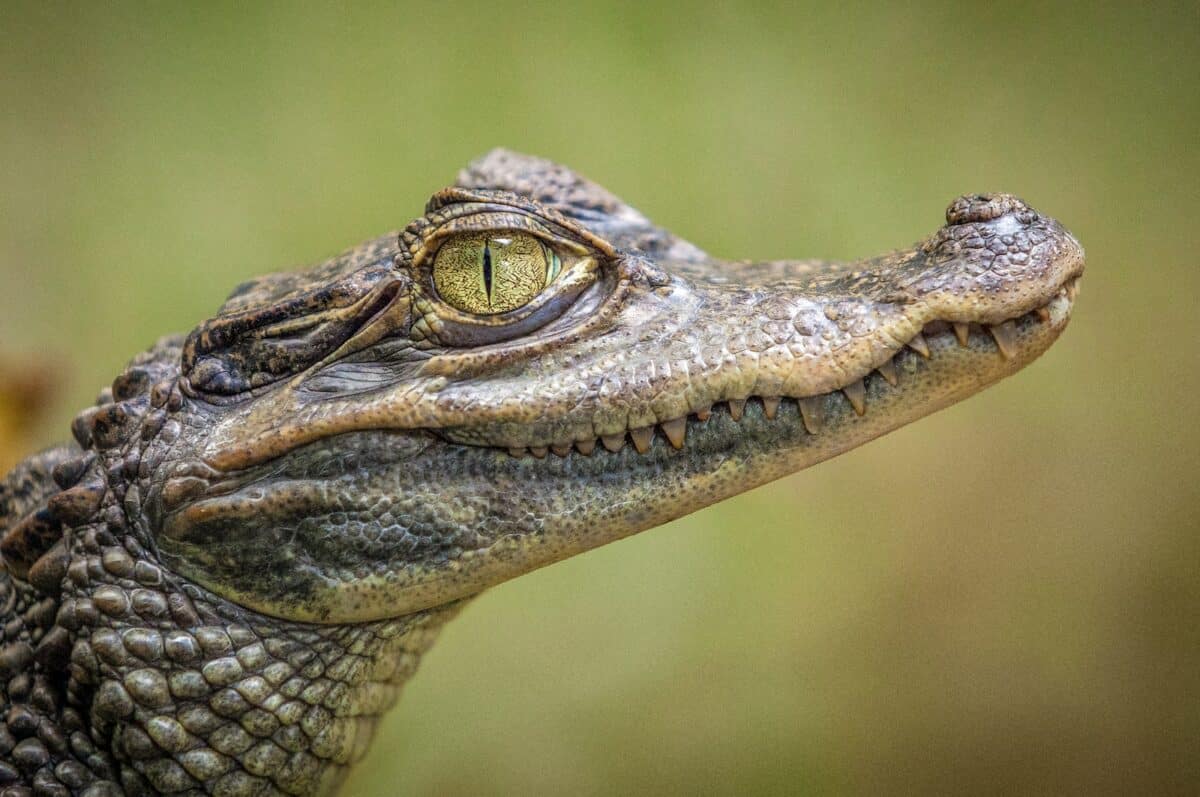
After hatching, the young crocodiles, known as juveniles, face numerous threats. The presence of their mother serves as a critical line of defense against predators. She continues to watch over them, displaying protective behavior for several weeks to months after they hatch.
Training the Next Generation
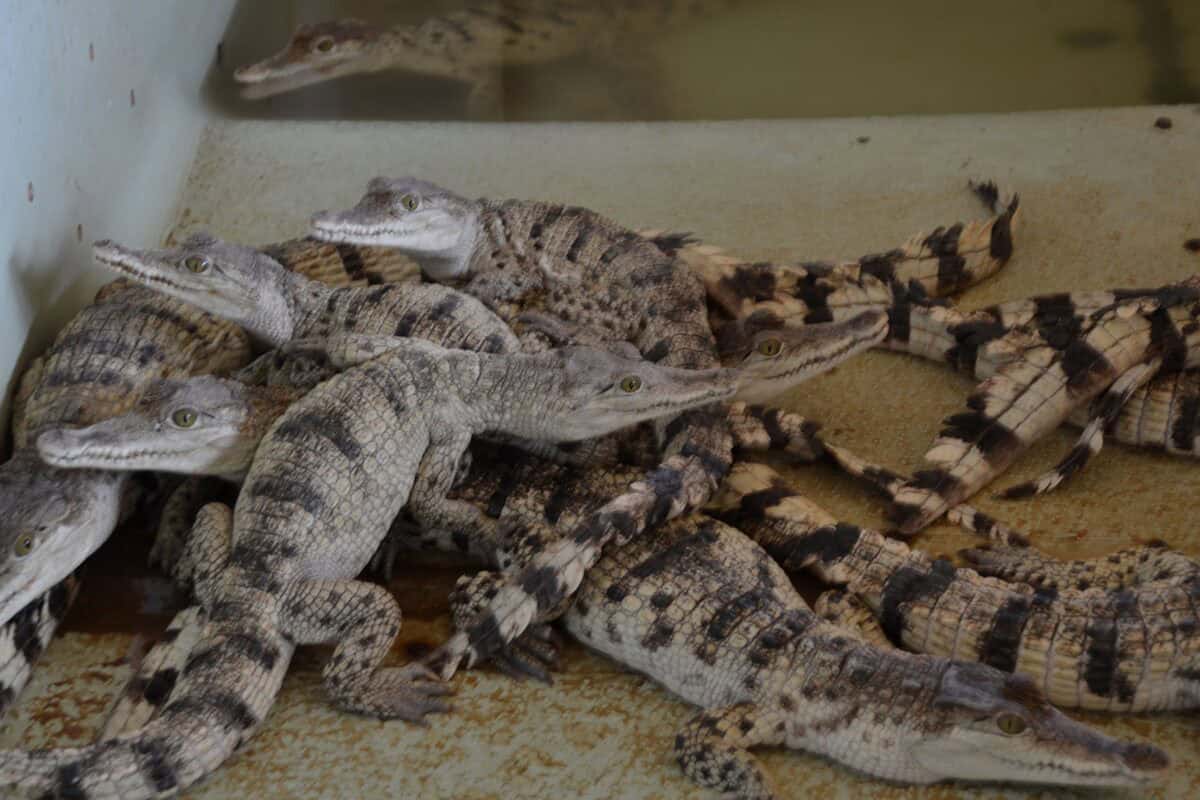
Crocodile mothers play a crucial role in teaching their young survival skills. By leading them to safe foraging grounds and initiating hunting behaviors, they equip their offspring with the necessary skills to independently navigate their environment as they grow.
The Role of Fathers
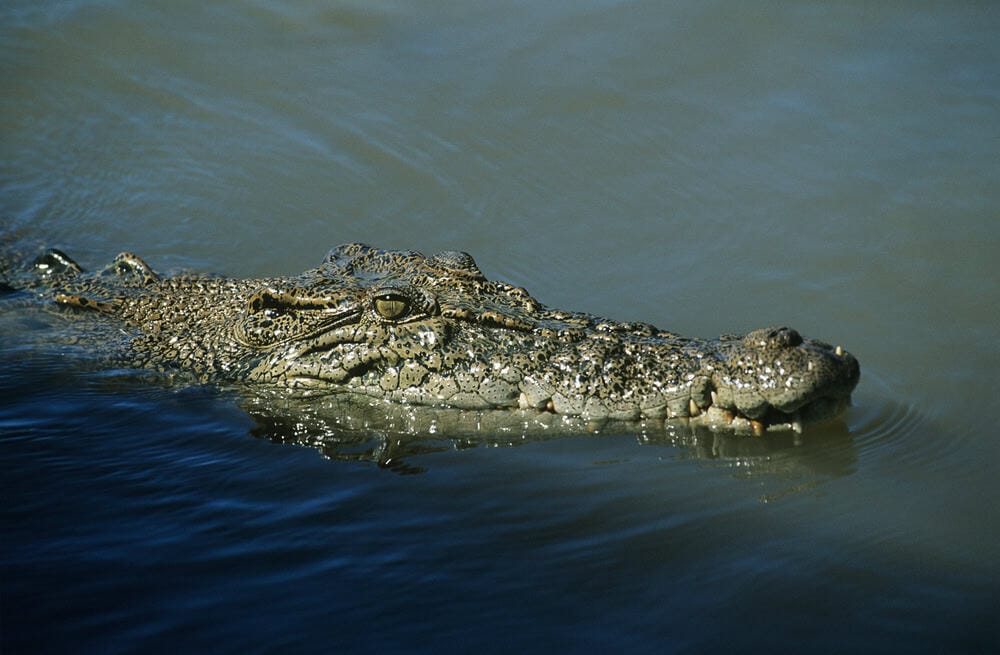
While the mother’s role is more pronounced, male crocodiles occasionally participate in the protection of the young, deterring rivals and predators from accessing the area. This cooperative parenting enhances the survival rates of their offspring significantly.
Variations Across Species
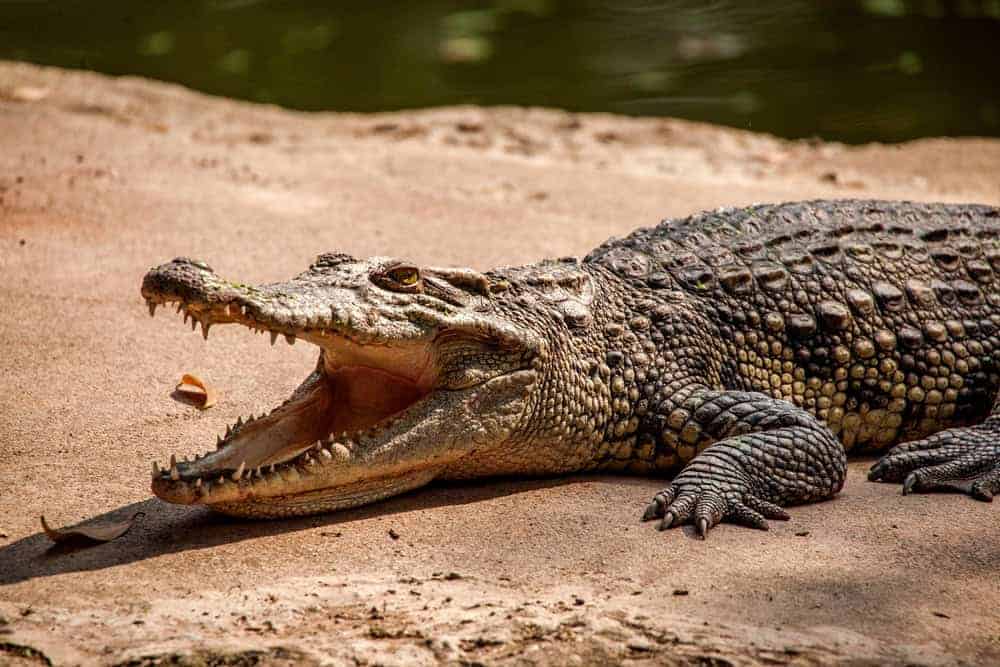
Not all crocodilian species display the same level of parental involvement. For instance, the American alligator and the Nile crocodile demonstrate distinct nesting and parental strategies, with some variances in the level of male participation and the duration of maternal care.
Conservation Implications
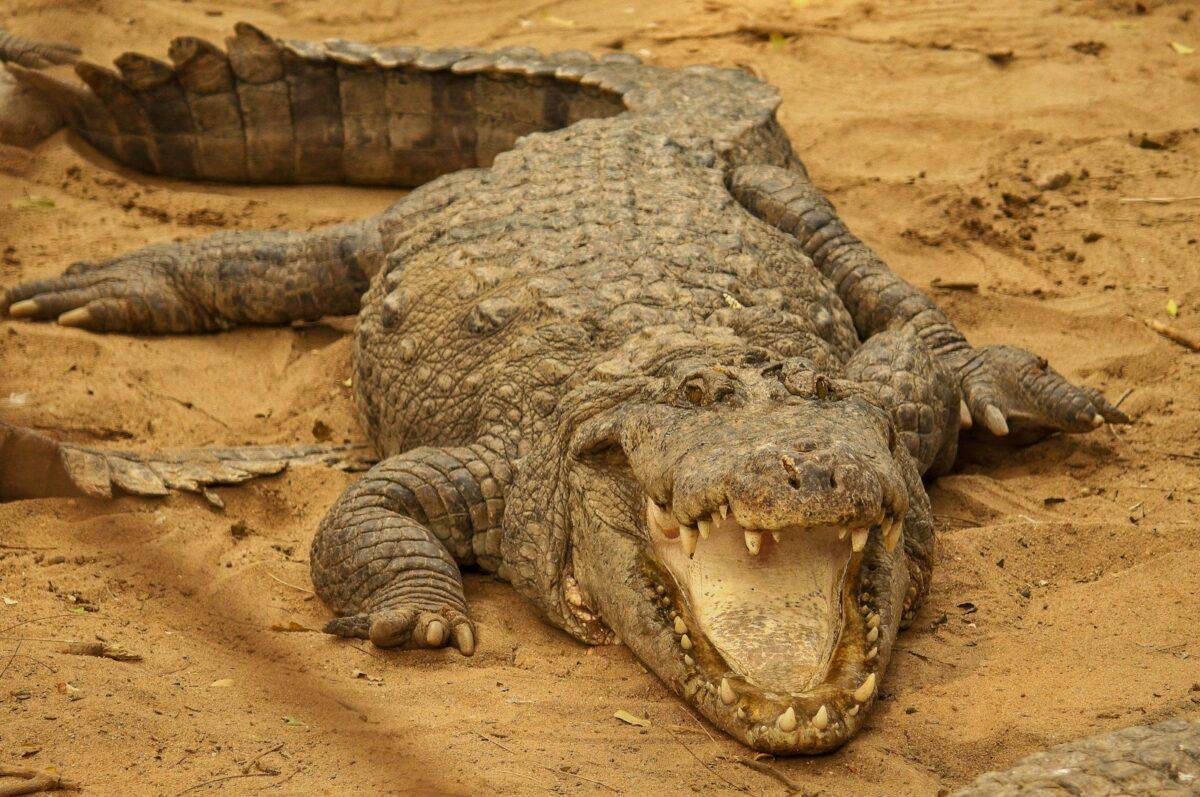
Understanding crocodile parental care not only contributes to the appreciation of these reptiles but also aids conservation efforts. By acknowledging their role as dedicated parents, strategies can be designed to protect nesting sites, ensuring the proliferation of crocodile populations in the wild.
Dispelling Myths About Crocodiles

The discovery of such nurturing behavior challenges long-standing myths about crocodiles as solely monstrous creatures. Recognizing their role as caring mothers adds depth to our understanding of these ancient reptiles, fostering a wider appreciation for their place in the ecosystem.
In conclusion, crocodile mothers are far more nurturing than they are often given credit for. From constructing protective nests to aiding their hatchlings in the first steps of life, these behaviors highlight the complexity and depth of crocodile maternal care. Understanding and respecting these traits allows for more informed conservation efforts and enriches our appreciation for the fascinating world of crocodiles.

- The Story of the Arctic Fox’s Incredible Seasonal Transformation - July 18, 2026
- 10 Most Venomous Snakes in US National Parks - July 18, 2026
- The Moth That Drinks Blood - July 18, 2026