

From the Olympic Peninsula to Vancouver Island, an unseen war is unfolding beneath the surface; cargo ships, oil drills, and military sonar have turned the ocean into a noise chamber, disrupting the natural resonance marine life, such as whales, has relied on for millennia. What was once a realm of deep frequencies and echolocation has become a battlefield of industrial acoustics.
Marine scientists refer to this phenomenon as “acoustic smog,” and its effects are widespread. Fish scatter from spawning grounds, dolphins alter their routes, and whales—the most sonically attuned of them all—are increasingly lost in a sea of dissonance.
Whales Off Course

Researchers at the University of Washington recently documented a spike in strandings along the Puget Sound coastline. Orcas, known for their precision in movement and location, have veered miles off their migration path. Many suspect the sonar signals emitted by submarines—part of ongoing naval drills—are to blame. These signals overlap directly with the orcas’ communication range, interfering with the resonance they use to track family members and locate food.
“The whales aren’t just disoriented,” says Dr. Amelia Tran, a marine biologist based in Seattle. “They’re being silenced.”
A Disrupted Language

Whales and dolphins speak in song—complicated, intelligent, and layered with memory. But their voices are increasingly lost. A recent study from the Oceanic Acoustic Monitoring Agency noted a 60% decline in recorded whale vocalizations in heavily trafficked zones. This isn’t silence by choice. It’s a forced muting of their most primal form of expression.
Some pods have adapted by singing louder or shifting frequencies. But this isn’t a solution—it’s strain. “We call it the Lombard effect,” Tran explains. “They’re shouting just to be heard, and that can’t last forever.”
Beyond the Surface
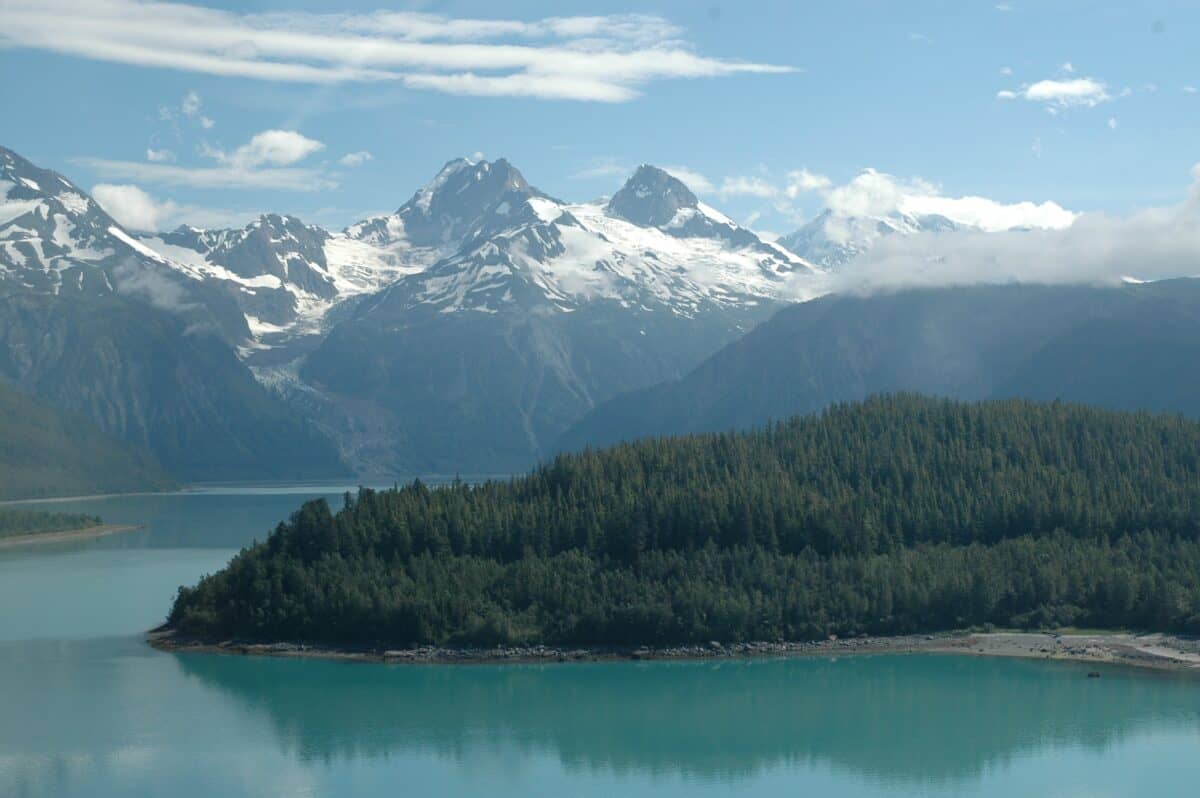
Indigenous communities along the Northwest coast have long observed the behavior of resident orca pods. Many describe recent sightings as rare and unsettling. Some say the whales now swim closer to shore, away from traditional hunting zones. “They’re trying to escape the noise,” says Haida environmental activist Nolan Thomas. “They’ve lost their resonance with the deep.”
His words echo a growing consensus: the problem isn’t just environmental—it’s cultural. It’s about the breaking of an ancient rhythm.
Calls for Action

Proposals are circulating. Marine protected areas that exclude sonar, slower vessel speeds, and rerouted shipping lanes are all under discussion. But implementation remains slow, and lobbying pressure from commercial operators is strong.
For the whales of the Pacific Northwest, time is running short. Their calls still echo beneath the waves—but in a sea of industrial noise, who’s left to hear them?

Please send any feedback to Feedback@animalsaroundtheglobe.com
- Five Fascinating Species Thriving at the Ocean’s Bottom - July 19, 2026
- Discovering the Fascinating Animals of the Amazon Rainforest - July 19, 2026
- CGI Wonders: Hollywood’s Animal Evolution - July 19, 2026