

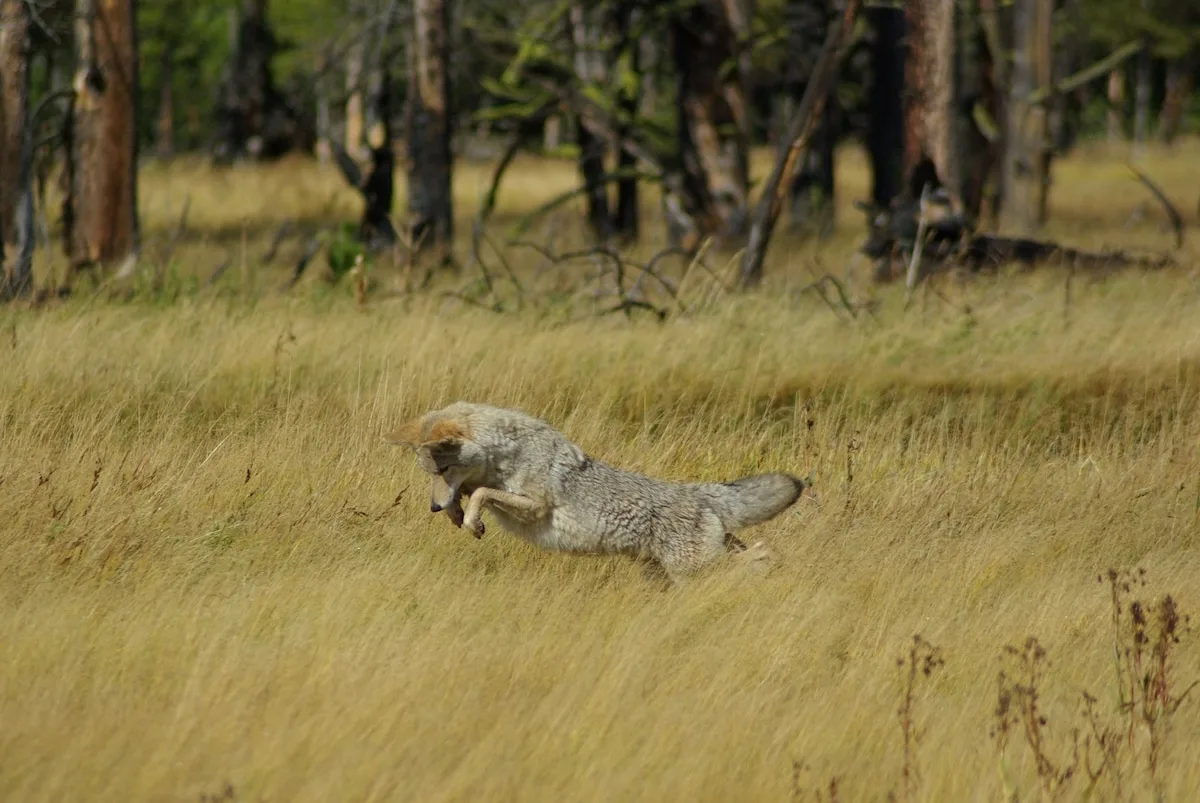
Coyotes have long been a subject of intrigue and fascination across the United States. These cunning creatures, often seen as symbols of the wild, evoke a myriad of emotions from admiration to fear. But what is it about coyotes that captivates the American public? From their adaptability to their mysterious howls, let’s delve into the reasons why these animals hold such a significant place in American culture and consciousness.
The Mystique of the Coyote’s Howl

There’s something hauntingly beautiful about a coyote’s howl echoing through the night. For many, it’s a sound that stirs the soul, painting images of untamed wilderness and moonlit landscapes. The coyote’s howl serves as a form of communication, allowing them to establish territory and coordinate with pack members. It’s a sound that connects people to nature, reminding them of the wild spaces that still exist. This auditory experience can evoke a sense of nostalgia, calling back to a time when humans lived closer to nature.
Symbol of Adaptability and Survival

Coyotes are often admired for their incredible adaptability. They’ve managed to thrive in a variety of environments, from deserts to urban landscapes. This adaptability makes them a symbol of resilience and survival, qualities that resonate deeply with the American spirit. In an ever-changing world, the coyote’s ability to adjust and thrive inspires many to embrace change and face challenges head-on. Their success in diverse habitats showcases their intelligence and resourcefulness, traits that many humans strive to emulate.
Role in Native American Folklore

For many Native American tribes, coyotes hold a special place in their folklore and traditions. Often depicted as tricksters or wise beings, coyotes are seen as teachers of important life lessons. These stories have been passed down through generations, weaving a rich tapestry of cultural significance. The coyote’s role as a cultural icon highlights the deep connection between humans and the natural world, serving as a reminder of the wisdom that can be found in nature.
The Coyote as a Symbol of Freedom

Coyotes represent the untamed spirit of the American wilderness. Their ability to roam freely across vast landscapes embodies a sense of freedom that resonates with many people. This symbolism is particularly powerful in a country that values liberty and independence. The coyote’s free-spirited nature serves as a reminder of the beauty and importance of wild spaces, encouraging people to cherish and protect the natural world.
Curiosity About Their Cleverness

Coyotes are known for their intelligence and cunning behavior. Their ability to outsmart predators and humans alike has earned them a reputation as clever creatures. This intelligence is intriguing to many, sparking curiosity and admiration. People are fascinated by the coyote’s problem-solving skills and their ability to learn and adapt to new situations. This cleverness often leads to stories of coyotes outwitting humans, adding to their mystique and allure.
Impact on Ecosystems

Coyotes play a crucial role in maintaining the balance of ecosystems. As both predator and scavenger, they help control populations of smaller animals, such as rodents and rabbits. This ecological role is vital for maintaining healthy environments and preventing overpopulation of certain species. Understanding the coyote’s impact on ecosystems fosters a greater appreciation for their presence and the interconnectedness of all living things.
Popularity in Media and Literature

Coyotes have been featured in countless books, movies, and television shows, further fueling public fascination. From cartoons to documentaries, these animals have captured the imagination of audiences worldwide. Their portrayal in media often highlights their mysterious and cunning nature, cementing their status as intriguing and captivating creatures. This exposure in popular culture helps to keep the coyote in the public eye, maintaining interest and curiosity.
Encounters in Urban Areas

As urban sprawl continues to encroach on natural habitats, encounters with coyotes in cities and suburbs have become more common. These sightings often evoke a mix of fear and fascination, as people witness wildlife adapting to human environments. Urban coyotes challenge perceptions of what it means to coexist with nature, prompting discussions about conservation and wildlife management. These encounters serve as a reminder of the resilience of wildlife and the importance of finding harmony between human and animal communities.
Debate Over Conservation and Management

The presence of coyotes often sparks debates about wildlife management and conservation. Some view them as pests, while others advocate for their protection. This ongoing discussion highlights the complexity of human-wildlife relationships and the challenges of balancing conservation with human interests. The coyote’s role in these debates underscores the importance of understanding and respecting the natural world, fostering a deeper connection to the environment.
Connection to the Wild West

Coyotes are often associated with the Wild West, a time of exploration and adventure in American history. This connection evokes images of vast, untamed landscapes and the rugged individuals who dared to explore them. The coyote’s presence in this historical context adds to their mystique, serving as a symbol of the wild and untamed spirit of the American frontier. This association with a romanticized past keeps the coyote firmly rooted in the American imagination.
Influence on Local Economies

In some areas, coyotes have become an important part of local economies, particularly in the context of wildlife tourism. People travel from far and wide to catch a glimpse of these elusive creatures in their natural habitats. This interest generates revenue for local businesses and highlights the economic value of preserving natural environments. The coyote’s role in tourism underscores the importance of wildlife conservation and the benefits it can bring to communities.
Educational Opportunities

Coyotes offer valuable educational opportunities for people of all ages. Schools, nature centers, and wildlife organizations often use coyotes as a focal point for teaching about ecology, animal behavior, and conservation. These educational programs foster a greater understanding and appreciation for wildlife, inspiring future generations to protect and preserve the natural world. The coyote’s role as an educational ambassador highlights their importance in promoting environmental awareness.
Role in Scientific Research

Scientists study coyotes to learn more about animal behavior, ecology, and adaptation. These studies provide valuable insights into how animals interact with their environments and respond to changes. Research on coyotes contributes to a broader understanding of wildlife and helps inform conservation efforts. The coyote’s role in scientific research underscores their significance in advancing knowledge and understanding of the natural world.
Artistic Inspiration
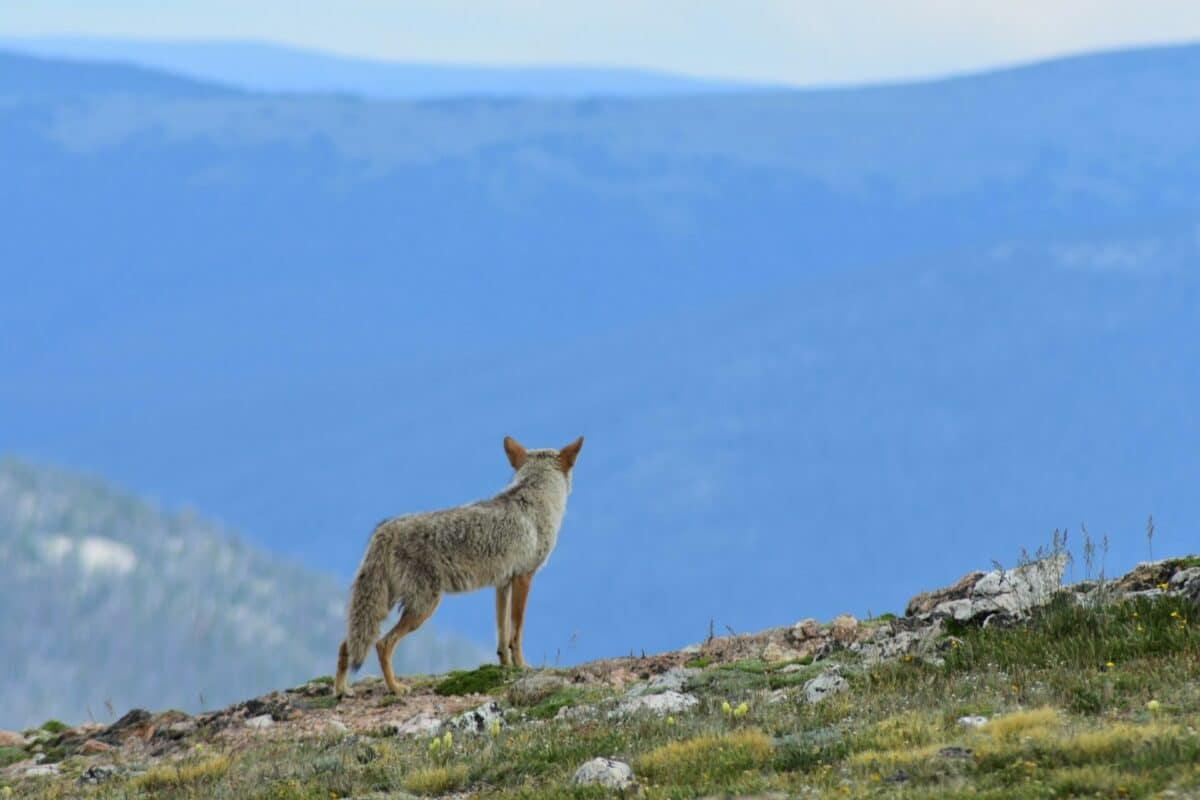
Coyotes have long been a source of inspiration for artists, musicians, and writers. Their mysterious nature and symbolic significance make them compelling subjects for creative expression. From paintings to songs, coyotes have been immortalized in various forms of art, capturing the imagination and emotions of audiences. This artistic inspiration highlights the coyote’s enduring impact on culture and creativity.
Personal Encounters and Stories

Many people have personal stories of encounters with coyotes, whether in the wild or closer to home. These experiences often leave a lasting impression, sparking curiosity and a desire to learn more about these captivating creatures. Personal encounters with coyotes can evoke a range of emotions, from fear to awe, and serve as a reminder of the beauty and unpredictability of nature. These stories contribute to the coyote’s mystique and allure, keeping them firmly rooted in the collective consciousness.
Conclusion
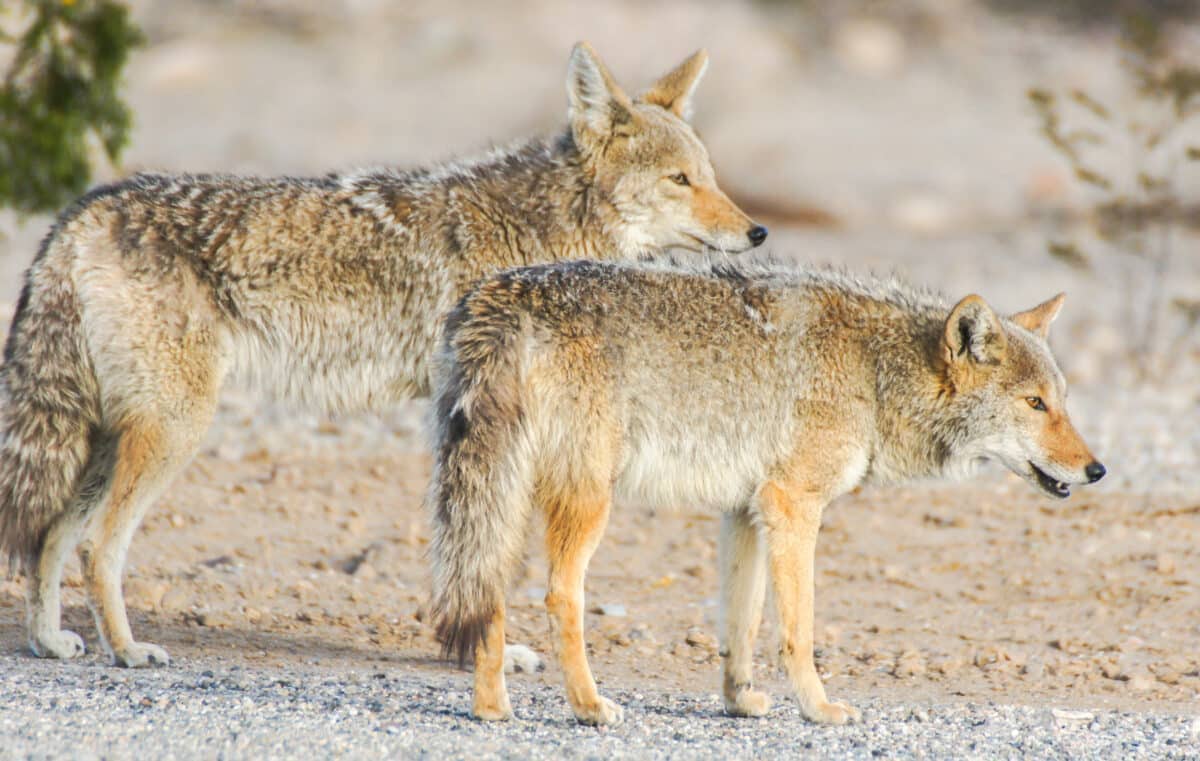
Coyotes remain a fascinating and enigmatic presence in American life, captivating the hearts and minds of many. Their adaptability, intelligence, and cultural significance make them a symbol of the wild and a reminder of the beauty and complexity of the natural world. As we continue to encounter and learn from these remarkable creatures, one can’t help but wonder: What else might coyotes teach us about life and the world around us?

As a little kid, I fell in love with nature, wildlife, and animals. Living in the USA, South Africa, Italy, China and Germany gave me the opportunity to discover the world's Wildlife. My favorite animals are Mountain Gorillas, Siberian Tigers, and Great White Sharks.
I'm a certified PADI Open Water Diver, went to Everest Base Camp and Trekked Gorillas in Uganda. I hold a Master of Science in Economics and Finance.
Please send any feedback to feedback@animalsaroundtheglobe.com
- 13 Cat Breeds That Get Along with Dogs - July 20, 2026
- The 12 Largest Dog Breeds That Still Love to Cuddle - July 20, 2026
- 12 Pet Habits That Secretly Mean They Love You - July 20, 2026