

Deep in the forests of Africa, our closest evolutionary relatives have been practicing a form of medicine that predates human pharmacology. Chimpanzees, with their remarkable intelligence and social complexity, have demonstrated an uncanny ability to identify and use specific plants to treat their ailments. Far from random foraging, these behaviors reveal a sophisticated understanding of their environment and its healing properties. This surprising phenomenon challenges our understanding of animal cognition and provides fascinating insights into the origins of human medicine. Let’s explore the remarkable world of chimpanzee self-medication, a behavior scientists call “zoopharmacognosy.”
The Discovery of Medicinal Plant Use in Chimpanzees

The groundbreaking observation of chimps using plants medicinally first came to scientific attention in the 1970s through the pioneering work of primatologist Dr. Richard Wrangham. While studying chimpanzees in Gombe Stream National Park, Tanzania, he noticed something peculiar: a sick female chimpanzee named Melissa was carefully selecting and chewing the bitter pith of a plant not typically part of the chimps’ diet. This plant, later identified as Vernonia amygdalina (bitter leaf), has long been used in traditional African medicine. More remarkable still, Melissa recovered from her illness shortly after consuming the plant. This observation prompted a new field of study focused on animal self-medication behaviors, particularly among great apes.
Subsequent research by Dr. Michael Huffman at Kyoto University further documented and expanded our understanding of this phenomenon. Through decades of field observations across various chimpanzee communities, scientists have compiled substantial evidence that this behavior is both deliberate and effective. What was once dismissed as coincidental or instinctive behavior is now recognized as a complex, learned practice that demonstrates the remarkable cognitive abilities of our primate cousins.
The Science of Zoopharmacognosy

Zoopharmacognosy—derived from the Greek words “zoo” (animal), “pharmaco” (drug), and “gnosy” (knowing)—refers to the process by which animals self-medicate using plants, soils, or insects. This field sits at the fascinating intersection of animal behavior, ecology, and pharmacology. For chimpanzees, this practice appears to be both innate and culturally transmitted, with young chimps learning from observing older, more experienced members of their communities.
Scientists studying this phenomenon typically document several key elements: the identification of unusual feeding behaviors, clinical signs of illness in the animal, subsequent recovery after plant consumption, and laboratory analysis of the consumed plants to identify bioactive compounds. Chemical analysis of plants used by chimps has repeatedly revealed significant antimicrobial, antiparasitic, and anti-inflammatory properties—confirming that the chimps are indeed selecting plants with medicinal value, not just supplementing their diet.
The Bitter Leaf Treatment: A Case Study

The most thoroughly documented example of chimpanzee self-medication involves the bitter leaf plant (Vernonia amygdalina). When suffering from parasitic infections, chimpanzees carefully select young shoots and bitter pith of this plant, meticulously peel the outer bark, and chew the pith to extract the bitter juice. They’ll often make a face suggesting they find the taste unpleasant—yet they continue the treatment when ill. Remarkably, they typically avoid this plant when healthy, suggesting they recognize its medicinal rather than nutritional value.
Laboratory analysis has confirmed that Vernonia contains sesquiterpene lactones and steroid glucosides with powerful anthelmintic (anti-worm) and antiparasitic properties. These compounds effectively combat the intestinal nematodes and trematodes that commonly afflict wild chimpanzees. Studies have shown that chimpanzees with high parasite loads often show significant reduction in infection levels within 24 hours of consuming bitter leaf, demonstrating the effectiveness of their self-prescribed treatment.
Aspilia Leaves: Nature’s Bandage
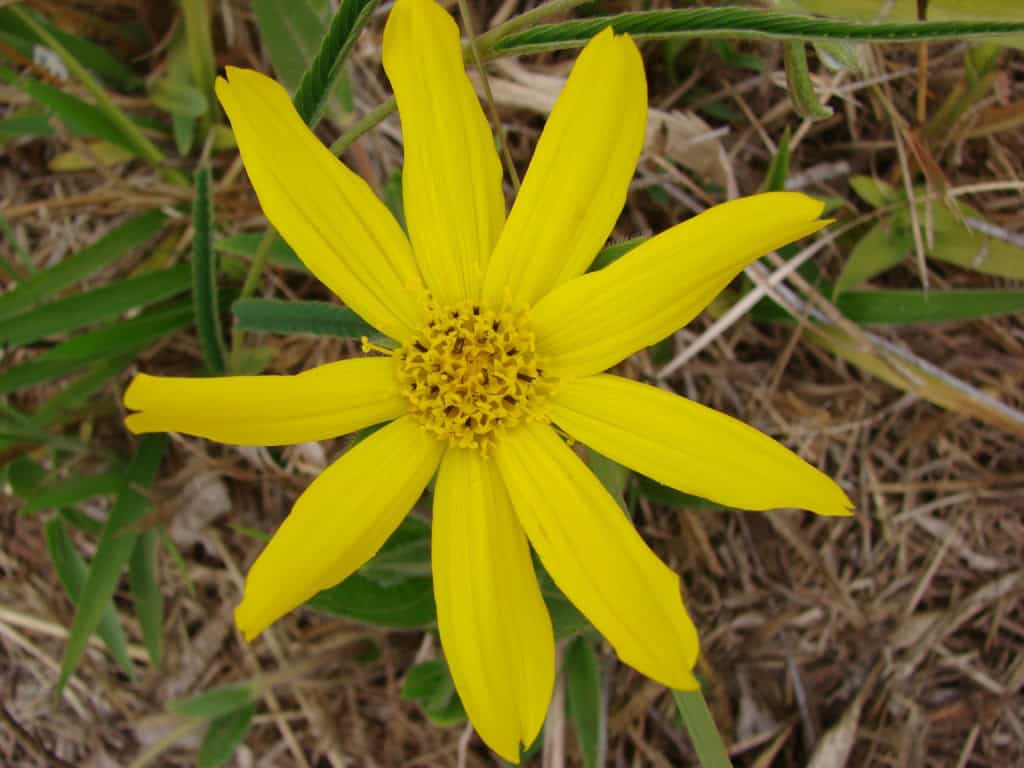
Another fascinating example is the chimpanzee use of Aspilia leaves, sometimes called the “stomach leaf.” Chimpanzees have been observed carefully selecting young leaves of Aspilia plants, folding them, and swallowing them whole without chewing—a highly unusual feeding behavior. The leaves pass through their digestive tract unchanged, emerging intact in their feces. This peculiar behavior puzzled researchers until they discovered that Aspilia leaves contain thiarubrine-A, a compound with powerful antiparasitic and antibacterial properties.
Further research revealed that the rough-textured leaves physically scrape parasites from the intestinal walls as they pass through the digestive tract. Additionally, when swallowed whole, the leaves’ tiny hooks trap parasites, carrying them out of the body. The chimps’ technique of folding the leaves prevents the rough surface from damaging their throat while swallowing—demonstrating a sophisticated understanding of the plant’s mechanical properties as well as its biochemical effects.
Leaf-Swallowing as Parasite Control

The practice of swallowing rough, hairy leaves whole extends beyond Aspilia to include several other plant species. This behavior appears specifically when chimpanzees are suffering from intestinal parasite infections, particularly nematodes. Researchers have documented this practice across multiple chimpanzee communities throughout Africa, suggesting it’s a widespread adaptation rather than a localized cultural phenomenon.
Scientists studying chimpanzee feces after leaf-swallowing episodes have found significantly increased quantities of expelled parasites, particularly tapeworms and roundworms. The physical mechanism appears to work like a “Velcro-like” action, with the rough leaves physically removing parasites from the intestinal walls and carrying them out of the body. This demonstrates a sophisticated form of mechanical medicine rather than a purely chemical one—highlighting the multidimensional nature of chimpanzee healing practices.
Cultural Transmission of Medicinal Knowledge

Perhaps most fascinating is the evidence that medicinal plant knowledge is culturally transmitted within chimpanzee communities. Young chimpanzees learn which plants to use, when to use them, and how to prepare them by observing older, experienced community members. Different chimpanzee communities across Africa show distinct preferences for certain medicinal plants, despite having access to the same flora—suggesting these are learned cultural traditions rather than purely instinctive behaviors.
This cultural dimension of medicinal plant use adds another layer to our understanding of chimpanzee cognition. It suggests a form of traditional ecological knowledge being passed down through generations, similar to how human traditional medicine evolved. Researchers have observed young chimpanzees closely watching sick adults select and process medicinal plants, later attempting to replicate these behaviors when they themselves fall ill—a clear example of observational learning in action.
Ficus Plants: Tackling Multiple Ailments
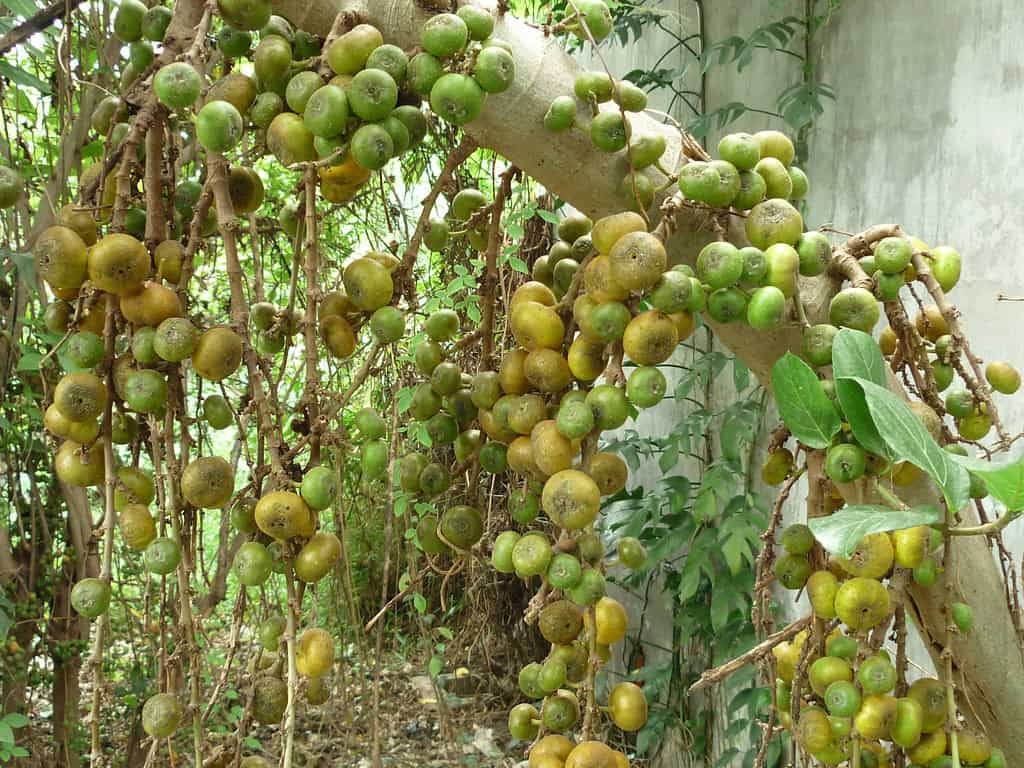
Several species of Ficus (fig) plants feature prominently in the chimpanzee pharmacopeia. Chimpanzees consume various parts of these plants—including bark, leaves, and fruit—depending on the specific ailment they’re experiencing. Laboratory analysis has revealed that Ficus species contain a complex array of compounds with anti-diarrheal, anti-inflammatory, and antimicrobial properties.
Particularly notable is the chimpanzees’ selective use of different parts of the same plant for different conditions. For instance, they may chew the bark to extract compounds that soothe digestive distress, while at other times focusing on the leaves for their antiparasitic properties. This targeted use of plant parts demonstrates a level of botanical knowledge that goes beyond simple trial and error, suggesting a deeper understanding of plant properties and their effects on different bodily ailments.
Insect-Based Remedies

Chimpanzee self-medication extends beyond plants to include insect-based remedies. In a particularly striking example, chimpanzees in Tanzania have been observed capturing and chewing ants of the genus Camponotus. These ants produce formic acid as a defense mechanism, which has antimicrobial properties. Sick chimpanzees will sometimes place these ants on open wounds, allowing the formic acid to disinfect the injury—essentially using the ants as living antiseptics.
Similarly, some chimpanzees use crushed termites as topical treatments for wounds. The mandibles of soldier termites can actually function as natural “stitches” when applied to cuts, as they clamp onto both sides of a wound before their bodies are twisted off, leaving the pincers in place. Additionally, the saliva of certain termite species contains antimicrobial compounds that may help prevent infection. These sophisticated uses of insects as medical tools highlight the inventiveness of chimpanzee healing practices.
Soil Consumption for Digestive Health

Geophagy—the practice of deliberately consuming soil or clay—is another documented form of self-medication among chimpanzees. In the Mahale Mountains of Tanzania, chimpanzees have been observed carefully selecting and consuming specific soil types, particularly kaolin clay. This behavior increases during rainy seasons when gastrointestinal parasites and bacterial infections are more prevalent.
Scientific analysis reveals that these selected soils contain minerals that bind to toxins and tannins in the diet, potentially relieving digestive distress. The clay may also act as an antacid, soothing stomach ailments, and helping to eliminate harmful pathogens from the gut. Interestingly, similar clay consumption for medicinal purposes is practiced by traditional human societies worldwide, suggesting a potential shared origin for this behavior or independent discovery of its benefits by both humans and chimps.
Parallels with Human Traditional Medicine

The overlap between plants used medicinally by chimpanzees and those used in traditional human medicine throughout Africa is remarkable. Over 40% of plants observed being used medicinally by chimpanzees also appear in traditional African pharmacopeias. This suggests either that humans learned from observing animal behaviors (a theory supported by many traditional healers who claim to have discovered medicinal plants by watching animals), or that both species independently discovered the same effective remedies through trial and error over generations.
This connection offers valuable insights for ethnopharmacology—the study of traditional medicine. Plants used by both chimps and humans for similar ailments often prove, under laboratory analysis, to contain bioactive compounds effective for those conditions. For instance, the bitter leaf plant used by chimps for parasitic infections is similarly used in traditional medicine across West Africa to treat malaria, gastrointestinal issues, and parasitic infections. This convergence provides a compelling natural validation for traditional knowledge systems that have sometimes been dismissed by Western medicine.
Implications for Drug Discovery
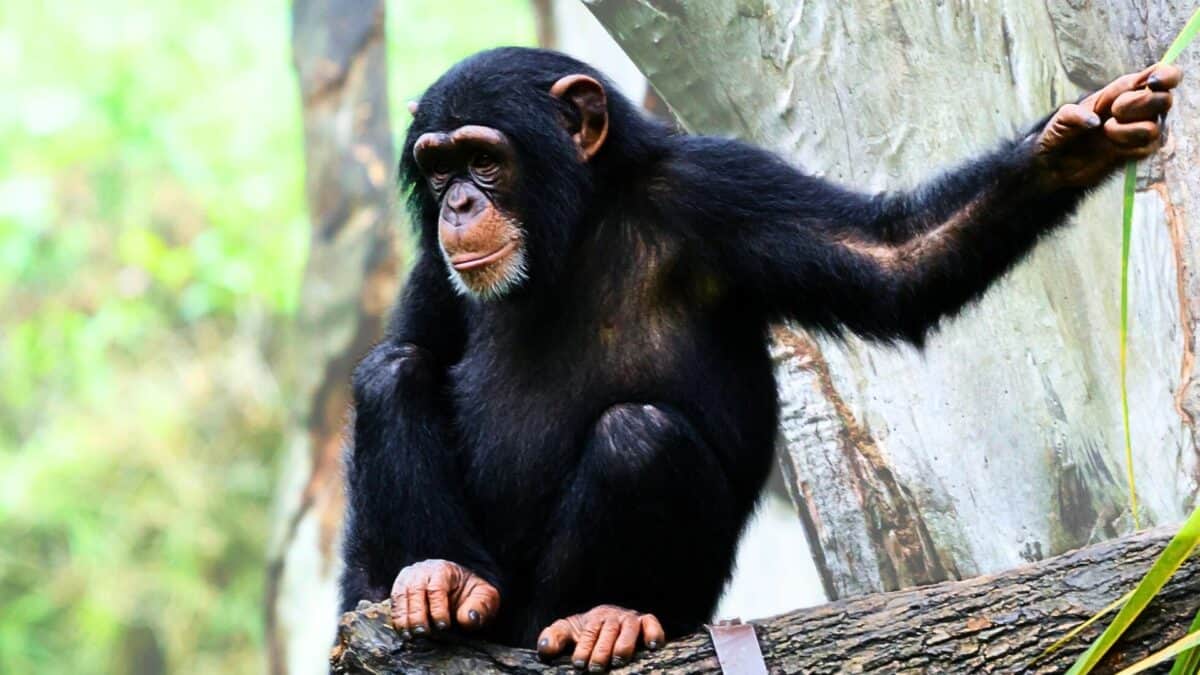
Chimpanzee self-medication has significant implications for bioprospecting and drug discovery. The plants selected by chimps represent potential sources of new medicines, having been essentially “pre-screened” through evolution and animal selection. Several pharmaceutical companies and research institutions now track animal self-medication as a guide for identifying promising plant compounds for further investigation.
This approach, sometimes called “zoopharmacognosy-guided bioprospecting,” has already led to the discovery of novel compounds with therapeutic potential. For example, studies of the Vernonia plants used by chimps have yielded compounds now being investigated for their potential in treating malaria, cancer, and diabetes. This represents a fusion of traditional wisdom, animal behavior, and modern pharmaceutical science—potentially opening new pathways for drug development at a time when novel antibiotics and antiparasitics are urgently needed.
Conservation Implications

The discovery of medicinal plant use in chimpanzees adds another compelling dimension to conservation efforts. Many of the forest habitats where these behaviors are observed are under threat from deforestation, climate change, and human encroachment. The loss of these ecosystems means not only the potential extinction of chimpanzee populations but also the disappearance of their unique medicinal plant knowledge—a living library of pharmacological information refined over millions of years of evolution.
Conservation biologists now emphasize the importance of preserving not just chimpanzee populations but the integrity of their habitats and the full range of plant species they utilize. This more holistic approach recognizes that cultural behaviors like medicinal plant use are integral to chimpanzee wellbeing and survival, and that these behaviors cannot persist if the plants themselves disappear. Thus, the study of chimpanzee medicine has become an important component of both conservation biology and ethnopharmacology, bridging species preservation with the protection of traditional knowledge systems.
The Evolution of Self-Medication

The presence of sophisticated medicinal plant use in our closest evolutionary relatives raises fascinating questions about the origins of medicine itself. Did the last common ancestor of humans and chimpanzees, who lived approximately 6-7 million years ago, already practice some form of plant-based healing? Or did humans and chimps evolve these behaviors independently? The widespread nature of self-medication across not just chimpanzees but many animal species—from bears to birds—suggests that rudimentary forms of self-medication may be quite ancient in evolutionary terms.
What distinguishes chimpanzee medicine from that of other animals is the social learning component—the cultural transmission of specific techniques and plant knowledge. This social dimension of medicine may represent an evolutionary stepping stone toward the complex medical systems that eventually developed in human societies. By studying chimpanzee self-medication, we may be glimpsing the prehistoric origins of human healthcare—a time before written records when our ancestors, like chimps today, relied on carefully accumulated ecological knowledge to treat their ailments.
Conclusion: Blurring the Human-Animal Divide

The discovery that chimpanzees use plants medicinally challenges our assumptions about the uniqueness of human culture and cognition. It reveals that the roots of medicine may extend far deeper into our evolutionary past than previously thought. As Jane Goodall once noted, “The more we learn about chimpanzees, the more we find that there is very little that separates us.”
Chimpanzee medicine represents a sophisticated form of problem-solving that involves identification of illness, recognition of potential remedies, and the appropriate application of those remedies—all abilities once thought to be uniquely human. As we continue to study these remarkable behaviors, we not only gain insights into animal cognition but also potential new pathways for human medicine. Perhaps most importantly, we are reminded that in the great pharmacy of nature, we humans are not the only species to have discovered its healing potential—we share this ancient wisdom with our closest relatives, who continue to practice their own form of medicine in the forests of Africa.

- 8 Incredible Natural Wonders You Can Find in U.S. National Parks - July 21, 2026
- The Perfect Pet for Each Zodiac Sign - July 7, 2026
- The Wild Animal That Embodies Your Zodiac Sign’s Spirit - July 6, 2026