


In the natural world, animals have evolved over millions of years to use sound as a vital tool for survival. From the haunting songs of whales that travel hundreds of miles through ocean depths to the ultrasonic echolocation of bats hunting in darkness, acoustic communication underpins countless ecological interactions. But in recent decades, a new acoustic reality has emerged across the planet: the cacophony of human-generated noise. Our modern sonic footprint—from highways and construction sites to shipping lanes and oil exploration—has fundamentally altered the soundscape of nearly every ecosystem on Earth. This anthropogenic noise pollution doesn’t merely annoy wildlife; it’s reshaping animal behavior in profound and often troubling ways. As researchers deploy increasingly sophisticated tools to study these effects, we’re discovering that our sonic impact extends far beyond what we previously imagined, affecting everything from stress hormone levels in birds to reproductive success in fish. This growing body of evidence points to noise pollution as one of the more insidious, yet less visible, forms of human-caused environmental disruption threatening biodiversity worldwide.
The Invisible Pollution: Understanding Anthropogenic Noise
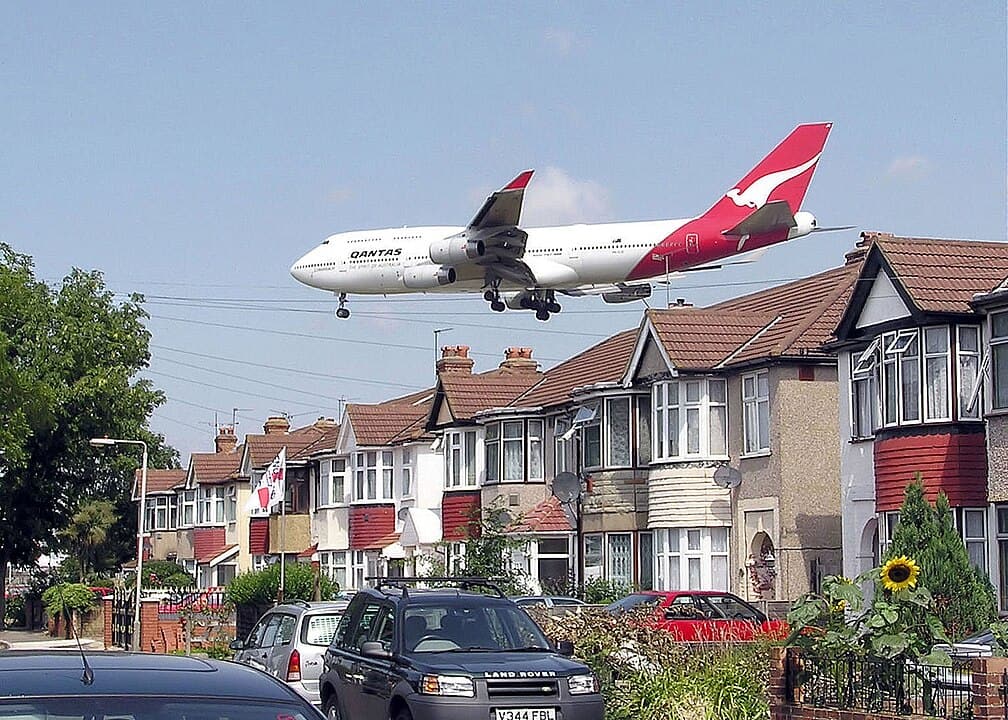
Anthropogenic noise—sound generated by human activities—represents a relatively recent but rapidly expanding form of environmental pollution. Unlike chemical contaminants or habitat destruction, noise pollution leaves no visible trace, yet its impacts ripple through ecosystems in complex ways. Common sources include transportation networks (highways, railways, airports, shipping lanes), industrial activities (manufacturing, construction, resource extraction), recreational vehicles (motorboats, snowmobiles, off-road vehicles), and even urban soundscapes from city centers to suburban neighborhoods. What makes anthropogenic noise particularly problematic for wildlife is not just its volume but its acoustic characteristics: many human-generated sounds occur at lower frequencies that travel farther and are more difficult for animals to adapt to compared to natural sounds. Additionally, anthropogenic noise often exhibits patterns unfamiliar in natural soundscapes—steady, continuous drone rather than intermittent signals—creating a fundamentally alien acoustic environment for species that evolved in the absence of such sounds. Research indicates that ambient noise levels in some marine environments have doubled every decade for the past 60 years, while terrestrial soundscapes near human development can be 10-20 decibels louder than natural baselines, representing a dramatic shift in the sensory environment wildlife must navigate.
Communication Breakdown: How Noise Disrupts Animal Signaling
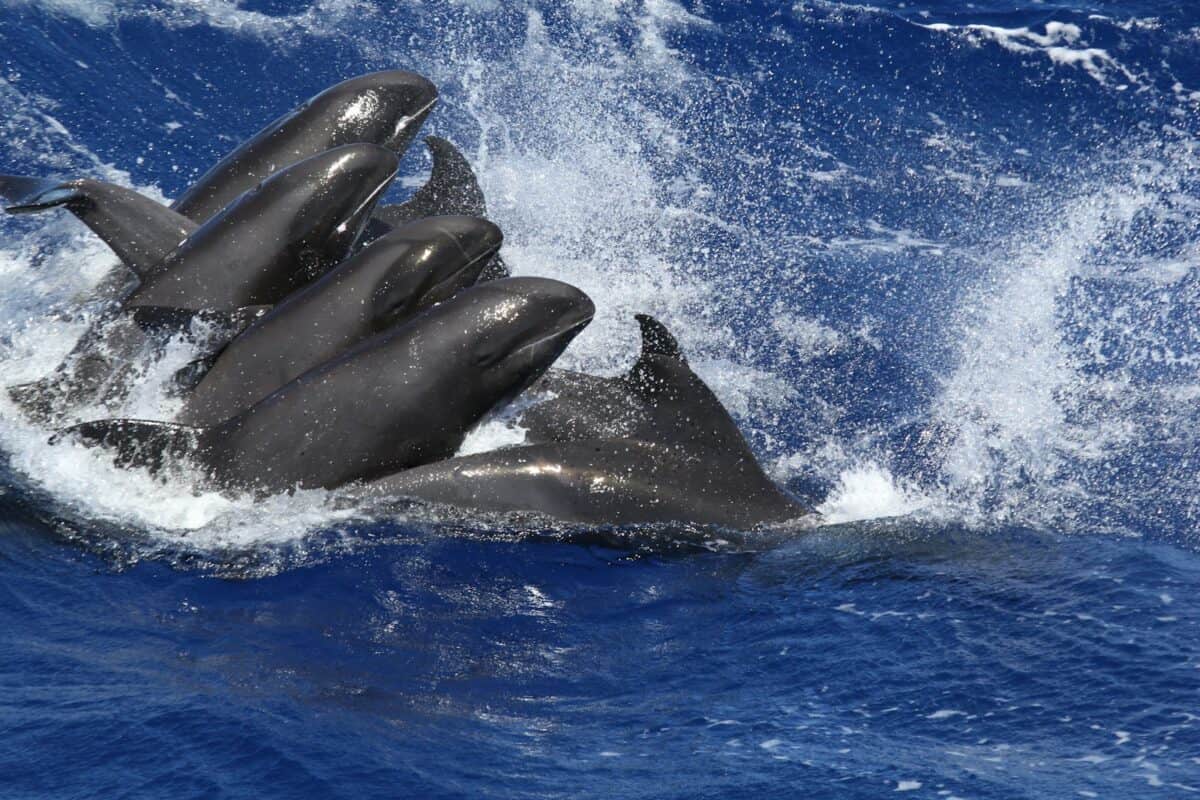
For many animals, acoustic communication serves as the primary channel for finding mates, warning of predators, defending territory, and coordinating group activities. Anthropogenic noise creates a form of acoustic masking—essentially drowning out these crucial biological signals. A 2020 study published in Science found that noise from gas compressor stations reduced the area over which birds could effectively communicate by up to 90%. This masking effect forces animals to make difficult adaptations. Some birds in urban environments, including great tits and nightingales, now sing at higher frequencies or during nighttime hours to avoid competing with traffic noise. Male frogs near highways must call more frequently and at altered pitches, expending precious energy that could otherwise go toward survival and reproduction. In marine environments, where sound travels efficiently, shipping noise occupies the same frequency range used by many whale species for long-distance communication. North Atlantic right whales have been documented increasing their call amplitude by 20 decibels—essentially “shouting”—to maintain contact in noise-polluted shipping lanes, requiring greater energy expenditure. When animals cannot adapt quickly enough, these communication disruptions can lead to reduced mating success, impaired predator avoidance, and group fragmentation, ultimately threatening population viability.
The Stress Response: Physiological Impacts of Noise

Exposure to anthropogenic noise triggers measurable physiological stress responses in wildlife, often similar to those caused by the presence of predators. Studies across diverse taxa show elevated levels of stress hormones like cortisol in animals subjected to chronic noise. For example, research on greater sage-grouse found that birds near natural gas drilling operations showed cortisol levels up to 17% higher than those in quieter areas. These stress responses carry significant biological costs. Chronically elevated stress hormones can suppress immune function, making animals more susceptible to disease. A landmark study on European perch demonstrated that fish exposed to boat noise showed suppressed immune function and increased vulnerability to parasitic infection. Noise-induced stress also affects metabolic processes—elk near gas development areas show reduced body condition despite abundant food resources, likely due to increased vigilance behaviors and disrupted feeding patterns. Perhaps most concerning, these physiological impacts often occur at noise levels well below those causing obvious behavioral changes, suggesting animals may appear to tolerate noise while suffering hidden health consequences. Maternal stress from noise exposure can even impact offspring development—studies of pregnant ewes exposed to helicopter noise showed their lambs later exhibited altered stress responses and reduced immune function, indicating intergenerational effects of noise pollution.
Predator-Prey Dynamics in a Noisy World

The delicate balance between predators and prey has evolved over millennia in natural acoustic environments—a balance now being disrupted by human noise. Research published in Proceedings of the Royal Society B demonstrated that ambient noise can fundamentally alter predation risk by interfering with animals’ ability to detect approaching threats. In one experiment, hermit crabs showed delayed responses to simulated predator cues when exposed to boat noise, increasing their vulnerability. The disruptive effects cut both ways—predators also struggle in noisy environments. A 2016 study found that hunting efficiency of echolocating bats declined by up to 50% near highway noise. This creates complex ripple effects through food webs. When noise impairs predators, prey populations may temporarily increase, potentially causing resource depletion. Conversely, when noise hampers prey vigilance, predation rates can spike, threatening prey population stability. Further complicating matters, different species show varying sensitivities to noise disruption. Research in Idaho’s Pioneer Mountains found that noise from gas compressor stations decreased owl hunting success while simultaneously making rodents less vigilant, creating an ecological mismatch where neither predator nor prey operated optimally. These altered predator-prey dynamics can ultimately reshape community structure and ecosystem function, with potential cascading effects that scientists are only beginning to understand.
Habitat Degradation and Abandonment Due to Noise
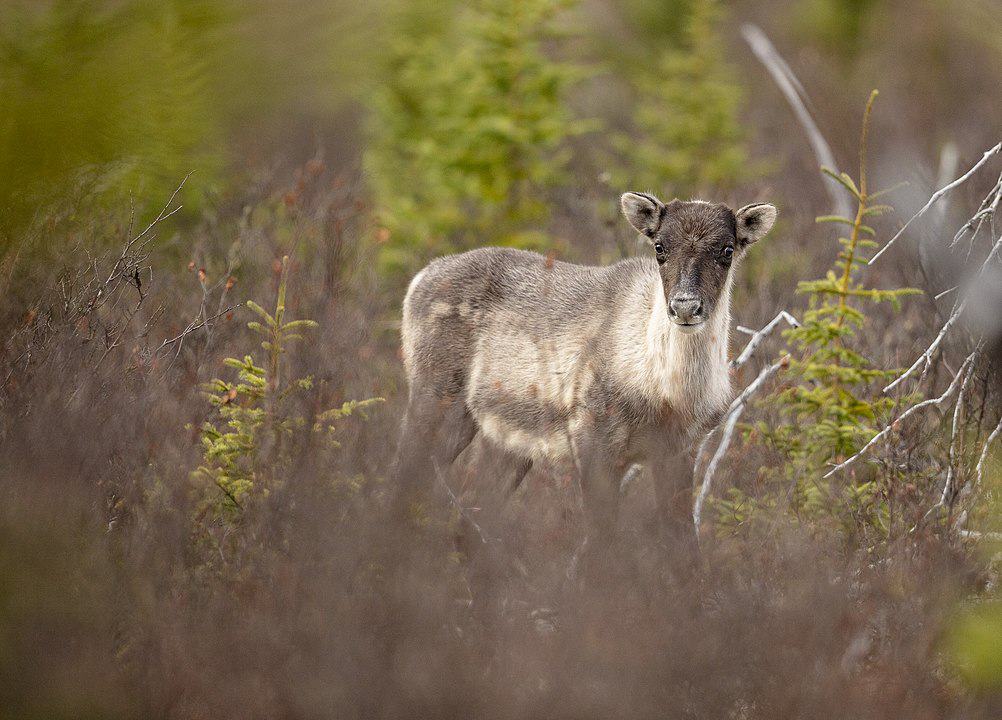
When noise levels become intolerable, many animals simply leave. This noise-induced habitat displacement effectively reduces available habitat even when the physical environment remains intact—a phenomenon researchers call the “phantom road effect.” A groundbreaking experiment in Idaho’s Boise Foothills demonstrated this effect by creating a “phantom road” using speakers playing traffic noise along a wildlife migration route. Bird abundance declined by over 25% during noise playback periods, despite no physical habitat alteration. This habitat displacement carries significant conservation implications, particularly as undisturbed natural soundscapes become increasingly rare. For species with specialized habitat requirements, noise may render otherwise suitable areas effectively unusable. Research on woodland caribou showed avoidance distances of up to 5 kilometers from oil exploration activities, substantially reducing available critical habitat. Similar effects occur underwater—harbor porpoises have abandoned traditional feeding grounds in response to pile driving noise during offshore wind farm construction. Even temporary noise disturbance can have lasting impacts; a 2021 study found that migratory birds avoided stopover sites with experimental noise playback not only during the experiment but also in subsequent seasons after the noise had ceased, suggesting potential long-term habitat abandonment based on acoustic memory. As human-dominated landscapes expand, noise-sensitive species face increasingly fragmented acoustic habitats, potentially driving population declines even in physically protected areas.
Reproduction and Development Compromised by Noise
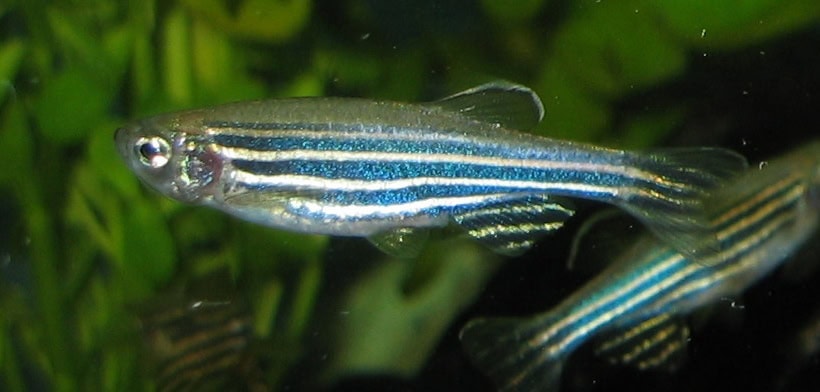
The biological imperative to reproduce successfully drives much animal behavior, and noise disruption at critical reproductive stages can have population-level consequences. Studies across diverse taxa reveal concerning patterns of reproductive impairment in noisy environments. A multi-year study of greater sage-grouse breeding grounds (known as leks) found that males on sites near natural gas drilling infrastructure had 29% fewer female visits compared to quieter leks. Beyond mate attraction, noise affects parental care behaviors. Tree swallow parents nesting near experimental traffic noise made 40% fewer feeding visits to offspring, resulting in reduced nestling mass and lower fledging success. Even after birth or hatching, developmental processes remain vulnerable. Zebrafish larvae exposed to boat noise during development showed malformed inner ear structures essential for hearing and balance. Marine larvae of many species rely on natural soundscapes as settlement cues—when these acoustic cues are masked by shipping noise, larvae may fail to locate suitable habitats. The developmental timing of noise exposure appears particularly important; a study on zebra finches found that birds exposed to traffic noise during the song-learning period developed simplified songs as adults, even after noise exposure ended, demonstrating critical developmental windows when noise effects become permanent. These reproductive and developmental impacts represent perhaps the most serious long-term threat of noise pollution, as they directly affect population replacement rates.
Marine Soundscapes: Underwater Noise Crisis
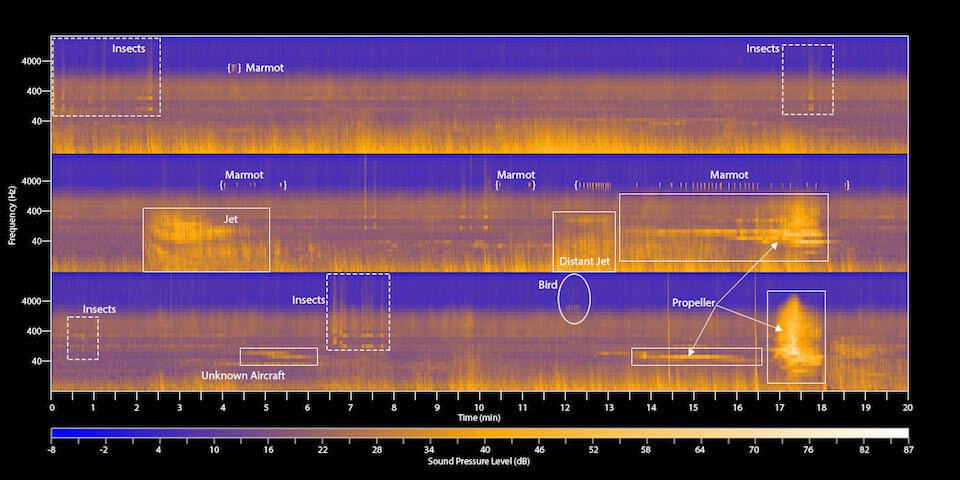
The ocean was once viewed as a silent world, but marine biologists now recognize it as an environment rich with natural acoustic information—information increasingly drowned out by human activities. Water’s physical properties make sound travel approximately four times faster and much farther than in air, meaning underwater noise pollution can impact vastly larger areas. Commercial shipping represents the most pervasive source of ocean noise, with the global fleet of approximately 60,000 vessels creating an almost continuous low-frequency drone across major shipping routes. Added to this baseline are more intense but localized noise sources: seismic air guns used in oil and gas exploration produce some of the loudest human-made sounds, reaching 250 decibels and detectable up to 4,000 kilometers away. Military sonar, pile driving for offshore construction, and recreational boating further contribute to the underwater cacophony. The impacts on marine life are severe. Mass stranding events of deep-diving whale species have been linked to military sonar exercises, likely due to acoustic trauma or behavioral disruption causing decompression sickness. More subtle but widespread effects include documented reductions in blue whale communication range by up to 90% in high-traffic areas. Even invertebrates show impacts—squid exposed to seismic noise exhibit extensive damage to their statocysts, organs essential for balance and orientation. As ocean noise continues to increase with expanding maritime activities, marine biologists warn of potential ecosystem-wide impacts that could fundamentally alter ocean food webs.
Cognitive and Learning Effects: Mental Impact of Noise
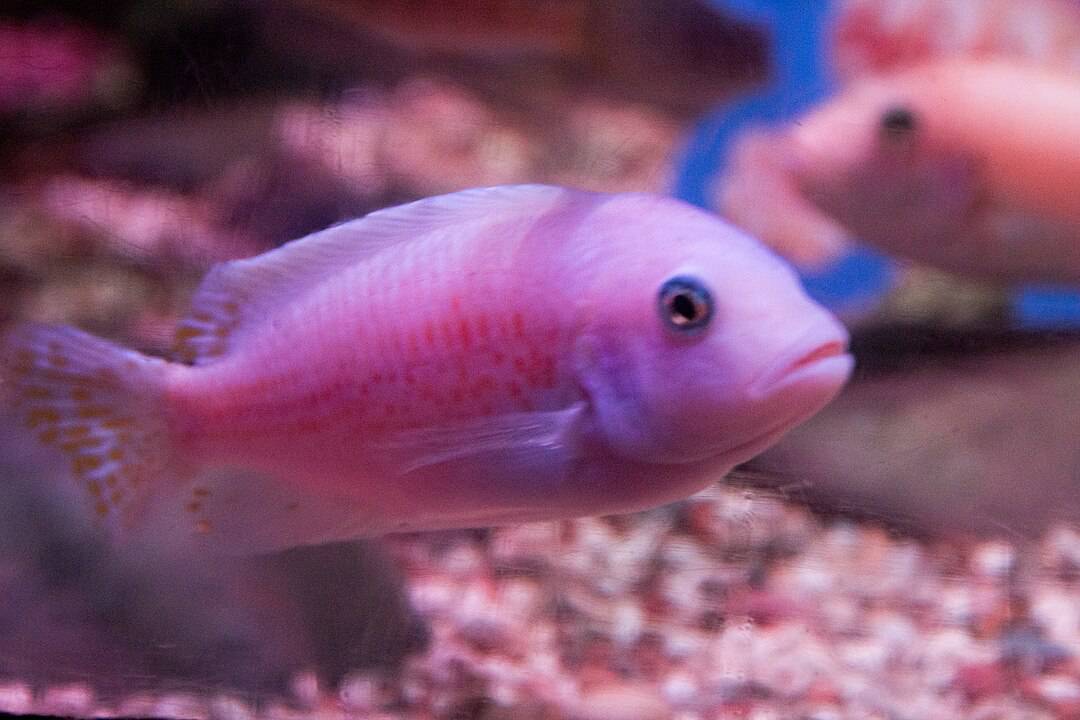
Beyond immediate behavioral responses, research increasingly reveals that noise exposure can impair cognitive functions in animals, including memory, learning ability, and problem-solving. These cognitive impacts may persist even after noise exposure ends. A revealing study on desert rats found that individuals from areas with chronic road noise performed significantly worse on spatial memory tests compared to those from quiet habitats, suggesting impaired hippocampal function. In controlled laboratory experiments, zebra finches exposed to traffic noise showed reduced performance on learning tasks and poorer memory retention compared to birds in quiet conditions. Aquatic species aren’t immune—cichlid fish exposed to boat noise demonstrated impaired spatial cognition and learning abilities when navigating experimental mazes. These cognitive impairments carry serious survival implications. For example, Clark’s nutcrackers rely on spatial memory to recover thousands of cached seeds essential for winter survival—noise-induced memory impairment could directly threaten their food security. Young animals appear particularly vulnerable to noise-related cognitive effects. A groundbreaking study published in Science Advances found that tree swallow nestlings raised in experimentally noisy environments showed lasting deficits in learning ability, suggesting critical developmental windows when noise exposure may permanently alter brain development. These findings raise important questions about the indirect mechanisms through which noise may affect animal populations, potentially creating evolutionary traps where animals lack the cognitive capacity to adapt to rapidly changing acoustic environments.
Plant-Animal Interactions Disrupted by Noise

The ecological consequences of noise pollution extend beyond animal behavior to disrupt critical relationships between plants and animals, creating cascading effects through ecosystems. Pollination, seed dispersal, and plant defense systems all rely on animal behaviors that noise can alter. A landmark study in New Mexico’s Rattlesnake Canyon demonstrated how noise from natural gas compressors reduced pollination of flowering plants by disrupting hummingbird visitation patterns. Similarly, noise-sensitive birds that typically disperse pine seeds showed reduced activity near noisy sites, resulting in significantly fewer pine seedlings establishing—a change that could eventually alter forest composition. Noise can even disrupt plant defense mechanisms. Many plants produce nectar to attract ants that protect them from herbivores; research shows these defensive mutualistic relationships weaken in noisy environments where ant behavior is disrupted. The ecological consequences extend to seed predation—a study in New Mexico pinyon-juniper woodlands found that noise altered the community of animals interacting with pinyon pine seeds, favoring seed-predatory mice over seed-dispersing birds and jays, potentially reducing future tree recruitment. Even soil processes may be affected, as earthworms—important ecosystem engineers—have been shown to reduce surface activity when exposed to soil vibrations from traffic. These findings reveal how noise pollution can restructure ecological communities through indirect pathways, potentially creating novel ecosystems with altered species compositions and ecological functions.
Adaptation and Resilience: How Animals Cope with Noise
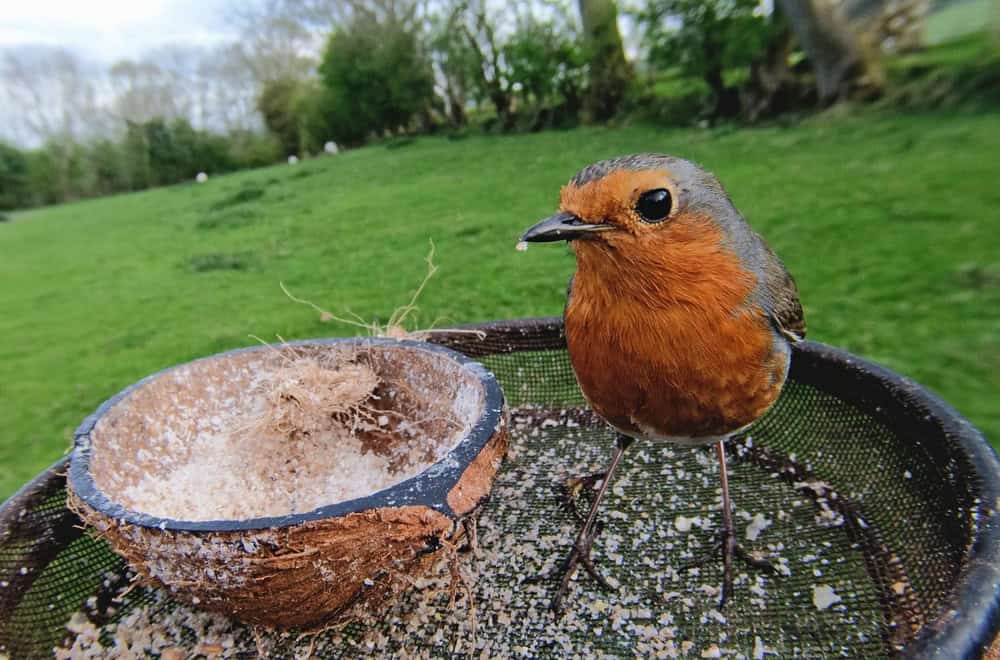
While noise pollution poses serious challenges to wildlife, some species demonstrate remarkable adaptability through behavioral, physiological, and even evolutionary responses. Urban birds provide striking examples of behavioral flexibility—European robins now sing predominantly at night in noisy cities, avoiding acoustic competition with daytime traffic. Some species alter their vocalizations in response to noise; great tits in urban environments sing at higher minimum frequencies than their forest counterparts, effectively shifting their communication above the low-frequency drone of traffic. Physiological adaptations are also emerging; certain urban bird populations show reduced stress hormone responses to noise compared to rural populations, suggesting potential stress habituation. Evidence for genetic adaptation remains limited but intriguing—a 2018 study found genetic differences in urban great tits associated with genes involved in learning and memory, potentially facilitating song adaptation to noisy environments. However, adaptability varies considerably across species. Those with specialist traits, limited behavioral plasticity, or slow reproduction cycles appear particularly vulnerable. Birds that cannot modulate their song frequency, like the black-capped chickadee, show more significant communication disruption in noisy areas. Even within adaptable species, adaptation often carries costs—nighttime singing in urban robins increases predation risk and energetic demands. Researchers caution against over-optimism regarding wildlife adaptation, noting that the rapid pace of human-caused acoustic change may outstrip evolutionary responses for many species, particularly those already facing multiple stressors from habitat loss, climate change, and other anthropogenic pressures.
Conservation Implications and Policy Responses

Recognition of noise pollution’s ecological impacts has spurred conservation initiatives and policy responses, though these remain inconsistent globally. The United States National Park Service established a Natural Sounds Program in 2000, recognizing natural soundscapes as resources deserving protection. This program has implemented noise reduction measures in several parks, including flight path adjustments over Grand Canyon and snowmobile restrictions in Yellowstone, with documented benefits for wildlife. Marine conservation has seen similar progress—the International Maritime Organization has adopted voluntary guidelines for reducing shipping noise, while the European Union’s Marine Strategy Framework Directive explicitly identifies underwater noise as a pollutant requiring monitoring and mitigation. However, terrestrial noise pollution remains largely unregulated outside protected areas. Conservation biologists increasingly advocate for incorporating acoustic considerations into habitat protection efforts through “quiet corridors” connecting habitat fragments and temporal restrictions on noisy activities during critical breeding periods. Technological solutions show promise—quieter pavement materials can reduce highway noise by 3-5 decibels, while bubble curtains can attenuate underwater construction noise by up to 15 decibels. Effective noise management faces significant challenges, including jurisdictional fragmentation, competing economic interests, and public awareness gaps. Encouragingly, research demonstrates that relatively modest noise reductions can yield significant ecological benefits—a 3-decibel decrease reduces the affected area by approximately 50% due to sound’s logarithmic properties. This suggests that even incremental mitigation efforts may substantially improve acoustic habitat quality for sensitive species.
Conclusion: Preserving the Symphony of Natural Sounds
As we’ve explored throughout this article, human-generated noise represents a profound yet often overlooked form of environmental change affecting wildlife across terrestrial and aquatic ecosystems worldwide. From disrupting vital communication and altering predator-prey dynamics to triggering physiological stress and compromising reproduction, the evidence of noise pollution’s ecological impacts continues to mount through increasingly sophisticated research. What makes noise pollution particularly concerning is its ability to degrade habitat quality without physical alteration—creating what scientists call “phantom habitat loss” where landscapes appear intact but have become functionally compromised due to their altered soundscapes. Yet there is reason for cautious optimism as awareness grows about the importance of natural acoustic environments for wildlife and ecosystem health. Unlike many environmental challenges, noise pollution can often be mitigated relatively quickly through technological improvements, spatial planning, and modified human behavior, with almost immediate benefits for affected wildlife. As we move forward, preserving and restoring natural soundscapes must become an integral

- Why So Many Marine Animals Are Bioluminescent - July 21, 2026
- Wildlife Mysteries That Took Decades to Solve - July 21, 2026
- The Largest Python Ever Captured in Florida’s Everglades - July 21, 2026