

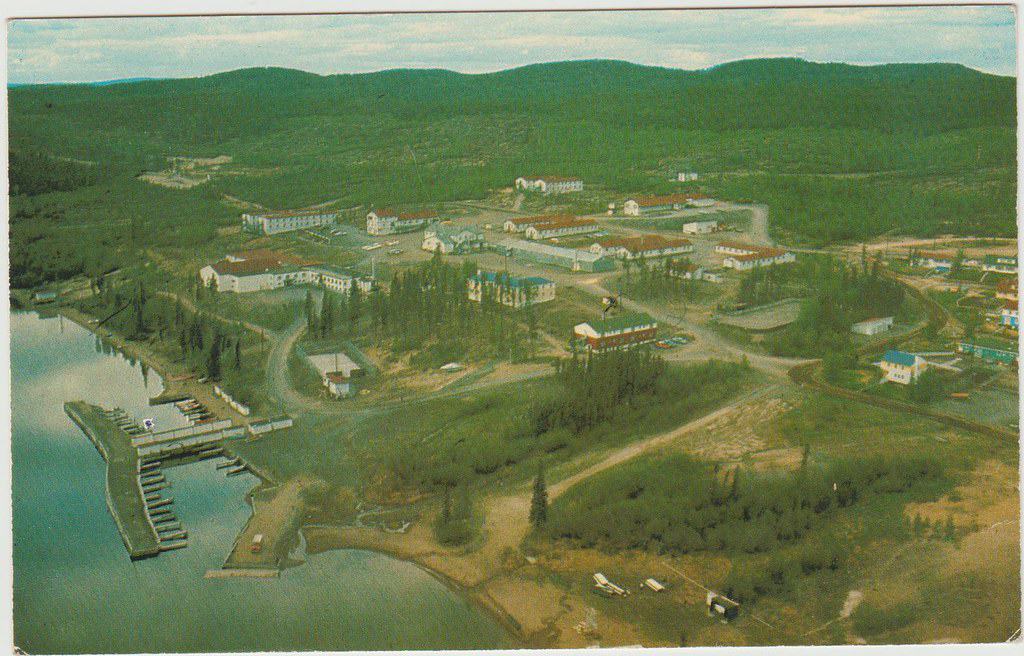
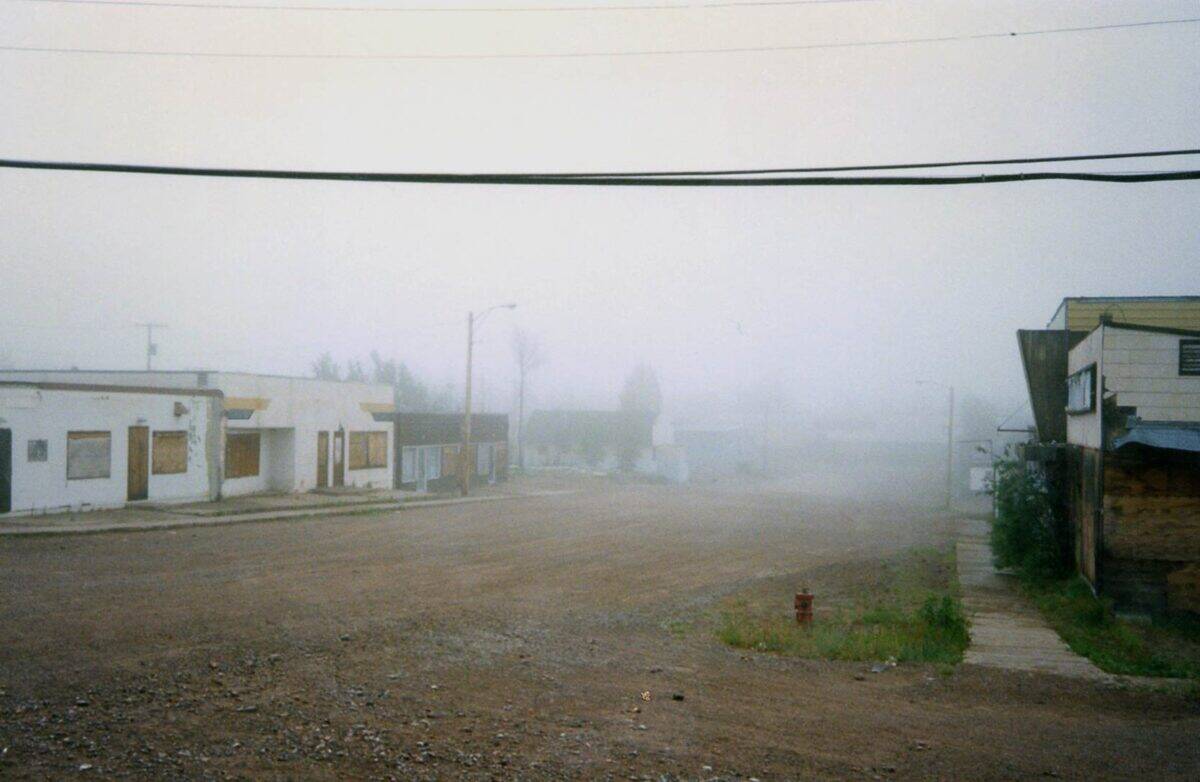
Nestled in the remote desert of New Mexico lies a forgotten piece of American history—a town with streets that still hum with invisible danger. The legacy of America’s atomic age continues in places where time seems to have stopped but radiation hasn’t. Uranium City, once a bustling mining community, now stands as a stark reminder of the lasting environmental and health consequences of nuclear development.
Today, decades after operations ceased, radiation levels remain alarmingly high, creating an eerie monument to one of the nation’s most consequential scientific endeavors. This is the story of America’s most radioactive town, where the half-life of certain radioactive elements will outlast all human memory of the place itself.
The Birth of a Nuclear Boomtown
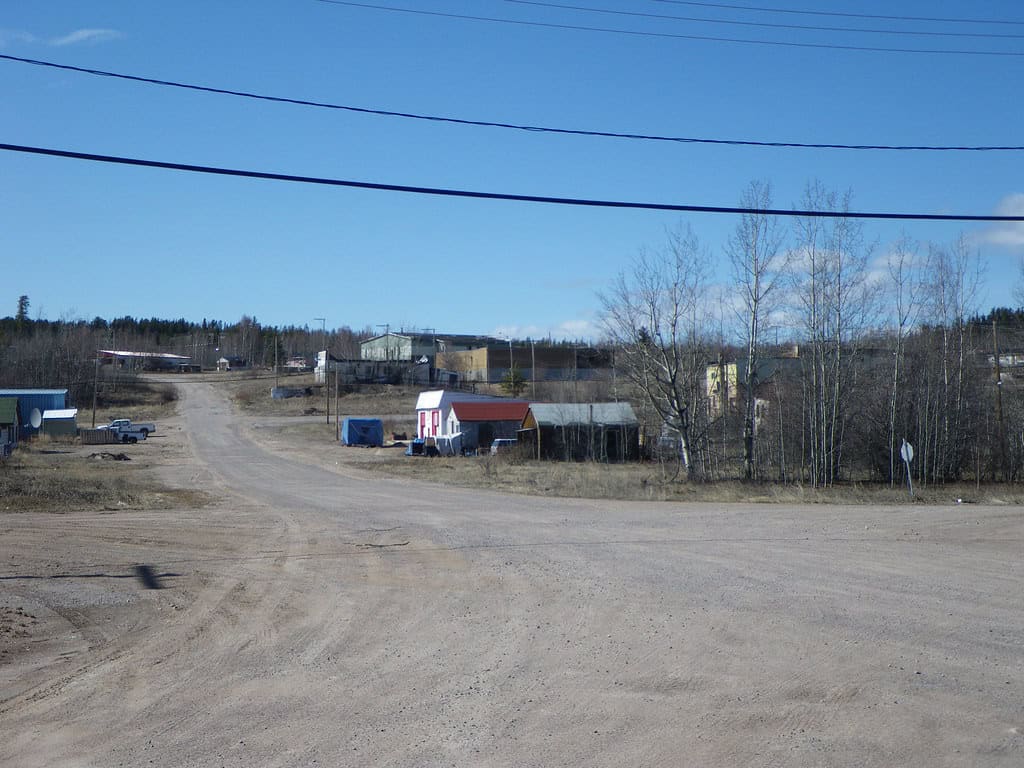
In the early 1950s, at the height of the Cold War, the United States government launched an ambitious program to develop nuclear weapons and energy sources. This initiative created an unprecedented demand for uranium, the key ingredient in nuclear technology. Remote areas of the American Southwest, particularly in New Mexico, Colorado, and Utah, were discovered to contain rich deposits of this valuable mineral.
One particular site in northwestern New Mexico, which would later become known colloquially as “Uranium City,” transformed virtually overnight from barren desert into a thriving community of miners, engineers, and their families. The population swelled from a handful of residents to over 5,000 people within just a few years as the uranium rush took hold. Mining companies offered high wages, comfortable company housing, and modern amenities rarely found in rural America at that time—all to extract the precious yellowcake uranium needed for America’s growing nuclear arsenal and energy program.
Mining Operations and Contamination
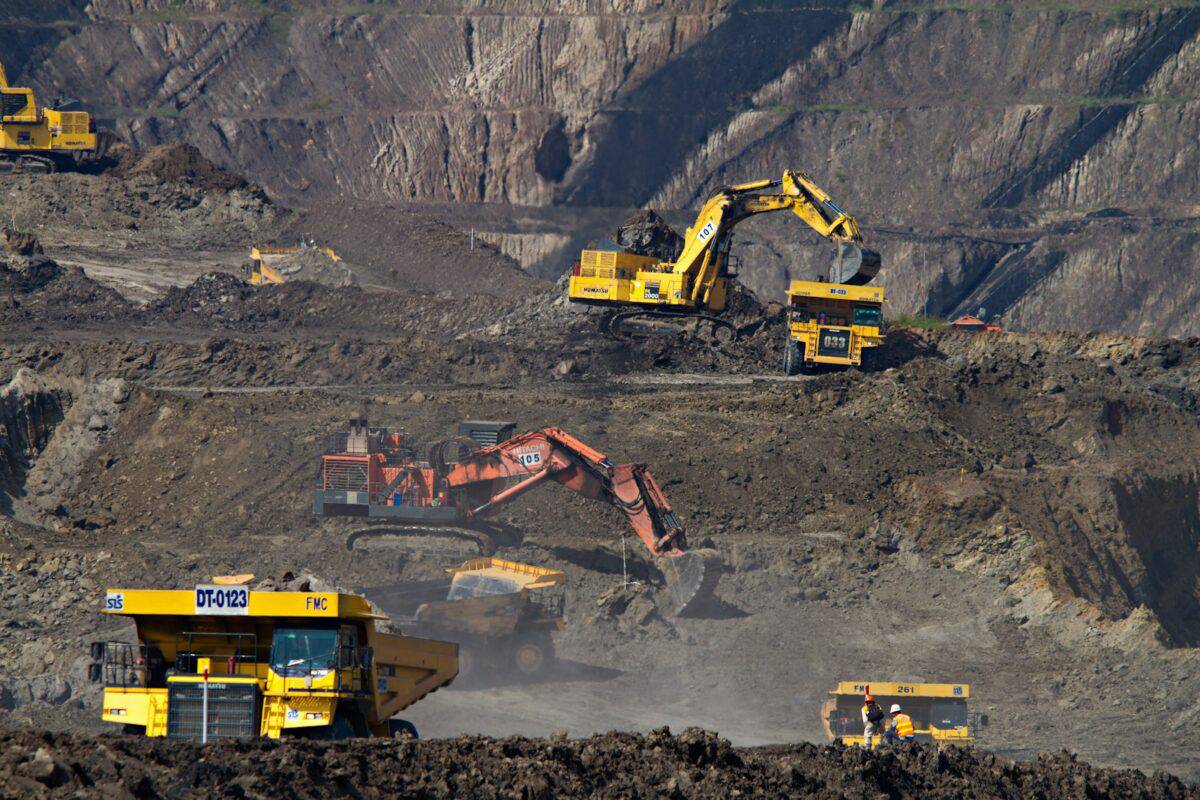
From 1952 to 1982, more than a dozen major uranium mines operated in and around Uranium City, extracting millions of tons of radioactive ore. The mining process was primitive by today’s standards, with little consideration for environmental impact or worker safety.
Open-pit mining created vast excavations that exposed radioactive minerals to the surface. Underground mining generated millions of tons of tailings—the crushed waste rock left after uranium extraction—which were simply piled in massive heaps around the town. These tailings contained approximately 85% of the original radioactivity of the ore and included dangerous isotopes like radium-226, thorium-230, and polonium-210. During operation, dust from these tailings regularly blew through the town, settling on streets, buildings, and even entering homes.
Wastewater from processing facilities, containing dissolved radioactive materials and processing chemicals, was often discharged into unlined ponds that leached into the groundwater. The miners themselves worked with minimal protective equipment, breathing radioactive dust for hours each day while using dynamite and drilling equipment in poorly ventilated shafts.
The Economic Collapse and Abandonment
By the late 1970s, the uranium market began to collapse. The Three Mile Island nuclear accident in 1979 dramatically reduced public support for nuclear power expansion. Simultaneously, the discovery of vast uranium deposits in countries like Australia and Canada drove prices down, making the relatively expensive American mining operations economically unfeasible.
The final blow came when the U.S. government dramatically reduced its uranium purchases as the Cold War tensions temporarily eased. Mining companies abruptly closed operations, laying off thousands of workers with little notice. By 1983, Uranium City’s population had plummeted to fewer than 500 residents. Those who remained faced a grim economic reality: their specialized skills had limited value elsewhere, property values had collapsed to near zero, and their community was demonstrating alarming health problems. The exodus accelerated as families abandoned homes, businesses closed permanently, and community services disintegrated.
By 1990, the town was effectively abandoned, with only a handful of holdouts remaining, mostly elderly residents unwilling or unable to relocate. What remained was a ghost town surrounded by 3.9 million tons of radioactive waste—an environmental disaster with no cleanup plan in sight.
Current Radiation Levels
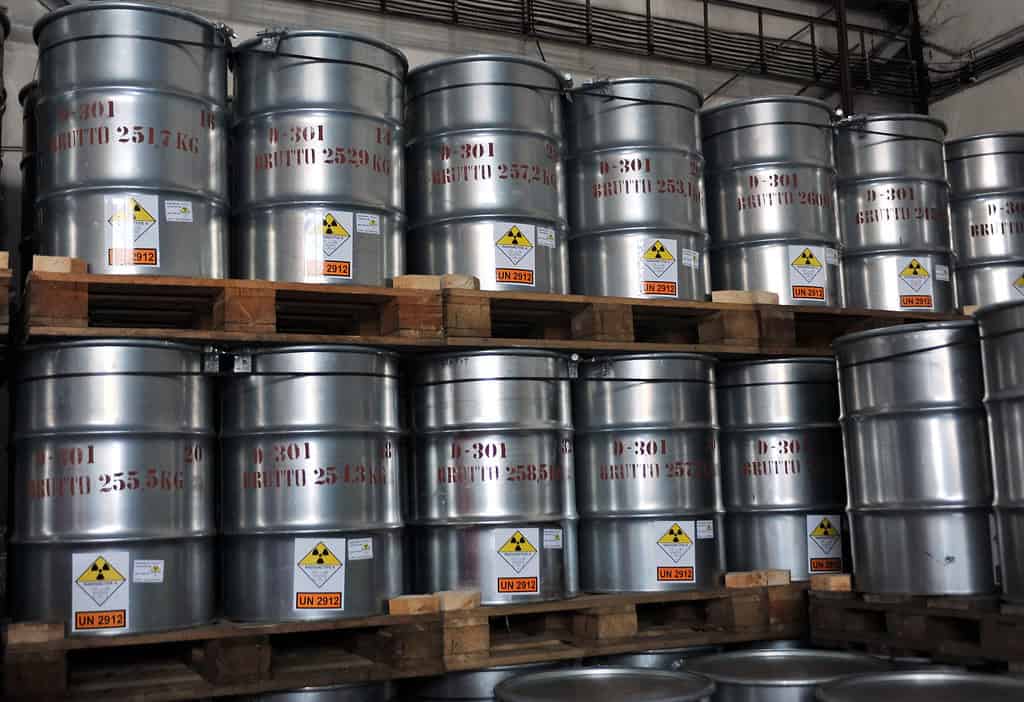
Recent environmental assessments conducted by the Environmental Protection Agency and independent research groups have documented alarming radiation levels throughout the former town and surrounding areas. Background radiation in some hotspots exceeds 200 times the naturally occurring levels, particularly near the abandoned mill sites and tailings piles.
Gamma radiation, which can penetrate buildings and clothing, measures between 10-50 microroentgens per hour throughout most of the townsite—far above the national average of 0.5-3 microroentgens. Soil samples reveal concentrations of radium-226 reaching 280 picocuries per gram, dramatically exceeding the EPA’s safe limit of 5 picocuries. Perhaps most concerning are the water contamination readings. Groundwater within a 10-mile radius contains uranium concentrations up to 40 times the EPA’s maximum contaminant level. Radioactive isotopes have been detected in wells as far as 20 miles from the original mining sites, suggesting the contamination plume continues to spread through the aquifer.
Air monitoring stations regularly detect elevated levels of radon gas—a radioactive decay product of radium—with concentrations up to 25 picocuries per liter, five times the action level set by health authorities. These measurements indicate that even brief visits to the area without proper protection could expose individuals to radiation doses exceeding annual safety limits for the general public.
Health Impacts on Former Residents
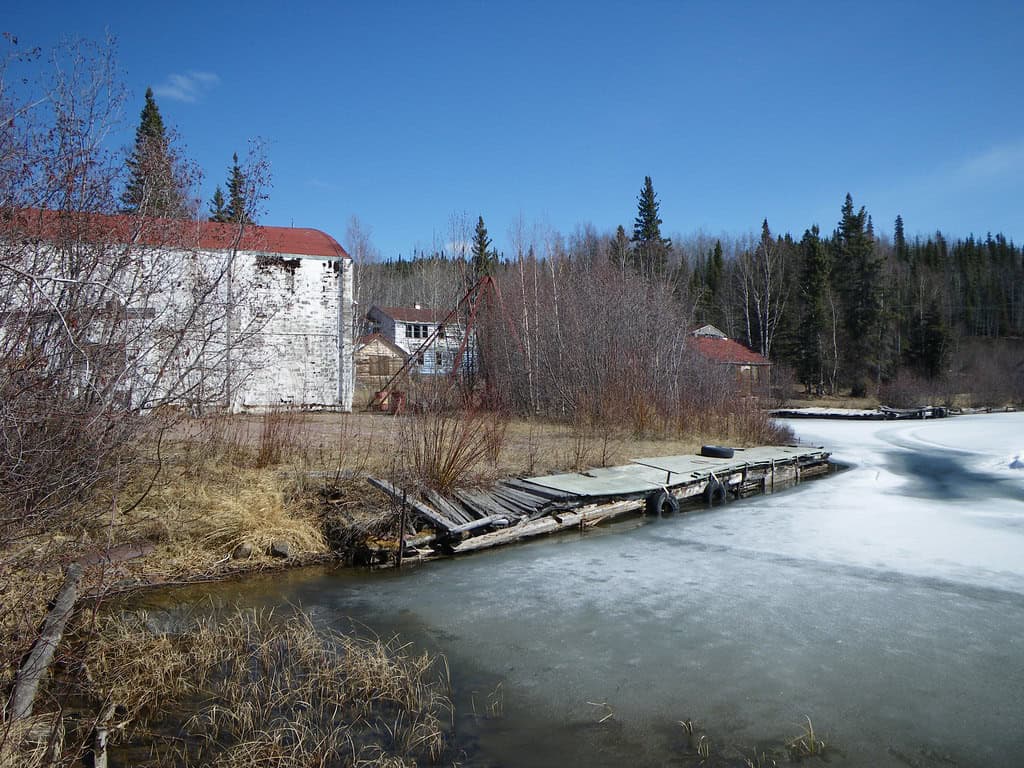
The human toll of Uranium City’s contamination continues to mount decades after the mines closed. Epidemiological studies tracking former residents have documented cancer rates 60% higher than national averages, with particularly elevated incidences of lung, bone, and kidney cancers—malignancies specifically associated with radiation and heavy metal exposure.
Former miners exhibit rates of pulmonary fibrosis and silicosis that are among the highest ever documented in occupational health literature, with many developing respiratory diseases within 10-15 years of employment. What has particularly alarmed medical researchers is the multigenerational impact. Children born to parents who worked in or lived near the mines show elevated rates of birth defects, particularly skeletal abnormalities and neurological impairments. Even more concerning, genetic studies indicate chromosomal abnormalities appearing in the grandchildren of miners—people who never personally set foot in the contaminated town.
The Uranium City Survivors Association, formed in 1998, has documented over 2,300 cases of radiation-linked illnesses among former residents and their descendants. Despite this substantial evidence, establishing legal causation has proven difficult, leaving many victims without compensation or specialized medical care. The legacy of Uranium City represents one of America’s most significant instances of community-wide radiation exposure outside of nuclear weapons testing areas.
Cleanup Challenges and Costs
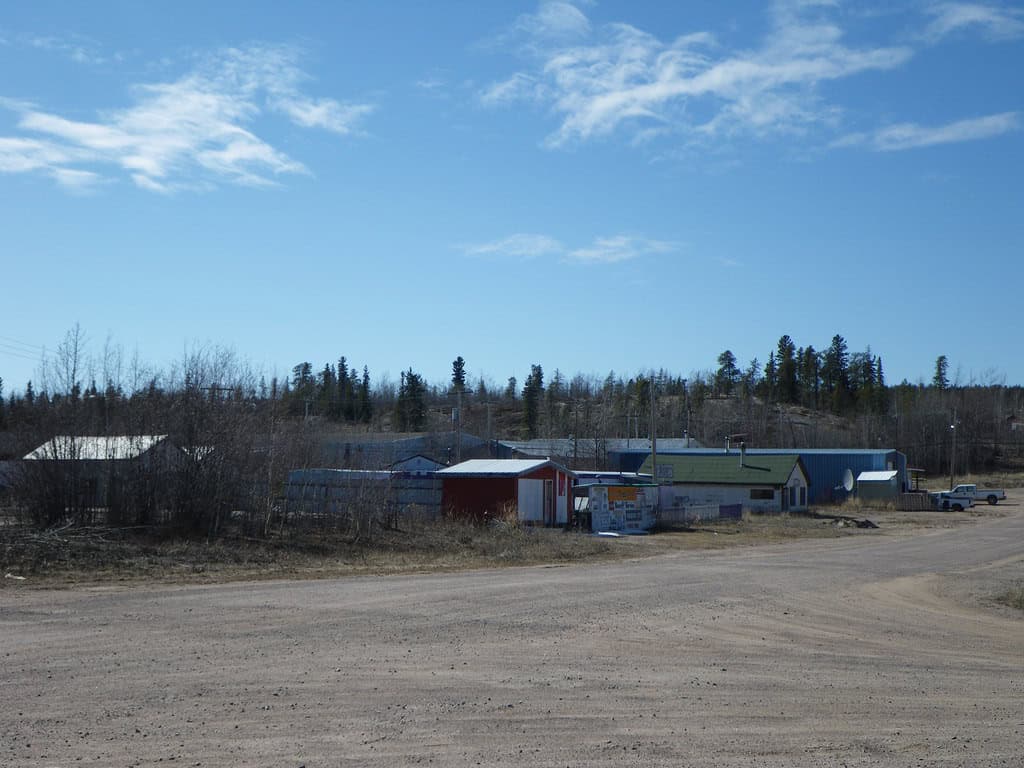
The environmental remediation of Uranium City presents a staggering challenge both technically and financially. Initial EPA estimates from the early 2000s projected cleanup costs exceeding $780 million—a figure that has likely doubled as contamination continued spreading and inflation increased costs. The sheer scale of the contamination is daunting: over 1,200 acres of tailings piles require containment, 42 mine shafts need sealing, 16 processing facilities must be decontaminated and demolished, and an estimated 3.5 billion gallons of groundwater require treatment.
Conventional cleanup methods used at other contaminated sites prove inadequate here due to the 4.5 billion-year half-life of uranium-238 and the 1,600-year half-life of radium-226. Unlike chemical contamination that might degrade over time, radioactive materials will remain hazardous for thousands of years. Complete removal of all contaminated soil would require excavating to depths of 50 feet in some areas and safely disposing of millions of tons of material. No nearby disposal facility exists with the capacity to handle this volume of radioactive waste.
Meanwhile, technical challenges abound—the porous desert geology accelerates contaminant migration, seasonal flash floods periodically redistribute radioactive sediments, and the remote location limits access to specialized equipment and expertise. The most feasible remediation approach involves a combination of containment, stabilization, and ongoing monitoring rather than complete removal, meaning the site will require maintenance and oversight essentially in perpetuity.
Government Response and Accountability
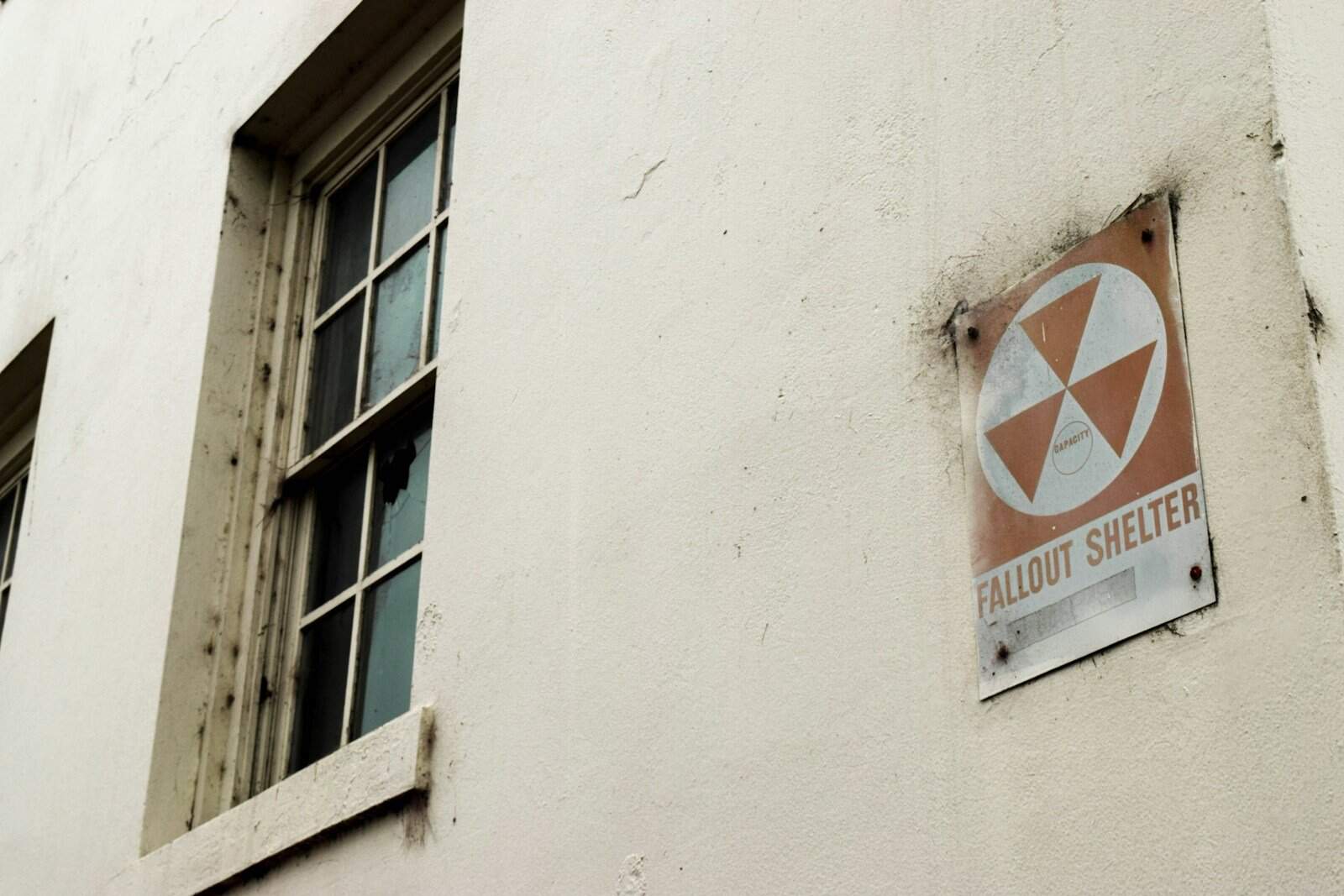
The response from various government agencies to Uranium City’s contamination has been characterized by decades of delay, jurisdictional disputes, and inadequate action. Initially, the Atomic Energy Commission (AEC)—the very agency that had encouraged uranium mining—downplayed the health risks and environmental impacts.
When the AEC was disbanded in 1974, responsibility fragmented among multiple agencies, creating a bureaucratic maze that prevented coordinated action. The Environmental Protection Agency first designated parts of the area for Superfund consideration in 1986, but full listing was repeatedly delayed due to resistance from mining companies and concerns about cleanup costs. It wasn’t until 2002 that the site was finally added to the National Priorities List, nearly two decades after abandonment. Even after listing, progress has been painfully slow. Congressional appropriations for cleanup have been inconsistent, with funding frequently diverted to more visible or politically advantageous projects.
The Department of Energy, which inherited some responsibilities for uranium mining sites, has focused primarily on documenting contamination rather than remediation. Legal battles over liability have further complicated matters, with mining companies filing bankruptcies or deploying teams of lawyers to minimize their financial obligations. An Office of Inspector General report from 2019 criticized the “fractured oversight and incomplete remediation efforts” at Uranium City and similar sites, noting that at current funding levels, comprehensive cleanup would take more than 100 years to complete.
Comparison to Other Radioactive Sites
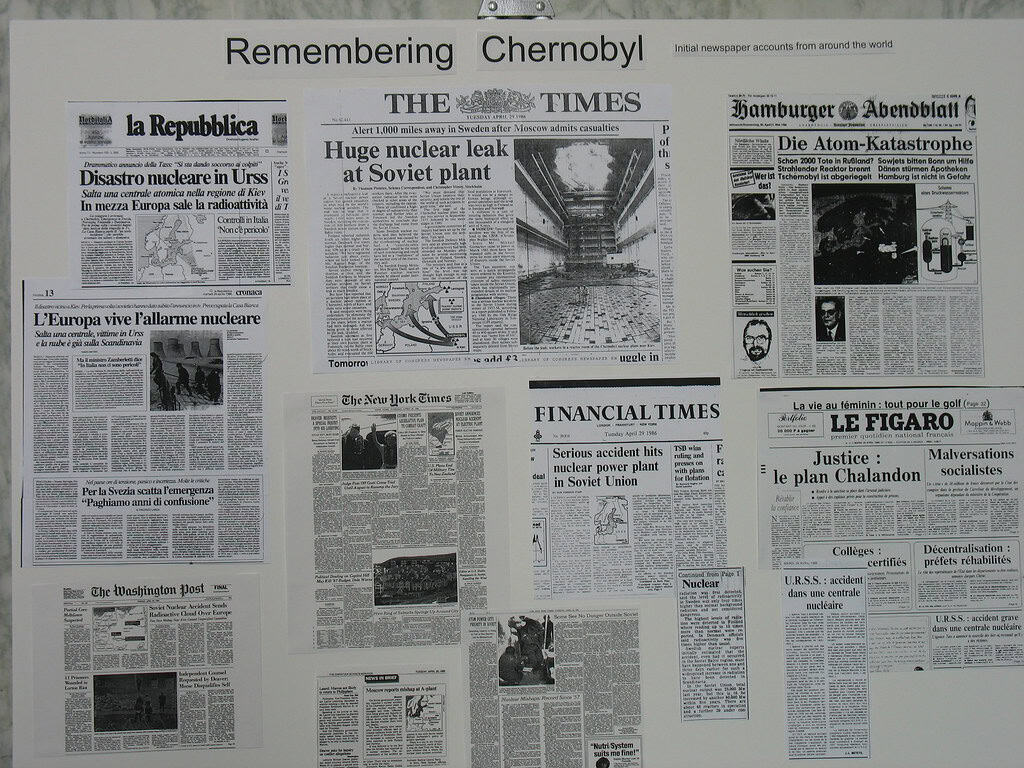
While Uranium City’s contamination is severe, putting it in context with other radioactive sites provides important perspective. In terms of peak radiation levels, it ranks below nuclear disaster sites like Chernobyl (Ukraine) and Fukushima (Japan), where core meltdowns released massive amounts of radioactive material in concentrated areas. However, Uranium City exceeds the radiation levels found at most other abandoned uranium mining communities in the United States, including those in Colorado’s Paradox Valley and Utah’s Lisbon Valley.
What makes Uranium City particularly concerning is the combination of high contamination levels and proximity to human habitation. Unlike the Nevada Test Site or Hanford Nuclear Reservation, which were government facilities with controlled access, Uranium City developed as a civilian community where thousands lived without knowledge of the dangers. The site also differs from many other contaminated areas in its longevity—the lack of remediation has allowed radiation to spread uncontrolled for over four decades.
Compared to similar international sites, such as Wismut in former East Germany or Shinkolobwe in the Democratic Republic of Congo, Uranium City has received far less remediation attention despite being located in one of the world’s wealthiest nations. This comparison raises difficult questions about environmental justice and national priorities in addressing the toxic legacies of the nuclear age.
Indigenous Communities and Environmental Justice

The environmental justice implications of Uranium City’s contamination are particularly stark when considering its impact on neighboring Indigenous communities. The mining operations were established on lands historically significant to several Native American tribes, particularly the Navajo Nation and Pueblo peoples. During the mining boom, Native Americans were frequently recruited for the most dangerous jobs, working as underground miners with minimal safety protection and at lower wages than their non-Native counterparts. Today, the downstream effects of contamination disproportionately affect tribal lands, where many residents rely on well water potentially compromised by the migrating plume of radioactive material.
Sacred sites have been rendered unusable for traditional ceremonies due to contamination, representing not just an environmental but a cultural impact. Health screening programs have documented elevated rates of uranium in the blood and urine of tribal members living within 30 miles of the former mining operations, even among those born after the mines closed. The Gordon Yazzie Foundation, named after a Navajo miner who died of lung cancer at age 42, has documented over 500 cases of radiation-linked diseases among tribal members connected to Uranium City. Despite clear evidence of these disparate impacts, remediation priorities have often overlooked tribal concerns. A 2017 lawsuit filed by an alliance of tribal governments seeks to force more aggressive cleanup actions, arguing that the continued contamination represents an ongoing violation of treaty rights and environmental justice principles.
Scientific Research and Monitoring
Uranium City has inadvertently become an important site for scientific research on long-term radiation exposure and environmental migration of radioactive materials. Several major universities maintain research stations near the former town, conducting studies that have yielded significant insights into environmental radioactivity. Biological researchers have documented unexpected adaptations in local wildlife, including rodents that show genetic modifications potentially conferring increased radiation resistance—findings with implications for understanding evolutionary responses to environmental stress.
Geological studies have mapped the movement of radioactive isotopes through different soil types and aquifer systems, developing models that help predict contamination spread at other sites worldwide. Atmospheric scientists monitor air quality and dust patterns, documenting how seasonal weather conditions affect the redistribution of radioactive particles. Perhaps most valuable are the long-term health monitoring programs tracking former residents and their descendants, which provide rare longitudinal data on human radiation exposure outside laboratory settings.
The scientific community faces ethical challenges in this work, balancing the valuable knowledge gained against concerns about conducting research in communities already harmed by radiation. All research activities require careful protocols to protect field scientists from exposure, with work shifts limited to maintain annual radiation doses below occupational safety standards. Despite these challenges, Uranium City research has contributed to over 300 peer-reviewed scientific publications in the past two decades, advancing our understanding of the complex interaction between radioactive materials and the environment.
Modern Visitors and Tourism Concerns
Despite the obvious hazards, Uranium City has become an unofficial destination for several types of visitors, raising serious public health concerns. Urban exploration enthusiasts, drawn by dramatic photographs of the decaying town on social media, frequently trespass on the site, generally without radiation monitoring equipment or protective gear.
“Atomic tourism,” a niche travel segment focused on Cold War and nuclear sites, includes Uranium City on unofficial itineraries, with some tour guides conducting unauthorized visits. Additionally, scrap metal collectors periodically raid the abandoned industrial facilities, unknowingly exposing themselves to contaminated materials while removing potentially radioactive metal that may then enter the recycling stream. Perhaps most concerning are the “radiation enthusiasts”—individuals who believe in hormesis, the scientifically unfounded theory that low radiation doses provide health benefits—who deliberately visit the site seeking exposure. Public health officials have documented instances of visitors developing radiation burns, radiation sickness, and contaminating their vehicles and homes with radioactive dust carried from the site.
Despite warning signs posted around the perimeter, the remote location makes enforcement of access restrictions nearly impossible. The New Mexico Department of Health has recorded 27 emergency room visits in the past decade related to unauthorized Uranium City exposure, including three cases involving children brought to the site by parents unaware of the dangers. These concerns have prompted calls for more aggressive security measures, though funding limitations have prevented implementation of comprehensive site control.
Technological Solutions and Future Remediation
Emerging technologies offer potential new approaches to the seemingly intractable contamination at Uranium City. Phytoremediation—using specially selected plants to extract radioactive elements from soil—shows promise in test plots where sunflowers and certain ferns have successfully concentrated uranium from contaminated areas. Bioremediation using specially adapted bacteria capable of changing the chemical state of uranium to make it less mobile in groundwater has demonstrated effectiveness in laboratory conditions and small field trials.
Nanotechnology applications include new filtration materials that can selectively bind radioactive isotopes, potentially providing more efficient methods for treating contaminated water sources. Remote robotics systems, originally developed for nuclear plant decommissioning, are being adapted to safely handle highly contaminated materials without human exposure. Most promising is the development of vitrification techniques that can transform radioactive soils into glass-like substances that resist leaching for thousands of years, potentially providing long-term stabilization. These technological approaches remain expensive and are generally still in development phases, but they represent the most promising paths forward.
The Department of Energy’s Environmental Management Science Program has established Uranium City as a priority test site for these emerging technologies, with six pilot programs currently underway. If successful, these innovations could eventually be deployed at hundreds of similar contaminated sites nationwide, potentially transforming how America addresses its nuclear legacy.
Conclusion: The Lasting Legacy of America’s Atomic Ambition
Uranium City stands as a sobering reminder of the true cost of America’s nuclear ambitions—a cost measured not just in dollars but in human lives, environmental damage, and intergenerational health impacts. The invisible danger that permeates this forgotten town represents one of the most persistent environmental challenges in American history, one that will outlast our current political systems, economic concerns, and perhaps even the nation itself. The half-life of plutonium-239, present in the waste from Uranium City’s processing facilities, is 24,000 years—a timespan longer than all of recorded human history. This sobering reality forces us to confront difficult

From exploring the marine wonders in the Azores and witnessing the vast savannas of Kenya, to delving deep into the rich biodiversity of South Africa and traversing iconic landscapes in Australia and the US like Yellowstone, Chris's experiences are vast.
With a penchant for diving alongside sharks, the ocean holds a special place in his heart.
Through his academic insights, he champions wildlife conservation, striving with 'Animals Around The Globe' to cultivate a profound connection between humans and animals, enhancing our mutual appreciation.
Connect with him at Feedback@animalsaroundtheglobe.com.
- The Largest Clam Ever Dredged Up From U.S. Waters - July 22, 2026
- How Animated Films Shape What Kids Believe About Animals - July 22, 2026
- The Most Iconic Animals Saved from Extinction in the U.S. - July 22, 2026