

Florida’s unique ecosystem has undergone significant changes over the past century, with one of the most notable being the establishment of American crocodiles in the southern portion of the state. Once on the brink of extinction in the United States, these ancient reptiles have made a remarkable comeback thanks to conservation efforts, climate shifts, and habitat adaptation. Their presence represents both a conservation success story and a testament to the changing ecological landscape of Florida. This article explores why these semi-tropical predators now call the Sunshine State home, the challenges they face, and what their presence means for Florida’s complex ecosystem.
The American Crocodile: A Native Florida Species

Contrary to popular belief, American crocodiles (Crocodylus acutus) are actually native to Florida, not an introduced species. These magnificent reptiles have inhabited the southern tip of Florida for thousands of years, representing the northernmost extension of their natural range which stretches through the Caribbean, Central America, and northern South America. Unlike their more numerous alligator cousins, which can be found throughout the southeastern United States, American crocodiles have historically been restricted to the coastal areas of South Florida where warmer temperatures and brackish water ecosystems provide suitable habitat. Their native status is important to understand, as it frames conservation efforts not as introducing a new species but rather restoring a population that was nearly eradicated due to human activities.
Historical Decline and Near Extinction
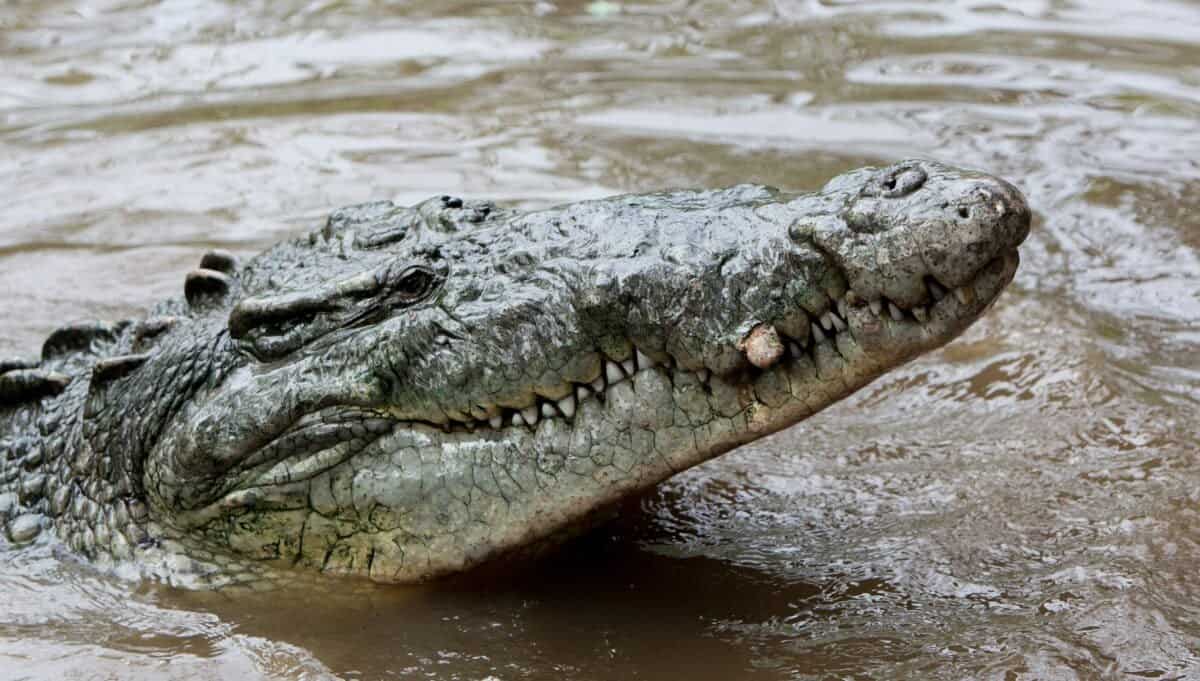
By the 1970s, the American crocodile population in Florida had plummeted to dangerous levels. Estimates suggest fewer than 300 individuals remained in the United States, primarily due to habitat destruction, hunting, and collection for zoos and leather. As coastal areas were developed for housing and tourism, critical nesting beaches and mangrove habitats were destroyed. The species was listed as endangered under the Endangered Species Act in 1975, at which point some biologists feared they might disappear entirely from U.S. territory. This historical context is crucial for understanding the significance of their current recovery and why their presence in Florida today represents a remarkable conservation turnaround from near-extinction only a few decades ago.
Climate Change and Range Expansion

Rising temperatures associated with climate change have played a significant role in allowing American crocodiles to expand their range northward within Florida. As a semi-tropical species, these crocodiles are sensitive to cold temperatures and historically couldn’t survive winter temperatures in central or northern Florida. However, warming trends have created more hospitable conditions further north than their traditional range. Data shows that South Florida has experienced fewer freezing days and higher average winter temperatures over the past several decades. Scientists have documented crocodiles appearing in areas where they weren’t found 30 years ago, including sightings as far north as Tampa Bay on the west coast and the Indian River Lagoon on the east coast. This northward expansion demonstrates the direct impact of warming temperatures on wildlife distribution and provides a clear example of how climate change affects ecosystems.
The Turkey Point Nuclear Power Plant Connection
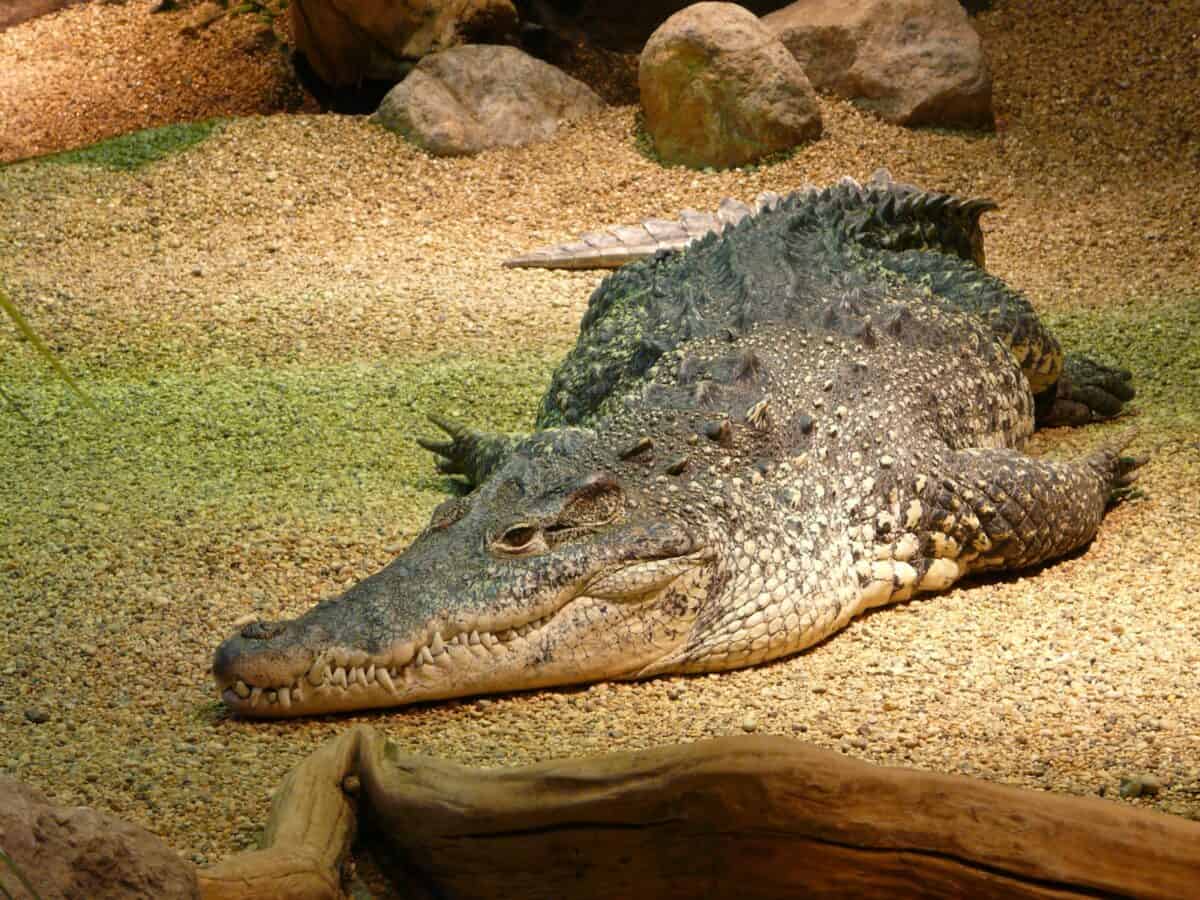
One of the most fascinating chapters in Florida’s crocodile recovery story centers around an unlikely ally: the Turkey Point Nuclear Power Plant near Homestead. In the 1970s, Florida Power & Light constructed a 168-mile cooling canal system for the plant, inadvertently creating prime crocodile habitat. The warm water discharge and relative isolation from human disturbance provided ideal conditions for crocodiles to nest and raise their young. The power company, recognizing this unexpected benefit, established a crocodile management program that includes habitat enhancement, nest monitoring, and hatchling protection. This partnership between industry and wildlife conservation has been remarkably successful, with hundreds of crocodiles hatched at the facility since the program began. Today, Turkey Point hosts one of the densest crocodile nesting populations in Florida, demonstrating how even industrial landscapes can sometimes provide refuge for endangered species.
Conservation Success Story

The recovery of American crocodiles in Florida represents one of the state’s most successful conservation stories. Through dedicated protection efforts, population numbers have increased from fewer than 300 in the 1970s to an estimated 2,000-2,500 today. This success led to the species being downlisted from “endangered” to “threatened” under the Endangered Species Act in 2007—a rare positive reclassification. Key to this recovery was the protection of critical habitats, strict enforcement against poaching, public education campaigns, and research programs that improved understanding of crocodile biology and behavior. Captive breeding programs and relocation of threatened nests have further boosted population recovery. The story of Florida’s crocodiles demonstrates that with appropriate protection measures and habitat management, even severely depleted species can recover, though ongoing monitoring and conservation efforts remain essential to maintain this progress.
Distinguishing Between Alligators and Crocodiles

Florida holds the unique distinction of being the only place in the world where American alligators and American crocodiles coexist naturally, leading to frequent confusion between the two species. While related, these reptiles have several key differences. Crocodiles typically have a lighter grayish-green coloration compared to the darker black of alligators. The most distinctive feature is the snout: crocodiles possess a longer, more V-shaped snout, while alligators have broader, rounded U-shaped snouts. When their mouths are closed, crocodiles display visible lower teeth, particularly the enlarged fourth tooth, whereas an alligator’s lower teeth are hidden. Behaviorally, crocodiles tend to be more saltwater-tolerant and are generally more aggressive than their alligator cousins. These distinctions are important for both wildlife officials tracking populations and for residents and tourists who might encounter these reptiles in the wild.
Habitat Requirements and Adaptation

American crocodiles have specific habitat requirements that have shaped their distribution in Florida. Unlike alligators, which thrive in freshwater environments across the state, crocodiles prefer coastal, brackish water habitats such as mangrove swamps, brackish ponds, and protected coves. They possess specialized salt glands that allow them to excrete excess salt, enabling them to tolerate saltwater environments better than alligators. Nesting behavior further restricts their range, as females require sandy beaches or raised banks for nest construction. What’s remarkable is how these reptiles have adapted to human-altered landscapes. Beyond the famous Turkey Point example, crocodiles have established populations in modified waterways, including canals and artificial ponds in some developed areas of South Florida. This adaptability to human-altered environments, combined with warming temperatures, has allowed them to recolonize areas of their historical range while adapting to modern Florida’s changed landscape.
Human-Crocodile Interactions and Management
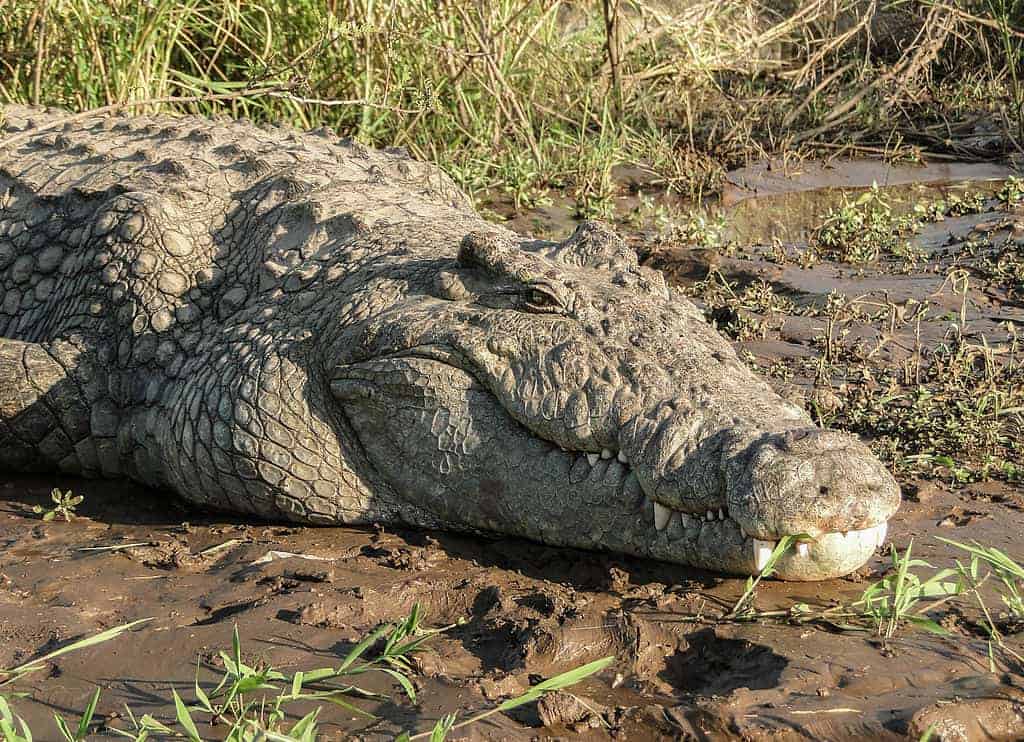
As crocodile populations have recovered and expanded into more developed areas, interactions with humans have inevitably increased. While attacks on humans remain extremely rare—far fewer than alligator incidents—the management of these interactions presents complex challenges for wildlife officials. The Florida Fish and Wildlife Conservation Commission (FWC) has developed specific protocols for handling nuisance crocodile reports, emphasizing education over removal when possible. Unlike with alligators, which may be removed more readily, the threatened status of crocodiles means that relocation is only considered in situations presenting a legitimate public safety concern. Public education programs emphasize safety measures like maintaining distance from crocodiles, avoiding swimming in areas they’re known to inhabit, keeping pets leashed near waterways, and never feeding these wild animals. These management strategies aim to balance human safety concerns with the conservation needs of this recovering species.
Ecological Role and Importance
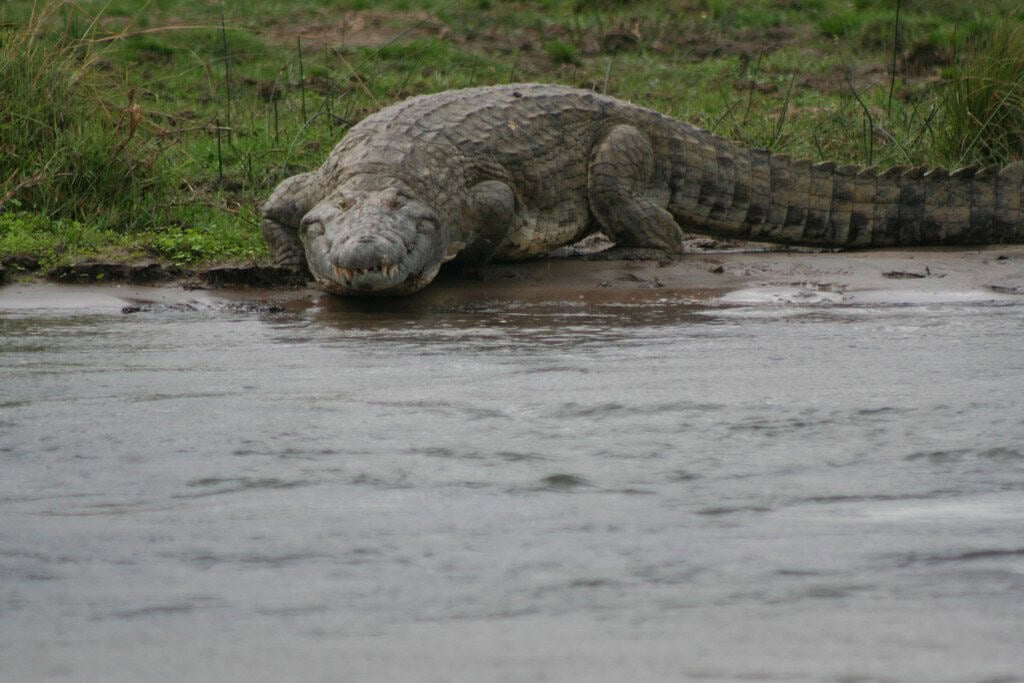
American crocodiles play a vital ecological role in Florida’s coastal ecosystems. As apex predators, they help regulate populations of fish, crustaceans, birds, and small mammals, maintaining the balance and health of their habitats. Their feeding behavior can prevent any one prey species from becoming too dominant, thereby supporting biodiversity. Crocodiles also contribute to ecosystem functioning through their nesting behaviors, which can modify shorelines and create microclimates that benefit other species. Juvenile crocodiles themselves serve as prey for larger predators, forming an important link in the food web. Additionally, their presence serves as an indicator of ecosystem health—thriving crocodile populations generally signal healthy mangrove systems and water quality. By understanding and protecting crocodiles, conservation efforts simultaneously benefit numerous other species that share these complex coastal habitats, making crocodiles an important umbrella species for conservation in South Florida.
Threats to Recovery and Ongoing Challenges
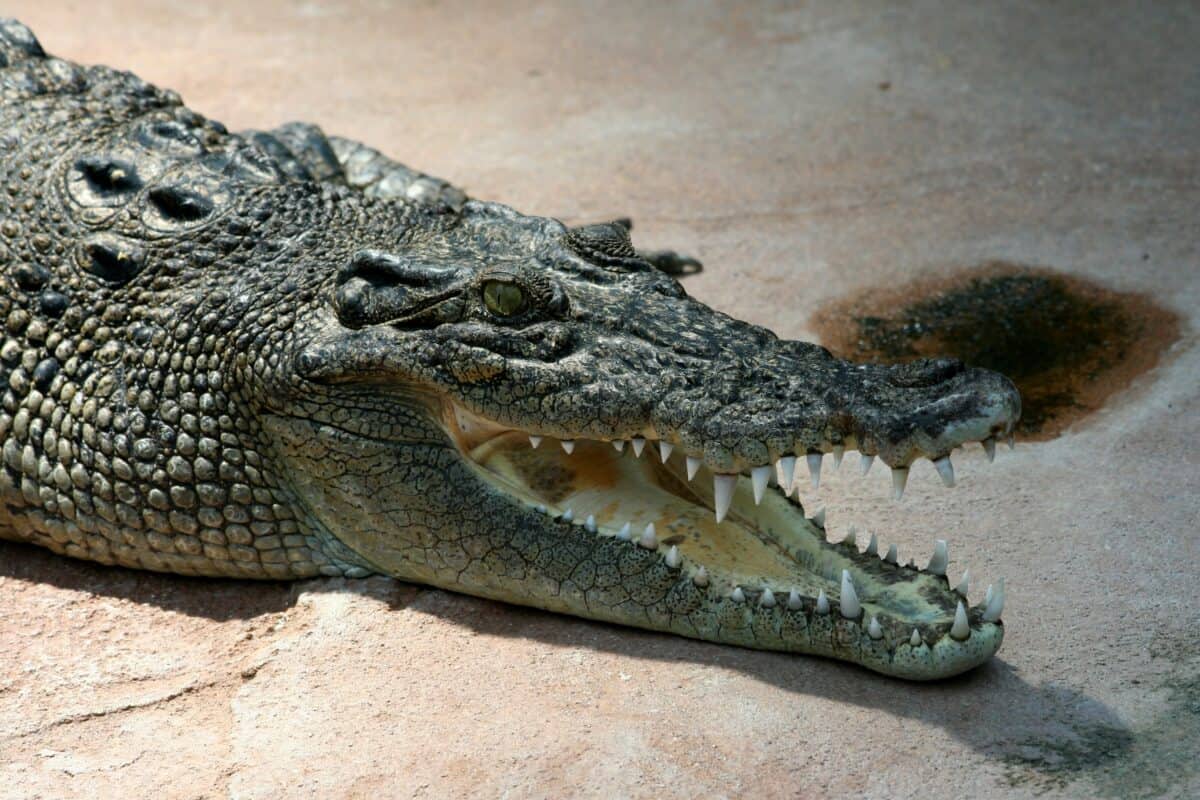
Despite their remarkable recovery, American crocodiles in Florida still face significant challenges. Habitat loss and fragmentation remain primary threats as coastal development continues to eliminate crucial nesting areas and mangrove habitats. Water management practices affecting the timing, distribution, and quality of freshwater flows into estuaries can impact crocodile habitat suitability. Road mortality represents another serious threat, with crocodiles frequently killed while crossing roads that intersect their habitat. Climate change presents a paradoxical challenge—while warming temperatures may expand suitable range northward, sea level rise threatens to inundate critical low-lying nesting areas. Additionally, increased storm intensity associated with climate change can destroy nests and alter coastal habitats. Pollution, particularly chemical contamination of waterways, may affect reproductive success and overall health. Conservation efforts must address these complex and interconnected threats to ensure the continued recovery and long-term survival of the species in Florida.
Research and Monitoring Programs

Ongoing scientific research plays a crucial role in crocodile conservation in Florida. Multiple agencies and institutions, including the University of Florida, Florida International University, and the National Park Service, conduct comprehensive monitoring programs to track population trends, nesting success, and habitat use. Researchers employ a variety of techniques, including night surveys where crocodiles’ eyes reflect spotlight beams, GPS tracking of tagged individuals to monitor movements and habitat preferences, and genetic studies to assess population health and diversity. Nesting surveys occur annually, with biologists carefully documenting nest locations, counting eggs, and often marking hatchlings for future identification. These research efforts provide vital data that informs management decisions and conservation strategies. Long-term monitoring has been particularly valuable in documenting range expansion and adaptations to changing environmental conditions, allowing scientists to better predict how these animals might respond to future challenges like climate change and continued coastal development.
Future Outlook for Florida’s Crocodiles

The future of American crocodiles in Florida depends on balancing continued conservation efforts with the realities of human population growth and climate change. Projections suggest that with proper habitat protection and management, crocodile populations could continue to increase and expand their range, particularly as warming temperatures make more northern areas hospitable. However, this expansion will likely increase human-crocodile interactions, necessitating enhanced education and management strategies. Sea level rise presents perhaps the greatest long-term threat, with potential to inundate critical nesting beaches and alter the salinity of estuarine habitats. Adaptive management approaches, such as creating artificial nesting platforms or managing water flows to maintain appropriate salinity levels, may become increasingly necessary. Conservation genetics will play an important role in ensuring population health, particularly if Florida’s crocodiles remain somewhat isolated from Caribbean populations. With continued research, public support, and adaptive management, there’s cautious optimism that these remarkable reptiles will remain a permanent part of Florida’s wildlife heritage.
Conclusion

The presence of American crocodiles in Florida represents a remarkable conservation success story, demonstrating nature’s resilience when given adequate protection and habitat. From the brink of extinction with fewer than 300 individuals in the 1970s to a current population of over 2,000, these ancient reptiles have reclaimed their place in Florida’s complex ecosystem. Their recovery illustrates the interconnected influences of legal protection, habitat conservation, climate change, and human adaptation on wildlife populations. As Florida continues to develop and global climate patterns shift, the future of these semi-tropical predators will depend on continued conservation efforts, scientific research, and public education to ensure coexistence. The story of Florida’s crocodiles reminds us that with commitment and appropriate management, even species on the edge of extinction can recover, enriching our natural heritage and maintaining the ecological balance that sustains Florida’s unique environments.

- The Glasswing Butterfly: Nature’s Invisible Beauty - July 21, 2026
- What Happens If a Whale Dies in the Ocean? - July 21, 2026
- Why You Should Stop Feeding Ducks at the Park - July 21, 2026