


For many cat owners, keeping their feline friends indoors is a matter of safety and responsibility. Yet even the most pampered house cats retain their wild instincts and often yearn for adventure beyond the windowsill. While some breeds are content with a cozy life of indoor luxury, others possess a more adventurous spirit that craves enrichment and stimulation reminiscent of their wild ancestors. In this article, we’ll explore 13 cat breeds that adapt well to indoor living while still harboring that wild streak in their DNA. These special felines can thrive in your home while satisfying their natural hunting and exploring instincts through appropriate indoor enrichment.
13. Bengal: The Miniature Leopard

Perhaps the most famous “wild-looking” domestic cat, the Bengal is a spectacular example of bringing the wild into your home. Developed by crossing domestic cats with the Asian leopard cat, Bengals sport stunning rosette markings similar to leopards or jaguars. Their muscular bodies, confident gait, and extraordinary agility reveal their wild heritage. Bengals are highly intelligent and active, requiring extensive physical and mental stimulation. They love climbing, jumping, and playing with puzzle toys that engage their problem-solving skills. Many Bengals even enjoy water play, splashing in sinks or shallow baths—a trait uncommon in domestic cats. While they adapt well to indoor living when properly stimulated, they need dedicated enrichment to prevent boredom and behavioral issues.
12. Savannah: The Exotic Companion

The Savannah cat is a remarkable hybrid breed created by crossing domestic cats with the serval, a wild African cat known for its long legs and distinctive spotted coat. Depending on how many generations removed from their serval ancestor, Savannahs can vary in size and wildness, with earlier generations (F1-F3) being larger and displaying more wild behaviors. These cats are extraordinarily athletic, capable of impressive vertical jumps and bursts of speed. Savannahs form strong bonds with their families but maintain an independent streak. Their high energy levels demand interactive play sessions, climbing opportunities, and puzzle feeders. While they can adapt to indoor life, they require substantial space and enrichment to satisfy their wild instincts. Some Savannah owners even teach their cats to walk on leashes, providing safe outdoor experiences.
11. Abyssinian: The Tireless Explorer
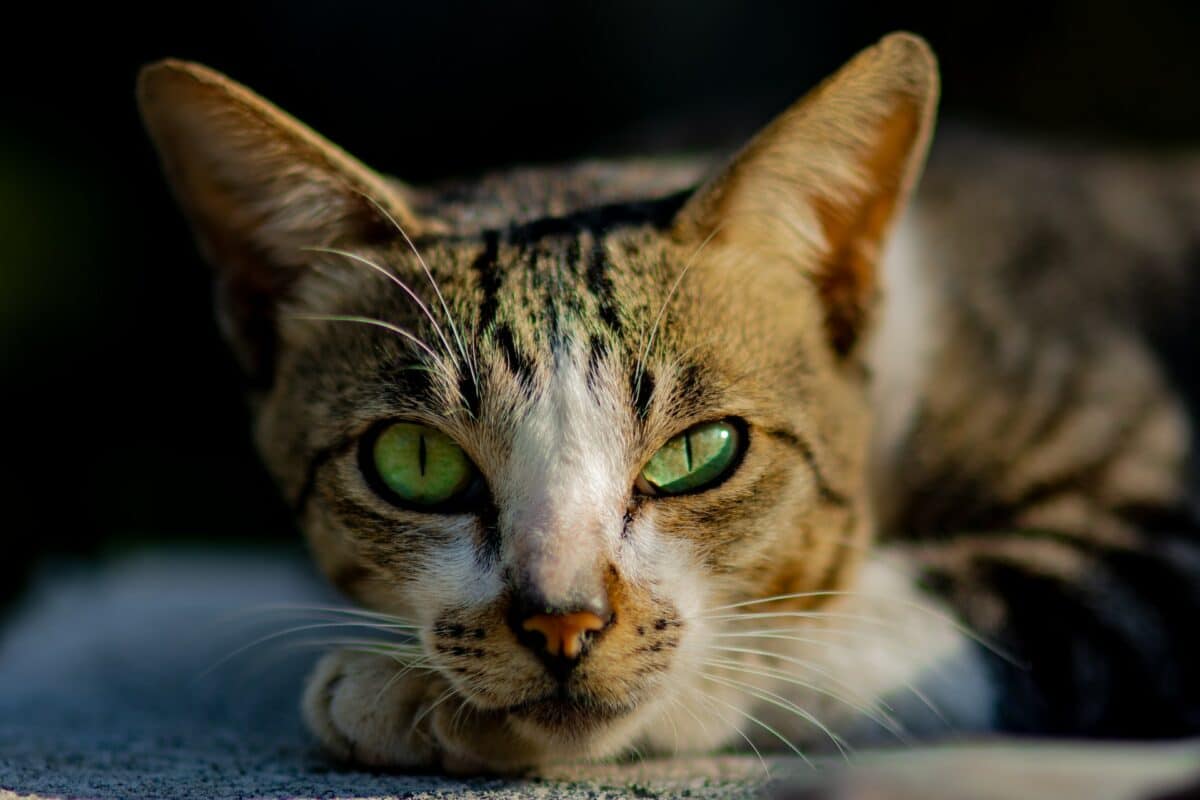
The Abyssinian is one of the world’s oldest known cat breeds, with a look reminiscent of ancient Egyptian cats depicted in artwork thousands of years old. Their ticked coat—where each hair has bands of color—creates a wild appearance similar to small African wildcats. Abyssinians are in perpetual motion, investigating every corner of their environment with curiosity and intelligence. They’re excellent climbers who appreciate tall cat trees and window perches from which to observe outdoor activities. Despite their energetic nature, Abyssinians are affectionate companions who form strong bonds with their humans. They excel at learning tricks and can even be trained to retrieve toys, satisfying their hunting instincts in a constructive way. These cats benefit tremendously from interactive play sessions that simulate hunting behaviours.
10. Maine Coon: The Gentle Giant
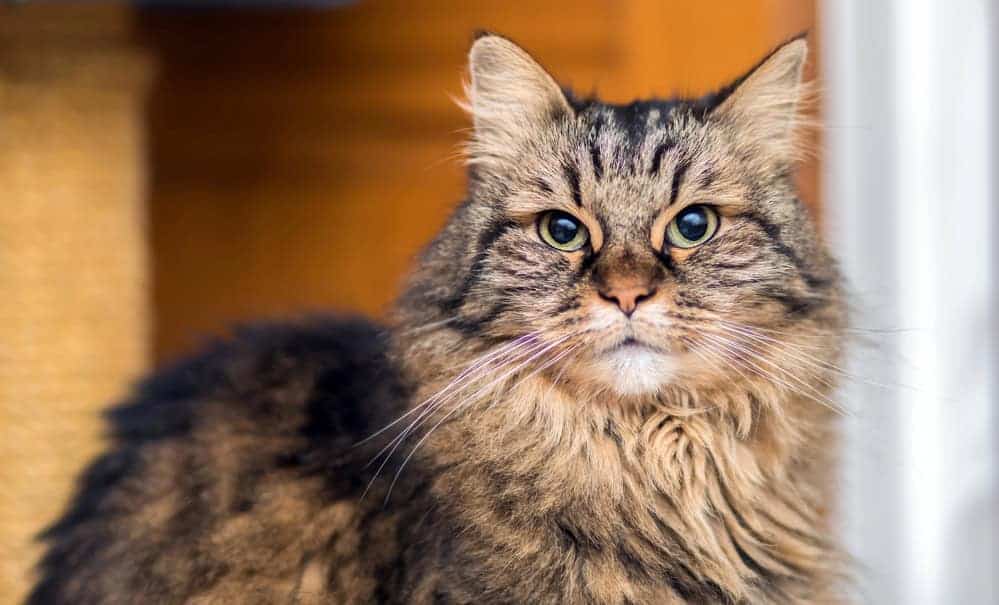
Maine Coons are North America’s native longhaired cats, developed naturally in the harsh climate of New England. Their impressive size (males can reach 25 pounds), tufted ears, and bushy tails have led some to speculate they descended from wildcats or even raccoons—though these are just myths. The breed’s wild appearance belies their famously gentle temperament, earning them the nickname “gentle giants.” Maine Coons retain strong hunting instincts and are excellent mousers, historically valued on farms and ships for controlling rodent populations. Their large bodies need space to move, making vertical territory essential in indoor environments. Maine Coons often display dog-like characteristics, including playing fetch and coming when called. They’re particularly fond of water play, sometimes pawing at water bowls or joining their owners in the shower, possibly an adaptation from their ancestors who lived in snowy New England winters.
9. Ocicat: Wild Looks With Domestic Heart
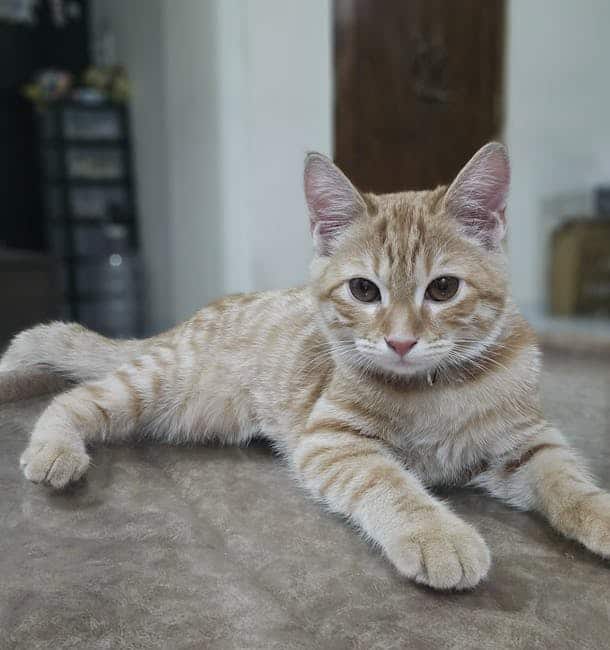
Despite its exotic spotted appearance reminiscent of an ocelot, the Ocicat is a completely domestic breed with no recent wild ancestors. Developed in the 1960s through selective breeding of Abyssinians, Siamese, and American Shorthairs, these cats have the wild look without the unpredictable temperament that can come with hybrid breeds. Ocicats are extremely social, intelligent, and active cats who crave human interaction. They excel at learning tricks and can even be taught to walk on leashes. Their spotted coats come in 12 different color combinations, all featuring the distinctive spots arranged in a bull’s eye pattern. Ocicats have strong hunting drives and will enthusiastically chase toys that mimic prey movements. They’re known for their distinctive chirping vocalizations when excited, another trait that gives them a slightly wild character despite their thoroughly domestic genetics.
8. Egyptian Mau: The Natural Athlete
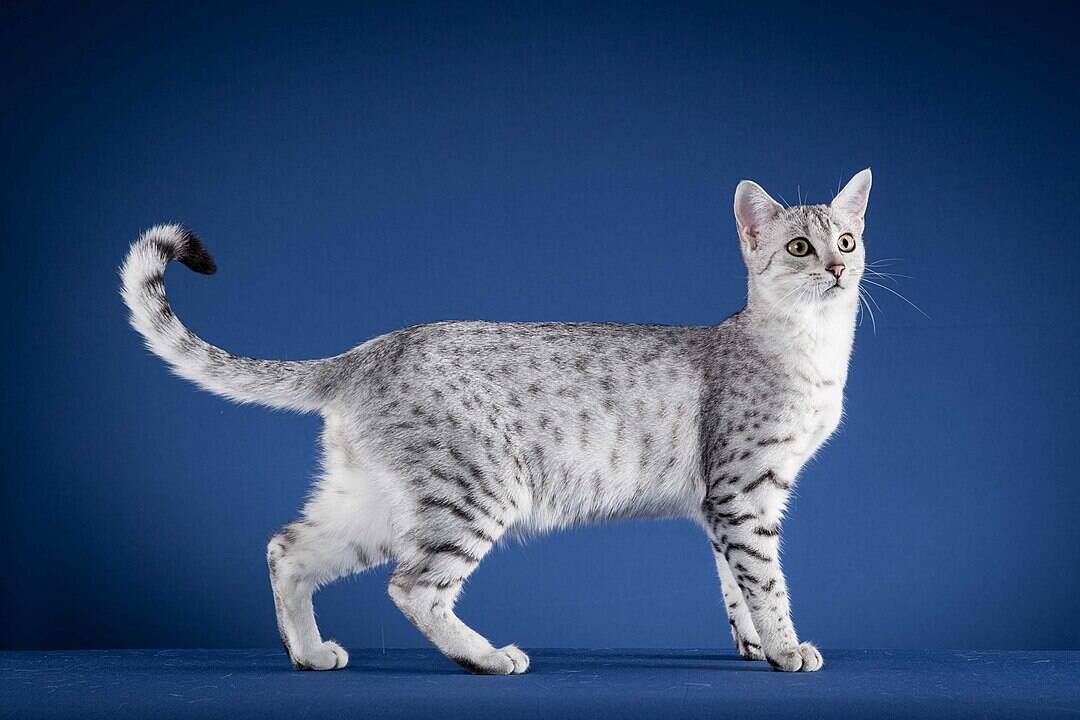
The Egyptian Mau is the only naturally spotted domestic cat breed, meaning their distinctive markings weren’t created through human-directed breeding programs. These cats are believed to be direct descendants of the cats worshipped in ancient Egypt, and their appearance has changed little over thousands of years. Egyptian Maus are the fastest domestic cats, capable of running up to 30 miles per hour, thanks to their unique flap of skin extending from flank to back leg that allows for greater stride length. Their spotted coats, muscular bodies, and “worried” facial expressions give them a distinctly wild appearance. Egyptian Maus are sensitive and devoted to their families but can be reserved with strangers. They thrive with interactive play that allows them to sprint and leap, satisfying their considerable athletic abilities. Many Mau owners provide puzzle feeders and rotating toys to keep these intelligent cats mentally engaged.
7. Somali: The Fox-Like Feline

Often described as the “fox of the cat world,” the Somali is essentially a long-haired version of the Abyssinian with a magnificent bushy tail and wild appearance. Their ticked coat creates the illusion of a wild animal’s camouflage, and their alert, fox-like expressions enhance the resemblance to their wild cousins. Somalis are perpetually curious and playful, retaining kitten-like energy well into adulthood. These cats are excellent jumpers and climbers who benefit from tall cat trees and shelving that allows them to survey their territory from above. Somalis are moderately vocal and use a combination of soft trills and chirps to communicate with their human companions. They form strong bonds with their families but maintain an independent streak characteristic of cats with strong wild instincts. Interactive toys that allow for stalking, pouncing, and “killing” prey substitutes help satisfy their natural hunting behaviors.
6. Chausie: The Jungle Cat Hybrid
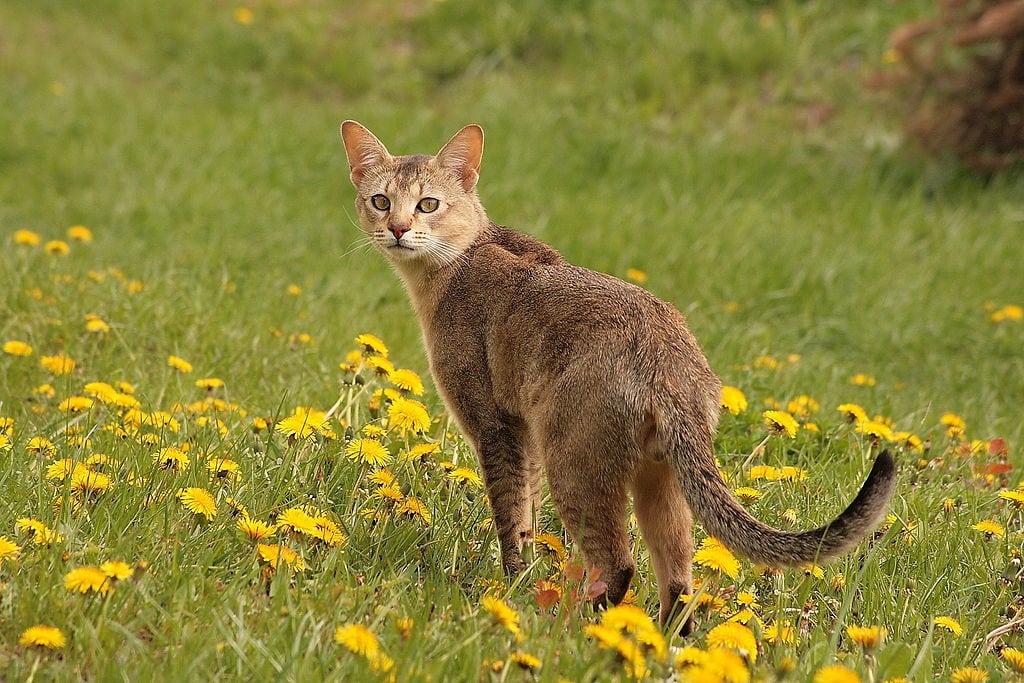
The Chausie (pronounced “chow-see”) is a hybrid breed developed by crossing domestic cats with the jungle cat (Felis chaus), a wild felid native to parts of Asia and Egypt. The breed retains the athletic build, high energy level, and some physical characteristics of its wild ancestor, including a tall, muscular body and large ears. Chausies typically display coats in solid black, brown-ticked tabby, or grizzled tabby. These cats are incredibly athletic, capable of impressive vertical jumps and bursts of speed. They require significant exercise and mental stimulation to remain content indoors. Chausies form strong bonds with their humans but can be more independent than some purely domestic breeds. They benefit from vertical space, interactive toys, and puzzle feeders that challenge their intelligence. While early generations can exhibit more wild behaviors, later generations (F4 and beyond) are considered fully domestic and adapt well to family life when their needs for activity and enrichment are met.
5. Toyger: The Designer Jungle Cat
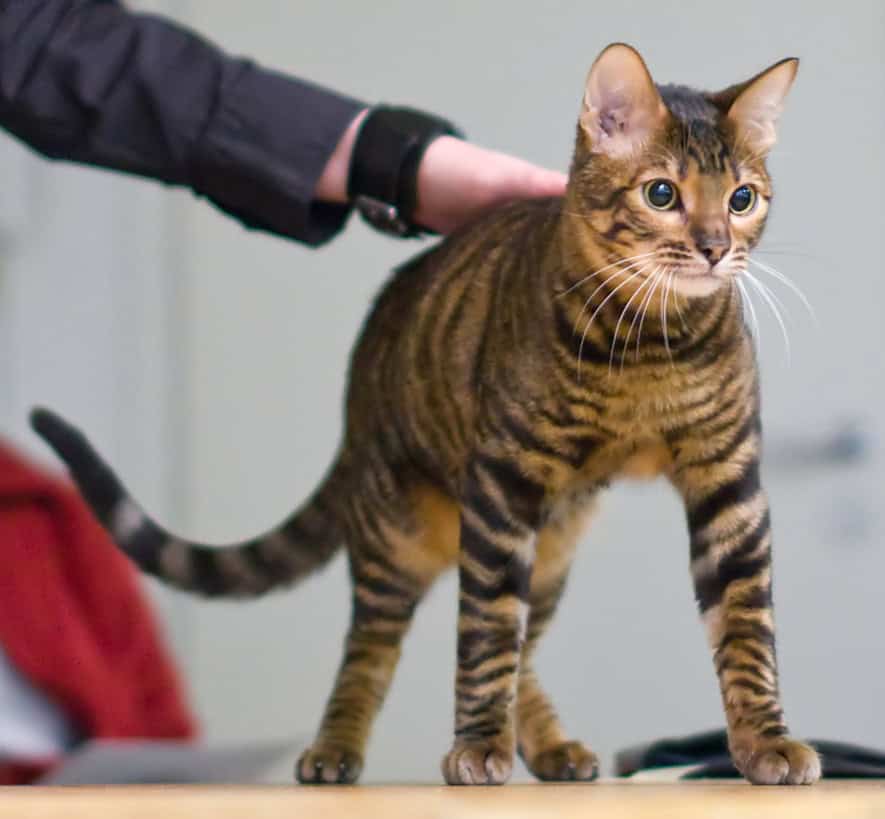
The Toyger is a relatively new breed designed to resemble a miniature tiger, complete with dramatic orange background color and bold black stripes. Unlike some cats on this list, Toygers have no wild DNA—they were created through selective breeding of domestic cats with distinctive markings. Despite being fully domestic, their striking appearance satisfies the human fascination with wild big cats in a responsible package. Toygers are muscular, athletic cats with outgoing, playful personalities. They’re intelligent and trainable, with many learning to walk on leashes or perform tricks. Their wild looks are matched with a surprisingly sociable nature; Toygers typically enjoy meeting new people and get along well with other pets. These cats enjoy interactive play that engages their hunting instincts and benefit from toys that allow them to stalk, chase, and pounce. Their domestic temperament makes them adaptable to various household situations while their tiger-like appearance satisfies the owner’s desire for something exotic.
4. Siberian: The Forest Hunter

The Siberian cat developed naturally in the harsh forests of Russia, where its thick triple coat, sturdy build, and exceptional hunting abilities helped it survive severe winters. These cats have changed little over centuries and retain many of the instincts that served their ancestors in the wild. Siberians are powerful jumpers and climbers with strong hunting drives. Despite their semi-wild heritage, they’re known for being exceptionally affectionate and devoted to their families. Siberians are intelligent problem-solvers who benefit from puzzle toys and interactive games that challenge their minds. Many display a fascinating fascination with water, dipping paws into water bowls or even joining their humans in the shower. Their natural history as forest hunters makes them excellent mousers, and they often engage in play behaviors that mimic stalking and catching prey. Siberians make excellent indoor companions when provided with opportunities to express their natural behaviors through climbing structures, interactive play, and mental challenges.
3. Manx: The Hunter Without a Tail
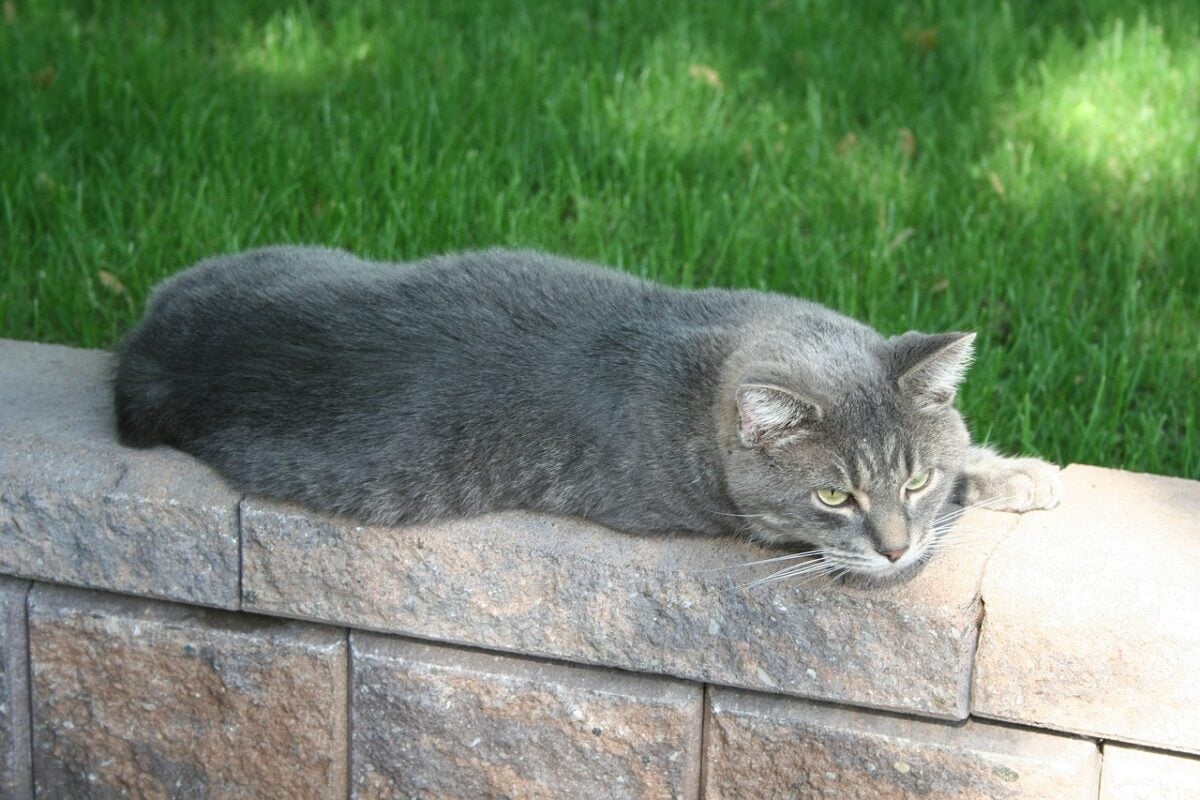
The Manx cat originated on the Isle of Man, where a genetic mutation led to shortened or absent tails. While their appearance might not immediately evoke wildness, Manx cats retain strong hunting instincts and behavioral traits reminiscent of their feral ancestors. The breed is known for its powerful hind legs, which enable impressive jumps and a distinctive rabbit-like hop. Manx cats are excellent hunters with strong prey drives, historically valued for controlling rodent populations on farms and ships. Their rounded bodies, muscular build, and alert expressions give them a wild-like readiness that reveals their hunting heritage. Manx cats are intelligent and playful, often carrying toys around the house or engaging in fetch games. Many display dog-like loyalty, following their owners from room to room and coming when called. Their strong hunting instincts make interactive play essential, with toys that mimic prey movements being particularly engaging for these natural-born hunters.
2. Pixie-Bob: The Bobcat Lookalike
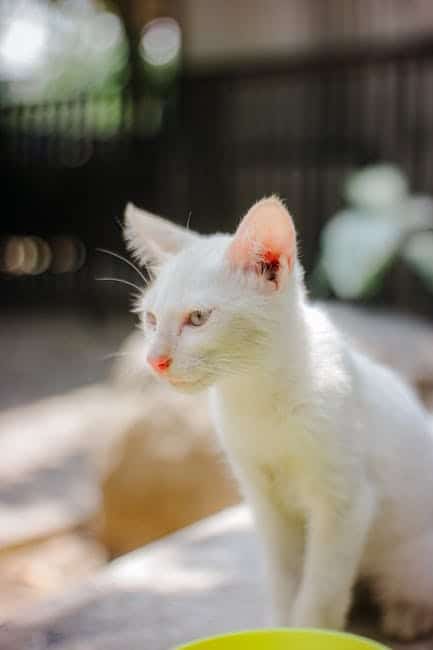
Pixie-Bobs bear a striking resemblance to bobcats with their spotted brown tabby coats, tufted ears, and naturally short “bobbed” tails. While folklore suggests they originated from natural matings between domestic cats and bobcats, genetic testing has not confirmed wild DNA in the breed. Regardless of their origin, Pixie-Bobs display many characteristics that evoke their supposed wild heritage. These muscular, substantial cats have distinctive polydactyl feet (extra toes) that resemble the large feet of wild felines. Pixie-Bobs are known for their dog-like personalities—they can learn to walk on leashes, play fetch, and even respond to commands. They communicate with a variety of chirps and chitters rather than traditional meows, adding to their wild mystique. Despite their rugged appearance, Pixie-Bobs are gentle and patient, typically getting along well with children and other pets. They benefit from climbing structures, interactive toys, and puzzle feeders that engage their natural intelligence and hunting behaviors.
1. Serengeti: The Savanna Sprinter

The Serengeti cat was developed to resemble the African serval without using any wild cat DNA. Created by crossing Bengals with Oriental Shorthairs, these cats have the exotic spotted appearance of wild African cats but with fully domestic temperaments. Serengetis are tall, long-legged cats with distinctive large ears and spotted or marbled patterns that evoke the grasslands of their namesake. They are incredibly athletic and active, capable of impressive speed and jumping heights that reflect the potential of domestic cats when bred for agility. Serengetis form strong bonds with their humans but maintain an independent nature that requires respect for their space. These cats thrive with vertical territory, interactive play sessions, and challenging puzzle toys that engage their keen intelligence. Many Serengeti owners report that their cats enjoy learning tricks, retrieving toys, and even walking on leashes. Their wild appearance combined with their adaptable domestic nature makes them ideal for owners who desire an exotic-looking cat without the unpredictability that can come with hybrid breeds.
Creating a Wild Experience for Indoor Cats
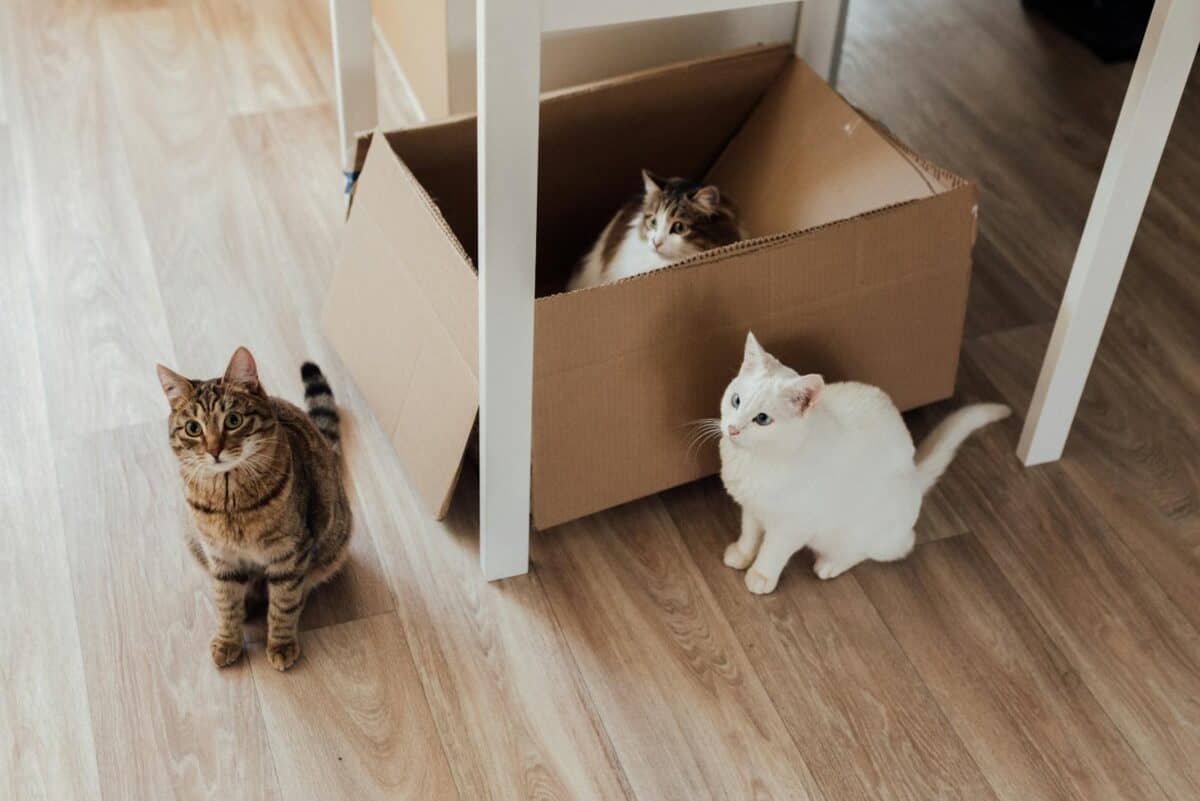
Regardless of breed, all indoor cats benefit from enrichment that satisfies their natural instincts. Creating a “wild” experience within the safety of your home is essential for feline mental and physical health. Vertical spaces like cat trees, wall shelves, and window perches allow cats to climb and observe their territory from elevated positions, just as they would in nature. Puzzle feeders and food-dispensing toys engage hunting behaviors by making cats work for their meals. Interactive play sessions with wand toys or laser pointers simulate hunting experiences, providing both exercise and mental stimulation. Rotating toys prevents boredom, while providing hiding spots throughout the home gives cats a sense of security and territory. For the more adventurous breeds on this list, consider harness training for supervised outdoor experiences or creating a secure catio (cat patio) where they can safely experience the sights, sounds, and smells of the outdoors. Remember that even the most domesticated cats retain their wild ancestors’ instincts and need appropriate outlets for these natural behaviors.

- This Lizard Can Breathe Underwater - July 22, 2026
- The Wild Horses of North Carolina’s Coast - July 22, 2026
- These Creatures Can Freeze Themselves to Survive - July 22, 2026