

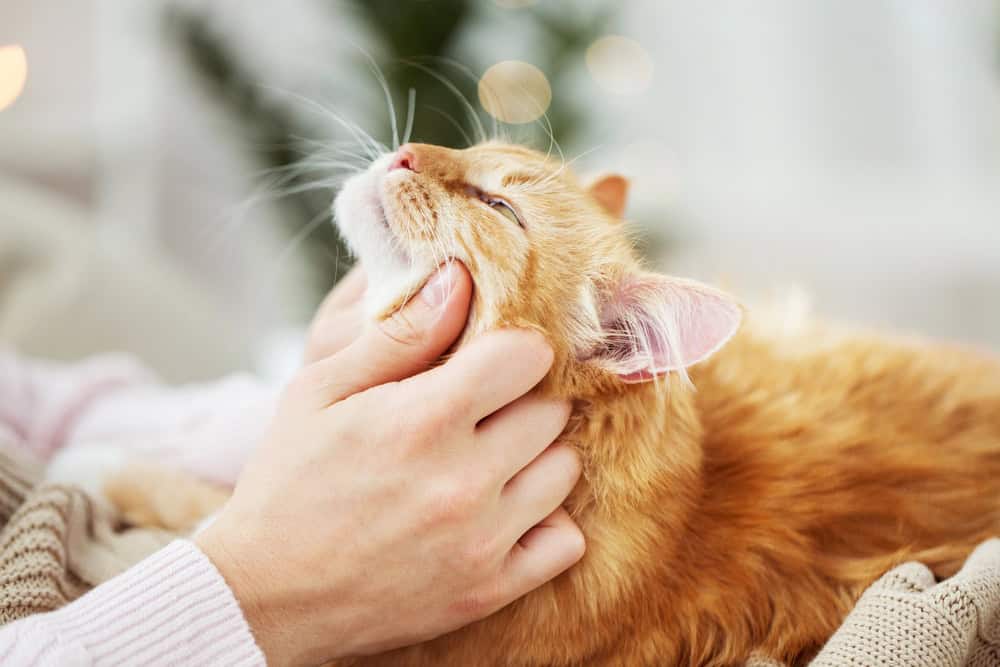
Cat owners know that living with feline companions can be both rewarding and challenging. These independent, curious creatures require specific care approaches that might not be immediately obvious to new pet parents. Through years of trial and error, experienced cat owners have discovered products, techniques, and solutions that truly make a difference in their daily lives with their feline friends. From behavioral management to health care and environmental enrichment, these tried-and-true methods have been vetted by countless cat enthusiasts. If you’re looking to enhance your relationship with your cat or solve persistent issues, here are fourteen cat owner essentials that genuinely deliver results.
13. Automatic Self-Cleaning Litter Boxes

Among the most praised innovations in cat care, automatic self-cleaning litter boxes have revolutionized one of the least pleasant aspects of cat ownership. Models like the Litter-Robot and PetSafe ScoopFree use motion sensors to detect when your cat has used the box and automatically sift waste into a sealed compartment minutes later. Cat owners report spending up to 80% less time on litter box maintenance, with the added benefit of significantly reduced odor in their homes. While the initial investment ranges from $200-$500, many owners insist the convenience justifies the cost, especially in multi-cat households where litter box cleaning can become a daily chore. Beyond convenience, these systems can help monitor your cat’s bathroom habits, potentially alerting you to health issues if usage patterns change dramatically.
12. Vertical Space Solutions
Experienced cat owners understand that cats are natural climbers who thrive with vertical territory. Cat trees, wall shelves, and window perches consistently rank among the most impactful investments for feline happiness. Studies have shown that access to vertical space can reduce stress-related behaviors in cats by up to 70%, as these elevated areas satisfy their instinctual need for surveillance and security. The Cornell Feline Health Center confirms that providing vertical retreats helps prevent territorial conflicts in multi-cat homes and reduces destructive behaviors like furniture scratching. Cat owners particularly recommend window perches with strong suction cups that can hold up to 40 pounds, allowing cats to safely observe the outside world while soaking up warm sunlight—a combination that many report noticeably improves their cat’s mood and activity levels.
11. Puzzle Feeders and Food-Dispensing Toys

Mental stimulation is crucial for indoor cats, and puzzle feeders have become a staple for combating boredom and preventing obesity. These interactive toys require cats to work for their food, mimicking the natural hunting process. Veterinary behaviorists at Tufts University found that using puzzle feeders can slow eating speed by up to 80%, preventing digestive issues like vomiting after meals. Popular options include the Classic Kong, Doc & Phoebe’s Indoor Hunting Feeder, and the Catit Senses Food Tree, which force cats to use their paws and problem-solving skills to retrieve kibble. Cat owners report these devices have transformed greedy eaters into more patient, engaged felines, with many noting improved digestion and weight management. As an added benefit, many cats display fewer attention-seeking behaviors when regularly engaged with these cognitive challenges throughout the day.
10. High-Quality Scratching Posts with the Right Materials

Scratching is a non-negotiable behavior for cats, serving multiple purposes from claw maintenance to territorial marking. Cat owners who have saved their furniture consistently recommend investing in scratching posts with the right materials and stability. Sisal fabric and natural rope provide the perfect texture for satisfying scratches, while cardboard scratchers offer an affordable option that many cats adore. Height matters significantly—posts should be at least 32 inches tall to allow cats to fully stretch their bodies while scratching. Stability is paramount, as cats quickly abandon wobbly posts that move during use. The most effective solution, according to behavioral experts, is offering multiple scratching surfaces with different orientations (vertical, horizontal, and inclined) throughout the home. Cat owners report up to a 90% reduction in furniture scratching when implementing these strategically placed alternatives made from materials cats prefer.
9. Feliway Diffusers and Sprays

Feliway products have earned near-universal praise from cat owners dealing with stress-related behaviors. These synthetic pheromone products mimic the facial pheromones cats naturally produce when they feel secure in their environment. Clinical studies have shown Feliway can reduce urine marking by up to 90% and scratching by 95% in many cases. The diffusers are particularly effective for ongoing environmental stressors, while the spray version works well for specific areas or travel carriers. Cat owners consistently report success using these products during potentially stressful situations like moving homes, introducing new pets, or during thunderstorms and fireworks. While the effect isn’t universal for all cats, veterinary behaviorists estimate that approximately 70-80% of cats show positive responses to these pheromone products, making them a worthwhile investment for households experiencing feline anxiety issues.
8. Microchip-Activated Pet Doors and Feeders

Technology has transformed multi-pet households with the innovation of microchip-activated products. Microchip pet doors ensure that only registered pets can enter or exit, keeping unwanted animals out while giving your cat freedom of movement. Similarly, microchip feeders have solved the common problem of food stealing in multi-cat homes, opening only for the designated cat’s microchip. These devices have proven particularly valuable for households with cats on different diets or medication regimens. One study found that in homes with both cats and dogs, microchip-activated cat doors reduced interspecies stress by allowing cats access to “dog-free” zones where they could eat and rest undisturbed. Though relatively expensive (typically $80-$200), owners report these technologies pay for themselves by preventing diet-related health issues and reducing food waste from dominant pets overeating.
7. Regular Interactive Play Sessions with the Right Toys

Dedicated play time ranks among the most effective yet underutilized strategies for preventing behavior problems in cats. Experts at the American Association of Feline Practitioners recommend at least two 10-15 minute play sessions daily to satisfy natural hunting instincts. Wand toys that mimic prey movement—like feathers that flutter or mice that scurry—consistently outperform static toys in engaging cats. The Da Bird flying feather toy specifically receives enthusiastic endorsements for its realistic prey-like movement that triggers the hunting response in even the most sedentary cats. Cat owners report that implementing regular play sessions reduces nighttime activity by approximately 60% and decreases destructive behaviors like excessive vocalization and inappropriate scratching. The key is mimicking natural hunting sequences: stalk, chase, pounce, and finally “kill,” allowing your cat to capture the toy and experience the satisfaction of a successful hunt.
6. Water Fountains for Increased Hydration

Cat water fountains have transformed hydration habits for countless felines, with veterinarians confirming their efficacy in increasing water consumption. Cats instinctively prefer moving water, which in the wild indicates freshness and safety compared to stagnant sources. Studies show cats drinking from fountains increase their water intake by 30-50% compared to conventional bowls, which is particularly crucial for cats on dry food diets or those with urinary tract conditions. Models with ceramic or stainless steel components are preferred over plastic versions, which can develop micro-scratches harboring bacteria and potentially causing chin acne in sensitive cats. Cat owners consistently report that fountains with variable flow settings and quiet pumps achieve the best acceptance rates. The investment in a quality fountain (typically $25-$70) often pays dividends in reduced veterinary bills, as proper hydration helps prevent costly urinary tract issues that affect approximately 30% of cats during their lifetime.
5. Enzymatic Cleaners for Accident Cleanup
When it comes to cleaning up cat accidents, enzymatic cleaners have proven themselves indispensable for both effectiveness and prevention of repeat incidents. Unlike standard household cleaners that may mask odors to human noses, enzymatic products use natural enzymes to break down the organic compounds in urine, feces, and vomit at a molecular level. Brands like Nature’s Miracle and Rocco & Roxie consistently receive praise from cat owners for their ability to eliminate odors that might otherwise encourage cats to re-mark the same spots. Research indicates that cats are 70% less likely to re-soil areas properly treated with enzymatic cleaners compared to areas cleaned with standard products. Particularly for households managing issues like litter box aversion or marking behaviors, these specialized cleaners have resolved persistent problems where other interventions failed. Many veterinary behaviorists now consider them essential for any cat household, recommending keeping them readily available for immediate cleanup of accidents.
4. Regular Grooming Tools Based on Coat Type

Customized grooming approaches based on coat type represent one of the most effective strategies for reducing shedding and hairballs while strengthening the human-cat bond. For short-haired cats, silicone grooming gloves have revolutionized the experience, turning what was once a chore into pleasant massage sessions that many cats actively enjoy. For medium-coated cats, slicker brushes with fine, short wires efficiently remove loose hair without causing discomfort. Long-haired breeds benefit tremendously from undercoat rakes and dematting tools that prevent painful mats from forming. The Furminator tool specifically receives acclaim for reducing shedding by up to 90% when used consistently, with many owners reporting significantly fewer hairballs following implementation of regular grooming routines. Beyond the practical benefits, veterinary behaviorists note that cats who experience positive grooming sessions from kittenhood typically develop greater tolerance for handling, making veterinary exams and necessary procedures less stressful throughout their lives.
3. High-Quality Wet Food for Optimal Health

The shift to premium wet food represents one of the most impactful dietary changes many cat owners report making. Veterinary nutritionists point to the superior hydration benefits, with wet food containing approximately 70-80% moisture compared to 10% in dry kibble. This additional water intake is particularly crucial for feline urinary health, with studies showing cats on primarily wet food diets experience 30% fewer urinary tract issues than those on dry food alone. Higher protein content and fewer carbohydrates in quality wet foods better align with cats’ natural carnivorous nutritional needs. Owners frequently report noticeable improvements in coat quality, energy levels, and dental health after transitioning to high-quality wet food diets. While premium wet food requires a greater financial investment than dry alternatives, many experienced cat owners consider it preventative healthcare, potentially reducing long-term veterinary costs associated with diet-related conditions like diabetes, obesity, and crystal formation in the urinary tract.
2. Strategic Litter Box Placement and Selection

Litter box strategies represent perhaps the most discussed topic among cat owners seeking to prevent elimination issues—the leading cause of cats being surrendered to shelters. The widely accepted formula of “one box per cat plus one extra” has proven effective in multi-cat households, reducing litter box avoidance by providing adequate options. Box placement significantly impacts usage rates, with cats preferring quiet, low-traffic locations that offer escape routes but remain accessible. Uncovered boxes generally receive higher satisfaction ratings from cats, though some individuals do prefer the privacy of covered options. Litter depth matters substantially, with research indicating most cats prefer approximately 1.5-2 inches of substrate—enough to dig but not so deep they sink uncomfortably. Perhaps most critically, regular cleaning trumps all other factors, with automated tracking systems revealing cats are 65% less likely to use boxes that haven’t been scooped within 24 hours. Cat owners who implement these evidence-based approaches report dramatically lower rates of inappropriate elimination compared to those using more convenient but less cat-friendly setups.
1. Calming Aids for Travel and Stressful Situations

For cats who experience anxiety during travel, veterinary visits, or other stressful situations, specific calming aids have proven remarkably effective. Thundershirts apply gentle, constant pressure that produces a calming effect similar to swaddling in human infants, reducing visible stress signals in approximately 80% of cats within 5-10 minutes of application. Rescue Remedy and other Bach flower essences, while not extensively studied scientifically, receive consistent anecdotal support for their mild calming effects during moderate stress situations. Specially formulated calming treats containing ingredients like L-theanine, tryptophan, and chamomile provide nutritional support for stress management. For veterinary visits specifically, pre-visit application of gabapentin (under veterinary guidance) has transformed previously impossible exams into manageable experiences for many cat owners dealing with extreme fear responses. The most successful approach typically involves combining these methods with behavioral techniques like carrier training and counterconditioning, creating comprehensive stress management protocols tailored to individual cats’ needs.
Conclusion: The Value of Evidence-Based Cat Care

The most successful cat owners combine personal experience with evidence-based approaches, recognizing that each cat has unique preferences and needs. Rather than following generic advice, they observe their cat’s responses to different products and techniques, adjusting their approach accordingly. This personalized, attentive care creates stronger human-animal bonds while preventing many common behavioral and health issues that lead to frustration for both species. Veterinarians emphasize that implementing even a few of these proven strategies can significantly improve quality of life for indoor cats, who face unique challenges in meeting their natural behavioral needs within confined environments. As our understanding of feline behavior and health continues to evolve, staying current with veterinary recommendations and remaining flexible in our care approaches ensures our cats receive the best possible support throughout their lives.

As a little kid, I fell in love with nature, wildlife, and animals. Living in the USA, South Africa, Italy, China and Germany gave me the opportunity to discover the world's Wildlife. My favorite animals are Mountain Gorillas, Siberian Tigers, and Great White Sharks.
I'm a certified PADI Open Water Diver, went to Everest Base Camp and Trekked Gorillas in Uganda. I hold a Master of Science in Economics and Finance.
Please send any feedback to feedback@animalsaroundtheglobe.com
- 11 Most Endangered Insects Buzzing in America Today - July 22, 2026
- 10 Most Frequently Googled Animal Birth Facts - July 22, 2026
- 10 Incredible Migration Journeys in the Animal Kingdom - July 22, 2026