
Hidden in the heart of Morocco’s High Atlas Mountains lies a geological marvel that transcends time itself—a petrified forest dating back approximately 350 million years to the Late Devonian period. This extraordinary collection of fossilized trees, discovered in 2022 near the town of Imouzzer Marmoucha, may predate the first dinosaurs by over 100 million years. The remarkably preserved remains offer scientists an unprecedented glimpse into Earth’s ancient ecosystems long before the reign of dinosaurs began. This article explores this extraordinary discovery, its scientific significance, and what it reveals about our planet’s distant past.
The Remarkable Discovery in Morocco

In 2022, an international team of researchers uncovered what may be the world’s oldest in-situ forest in Morocco’s High Atlas Mountains. The discovery occurred during geological mapping in the region, when scientists noticed unusual cylindrical structures protruding from sandstone layers. Upon closer examination, they realized they had stumbled upon something extraordinary—a collection of fossilized tree trunks still rooted in their original growing positions. The finding was published in the journal Geology, creating excitement throughout the scientific community. This ancient woodland, dating to approximately 350-345 million years ago during the Late Devonian period, provides a rare window into terrestrial ecosystems that existed long before dinosaurs first appeared around 230 million years ago.
A Glimpse into the Devonian Period
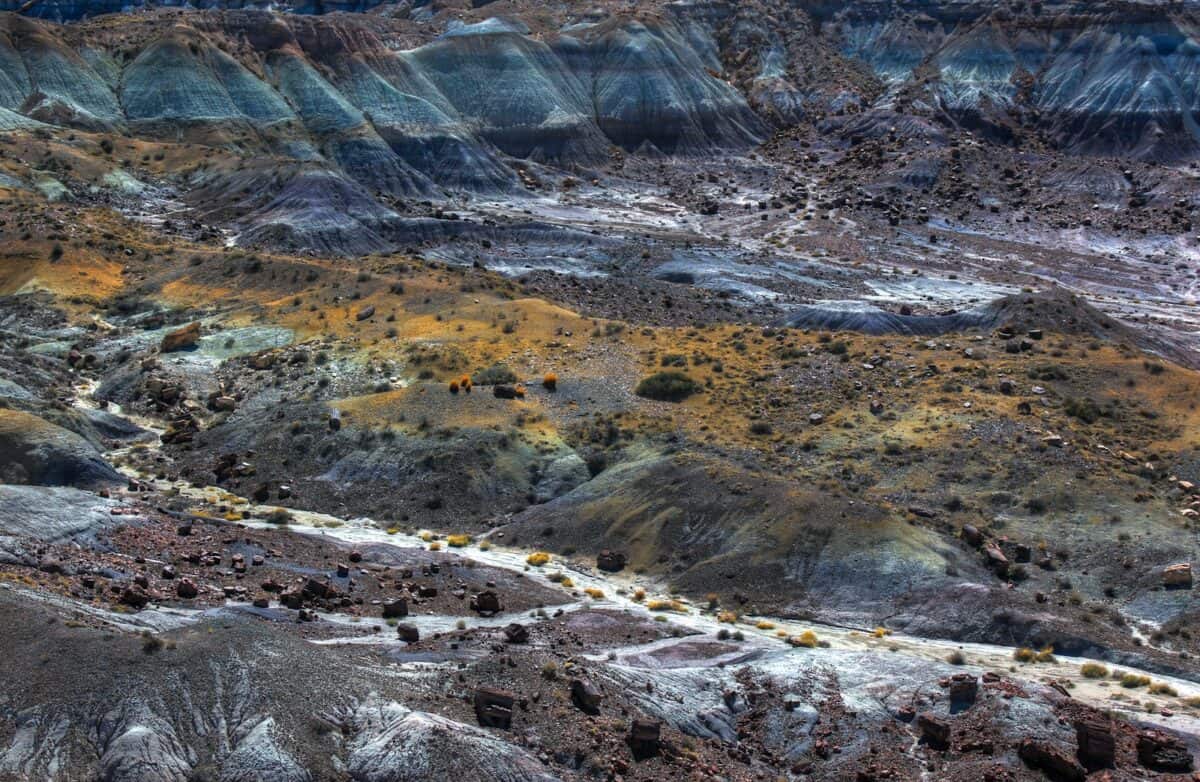
The Devonian period, often called the “Age of Fishes,” spanned from 419 to 359 million years ago. During this crucial time in Earth’s history, plants began their first significant colonization of land, transforming barren landscapes into the first forests. Early vertebrates were evolving in the oceans, but dinosaurs were still far in the future. The atmosphere contained higher levels of carbon dioxide and oxygen levels were lower than today. The continents were configured differently, with most landmasses gathered into the supercontinent Gondwana in the south and Euramerica in the north. Morocco, now in North Africa, was positioned near the equator in a warm, tropical environment ideal for early forest growth. This petrified forest provides crucial evidence about how these early terrestrial ecosystems functioned and evolved.
The Ancient Trees: Archaeopteris and Early Conifers
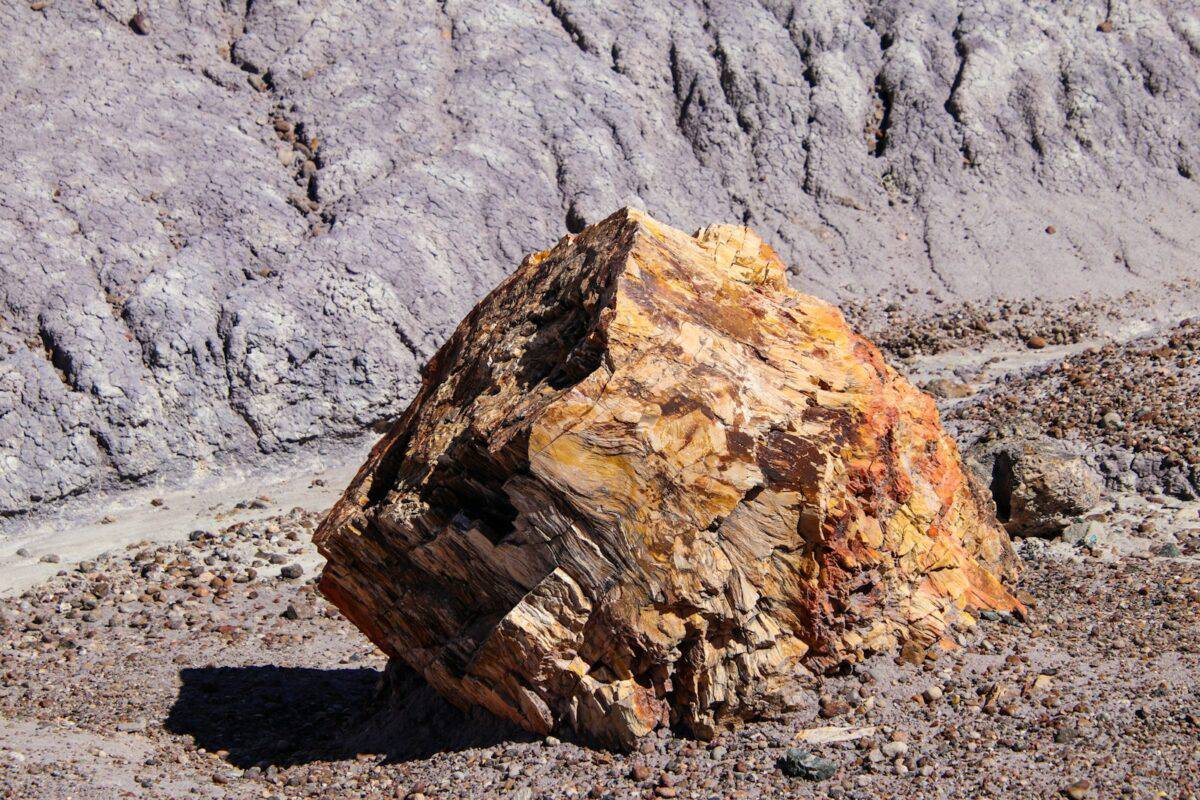
The petrified forest primarily consists of Archaeopteris trees, a genus that dominated Earth’s first forests. These massive plants could reach heights of 30 meters (98 feet) and featured a central trunk with branches bearing fern-like foliage. While sharing some characteristics with modern trees, including woody trunks and flat leaves, Archaeopteris represents a transitional form between earlier primitive plants and modern seed plants. The fossilized remains show impressive trunk diameters reaching up to one meter, suggesting a mature woodland environment. Additionally, researchers identified early conifer-like trees and primitive root systems that provide insights into how plants began developing strategies to extract nutrients from soil. These forest giants played a critical role in Earth’s oxygen production and carbon sequestration, helping shape atmospheric conditions that would eventually support complex animal life.
The Petrification Process: How Trees Turn to Stone
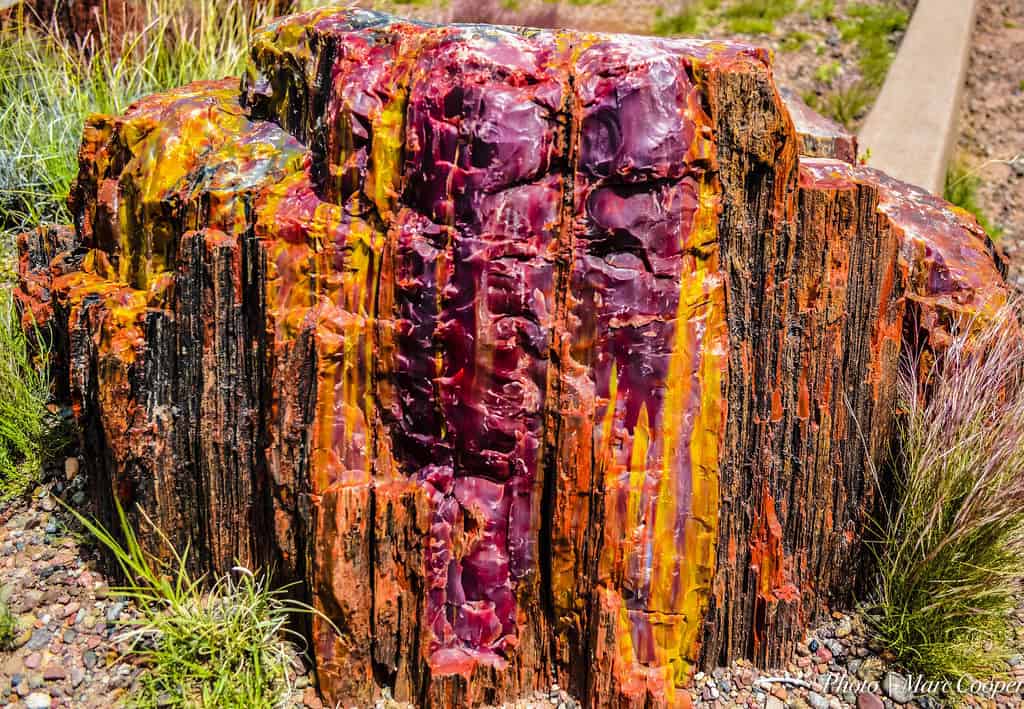
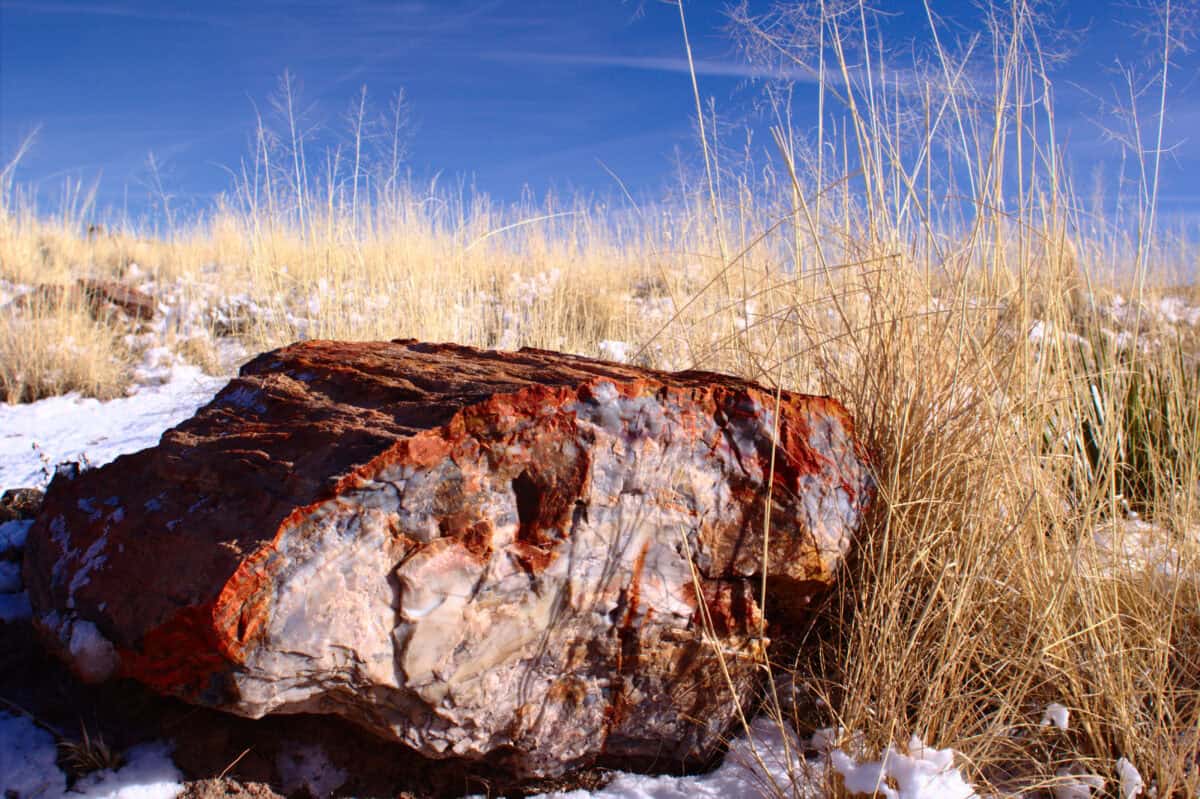
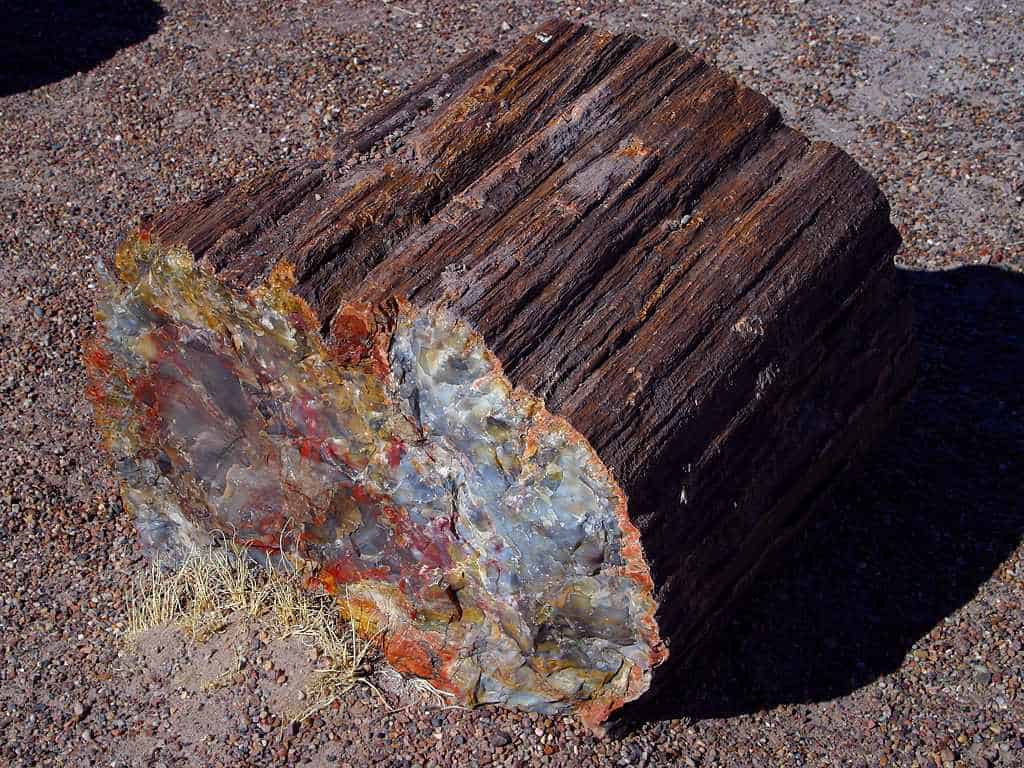
The exceptional preservation of this ancient forest resulted from a remarkable geological process called petrification. After the trees died, they were rapidly buried by sediment, likely from flooding events or volcanic ash. This quick burial prevented normal decomposition by limiting oxygen exposure. Groundwater rich in dissolved minerals—predominantly silica, but also calcite, pyrite, or other minerals—gradually infiltrated the buried organic material. As the wood’s cellular structure slowly decayed, these minerals precipitated in the empty spaces, creating perfect stone replicas of the original tissues. The process preserved incredible microscopic details, including growth rings, cell structures, and even evidence of ancient fungal interactions. In the Moroccan site, the predominant petrifying mineral was silica, resulting in the quartz-like appearance of the fossils. This extraordinarily detailed preservation allows scientists to study these ancient plants at cellular and tissue levels, offering unprecedented insights into their biology.
Why This Forest Predates Dinosaurs
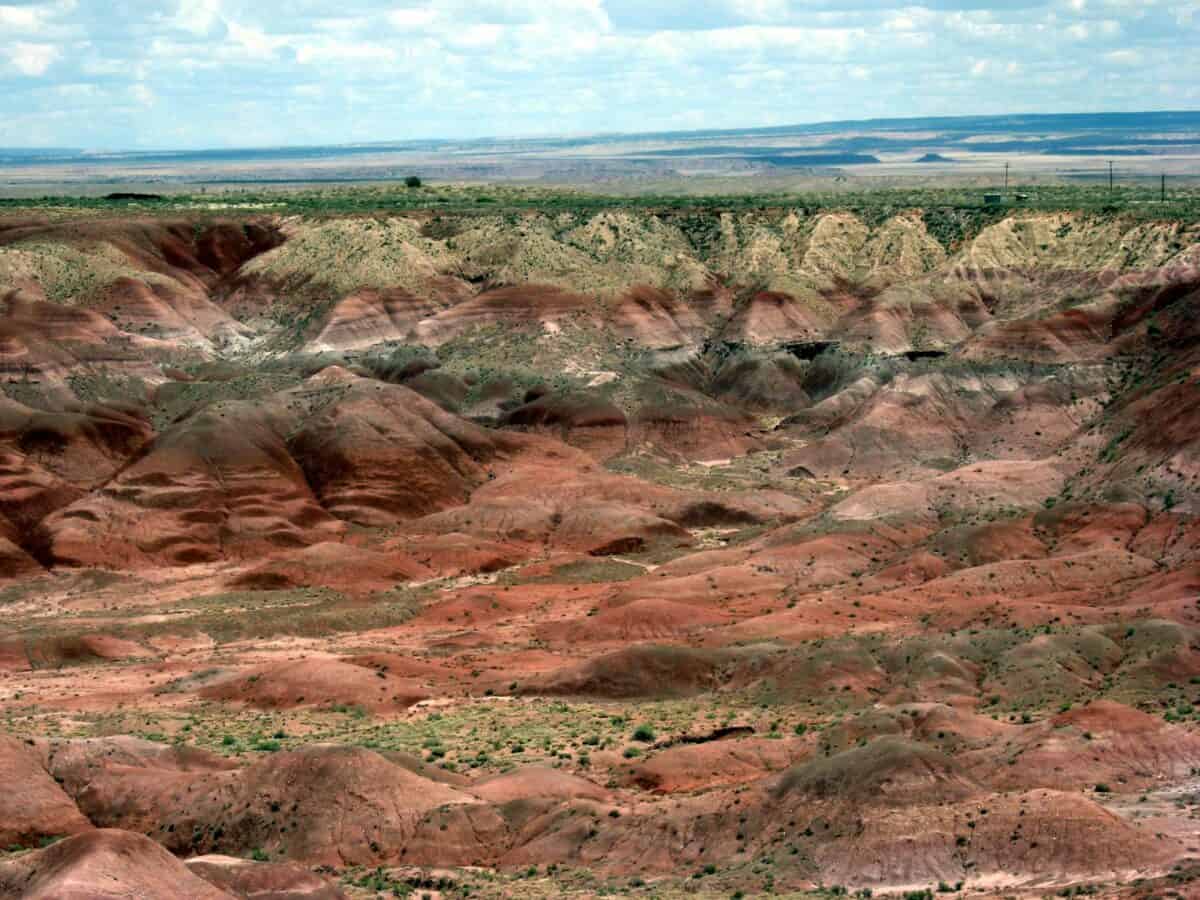
The temporal gap between this ancient forest and the first dinosaurs spans approximately 120 million years—a vast expanse of Earth’s history. Dinosaurs first appeared during the Late Triassic period, roughly 230 million years ago, while this Moroccan forest thrived around 350 million years ago during the Late Devonian. To put this in perspective, the time between this forest and the first dinosaurs exceeds the time between the last dinosaurs and the present day. When these trees were growing, vertebrate life was primarily aquatic, with primitive amphibians just beginning to explore terrestrial habitats. The earliest known reptiles wouldn’t appear for another 40 million years. This chronological context underscores the forest’s significance—it represents an entirely different chapter of Earth’s history, one where plants were the pioneers of terrestrial ecosystems, establishing the foundations for all land-based life that would follow, including the dinosaurs themselves.
Ecological Significance: Earth’s First Complex Forests
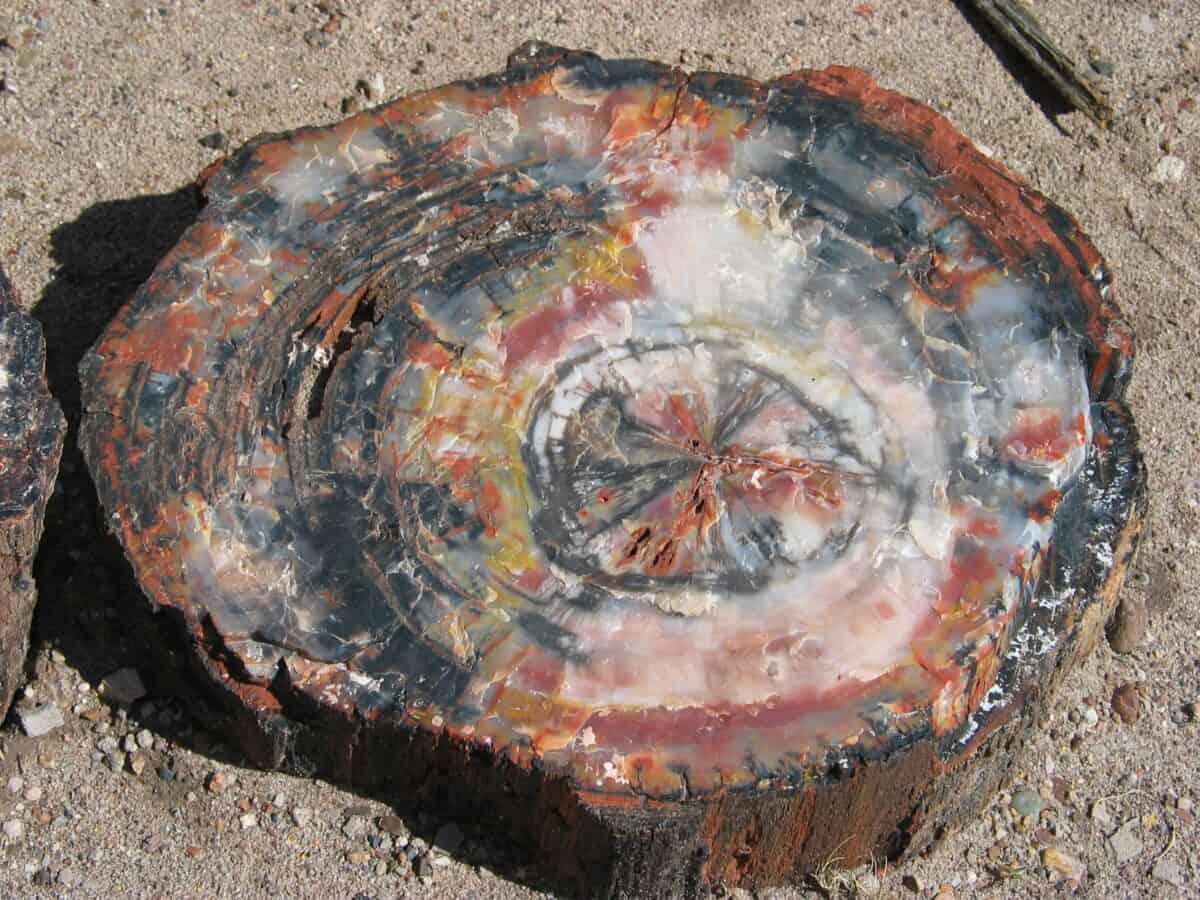
The Moroccan petrified forest represents one of Earth’s first complex terrestrial ecosystems. Prior to forests like this, land environments were relatively simple, dominated by low-growing plants with limited vertical structure. The emergence of large trees created entirely new ecological niches, allowing for greater biodiversity. These early forests began the process of soil formation through root penetration and organic matter accumulation. They altered local hydrological cycles and created microhabitats with varying light, moisture, and temperature conditions. Analysis of the Moroccan site reveals evidence of different forest layers, suggesting ecological specialization was already occurring. The forest likely supported various invertebrates, including early insects, millipedes, and perhaps primitive arachnids, though fossil evidence of these creatures is limited. This complex ecosystem engineering by plants laid the groundwork for all terrestrial biomes that would develop later, making discoveries like this essential for understanding how Earth’s surface environments evolved.
Climate Impact: How Early Forests Changed Earth
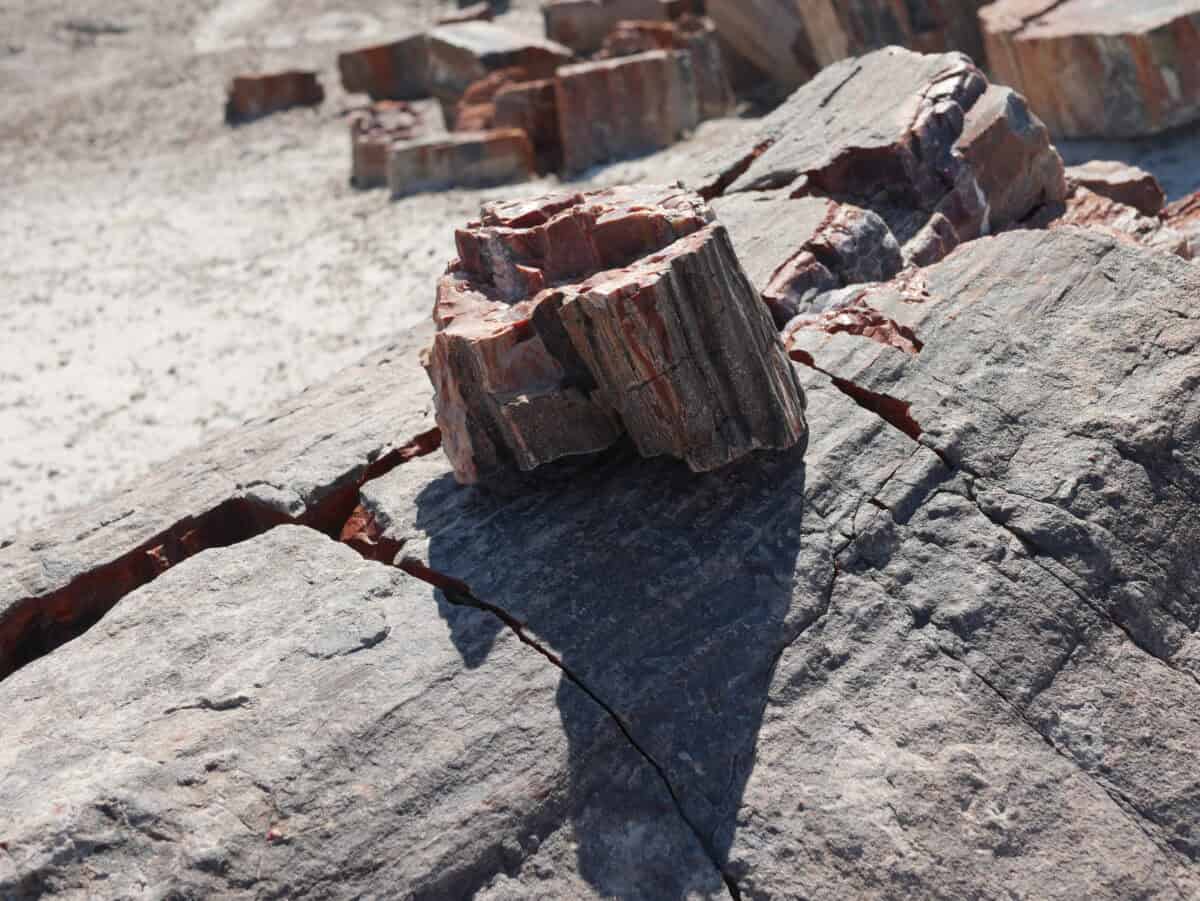
The emergence of forests like the one discovered in Morocco fundamentally altered Earth’s climate and atmospheric composition. These early trees and their associated ecosystems became powerful carbon sinks, extracting carbon dioxide from the atmosphere through photosynthesis and sequestering it in woody tissues and soil. This process contributed to a significant cooling event near the end of the Devonian period. Oxygen production also increased dramatically, helping to raise atmospheric oxygen levels that would eventually support larger animal life. The forests modified local and regional hydrological cycles through evapotranspiration and rainfall interception. The extensive root systems prevented soil erosion and altered weathering patterns of underlying rocks, changing mineral cycling on a global scale. Scientists studying the Moroccan petrified forest have found evidence of these processes in the surrounding sedimentary layers, offering insights into how Earth’s early forests helped shape the planet’s climate trajectory and set the stage for later biological developments.
Comparison with Other Ancient Forests
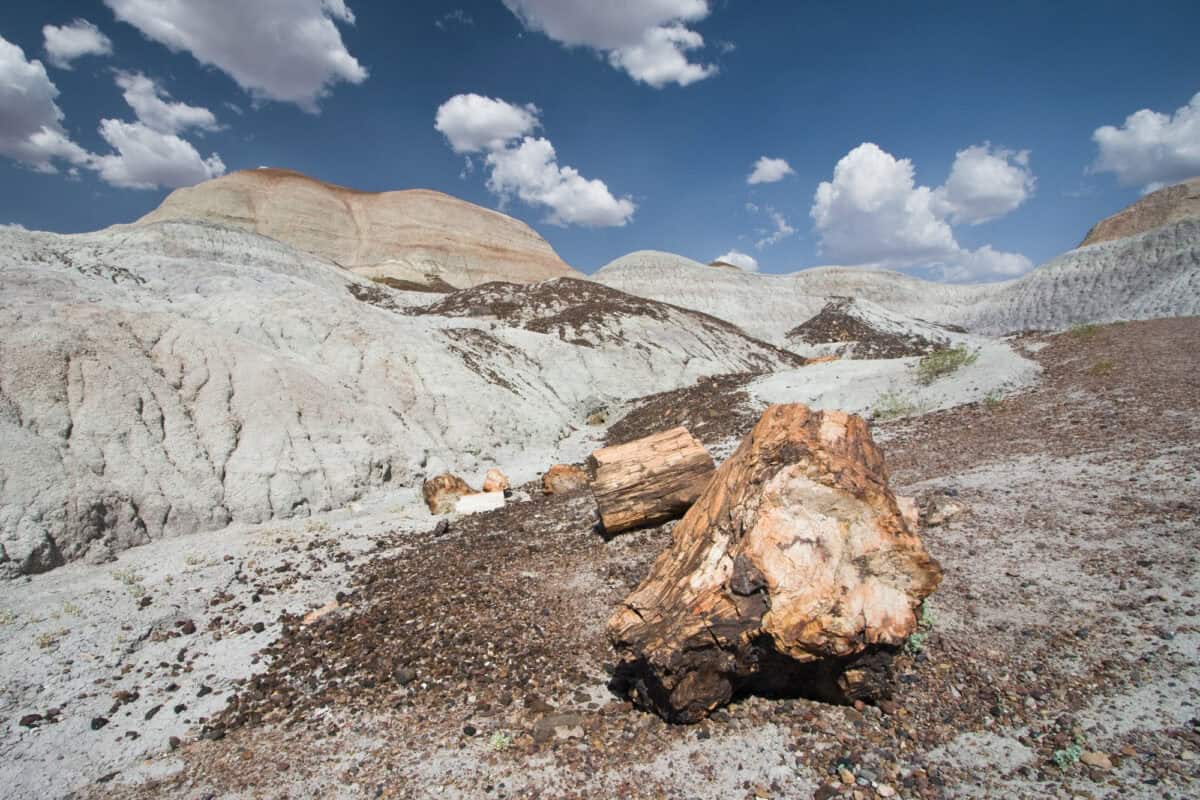
The Moroccan discovery joins a select group of ancient petrified forests that provide windows into Earth’s distant past. While older plant fossils exist, few sites preserve entire forest ecosystems in their original growing positions. The famous petrified forest in Arizona, though spectacular, is much younger, dating to the Triassic period (approximately 225 million years ago). The Gilboa fossil forest in New York state, dated to about 385 million years ago, was previously considered the oldest known forest. However, the Gilboa site contains fewer intact specimens and less ecosystem context than the Moroccan discovery. Cairo, New York, hosts another significant Devonian forest site approximately 382 million years old. What makes the Moroccan find particularly valuable is the exceptional preservation of complete root systems and the clear ecological organization visible in the arrangement of different tree types. This allows for more comprehensive ecosystem reconstruction than most comparable sites, offering a more complete picture of these primeval woodlands.
Research Methods: Dating and Analyzing the Forest
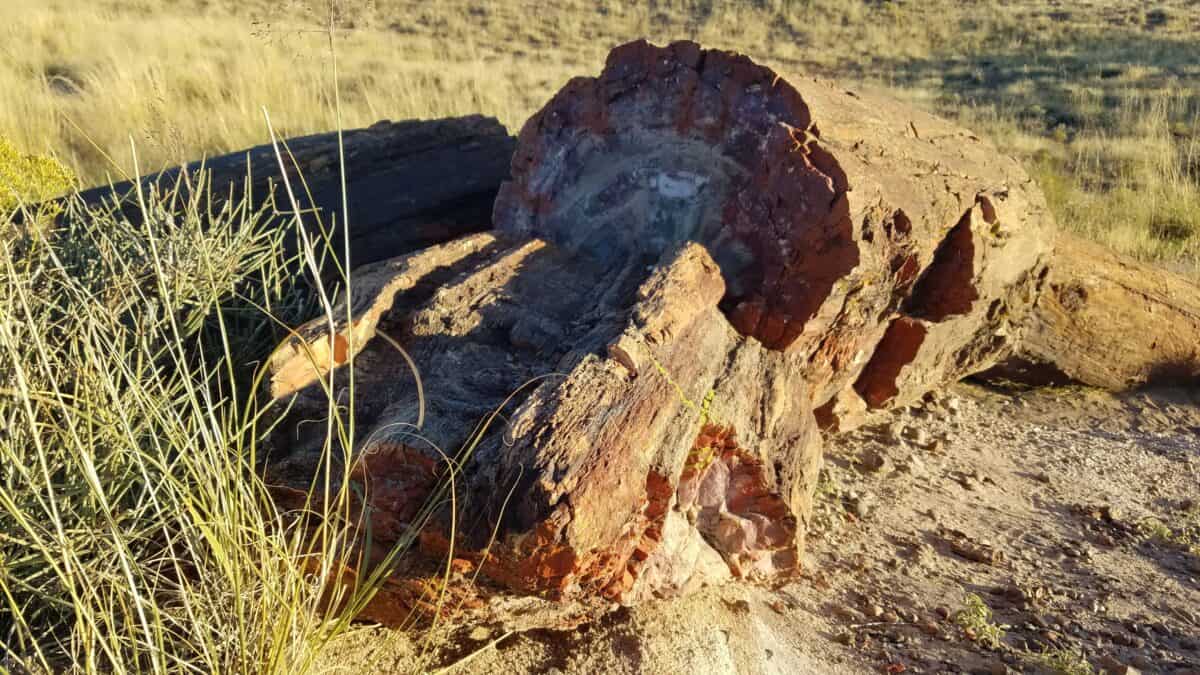
Scientists employed multiple sophisticated techniques to study and date this ancient forest. Radiometric dating of volcanic ash layers above and below the fossil horizon established the approximate age range of 350-345 million years. Palynology—the study of microscopic plant particles like spores and pollen—provided additional chronological confirmation and insights into the full plant diversity present. Thin-section microscopy allowed researchers to examine the cellular structure of the petrified wood, identifying distinctive anatomical features of Archaeopteris and other tree types. Scanning electron microscopy revealed ultra-fine details of plant tissues and evidence of interactions with other organisms. Geographic information systems (GIS) mapped the spatial distribution of different tree species and sizes across the site, enabling reconstruction of the forest’s structure. Geochemical analysis of the surrounding sediments helped determine the environmental conditions in which the forest grew. This multidisciplinary approach brought together geology, paleobotany, geochemistry, and ecology to extract maximum information from this exceptional fossil site.
The Forest’s Original Environment
Detailed analysis reveals that this ancient woodland thrived in a dramatically different world from today’s Morocco. During the Late Devonian, the region sat near the equator on the northern edge of Gondwana, experiencing a tropical to subtropical climate. The forest grew on a low-lying floodplain near the coast of a shallow sea, evidenced by alternating terrestrial and marine sediments surrounding the fossil layers. Seasonal flooding periodically inundated the forest, depositing sediments that helped preserve the trees. The climate featured distinct wet and dry seasons, as indicated by growth rings in some of the fossil wood. Atmospheric carbon dioxide levels were significantly higher than today, while oxygen comprised only about 15% of the atmosphere (compared to today’s 21%). No large herbivores existed to browse on the vegetation, so the forest structure was determined primarily by plant competition for light and resources rather than by animal interactions. Small streams crisscrossed the forest floor, their channels preserved as sandstone features between the petrified trunks. This reconstruction provides a vivid picture of a world long vanished but crucial to Earth’s evolutionary history.
Ongoing Excavation and Future Discoveries
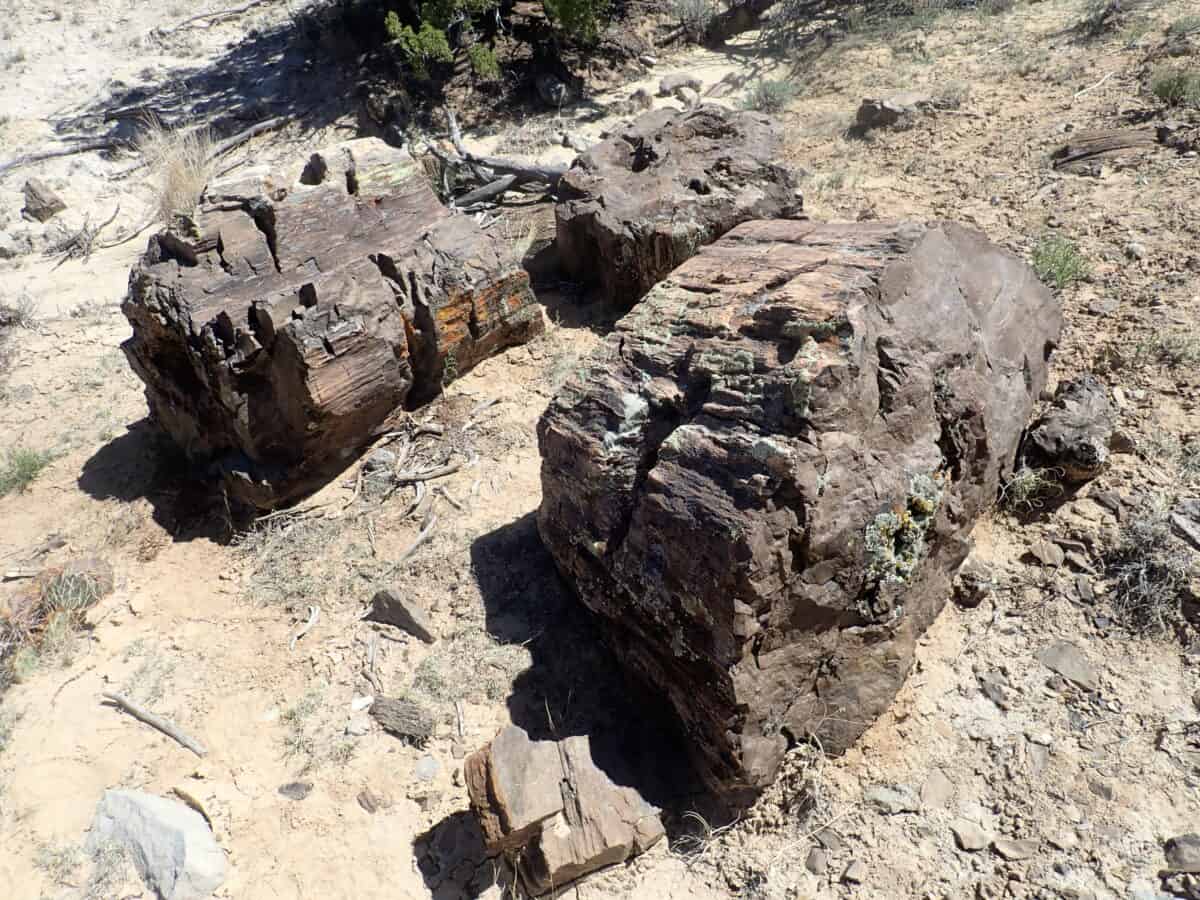
The excavation of the Moroccan petrified forest continues as an active research project, with only a portion of the site thoroughly documented so far. Initial surveys suggest the preserved forest extends across several hectares, potentially containing thousands more specimens beneath the surface. Researchers are employing ground-penetrating radar to map the forest’s full extent before physical excavation disturbs the site. A team of international scientists from Morocco, the United Kingdom, the United States, and France is collaborating on the project, bringing diverse expertise to the investigation. Careful excavation techniques, including hardening agents to preserve fragile specimens, ensure maximum data recovery. The research team anticipates finding evidence of ancient insects and other invertebrates as work progresses, potentially including species previously unknown to science. Future plans include creating a detailed three-dimensional model of the entire forest ecosystem and establishing an on-site research center and educational facility. Each field season reveals new aspects of this ancient ecosystem, promising continued scientific discoveries for decades to come.
Conservation Challenges and Preservation Efforts
The extraordinary scientific value of the Moroccan petrified forest has prompted comprehensive conservation efforts. Immediately following discovery, Moroccan authorities designated the site as protected, restricting access to researchers and conservation specialists. The remote location offers some natural protection, but increased attention brings risks of unauthorized fossil collection. A dedicated conservation team is documenting every specimen with high-resolution photography and 3D scanning before any removal occurs. For specimens that must be excavated for scientific study, precise location data and orientation information are recorded. Local community involvement forms a cornerstone of the conservation strategy, with nearby villages participating in site monitoring and receiving training in fossil preservation techniques. International organizations including UNESCO are evaluating the site for potential World Heritage status, which would bring additional protection resources. Climate change presents long-term challenges, as increasingly extreme weather in the region could accelerate erosion of exposed fossils. Researchers are developing specialized protective coatings for exposed specimens that resist weathering while allowing scientific examination to continue. These multifaceted conservation efforts aim to preserve this irreplaceable scientific treasure for both research and future generations.
Conclusion: A Time Capsule from Earth’s Deep Past
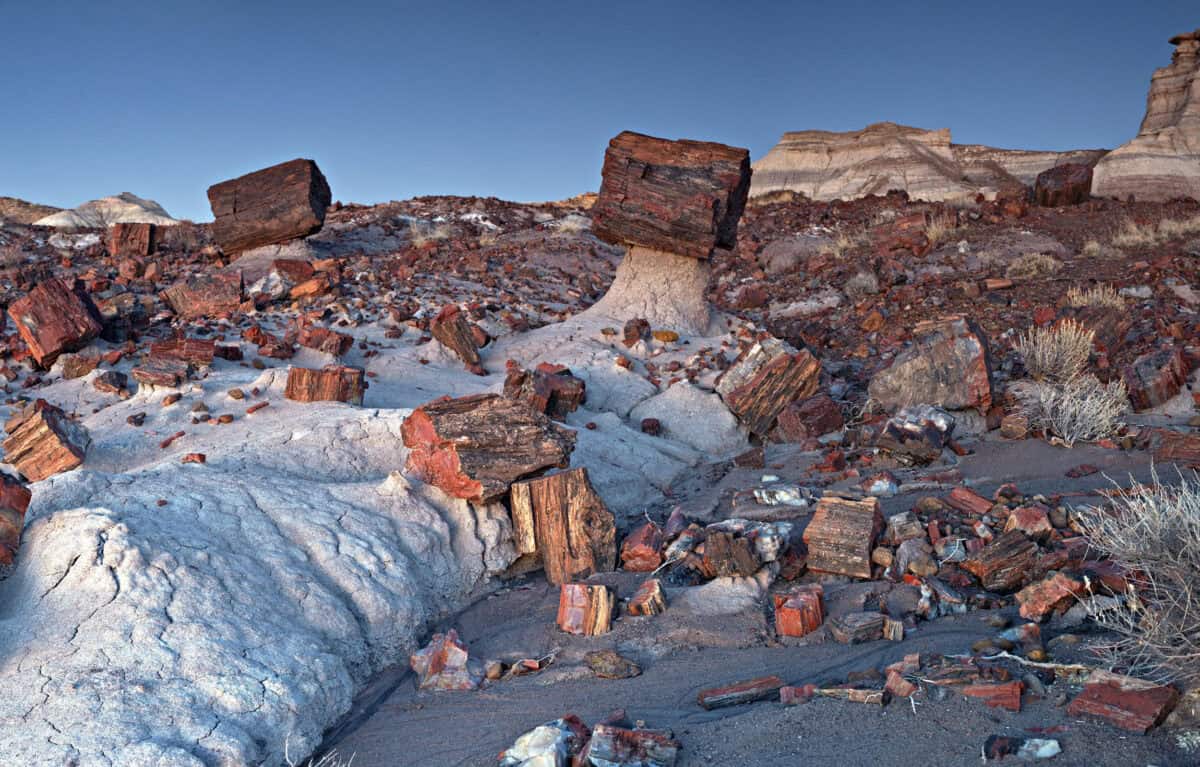
The Moroccan petrified forest stands as an extraordinary time capsule from an era long before dinosaurs roamed the Earth, offering unprecedented insights into our planet’s evolutionary journey. These ancient trees, which turned to stone through geological processes spanning millions of years, provide scientists with a direct window into the world as it existed 350 million years ago. The significance of this discovery extends far beyond paleontology, touching upon our understanding of climate change, ecosystem development, and the fundamental processes that shaped Earth into a habitable planet. As research continues at this remarkable site, each new finding adds another piece to the puzzle of how life conquered land environments and established the foundations for all terrestrial ecosystems that followed. In studying these ancient forests, we gain not only scientific knowledge but also a profound perspective on the immense timescales of Earth’s history and our own brief moment within it.

- The Mammal That Can Hold Its Breath the Longest - July 31, 2026
- What Happens If Humans Disappear From a Forest Ecosystem? - July 31, 2026
- How Do Sharks Survive in Oxygen-Deprived Waters? - July 31, 2026