


In the frigid wilderness of Alaska, northern Canada, and Siberia, something seemingly miraculous occurs each winter. Various species of fish become frozen solid in ice, appearing completely lifeless for months, only to thaw with the spring melt and swim away as if nothing happened. This remarkable adaptation has fascinated scientists for decades and challenges our understanding of what it means to be “frozen solid.”
From the tiny blackfish darting through Arctic pools to the remarkable Antarctic icefish with antifreeze proteins in their blood, these cold-weather specialists demonstrate nature’s incredible resilience in the face of extreme conditions. This article explores the science behind these freeze-tolerant and freeze-resistant fish, their survival mechanisms, and what their extraordinary abilities might teach us about cryobiology and human medicine.
The Remarkable Arctic Blackfish
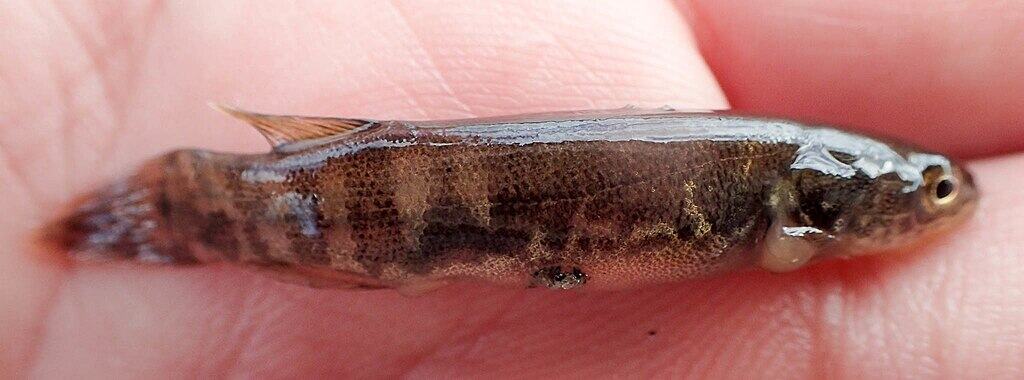
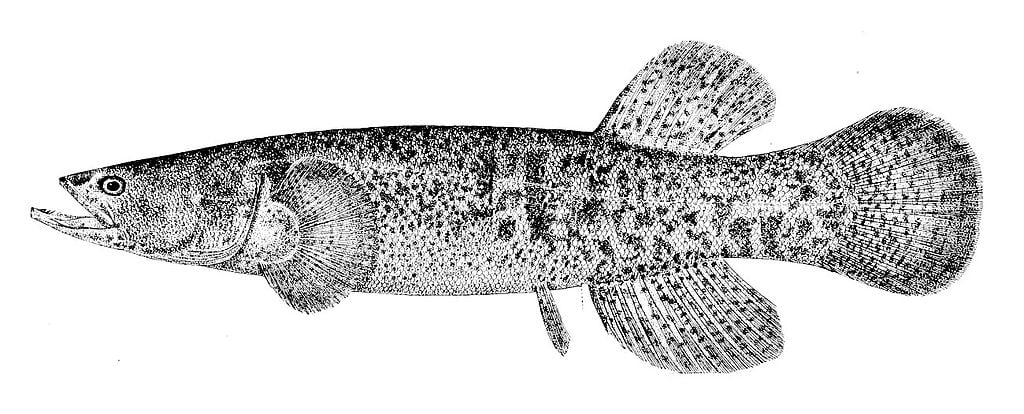
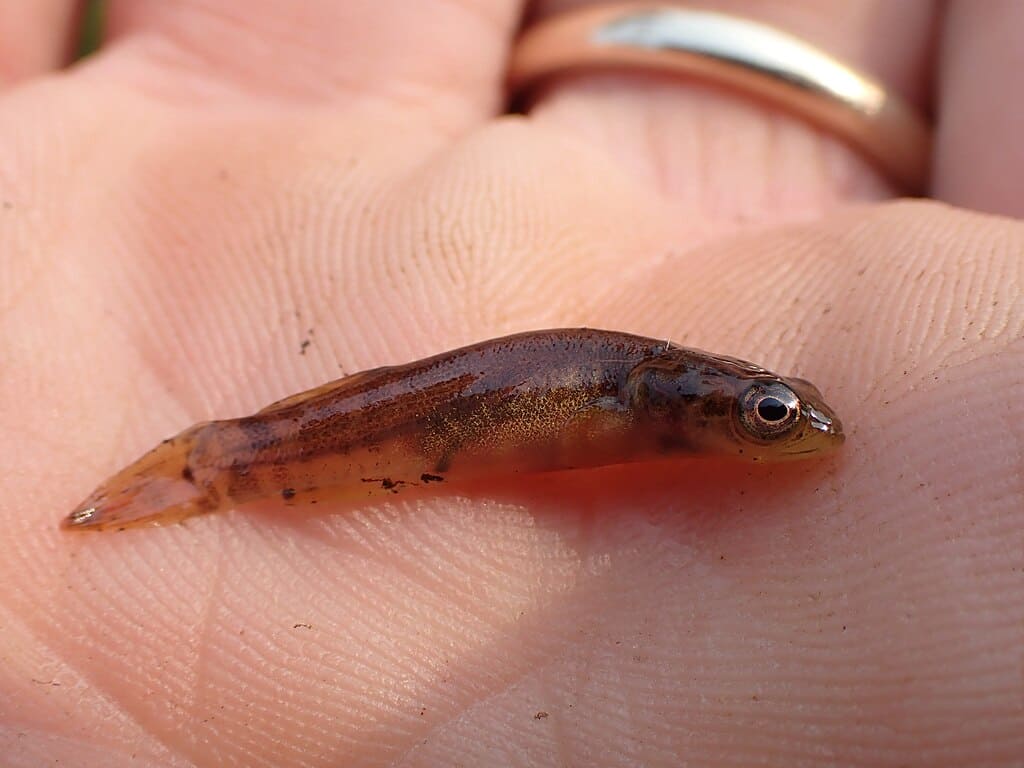
The Alaska blackfish (Dallia pectoralis) stands as perhaps the most impressive freeze-tolerant fish in North America. Native to Alaska and eastern Siberia, this small, elongated fish has evolved extraordinary adaptations to survive in the harshest Arctic environments. When shallow ponds freeze completely in winter, blackfish can endure being encased in ice at temperatures as low as 15°F (-9°C).
What makes this feat particularly remarkable is that these fish don’t simply enter dormancy—they maintain some biological functions even while mostly frozen. Their specialized blood chemistry, which includes naturally occurring antifreeze compounds, prevents complete ice formation within their cells and vital organs. When spring arrives and temperatures rise, the blackfish thaw out and resume normal activity, swimming away with no apparent harm from their frozen state. This adaptation allows them to survive in habitats too extreme for most other vertebrate species.
Understanding True Freezing vs. Supercooled States
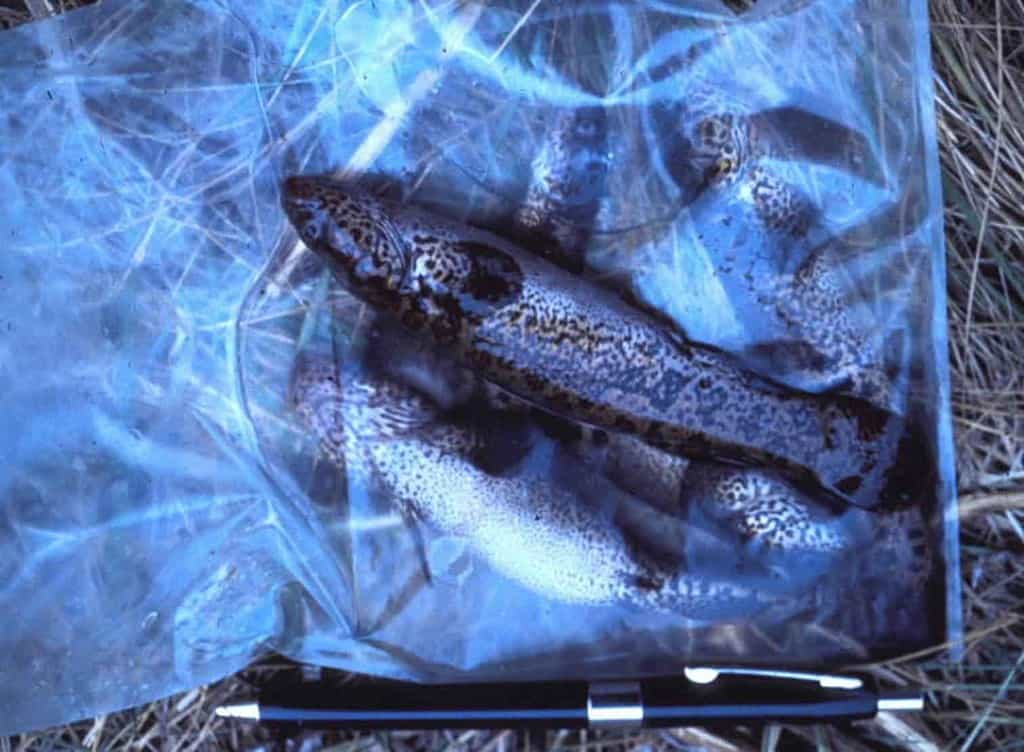
It’s important to clarify what “frozen solid” actually means in a biological context. When scientists describe these fish, they’re not suggesting the animals become completely frozen through and through like ice cubes. Rather, these fish enter specialized physiological states. Many cold-adapted fish utilize supercooling—a process where their bodily fluids remain liquid below normal freezing points.
Others practice regulated ice formation, where ice crystals form in controlled ways in extracellular spaces but not within cells themselves. True freeze tolerance involves allowing ice to form in specific body compartments while protecting vital organs and cellular structures. The distinction matters because complete freezing of all bodily water would invariably cause death in vertebrates due to cell rupture and metabolic shutdown. What these remarkable fish achieve is a middle ground—becoming partially frozen while maintaining critical biological functions in protected tissues.
The Science Behind Freeze Tolerance
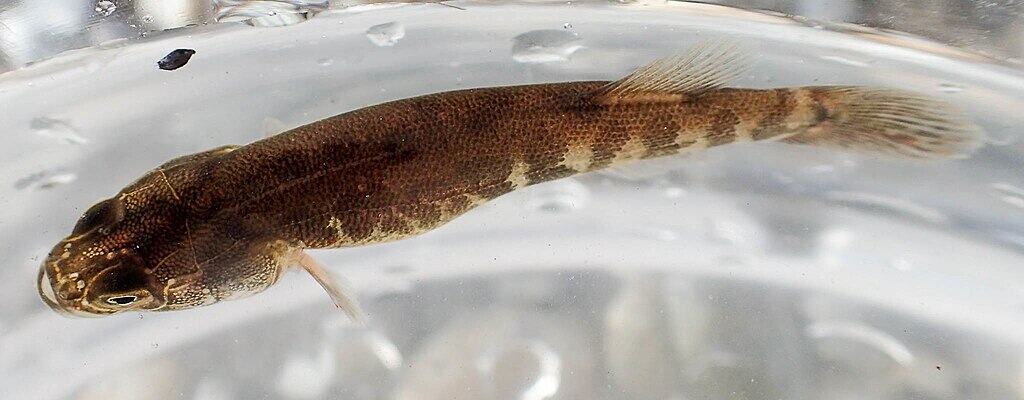
Freeze tolerance in fish represents one of nature’s most sophisticated survival mechanisms. At its core, the process involves preventing the catastrophic damage typically caused by ice crystal formation within cells. When water freezes, it expands and forms sharp crystals that can puncture cell membranes and destroy internal structures. Freeze-tolerant fish like the Alaska blackfish and some sculpins produce specialized proteins and glucose-based compounds that serve multiple protective functions.
Antifreeze glycoproteins (AFGPs) bind to tiny ice crystals as they begin to form, preventing them from growing larger. Meanwhile, these fish can elevate their blood glucose concentrations to act as a natural antifreeze, sometimes increasing levels 100-fold above normal. Additionally, their cells undergo controlled dehydration, pushing water out of cells where it can freeze more safely in extracellular spaces. This complex biochemical symphony allows them to endure partial freezing without suffering permanent damage.
Antarctic Icefish: Masters of Cold Adaptation
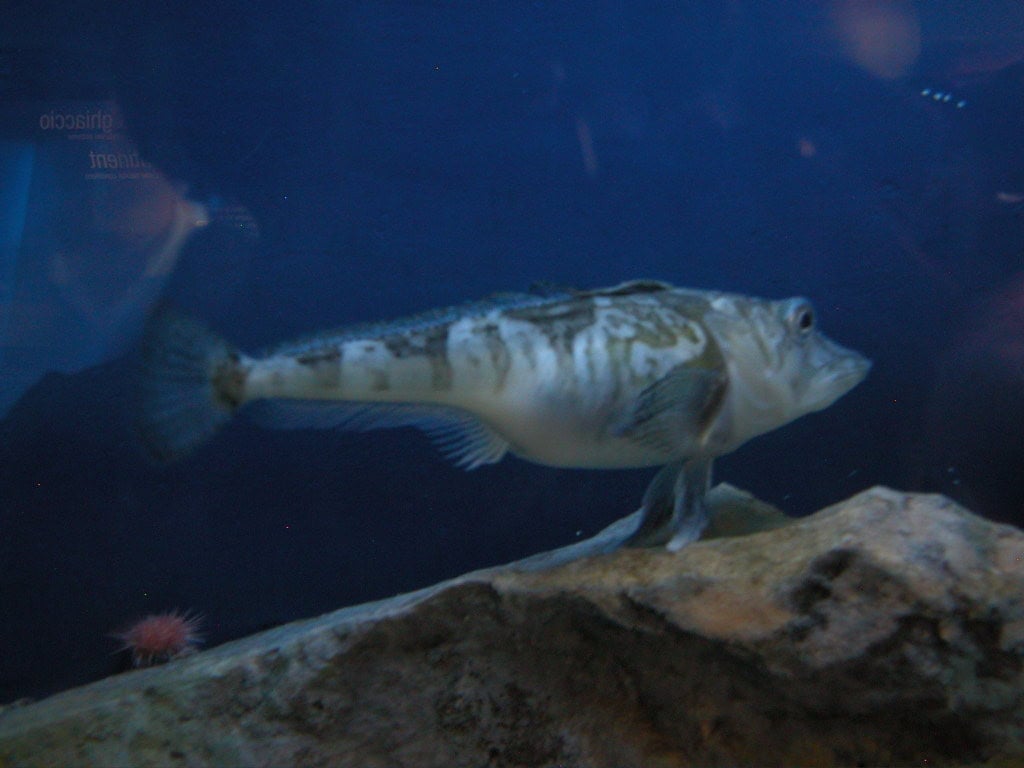
The waters surrounding Antarctica present some of Earth’s most challenging marine environments, with temperatures hovering just above seawater’s freezing point of 28.8°F (-1.8°C) year-round. In this extreme habitat, the Antarctic icefish (Notothenioidei) have evolved perhaps the most specialized cold adaptations of any vertebrate. Most remarkably, these fish produce high concentrations of antifreeze glycoproteins that lower the freezing point of their bodily fluids by about 2°C below the surrounding seawater.
Some species have even evolved to lack hemoglobin completely—the only vertebrates known to do so—which reduces blood viscosity in cold temperatures. Their transparent blood allows oxygen to dissolve directly in the plasma rather than binding to red blood cells. While Antarctic icefish don’t typically freeze solid like their Arctic counterparts, their specialized biology represents the pinnacle of cold-water adaptation, allowing them to thrive in temperatures that would kill most other fish species instantly.
The Crucian Carp: Europe’s Freeze Survivor
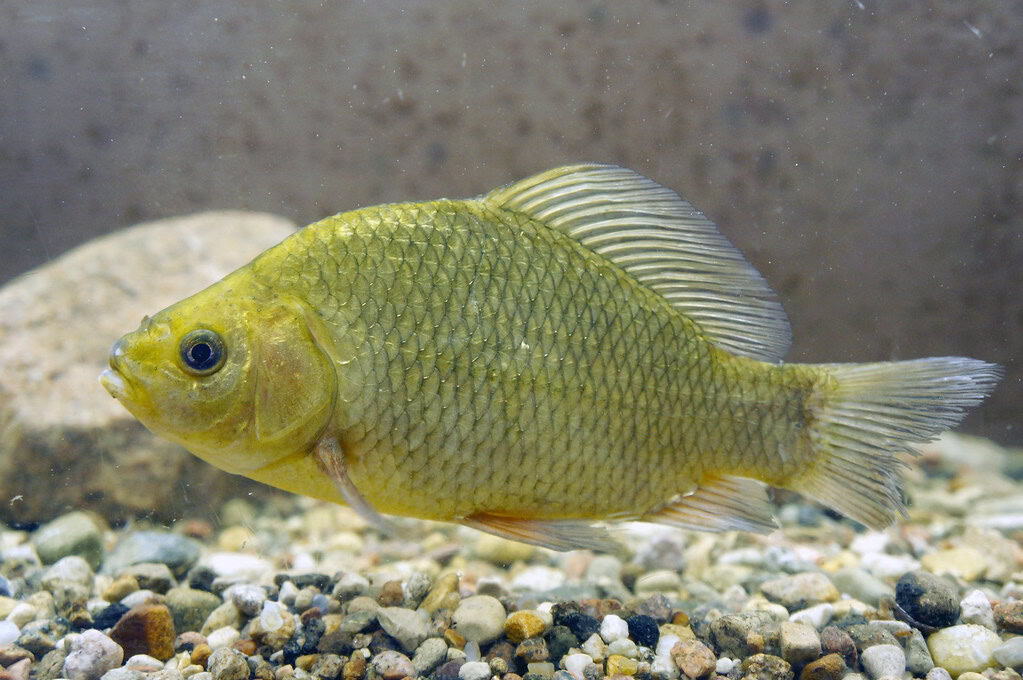
The crucian carp (Carassius carassius), common throughout northern Europe and Asia, demonstrates impressive cold-weather resilience. During harsh winters, these fish can survive in ponds that freeze almost completely, with only a thin unfrozen layer at the bottom. When oxygen levels plummet under ice, crucian carp switch to anaerobic metabolism, producing alcohol instead of lactic acid as a metabolic byproduct. This remarkable adaptation prevents acidic buildup that would otherwise prove fatal.
They essentially become the vertebrate equivalent of brewing vats, with blood alcohol concentrations sometimes exceeding legal driving limits for humans! While not true freeze-tolerant species like the blackfish, crucian carp can endure being embedded in ice with small portions of their bodies directly exposed to freezing temperatures. Their ability to survive these conditions while maintaining enough biological function to swim away when thawed demonstrates nature’s diverse approaches to cold survival. This adaptation allows crucian carp to inhabit waters too hostile for many predator species, giving them an ecological advantage.
Wood Frogs: The Frozen Vertebrate Champions

While not fish, wood frogs (Lithobates sylvaticus) deserve mention as the vertebrate world’s true freeze-tolerance champions. These remarkable amphibians can survive having up to 65% of their total body water converted to ice. During winter, wood frogs burrow into leaf litter where they allow themselves to freeze solid. Their hearts stop beating, they cease breathing, and all visible signs of life disappear.
The secret to their survival lies in glucose and urea accumulation in their tissues, which function as cryoprotectants—natural antifreeze compounds. Unlike most freeze-tolerant fish, which remain partially unfrozen, wood frogs essentially enter a state of suspended animation with no measurable metabolism. When spring temperatures arrive, they thaw from the inside out over 1-2 days and hop away, fully recovered. Their extraordinary ability exceeds what even the most cold-adapted fish can achieve, demonstrating the diverse evolutionary solutions to freezing challenges across different animal groups.
Traditional Knowledge of Indigenous Arctic Peoples
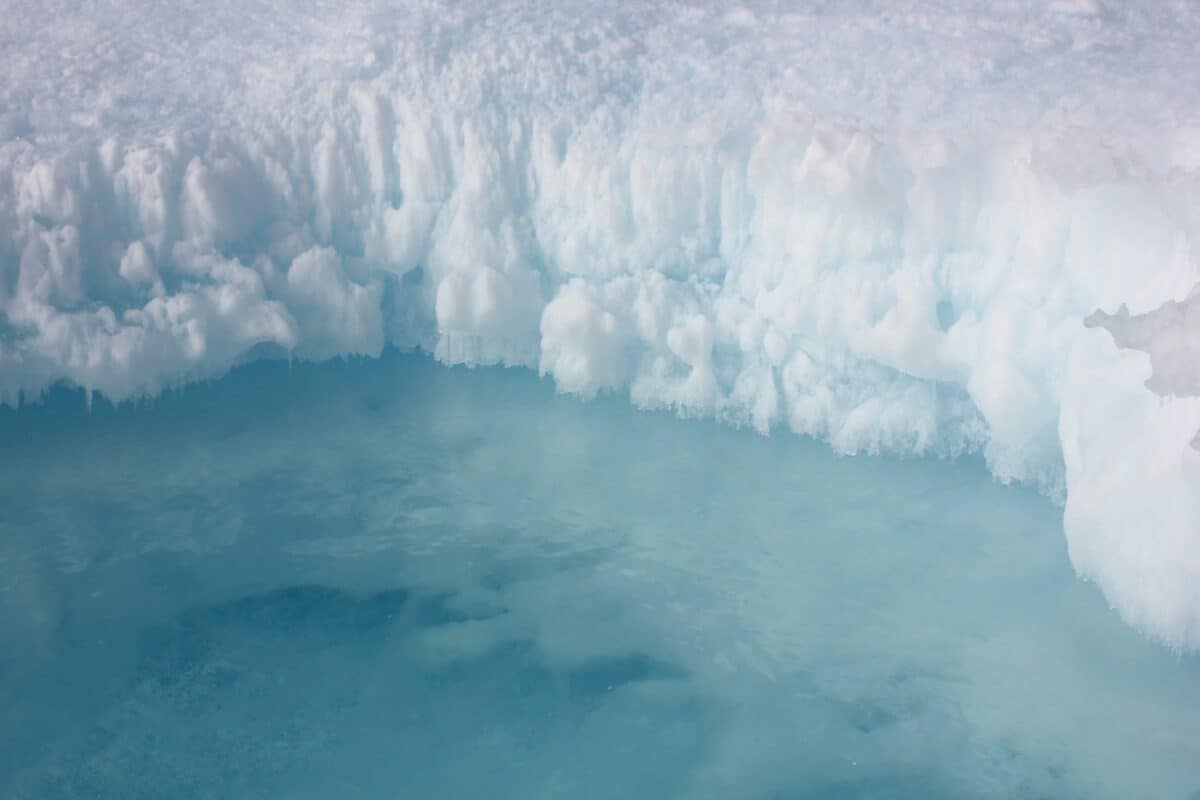
Long before modern science documented freeze tolerance in fish, Indigenous peoples of the Arctic fully understood and relied upon this phenomenon. The Iñupiat and Yup’ik peoples of Alaska have harvested “frozen” blackfish for generations, recognizing that these apparently solid fish would revive when thawed. Traditional knowledge included detailed understanding of which species could survive freezing and which could not.
This information was crucial for food security during the harsh Arctic winter when fresh food sources were scarce. Indigenous Alaskans would store blackfish in moss-lined pits or baskets where the fish would freeze naturally. When needed, they would bring them indoors, allow them to thaw, and the fish would revive—providing a living food source that required no preservation. This traditional ecological knowledge represents sophisticated understanding of animal physiology that predates Western scientific discovery by centuries, highlighting the importance of Indigenous knowledge systems in understanding extreme environments.
Cellular Mechanisms of Surviving Freezing
At the cellular level, freeze tolerance involves sophisticated protective systems that work in concert. When temperatures drop toward freezing, cold-adapted fish undergo controlled cell volume reduction, pushing water outward where it can freeze extracellularly without damaging vital cell components. Meanwhile, they rapidly synthesize protective compounds like antifreeze proteins, ice-binding proteins, and various cryoprotectants. These molecules interact with cell membranes to maintain their fluidity and prevent the lethal rigidity that would otherwise occur.
The fish also initiate expression of cold-shock proteins that repair damaged cellular components and protect essential molecular machinery like ribosomes and DNA. Perhaps most remarkably, these species can reduce their overall metabolism by up to 95% while preserving the function of critical organs through minimal blood circulation. This metabolic depression reduces energy requirements and waste production during the frozen state, allowing biological processes to essentially enter a carefully regulated pause that can be reversed upon thawing.
Implications for Human Medicine and Cryonics
The extraordinary freeze tolerance of certain fish species has captured the attention of medical researchers and cryobiologists seeking applications for human tissue preservation. Currently, human organs for transplantation can only be preserved for hours before deteriorating, creating significant logistical challenges for organ donation. The antifreeze proteins discovered in cold-water fish have inspired the development of synthetic versions that could potentially extend organ viability by preventing ice crystal formation.
These compounds are already being tested for improving frozen food texture and preserving mammalian cells for research. More speculatively, understanding how blackfish and other species survive freezing might eventually contribute to human cryopreservation technologies. While the gap between fish freeze tolerance and theoretical human applications remains vast, these natural models provide valuable insights into how complex biological systems might be protected during freezing and thawing processes, potentially revolutionizing transplant medicine and trauma care in the future.
Climate Change Threats to Freeze-Tolerant Species
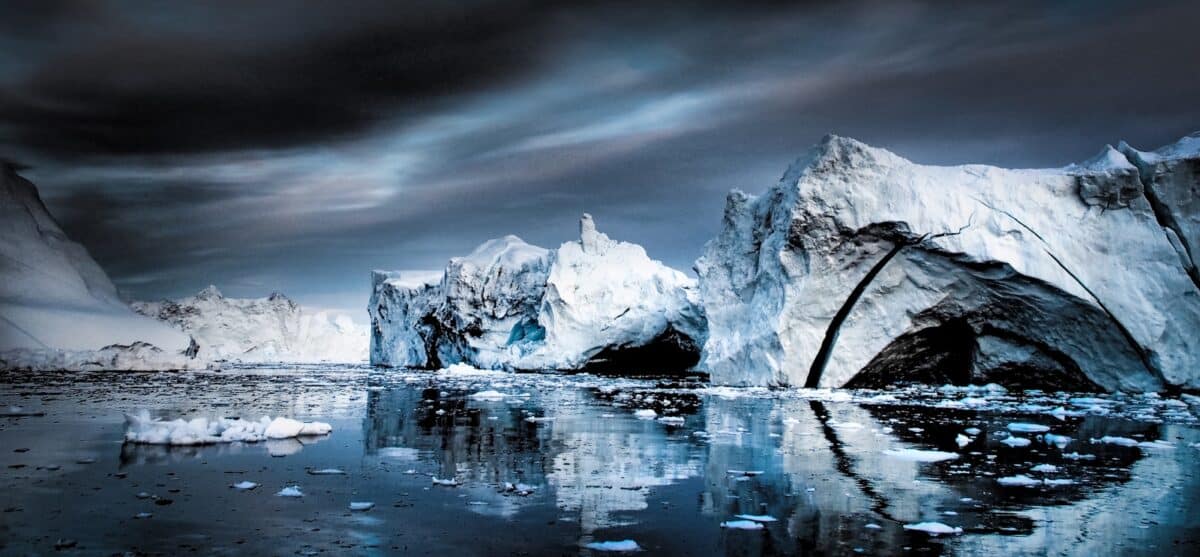
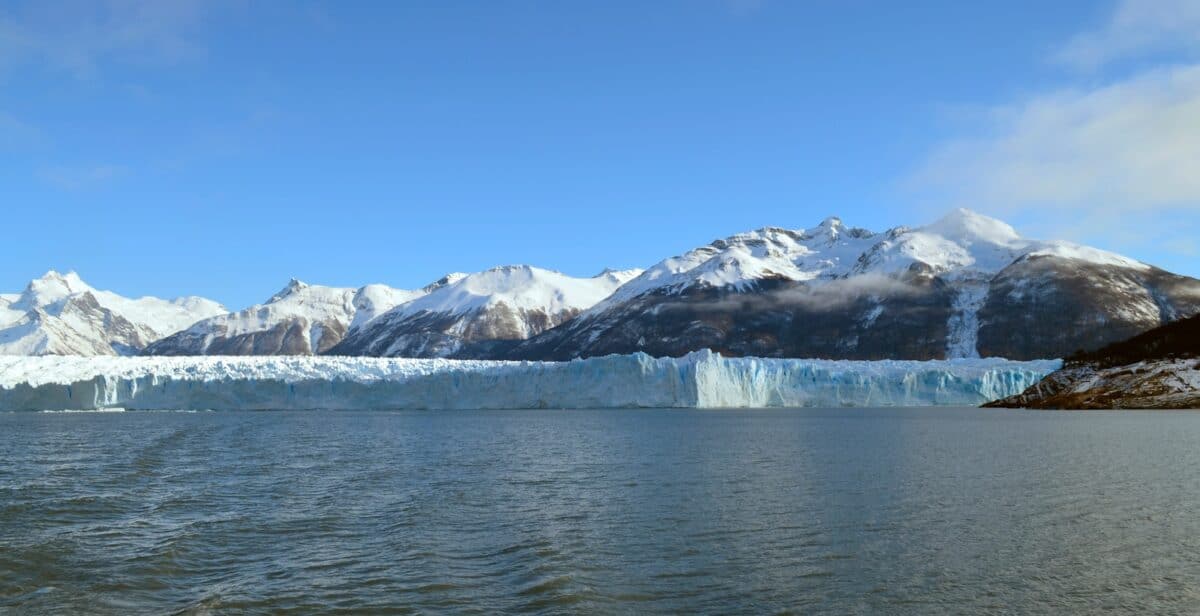
Ironically, the fish species most adapted to extreme cold face mounting threats from global warming. Climate change is altering Arctic and Antarctic environments at unprecedented rates, with polar regions warming faster than anywhere else on Earth. For freeze-tolerant and freeze-resistant fish, these changes present multiple challenges. Warmer winters mean shallow ponds may no longer freeze completely, potentially altering the evolutionary pressures that maintained these remarkable adaptations. Changing precipitation patterns are affecting the seasonal cycles of freezing and thawing that these species have evolved to exploit.
Additionally, warming waters allow less cold-adapted predator and competitor species to move northward, threatening the ecological niches that freeze-tolerant fish have dominated. The complex physiological mechanisms that allow species like the Alaska blackfish to survive freezing represent millions of years of evolutionary refinement. If environmental conditions change too rapidly, these specialized adaptations could become disadvantageous, potentially leading to population declines or localized extinctions before adaptation to new conditions can occur.
Documenting the “Miracle”: Scientific Observations
Scientific documentation of fish surviving frozen states dates back to the early 20th century, but detailed physiological studies began in earnest during the 1980s. Researchers like Dr. Brian Barnes at the University of Alaska Fairbanks have conducted extensive studies on the Alaska blackfish, documenting their survival at temperatures as low as 15°F (-9°C). In carefully controlled laboratory conditions, scientists have confirmed that these fish can indeed be partially frozen and return to normal function upon thawing.
High-definition imaging and advanced tissue analysis have revealed how ice forms in extracellular spaces while cells remain protected. Field studies have documen
ted blackfish emerging from frozen tundra ponds and resuming normal behaviors within hours of thawing. Similar observations in the wild by both scientists and Indigenous knowledge-holders have confirmed that this isn’t merely a laboratory phenomenon but a natural survival strategy. Modern research techniques like genetic analysis have begun unraveling the complex gene expression patterns that activate during freezing events, showing that these fish upregulate hundreds of genes related to cell protection, stress response, and metabolic depression when temperatures drop.
Practical Applications in Biotechnology

The freeze-tolerance adaptations of fish have already inspired numerous biotechnological applications. Antifreeze proteins discovered in polar fish are now used commercially to improve ice cream texture by preventing large ice crystal formation, resulting in smoother products. In agricultural applications, genes for these proteins have been experimentally inserted into some crop plants to increase frost resistance, though commercial deployment remains limited. The medical field has perhaps the most promising applications—blood banks are researching fish-derived cryoprotectants to improve long-term storage of blood products.
Fertility clinics already use some compounds inspired by natural freeze protection to preserve human eggs and embryos more effectively. Pharmaceutical preservation represents another growing application, with certain delicate biological pharmaceuticals benefiting from antifreeze protein addition during freeze-drying processes. As our understanding of the molecular mechanisms behind natural freeze tolerance continues to advance, we can expect an expanding range of applications that could revolutionize how we preserve biological materials. These innovations represent valuable technological adaptations derived from nature’s solutions to extreme environmental challenges.
The Extraordinary Resilience of Life
The phenomenon of fish surviving frozen states stands as a profound testament to life’s remarkable adaptability in the face of extreme environmental challenges. These cold-adapted species demonstrate that the boundary between life and death can be more fluid than we once imagined, with organisms capable of suspending and reactivating their biological processes in ways that seem almost miraculous. By studying how Alaska blackfish, crucian carp, and Antarctic icefish survive conditions that would kill most vertebrates, we gain deeper insights into the fundamental resilience mechanisms that have evolved across millions of years.
Their adaptations remind us that life has conquered nearly every environmental extreme on our planet through endless evolutionary innovation. As we face growing environmental challenges and seek solutions for human medical needs, these frozen fish that swim away offer both inspiration and practical models of nature’s problem-solving capacity. Their stories reveal that even in the harshest conditions, life finds a way to persist, adapt, and thrive—a lesson in resilience that extends far beyond biology alone.

From exploring the marine wonders in the Azores and witnessing the vast savannas of Kenya, to delving deep into the rich biodiversity of South Africa and traversing iconic landscapes in Australia and the US like Yellowstone, Chris's experiences are vast.
With a penchant for diving alongside sharks, the ocean holds a special place in his heart.
Through his academic insights, he champions wildlife conservation, striving with 'Animals Around The Globe' to cultivate a profound connection between humans and animals, enhancing our mutual appreciation.
Connect with him at Feedback@animalsaroundtheglobe.com.
- The Ethics of Keeping Exotic Pets: What You Need to Know - July 27, 2026
- If You Think a Shih Tzu Makes a Good Lap Dog, These 14 Are Better - July 27, 2026
- How Animals Use Speed to Survive in the Wild - July 27, 2026