


Along the rugged coastlines of the North Pacific Ocean, a remarkable ecological story is unfolding. Sea otters, those charismatic marine mammals known for floating on their backs and using tools, are doing far more than capturing our hearts with their playful antics—they are actively saving entire coastal ecosystems. These furry marine sentinels, once hunted to near extinction for their luxurious pelts, have emerged as crucial guardians of kelp forests, seagrass meadows, and the myriad species that depend on these habitats.
Their comeback represents one of conservation’s greatest success stories, but more importantly, it demonstrates the profound impact a single species can have on environmental health and stability. As climate change intensifies and marine habitats face mounting pressures, the ecological services provided by sea otters have never been more valuable. This article explores the fascinating ways these keystone predators are helping to restore balance to our coastal environments, sequestering carbon, protecting shorelines, and fostering biodiversity through their everyday behaviors.
The Near-Extinction and Remarkable Recovery of Sea Otters

Sea otters once thrived along the entire North Pacific Rim, from northern Japan to Baja California, with a population estimated at 150,000-300,000 individuals. The maritime fur trade of the 18th and 19th centuries decimated these numbers, with hunters prizing their exceptionally dense fur—the thickest of any mammal at up to 1 million hairs per square inch. By 1911, when the International Fur Seal Treaty finally offered protection, fewer than 2,000 sea otters remained worldwide, scattered across 13 remnant colonies. The species had vanished entirely from many regions, including British Columbia, Washington, Oregon, and California south of Monterey Bay.
Recovery efforts began in the 1960s and 1970s with translocation programs that moved otters from Alaska to previously inhabited areas along the western coast of North America. Today, the global sea otter population has rebounded to approximately 125,000 individuals. While still below historical numbers and listed as endangered by the IUCN, certain populations—particularly in Alaska—have made impressive comebacks. This recovery, though still ongoing and fragile in many regions, has allowed scientists to document the remarkable ecological transformations that occur when sea otters return to their native habitats.
Keystone Predators: Understanding the Sea Otter’s Ecological Role

In 1969, ecologist Robert Paine coined the term “keystone species” after observing how the removal of a single predator—the sea star—dramatically altered intertidal communities. Sea otters have since become the textbook example of this concept, with their influence on coastal ecosystems vastly disproportionate to their numbers. As apex predators in nearshore environments, sea otters consume approximately 25% of their body weight daily, primarily feeding on sea urchins, crabs, clams, and other shellfish. This prodigious appetite serves as a crucial ecological control mechanism.
When sea otters disappear from an ecosystem, their prey—particularly sea urchins—experience population explosions. Unchecked by predation, these invertebrates can devastate kelp forests and seagrass meadows, creating what scientists call “urchin barrens”—underwater deserts largely devoid of vegetation and diversity. By controlling urchin populations, sea otters indirectly protect these foundational plant communities, which in turn provide habitat, food, and oxygen for countless other species. This cascade of effects ripples throughout the entire ecosystem, influencing everything from fish populations to water quality, making the sea otter a true engineer of coastal health.
Guardians of the Kelp Forest: How Otters Protect Marine Forests

Kelp forests rank among the most productive ecosystems on Earth, growing up to two feet per day and forming underwater canopies that can reach heights of 175 feet. These marine forests provide critical three-dimensional habitat for over 1,000 species of fish, invertebrates, and other marine life. However, these magnificent underwater forests are highly vulnerable to grazing by sea urchins, which feed voraciously on kelp holdfasts—the anchoring structures that attach kelp to the ocean floor.
Research along the California and Alaskan coasts has demonstrated that areas with healthy sea otter populations typically maintain kelp forest coverage 2-4 times greater than areas without otters. A landmark study in the Aleutian Islands found that when sea otters declined by 90% due to orca predation, kelp forests subsequently decreased by 90% as well, replaced by urchin barrens. The mechanism is straightforward but powerful: each sea otter consumes up to 1,000 sea urchins per day, preventing these spiny herbivores from overgrazing. By maintaining this ecological balance, sea otters effectively serve as living shields for entire forest ecosystems. Scientists have documented increased fish diversity, greater abundance of commercially important species, and improved overall ecosystem resilience in kelp forests protected by sea otter populations.
Seagrass Saviors: The Unexpected Benefits for Marine Meadows

While the sea otter’s role in protecting kelp forests has been recognized for decades, their positive impact on seagrass meadows represents a more recent scientific discovery. Seagrasses are flowering plants that form dense underwater meadows in shallow coastal waters, providing crucial nursery habitat for fish, filtering water, stabilizing sediments, and storing carbon at rates up to 35 times faster than tropical rainforests. These valuable ecosystems have declined globally by approximately 29% since the late 19th century.
In Elkhorn Slough, a tidal estuary in California, researchers discovered that the return of sea otters correlated with a 30% expansion in seagrass coverage. This connection initially puzzled scientists, as otters don’t eat seagrass and rarely consume the invertebrates that directly graze on it. Further investigation revealed an elegant indirect relationship: sea otters prey on crabs, which in turn feed on small invertebrates like sea slugs that clean algae off seagrass blades. By reducing crab populations, otters allow these beneficial grazers to flourish, keeping the seagrass free from light-blocking algal growth. This trophic cascade demonstrates the complex and often surprising ways sea otters benefit coastal environments beyond their direct predatory activities.
Climate Heroes: Sea Otters as Carbon Sequestration Allies

In the fight against climate change, sea otters have emerged as unexpected allies. By protecting and promoting the growth of kelp forests and seagrass meadows, these marine mammals indirectly enhance one of nature’s most effective carbon capture systems. Kelp can sequester up to 20 times more carbon per acre than terrestrial forests, while seagrass meadows store carbon in their root systems and surrounding sediments for thousands of years. Together, these marine plants—safeguarded by sea otters—represent significant “blue carbon” sinks.
A groundbreaking economic analysis published in 2012 estimated that the carbon sequestration services provided by sea otter-protected kelp forests in the Aleutian archipelago could be worth between $205 million and $408 million on the European Carbon Exchange. More recent research suggests that a single sea otter, through its lifetime protection of kelp forests, may indirectly sequester carbon equivalent to the emissions from 6-15 passenger vehicles. This ecological service becomes increasingly valuable as nations seek nature-based solutions to climate change. By restoring sea otter populations, coastal communities can potentially enhance local carbon sequestration while simultaneously improving ecosystem health and resilience against climate-related stressors like ocean acidification.
Coastal Protection: Natural Barriers Against Erosion and Storms

The dense kelp forests and seagrass meadows protected by sea otters serve as natural breakwaters, dissipating wave energy before it reaches the shoreline. This buffering effect can reduce coastal erosion by up to 70% during normal conditions and provides critical protection during severe storms and hurricanes. As climate change drives sea level rise and increases the frequency of extreme weather events, these natural barriers become increasingly valuable for coastal communities.
In Monterey Bay, California, researchers have documented how kelp forests maintained by healthy otter populations reduce wave heights by an average of 5-7%, with even greater reductions during major storm surges. The root systems of seagrasses similarly help anchor sediments in place, preventing erosion and maintaining shoreline stability. The economic value of this coastal protection service is substantial—a 2016 study estimated that natural kelp barriers save coastal communities worldwide approximately $2.2 billion annually in prevented damage and reduced need for artificial shoreline protection. By facilitating the recovery and expansion of these protective vegetation systems, sea otters provide a cost-effective and environmentally sustainable approach to coastal defense that works with natural processes rather than against them.
Biodiversity Boosters: Creating Habitat for Countless Species
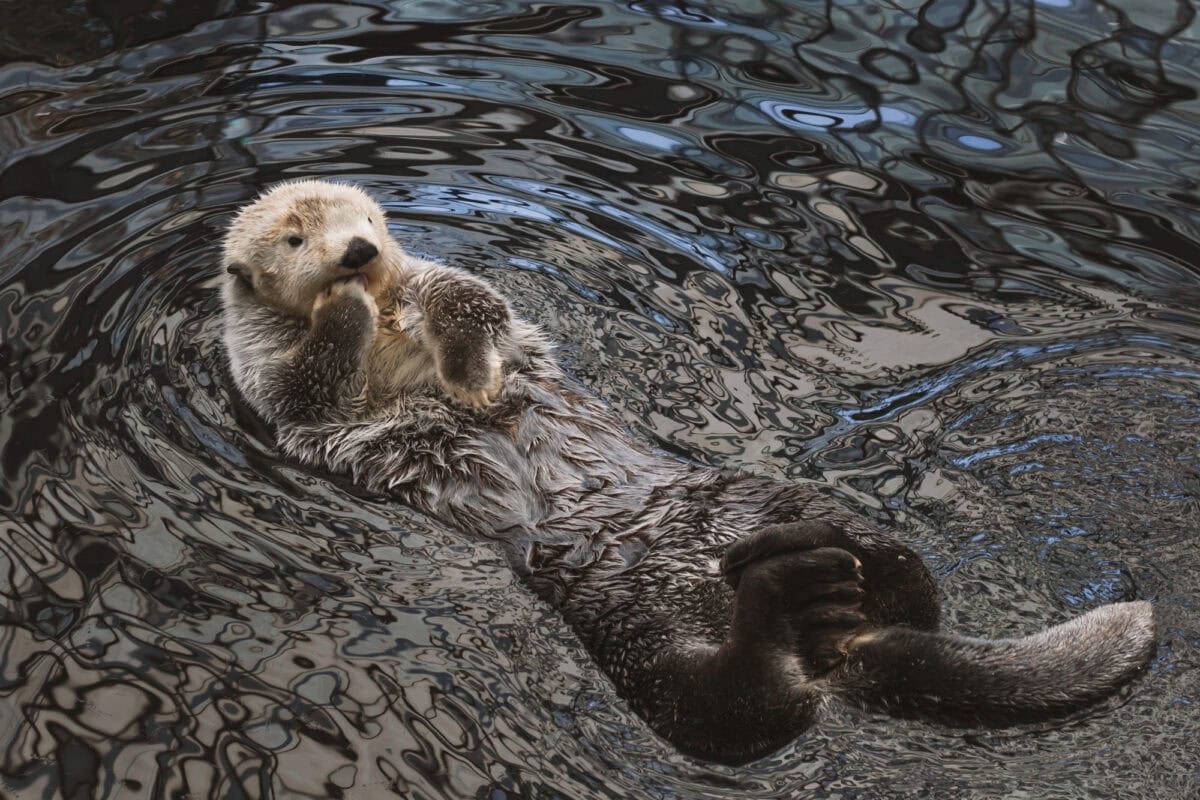
The ecological transformations triggered by sea otters create ripple effects that enhance biodiversity across multiple trophic levels. Kelp forests protected by sea otters typically support 20-30% higher species diversity compared to urchin barrens. These underwater forests provide essential habitat for more than 700 fish species, including commercially important populations of rockfish, lingcod, and salmon. The complex three-dimensional structure offers refuge from predators, spawning grounds, and abundant food sources.
Beyond fish, kelp forests and seagrass meadows support a remarkable variety of invertebrates, from microscopic amphipods to colorful nudibranchs and octopuses. These habitats also attract and sustain marine mammals like harbor seals and sea lions, as well as seabirds that feed on the abundant fish. In Alaska’s Glacier Bay National Park, researchers documented a 4-fold increase in bird species diversity in areas where sea otters had recovered compared to those where they remained absent. This biodiversity enhancement extends even to genetic diversity within species, as connected kelp forest corridors allow for greater population mixing and gene flow. By facilitating these rich, interconnected ecosystems, sea otters function as living catalysts for marine biodiversity, strengthening ecological resilience in the face of environmental change.
Economic Benefits: The Sea Otter Effect on Coastal Economies

Beyond their ecological contributions, sea otters generate significant economic benefits for coastal communities. Sea otter tourism has become a multi-million dollar industry in locations like Monterey Bay, California, and Vancouver Island, British Columbia. A 2018 economic impact study estimated that sea otter viewing generates approximately $15-20 million annually in direct tourism revenue for California coastal communities, supporting hundreds of jobs in wildlife tours, photography excursions, and associated hospitality services.
The fisheries benefits are equally substantial, though more complex to quantify. While sea otters do compete with humans for valuable shellfish like Dungeness crab and sea urchins, their protection of kelp forests and seagrass meadows enhances habitat for finfish species that often have higher commercial value. In southeast Alaska, researchers found that commercial finfish harvests were 35% higher in areas with recovered sea otter populations compared to similar areas without otters. Additionally, healthy kelp forests support more stable and resilient fish populations, potentially reducing year-to-year volatility in catch numbers. The net economic impact varies by region and fishery type, but comprehensive analyses typically find that the long-term economic benefits of sea otter presence outweigh short-term costs to certain shellfish industries, especially when ecosystem services like carbon sequestration, coastal protection, and tourism are included in the calculation.
Challenges and Conflicts: Balancing Human Needs with Ecological Recovery
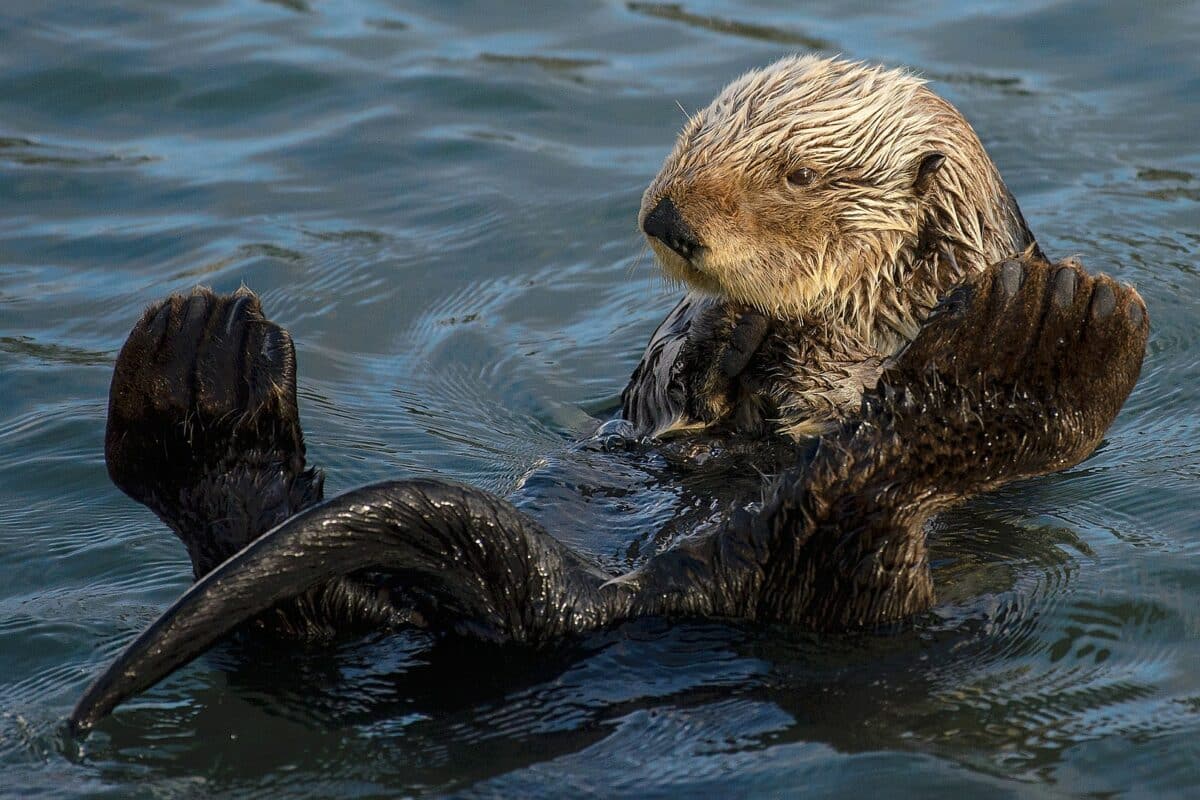
The recovery of sea otter populations has not been without controversy. Commercial shellfish harvesters and subsistence communities that depend on invertebrate resources have experienced direct competition from recovering otter populations. In southeast Alaska, sea otters have been estimated to consume approximately $7 million worth of commercially harvested shellfish annually. For Alaska Native communities with traditional dependence on clams, crab, and other marine invertebrates, this competition raises both economic and cultural concerns.
These conflicts highlight the need for balanced management approaches that recognize both ecological benefits and human impacts. In some regions, limited subsistence harvest of sea otters by Indigenous peoples is permitted under the Marine Mammal Protection Act. Other management strategies include spatial planning to designate certain areas as sea otter reserves while maintaining other areas for commercial or subsistence harvest. Collaborative research involving scientists, resource managers, industry representatives, and Indigenous knowledge holders is increasingly focused on finding sustainable compromises that allow for ecosystem recovery while supporting human communities. The challenge lies in transitioning from narrow single-species management to ecosystem-based approaches that acknowledge the complex trade-offs involved in marine conservation while seeking equitable solutions for all stakeholders.
Scientific Innovations: Tracking Sea Otter Impacts with Advanced Technology
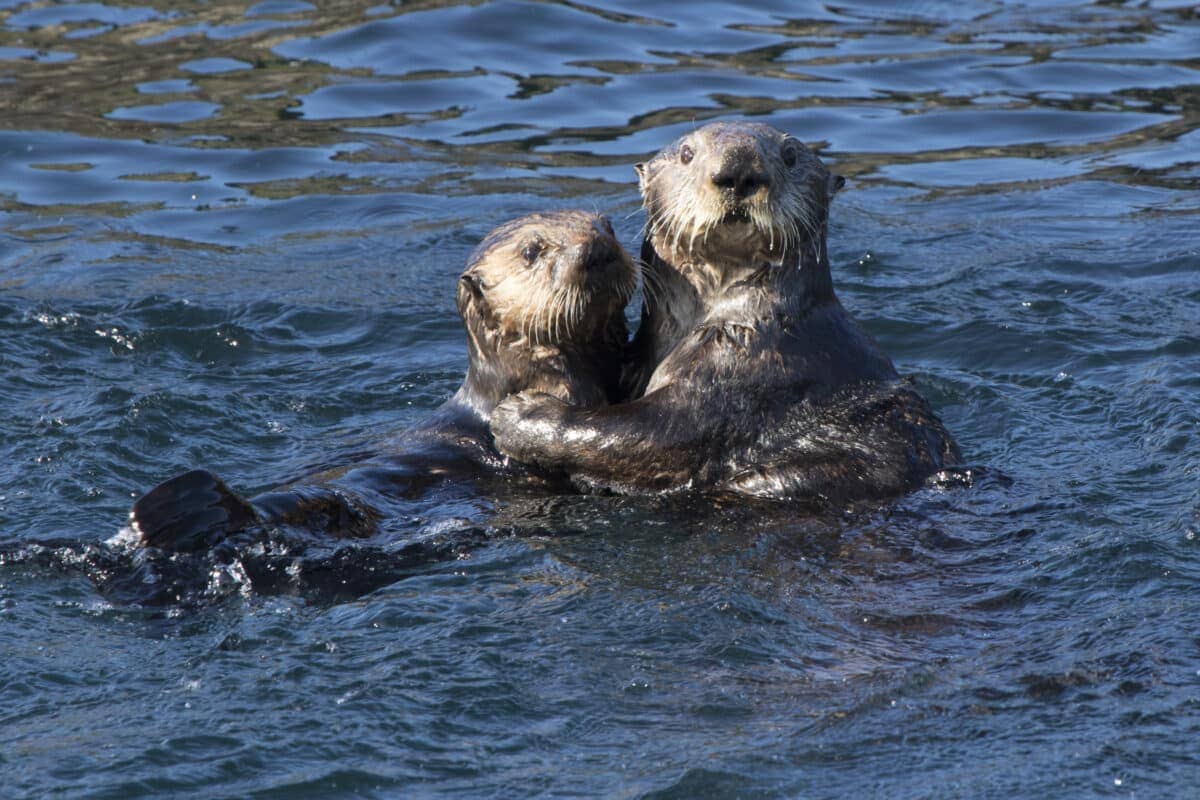
Monitoring the cascading effects of sea otters across vast coastal ecosystems has historically been challenging, but recent technological advances are revolutionizing our understanding. Satellite imagery and drone-based remote sensing now allow scientists to map kelp forest extent and density over large areas, comparing regions with and without sea otters to quantify vegetation changes. High-resolution underwater cameras and autonomous underwater vehicles provide detailed documentation of benthic communities without human disturbance, revealing nuanced ecological interactions impossible to observe through traditional dive surveys.
Molecular techniques like environmental DNA (eDNA) sampling enable researchers to detect the presence of numerous species from water samples alone, providing comprehensive biodiversity assessments that reveal the full scope of sea otter influence on community composition. Perhaps most exciting are developments in animal-borne sensors and tracking technologies. Sea otters equipped with small GPS-linked devices provide unprecedented insights into their foraging patterns, energy expenditure, and habitat use, helping scientists quantify their ecological impact with greater precision. These technological innovations, combined with long-term monitoring programs, are building a more complete picture of how sea otter recovery transforms coastal ecosystems, allowing for evidence-based management and conservation approaches that maximize ecological benefits while addressing human concerns.
Conservation Challenges: Threats to Sea Otter Recovery

Despite their remarkable ecological importance, sea otters face ongoing threats that limit their recovery in many regions. Oil spills pose a particular danger, as sea otter fur loses its insulating properties when contaminated with oil, leading to hypothermia and death. The 1989 Exxon Valdez oil spill killed an estimated 2,800 sea otters in Alaska, while smaller spills continue to threaten vulnerable populations in California and elsewhere. Persistent organic pollutants like PCBs and flame retardants accumulate in otter tissues, potentially compromising immune function and reproduction. In California, researchers have linked contaminant exposure to increased parasitic disease, contributing to slower population growth than expected.
Climate change introduces additional stressors, including ocean acidification that threatens shellfish prey species, increasing frequency of marine heat waves that can cause kelp die-offs, and intensifying storm events that may disrupt foraging. Fisheries interactions, primarily entanglement in crab and lobster traps, cause several dozen otter deaths annually in California waters. Perhaps most concerning for southern sea otter recovery is predation by white sharks, which has become the leading cause of mortality in California, responsible for approximately 35% of recovered carcasses in recent years. While sharks rarely consume otters, “investigative bites” are typically fatal. These multiple, interacting threats highlight the need for comprehensive conservation strategies that address both direct mortality factors and underlying ecosystem changes that affect sea otter recovery and their ability to fulfill their keystone ecological role.
Conclusion: The Future of Coastal Ecosystems and Sea Otter Conservation

The story of sea otters and coastal ecosystems represents one of the most powerful examples of how a single species can transform entire environments for the better. Through their voracious appetite for sea urchins and other invertebrates, these charismatic marine mammals have demonstrated their ability to restore kelp forests, enhance seagrass meadows, boost biodiversity, sequester carbon, and protect shorelines against erosion and storms. The economic and ecological benefits of these services—from tourism dollars to fisheries enhancement to climate change mitigation—continue to accumulate as otter populations recover, often exceeding expectations of conservation planners who initially focused on saving the species for its intrinsic value alone.
Looking forward, the full restoration of sea otters to their historical range would likely trigger ecological transformations along thousands of miles of coastline where they remain absent, from Washington State to Oregon, parts of California, and throughout the Aleutian Islands where orca predation has suppressed recovery. However, achieving this vision requires addressing persistent threats, developing equitable solutions to human conflicts, and building broader public

From exploring the marine wonders in the Azores and witnessing the vast savannas of Kenya, to delving deep into the rich biodiversity of South Africa and traversing iconic landscapes in Australia and the US like Yellowstone, Chris's experiences are vast.
With a penchant for diving alongside sharks, the ocean holds a special place in his heart.
Through his academic insights, he champions wildlife conservation, striving with 'Animals Around The Globe' to cultivate a profound connection between humans and animals, enhancing our mutual appreciation.
Connect with him at Feedback@animalsaroundtheglobe.com.
- What Fossils Reveal About Ancient Animal Behaviors - August 6, 2026
- Where to Dive with Blue Sharks - August 6, 2026
- Could Modern Animals Survive the Age of Dinosaurs? - August 6, 2026