
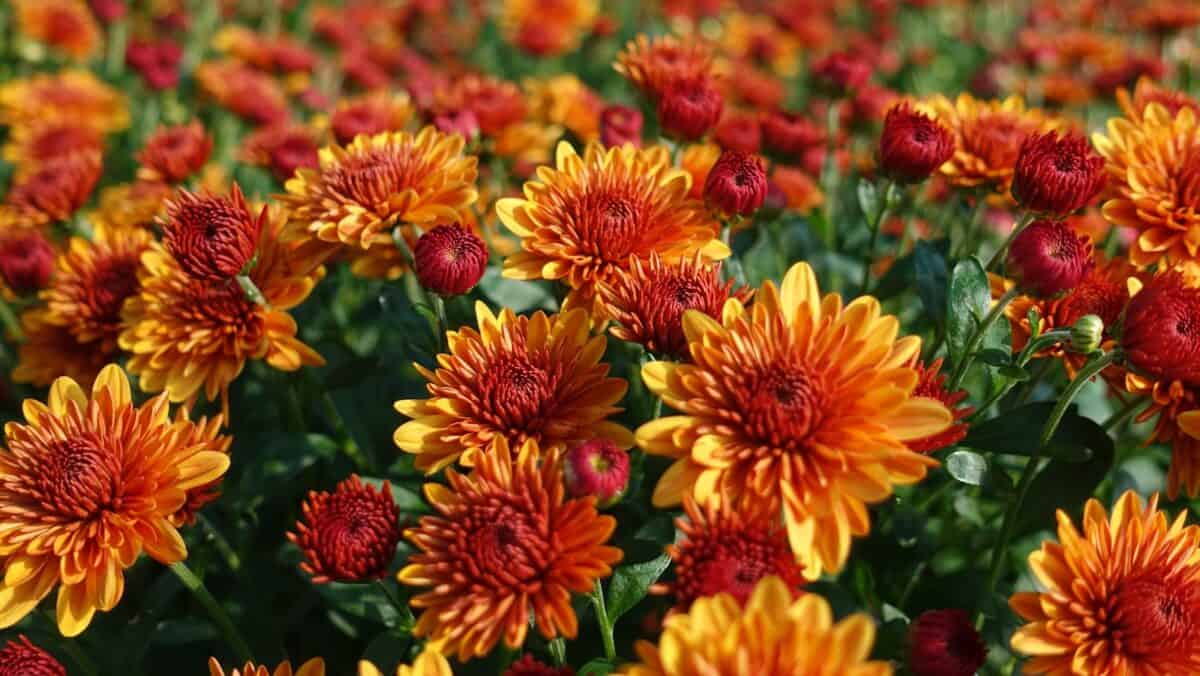
In a breathtaking fusion of paleobotany, organic chemistry, and analytical techniques, scientists have recently achieved what once seemed impossible: recreating the fragrance of flowers that bloomed during the age of dinosaurs. This groundbreaking achievement unlocks a sensory window into Earth’s distant past, allowing humans to experience something that hasn’t existed for 100 million years. The recreation of this ancient floral scent represents not just a scientific milestone but also a poetic connection to a world long vanished—where flowering plants were just beginning their evolutionary journey and massive reptiles still dominated the landscape.
The Discovery of Cretaceous Flower Fossils
The remarkable journey began with the discovery of exceptionally well-preserved flower fossils dating back to the mid-Cretaceous period, approximately 100 million years ago. These fossils were found in amber deposits from Myanmar (formerly Burma), which have become renowned for their extraordinary preservation of ancient organisms. Unlike typical stone fossils that preserve only structural elements, amber—fossilized tree resin—can capture delicate biological materials including cellular structures and even biomolecules. The flowers discovered were identified as ancient relatives of the Angiosperm family, the earliest flowering plants that would eventually revolutionize Earth’s ecosystems. What made these particular specimens extraordinary was the preservation of microscopic structures that would normally decay rapidly after death, including the fragrance-producing cells.
The Science of Ancient Scent Reconstruction
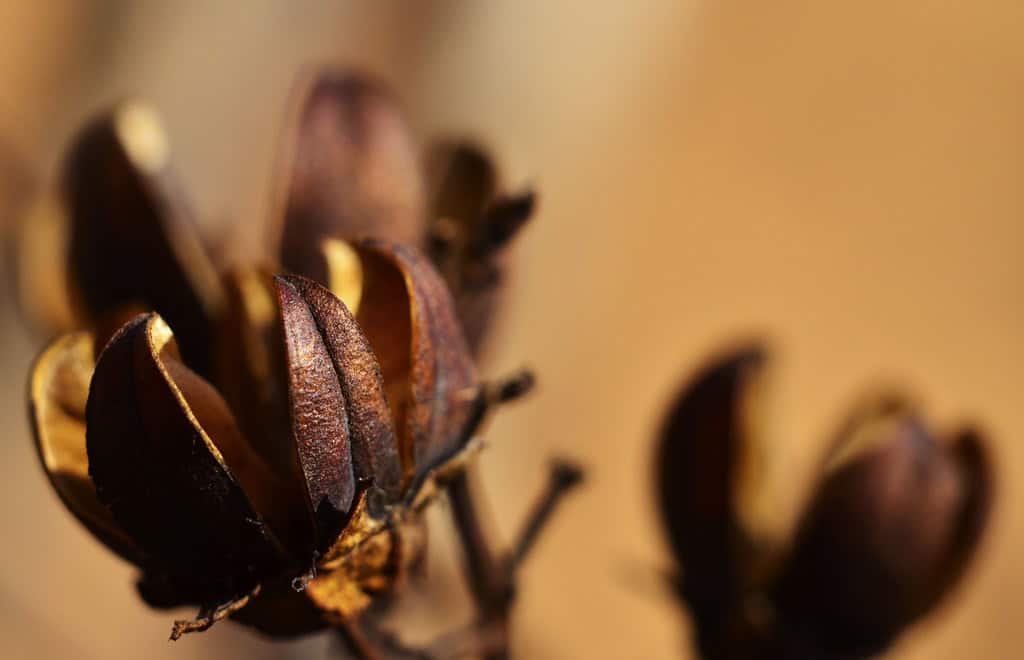
Reconstructing an ancient scent required an interdisciplinary approach combining cutting-edge technologies from multiple scientific fields. The team used non-destructive analytical techniques including micro-CT scanning to create detailed 3D models of the flower’s internal structures without damaging the precious fossils. These scans revealed intact cellular structures including osmophores—specialized scent-producing cells found in many flowering plants.
To identify potential fragrance compounds, researchers employed mass spectrometry and gas chromatography to analyze trace organic compounds still present in the amber. This was complemented by molecular studies of the fossil’s genetic material, with scientists extracting and sequencing fragments of preserved DNA and RNA to identify genes associated with scent production in modern relatives of the ancient flower.
The Paleogenomic Revolution in Plant Science
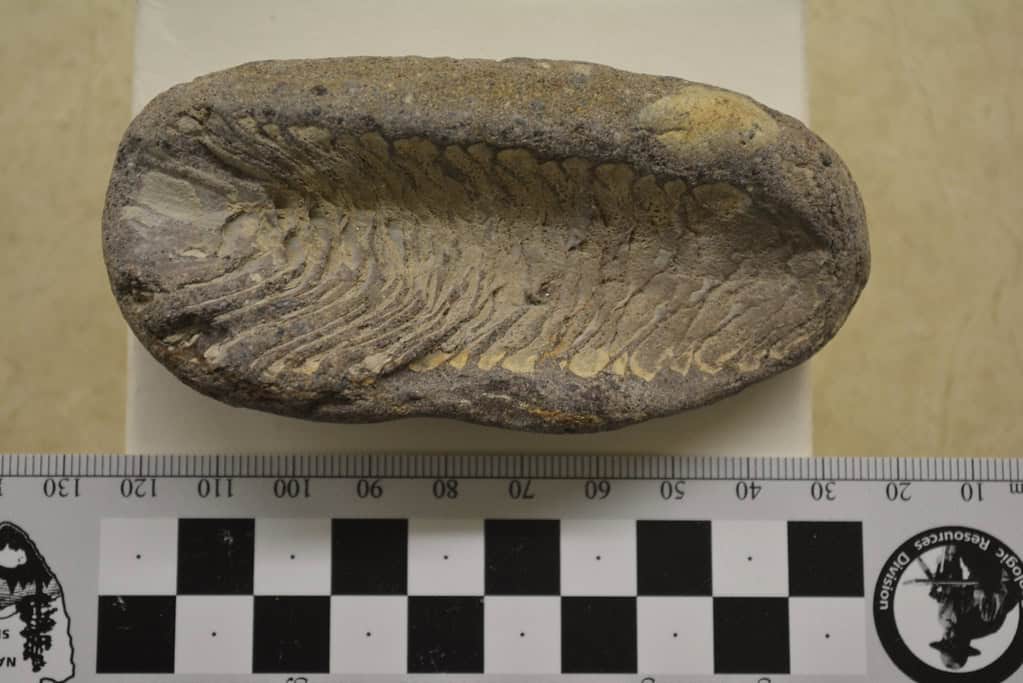
The recreation of this ancient floral scent would have been impossible without recent advances in paleogenomics—the study of ancient genetic material. For decades, scientists believed that DNA could not survive more than a few thousand years, but breakthroughs in extraction and sequencing technologies have pushed this boundary back millions of years under exceptional preservation conditions like amber.
The research team used next-generation sequencing techniques to identify genetic fragments related to terpene synthases—enzymes responsible for producing the volatile compounds that give flowers their distinctive scents. By comparing these genetic fragments with databases of modern plant genomes, scientists could predict which scent compounds the ancient flower likely produced. This paleogenomic approach provided crucial data that traditional fossil analysis alone could never reveal.
Chemical Composition of the Ancient Fragrance
Analysis revealed that the 100-million-year-old flower produced a complex bouquet of volatile organic compounds significantly different from most modern flowers. The reconstructed scent contained high concentrations of monoterpenes and sesquiterpenes, including several compounds rarely found in today’s flowering plants. Particularly notable was the presence of a unique diterpene compound that researchers named “cretafloral,” which has no exact equivalent in modern flora.
The chemical profile also included sulfur-containing compounds that would have given the scent an unusual musky quality combined with sweet, fruity notes from esters and aldehydes. This distinctive chemical signature reflects the early evolutionary stage of these ancient flowers, which were adapted to attract primitive insect pollinators of the Cretaceous period rather than the specialized pollinators of today.
The Biotechnological Process of Scent Recreation
Once the chemical profile was established, researchers faced the challenge of physically recreating the scent. This required synthesizing compounds that haven’t existed naturally for millions of years. Rather than using traditional chemical synthesis, the team employed biosynthetic methods, introducing the reconstructed ancient genes into living yeast cells. These engineered microorganisms became tiny factories, producing the target compounds through metabolic processes similar to those used by the ancient flowers.
Some compounds proved particularly challenging to synthesize, requiring the development of novel enzymatic pathways. The individual compounds were then carefully blended according to the concentration ratios indicated by the fossil analysis, resulting in what scientists believe is an accurate representation of the original fragrance. This biotechnological approach represents a fusion of paleontology and synthetic biology that opens new possibilities for recreating biological features from extinct organisms.
Ecological Significance of the Ancient Flower

The recreated scent has provided valuable insights into the ecological relationships of the Cretaceous period. The chemical composition suggests that the flower evolved to attract beetles and primitive wasps rather than the butterflies, bees, and moths that pollinate many modern flowers. This aligns with paleontological understanding of insect evolution, as many modern pollinator groups had not yet evolved or diversified during the mid-Cretaceous.
The strong, complex scent would have been necessary to attract pollinators in the dense, humid forests of the period. The research also indicates that the flower likely bloomed at night, as many of the compounds would have been most volatile in the cool evening air—suggesting a nocturnal pollination strategy. These insights help scientists better understand the complex co-evolutionary relationship between flowering plants and insects that has shaped Earth’s terrestrial ecosystems for 100 million years.
Comparing Ancient and Modern Floral Scents

When compared to modern flower fragrances, the Cretaceous scent reveals both surprising similarities and dramatic differences. Modern jasmine and gardenia share some chemical components with the ancient flower, particularly certain monoterpenes that produce sweet, heady notes. However, the ancient scent contains a higher proportion of “primitive” compounds that are now primarily found in non-flowering plants like conifers and cycads.
The recreation also revealed that the ancient scent was significantly more intense than most modern flower fragrances—likely an adaptation to the challenging pollination environment of the early Angiosperm era. The ancient flower also lacked the highly specialized scent profiles of modern flowers that have evolved to attract specific pollinators. Instead, it produced a broader, less targeted fragrance designed to attract a wide range of potential pollinators in an ecosystem where plant-pollinator relationships were still in their evolutionary infancy.
Technological Innovations Behind the Discovery

The recreation of this ancient scent required several technological breakthroughs beyond existing scientific capabilities. Researchers developed new amber-specific extraction protocols that could remove minuscule samples without contamination from modern environmental compounds. Advancements in mass spectrometry pushed detection limits to unprecedented levels, allowing the identification of compounds present in concentrations of just a few parts per trillion.
The team also pioneered new computational models that could predict the three-dimensional structures of ancient proteins based on fragmentary genetic information, enabling the reconstruction of enzymes responsible for scent production. Perhaps most impressively, they developed a specialized “electronic nose” with custom-designed sensors calibrated to detect the unique compounds found in the ancient flower. These technical innovations have applications far beyond paleobotany, including in fields such as forensic science, perfumery, and environmental monitoring.
Cultural and Historical Significance

Beyond its scientific importance, the recreation of this ancient scent carries profound cultural significance. It represents humanity’s first sensory connection to the Cretaceous world that goes beyond visual or conceptual understanding. Throughout human history, scent has been among our most evocative senses, with powerful connections to memory and emotion. The recreation allows people to form an emotional connection with deep time in a way that fossils alone cannot provide.
The project has inspired artists, writers, and perfumers to explore how this sensory link to prehistory changes our relationship with the past. Several museums have already developed exhibits where visitors can experience the recreated fragrance alongside visual displays of Cretaceous life, creating multi-sensory educational experiences. Philosophers and cultural theorists have begun examining how this technological achievement changes our conceptual relationship with extinction and the passage of time.
Commercial Applications and Future Directions

The recreation of the Cretaceous flower scent has sparked interest from the commercial fragrance industry. Several perfume houses have expressed interest in incorporating elements of the ancient fragrance into contemporary scent products, marketing them as “fragrances from the age of dinosaurs.” Beyond novelty applications, some of the recreated compounds show promising antimicrobial and insect-repellent properties that could have pharmaceutical and agricultural applications.
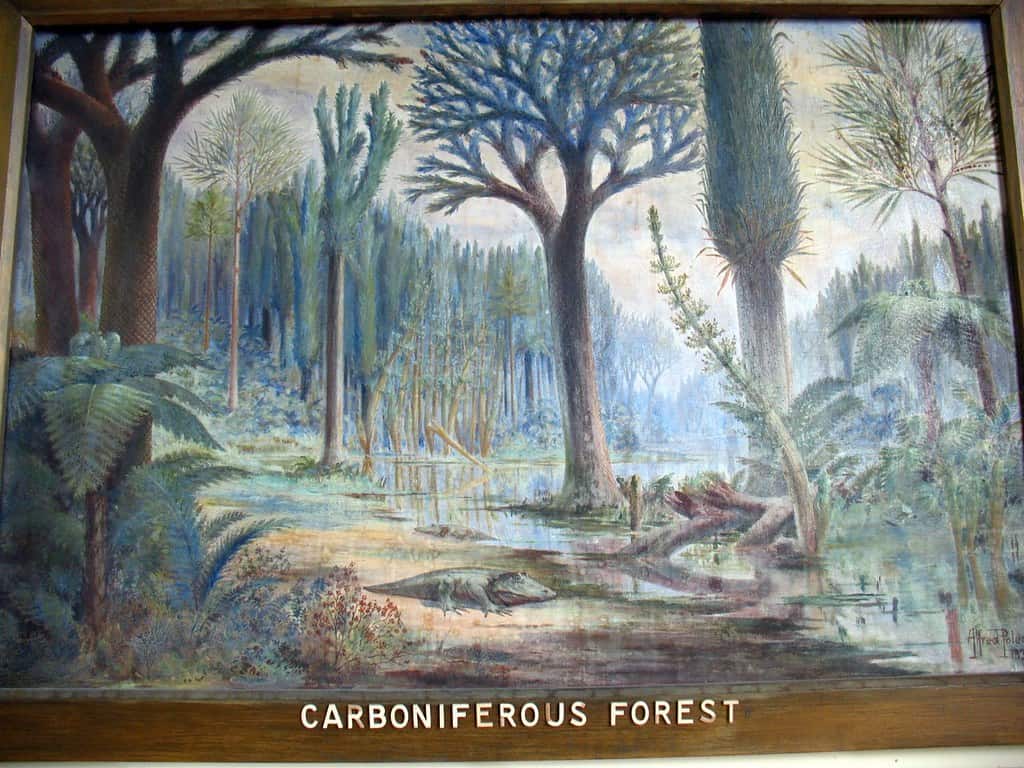
The research team has also begun applying their techniques to other preserved floral specimens, with plans to recreate scents from different geological periods to track the evolution of floral fragrances over time. This work may eventually enable the recreation of entire “paleolandscapes” of scent, allowing people to experience how different ancient environments smelled—from Carboniferous swamps to Pleistocene grasslands.
Ethical Considerations in Ancient Recreation
The project has raised interesting ethical questions about the recreation of extinct biological features. Some scientists argue that these techniques could eventually lead to more complete biological recreations—raising “de-extinction” questions similar to those surrounding projects aimed at reviving mammoths or passenger pigeons. Others have raised concerns about intellectual property rights: can anyone patent or commercialize compounds recreated from extinct organisms?
The researchers have addressed these concerns by publishing their methods and findings in open-access journals and establishing clear guidelines for the responsible use of their techniques. They have also engaged with indigenous communities in regions where the amber was discovered, recognizing that these fossils represent natural heritage with cultural significance beyond their scientific value. These ethical discussions highlight how new scientific capabilities often require new frameworks for responsible research and application.
The Team Behind the Discovery

The landmark achievement was the result of collaboration between specialists from widely different fields. The core team included paleobotanists who specialized in Cretaceous plant fossils, analytical chemists with expertise in trace compound detection, molecular biologists focused on ancient DNA, and bioengineers who developed the synthesis methods. The project was led by Dr. Eleanor Zhao, a paleobotanist whose earlier work on amber-preserved flowers established the theoretical possibility of scent recreation, and Dr. James Nakamura, a biochemist who pioneered new techniques for ancient protein reconstruction.
The team also included experts in pollination biology, entomology, and computational chemistry. Their collaboration demonstrates the increasingly interdisciplinary nature of cutting-edge scientific research, where major breakthroughs often occur at the intersection of traditionally separate fields. The team’s diverse composition—with researchers from twelve countries across five continents—also reflects the increasingly global nature of scientific collaboration.
Conclusion: Breathing Life Into Earth’s Ancient Past

The recreation of a 100-million-year-old flower’s scent represents far more than a scientific curiosity—it offers a revolutionary way to connect with Earth’s deep history through our senses. This achievement bridges the seemingly insurmountable gap between human experience and deep geological time, allowing us to share, in some small way, the sensory environment of creatures that lived when dinosaurs still roamed the planet.
As technology advances, we can expect more such sensory reconstructions, potentially including the sounds, colors, and even tastes of ancient ecosystems. The project reminds us that fossils are not merely stone impressions of long-dead organisms but preserved aspects of once-living beings that modern science can increasingly bring back into our experience. In recreating this ancient fragrance, scientists have not only advanced our understanding of evolutionary biology but have also created a poetic connection to a world that existed long before human consciousness emerged to appreciate it.

- The Perfect Pet for Each Zodiac Sign - July 7, 2026
- The Wild Animal That Embodies Your Zodiac Sign’s Spirit - July 6, 2026
- 7 Steps to Planting Admirably Beautiful Bluebonnets - July 6, 2026