
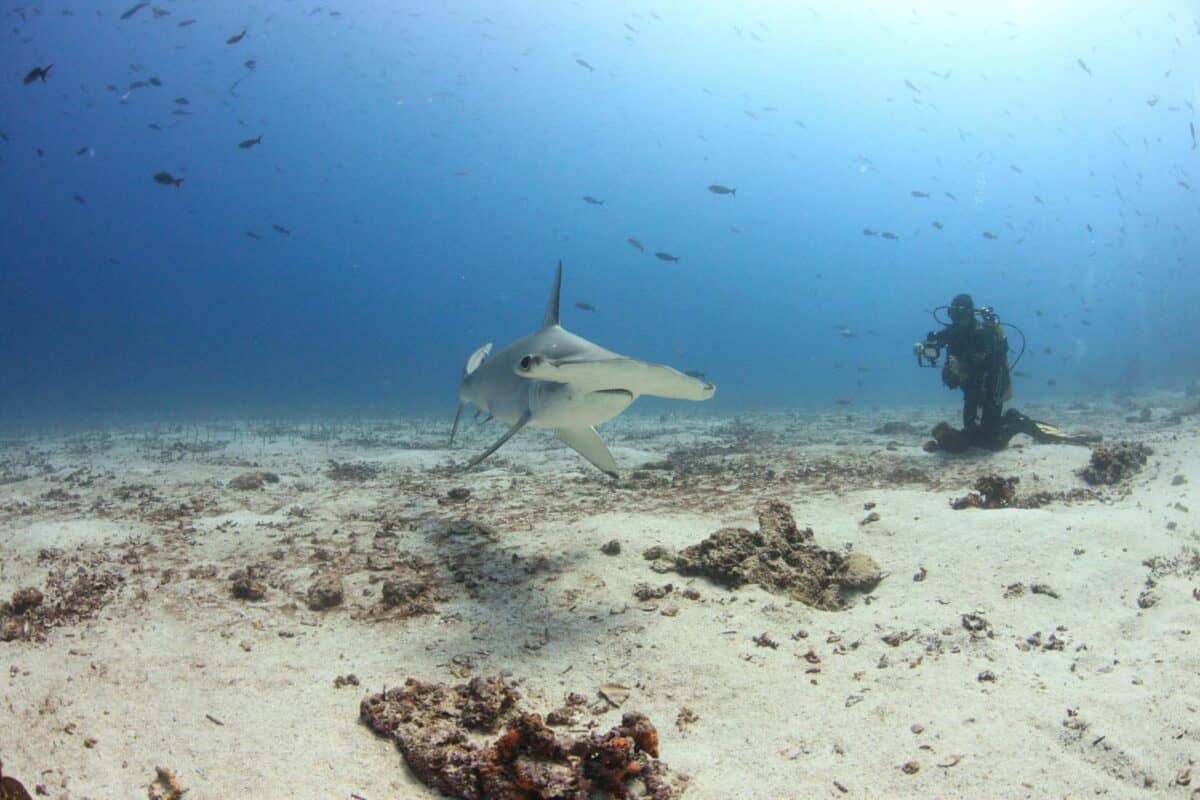
Each summer, along the coastal waters of the United States, a fascinating migration unfolds as hammerhead sharks arrive in significant numbers. These distinctive predators, known for their uniquely shaped heads, follow precise patterns driven by environmental factors and biological imperatives. From the warm waters of the Gulf of Mexico to the temperate zones along the Atlantic seaboard, hammerhead sharks demonstrate a clear seasonal preference for U.S. waters. This article explores the compelling reasons behind this migration pattern, examining the environmental conditions, feeding opportunities, reproductive strategies, and conservation implications that make American coastal waters so attractive to these magnificent ocean wanderers during the summer months.
The Hammerhead Family: Understanding These Unique Predators

The hammerhead shark family (Sphyrnidae) comprises nine recognized species, ranging from the massive great hammerhead (Sphyrna mokarran), which can grow up to 20 feet long, to the smaller bonnethead shark (Sphyrna tiburo) at just 5 feet. Their most distinguishing feature is the cephalofoil—the hammer-shaped head that gives them their name.
This evolutionary adaptation provides these sharks with enhanced sensory capabilities, particularly for detecting prey. While all hammerhead species share this characteristic head shape, they differ in size, exact head shape, and habitat preferences. Among the species commonly found in U.S. waters during summer migrations are the great hammerhead, scalloped hammerhead (Sphyrna lewini), and smooth hammerhead (Sphyrna zygaena), each with unique patterns and preferences within this broader migratory trend.
Seasonal Temperature Shifts: The Primary Driver

Temperature regulation stands as perhaps the most significant factor drawing hammerhead sharks to U.S. waters during summer months. Like many shark species, hammerheads are ectothermic, meaning their body temperature is regulated by their environment. Studies conducted by marine biologists at the University of Miami’s Rosenstiel School have documented how these sharks prefer water temperatures between 70°F and 85°F (21°C to 29°C).
During summer, coastal waters from Florida to the Carolinas and even parts of the northeastern seaboard warm to this ideal range. Satellite tracking has revealed that hammerheads often follow specific temperature gradients, moving north along the coast as waters warm in spring and summer, then retreating south when temperatures begin to drop in fall. This temperature-seeking behavior isn’t merely about comfort—it’s vital for optimal physiological functioning, including digestion efficiency and metabolic rates.
Rich Feeding Grounds: America’s Coastal Buffet

The American coastline offers hammerhead sharks an exceptional feeding opportunity during summer months. Seasonal upwellings bring nutrient-rich water to the surface along many parts of the U.S. coast, creating productive ecosystems teeming with potential prey. Great hammerheads, known to prey upon rays, smaller sharks, fish, squid, and octopuses, find abundant hunting grounds particularly in the Gulf of Mexico and along the southeastern U.S. coastline.
Research from NOAA’s shark tagging programs has documented hammerheads spending considerable time around productive estuaries and coastal zones where prey congregates. The scalloped hammerhead, for instance, has been observed forming large aggregations near seamounts and continental shelves where food resources are concentrated. These feeding opportunities are particularly important as many hammerhead species build up energy reserves during summer months to sustain them through leaner periods and support reproductive processes.
Nursery Areas: Creating the Next Generation

For several hammerhead species, U.S. coastal waters serve as critical nursery grounds during summer months. Female sharks seek protected, prey-rich environments to give birth, and the shallow bays, estuaries, and coastal areas along the U.S. provide ideal conditions. Studies conducted along the coast of Florida have identified multiple hammerhead nursery areas, particularly for scalloped hammerheads. These areas typically feature warmer, shallower waters that offer young sharks protection from larger predators while providing abundant smaller prey items.
Research published in the journal Marine Biology documented how juvenile scalloped hammerheads remain in these nursery areas for their first years of life before venturing into deeper waters. The summer timing coincides with peak birth seasons, allowing pups to take advantage of the most favorable conditions for their early development. The importance of these nursery areas cannot be overstated—they represent critical habitat for maintaining hammerhead populations throughout the western Atlantic.
Mating Behaviors and Reproductive Timing

The reproductive cycles of hammerhead sharks are closely tied to their summer presence in U.S. waters. Female great hammerheads typically have a biennial reproductive cycle, with gestation lasting approximately 11 months. Mating often occurs in late spring and early summer in some species, with females seeking specific areas for this activity. Research conducted by the Mote Marine Laboratory in Florida has documented how female hammerheads may use coastal areas during summer months to find suitable mates.
The timing of reproduction is likely synchronized with environmental conditions that provide optimal chances for offspring survival. After mating, females continue utilizing the productive summer feeding grounds to support their developing embryos, as hammerheads are viviparous, giving birth to live young. This reproductive timing allows young sharks to be born during the following year’s warm season, completing a cycle that has evolved over millions of years to maximize survival chances in these seasonal environments.
Migratory Patterns: Tracking Hammerhead Movements
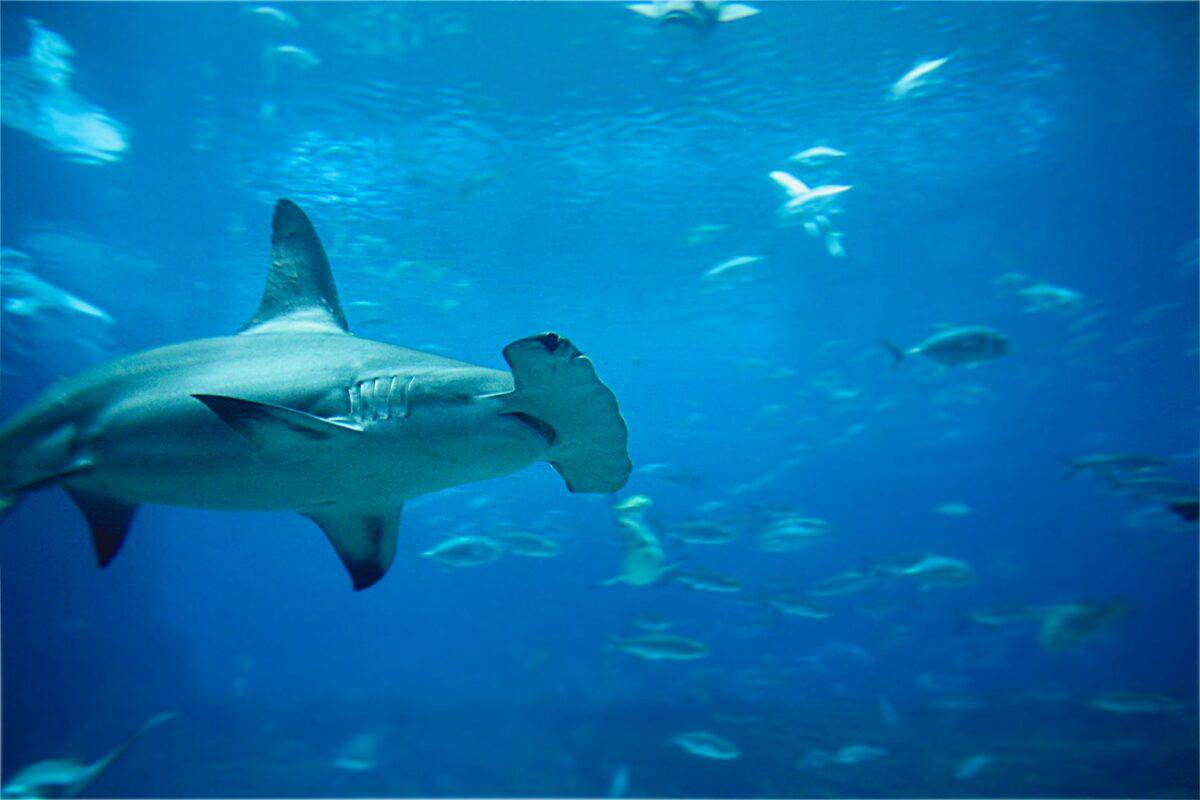
Modern tracking technology has revolutionized our understanding of hammerhead shark migrations to U.S. waters. Satellite tagging studies conducted by organizations like OCEARCH and the Guy Harvey Research Institute have revealed astonishingly precise migratory routes. One notable study tracked a great hammerhead that traveled over 3,000 miles from the southern U.S. to the mid-Atlantic and back over several months.
These tracking efforts have demonstrated that many hammerheads follow predictable pathways, often swimming close to the continental shelf and utilizing the Gulf Stream current system. Some individuals return to the same locations year after year, suggesting a form of site fidelity. Scientists have observed that migration timing varies slightly between species and even between individuals, but the general pattern shows a northward movement in late spring and early summer, followed by southward travel in fall. These migration routes connect important habitats that fulfill different seasonal needs in the sharks’ annual cycle.
Oceanographic Influences: Currents and Conditions

The unique oceanographic features of U.S. coastal waters play a crucial role in attracting hammerhead sharks each summer. The Gulf Stream, a powerful warm-water current flowing along the eastern seaboard, creates thermal corridors that hammerheads frequently utilize during migration. Research published in Scientific Reports documented how hammerheads often position themselves strategically within these currents to conserve energy while traveling.
Additionally, seasonal coastal upwellings bring nutrient-rich water to the surface, creating productive feeding areas. The complex interplay of currents, temperature gradients, and coastal topography creates a mosaic of microhabitats that hammerheads exploit throughout the summer months. Oceanographers from Woods Hole Oceanographic Institution have mapped how these features shift throughout the season, demonstrating a clear correlation with hammerhead movements. The sharks’ ability to detect and respond to these oceanographic features demonstrates sophisticated navigational abilities that have evolved over millions of years.
Predator Avoidance: Safety in American Waters

While hammerhead sharks are formidable predators, they also face threats from larger marine animals, including great white sharks, killer whales, and even larger hammerheads that may practice cannibalism. U.S. coastal waters during summer months may offer strategic advantages in predator avoidance. The abundance of prey reduces competition and the need for risky feeding behaviors. For juvenile hammerheads, the protected nursery areas in shallow bays and estuaries provide crucial shelter.
Research conducted by marine ecologists at the University of North Carolina has suggested that the timing of hammerhead migrations may partially align with periods when their main predators are less prevalent in certain areas. This strategic movement represents an evolutionary adaptation that balances feeding opportunities against predation risks, with U.S. summer waters offering a favorable combination of food availability and relative safety for various hammerhead life stages.
Climate Change Impacts: Shifting Patterns

As ocean temperatures rise due to climate change, researchers are observing alterations in hammerhead shark migration patterns along U.S. coasts. Data collected over the past two decades suggests that some hammerhead species are extending their summer range farther north than historically documented. Marine biologists from the Northeast Fisheries Science Center have recorded hammerhead sightings in areas of Massachusetts and even Maine where they were previously rare.
These changing patterns appear linked to warming ocean temperatures that expand suitable habitat northward. Simultaneously, there’s concern that rising temperatures in southern ranges may eventually exceed hammerheads’ thermal preferences during peak summer months. Ocean acidification and changing prey distributions compound these challenges. Long-term studies are underway to determine how these climate-driven changes might affect hammerhead reproduction, feeding success, and overall population health, with implications for both the sharks and the ecosystems they influence.
Conservation Challenges in Popular Summer Habitats

The coincidence of hammerhead shark presence in U.S. waters during peak summer months creates significant conservation challenges. These same coastal areas experience their highest human use during summer, with increased fishing pressure, boat traffic, and coastal development. Three hammerhead species—the great, scalloped, and smooth hammerheads—are listed as either endangered or vulnerable by the International Union for Conservation of Nature (IUCN).
Commercial and recreational fishing poses substantial threats, with hammerheads particularly vulnerable to becoming bycatch in various fisheries. Their tendency to congregate in predictable areas during summer makes them susceptible to targeted fishing. Additionally, hammerheads often experience high mortality rates even when caught and released, due to the stress of capture. Conservation organizations like Oceana and the Shark Trust advocate for enhanced protections in these critical summer habitats, including fishing restrictions, marine protected areas, and better bycatch reduction technologies to safeguard these iconic marine predators.
Scientific Research: U.S. Waters as Living Laboratories

The predictable summer presence of hammerhead sharks in U.S. waters has created unprecedented research opportunities for marine scientists. Institutions including the University of Miami, Woods Hole Oceanographic Institution, and Mote Marine Laboratory conduct extensive studies during these months when sharks are accessible. Researchers employ cutting-edge technologies including acoustic monitoring, satellite tagging, environmental DNA sampling, and even underwater drones to study hammerhead behavior and ecology.
These efforts have revealed previously unknown aspects of hammerhead life history, including precise migration routes, habitat preferences, and social behaviors. One particularly innovative research program at the University of Florida uses non-invasive underwater cameras to document hammerhead feeding strategies without disturbing natural behaviors. The knowledge gained from these summer research efforts extends beyond hammerheads to inform broader marine conservation initiatives and ecosystem management approaches, highlighting the ecological importance of these seasonal visitors.
Cultural and Economic Significance: Summer Shark Tourism

The summer arrival of hammerhead sharks in U.S. waters has spawned a growing ecotourism industry. Coastal communities from Florida to New England have developed responsible shark diving and viewing operations that generate substantial economic benefits. A study by the Pew Charitable Trusts estimated that shark-related tourism in Florida alone generates over $220 million annually, with hammerheads among the most sought-after species for divers and photographers. These charismatic sharks have transformed from feared predators to valuable living resources that support local economies.
Tour operators typically follow strict guidelines to minimize disturbance to the sharks while providing educational experiences for participants. Conservation organizations partner with these businesses to raise awareness about hammerhead protection. This shift in perspective from viewing sharks as dangerous to seeing them as valuable natural attractions represents a significant cultural change that supports conservation efforts. The economic incentive to maintain healthy shark populations provides a powerful argument for protecting the coastal habitats that hammerheads depend on during their summer visits.
Conclusion: The Continuing Mystery of the Hammerhead Summer

The seasonal presence of hammerhead sharks in U.S. waters represents a remarkable convergence of biological needs, environmental conditions, and evolutionary adaptations. While scientists have made significant progress in understanding the factors that draw these distinctive predators to American coasts each summer, many aspects of their behavior remain mysterious. The complex interplay between temperature preferences, feeding opportunities, reproductive cycles, and oceanographic features creates a multifaceted picture of hammerhead ecology that continues to evolve with new research.
As climate change alters marine environments and human activities continue to impact coastal ecosystems, the future of these summer migrations faces uncertainty. What remains clear is that these ancient marine predators have developed sophisticated strategies for exploiting seasonal resources along the U.S. coastline, highlighting the interconnectedness of marine ecosystems and the importance of protecting critical habitats for these magnificent ocean travelers.

- 8 Incredible Natural Wonders You Can Find in U.S. National Parks - July 21, 2026
- The Perfect Pet for Each Zodiac Sign - July 7, 2026
- The Wild Animal That Embodies Your Zodiac Sign’s Spirit - July 6, 2026