


In the world of animal biomechanics, few phenomena are as remarkable as the gecko’s ability to effortlessly climb virtually any surface—from smooth glass to rough stone, and even upside down on ceilings. This extraordinary climbing prowess has fascinated scientists for centuries and has only recently been fully understood through advanced physics and microscopy. Geckos represent one of nature’s most elegant solutions to the challenge of vertical mobility, utilizing fundamental physical forces rather than hooks, suction, or sticky secretions. Their specialized toe pads contain microscopic structures that harness the power of atomic attraction, allowing these reptiles to defy gravity in ways that have inspired numerous technological innovations. This article explores the fascinating physics behind gecko adhesion, the evolutionary history of this adaptation, and how humans are learning from these remarkable lizards to develop new technologies.
The Mystery of Gecko Adhesion

For centuries, the gecko’s climbing ability was a biological enigma. Early naturalists observed these small lizards scurrying up walls and across ceilings but lacked the tools to understand how they accomplished this feat. Some theorized they used tiny hooks, others suggested suction cups, and still others proposed a sticky secretion. It wasn’t until the development of electron microscopy in the 20th century that scientists could finally observe the true mechanism at work. Unlike many other climbing animals that use claws, suction, or adhesive secretions, geckos rely purely on physical forces that operate at the nanoscale—a masterpiece of natural engineering that has evolved over millions of years. This revelation opened up an entirely new field of research at the intersection of biology and physics, demonstrating how evolution can produce solutions that leverage fundamental forces of nature.
The Hierarchical Structure of Gecko Toe Pads

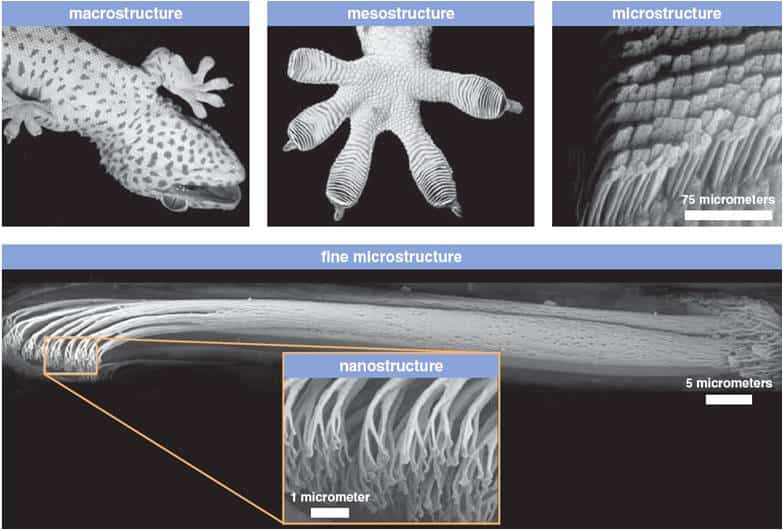
Gecko toe pads are marvels of hierarchical design, with each element precisely structured to maximize adhesion. The journey into this microscopic world begins with the toe pads themselves, which are covered with tiny hair-like structures called setae. Each seta is approximately 100 micrometers long and 5 micrometers in diameter—about one-tenth the thickness of a human hair. These setae aren’t simple structures but branch further into hundreds of even smaller projections called spatulae. Each spatula measures just 200 nanometers across—about 500 times thinner than a human hair. A single gecko may have up to two billion of these spatulae across all its toes, creating an enormous surface area for molecular interaction. This hierarchical arrangement isn’t random but has been precisely tuned by evolution to maximize contact with surfaces while allowing for easy detachment when the gecko needs to move.
Van der Waals Forces: The Physics of Molecular Attraction
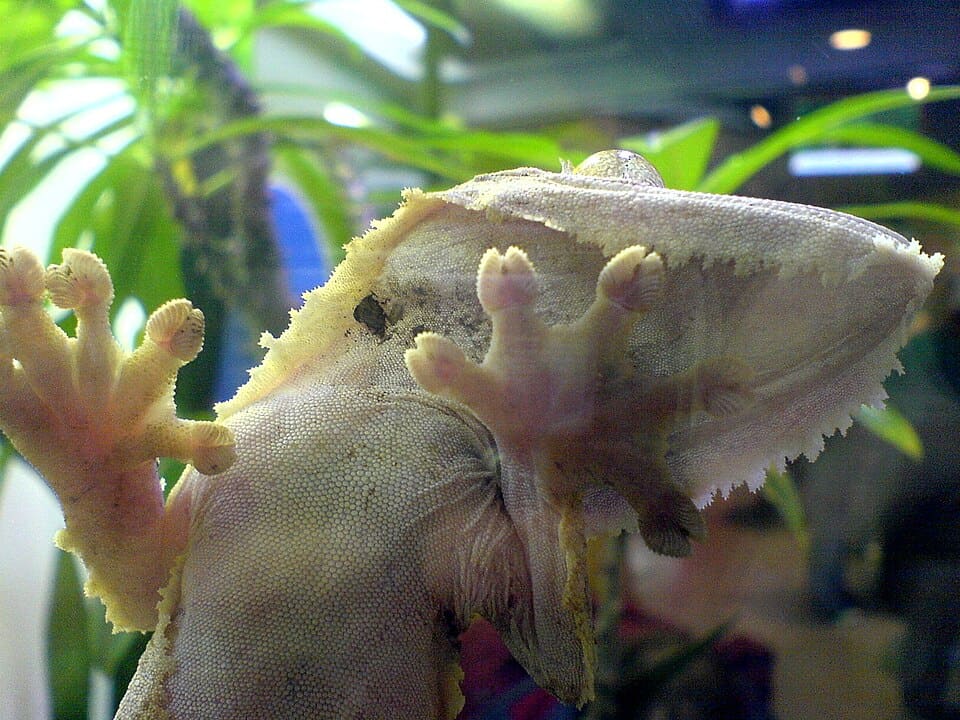
The key to gecko adhesion lies in a fundamental physical phenomenon known as van der Waals forces. Named after Dutch physicist Johannes Diderik van der Waals, these are weak electromagnetic forces that occur between molecules even when they aren’t forming chemical bonds. These forces arise from temporary fluctuations in the distribution of electrons around atoms, creating momentary dipoles—regions with slight positive and negative charges. While individually weak, when multiplied across billions of spatulae making intimate contact with a surface, these forces become impressively strong. A single gecko toe pad can generate enough adhesive force to support the weight of two kilograms, meaning a gecko could theoretically hold up to 40 times its body weight when using all four feet. What makes van der Waals forces particularly useful for geckos is that they work on virtually any material—from glass to wood to rock—explaining the gecko’s versatility across different environments.
The Mathematics of Gecko Grip
The adhesive capability of gecko feet can be explained through precise mathematical formulas. The adhesion force generated by van der Waals interactions follows the equation F = (AH)/(12πD²), where AH is the Hamaker constant (related to the materials involved), and D is the separation distance between the gecko’s spatulae and the surface. This equation reveals a critical insight: adhesion strength increases dramatically as the separation distance decreases. By maintaining an incredibly small separation of just a few nanometers, geckos maximize these forces. Calculations show that each spatula generates only about 10 nanonewtons of force—negligible on its own. However, with approximately two billion spatulae across all toes, this sums to around 20 newtons of adhesive force—enough to support more than 20 times the weight of a typical gecko. This mathematical relationship explains why the microscopic structure of gecko toes is so critical: it’s not just about having sticky feet but about maximizing surface area while minimizing separation distance.
The Role of Directionality in Gecko Adhesion

One of the most remarkable aspects of gecko adhesion is its directionality—geckos can attach and detach their toes with precise control. This directionality comes from the specific orientation and structure of the setae, which are curved and angled relative to the toe surface. When a gecko places its foot down and drags it slightly backward (a motion called “loading”), the setae bend and engage more spatulae with the surface, increasing adhesion. To detach, the gecko simply changes the angle of its toes, effectively peeling away the setae in a controlled manner that requires minimal force. This directional adhesion is crucial for rapid movement, allowing geckos to run at speeds of up to one meter per second on vertical surfaces. The angled arrangement of setae creates a natural ratchet-like mechanism that engages strongly when pulled in one direction but releases easily when moved in another—a principle that engineers are now mimicking in the development of directional adhesives for various applications.
How Geckos Maintain Their Adhesive Properties

The effectiveness of gecko adhesion depends on keeping their toe pads clean and functional—a significant challenge when constantly exposed to dust, moisture, and debris in natural environments. Remarkably, gecko toe pads have self-cleaning properties that prevent the accumulation of contaminants. When a gecko takes a step, the physics of the interaction between setae and particles favors the particles sticking to the surface rather than to the setae. With each step, the gecko effectively cleans its own toes. Additionally, geckos periodically groom their toes using their mouths, removing any persistent debris. The hydrophobic (water-repelling) nature of the setae also prevents water from interfering with adhesion, allowing geckos to climb effectively even in humid environments. These maintenance mechanisms have evolved alongside the adhesive structures themselves, ensuring that geckos maintain their climbing abilities throughout their lives despite constant exposure to environmental contaminants.
Evolutionary History of Gecko Adhesion

The remarkable adhesive system of geckos didn’t appear overnight but evolved gradually over millions of years. Fossil evidence and phylogenetic studies suggest that toe pad adhesion has evolved independently multiple times within the gecko family (Gekkonidae), which contains over 1,600 species. The earliest evidence of specialized toe pads dates back to approximately 50 million years ago, though precursor adaptations likely existed earlier. The evolution of this system represents a classic example of exaptation—where a structure evolved for one purpose is repurposed for another. Simple hair-like structures that initially provided increased friction on rough surfaces gradually became more specialized for adhesion. Comparative studies of different gecko species show various stages of this evolutionary progression, from simple, relatively unspecialized toe pads to the highly complex hierarchical structures seen in species like the Tokay gecko (Gekko gecko). This evolutionary history demonstrates nature’s ability to refine solutions over time through natural selection, ultimately arriving at a remarkably efficient adhesive system that operates on physical principles rather than chemical ones.
The Limits of Gecko Adhesion
Despite their impressive climbing abilities, gecko adhesion does have limitations. First, the effectiveness of van der Waals forces diminishes on certain surfaces, particularly those that are highly textured or dusty, where the spatulae cannot make adequate contact. Second, there’s a size limit to this adhesion mechanism—the square-cube law means that as animals get larger, their weight increases faster than the surface area available for adhesion. This explains why we don’t see large vertebrates using this adhesion method; a human-sized gecko would need impossibly large feet to support its weight. Temperature also affects performance, with most gecko species showing reduced adhesive abilities at very low temperatures as their muscles become less efficient at controlling toe positioning. Additionally, gecko adhesion requires energy to maintain—geckos must actively engage their toe muscles to position their feet properly, which contributes to their need to rest periodically during climbing. These limitations highlight the specialized nature of gecko adhesion and explain why different climbing animals have evolved alternative strategies better suited to their body size and ecological niche.
Comparing Gecko Adhesion to Other Climbing Animals

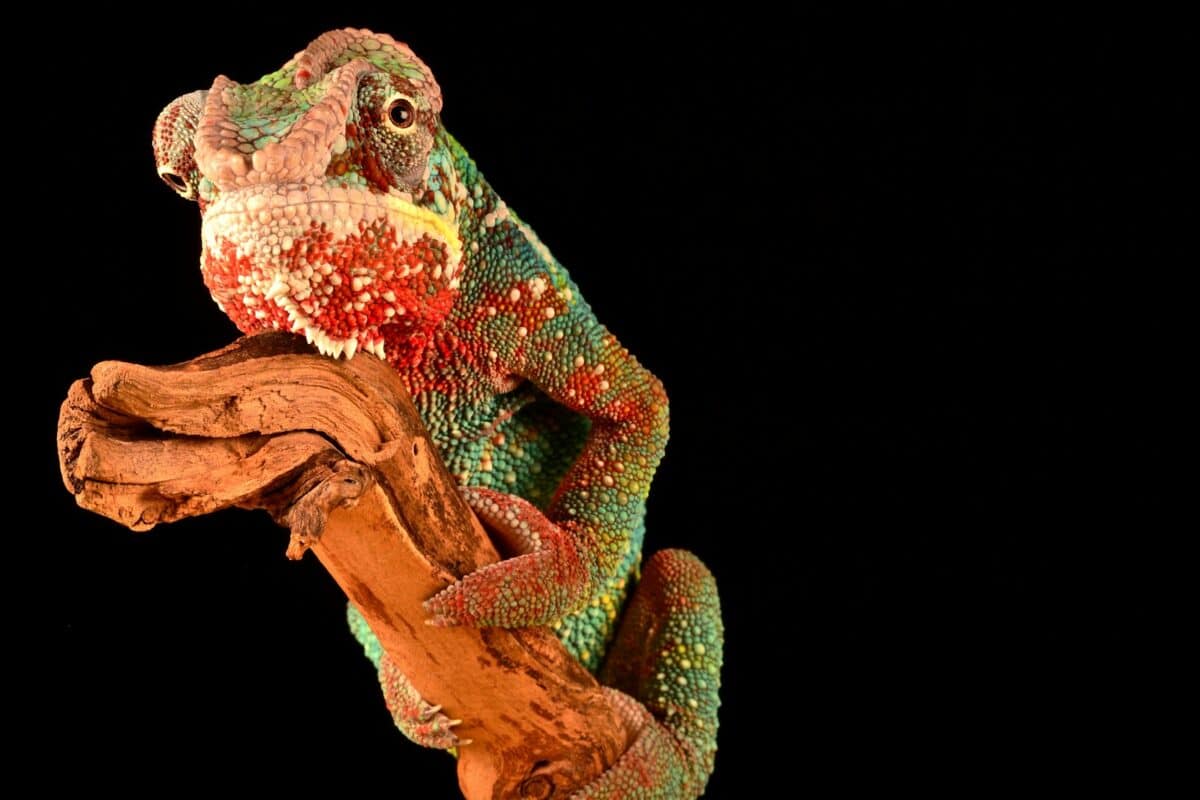
Nature has evolved multiple solutions to the challenge of climbing vertical surfaces, each with unique advantages. Tree frogs, for instance, use wet adhesion—secreting mucus that creates both capillary and viscous forces. This works well in moist environments but is less effective on dry surfaces. Insects like flies utilize a combination of mechanisms, including specialized pads that secrete adhesive fluids and interlocking claws for rough surfaces. Spiders employ a combination of specialized hairs (similar to but distinct from gecko setae), sticky secretions, and claws. Among vertebrates, some lizards and certain possum species have developed prehensile tails that wrap around branches, while many mammals rely primarily on sharp claws that can grip surface irregularities. The gecko’s dry adhesion system stands out for its versatility across surfaces, resistance to contamination, and minimal energy requirements during static attachment. Each of these evolutionary solutions represents a specialized adaptation to specific environmental challenges and demonstrates convergent evolution—where similar functional solutions evolve independently in different lineages.
Biomimetic Applications: Gecko-Inspired Technologies
The extraordinary adhesive properties of gecko toe pads have inspired numerous technological innovations. Scientists and engineers have created various synthetic adhesives based on the gecko’s hierarchical structure, known collectively as “gecko-mimetic” or “geckel” (gecko-mussel) adhesives. These materials typically consist of microscopic polymer pillars arranged in patterns that maximize van der Waals interactions. Applications include climbing robots designed for search and rescue operations, space exploration, and building inspection. NASA has developed “Gecko Gripper” technology for grasping objects in zero-gravity environments, while medical researchers are exploring gecko-inspired adhesives for use in surgery and wound closure that leave no residue and cause minimal tissue damage. In consumer products, removable, residue-free adhesives based on gecko principles are being developed for hanging items on walls. The clothing industry is exploring gecko-like closures as alternatives to zippers and Velcro. Perhaps most promising are applications in manufacturing, where gecko-inspired grippers can handle delicate components like silicon wafers without contamination. These innovations demonstrate the value of biomimicry—studying and copying nature’s time-tested solutions to solve human engineering challenges.
The Future of Gecko Adhesion Research

Research into gecko adhesion continues to evolve, with several exciting frontiers on the horizon. Scientists are investigating how to overcome current limitations of synthetic gecko-inspired adhesives, particularly in wet environments where performance typically decreases. Some researchers are combining gecko principles with other biological adhesion mechanisms, such as the chemical adhesion used by mussels, to create hybrid systems with broader applications. Computational modeling is becoming increasingly important, allowing researchers to simulate how variations in microscopic structure affect adhesive performance before manufacturing prototypes. At the nanoscale, researchers are exploring new materials like carbon nanotubes to create even more effective synthetic setae. Beyond adhesives, the study of gecko locomotion—how they coordinate their limbs and manage attachment and detachment while moving rapidly—is informing the development of more agile robots. Medical applications are particularly promising, with research focused on developing surgical tools that can grip internal organs without causing damage and new types of bandages that adhere strongly but remove painlessly. As our understanding of the gecko’s remarkable ability continues to deepen, we can expect even more innovative applications across numerous fields.
The gecko’s ability to climb virtually any surface represents one of nature’s most elegant solutions to the challenge of vertical mobility, utilizing fundamental physical forces at the nanoscale. Through millions of years of evolution, these remarkable reptiles have developed a hierarchical structure of setae and spatulae that harness van der Waals forces—weak interactions that become mighty when multiplied across billions of contact points. This system provides not only exceptional adhesion but also easy detachment, self-cleaning properties, and functionality across diverse environments. As researchers continue to unravel the complexities of gecko adhesion, we’re witnessing a flourishing of biomimetic technologies inspired by these lizards, from climbing robots to medical adhesives. The gecko’s remarkable feet remind us that sometimes nature’s solutions to physical challenges surpass our own engineering capabilities, highlighting the value of biodiversity not just for ecological health but as an irreplaceable source of inspiration for human innovation. In the tiny toes of these unassuming lizards, we find a profound intersection of biology and physics that continues to expand our technological horizons.

- How Otters Use Tools — And What It Reveals About Animal Intelligence - August 1, 2026
- Why You Should Stop Declawing Cats for Good - August 1, 2026
- 15 Amazing Facts About Parrots That Will Blow Your Mind - August 1, 2026