

America’s national parks serve as crucial sanctuaries for wildlife, preserving habitats that allow rare and endangered species to survive and, in some cases, recover from the brink of extinction. From the misty mountains of the Appalachians to the rugged coastlines of California and the vast wildernesses of Alaska, these protected areas offer wildlife enthusiasts extraordinary opportunities to witness animals that are seldom seen elsewhere. While sightings of these elusive creatures are never guaranteed, knowing where and when to look significantly increases your chances of experiencing these unforgettable wildlife encounters. This article explores twelve remarkable U.S. parks known for their rare animal inhabitants, offering insights into these exceptional ecosystems and the creatures that call them home.
Yellowstone National Park: Home of the American Wolf Recovery

Yellowstone National Park stands as one of America’s greatest wildlife conservation success stories, particularly for its pivotal role in wolf reintroduction. After wolves were entirely eliminated from the park in the early 20th century, their reintroduction in 1995 transformed the ecosystem. Today, approximately 100 wolves in 8-10 packs roam Yellowstone, captivating wildlife enthusiasts who travel from around the world for a chance to spot these elusive predators. The Lamar Valley, often called “America’s Serengeti,” offers the best viewing opportunities, particularly during winter months when wolves are more visible against the snow. Dawn and dusk provide optimal viewing times, and patient observers equipped with spotting scopes may witness remarkable pack behaviors, including coordinated hunts and interactions with other wildlife. Beyond wolves, Yellowstone hosts one of the few remaining wild bison herds in North America, grizzly bears, black bears, and the rarely glimpsed wolverine.
Everglades National Park: Florida Panthers and Unique Reptiles

As the largest subtropical wilderness in the United States, Everglades National Park provides critical habitat for the critically endangered Florida panther. With fewer than 200 individuals remaining in the wild, glimpsing this elusive big cat represents one of North America’s most coveted wildlife experiences. While panther sightings remain exceedingly rare, their presence underscores the park’s ecological importance. The Everglades also harbors extraordinary reptile populations, including the American crocodile—one of the few places in the world where crocodiles and alligators coexist naturally. Birders flock to the park for rarities like the roseate spoonbill, wood stork, and snail kite. The park’s extensive waterways, accessible by canoe or kayak, offer opportunities to observe the secretive river otter and various turtle species. For visitors hoping to maximize wildlife encounters, the dry winter season (December through April) typically provides the best conditions, as animals concentrate around remaining water sources.
Olympic National Park: Marine Mammals and Ancient Forest Dwellers

Olympic National Park’s remarkable diversity spans from mountain peaks to pristine coastline, creating habitats for numerous rare species. The park’s rugged Pacific shoreline offers exceptional opportunities to observe marine mammals, including gray whales during their spring and fall migrations. Lucky visitors may spot orcas hunting close to shore or witness harbor seals and sea lions lounging on offshore rocks. Tide pools reveal a miniature world of colorful sea stars, anemones, and octopuses. Within the park’s interior, the Roosevelt elk—the largest subspecies of North American elk—roam ancient rainforests of moss-draped trees. The Fisher, a house-cat-sized member of the weasel family once extirpated from the region, has been successfully reintroduced to the park since 2008. Bird enthusiasts should watch for the marbled murrelet, a seabird that unusually nests high in old-growth trees miles from the ocean. The remote nature of many parts of Olympic National Park helps preserve these unique wildlife experiences away from crowded viewing areas.
Grand Teton National Park: Moose and Mountain Megafauna
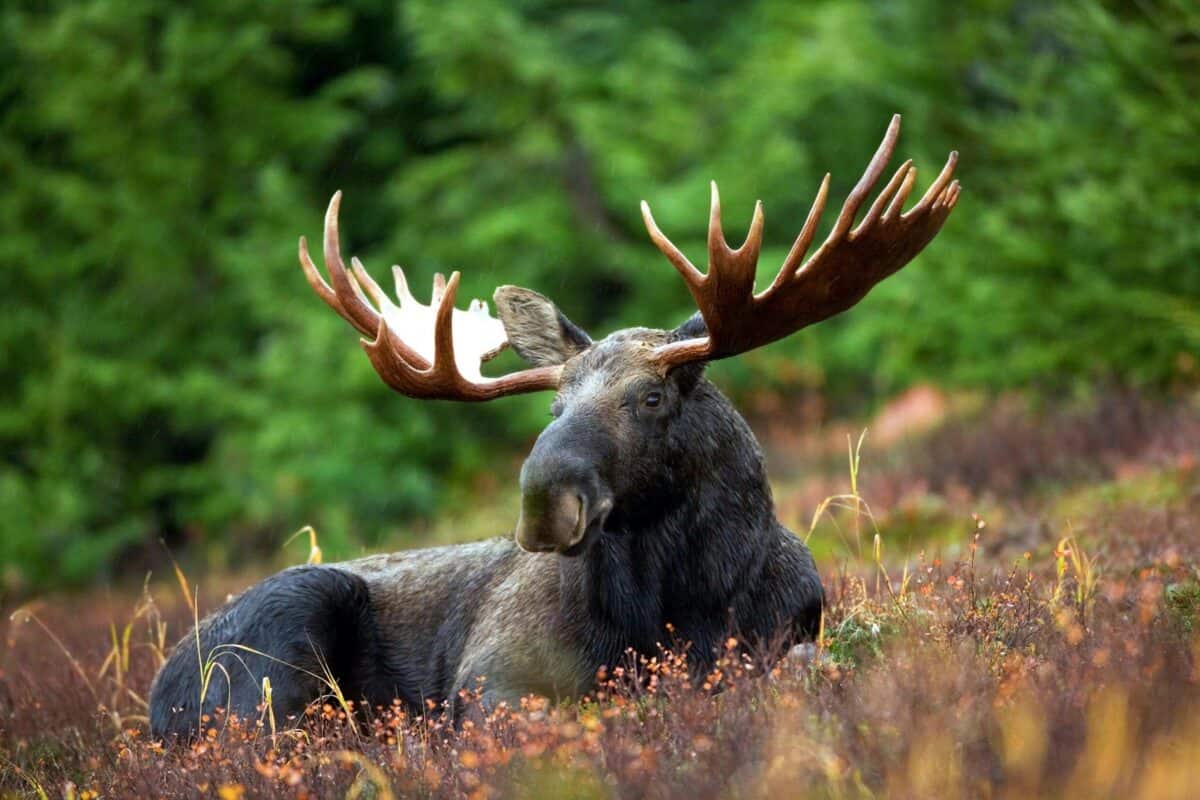
Grand Teton National Park offers some of America’s most dramatic mountain scenery coupled with exceptional wildlife viewing opportunities. The park hosts one of the largest moose populations in the Lower 48 states, with early morning and evening visits to Willow Flats or Oxbow Bend frequently rewarding observers with sightings of these massive mammals. While moose remain the park’s signature species, the reintroduction of wolves to the greater Yellowstone ecosystem has enriched Grand Teton’s predator community. The elusive mountain lion, though rarely seen, maintains a significant presence throughout the park. Wolverines, among North America’s most elusive mammals, occasionally traverse the high country, though confirmed sightings remain extraordinarily rare. The Snake River corridor supports North America’s densest concentration of breeding bald eagles, while calm lakes reflect the dramatic Teton Range where river otters play. Perhaps most remarkable is the annual fall elk rut, when massive bull elk bugle and clash in spectacular mating displays, an unforgettable wildlife spectacle best viewed from safe distances in open meadows around sunset.
Channel Islands National Park: Island Fox and Marine Sanctuaries
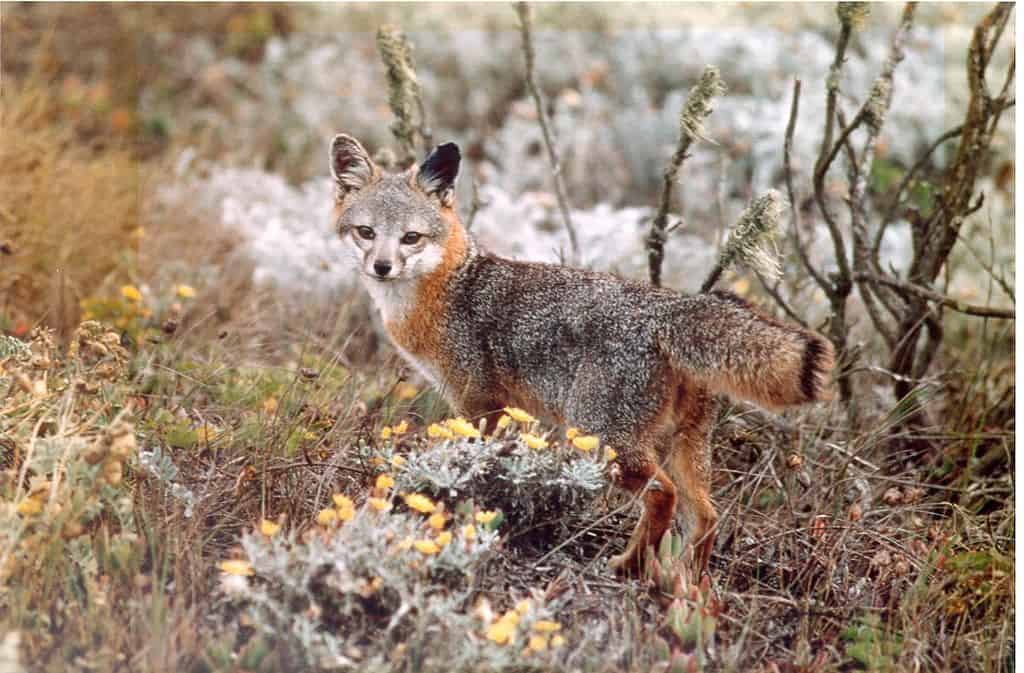
Often called “North America’s Galapagos,” Channel Islands National Park protects a remarkable island ecosystem just off California’s coast. The park’s most famous resident, the island fox, represents one of conservation’s greatest success stories. After declining to fewer than 100 individuals in the 1990s, intensive recovery efforts have restored these diminutive foxes, which exist nowhere else on Earth. Today, visitors to Santa Cruz, Santa Rosa, and San Miguel islands frequently encounter these curious, cat-sized canids. The surrounding waters constitute a marine protected area where approximately one-quarter of the world’s cetacean species have been documented. Giants of the sea—blue whales—feed in the nutrient-rich channels during summer months, while gray whales pass through during winter migrations. Harbor seals and California sea lions haul out on remote beaches, joined seasonally by massive northern elephant seals. Birders treasure the islands for opportunities to spot the island scrub-jay, endemic to Santa Cruz Island, along with vast seabird colonies. The islands’ isolation has preserved these ecosystems in a near-pristine state, offering glimpses of California’s natural heritage before extensive development.
Great Smoky Mountains National Park: Synchronous Fireflies and Salamander Capital
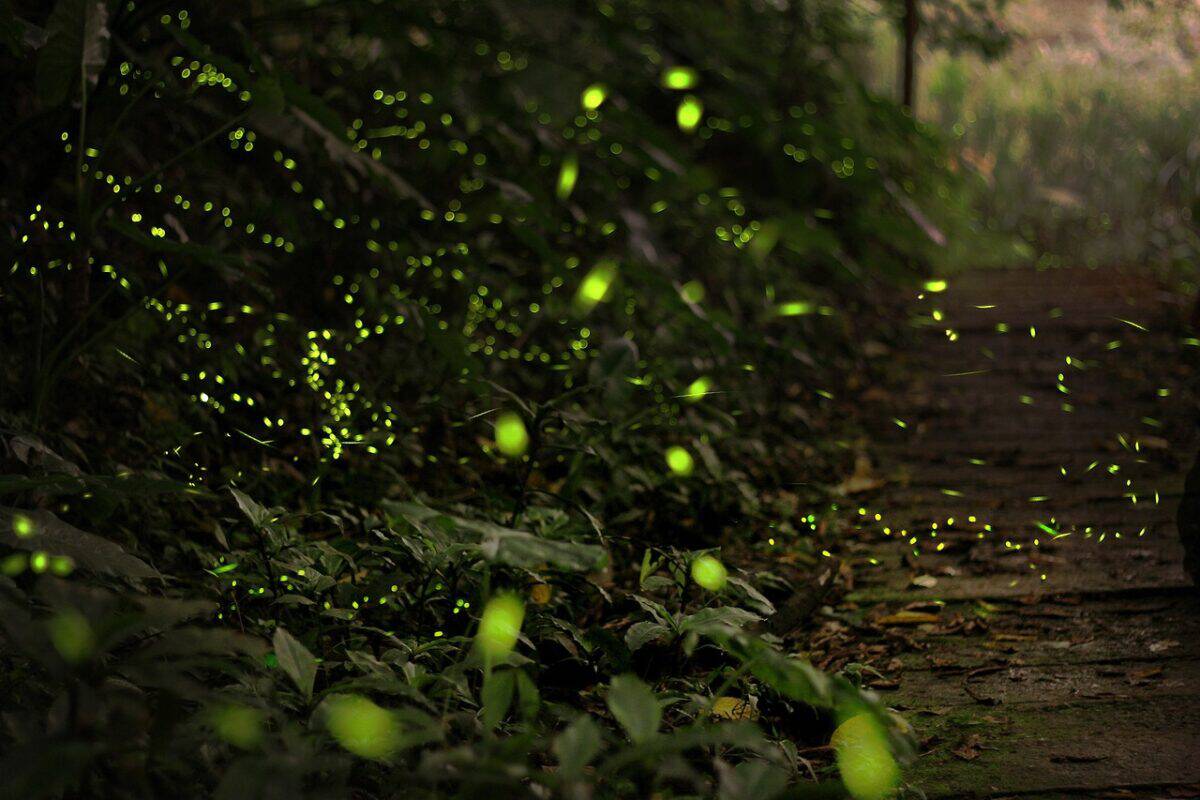
Great Smoky Mountains National Park holds the distinction of being the most biodiverse park in the National Park System, with extraordinary concentrations of plant and animal species. Each spring, typically in late May or early June, the park hosts one of the world’s most magical natural phenomena: the synchronous firefly display. For roughly two weeks, Photinus carolinus fireflies flash in perfect unison, creating a mesmerizing light show that draws visitors from around the globe. The limited viewing period and overwhelming popularity have necessitated a lottery system for access. Beyond this luminous spectacle, the Smokies claim the title “Salamander Capital of the World,” harboring more salamander species than anywhere else—including the rare red-cheeked salamander found nowhere else on Earth. Black bears thrive here in one of the densest populations in North America, with an estimated 1,900 bears roaming the park. Dawn visits to Cades Cove or Cataloochee Valley frequently reward patient observers with sightings of white-tailed deer, wild turkeys, and occasionally elk, which were successfully reintroduced in 2001 after a 150-year absence.
Denali National Park: The Big Five of Alaska

Denali National Park represents one of North America’s last truly intact ecosystems, where wildlife roams across six million acres of protected wilderness. The park’s limited road access and vast scale preserve a landscape where animals behave naturally, largely undisturbed by human presence. Wildlife enthusiasts visit Denali hoping to complete the “Big Five” checklist: grizzly bears, wolves, moose, caribou, and Dall sheep. While many visitors succeed in spotting most of these iconic species, wolves remain the most elusive, with sightings considered exceptional good fortune. Golden eagles soar above the tundra, while smaller treasures include the arctic ground squirrel and the collared pika, a diminutive relative of rabbits that harvests “hay piles” of vegetation to survive long winters. One of Denali’s most remarkable wildlife viewing attributes is the open tundra landscape, where animals can often be spotted from considerable distances. The park’s strictly controlled access—primarily via shuttle buses along the 92-mile Park Road—minimizes wildlife disturbance while maximizing viewing opportunities. Due to the short season, wildlife viewing is concentrated between June and early September, with July offering peak activity for most species.
Big Bend National Park: Desert Specialists and Borderland Diversity

Straddling the U.S.-Mexico border along the Rio Grande, Big Bend National Park protects one of America’s most biologically diverse desert ecosystems. The park’s varied elevations—from river corridors to mountain peaks exceeding 7,800 feet—create distinct habitats supporting remarkable biodiversity. Big Bend provides sanctuary for several species at the northern limit of their range, including the Mexican black bear, which has naturally recolonized the park after previous extirpation. Javelinas (collared peccaries) roam desert scrublands in family groups, while mountain lions maintain a significant presence despite rarely being seen by visitors. During spring and fall migrations, the park becomes a crucial stopover for birds traveling the Central Flyway, with over 450 species recorded. Nocturnal exploration reveals a different side of Big Bend, as ringtails, kangaroo rats, and multiple bat species emerge under starlit skies. Perhaps most unexpected are the park’s resident beaver colonies along the Rio Grande. Big Bend’s remoteness—it’s among the least-visited national parks in the contiguous United States—enhances wildlife viewing opportunities by reducing human pressure on sensitive species. For optimal wildlife encounters, visit during the milder temperatures of early spring or late fall, when animals are most active.
Isle Royale National Park: Wolf-Moose Research and Isolation
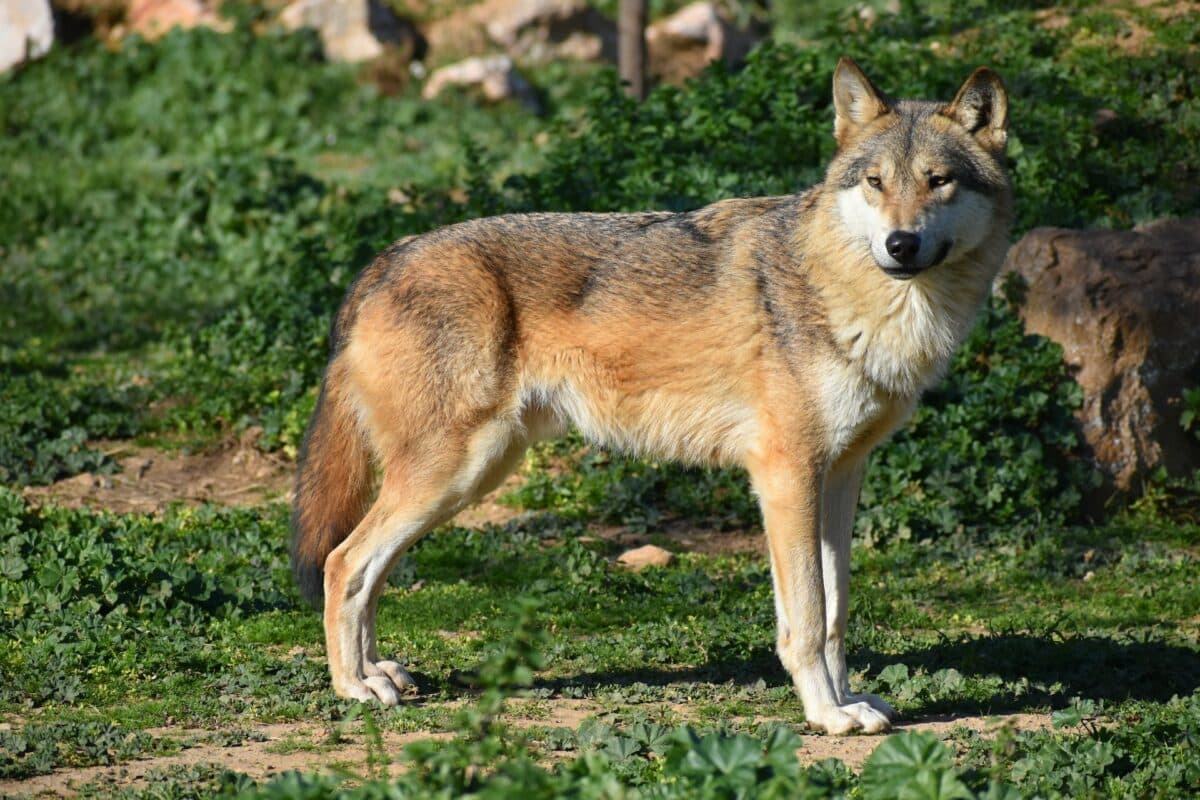
Surrounded by the cold waters of Lake Superior, Isle Royale National Park represents one of America’s most isolated and pristine wilderness areas. This 45-mile long island, accessible only by boat or seaplane, hosts the world’s longest-running predator-prey study, examining the relationship between wolves and moose since 1958. The island’s isolation has created a natural laboratory where these populations fluctuate in a fascinating ecological dance. Recent years have seen dramatic changes, as the island’s wolf population dwindled to just two highly inbred individuals by 2016, prompting a controversial wolf reintroduction program beginning in 2018. Today, approximately 14 wolves and 1,800 moose inhabit the island, with their populations continuing to be closely monitored. The island’s isolation has prevented many mainland species from establishing populations, resulting in an ecosystem with relatively few mammal species but remarkable abundance of those present. Visitors frequently encounter moose feeding in shoreline areas or inland bogs, while wolf sightings remain exceptionally rare. The park’s remote nature and limited visitation period (typically May through October) preserve a wilderness experience increasingly difficult to find elsewhere, where animals exist with minimal human disturbance.
Glacier National Park: Grizzlies and Mountain Monarchs
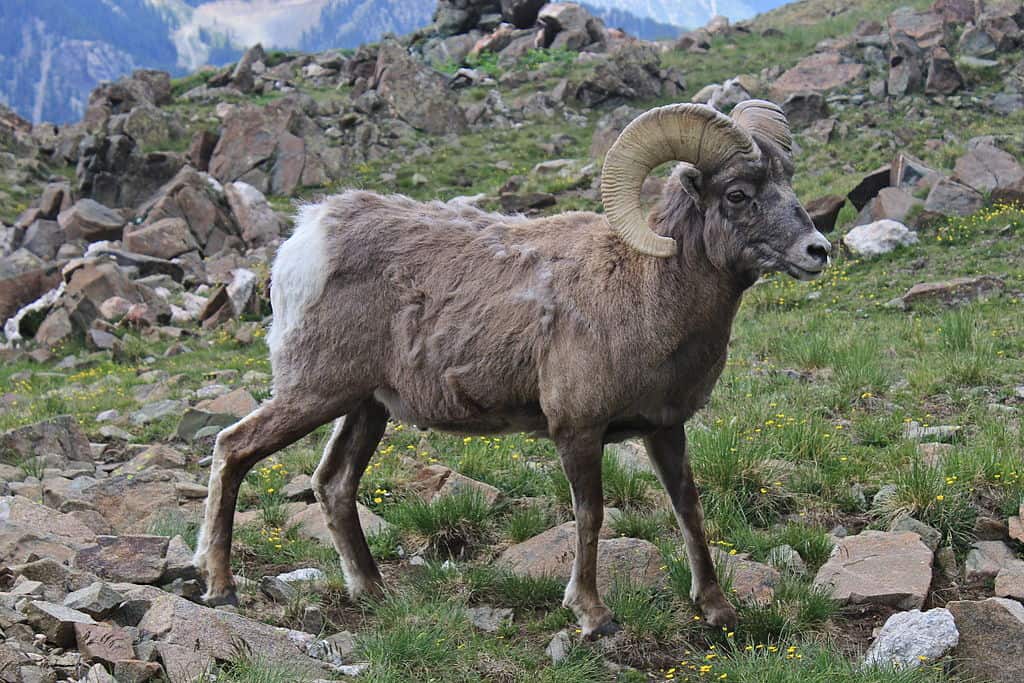
Often called the “Crown of the Continent,” Glacier National Park preserves over one million acres of mountains, lakes, and pristine forests straddling the U.S.-Canada border. The park supports one of the densest grizzly bear populations in the Lower 48 states, with these impressive omnivores frequently spotted in alpine meadows during summer months. While bears capture most visitors’ attention, Glacier hosts an impressive diversity of other large mammals. Mountain goats and bighorn sheep navigate seemingly impossible cliff faces with remarkable agility, best observed along the Highline Trail or at Logan Pass. Wolverines, though rarely seen, maintain territories throughout the park’s remote backcountry. The Canada lynx, a specialist predator of snowshoe hares, occasionally appears in Glacier’s forests, representing one of the southernmost populations of this boreal cat. Visitors seeking birds should watch for the black-backed woodpecker, which thrives in recently burned forests, and the elusive harlequin duck, which nests along turbulent mountain streams. As climate change threatens the park’s namesake glaciers—projected to disappear by 2030—the fragile alpine ecosystem faces significant disruption, potentially altering wildlife distributions and viewing opportunities in coming decades.
Katmai National Park: Brown Bear Congregation

Katmai National Park in Alaska provides one of the world’s premier opportunities to observe brown bears in their natural habitat. The park’s renowned Brooks Falls becomes the epicenter of bear activity during the summer salmon run, when dozens of massive bears congregate to feast on migrating sockeye salmon. This remarkable concentration—sometimes exceeding 25 bears simultaneously visible—offers unparalleled opportunities to witness complex bear social dynamics and impressive fishing techniques. Beyond the famous salmon-catching bears, Katmai protects vast wilderness where coastal brown bears roam pristine tundra and dense forests. The park’s remote Hallo Bay has gained fame for scenes of bears grazing like cattle in sedge meadows during early summer. While bears dominate Katmai’s wildlife narrative, the park’s intact ecosystem supports numerous other species, including wolves, moose, and wolverines. Marine mammals, including harbor seals, sea lions, and sea otters, inhabit the park’s extensive coastline. Katmai’s isolation—most areas accessible only by floatplane—preserves a wilderness where human influence remains minimal and wildlife behavior is authentic. For photographers and wildlife enthusiasts, the concentrated bear activity at Brooks Falls between late June and late July represents a bucket-list wildlife experience.
Shenandoah National Park: Eastern Wilderness Recovery

Located just 75 miles from Washington, D.C., Shenandoah National Park represents one of the East Coast’s most remarkable ecological recovery stories. Once heavily logged and farmed land, the park now showcases mature forest reclaiming former agricultural fields—a process visible in various stages throughout the park. This regenerated wilderness supports one of the densest black bear populations in the United States, with approximately one bear per square mile roaming the park’s ridges and hollows. Early morning drives along Skyline Drive frequently reward visitors with bear sightings, particularly during fall when bears actively forage before hibernation. The park’s eastern slopes provide critical habitat for the endangered Shenandoah salamander, found nowhere else on Earth. Bobcats, though seldom seen due to their secretive nature, maintain healthy populations throughout the park’s rugged terrain. After a 70-year absence, river otters have naturally recolonized the park’s waterways, occasionally visible along streams and at lake edges. For bird enthusiasts, Shenandoah offers opportunities to observe the declining cerulean warbler and the elusive ruffed grouse. The park’s accessibility via the 105-mile Skyline Drive provides exceptional wildlife viewing opportunities without requiring backcountry travel, making Shenandoah particularly valuable for introducing new generations to wildlife observation.
Conclusion: Preserving America’s Living Treasures

America’s national parks represent our nation’s greatest conservation achievement, establishing sanctuaries where wildlife can thrive in natural ecological relationships largely free from human interference. These protected landscapes not only preserve biodiversity but also offer unparalleled opportunities for humans to connect with the wild world that shaped our continent long before our arrival. As climate change, habitat fragmentation, and other human impacts continue to threaten wildlife populations globally, these parks become increasingly crucial refuges for species struggling to adapt to rapidly changing conditions. For visitors fortunate enough to witness a wolf pack hunting in Yellowstone’s Lamar Valley, a Florida panther slipping through Everglades sawgrass, or a blue whale surfacing near the Channel Islands, these experiences create powerful connections to the natural world that inspire conservation action. By continuing to protect and expand these vital sanctuaries, we ensure that future generations will have opportunities to experience the thrill of encountering America’s most magnificent wild creatures in their natural habitats.

- Why You Should Never Approach a Sleeping Hippo - July 21, 2026
- The Truth About Hyena Intelligence and Social Power - July 21, 2026
- The Glasswing Butterfly: Nature’s Invisible Beauty - July 21, 2026