

Termites are among nature’s most impressive architects, constructing towering mounds that can reach heights of 30 feet and last for decades. These remarkable structures aren’t just impressive for their size—they also contain sophisticated ventilation systems that regulate temperature, humidity, and gas exchange with remarkable efficiency. While humans rely on complex mechanical systems for climate control, termites have evolved biological solutions that achieve similar results using only soil, saliva, and the power of physics. These insect engineers have perfected sustainable climate control millions of years before humans even conceptualized air conditioning. Let’s explore the fascinating world of termite mound construction and the ingenious cooling systems embedded within these natural skyscrapers.
The Master Architects of the Insect World

Termites belong to the order Blattodea and have evolved sophisticated building capabilities over millions of years. Despite having brains smaller than a pinhead, these insects work collectively to create some of the most complex structures in the animal kingdom. Macrotermes species, particularly prevalent in Africa, Australia, and parts of Asia, are renowned for building the largest and most elaborate mounds. Using a combination of soil, clay, sand, termite saliva, and feces, these insects create structures that can withstand tropical storms, maintain consistent internal temperatures, and house colonies of millions of individuals. The architectural achievement is even more remarkable considering termites build in complete darkness, with no centralized planning, and rely entirely on stigmergic behavior—a form of self-organization where the structure itself provides cues for further building activity.
Understanding Termite Colony Organization

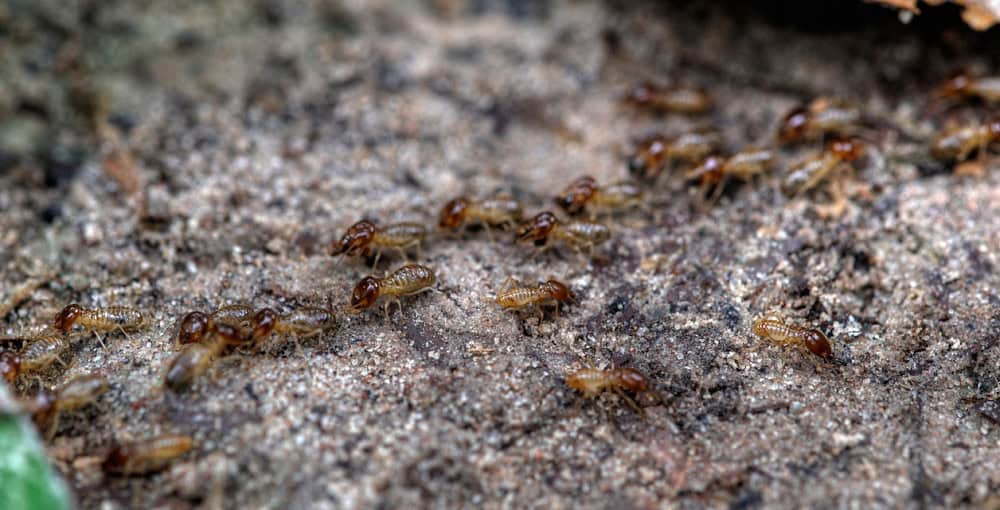
To appreciate the complexity of termite mounds, it’s essential to understand the sophisticated social structure behind them. Termite colonies operate as superorganisms, with different castes performing specialized roles. The reproductive queen can live up to 50 years and lay thousands of eggs daily. Worker termites—blind, sterile individuals—comprise the majority of the colony and perform all construction work. Soldier termites defend the colony with their enlarged mandibles. This division of labor enables the colony to function as a single organism, with the mound serving as an external physiology—essentially an extension of the termites’ collective body. The workers continuously modify and repair the mound structure, responding to environmental changes and the colony’s needs through complex chemical communication systems and sensing environmental gradients.
The Basic Structure of Termite Mounds
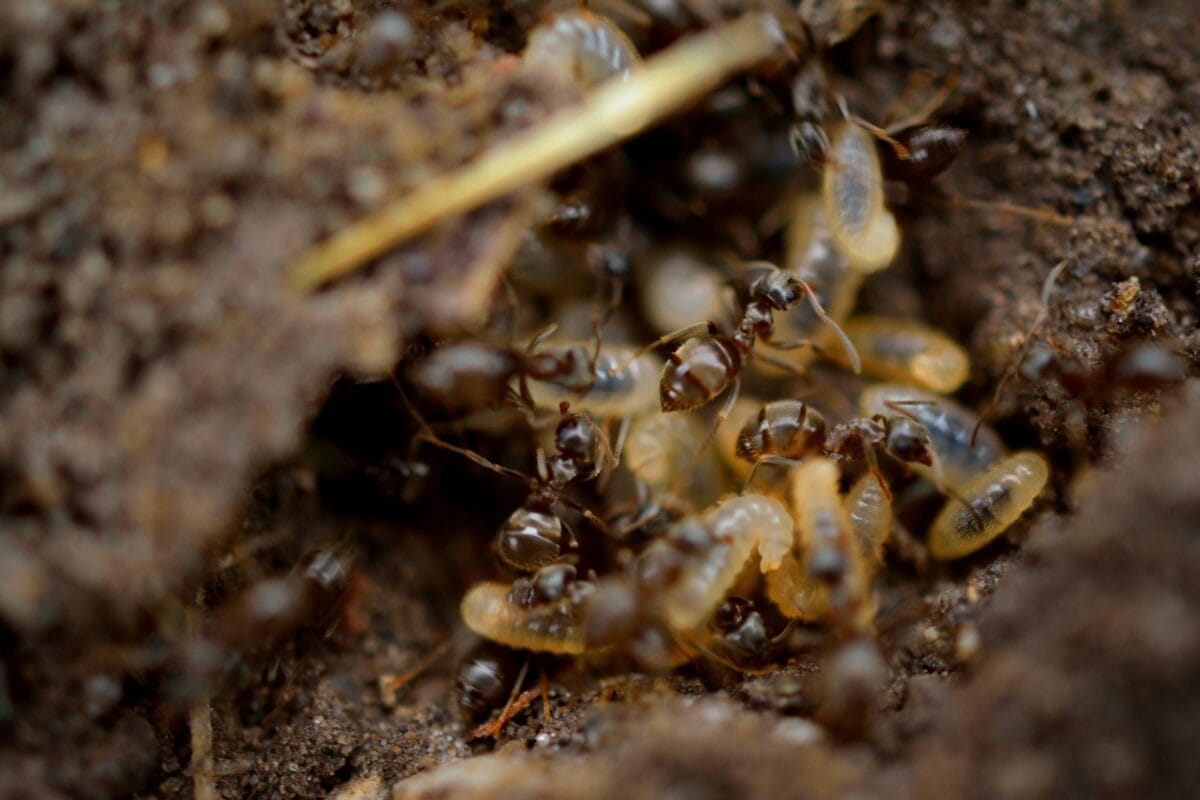
Termite mounds typically consist of several distinct components. At the center lies the royal chamber, housing the king and queen, surrounded by nursery areas for eggs and young termites. Nearby are fungus gardens, where certain termite species cultivate fungi on plant material as their primary food source. These central living quarters are encased in thick protective walls that provide structural support and defense. Surrounding this core is a complex network of tunnels, chambers, and ventilation shafts that extend throughout the mound. The outer wall of the mound is often several inches thick, providing insulation and protection. The mound’s shape varies by species and environment—some are relatively simple domes, while others feature elaborate spires, ridges, or chimney-like structures that play crucial roles in the ventilation system. The entire structure is composed of soil particles cemented together with termite saliva, creating a material with remarkable durability.
The Challenge of Temperature Regulation
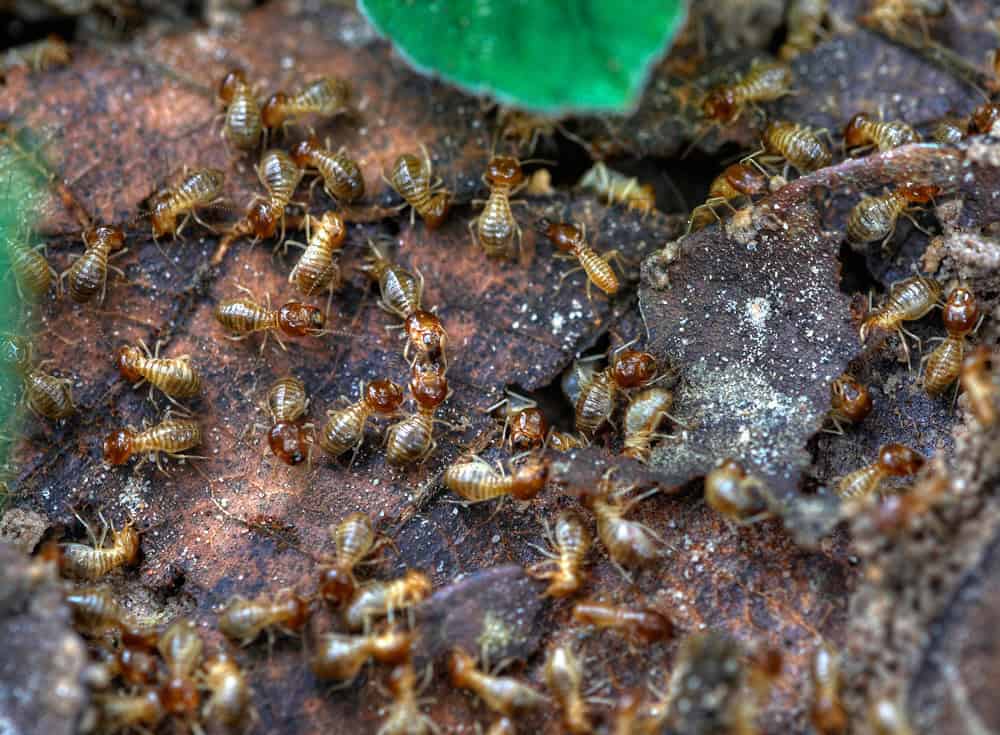
Termites face a significant thermoregulation challenge. Their fungus gardens require precise environmental conditions—generally around 87-89°F (30-32°C) with high humidity levels—to thrive. Yet these insects build in some of the world’s most challenging climates, where external temperatures can fluctuate from below 50°F (10°C) at night to over 104°F (40°C) during the day. Furthermore, the metabolic activity of millions of termites and their fungal gardens generates substantial heat and carbon dioxide that must be dissipated. Without effective climate control, the colony would quickly overheat or suffer from toxic gas buildup. The mound’s ventilation system solves these problems without requiring mechanical parts or external energy inputs—a feat of natural engineering that has evolved over millions of years and continues to inspire human architects and engineers today.
The Chimney Effect: Vertical Ventilation
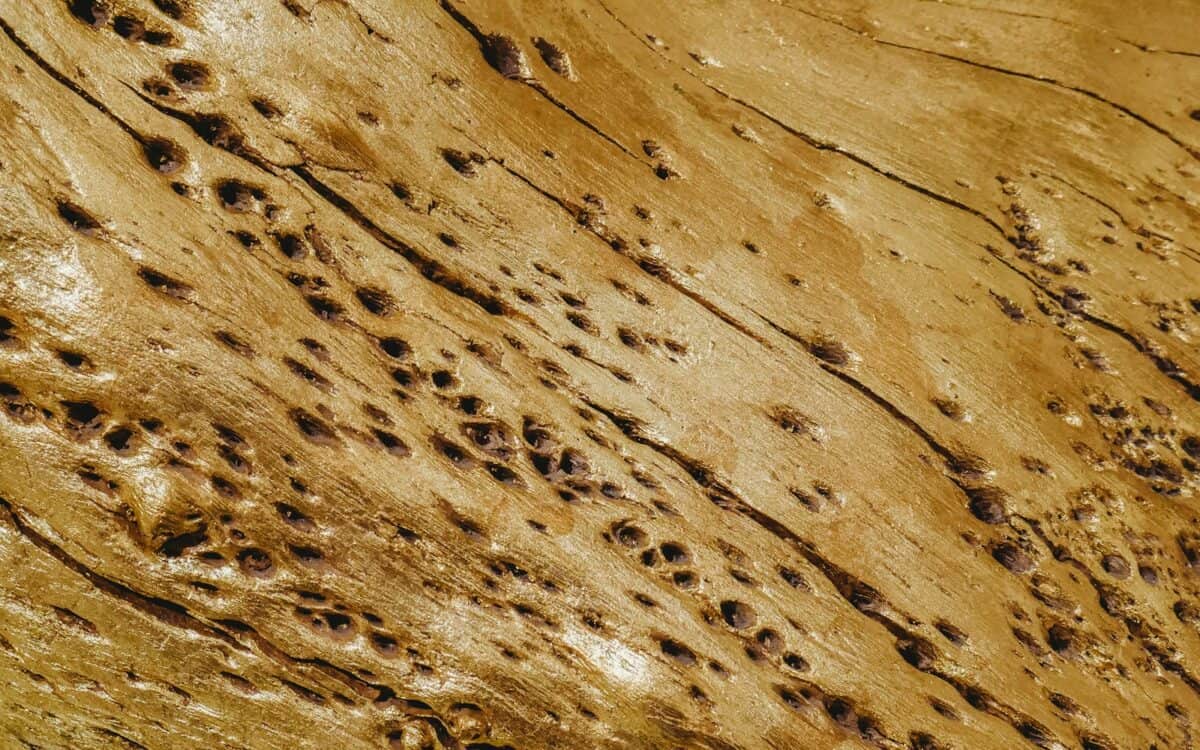
One of the primary mechanisms for air circulation in termite mounds is the chimney effect, also known as stack ventilation. This physical principle relies on the fact that warm air rises while cooler air sinks due to differences in density. In some termite species, particularly those in Africa like Macrotermes michaelseni, the mound features a central chimney that extends from the nest to the top of the structure. As termites and their fungal gardens produce heat, the warm air naturally rises through this central shaft. This creates negative pressure in the lower portions of the mound, drawing in fresher, cooler air through pores in the mound’s base. The system creates a continuous circulation pattern that ventilates the nest without requiring any active work from the termites themselves. The efficiency of this passive ventilation system is remarkable—it can move enough air to completely exchange the atmosphere within the nest several times per day, removing excess carbon dioxide and bringing in fresh oxygen.
Thermal Mass and Insulation Properties
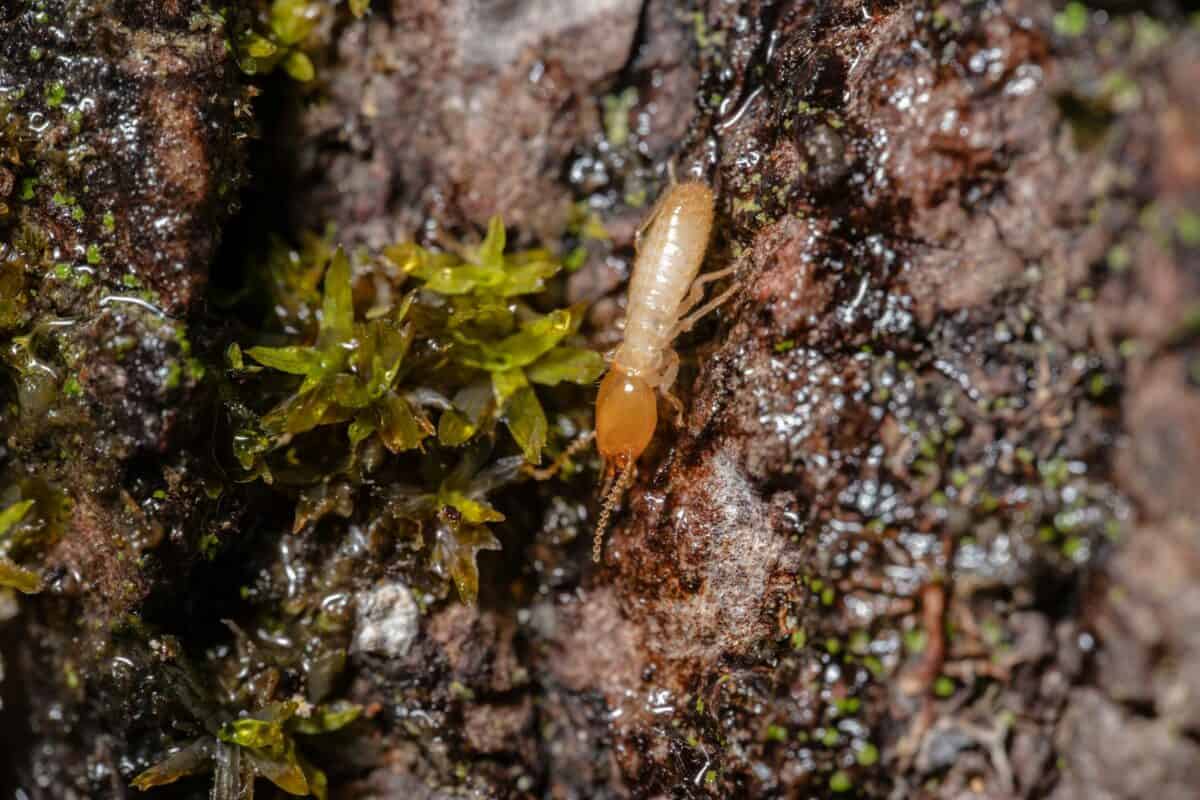
Termite mounds employ the principle of thermal mass to moderate temperature fluctuations. The thick mud walls, often 4-8 inches (10-20 cm) thick, absorb heat slowly during the day and release it gradually at night, creating a buffer against external temperature swings. This thermal inertia helps maintain relatively stable internal conditions despite dramatic daily temperature variations in their environments. The walls themselves also contain varying densities of material, with some species creating outer walls with tiny air pockets that improve insulation properties. Additionally, termites modify the composition of their building materials, adjusting the ratio of clay, sand, and organic matter to achieve optimal thermal properties. During extreme conditions, termites will actively modify their mound, thickening walls during cold periods or creating additional ventilation channels during hot spells. This combination of passive thermal mass and active modification allows termite colonies to maintain remarkably stable internal temperatures—often varying by less than 2°F (1°C) despite external fluctuations of more than 50°F (28°C).
The Remarkable Internal Ventilation Network

Inside termite mounds lies a complex network of tunnels and chambers that resembles the human lung in both form and function. This network consists of a central nest connected to peripheral tunnels that branch into increasingly smaller passages as they approach the mound’s outer wall. These tunnels don’t open directly to the outside but terminate in a thin, porous outer layer. This design allows gas exchange through diffusion while maintaining security and humidity control. Research by entomologists like J. Scott Turner has revealed that these tunnel networks aren’t random but follow fractal patterns that maximize surface area for gas exchange while minimizing construction material. The internal architecture creates multiple microclimates within different parts of the mound, allowing termites to move eggs, young, and fungal gardens to areas with optimal conditions. During construction, termites continuously test and adjust tunnel dimensions by measuring CO2 gradients with their sensitive antennae, ensuring efficient ventilation throughout the structure.
Daily and Seasonal Breathing Cycles
Termite mounds exhibit fascinating “breathing” cycles that change with daily and seasonal variations. During the day, the sun heats the mound’s exterior, particularly on the side facing the sun. This creates temperature differentials that drive convection currents within the mound’s ventilation network. At night, as the outer walls cool, the airflow pattern reverses. This diurnal cycle moves enough air to completely refresh the colony’s atmosphere approximately once every hour. Seasonal adaptations are equally impressive—during rainy seasons, termites may temporarily seal certain ventilation channels to prevent flooding, while during dry seasons, they expand the ventilation network to maximize cooling. Some species even orient their mounds to minimize solar exposure during the hottest periods, with studies showing consistent north-south orientations in certain regions that maximize morning and afternoon sun exposure while minimizing midday heating. These adaptive responses allow colonies to maintain optimal internal conditions year-round despite dramatic environmental fluctuations.
The External Breathing Skin
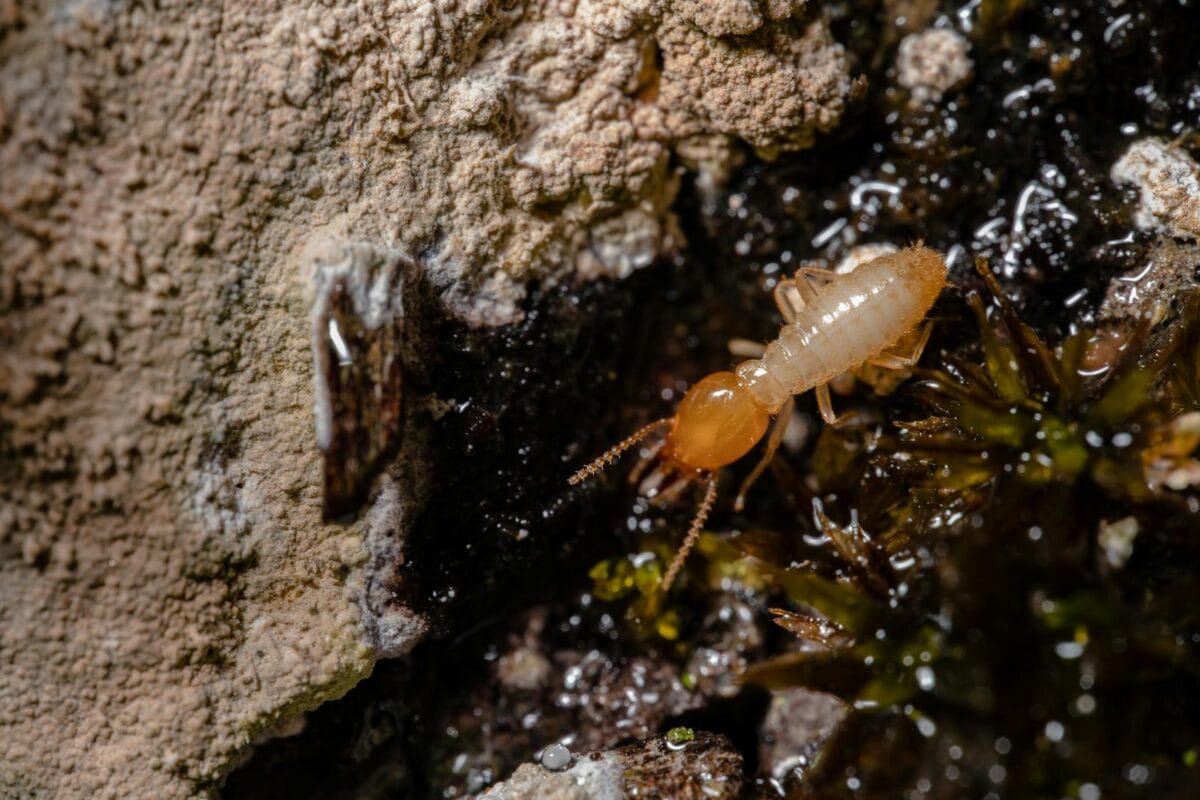
The outer layer of termite mounds functions much like human skin or the alveoli in lungs. This “breathing skin” consists of a thin, porous layer with millions of microscopic pores that allow gas exchange through diffusion while preventing water loss and keeping predators out. The pore size and density are precisely calibrated to balance these competing requirements. Remarkably, termites continually rebuild this outer layer, with workers constantly breaking down and reconstructing portions of the external surface. This ongoing maintenance allows the colony to adjust the mound’s permeability based on environmental conditions. During humid periods, workers create a more porous surface to enhance ventilation, while during dry spells, they construct a denser outer layer to conserve moisture. The result is a dynamic, responsive envelope that adjusts its properties to environmental conditions—a living example of what architects and engineers call a “responsive building envelope,” achieved through biological means rather than electronic sensors and mechanical systems.
Species-Specific Ventilation Strategies
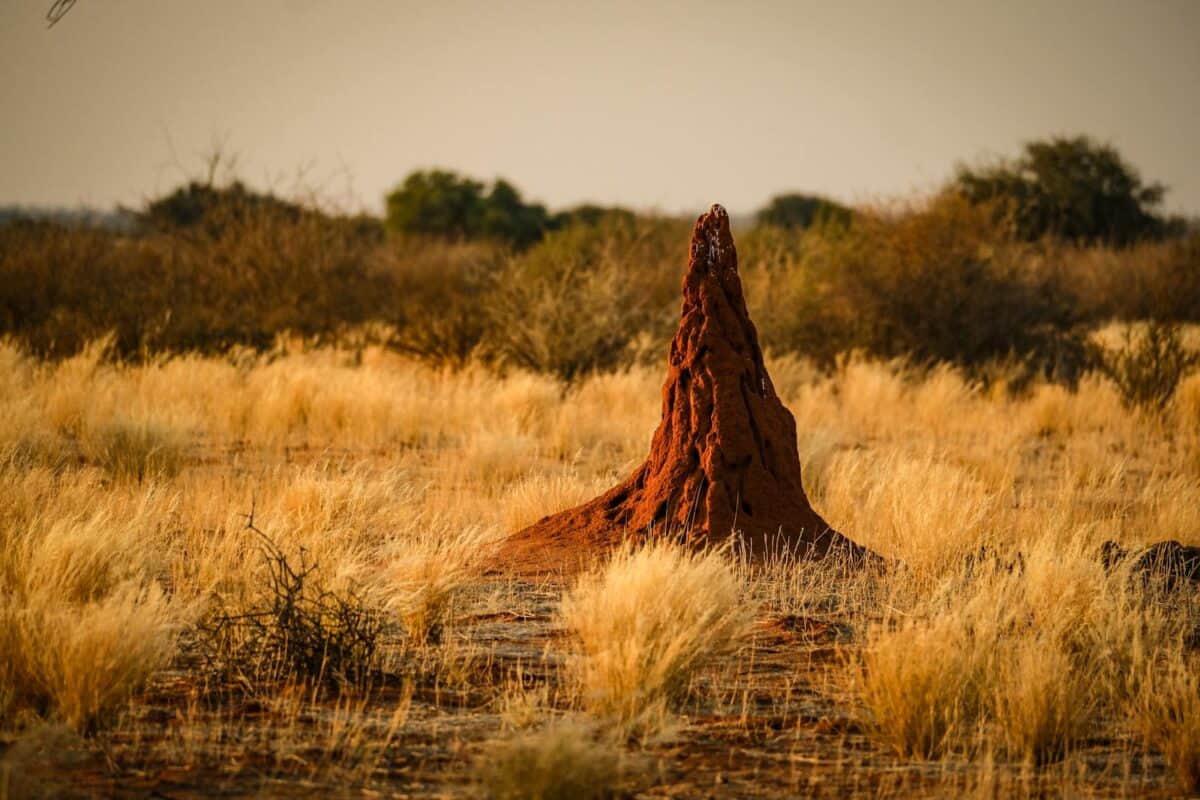
Different termite species have evolved distinct ventilation strategies based on their native environments. Macrotermes bellicosus, common in West African savannas, builds tall, cathedral-like structures with thin spires that maximize surface area for cooling. Macrotermes michaelseni in southern Africa constructs closed mounds with elaborate internal ventilation networks that rely primarily on convection currents. Australian Nasutitermes triodiae creates massive mounds oriented north-south to minimize sun exposure during the hottest parts of the day. Some cathedral termite mounds in Australia’s Northern Territory can reach heights of 25 feet (7.5 meters) and are often oriented with the thin edges facing east-west to reduce heat gain during midday. Amitermes meridionalis builds “magnetic mounds” that are remarkably thin (about 3 feet/1 meter thick) but can be over 12 feet (3.5 meters) tall and oriented precisely along a north-south axis, minimizing solar exposure at midday. These variations demonstrate how natural selection has produced multiple solutions to the ventilation challenge across different environments.
Biomimicry: Inspiring Human Architecture

The ingenious ventilation systems of termite mounds have increasingly inspired human architects and engineers seeking sustainable building solutions. The most famous example is the Eastgate Centre in Harare, Zimbabwe, designed by architect Mick Pearce in collaboration with engineers at Arup Associates. This mid-rise office building uses principles derived from termite mounds to maintain comfortable temperatures with minimal energy use. By incorporating thermal mass, passive ventilation shafts, and careful orientation, the building uses 90% less energy for ventilation than conventional buildings of similar size. More recent projects inspired by termite mounds include the Council House 2 building in Melbourne, Australia, and various designs by architecture firms like Exploration Architecture. Researchers at universities including Harvard, MIT, and Cambridge are studying termite construction techniques to develop algorithms for robotic building systems and self-regulating building envelopes. These biomimetic approaches demonstrate how lessons from 50 million years of termite evolution can help address contemporary challenges in sustainable architecture and reduced energy consumption.
Conclusion: Nature’s Master Engineers
Termite mounds represent one of nature’s most sophisticated examples of environmental engineering, achieving with soil and saliva what humans accomplish with complex mechanical systems. These remarkable structures maintain stable internal conditions through an elegant combination of thermal mass, strategic ventilation, and continuous adaptation. Perhaps most impressively, this climate control system operates without central planning or external energy inputs, relying instead on self-organization, simple biological rules, and the physical principles of thermodynamics. As humanity faces growing challenges related to sustainable building and energy consumption, termite construction techniques offer valuable inspiration for biomimetic solutions. The humble termite, often viewed only as a pest, demonstrates that some of nature’s smallest creatures can be its most ingenious engineers, perfecting sustainable climate control millions of years before humans contemplated similar challenges.

- How Penguins Navigate Without a Compass - August 18, 2026
- Why You Should Always Respect a Lone Bison - August 18, 2026
- The Secret World of Animals That Glow - August 18, 2026