


When we welcome pets into our lives, we take on a profound responsibility for their wellbeing. While providing food, shelter, and love are fundamental aspects of pet care, regular veterinary visits form the cornerstone of responsible pet ownership. These check-ups aren’t merely an optional extra—they’re essential for maintaining your pet’s health, preventing disease, and ensuring they enjoy a long, happy life by your side. In this comprehensive guide, we’ll explore why consistent veterinary care matters, what happens during these visits, and how they benefit both you and your beloved companion throughout all stages of their life.
The Foundation of Preventive Care

Regular veterinary visits establish the foundation for preventive healthcare, which is far more effective and economical than treating conditions after they’ve developed. During routine examinations, veterinarians can detect subtle changes in your pet’s health that might otherwise go unnoticed until they become serious problems. Research from the American Veterinary Medical Association shows that pets receiving regular preventive care live longer, healthier lives compared to those who only see a veterinarian when visibly ill. These check-ups typically include a thorough physical examination, vaccination updates, parasite screening, and personalized recommendations based on your pet’s age, breed, lifestyle, and health status. By establishing this routine early in your pet’s life, you create a pattern of care that supports their wellbeing through every life stage.
Early Detection Saves Lives
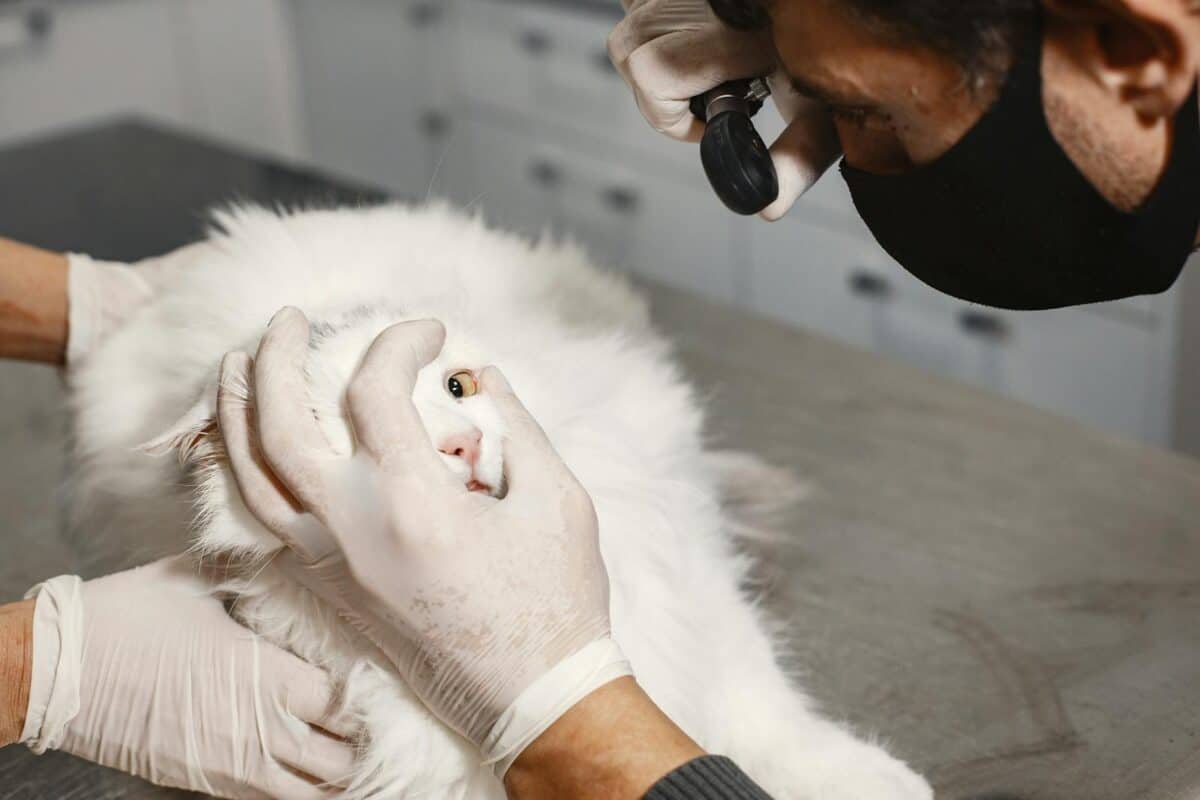
One of the most compelling reasons for regular vet visits is the opportunity for early disease detection. Pets instinctively hide signs of illness or discomfort—an evolutionary trait that protected their wild ancestors from appearing vulnerable to predators. By the time symptoms become obvious enough for pet owners to notice, conditions have often progressed significantly. Veterinarians are trained to recognize subtle indicators of health problems through physical examinations, behavioral assessments, and diagnostic tests. Studies show that early detection of conditions like cancer, kidney disease, and diabetes dramatically improves treatment outcomes and quality of life. For example, pets diagnosed with cancer in early stages have survival rates up to five times higher than those diagnosed after symptoms become severe. Regular screenings for common diseases help identify problems when they’re most treatable, often before they cause suffering or require expensive interventions.
Customized Vaccination Schedules

Vaccinations represent one of veterinary medicine’s greatest contributions to animal health, preventing devastating infectious diseases that once claimed countless pets’ lives. However, vaccination needs vary significantly based on factors like species, age, lifestyle, geographic location, and individual risk factors. Regular vet visits enable the creation of customized vaccination protocols that provide necessary protection without over-vaccination. Core vaccines protect against widespread, serious diseases like rabies, parvovirus, and distemper, while non-core vaccines are recommended based on your pet’s specific risk profile. Your veterinarian will assess whether your indoor cat needs protection against feline leukemia, or if your hiking companion should receive a Lyme disease vaccine. They’ll also monitor for any adverse reactions and adjust future vaccination plans accordingly. This personalized approach ensures your pet receives optimal protection while minimizing unnecessary medical interventions.
Parasite Prevention and Control
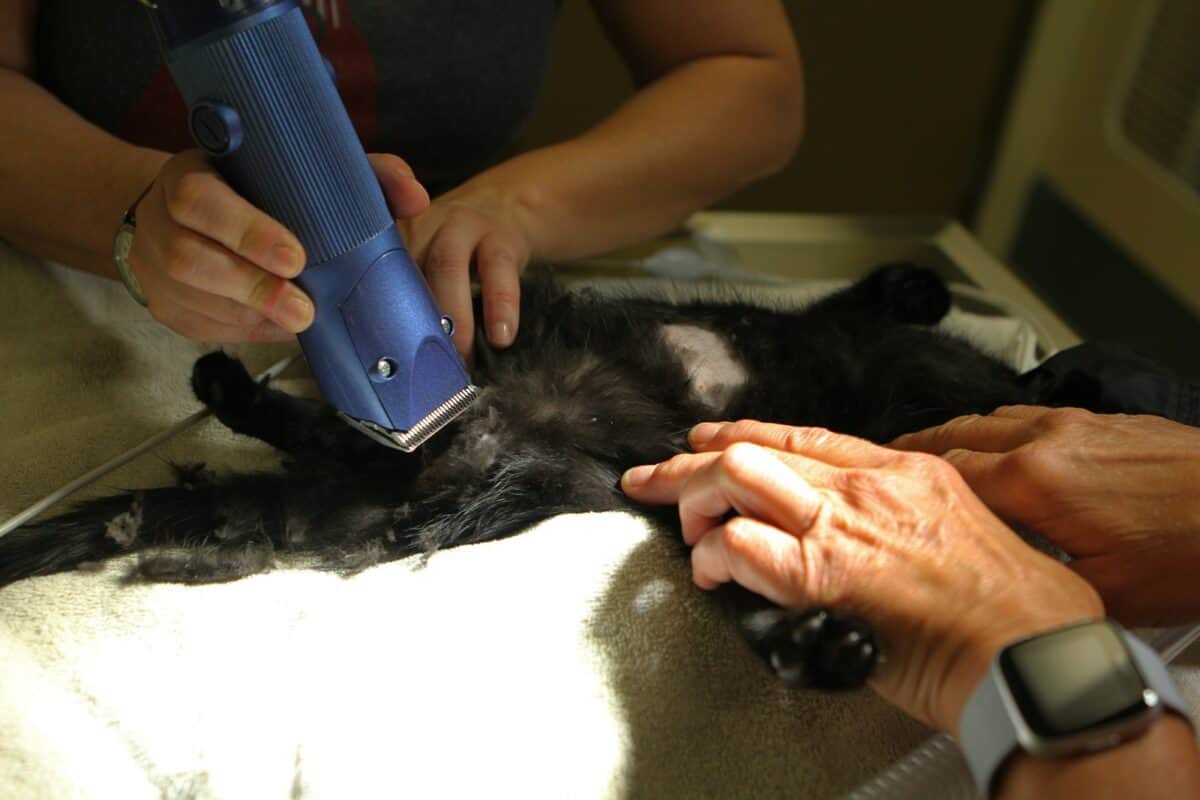
Parasites pose a constant threat to pet health, with many capable of causing serious illness or even death if left untreated. External parasites like fleas and ticks can transmit diseases such as Lyme disease, ehrlichiosis, and bartonellosis, while internal parasites like heartworms, hookworms, and roundworms damage vital organs and can sometimes spread to humans. During regular check-ups, your veterinarian will screen for common parasites through fecal examinations, blood tests, and physical assessment. They’ll recommend appropriate preventive medications based on local parasite prevalence, your pet’s lifestyle, and seasonal factors. Many parasite preventatives require prescriptions that must be renewed through veterinary visits, ensuring your pet maintains continuous protection. This consistent approach to parasite control not only safeguards your pet but also helps protect public health by preventing zoonotic diseases—those that can pass from animals to humans.
Dental Health Monitoring
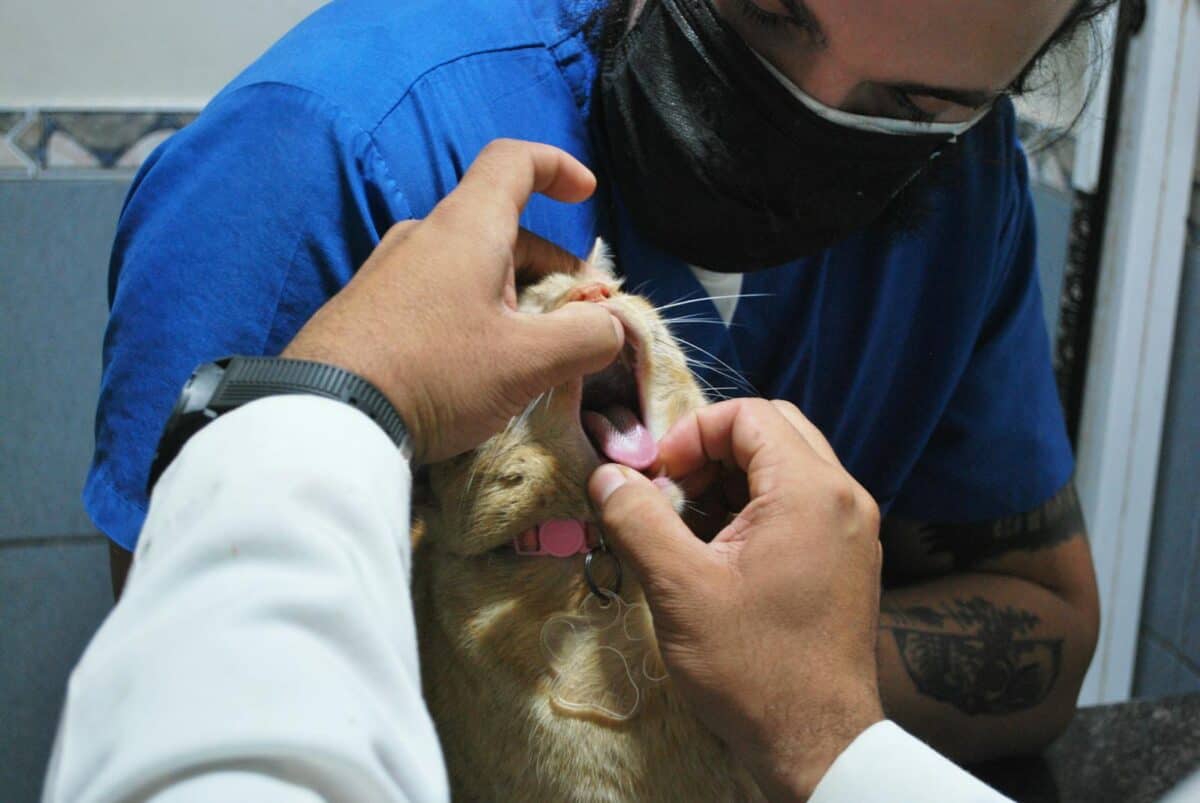
Dental disease affects approximately 80% of dogs and 70% of cats by age three, making it one of the most common but overlooked health issues in pets. Beyond causing pain and difficulty eating, dental problems can lead to serious systemic infections as bacteria from the mouth enter the bloodstream and affect organs like the heart, liver, and kidneys. Regular veterinary examinations include oral health assessments that identify early signs of dental disease before they progress to advanced periodontitis or tooth loss. Your veterinarian can demonstrate proper home dental care techniques and recommend appropriate dental products specifically designed for pets. When necessary, they’ll perform professional dental cleanings under anesthesia to remove tartar below the gumline—something impossible to achieve with home care alone. This regular monitoring and intervention prevent the chronic pain and systemic health problems associated with untreated dental disease.
Weight Management and Nutritional Guidance

Obesity has reached epidemic proportions in pets, with current estimates suggesting that over 50% of dogs and cats in the United States are overweight or obese. This excess weight significantly increases the risk of diabetes, arthritis, heart disease, respiratory problems, and certain cancers while reducing lifespan by up to two years. Regular veterinary visits include weight monitoring and body condition scoring, allowing for early intervention when weight begins to creep up. Your veterinarian can provide personalized nutritional recommendations based on your pet’s age, breed, activity level, and health status, helping you navigate the overwhelming array of pet food options. They may recommend specific therapeutic diets for managing conditions like kidney disease, food allergies, or gastrointestinal disorders. This expert guidance ensures your pet receives appropriate nutrition throughout changing life stages and health conditions, supporting their overall wellbeing and preventing nutrition-related diseases.
Behavioral Health Assessment

Behavioral problems rank among the leading reasons pets are surrendered to shelters or euthanized, making behavioral health an essential component of comprehensive veterinary care. During regular visits, veterinarians assess behavioral changes that might indicate underlying physical ailments or developing behavioral disorders. Pain, thyroid imbalances, cognitive dysfunction, and sensory decline can all manifest as behavioral changes before other symptoms appear. Your veterinarian can help distinguish between normal developmental behaviors, trainable issues, and problems requiring medical intervention or referral to a veterinary behaviorist. They can recommend appropriate management strategies, training resources, or medications when necessary. Early intervention for behavioral concerns improves outcomes and strengthens the human-animal bond by addressing problems before they become entrenched. This proactive approach to behavioral health keeps families together and enhances quality of life for both pets and their people.
Age-Specific Healthcare Needs
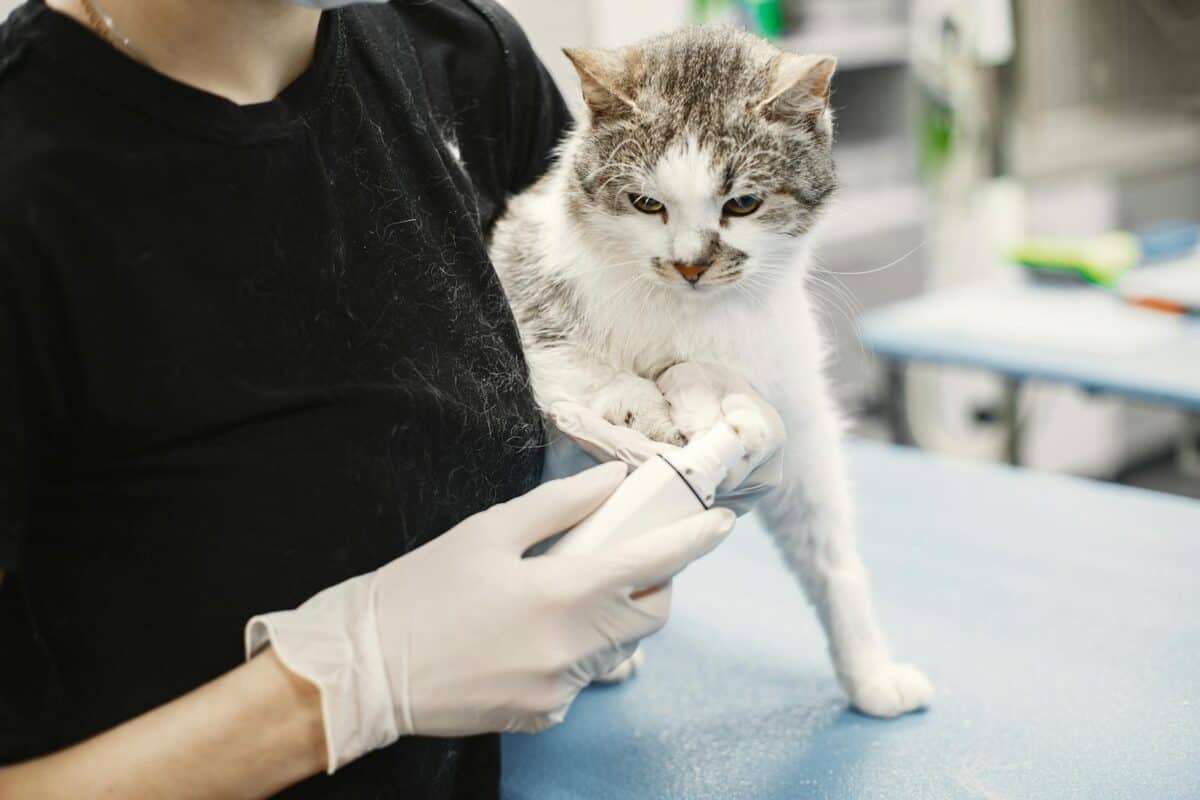
As pets progress through different life stages, their healthcare needs evolve significantly. Puppies and kittens require frequent visits for vaccination series, developmental assessments, and discussions about socialization, training, and preventive care. Adult pets benefit from annual wellness examinations that establish baseline health parameters and address emerging concerns. Senior pets, generally considered those in the last third of their expected lifespan, often need semi-annual visits and more comprehensive screening as age-related diseases become more prevalent. These might include blood pressure monitoring, thyroid testing, comprehensive blood work, urinalysis, and other diagnostics that can detect subtle changes before clinical signs develop. Regular veterinary visits throughout all life stages ensure healthcare adapts to changing needs, providing appropriate preventive care, early intervention, and comfort measures as pets age. This life-stage approach maximizes wellbeing at every age and helps navigate the unique challenges of each period in your pet’s life.
Building a Trusting Relationship

Regular veterinary visits build a valuable relationship between you, your pet, and your veterinary healthcare team. This ongoing connection allows veterinarians to develop comprehensive knowledge of your pet’s normal behaviors, baseline health parameters, and unique personality traits—information that proves invaluable when assessing changes or making treatment decisions. For pets, consistent positive experiences at the clinic reduce fear and anxiety associated with veterinary care. Many practices now implement Fear Free techniques specifically designed to minimize stress during examinations and procedures. Your veterinarian becomes a trusted partner in your pet’s care, someone familiar with your priorities, concerns, and questions about your animal companion. This relationship provides continuity of care throughout your pet’s life and ensures someone knowledgeable about your pet’s history is available during health crises. The trust developed through regular visits facilitates better communication and more personalized care when important health decisions arise.
Creating Medical Records and Health History

Comprehensive medical records generated through regular veterinary visits create an invaluable health history that informs future care decisions. These records document vital information including vaccination history, medication reactions, baseline laboratory values, chronic conditions, and treatment responses. This documentation proves particularly valuable when pets require emergency care or when you need to consult specialists for complex conditions. Complete medical records also facilitate seamless transitions if you relocate or change veterinary practices. Additionally, some insurance companies and boarding facilities require proof of regular veterinary care and vaccination status, making these records practical necessities. Your veterinarian uses this accumulated information to identify patterns or changes that might otherwise go unnoticed, such as gradual weight loss, subtle laboratory value shifts, or recurring seasonal allergies. This longitudinal perspective enables more accurate diagnoses and better-informed treatment plans tailored to your pet’s specific health history.
Financial Benefits of Preventive Care

While regular veterinary visits involve ongoing expenses, they typically represent a sound financial investment when compared to the cost of treating advanced diseases. Preventive care identifies problems before they require emergency intervention, hospitalization, or extensive treatment. For example, treating advanced dental disease might cost five to ten times more than regular dental check-ups and cleanings, while managing complications from vaccine-preventable diseases can cost thousands of dollars compared to routine vaccination fees. Many veterinary practices now offer wellness plans that bundle preventive services at discounted rates, making regular care more affordable through monthly payments. Pet insurance policies increasingly emphasize and reward preventive care, recognizing its role in reducing major claims. Some policies even cover routine visits, vaccinations, and screenings. By investing in regular preventive care, pet owners often save significantly on lifetime veterinary expenses while ensuring their companions receive consistent attention to their health needs.
Recommended Frequency of Veterinary Visits

The optimal frequency for veterinary visits varies based on species, age, health status, and individual risk factors. For healthy adult dogs and cats, annual wellness examinations represent the minimum recommendation, though semi-annual visits provide more opportunities for early detection of developing problems. Puppies and kittens typically require monthly visits until their initial vaccination series completes at around 16 weeks of age, followed by spay/neuter procedures and transitional adolescent care. Senior pets benefit from examinations every six months as age-related diseases become more common and progress more rapidly. Pets with chronic conditions like diabetes, kidney disease, or heart failure often need more frequent monitoring to adjust treatments and prevent complications. Your veterinarian will recommend an appropriate schedule based on your pet’s specific needs, sometimes increasing frequency as they age or develop health concerns. Following these personalized recommendations ensures your pet receives appropriate preventive care throughout their life stages and health transitions.
The Lasting Impact of Consistent Veterinary Care
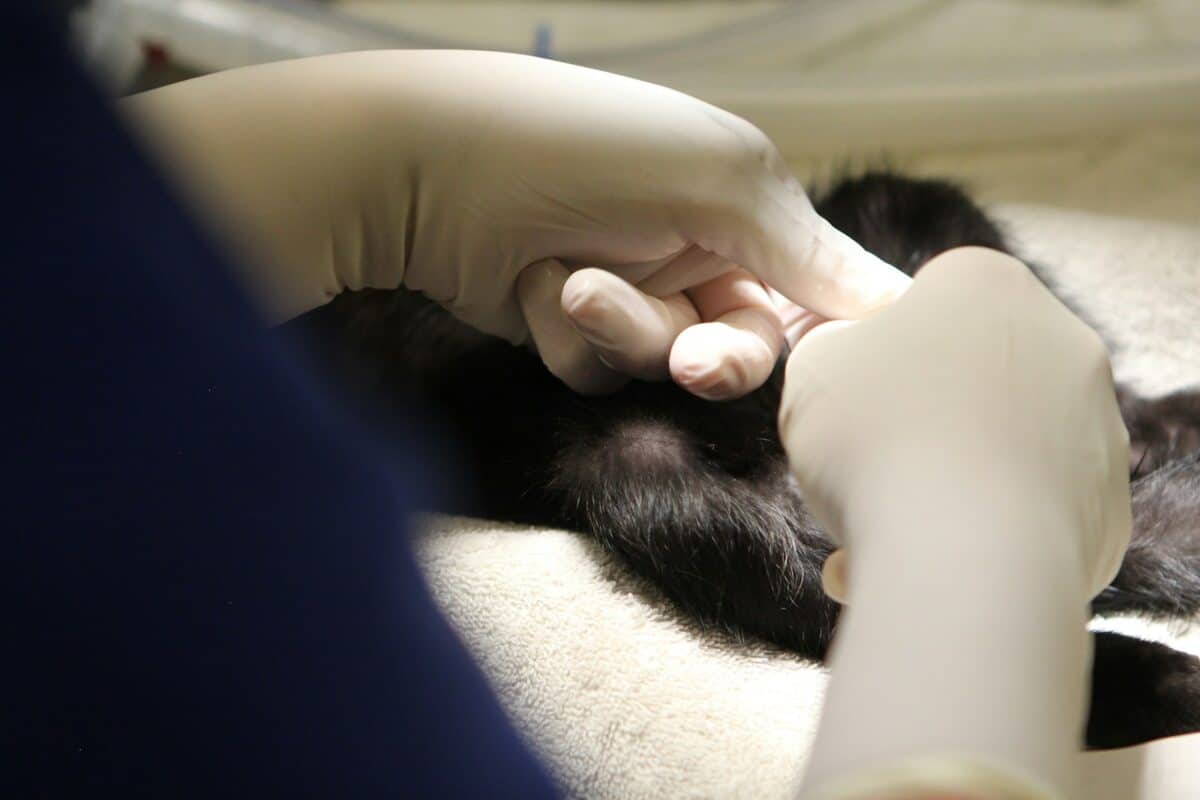
The cumulative effect of regular veterinary visits extends far beyond individual health checks, creating a comprehensive system of support that enhances and lengthens your pet’s life. Studies consistently demonstrate that pets receiving regular preventive care live longer, healthier lives with fewer serious illnesses and better quality of life in their senior years. This consistent attention to health needs allows many pets to remain comfortable and active well into their geriatric years, preserving the human-animal bond during this precious time. Regular veterinary care also contributes to public health by preventing zoonotic diseases, monitoring for emerging health threats, and ensuring appropriate antimicrobial use that reduces resistance development. When pet owners commit to regular veterinary visits, they demonstrate responsible stewardship not only for their individual companions but for animal welfare and public health more broadly. This investment in consistent healthcare represents one of the most meaningful expressions of the love and responsibility we feel toward the animals who share our lives and homes.
Regular veterinary visits stand as a cornerstone of responsible pet ownership, providing far-reaching benefits that extend throughout your pet’s lifetime. These check-ups create opportunities for disease prevention, early intervention, and personalized healthcare that adapt to your pet’s changing needs at every life stage. The relationship built between you, your pet, and your veterinary team facilitates better communication, reduces stress during medical care, and ensures informed decision-making when health challenges arise. While the financial commitment to consistent veterinary care requires planning, it typically represents a sound investment that reduces overall healthcare costs while maximizing quality and length of life. By prioritizing regular veterinary visits, you make a profound commitment to your pet’s wellbeing—one that honors the trust they place in you and fulfills the responsibility you accepted when welcoming them into your family.

- How Crickets Chirp Using Their Wings - July 20, 2026
- The Largest Sea Turtle Ever Rescued Off North Carolina - July 20, 2026
- The Ocean’s Escape Artist: Why Octopuses Outsmart Us All - July 20, 2026