


The North American wilderness hosts many dramatic wildlife encounters, but few match the intensity of a confrontation between a mountain lion and a coyote. These two predators share overlapping territories across much of western North America, creating inevitable conflicts as they compete for resources and establish dominance. While these encounters are rarely witnessed by humans, they represent fascinating examples of predator dynamics that help shape entire ecosystems. This article explores what happens when these two formidable predators cross paths, examining their interactions through the lens of biology, behavior, and ecological significance.
The Predators’ Physical Comparison
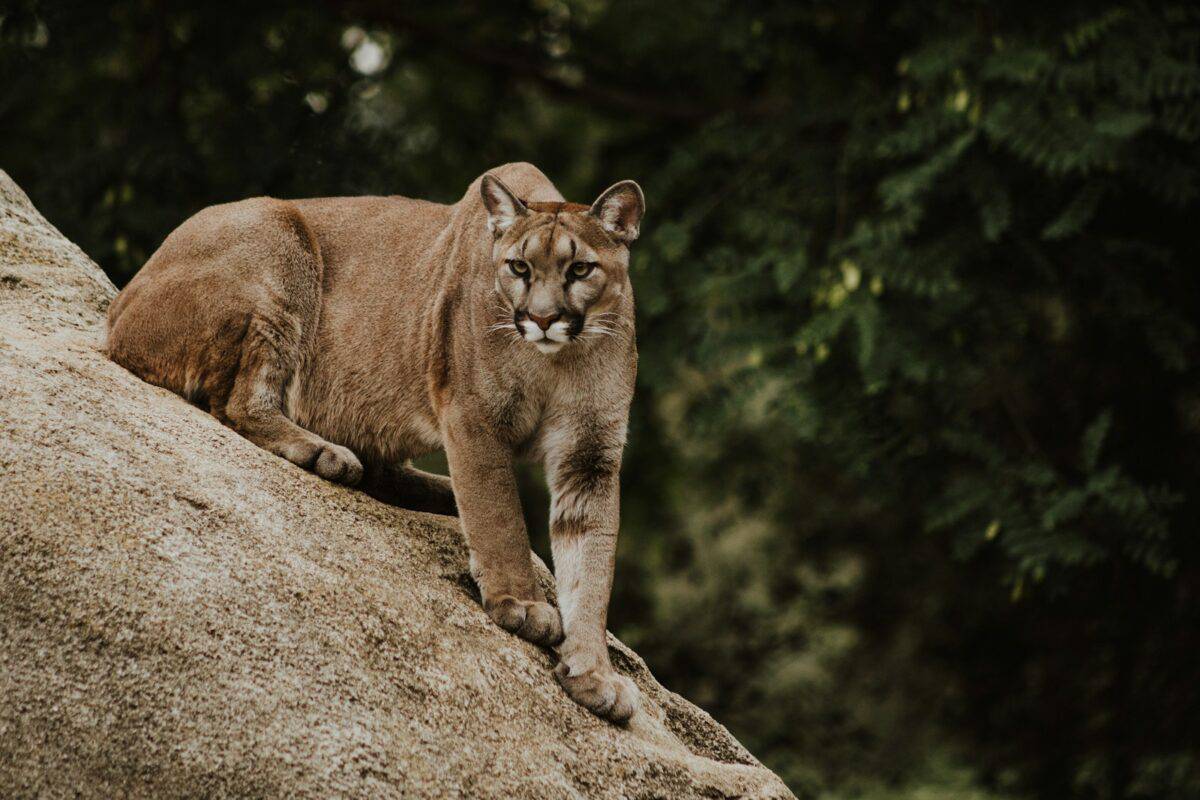
Mountain lions (Puma concolor), also known as cougars or pumas, significantly outclass coyotes in size and strength. An adult male mountain lion typically weighs between 110-180 pounds and can reach lengths of 7-8 feet from nose to tail. Their powerful build includes muscular shoulders, strong jaws capable of delivering a crushing bite force of approximately 400 PSI, and sharp retractable claws designed for seizing prey. By contrast, coyotes (Canis latrans) are much smaller, with adults typically weighing between 20-50 pounds and measuring 3-4.5 feet in length. A coyote’s bite force reaches approximately 200 PSI—formidable for their size but substantially less powerful than a mountain lion’s. This physical disparity creates a clear advantage for the mountain lion in direct confrontations.
Territorial Overlap and Conflict Triggers

Mountain lions and coyotes often inhabit the same geographic regions throughout western North America, from the Rocky Mountains to the Pacific coast. Both species are adaptable and can thrive in various habitats including forests, mountains, deserts, and even suburban areas. Territorial conflicts typically arise when resources become limited or during specific seasons. Competition for prey, particularly during harsh winters when food is scarce, represents the most common trigger for confrontations. Additionally, protecting young, defending kills, or encounters near water sources during drought conditions can spark aggressive interactions. Mountain lions generally maintain territories ranging from 30 to 125 square miles depending on sex, prey availability, and terrain, while coyotes typically defend smaller territories of 3 to 15 square miles, creating numerous potential overlap zones.
Typical Encounter Scenarios

Most mountain lion-coyote encounters fall into several common scenarios. The most frequent involves competition over a kill, where a coyote or group of coyotes attempts to scavenge from a mountain lion’s prey cache. Another common scenario occurs when coyotes stumble upon mountain lion cubs, potentially triggering a fierce defensive response from the mother. Conversely, mountain lions sometimes deliberately hunt coyotes as prey, particularly during food shortages.
Chance encounters also happen at water sources or along game trails, though these typically result in the coyote retreating rather than engaging. Wildlife researchers have documented that in areas with high mountain lion density, coyotes will often alter their behavior patterns to avoid these larger predators, demonstrating an awareness of the potential danger they represent.
Mountain Lion Hunting Tactics

When a mountain lion targets a coyote as prey, it employs the same ambush hunting strategy used for deer and other game. The big cat will stalk silently, using terrain features and vegetation for cover, moving with remarkable stealth until within striking distance—typically 30-50 feet. The attack involves a powerful, explosive sprint culminating in a leap onto the coyote’s back or shoulders. Mountain lions aim to deliver a killing bite to the neck or throat, severing the spinal cord or causing suffocation.
These attacks are remarkably efficient; studies show that mountain lions successfully kill their intended prey in over 80% of attempts. Unlike confrontations with larger prey like elk, which might involve prolonged struggles, a mountain lion’s attack on a coyote typically ends quickly due to the significant size advantage, often within seconds of initial contact.
Coyote Defense and Evasion Strategies

Coyotes survive in mountain lion territory through a combination of vigilance, agility, and group tactics. Their primary defense is avoidance—coyotes have excellent senses of smell and hearing that allow them to detect mountain lions before visual contact. When confronted, a lone coyote typically flees, using its superior endurance and agility to escape through dense vegetation or rough terrain where the larger predator’s size becomes a disadvantage.
Coyotes can sustain speeds of 35-40 mph in short bursts and maintain 25 mph for longer distances. When in packs, coyotes may employ mobbing behavior, where multiple individuals harass a mountain lion from different angles, making it difficult for the larger predator to focus on a single target. Research has shown that coyotes in mountain lion territory also modify their activity patterns, becoming more diurnal (active during daylight) to avoid the primarily nocturnal hunting periods of mountain lions.
Pack Dynamics: When Coyotes Team Up
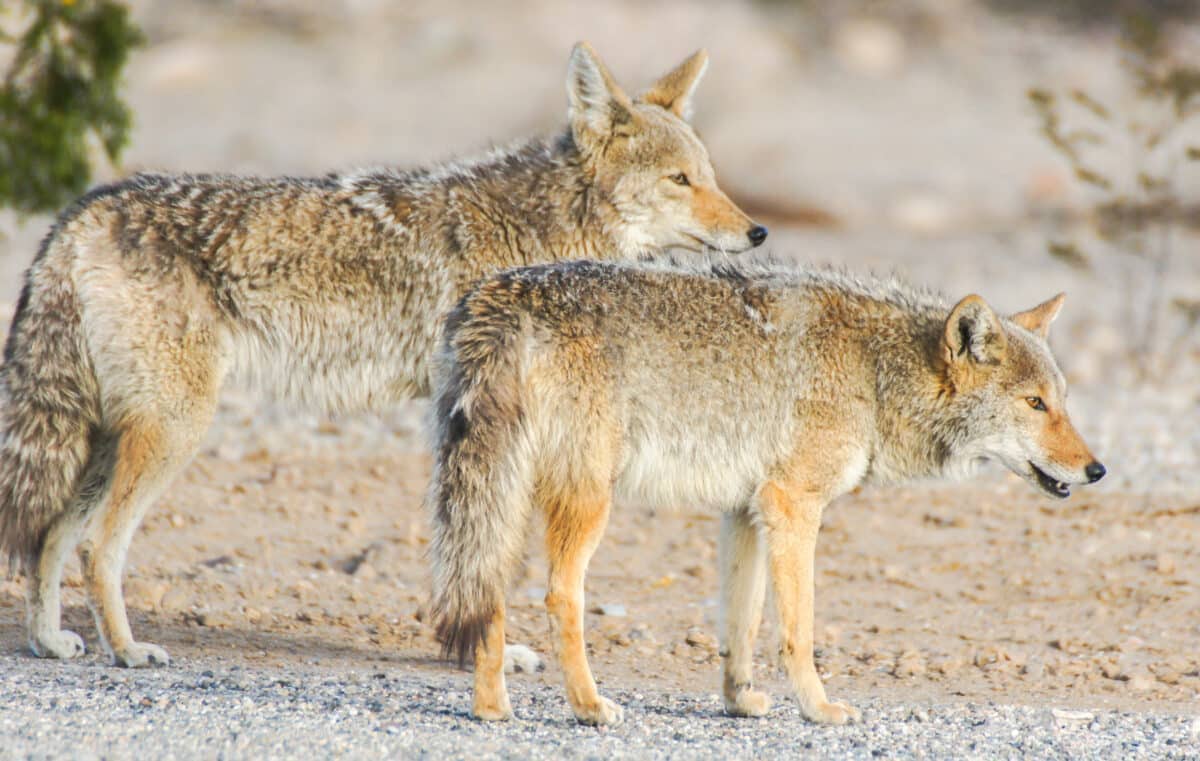
While coyotes are often portrayed as solitary hunters, they frequently operate in family groups or loose packs, particularly in winter and during breeding season. These social units dramatically change the dynamics of mountain lion-coyote interactions. A pack of 3-7 coyotes can successfully drive off a mountain lion from a kill through coordinated harassment. Researchers in Yellowstone National Park have documented coyote packs successfully defending territories against mountain lions through persistent mobbing behaviors, with individuals taking turns lunging at the big cat while maintaining a safe distance.
The pack will produce a chorus of barks, yips, and howls—both as communication among themselves and as a psychological tactic against the mountain lion. Though rare, there are documented cases of coyote packs inflicting serious injuries on mountain lions through this persistent harassment strategy, though such aggressive confrontations typically only occur when the coyotes are defending pups or when extremely hungry and competing for a kill.
The Role of Age and Sex in Confrontations

The outcome of mountain lion-coyote confrontations varies significantly based on the age, sex, and condition of the individual animals involved. Adult male mountain lions, being the largest and most powerful, rarely face serious challenges from coyotes. Female mountain lions, while smaller than males, still outweigh coyotes by a considerable margin and generally dominate in direct confrontations—particularly females with cubs, which display heightened aggression when defending their young.
Juvenile mountain lions under two years of age, weighing between 50-100 pounds, face more balanced encounters with adult coyotes, especially coyote packs. Wildlife biologists have recorded instances of coyote packs killing young, inexperienced mountain lions that haven’t yet developed full hunting prowess. Age affects coyotes as well; older individuals with experience may better recognize the threat posed by mountain lions and employ more effective avoidance strategies than younger, more naive coyotes.
Competition Over Kills
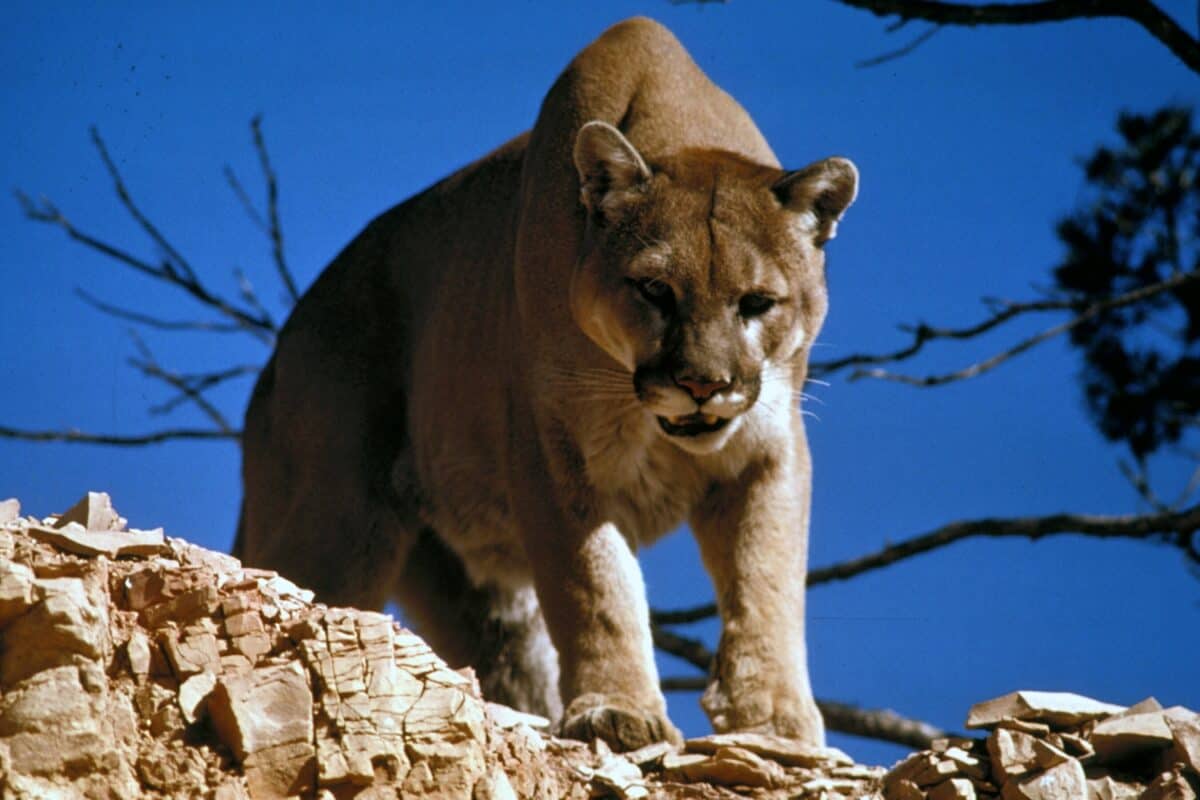
Perhaps the most common point of direct conflict between mountain lions and coyotes occurs around fresh kills. Mountain lions typically cover their kills with soil, leaves, and debris before retreating to rest nearby, planning to return for multiple feeding sessions over several days. This behavior creates opportunities for coyotes, known for their scavenging abilities, to locate and attempt to feed on these caches. Studies in California’s Sierra Nevada mountains found that coyotes successfully scavenged up to 30% of mountain lion kills.
When the mountain lion detects coyotes at its kill, it typically charges aggressively to drive them away. Coyotes have developed strategies to counter this, including using coordinated approaches where some individuals distract the mountain lion while others quickly feed. The larger predator usually prevails in these confrontations, but persistent coyotes often return repeatedly, waiting for opportunities when the mountain lion temporarily leaves the vicinity of the kill.
Documented Outcomes of Direct Confrontations

Wildlife researchers have documented the outcomes of mountain lion-coyote confrontations through field observations, camera traps, and radio-collar tracking studies. The data consistently shows that in direct one-on-one confrontations, mountain lions almost invariably dominate, with coyotes retreating or being killed in over 90% of encounters. A comprehensive study conducted in Wyoming’s Grand Teton National Park documented 58 direct interactions between mountain lions and coyotes over four years; mountain lions killed coyotes in 13 instances, while no cases of coyotes killing adult mountain lions were recorded. However, when coyotes operate in groups of four or more, the dynamics shift significantly. In these cases, mountain lions were observed retreating approximately 50% of the time. The most balanced confrontations occur between adult coyotes and juvenile mountain lions, where outcomes become more unpredictable and dependent on specific circumstances such as terrain, hunger levels, and the presence of escape routes.
Ecological Impact of These Predator Interactions
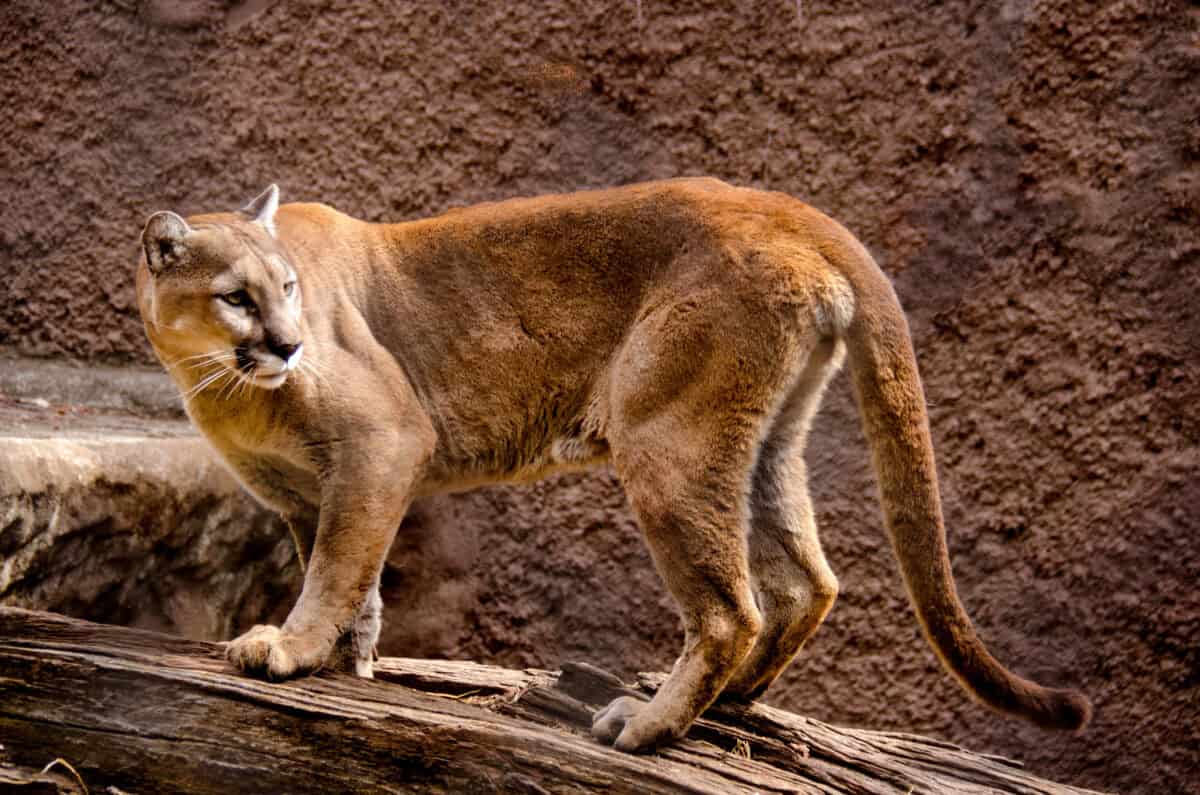
The competitive relationship between mountain lions and coyotes creates ripple effects throughout their shared ecosystems. In areas where mountain lions maintain healthy populations, they exert pressure on coyote numbers through direct predation and competitive exclusion. Research in parts of Utah and Colorado has shown that when mountain lion populations decline due to hunting or habitat loss, coyote populations typically increase by 25-50% within two years.
This shift affects smaller predators and prey species throughout the food web. For instance, higher coyote numbers often lead to decreased fox, rabbit, and ground-nesting bird populations. Conversely, strong mountain lion presence creates what ecologists call a “landscape of fear” that modifies coyote behavior, restricting their movements and hunting patterns, which in turn provides refuge areas for smaller species. These predator interactions help maintain biodiversity by preventing any single predator species from becoming too dominant within the ecosystem.
Human Influence on Predator Confrontations

Human activities significantly impact the frequency and nature of mountain lion-coyote interactions. Habitat fragmentation due to urban development, agriculture, and road construction compresses wildlife into smaller areas, potentially increasing confrontation rates as territories overlap more frequently. Wildlife management policies, particularly predator control programs targeting either species, can disrupt the natural balance between these predators. For example, areas with intensive mountain lion hunting often see corresponding increases in coyote populations and activity.
Climate change also influences these interactions by altering prey availability and distribution patterns. During drought conditions, when both species concentrate around limited water sources, confrontations become more common. Additionally, human-provided food sources near suburban areas can draw both predators into closer proximity, creating artificial conflict zones. Conservation efforts increasingly recognize the importance of maintaining intact predator guilds, including both mountain lions and coyotes, as essential for healthy ecosystem function.
Conclusion: The Delicate Balance of Predator Relationships

The confrontations between mountain lions and coyotes represent a fascinating example of predator dynamics that have evolved over thousands of years. While mountain lions typically dominate in direct confrontations due to their superior size and strength, coyotes have developed sophisticated strategies to coexist through avoidance, group defense, and opportunistic behavior.
These interactions serve a vital ecological function by helping regulate predator populations and influencing the behavior of both species, creating cascading effects throughout the food web. As human development continues to impact wild spaces, understanding and preserving these natural predator relationships becomes increasingly important for maintaining healthy ecosystems. The mountain lion-coyote dynamic reminds us that in nature, species interactions are rarely simple matters of dominance, but rather complex relationships shaped by adaptation, opportunity, and the endless dance of ecological balance.

From exploring the marine wonders in the Azores and witnessing the vast savannas of Kenya, to delving deep into the rich biodiversity of South Africa and traversing iconic landscapes in Australia and the US like Yellowstone, Chris's experiences are vast.
With a penchant for diving alongside sharks, the ocean holds a special place in his heart.
Through his academic insights, he champions wildlife conservation, striving with 'Animals Around The Globe' to cultivate a profound connection between humans and animals, enhancing our mutual appreciation.
Connect with him at Feedback@animalsaroundtheglobe.com.
- How Tigers Mark Their Territory Using Scent and Scratches - July 29, 2026
- The Deadly Volcano That Erased a Town Is Now Active Again - July 29, 2026
- 12 Deep Sea Animals With Terrifying Adaptations - July 29, 2026