


The Mojave Desert’s iconic inhabitant, the desert tortoise (Gopherus agassizii), has thrived in one of North America’s harshest landscapes for thousands of years. These remarkable reptiles have evolved specialized adaptations allowing them to withstand extreme temperatures and scarce water resources. However, climate change is now pushing these ancient creatures to their physiological limits with increasingly frequent and intense heat waves. As temperatures in their native habitat regularly soar above 110°F (43°C) during extended summer periods, desert tortoises face unprecedented challenges to their survival. This article explores how these resilient reptiles are coping with rising temperatures and what their struggle reveals about adaptation in the face of rapid climate change.
Desert Tortoise: A Species Built for Harsh Conditions
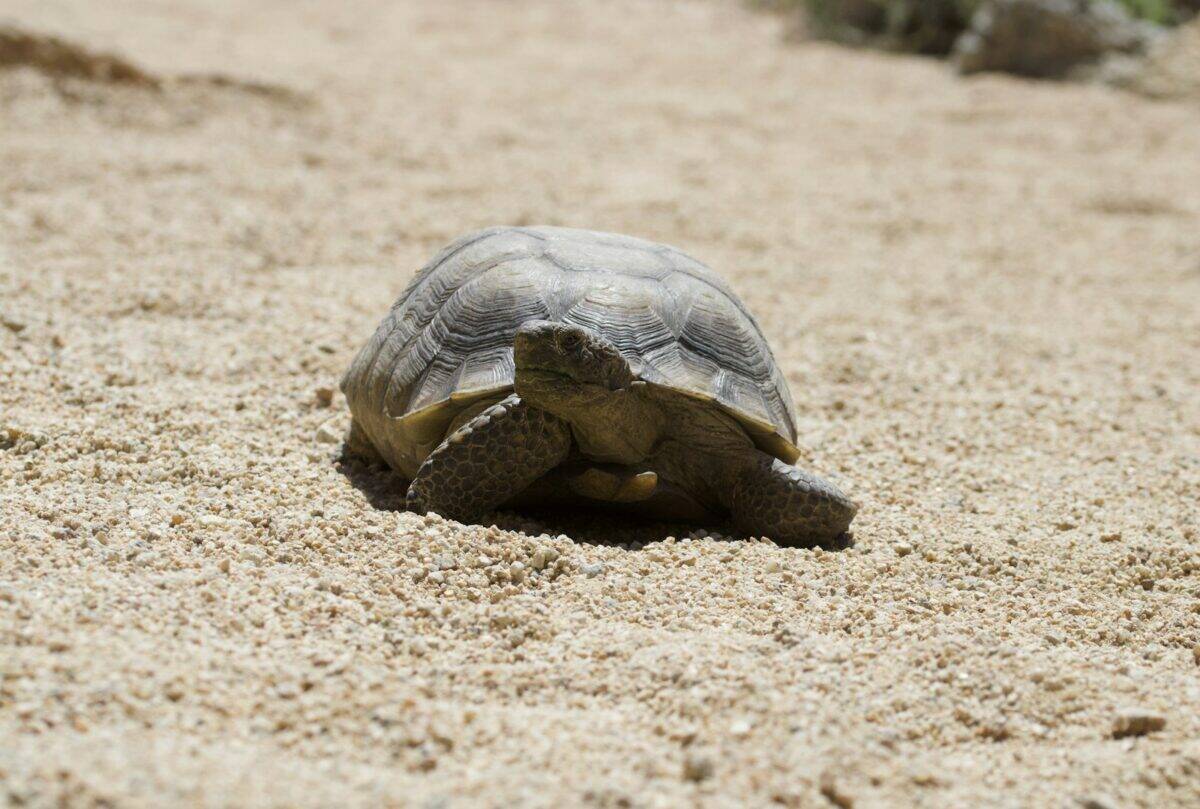
Desert tortoises have inhabited the Mojave and Sonoran deserts for millions of years, evolving specialized adaptations to survive in one of North America’s most challenging environments. With their domed shells that provide protection and water storage capabilities, these tortoises can reach 15 inches in length and live up to 80 years in the wild. Their physiological adaptations include the ability to extract moisture from their bladders during dehydration periods and conserve water through concentrated urine. Unlike many desert creatures, desert tortoises are active during daylight hours in spring and fall, but adjust their behavior during extreme summer heat. This evolutionary history has equipped them with remarkable resilience, but climate change is now testing the limits of these adaptations at an unprecedented pace.
The Intensifying Threat of Climate Change
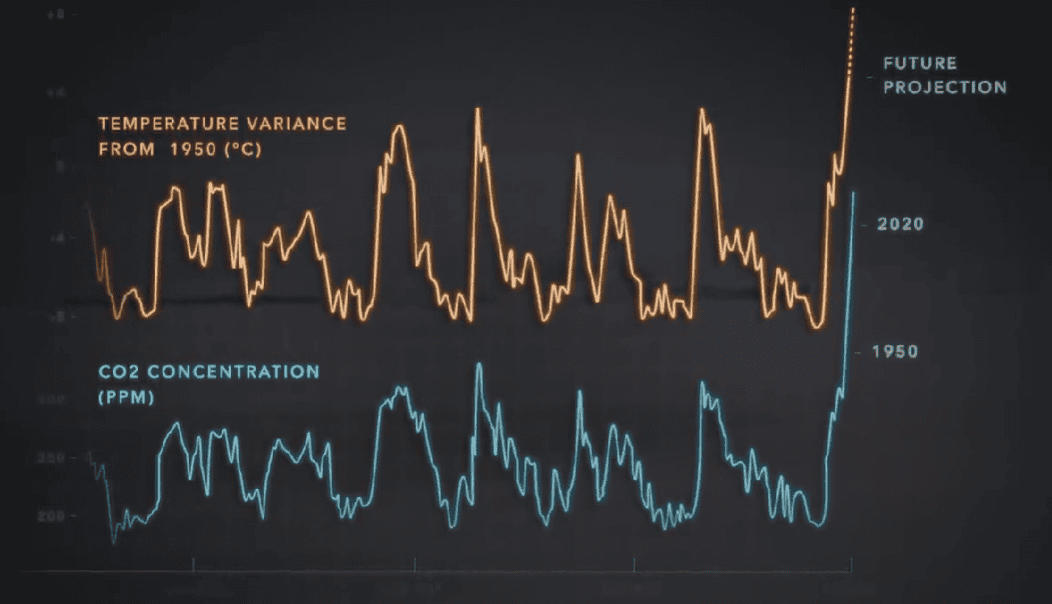
Climate models predict that the American Southwest will experience some of the most dramatic temperature increases globally, with the Mojave Desert already warming about 2°F (1.1°C) over the past century. This warming trend has intensified in recent decades, bringing longer, more frequent, and more severe heat waves to tortoise habitat. Research published in the journal Science indicates that by 2050, average summer temperatures in the Mojave could rise by an additional 3.5°F to 7.5°F (2-4°C), creating conditions these tortoises have never experienced throughout their evolutionary history. These rapid changes are occurring too quickly for genetic adaptations to develop naturally, forcing tortoises to rely primarily on behavioral modifications and existing physiological mechanisms to survive the intensifying heat.
Underground Survival Strategy
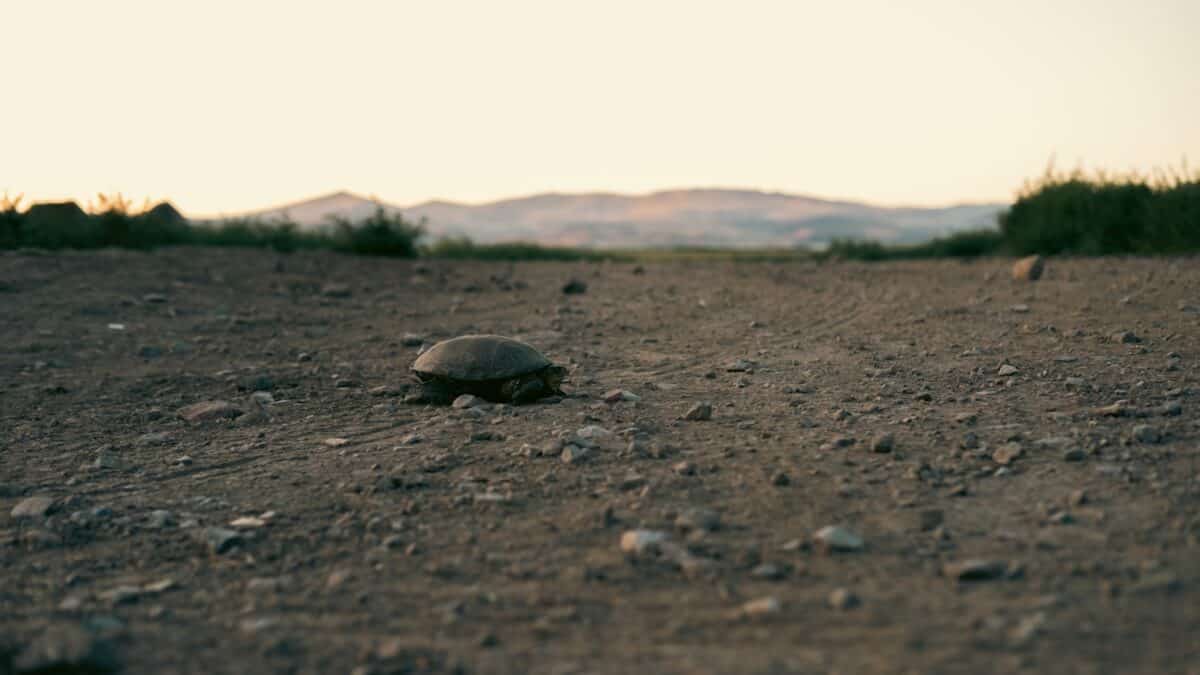
The desert tortoise’s primary defense against extreme heat is retreating underground. These reptiles are accomplished diggers, creating elaborate burrows that can extend 30 feet horizontally and up to 6 feet below the surface. These subterranean shelters provide a critical thermal refuge, maintaining temperatures approximately 15-20°F (8-11°C) cooler than the surface during summer heat waves. Research by the U.S. Geological Survey has documented tortoises spending up to 95% of their time in burrows during the hottest summer months, only emerging briefly during cooler dawn hours. The burrows serve multiple purposes beyond temperature regulation—they maintain higher humidity levels that help prevent dehydration and protect tortoises from predators. As heat waves intensify and lengthen, these underground retreats become increasingly essential for survival.
Physiological Adaptations to Extreme Heat

Desert tortoises possess remarkable physiological mechanisms that help them cope with heat stress. Their metabolic rates can decrease dramatically during hot periods, reducing water loss and energy requirements. These reptiles can tolerate body temperature fluctuations between 35°F and 105°F (1.7°C and 40.6°C), though they typically maintain an optimal temperature range of 75-85°F (24-29°C) when possible. One of their most critical adaptations is the ability to concentrate urine in their bladders, which serves as both a water conservation mechanism and a hydration reserve. During dehydration, tortoises can reabsorb water from their bladders, enabling survival through extended drought periods. However, physiologists studying desert tortoises have identified concerning signs that these adaptations may be reaching their limits under current climate conditions, with some tortoises showing stress responses that weren’t previously documented.
Changing Activity Patterns

Researchers tracking desert tortoise movements have documented significant changes in activity patterns in response to warming temperatures. Traditionally, these reptiles were most active during spring and fall, with reduced summer activity focused in early mornings and late afternoons. Recent studies using GPS trackers reveal tortoises now spending significantly less time active on the surface throughout the year. According to research published in the Journal of Animal Ecology, the tortoise foraging window has decreased by approximately 30% over the past two decades in some populations. This behavioral shift helps prevent overheating but creates a nutritional challenge—less foraging time means fewer opportunities to consume the desert vegetation necessary for survival. The shortened activity periods also impact breeding behaviors, potentially affecting reproductive success and long-term population viability.
Hydration Challenges in a Warming Desert

Water access represents perhaps the most significant challenge for desert tortoises facing increasing heat waves. These reptiles have evolved to survive in areas receiving as little as 2-4 inches of annual rainfall, obtaining most of their hydration directly from consuming desert vegetation. During rare rain events, tortoises will actively drink from puddles, sometimes emerging rapidly from burrows when they sense rainfall. Their shells can store small amounts of water in the carapace, but prolonged droughts—now more common due to climate change—push even these specialized adaptations to their limits. Research by the Desert Tortoise Conservation Center found that tortoises in areas experiencing prolonged drought conditions showed significantly higher stress hormone levels and reduced activity compared to those in areas receiving even modest rainfall. The combination of higher temperatures and reduced precipitation creates a particularly dangerous scenario for tortoise survival.
Geographic Shifts and Mountain Refuges
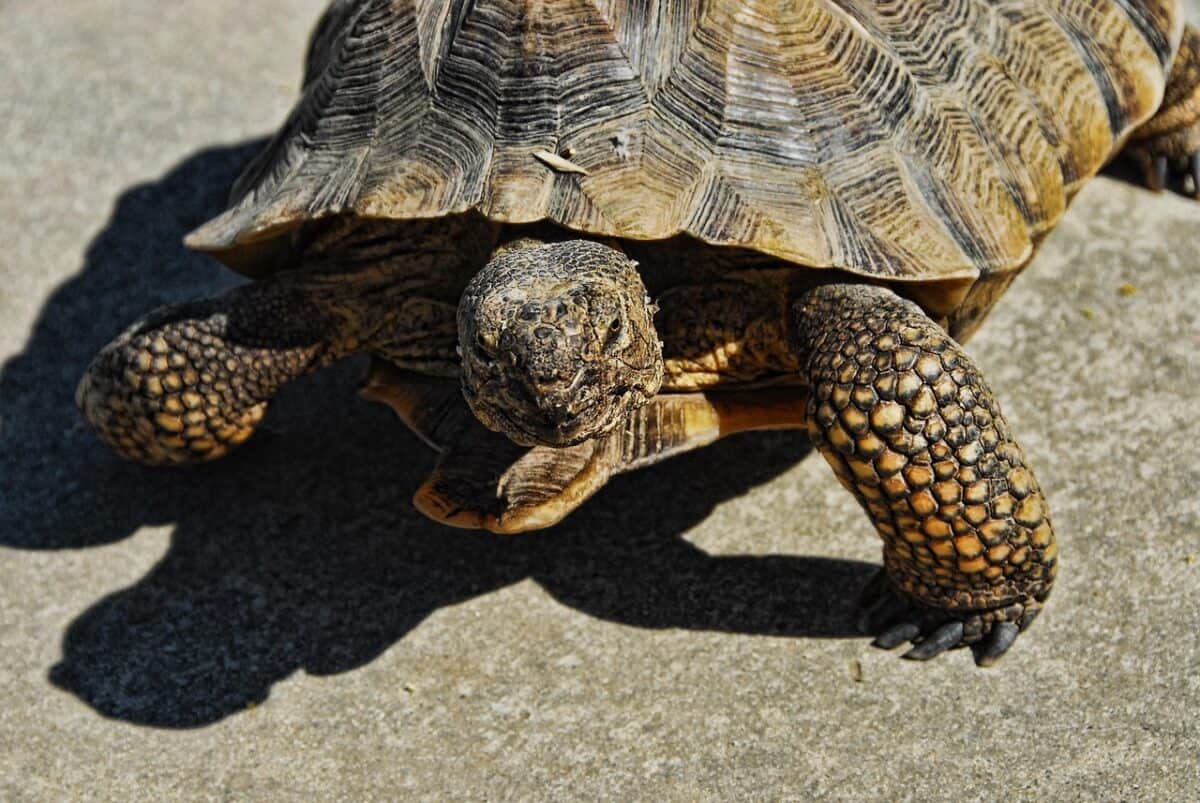
One emerging adaptation to rising temperatures involves subtle shifts in tortoise distribution toward higher elevations and north-facing slopes. Biologists from the University of California have documented desert tortoises establishing territories at elevations up to 500 feet higher than their historical range in some regions of the Mojave Desert. These higher elevation habitats typically offer slightly cooler temperatures and different vegetation patterns. Similarly, tortoises are increasingly concentrating in microhabitats with natural shading from rock formations or along the cooler north-facing slopes of hills. These geographic shifts represent an active adaptation to finding more suitable thermal environments, though habitat fragmentation from human development and roads often limits the potential for such movement. Unfortunately, these shifts also bring tortoises into contact with different predator communities and vegetation types to which they may be less well adapted.
Dietary Flexibility in Changing Landscapes
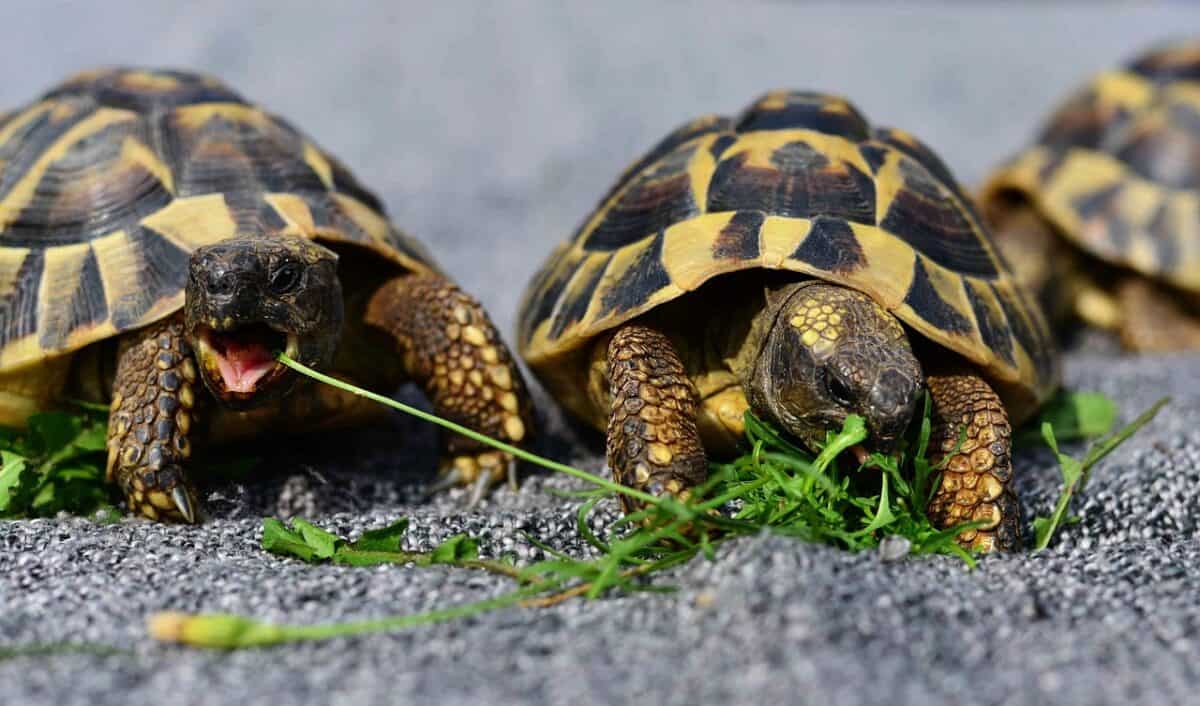
Desert tortoises have traditionally relied on specific desert wildflowers, grasses, and cacti for nutrition, but climate change is altering the availability and timing of these food sources. Research published in the Journal of Arid Environments has documented shifts in desert vegetation patterns, with some traditional tortoise food plants declining while invasive species increase. Encouragingly, some tortoise populations are showing dietary flexibility, incorporating new plant species into their diets when traditional foods become scarce. Studies analyzing tortoise scat have found evidence of up to 200 different plant species being consumed, suggesting an ability to adapt food preferences based on availability. This dietary flexibility may be essential for survival as vegetation patterns continue to shift with changing climate conditions. However, nutritional challenges remain, as non-native plants often provide less water content and different nutrient profiles compared to the native vegetation to which tortoises are adapted.
Reproductive Adaptations
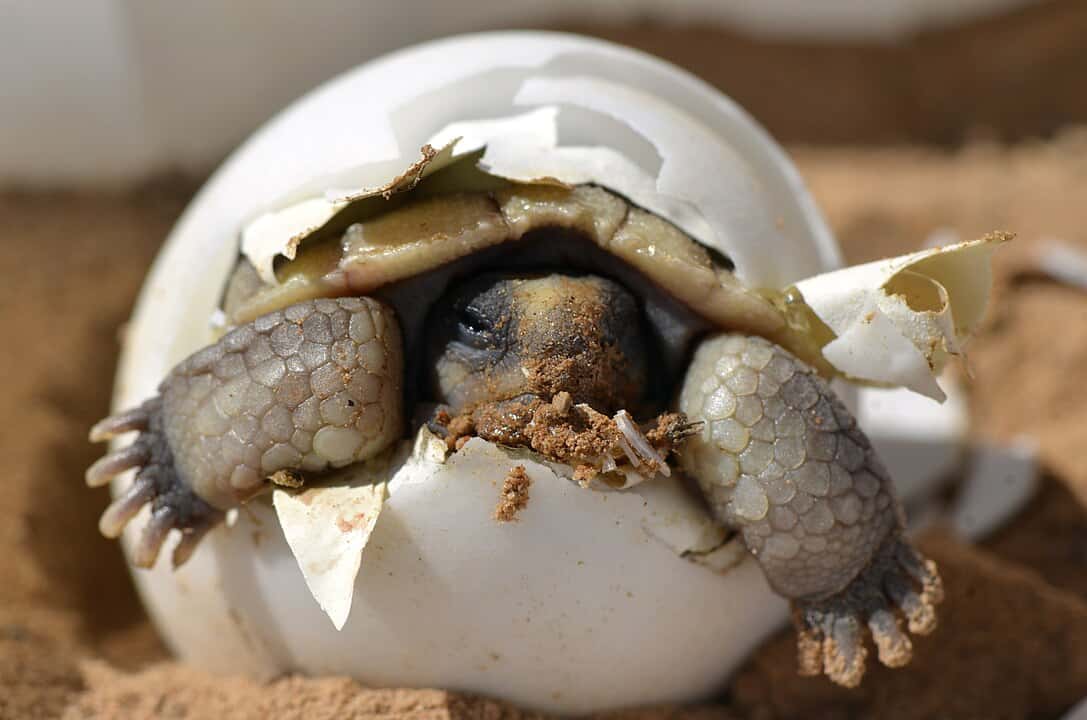
The reproductive cycle of desert tortoises is being significantly impacted by changing temperature patterns. Female tortoises typically lay eggs in late spring or early summer, with incubation lasting 90-120 days in underground nests. The sex of hatchlings is determined by incubation temperature, with warmer temperatures producing more females—a phenomenon known as temperature-dependent sex determination. As temperatures rise, researchers are documenting shifts in nesting timing, with females in some populations laying eggs earlier in the year to avoid exposing eggs to the most extreme summer heat. Additionally, females appear to be selecting nest sites with more shade or at slightly deeper depths than historically recorded. These behavioral adjustments may help maintain viable egg temperatures, though they represent reactive rather than evolutionary adaptations. Scientists remain concerned about potential long-term impacts on population sex ratios as temperatures continue to rise.
Conservation Interventions
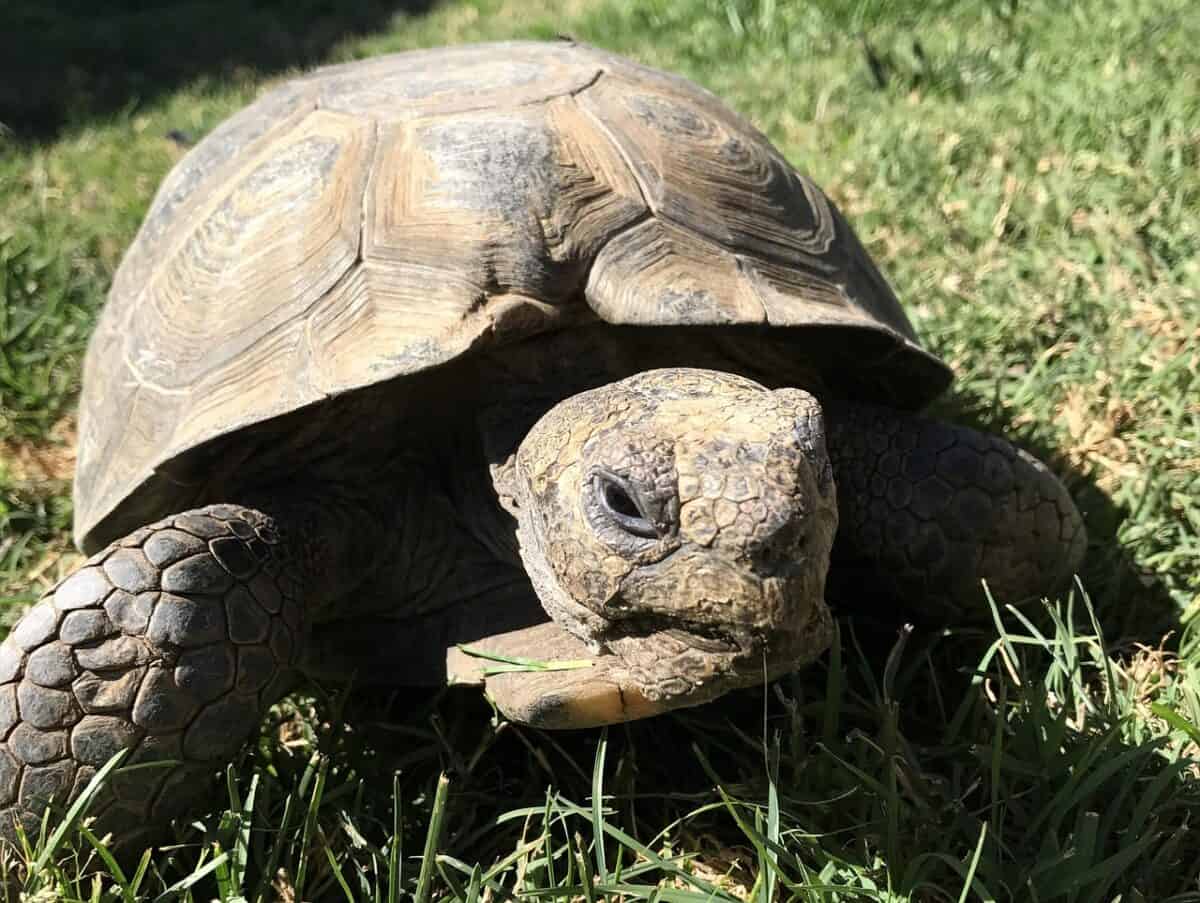
As natural adaptation mechanisms show signs of strain, conservation organizations are implementing interventions to support desert tortoise survival during extreme heat events. The Desert Tortoise Council and Bureau of Land Management have established programs to create enhanced burrow systems in critical habitat areas, providing additional thermal refuges with optimal temperature profiles. In some severely impacted regions, wildlife managers have installed small-scale shade structures and water catchment systems that help tortoises survive the most extreme heat periods. More controversial interventions include “head-starting” programs, where young tortoises are raised in protected facilities until reaching a size that increases their heat tolerance and predator resistance before release. These conservation efforts recognize that even the most well-adapted desert species may require human assistance to bridge the gap between their evolutionary adaptations and the rapid pace of current climate change.
Research and Monitoring Efforts

Scientists are employing increasingly sophisticated methods to understand how desert tortoises are responding to heat stress. The U.S. Geological Survey and academic researchers have deployed temperature-sensing transmitters that allow remote monitoring of tortoise body temperatures and movement patterns. These devices provide real-time data on how individual tortoises respond to temperature fluctuations, helping identify behavioral patterns that indicate successful adaptation. Other research teams are conducting genetic studies to determine if certain tortoise populations possess genetic variations that confer greater heat tolerance, potentially identifying genetic resources for conservation. Long-term monitoring projects track population changes across different regions of the desert, documenting shifting distribution patterns and identifying areas where tortoises are showing the greatest resilience. This research is essential for developing effective conservation strategies as climate conditions continue to change.
Lessons from an Ancient Desert Dweller
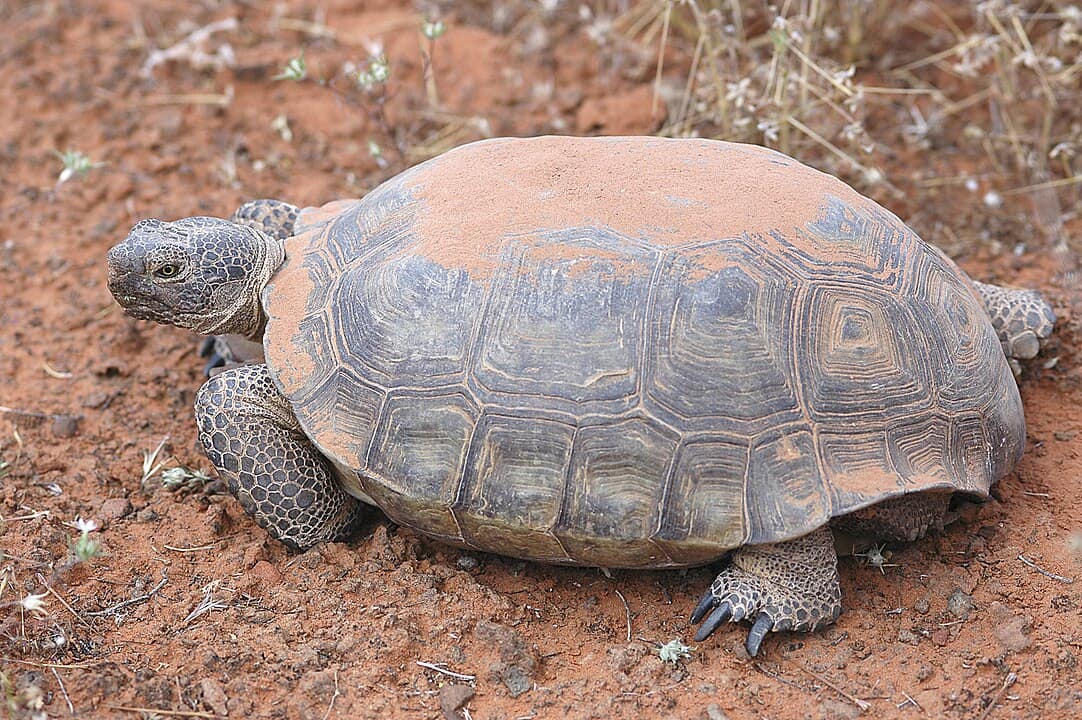
The desert tortoise’s struggle with increasing heat waves offers valuable insights applicable to broader conservation challenges in the climate change era. These ancient reptiles demonstrate the importance of behavioral flexibility and microhabitat selection in responding to thermal stress. Their underground lifestyle highlights how subterranean environments may become increasingly crucial for many desert species as surface temperatures become more extreme. The physiological limits being reached by even these supremely desert-adapted creatures underscore the unprecedented rate of current climate change. Conservation biologists studying desert tortoises have developed adaptive management approaches that balance natural resilience with targeted interventions—principles that can guide conservation efforts for other climate-challenged species. Perhaps most significantly, these tortoises illustrate that even species with millions of years of desert adaptation may require assistance navigating the rapid environmental changes human activities have triggered.
Desert tortoises represent one of nature’s most impressive examples of desert adaptation, yet even these resilient reptiles are being pushed to their physiological limits by increasingly severe heat waves. Their survival strategies—from burrow creation and altered activity patterns to dietary flexibility and reproductive timing shifts—demonstrate remarkable behavioral plasticity in the face of environmental change. As climate models predict continued warming and more frequent extreme heat events across the American Southwest, the fate of desert tortoises will depend on both their natural resilience and targeted conservation interventions. The lessons learned from studying how these ancient desert dwellers cope with heat stress provide valuable insights for broader wildlife conservation in an era of climate change, highlighting both the remarkable adaptability of nature and the limits of that adaptability when environmental changes occur too rapidly.

- The Threats Tigers Face Today—From Poaching to Habitat Loss - July 29, 2026
- The Most Chill Animals Taking Over the Internet: Meet the Capybara Kings - July 29, 2026
- Prairie Dogs and Bison: Wildlife of the Tallgrass Prairie - July 29, 2026