
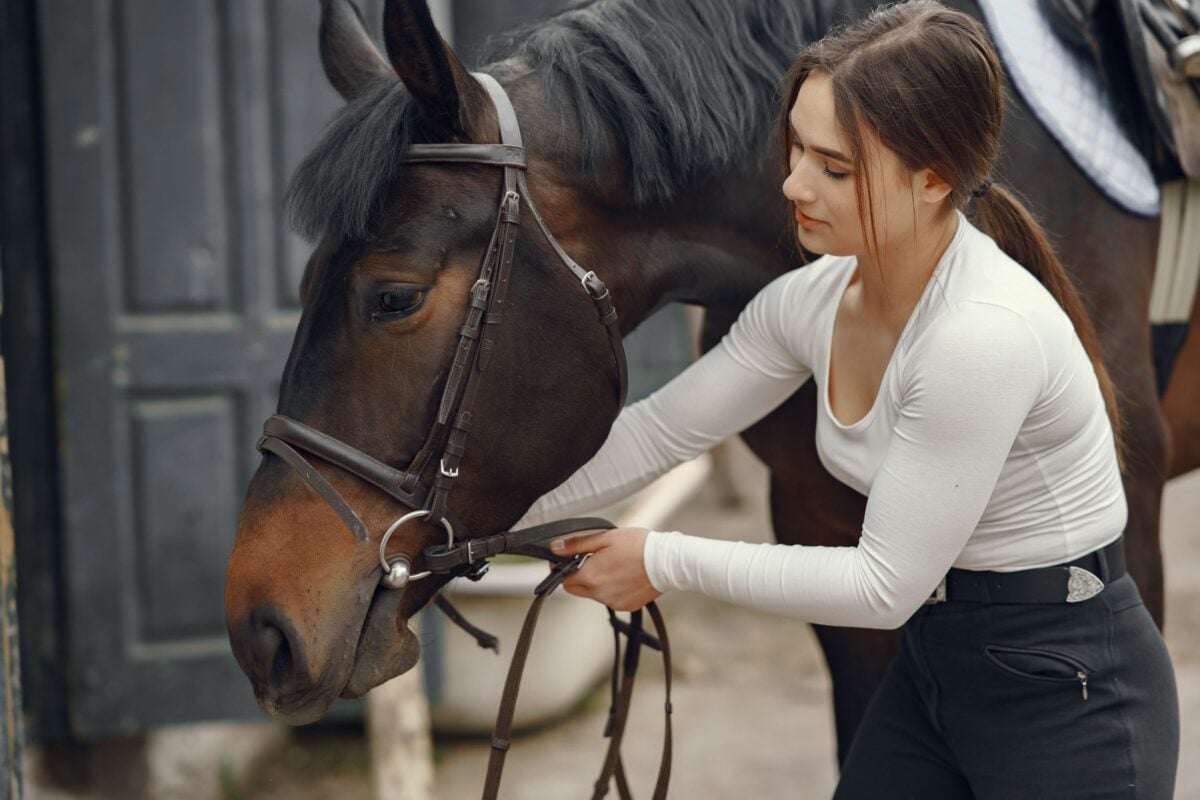
Most parents believe the breed printed on the papers is what keeps their kid safe in the saddle. Vets know a darker truth. It’s not the pedigree that decides whether a ride ends in giggles or an ER visit – it’s the horse’s engine, its history, and the pain it might be hiding.
At barn parties and in hushed conversations after hours at the clinic, many vets will quietly name the exact horses they’d never let their own kid climb on, no matter how “bombproof” the seller swears it is. This isn’t about villainizing any breed. It’s about risk, and how fast a tiny mistake can turn into a trip to the hospital.
#22 – Thoroughbred: The Ex-Racehorse Heartbreak

Thoroughbreds are the golden retrievers of the horse world – big hearts, huge try, and lightning-fast reactions. That combo looks romantic in movies but turns brutal fast when a wobbly kid is in the saddle. Vets see ex-racehorses arrive with old injuries, ulcers, and track habits that make them unpredictable under pressure, especially with beginners who bounce and grab.
Most people don’t realize how much mental baggage a retired racehorse can carry. Even the sweet ones often have a high “go” button and zero tolerance for mixed signals. Your kid accidentally squeezes and pulls at the same time, and a sensitive Thoroughbred might leap, spin, or bolt. Vets aren’t calling them bad horses – they’re Olympic-level sports cars, and nobody hands a 9-year-old a Ferrari for their first driving lesson.
#21 – Andalusian & Lusitano: Elegant, Electric, and Too Much Horse
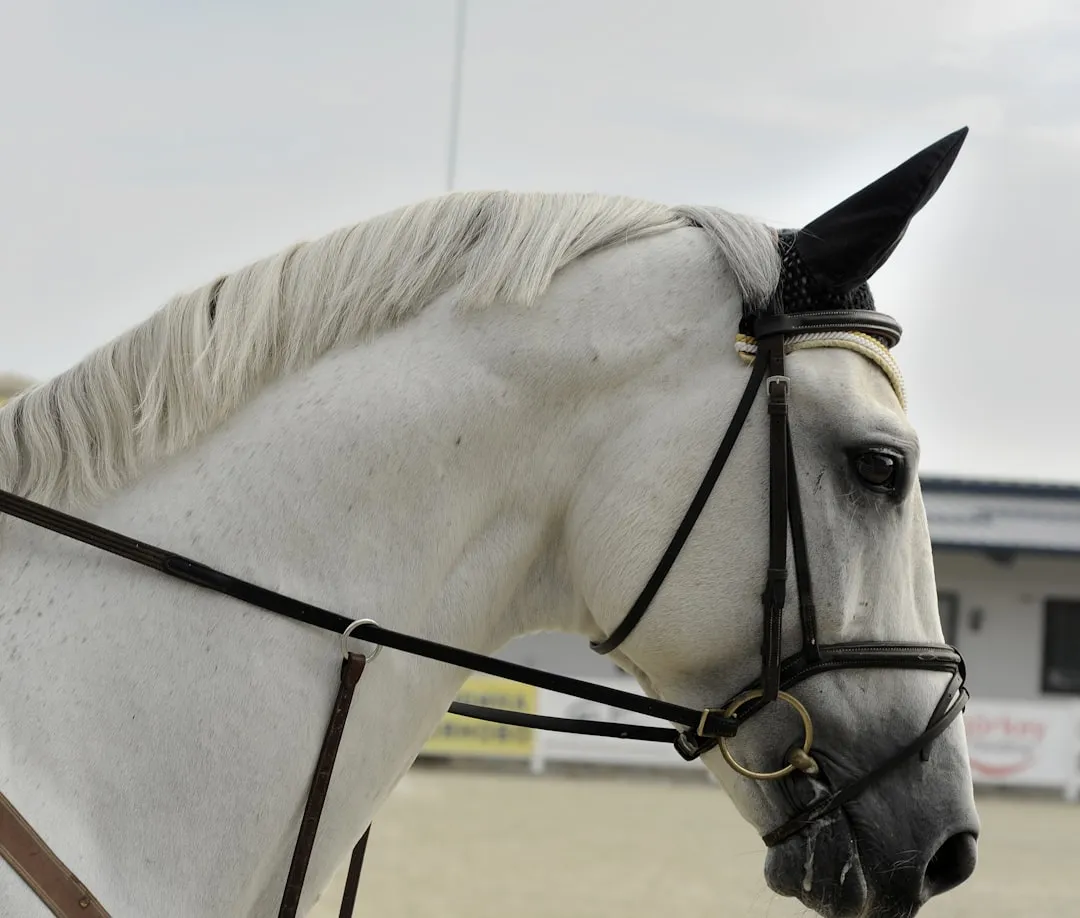
Most parents look at an Andalusian or Lusitano and see a gentle medieval unicorn. Vets see something else entirely: an ultra-athletic, ultra-sensitive baroque powerhouse with a massive engine packed into a compact frame. These horses are smart, sometimes too smart, for nervous riders who are still learning balance and boundaries.
Their collected movement looks floaty and smooth, but vets know exactly how quickly that power can go vertical. Bred for explosive maneuvers, they’re incredible for advanced dressage and terrible for a kid who randomly flaps a leg or loses a stirrup. One badly timed spook and that lofty trot turns into an airborne launch. Beautiful to watch, thrilling to ride – once you already know exactly what you’re doing.
#20 – Arabian: The Hyper-Aware Overthinker
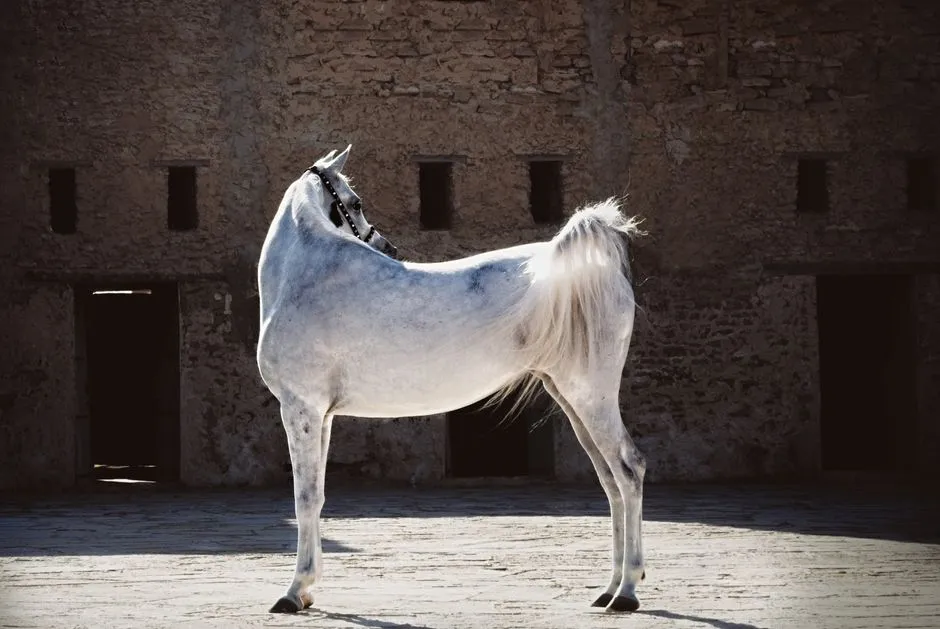
Arabians have a fan club that borders on religious, and critics just as intense. Vets land in the middle but agree on one thing: they’re rarely a good match for small, inexperienced kids. Bred as alert desert war horses, their hyper-awareness today means they notice everything – a flapping jacket, a rattling bucket, even a kid’s racing heartbeat.
Most people confuse “small and pretty” with “kid-safe.” Vets know better. Arabians tend to be intelligent, sensitive, and quick-footed, which is magical in the right hands and a disaster in the wrong ones. An anxious child paired with an anxious Arabian is a feedback loop waiting to explode. Many vets flatly admit they’d put their kid on a grumpy old draft horse before a spicy young Arabian, any day.
Fast Facts
- Originally bred on the Arabian Peninsula to survive brutal desert conditions and long treks with little food or water.
- Known for a compact, refined skeletal structure that gives them a shorter back and dense bone for their size.
- Frequently dominate modern endurance riding thanks to legendary stamina over long distances.
- Prized for high intelligence and sensitivity – traits that reward experienced hands and punish inconsistent ones.
#19 – Off-Track Standardbred: Calm… Until They’re Not
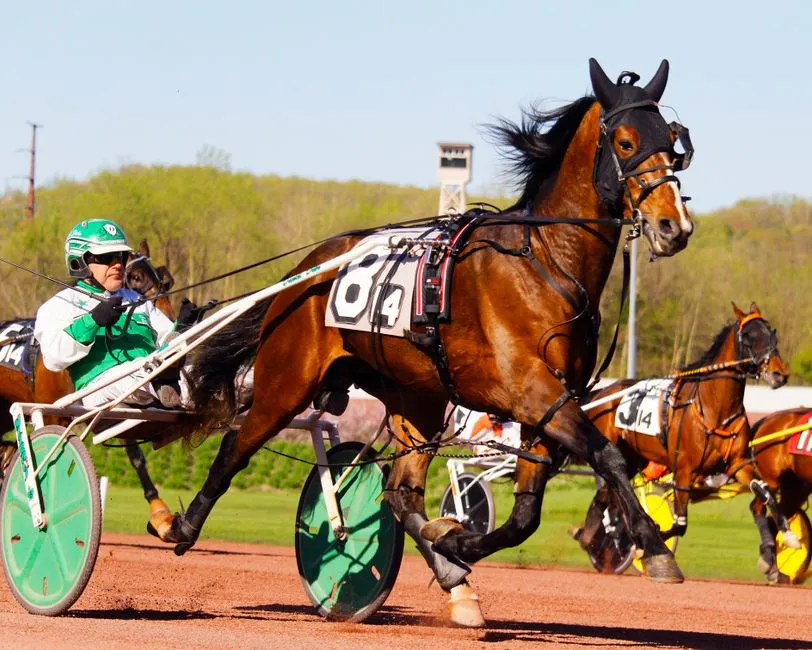
Standardbreds often get marketed as “perfect kids’ horses” because they’ve already survived harness racing and highway traffic. Vets are skeptical. They see powerful horses conditioned to surge forward in straight lines at speed, with years of ingrained habits that don’t vanish the moment a saddle appears.
Many off-track Standardbreds arrive with strong muscle memory to surge when pressured, and mouths conditioned to heavy bit contact rather than soft kid hands. Asking for “whoa” on a horse whose brain says “go” the moment it feels tension can be terrifying for a child still learning balance. Old racing wear on the hocks and back only adds to the risk – a seasoned adult can manage that discomfort, but a shaky 10-year-old usually can’t.
#18 – Friesian: Instagram Royalty, Vet Red Flag
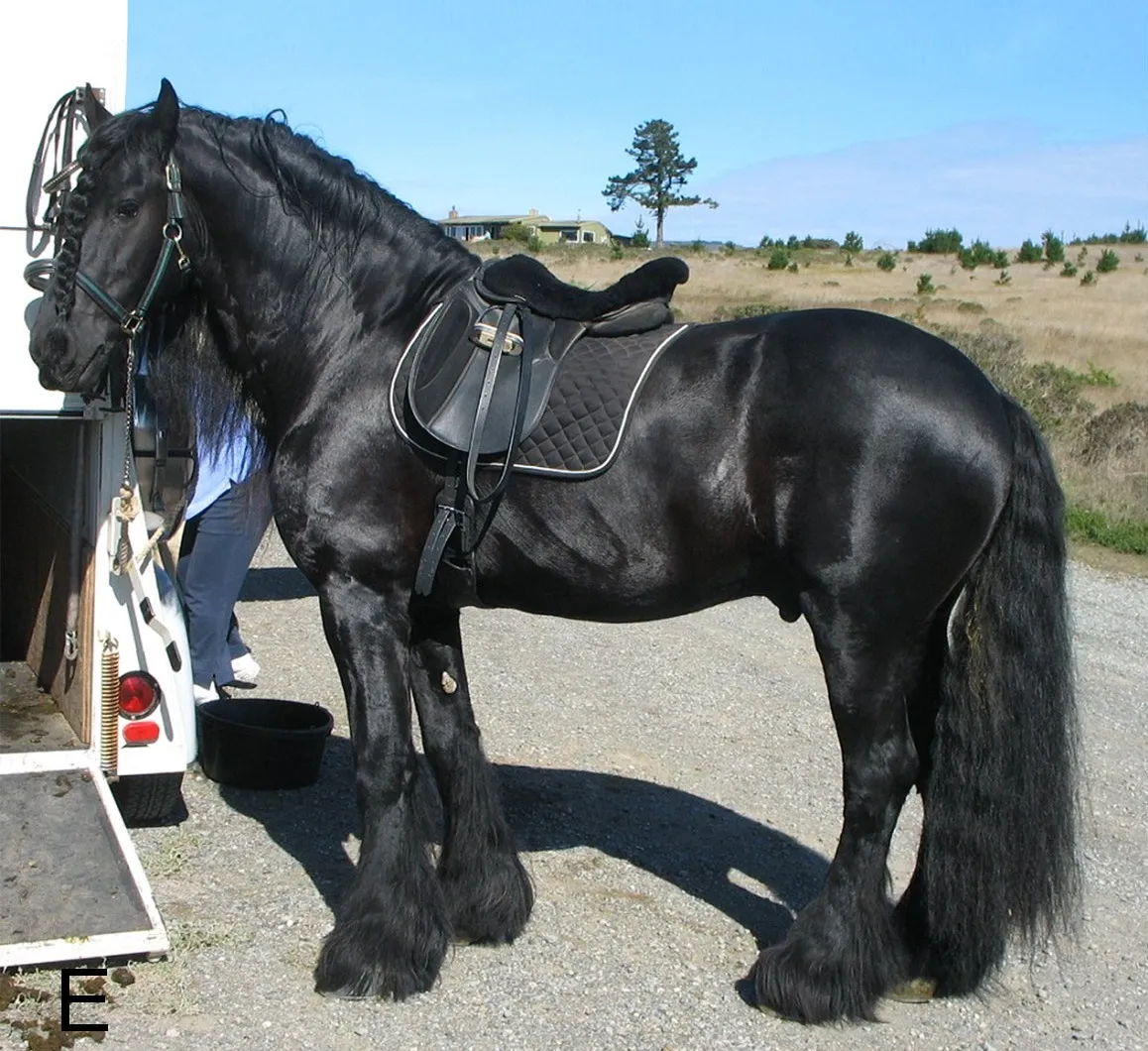
The internet crowned Friesians the fantasy horse – glossy black, flowing mane, drama for days. Vets see the part nobody posts: a heavy, athletic body on sometimes fragile legs and a naturally dramatic way of going that can throw a kid around like popcorn. Casual riders assume “slow and big” means safe. Many vets disagree.
Friesians can be surprisingly forward and reactive, especially when unfit or sore. Their baroque build stresses joints and ligaments when an unbalanced rider slams into the saddle, and that discomfort quickly turns into balking, rearing, or explosive spooks. Add a child who can’t sit the big movement or read the warning signs, and stress stacks on both sides fast. Enjoy them from the ground or in a carriage – they’re not the gentle couch on legs people imagine.
#17 – American Saddlebred: Showy, Hot, and All Legs
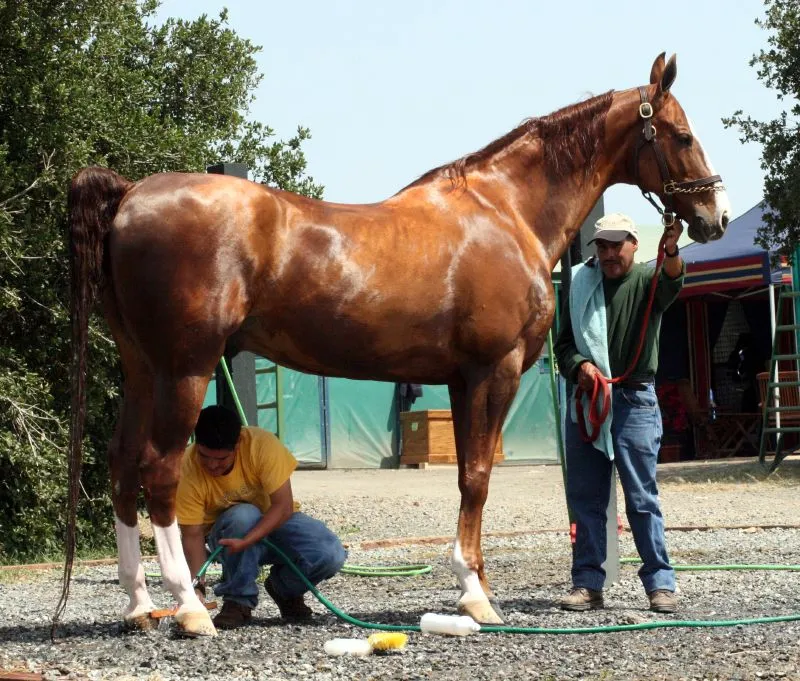
Saddlebreds light up a show ring like few other breeds, and that animated, high-stepping motion comes from somewhere specific: high energy, high sensitivity, and sometimes high anxiety. These horses were bred for presence and brilliance, not to babysit wobbly riders on trail loops.
Most people underestimate how “up” a true show-bred Saddlebred can feel, with big gaits, a high neck, and lightning reactions. A child who leans, grabs, or kicks by accident can set off a chain reaction that ends in lurching or spinning. Years in heavy show packages also leave feet and joint issues that make these horses far less tolerant of a clumsy rider bouncing on sore spots. In the right home they’re superstars; in a kid lesson string, they’re often a quiet disaster waiting to happen.
#16 – Warmblood Sport Horses: Too Much Talent, Too Little Mercy
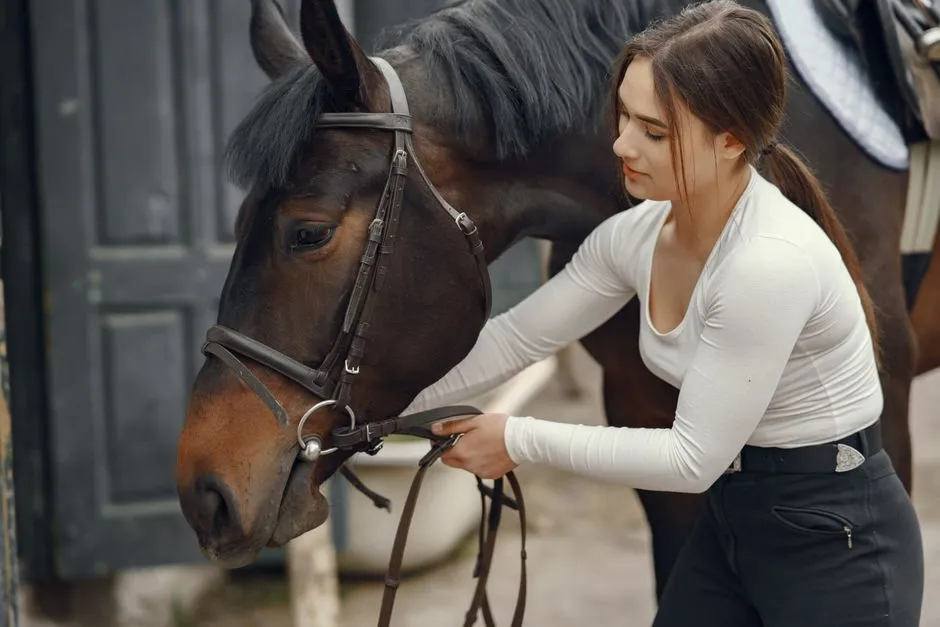
Warmbloods dominate modern dressage, jumping, and eventing, and vets respect them deeply – which is exactly why so many quietly say “not for my kid.” These are purpose-built athletes with powerful hind ends, huge suspension, and sharp minds tuned for intense work and subtle aids. Beginner chaos doesn’t mix well with fifty thousand dollars of coiled spring.
Most parents see a big, fancy Warmblood and assume “safe couch.” In reality, size plus scope means when something goes wrong, it goes really wrong. A spook from an 18-hand Warmblood can catapult a small rider like a rag doll, and the huge gaits demand core strength most kids simply don’t have yet. Chronic joint and back issues, aggravated by unbalanced riding, often trigger sudden, sharp resistance. Amazing for ambitious adults; unforgiving for children still learning to post the trot.
Quick Compare
- Build: Powerful, athletic sport frame built for jumping and collection vs. a compact, steady frame built for reliable everyday work.
- Temperament: Sharp, forward-thinking mind that reacts to the smallest cue vs. a tolerant, “point and go” mindset.
- Experience needed: Years of skilled riding to bring out the best behavior vs. suitable for a rider just starting out.
- Typical investment: Often tens of thousands of dollars for competition prospects vs. a modest price tag reflecting a calmer job.
#15 – Akhal-Teke: The Ultra-Hard Mode Ride

The Akhal-Teke’s metallic sheen pulls people in like a magnet. What that gloss hides is a lean, intense, endurance-bred horse with a razor-sharp survival brain. Vets who’ve met real Tekes describe them as sensitive, quirky, and sometimes borderline feral for casual riders – especially kids used to plodding lesson ponies.
Bred to cover brutal terrain on minimal resources, these horses weren’t designed to tolerate flapping legs and mixed cues. They bond deeply with one person and can be suspicious or reactive with strangers, which is dangerous for a child whose confidence swings wildly day to day. Add their lighter frames and unconventional movement, and kids often feel unstable from the very first ride. Vets don’t mince words here: these are specialist horses for specialist riders, not props for school-age beginners.
#14 – Marwari & Kathiawari: Exotic Ears, Unpredictable Brains
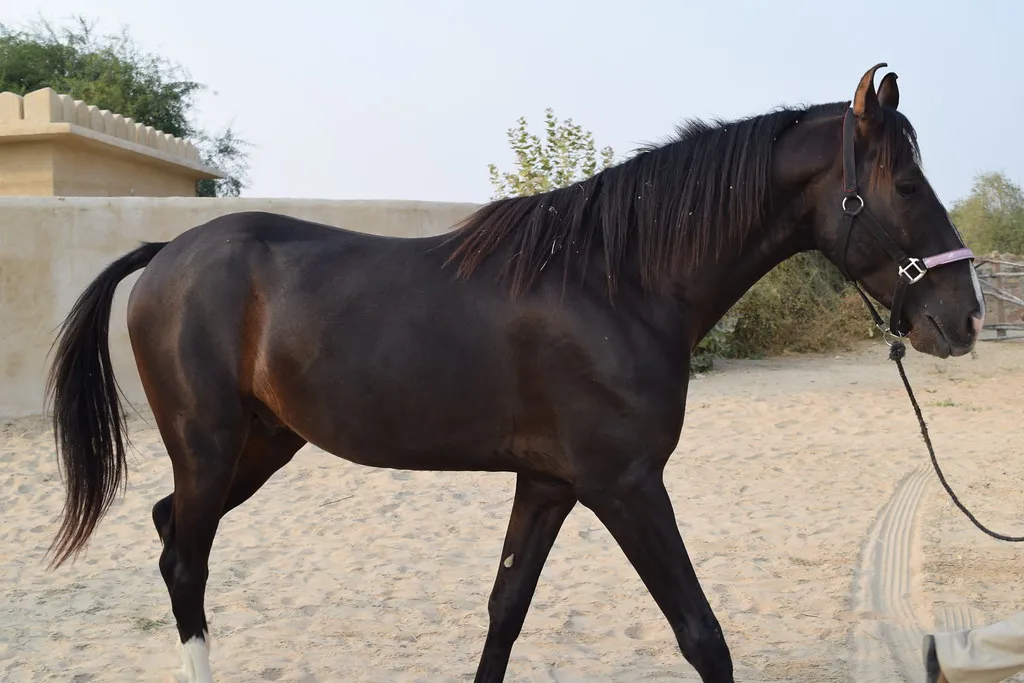
Everyone remembers the curled ears; almost nobody talks about the temperament mismatch. Vets who’ve worked with these Indian breeds are blunt: Marwaris and Kathiawaris are desert war horses first, family ponies a distant second. They can be loyal and brave, but also reactive, hot, and suspicious of unfamiliar handling.
Imported or cross-bred versions often carry an extra layer of confusion from a new climate and new management style. Kids, meanwhile, aren’t known for consistent timing, and a mistimed cluck or overused rein can trigger a sharp spin or bolt in a horse already running on instinct. Vets worry most about the gap between the romantic image and the reality. When a breed gets chosen for its exotic look instead of its temperament, kids usually pay the price first.
#13 – High-Goal Polo Ponies (Any Breed Mix)
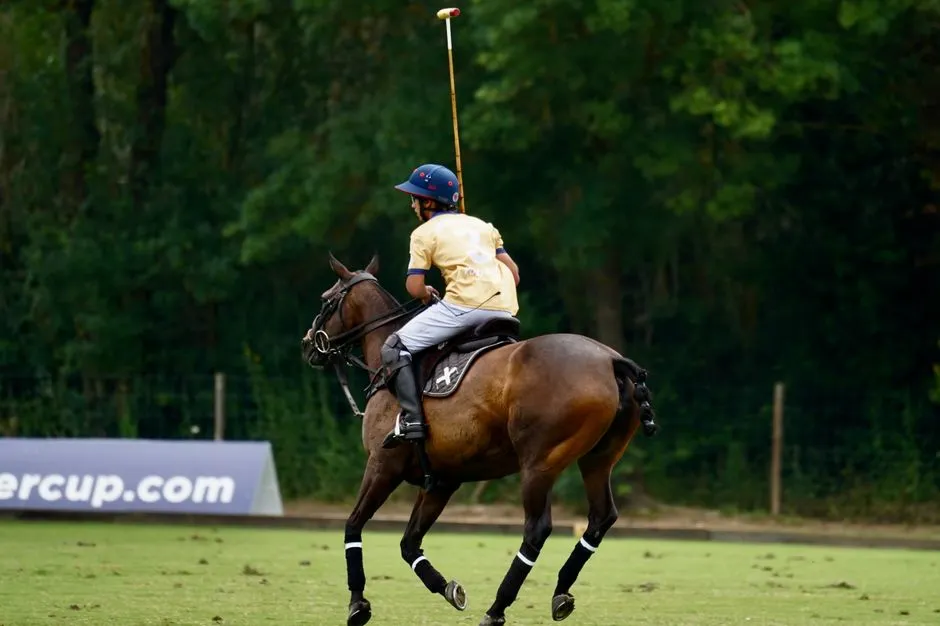
Polo ponies aren’t a breed, but vets bring them up so often they’ve earned their own slot. These horses, often Thoroughbred-heavy mixes, are trained to accelerate, stop, and turn on a dime in full-contact chaos. That skill set is a superpower on the field and a safety nightmare for a child who still drops the reins at the trot.
Polo ponies are used to other horses slamming into them and sudden, aggressive changes of direction at speed. Kids send mixed signals constantly – leaning the wrong way, clutching with both legs, then yanking the reins – and a horse trained to “hard stop, whip around, go” will respond exactly as taught. Chronic wear on hocks, tendons, and necks from competition only shortens their patience further. Many vets would let a serious teen try one; their 8-year-old is a firm no.
#12 – Tennessee Walking Horse (Show-Bred Lines)
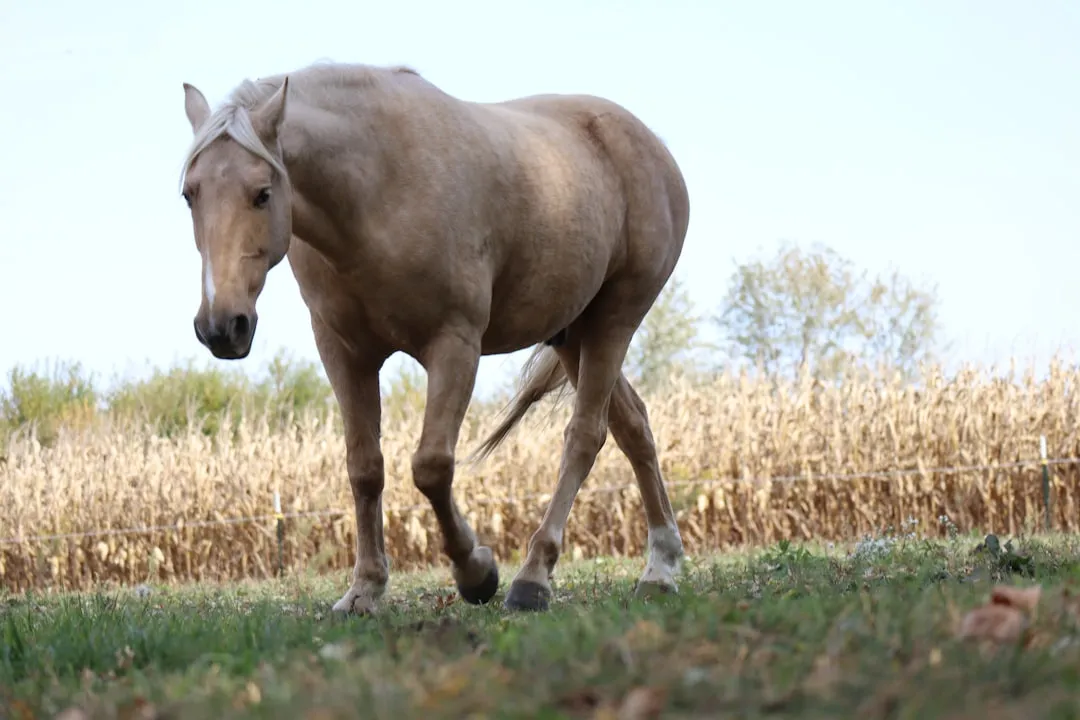
Trail-bred Walkers can be quiet saints. Vets draw a sharp line, though, at big-lick, show-bred Tennessee Walkers. Behind the flashy, exaggerated gait, they often see horses with sore feet, altered biomechanics, and years of training that prioritized appearance over comfort. Moving a horse like that into a “family” role doesn’t erase that history.
These horses may carry pain memories tied to certain movements, along with confusing responses to leg and rein aids built from years of artificial gaiting. A child riding with a bouncing seat and inconsistent hands can unintentionally trigger discomfort or mistrust, and vets see the fallout constantly: sudden refusals to move, panicked rushing, or bucking when pressure lands wrong. Many of these horses need rehab, not a rider who’s still figuring out how to steer.
#11 – Paso Fino & Other Ultra-Gaited Hotbloods
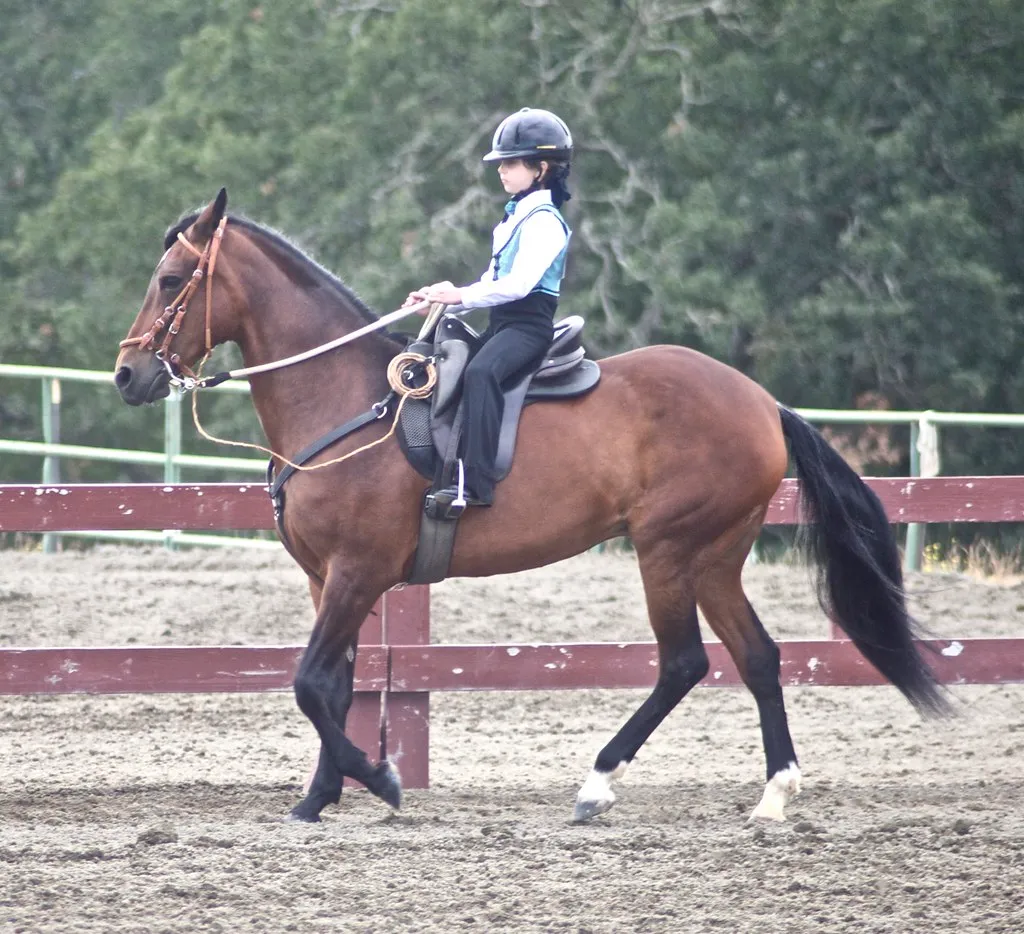
Gaited horses get sold as “easy rides,” but vets warn that certain lines – especially hotter, show-bred Pasos – are way too intense for a child just starting out. That machine-gun gait looks smooth, but it demands serious balance, timing, and subtle aids most kids simply don’t have yet.
These horses are frequently bred for brio, a fiery presence that means they react fast to leg and seat and amp up when pressured, rather than shutting down. A frightened child who clamps with their legs can accidentally say “go faster, get hotter” to a horse already vibrating with energy. Vets have watched that spiral from fun little ride to white-knuckled terror in minutes. Pretty gaits don’t equal safe rides.
#10 – Quarter Horse Barrel & Roping Pros
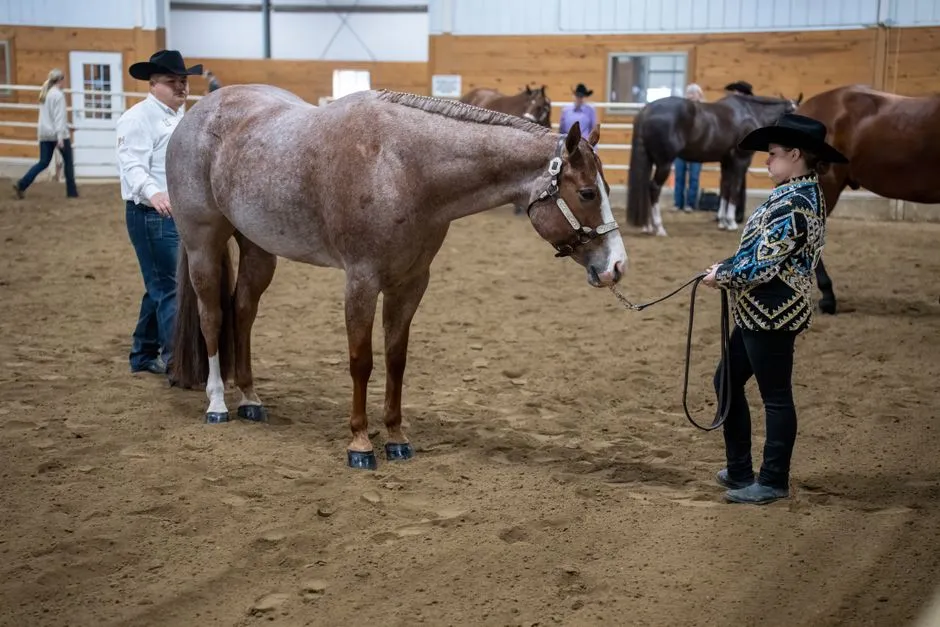
Vets do not blacklist Quarter Horses as a whole; plenty love them for kids. But they draw a bright line at professional barrel and roping horses, trained to explode, turn, and stop at full speed on split-second cues. That push-button speed becomes a nightmare when the rider on top doesn’t know which button they’re pushing.
Most parents see “quiet in the pasture” and assume safe. Vets know these horses often light up the moment they feel arena footing under their feet or a rider shift they’ve learned to associate with “go now.” Kids send those signals constantly without meaning to – leaning forward, squeezing, kissing to a friend – and the horse rockets off because that’s exactly what it’s been rewarded to do for years. Add in competition wear on hocks and stifles, and a retired trail Quarter Horse beats a pro-level barrel rocket every time.
At a Glance
- Ranch & trail lines: Bred for steady, all-day work and an unflappable mind.
- Barrel racing lines: Bred for explosive acceleration around a pattern.
- Roping lines: Trained to stop hard and pivot instantly the moment a rope is thrown.
- Show pleasure lines: Bred for a slow, low, relaxed way of going suited to calmer riders.
#9 – Mustang (Fresh or Poorly Started)
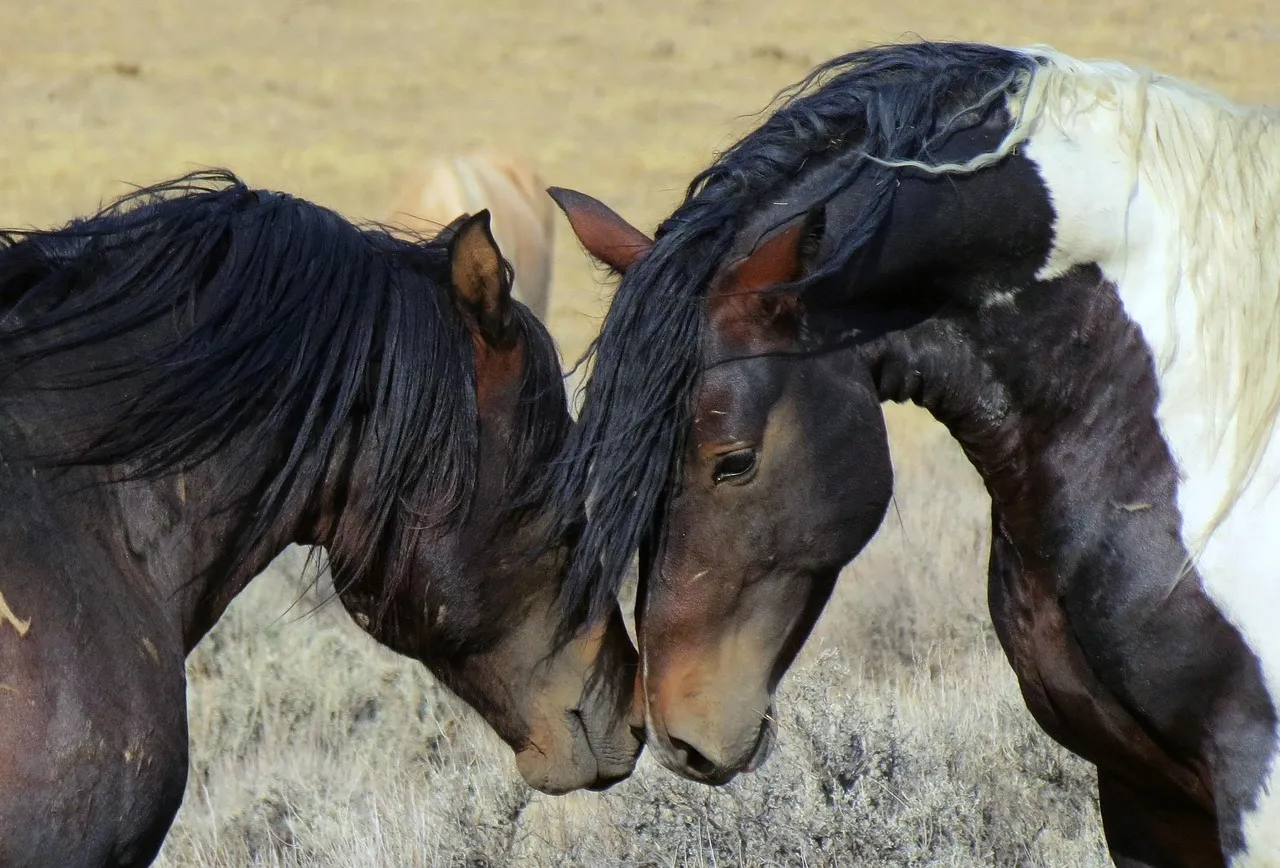
This one always starts fights online. Vets respect Mustangs immensely, but many say they’d never risk their own kids on a green or recently started one. These are feral-bred survivors, shaped by rough terrain and natural selection rather than generations of temperament-focused breeding.
A well-trained, long-domesticated Mustang can be wonderful. The danger shows up when the horse is only lightly started and rushed for sale, or when the handler underestimates how quick and powerful its instincts still are. Kids make mistakes adults can gently ride through – dropped reins, an accidental heel, a jerk on the bit when scared – but on a horse with a strong flight response, that can mean a spin, bolt, or full panic. Vets see the ER side of “Mustang challenges” gone wrong and quietly choose domesticated, been-there-done-that crosses for their own children instead.
#8 – Young Drafts and Draft Crosses
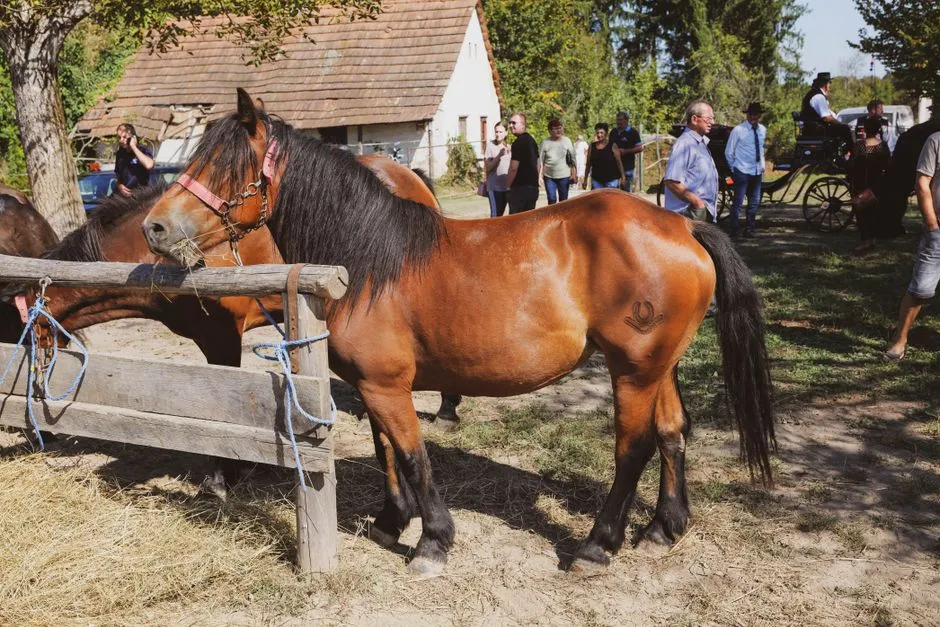
“Big equals gentle” might be the most dangerous myth in the horse world. Vets are blunt: a young or green draft is just as capable of hurting someone as any hotblood, often more, simply because of sheer mass. They may move slower, but when 1,800 pounds steps sideways, a kid goes flying.
Drafts and draft crosses are often late maturing, both mentally and physically, and raised for pulling rather than nuanced under-saddle work. That means they can be pushy on the ground, dead to polite cues, and suddenly reactive when they do decide to respond. A child simply doesn’t have the strength or timing to redirect a bored draft that decides to walk through them or yank the reins away. Vets often see crushed toes and dragged kids, not from hot horses, but from gentle giants treated like stuffed animals before they’re actually trained.
#7 – Green Any-Breed Ponies (Especially Clever Cobs)
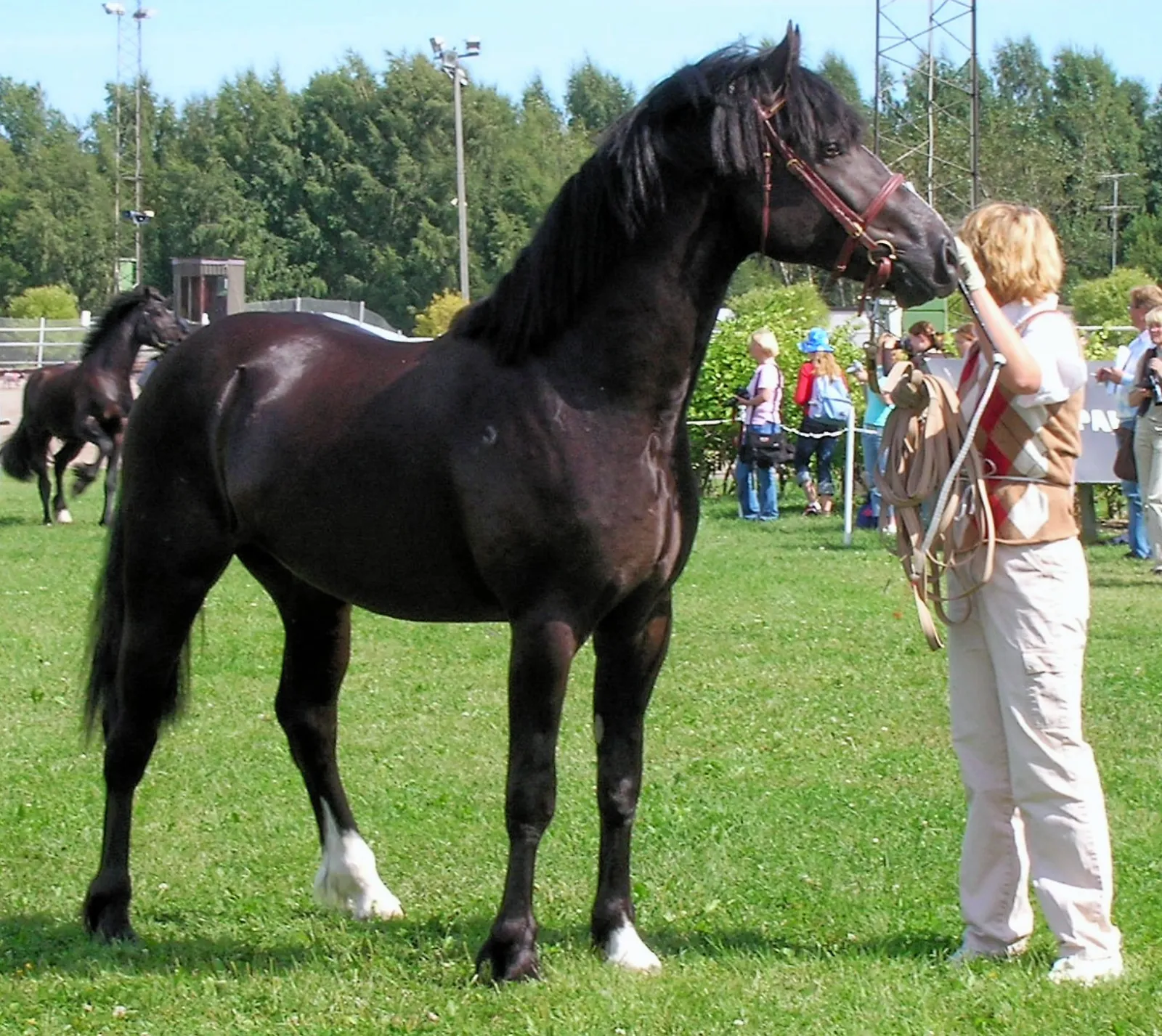
Here’s the uncomfortable truth vets repeat: green plus green equals black and blue. A green pony, especially a smart, strong cob type, paired with a beginner kid is one of their least favorite combinations. People assume “short” means safer; vets look at the attitude and training level, not the height.
Cobby ponies are often naturally strong, opinionated, and quick to learn evasions when riders are inconsistent – and kids are exactly that. They let ponies get away with tiny disobediences until those grow into big, scary habits: bolting for the gate, slamming on brakes, spinning when asked to work. Vets see more concussions from nasty little spins and stops than from dramatic tall-horse spooks. A 13-hand tank that’s decided it’s in charge is far more dangerous for a child than a 16-hand saint that actually listens.
#6 – Young Stallions (Any Breed, Any Level)
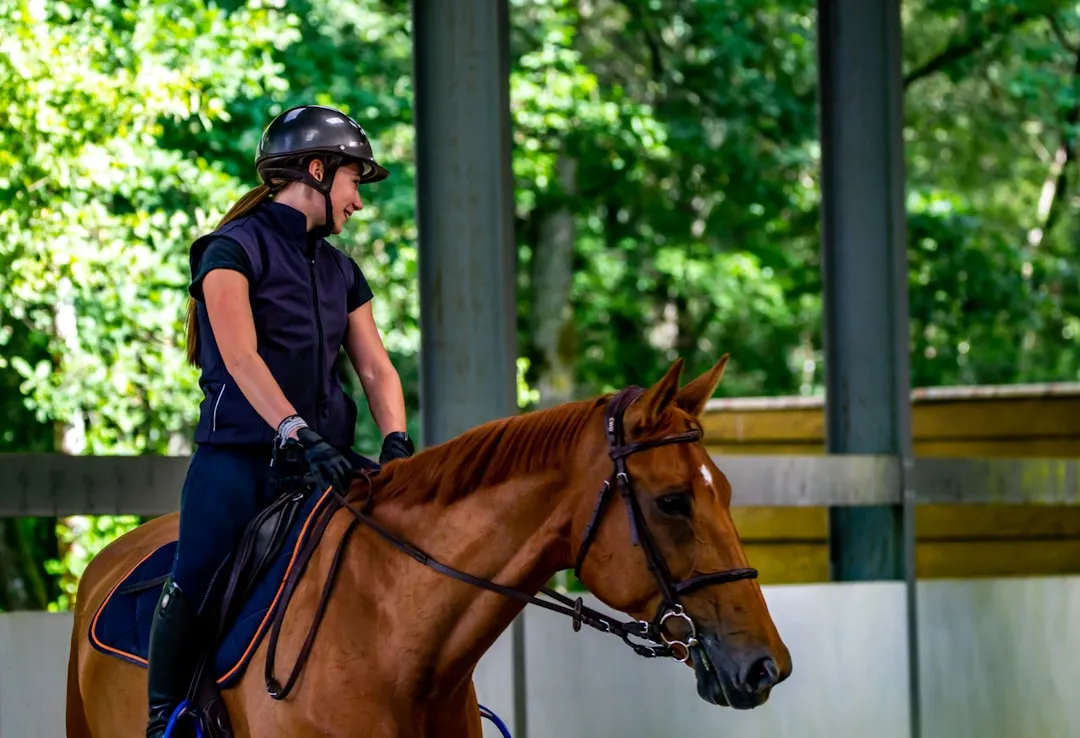
Vets wish this didn’t need saying, but it does: their kids do not ride stallions, period. It doesn’t matter how sweet or respectful he is; intact males carry hormonal surges and strength levels no child is prepared to manage when something triggers him unexpectedly.
Stallions can be perfect gentlemen 99 days out of 100 and a completely different animal on the 100th, especially near mares or other studs. A child riding when another horse calls, a mare cycles, or a loose horse gallops past is in a lose-lose scenario, without the physical strength or emotional regulation to ride through the meltdown. Vets have seen calm stallions suddenly rear, strike, or bolt, not out of meanness but raw instinct. Even professionals get hurt, so when vets refuse to risk their own children, they’re not being dramatic – they’re done pretending good intentions override biology.
Good intentions don’t override biology.
Common refrain among equine veterinarians
#5 – Freshly Imported “Sport Imports” (Any Fancy Label)
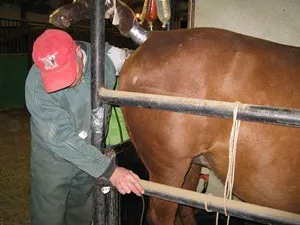
Vets flinch when they hear, “We just imported him from Europe for our teen, he’s so talented!” The quiet reality is that fresh imports often come with a skill-and-expectation gap wide enough to swallow a kid whole. These horses were ridden by pros, in pro programs, on pro schedules, and dropping them into a backyard routine with a nervous child is a risky experiment.
These horses usually expect consistent, precise aids and are used to hard work six days a week. Suddenly ridden lightly, confusingly, and infrequently, they get physically tight and mentally frustrated. Vets see explosive bucks, dramatic spooks, and “out of nowhere” behavior that is actually totally predictable in context. Parents see the price tag and assume safer; vets see the training background and quietly think, “I’d put my kid on the retired ranch horse in the corner instead, every single time.”
#4 – Young Showline Paints & Appaloosas with “Go” Pedigrees
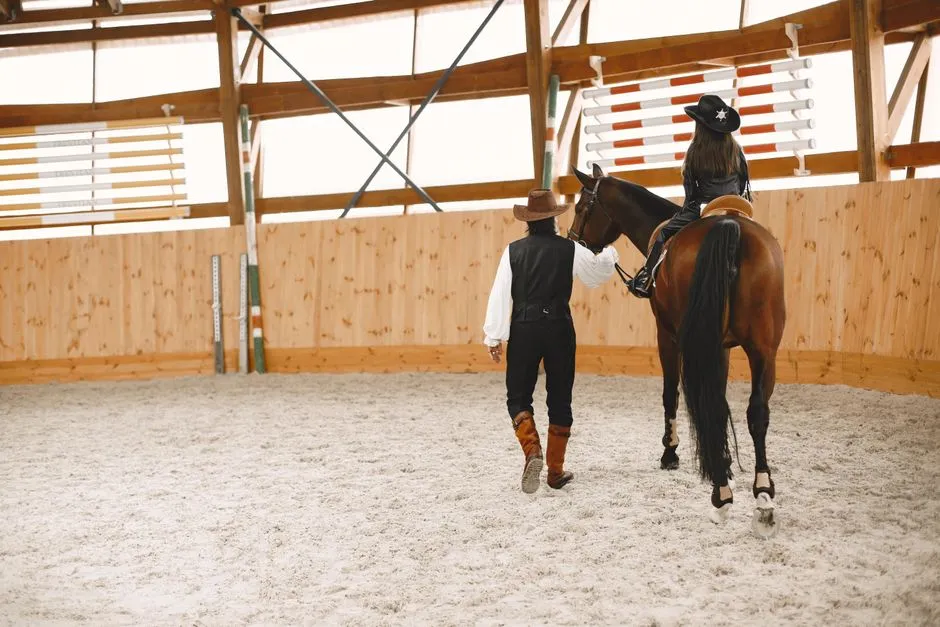
Again, vets don’t blacklist entire breeds, but they’re wary of hot-bred Paints and Appaloosas from performance lines being handed to kids like candy. These horses can be incredibly athletic, cow-smart, and sharp, and when that talent pairs with immaturity and limited training, you get a horse that learns bad habits faster than a child learns basics.
Some lines are known locally for quick tempers, strong flight responses, and sudden “nope” moments when overfaced or confused. A child who hasn’t yet learned to sit quietly and ride through tension will escalate everything: the horse gets hot, the kid grabs, the horse reacts harder, and the cycle loops. Vets see teeth, hooves, and speed become weapons in those spirals, and too often the kid gets blamed for what was really a bad match from day one. They’d rather see a “boring” older grade gelding over a flashy, barely-started showline youngster any day.
Worth Knowing
- Extreme sensitivity to leg pressure can turn a light cue into a big, unwanted reaction.
- A performance-line pedigree bred for speed and cow-sense often means less patience for beginner mistakes.
- Limited exposure to slow, low-key trail work leaves some show-bred horses without an “off switch.”
- Young age combined with minimal handling outside the show pen adds up to an unpredictable mix for a first-time rider.
#3 – Young, Tall, Narrow Off-Breed Crosses
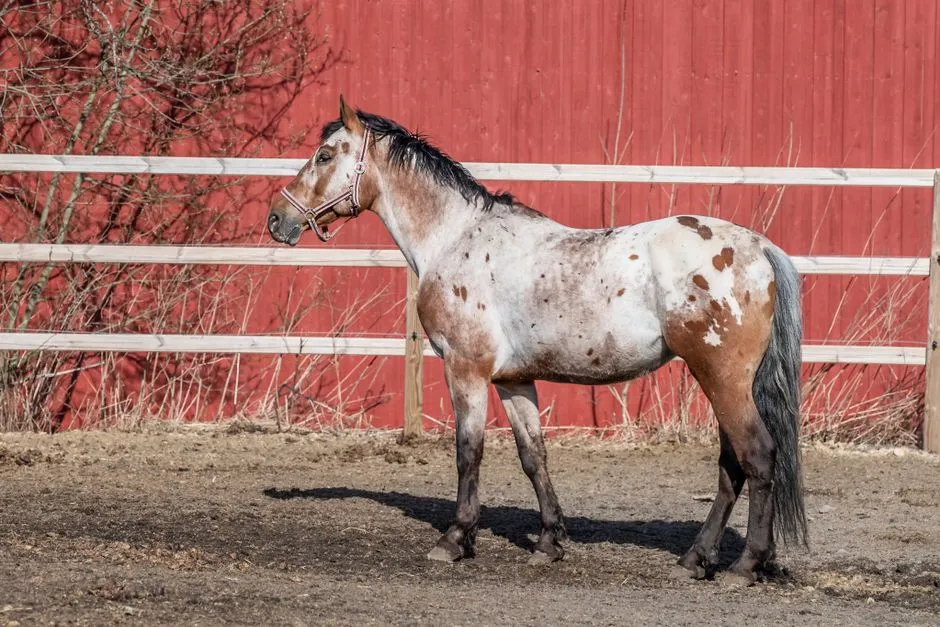
Rescue culture and “project horse” videos online have glorified turning something random into a kids’ horse. Vets are seeing the fallout. Tall, narrow, poorly balanced crosses, think Thoroughbred x Saddlebred x who-knows-what, can be horrifically unstable for beginner riders, often with long backs, weak toplines, and inconsistent movement that turns staying in the saddle into a full-time job.
Kids need predictable rhythm and a feeling of security under their seat. These crosses often offer the opposite: wobbly gaits, sudden loss of balance, tripping, or lurching into faster gaits when they feel off-kilter. A child who already struggles to stay centered will tip, grab, and panic, which spooks the horse even more. Vets aren’t anti-cross; they’re anti-“let’s see what happens with my 11-year-old on top.” When the build, balance, and brain are all unknown quantities, children should not be the test pilots.
#2 – Any Under-6-Year-Old Horse (Regardless of Breed)
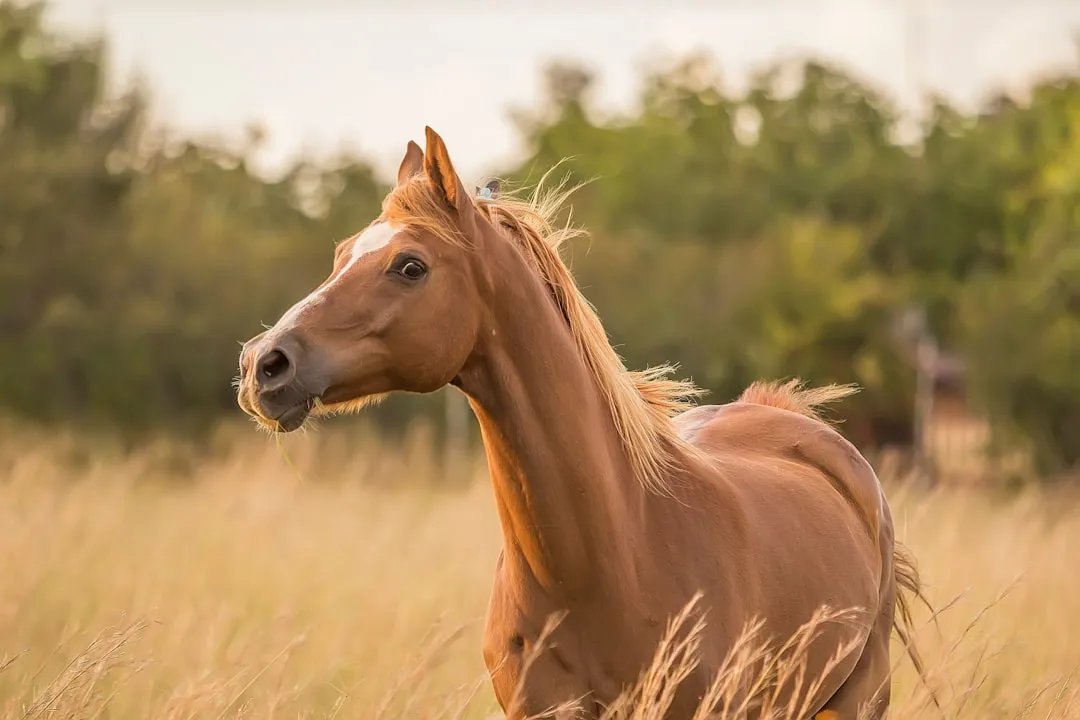
If there’s one hard line many vets share, it’s age. They’ll tell you point blank: “My kid doesn’t ride anything under six.” It doesn’t matter if it’s a draft, a pony, or a saintly-looking gelding. Young horses are still physically maturing and mentally figuring out life, so they spook harder, learn faster in both good and bad ways, and test boundaries constantly.
A quiet 4-year-old horse can turn into a totally different 5-year-old once it feels stronger and more confident. Kids, meanwhile, aren’t consistent trainers. They won’t correct small misbehaviors, notice soreness early, or ride through baby tantrums, which means the horse’s education gets messy and the kid ends up in the dirt. Vets see broken bones and broken confidence come out of these pairings all the time, and when it’s their own children, they refuse to bend the old rule: green horse, experienced rider; green rider, experienced horse.
#1 – The “Perfect” Free or Cheap Horse with a Vague Backstory
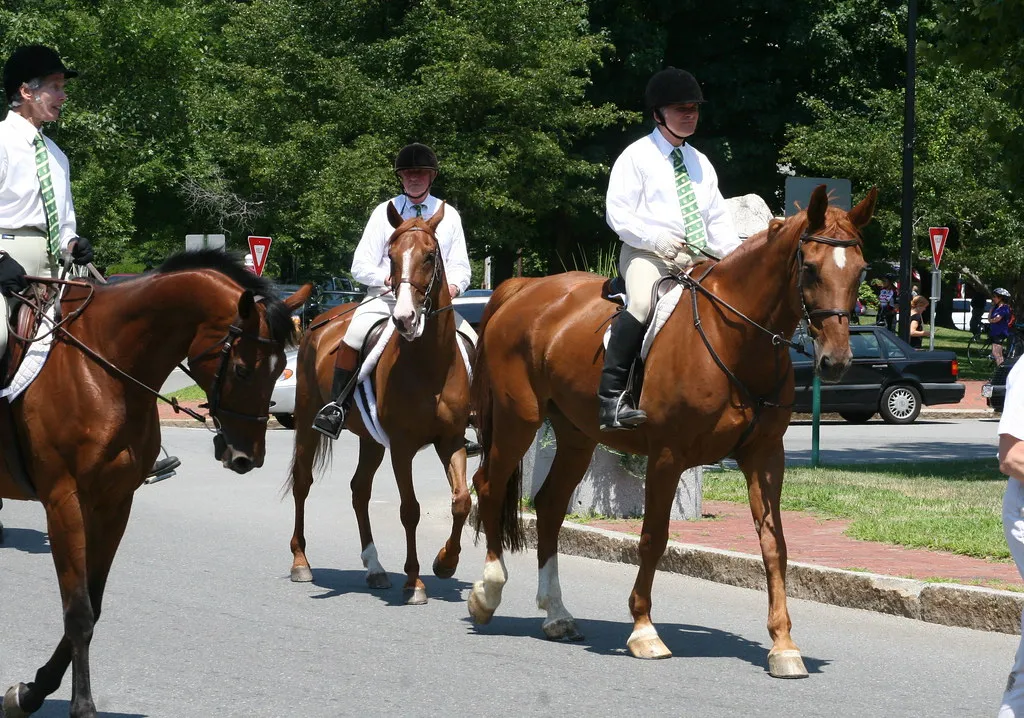
Ask vets what scares them most for their own kids, and it’s rarely a specific breed – it’s the suspiciously “perfect” free or cheap horse with no real history. That’s the one they side-eye hardest, because they’ve spent careers patching up the fallout from these too-good-to-be-true deals: hidden lameness, untreated pain, undisclosed trauma, or dangerous behavior quietly sedated away for the test ride.
The red flags are always the same: “We just don’t have time for him anymore.” “He’s great, just needs a confident rider.” No records of vet care, training, or consistent handling. For a professional, taking on a mystery horse is a calculated risk. For a child, it’s Russian roulette. Pain, fear, and bad training show up under pressure, at a show, on the trail, or the first time the horse feels truly fresh, and that’s when kids get hurt. Breed matters far less than honesty and history, and when those are missing, vets won’t let their kids anywhere near the saddle.
The Bottom Line
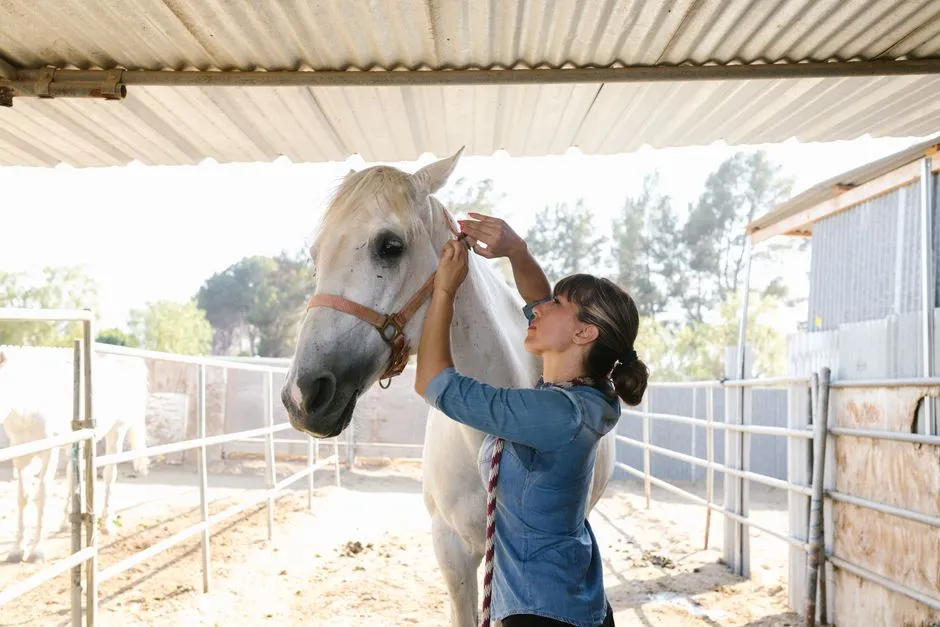
Vets don’t hate these breeds. They hate unnecessary risk. The pattern isn’t mystical: hot bloodlines, intense training histories, youth, pain, and mystery pasts all raise the odds that a horse reacts big when something goes wrong.
Kids, by definition, make mistakes. So the horses they ride need generous temperaments, boring gaits, long, well-documented histories, and miles of proven sanity, not pedigree prestige or social media shine. The uncomfortable truth is that many parents buy the horse that flatters them, not the one that protects their kid.
Vets quietly do the opposite. They’ll choose the plain, older, slow-moving gelding over the flashy “dream horse” every single time. Would you? Or are you still tempted by the fantasy more than the safety reality?

- 22 Horse Breeds Vets Refuse to Let Their Own Children Ride - July 30, 2026
- 22 Horse Breeds Vets Refuse to Let Their Own Children Ride - July 30, 2026
- The Clingy-Looking Dog Breed That Is Secretly the Most Independent of All - July 30, 2026