
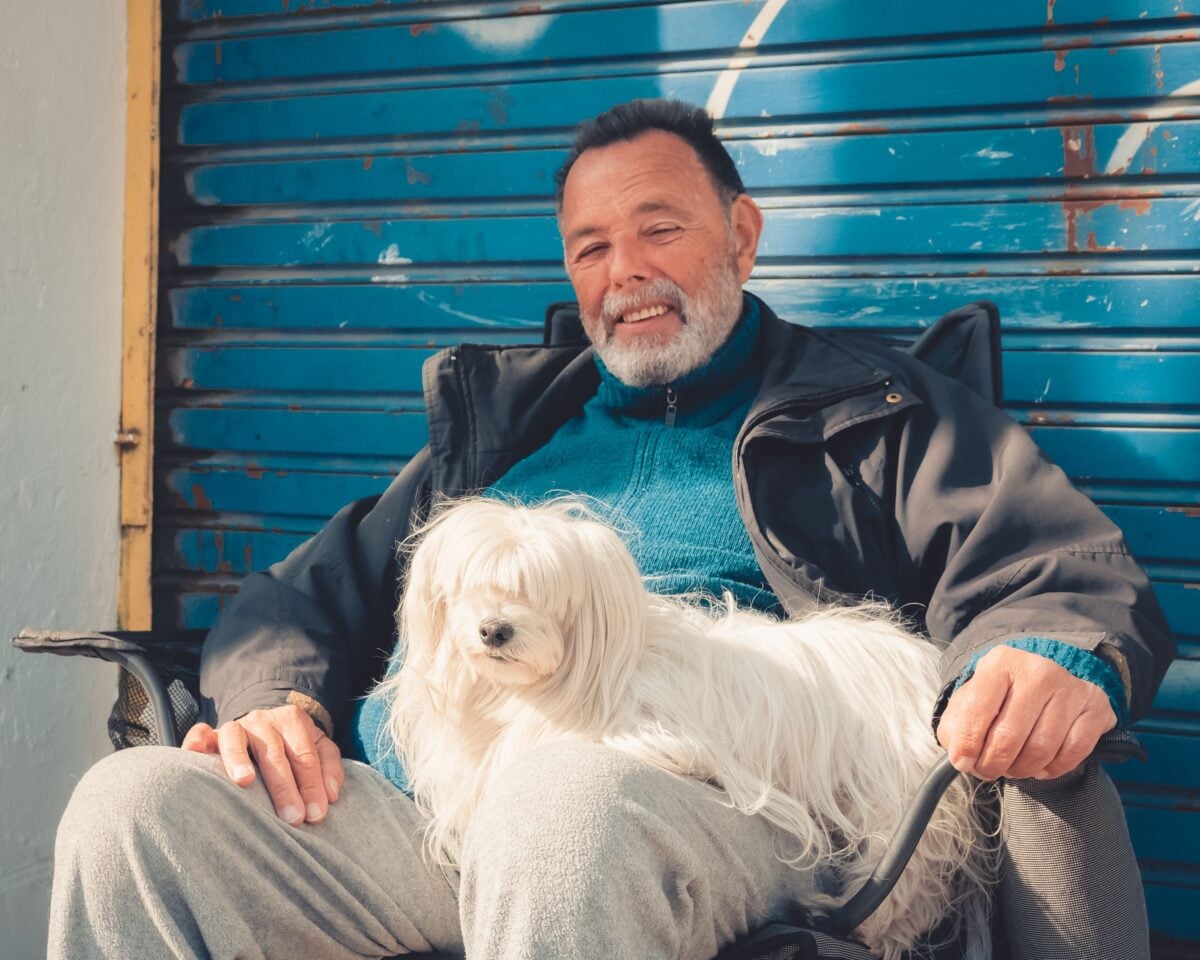
Most people assume a dog loves the whole family the same way, evenly, like sunlight. Any senior dog owner will tell you that’s a myth. There’s a quiet, almost secret bond tucked inside an old dog’s daily routine, and it’s reserved for exactly one person.
It doesn’t show up in tail wags at the door or begging for treats. It shows up in smaller, stranger places, how they breathe when you sit down, where they choose to collapse for the night, whose face they search for when their own body starts failing them. Most people walk right past these signals at the park or in the waiting room at the vet. But if you’re the person an old dog loves most, you already know exactly what we’re talking about, and by the end of this list, you’ll understand why it matters more than you thought.
#1 – Choosing Your Scent Over Pure Comfort
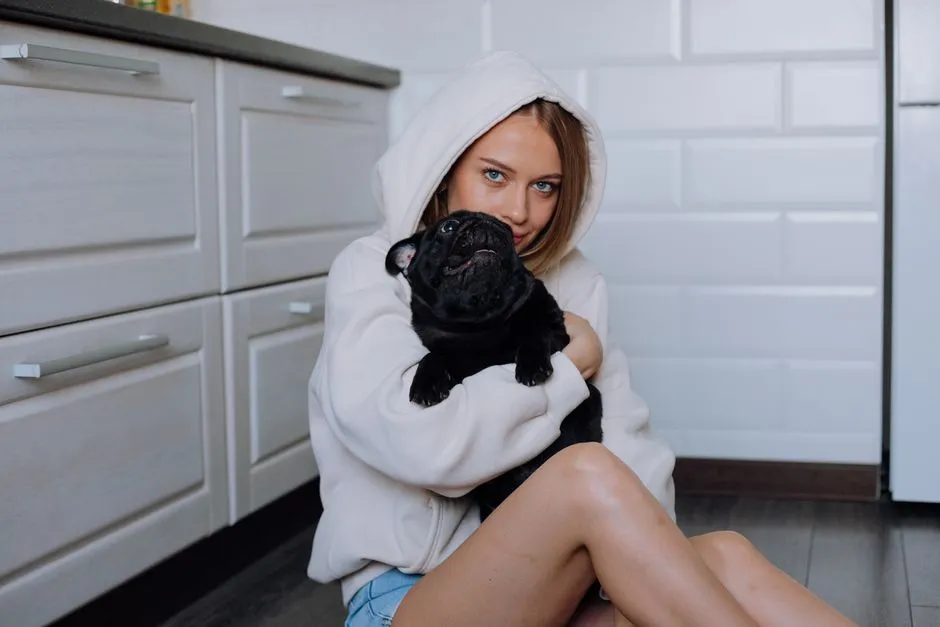
A senior dog’s joints ache. Their body runs colder than it used to. They need physical comfort more than ever, which is exactly what makes it so telling when they skip the softest bed in the house to curl up on your worn sweatshirt instead, or claim your side of the couch like it’s sacred ground.
They’re not chasing coziness. They’re chasing your smell, because as their eyes and ears fade, scent becomes their anchor in a world that’s gone blurry and quiet. You’ll catch them dragging your clothes across the floor to build a nest out of you. Most guests call it cute. People who’ve lived with an old dog know it’s something closer to trust with no backup plan.
#2 – Saving Their Limited Energy Just to Greet You
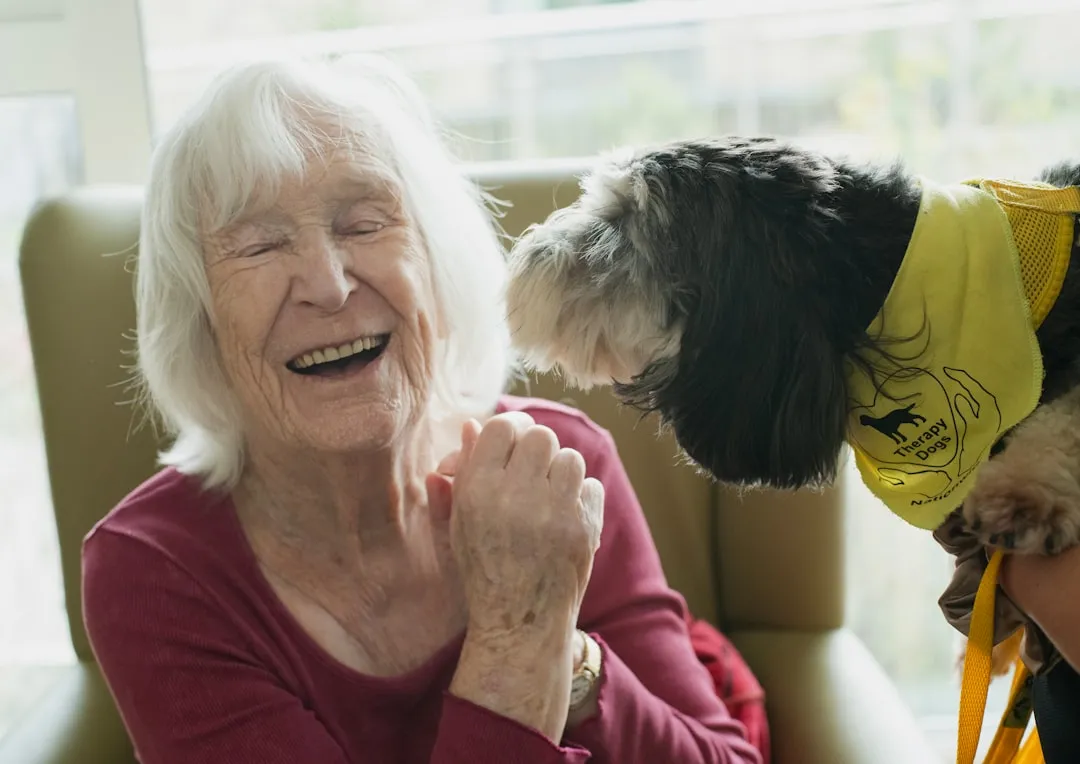
Senior dogs don’t waste a single step. Arthritis and muscle loss make every movement cost more than it did at age two, which is why it means something when an old dog drags themselves up from a dead sleep just to wobble to the door and greet only you.
They might not even lift their head for anyone else in the house. But the second your car pulls in or your key hits the lock, they’re up, blinking, doing their creaky version of a happy dance. Many seniors actually pace their whole day around this, resting more so they have just enough left in the tank for those first thirty seconds with you. That’s not habit. That’s budgeting affection on purpose.
Fast Facts
- Dogs are generally considered “senior” starting around age 7, though large breeds tend to hit that stage earlier than small ones.
- Arthritis is one of the most common conditions in aging dogs, making everyday movement noticeably more effortful.
- Muscle mass naturally declines with age, so a short walk to the door can cost far more energy than it once did.
- Many senior dogs sleep well over half the day, conserving their energy for the moments that matter most.
#3 – Picking Your Side of the Bed Like a Lifeguard Post
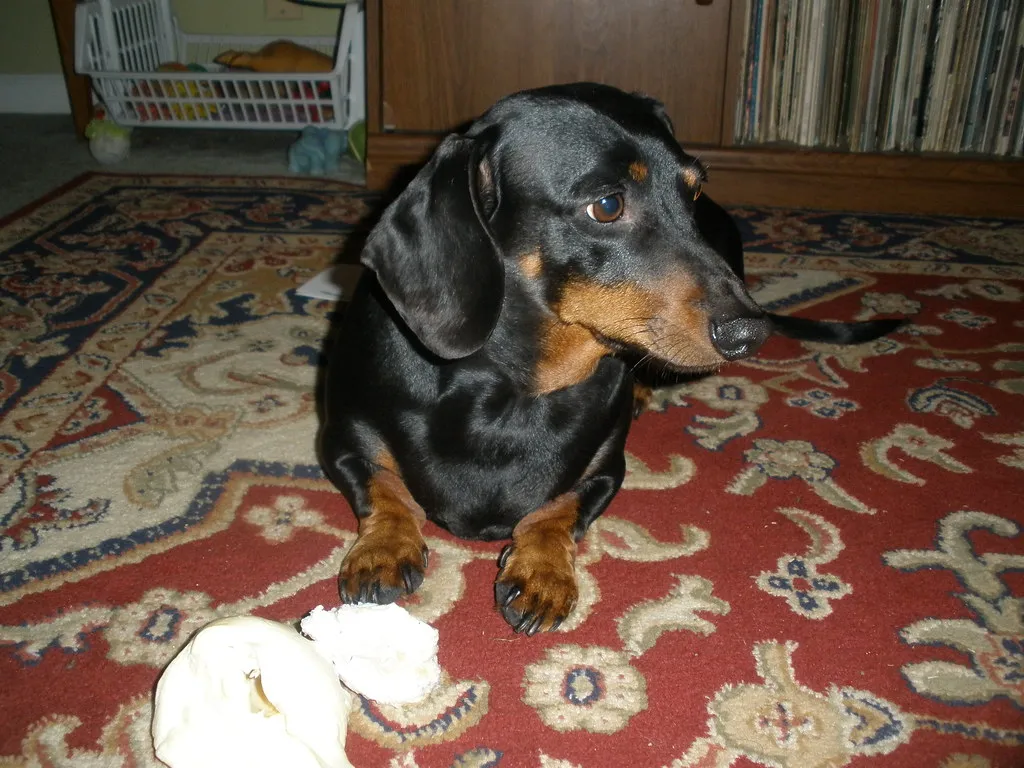
By the time a dog reaches senior status, they’ve mapped every inch of the house, the drafty corners, the loud spots, the shortcut to the food bowl. And yet so many of them choose to sleep exactly where they can track you, by the bedroom door, at your side of the mattress, in the hallway you walk through most.
This isn’t territory. It’s surveillance. They’ve assigned themselves night watch over the one person they can’t afford to lose track of, even when their aching body is begging for real rest elsewhere. Move bedrooms, and within a night or two, your dog relocates their post too. That’s not random. That’s a decision.
#4 – Showing You Their Most Vulnerable, Painful Moments
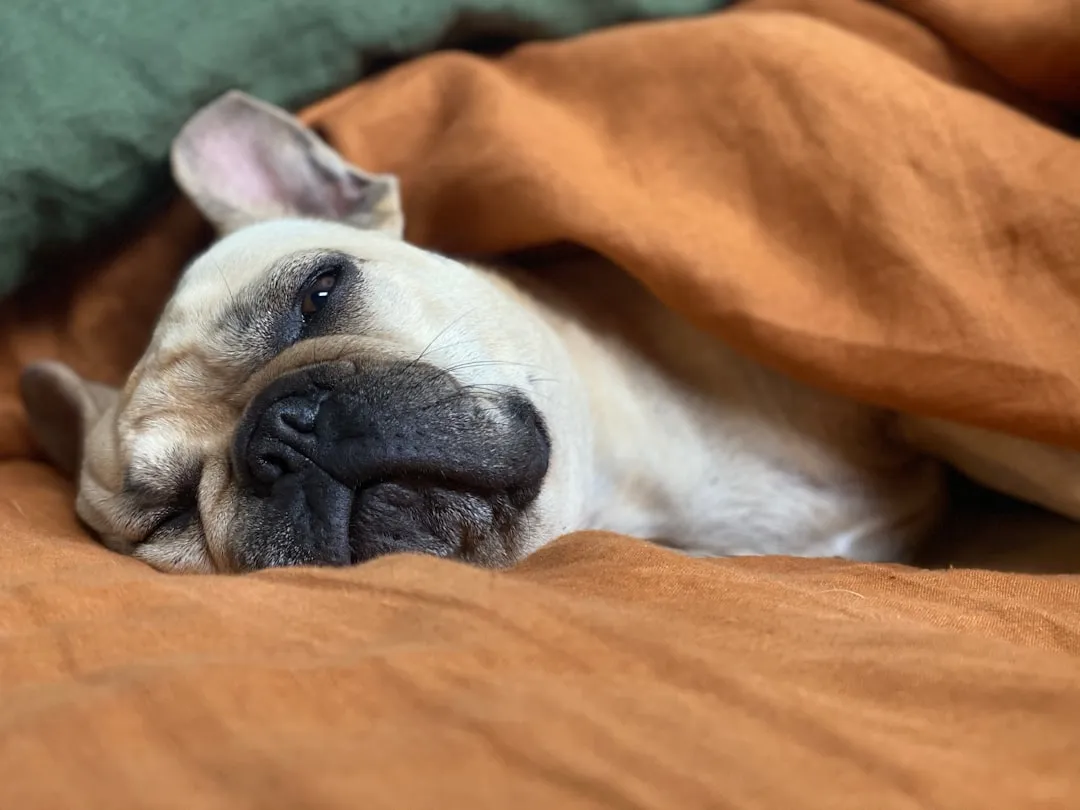
Dogs are wired to hide pain, a leftover survival instinct from a world where weakness got you killed. It’s why a senior dog can look perfectly fine right up until they’re in crisis at the vet’s office. But there’s one glaring exception to that rule.
Many old dogs will seek out exactly one person the moment they feel their worst, leaning into your leg when their hips lock up, pressing their head to your chest during a thunderstorm, pacing and panting until they finally settle beside you. They’re not hunting for a warm lap. They’re choosing the one human they trust enough to stop pretending. If your dog only falls apart around you, that’s not drama. That’s the safest place they know.
#5 – Quietly Tracking You Room to Room (But Only You)
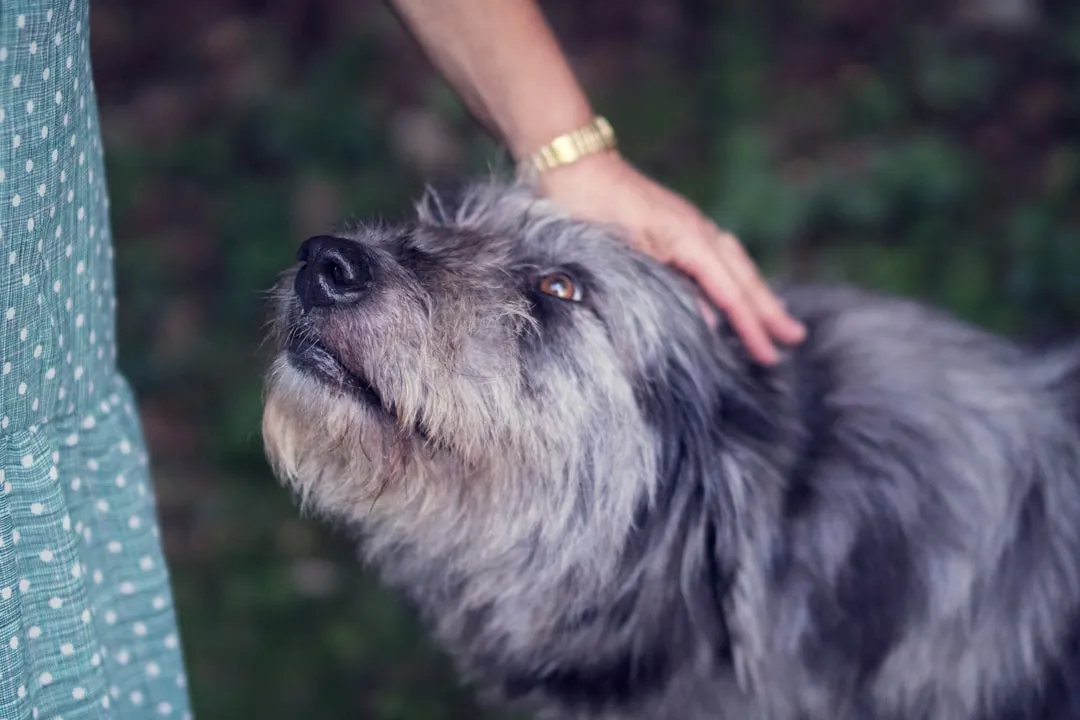
Puppies follow everybody. Seniors get picky. When an old dog forces themselves up off a comfortable bed just to trail you from the kitchen to the bathroom to the laundry room, that’s not neediness, it’s a decision they’re actively paying for in sore joints.
They’re not afraid you’ll forget them. They just feel steadier when you’re inside their line of sight, especially now that their senses are dimming and the world has gotten harder to read. This kind of following looks nothing like puppy energy, it’s slow, deliberate, almost ceremonial. They’ll settle a few feet away, facing you, like they’re counting your breaths. Every time they choose that discomfort over not knowing where you went, they’re telling you exactly where their heart lives.
#6 – Accepting Care They’d Refuse From Anyone Else
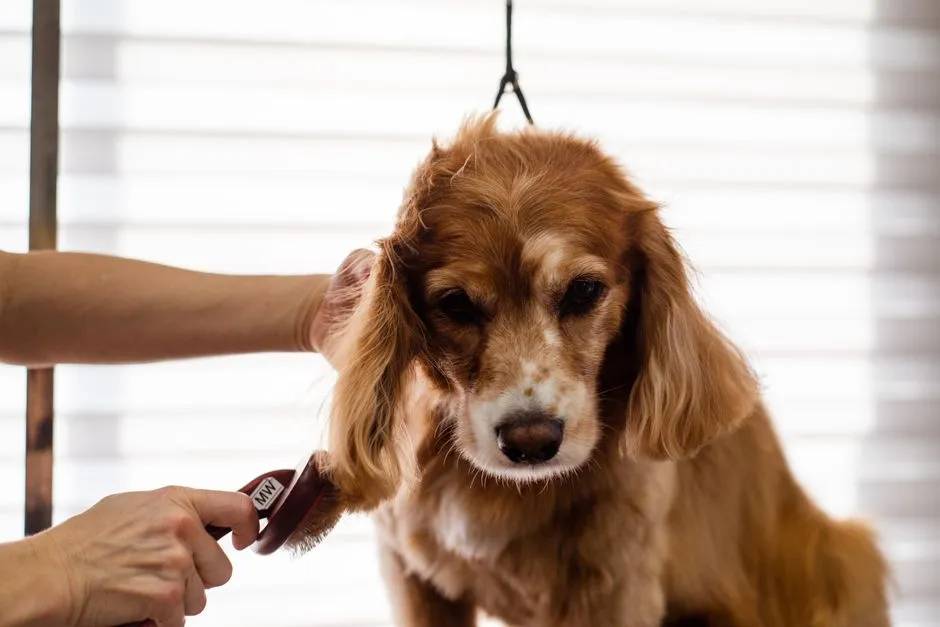
Plenty of senior dogs despise certain routines, nail trims, eye drops, ear cleaning, achy joint massages. Yet the same dog who’d twist away, shut down, or panic under a stranger’s hands will lean straight into that same uncomfortable process when it’s you doing it.
They might grumble, sigh like a teenager, or shoot you the filthiest side-eye of their life, but they stay. That’s not obedience, that’s a conscious override of instinct in favor of trust. They’re letting you handle their paws, their mouth, their sore joints, because your history together has taught them you fix more than you hurt. If your dog will only take medicine from your hand, don’t brush that off. That’s earned.
Worth Knowing
- Regular nail trims, ear checks, and joint massages can help catch senior health issues before they become emergencies.
- Dogs often respond to the emotional tone of the person handling them, not just the physical sensation itself.
- A calm, trusted handler can make stressful routines like grooming or medicating noticeably easier on an anxious senior dog.
- Vets frequently suggest letting the most-trusted household member manage day-to-day care for dogs who resist handling.
#7 – Offering Their “Last” Toy or Ritual Just to See You Smile
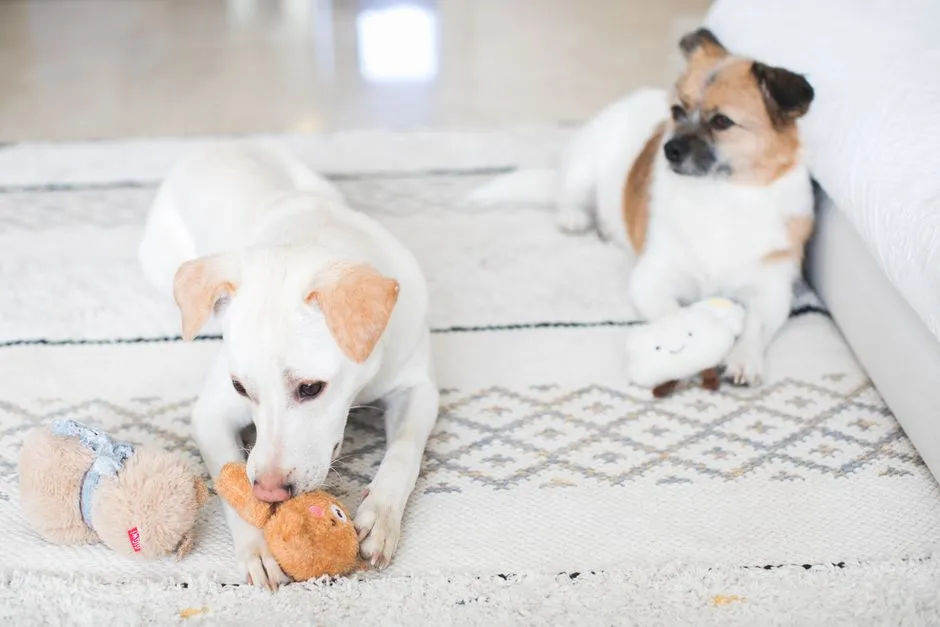
Senior dogs play differently. Fetch turns into two half-hearted tosses. Tug-of-war becomes a couple of lazy pulls before they lie back down. But watch what happens the moment you walk in after a long day.
They dig out the one toy they still care about, usually something ragged and ancient, and shuffle it over to you like they’re presenting treasure. It might be the only time all day they engage with a toy at all. Older dogs ration that burst of puppy energy carefully, saving it for the one reaction that actually matters to them. Even the “grumpy old man” dogs the whole family swears are over it will suddenly bounce, bark, or attempt a crooked zoomie, just for you.
#8 – Reading Micro-Changes in Your Mood Like a Professional
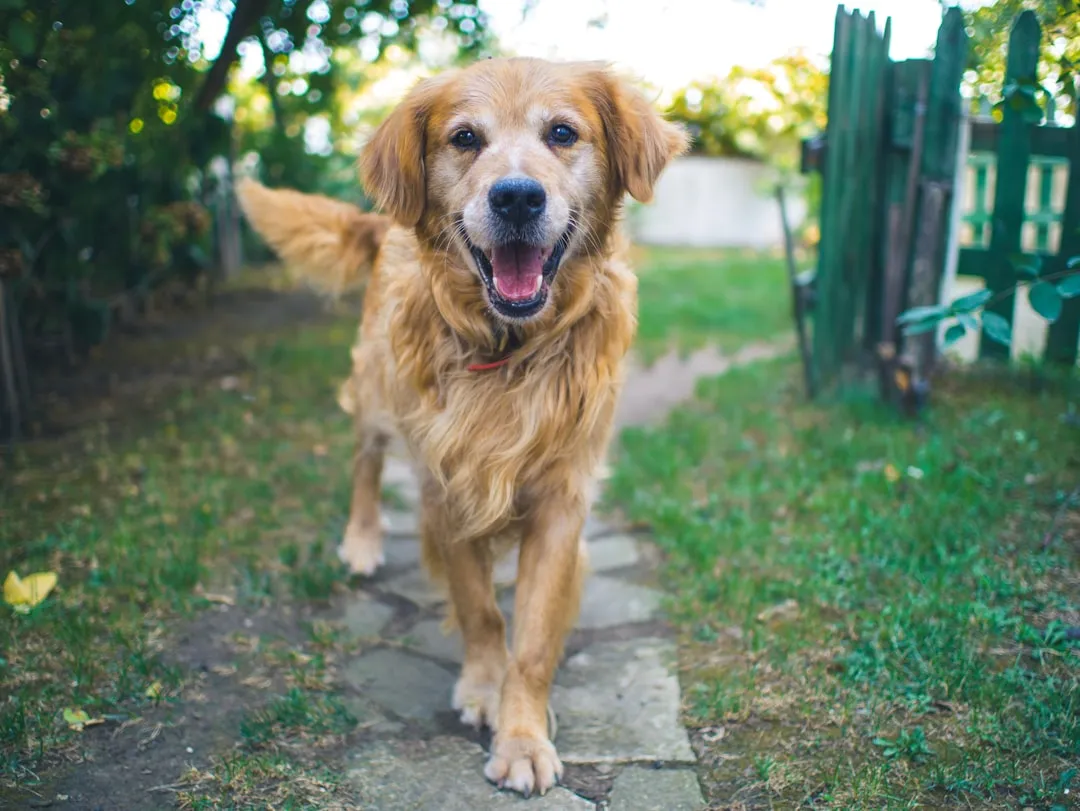
Everyone claims their dog “just knows” when they’re sad, but senior dogs take it further. After a decade of studying how you move, talk, and breathe, they can catch microscopic shifts in your posture, your smell, your voice, shifts that other people in the room miss completely.
They’ll lean into you before you’ve even admitted to yourself that you’re spiraling. They’ll stare you down on the days you insist you’re “fine” while your whole nervous system says otherwise. It’s not a universal reaction either. They’ve simply logged more data on you than on any guest or even other family members, so they fine-tune their response: quiet stillness when you’re drained, a nudge when you’re anxious, sudden goofiness when you need a distraction.
Why It Stands Out
- Years of shared routine let a senior dog build a detailed mental “baseline” of your normal moods and habits.
- This kind of emotional attunement typically deepens with age and history, not with puppyhood energy.
- It’s one reason so many owners insist their oldest dog reads them better than the people around them do.
- The reaction is rarely one-size-fits-all, senior dogs often tailor their response to the specific mood they’re picking up on.
#9 – Choosing You Over Food (Yes, Even Then)
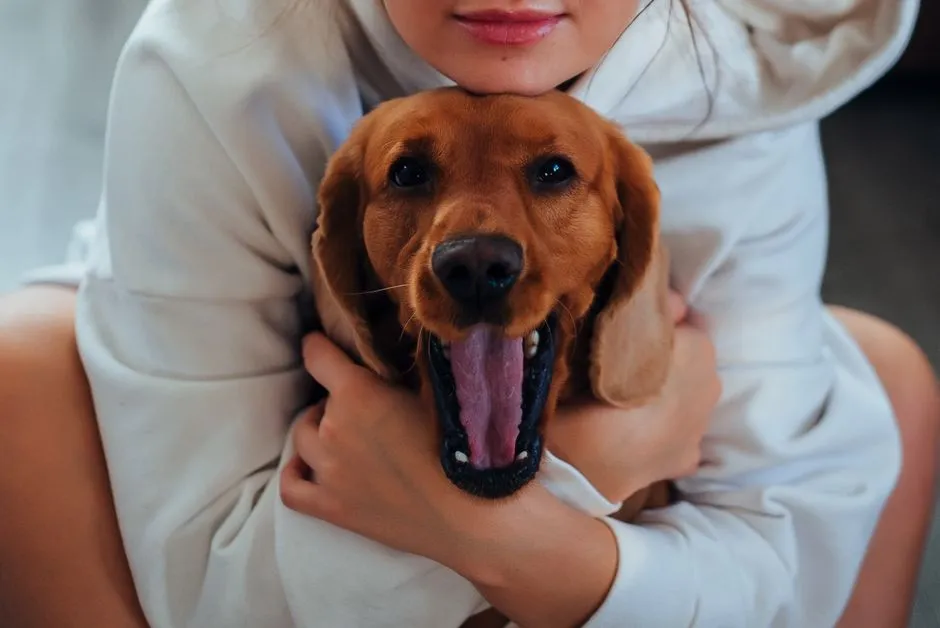
Here’s where it gets uncomfortable for some owners: a lot of senior dogs get more food-obsessed with age, thanks to medication, cognitive changes, or plain boredom. And yet there are moments when they’ll walk away from a full bowl or a dropped scrap just to keep their spot next to you.
For a species hardwired to chase calories, that’s not a small thing. You’ll see it when you move from the kitchen to the couch and they follow instead of finishing their food, or at the vet’s office when they ignore the treat jar entirely and bury their face in your chest. At a stage of life when appetite tends to run the show, choosing you instead is about as loud as a wordless statement gets.
#10 – Letting You See Their Confusion Without Shame
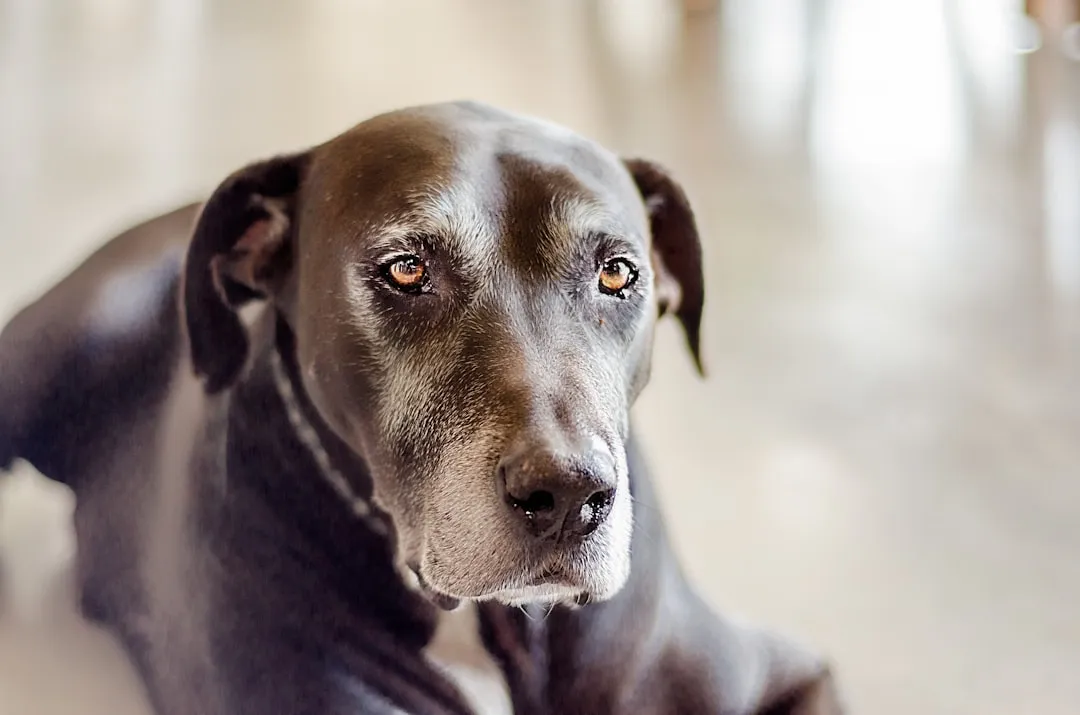
Doggy dementia is far more common than most owners realize. Senior dogs can get stuck staring at walls, freeze in corners, or forget where the door is, and many of them look genuinely embarrassed when a stranger catches them mid-episode.
But often, they only fully relax into that confusion around the one person they trust completely. They’ll wander, then find you, and visibly exhale once they’re close. It’s heartbreaking, but it’s also intimate in a way nothing else is, they’re letting you witness the scariest part of aging, the disorientation, not just the pain. They’ll circle the room until they spot you, then settle immediately, like your presence reboots something in their head. That’s not something they hand out to every person in the house.
At a Glance: Signs of Canine Cognitive Dysfunction
- Disorientation: getting lost in familiar areas, not recognizing familiar people, and going to the wrong side of the door
- Interaction changes: becoming more clingy, becoming reclusive, or irritability when approached
- Sleep-wake shifts: increased sleeping during the day, pacing and restlessness at night
- House soiling: soiling in atypical or inappropriate locations, even soon after returning from outside
- Vets often describe these changes using the acronym DISHA, disorientation, interaction changes, sleep/wake disturbances, house soiling and activity changes
#11 – Guarding You Even When Their Body Can’t Back It Up
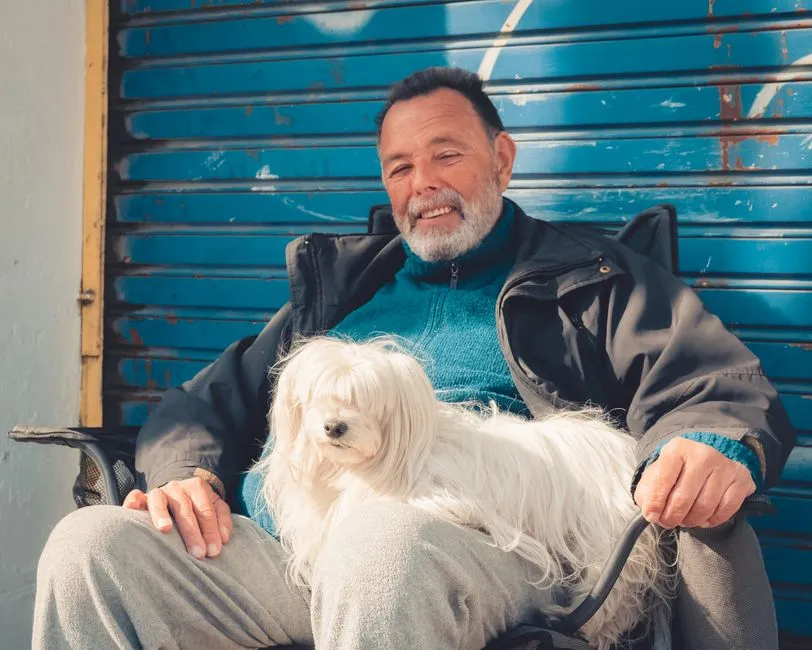
One of the quietly devastating things to watch is a frail old dog physically step between you and something they perceive as a threat, a stranger, a loud noise, even another dog, despite clearly not having the strength to back any of it up anymore.
The bark is weaker. The stance is crooked. But the message is unmistakable: you still go through me first. Some owners misread this as grumpiness, but context tells the real story. When it only shows up around you, especially somewhere new, it’s protection, plain and simple. They know they’re slower than they used to be, and they’re still willing to put their aging body on the line anyway. It’s not rational. It’s relational, and it puts a lot of human ideas about loyalty to shame.
#12 – Looking to You for Permission to Let Go
This is the part almost nobody wants to talk about, but anyone who’s loved an old dog through the end recognizes it instantly. Near the very end, many senior dogs start watching one face more than anything else in the room, almost like they’re asking, is it okay if I stop fighting now.
They may stop eating, struggle to stand, sleep for most of the day, but they’ll still open their eyes to find you when you speak. Some vets have quietly noticed the pattern themselves: the dog holds on until that one person arrives, or finally relaxes the moment that person whispers that it’s okay to rest. Call it biology, call it bond, call it something we don’t have a name for, the result is the same. Their last decisions are made in reference to you.
Dogs are not our whole life, but they make our lives whole.
Roger Caras
The Bottom Line
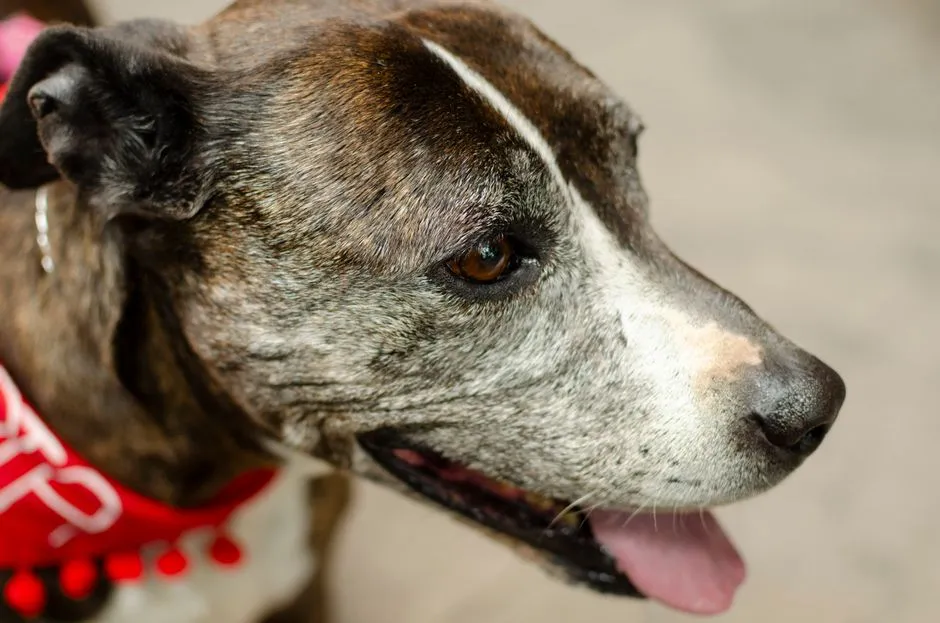
Senior dogs don’t write grand gestures. They write love stories in tiny, aching, almost unbelievable details, where they lie down, who they follow room to room, whose hands they’ll tolerate, whose face they search for when the world stops making sense.
Here’s the part that’s hard to sit with: they save their last reserves of energy, play, and even bravery for one person. If that’s you, you’re carrying more than you probably realized, you’re not just a pet owner, you’re the anchor for a fading mind and a failing body. People will tell you it’s all instinct and habit, nothing more. Maybe. But if you’ve ever caught that final, searching look from a gray muzzle, you already know they’re wrong. Which of these did your old dog do only for you, and what did it teach you about love you never asked to learn?

- 12 Tender Things a Senior Dog Does Only for the Person It Loves Most - July 30, 2026
- 22 Horse Breeds Vets Refuse to Let Their Own Children Ride - July 30, 2026
- 22 Horse Breeds Vets Refuse to Let Their Own Children Ride - July 30, 2026