
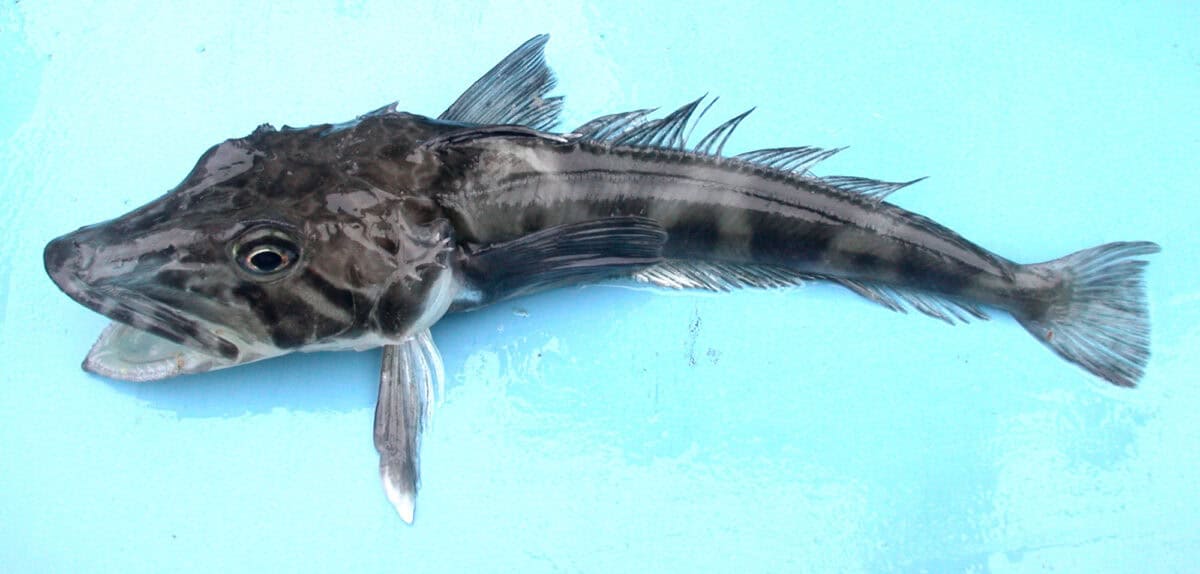
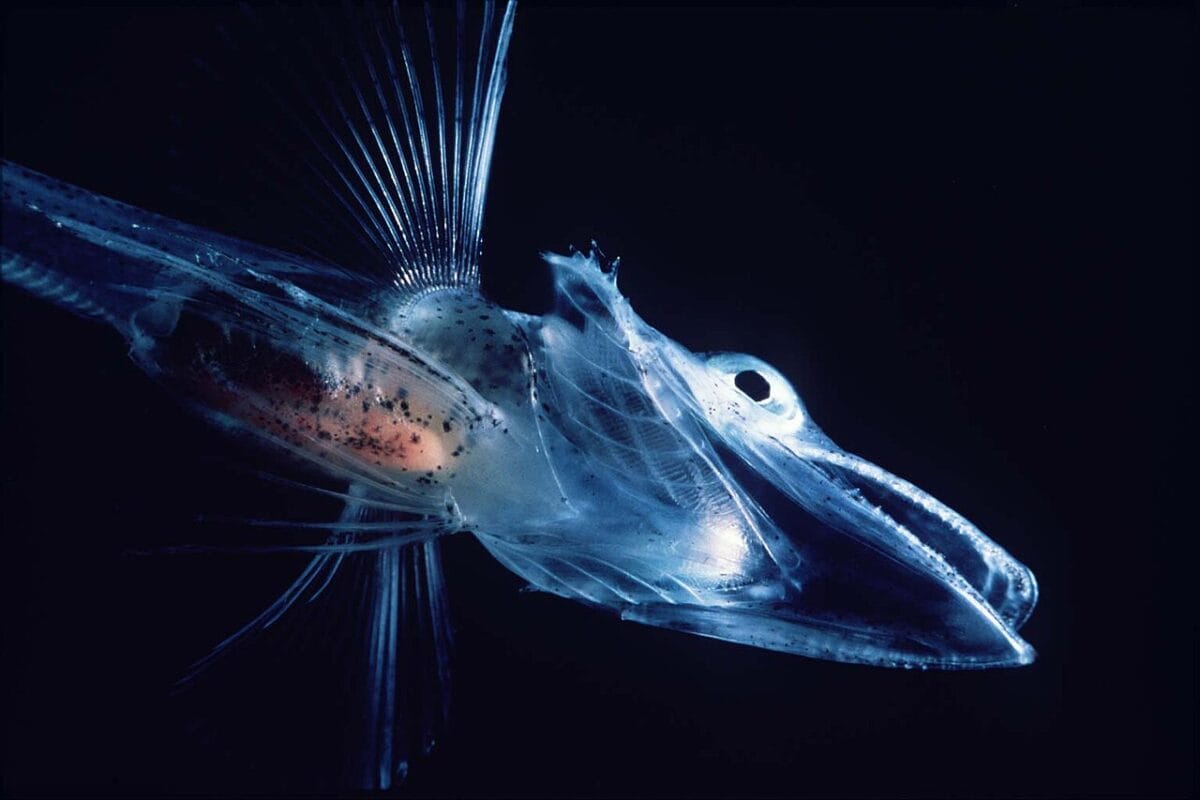
In the frigid waters surrounding Antarctica, where the temperature hovers just above freezing, lurks one of nature’s most remarkable adaptations. The Antarctic icefish, with its ghostly appearance and transparent blood, represents one of the most extraordinary evolutionary developments in the vertebrate world. Unlike virtually every other vertebrate on Earth, these fish lack hemoglobin—the protein that gives blood its red color and carries oxygen through the body. Instead, they have evolved clear blood that flows through their pale bodies, creating an almost spectral appearance in the icy depths. This fascinating adaptation is just one of many that allow these unique creatures to thrive in one of the most extreme environments on our planet.
The Discovery of Transparent Blood
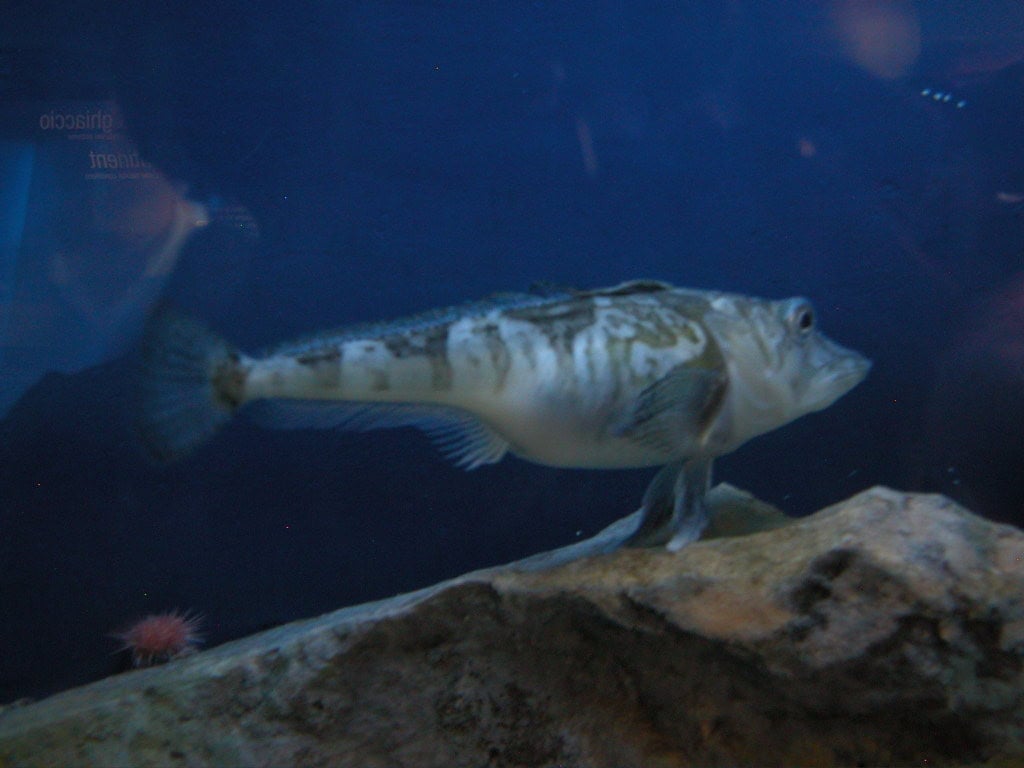
The remarkable discovery of icefish and their transparent blood dates back to 1928 when Norwegian zoologist Johan Ruud first examined specimens caught near South Georgia Island in the Southern Ocean. Initially, researchers believed the colorless blood was a result of specimen degradation or improper preservation. However, further investigation revealed something truly extraordinary: these fish naturally lacked hemoglobin and red blood cells entirely. This finding sent shockwaves through the scientific community, as it contradicted the prevailing understanding that hemoglobin was essential for vertebrate survival. The icefish stood as a living exception to what had been considered a biological rule, opening up new avenues of research into alternative oxygen transport mechanisms and extreme environmental adaptations.
Taxonomy and Classification
Icefish belong to the family Channichthyidae, a group comprising 16 species distributed across the Southern Ocean. They are part of the larger suborder Notothenioidei, which includes several families of fish specially adapted to the Antarctic waters. Taxonomically, they’re classified within the ray-finned fishes (Actinopterygii), but represent a highly specialized branch that diverged approximately 5.5 million years ago. The family name Channichthyidae derives from Greek words meaning “channel fish,” referring to the numerous channels and passages in their skull structure. Commonly known as crocodile icefish or white-blooded fish, each species has adapted to slightly different ecological niches within the Antarctic ecosystem, from shallow coastal waters to depths exceeding 1,000 meters.
The Mystery of Hemoglobin-Free Blood

The absence of hemoglobin in icefish blood represents one of nature’s most fascinating genetic modifications. Research has revealed that this trait emerged through the deletion of genes responsible for hemoglobin production, essentially “turning off” a critical system that other vertebrates rely upon. This genetic change occurred approximately 8.5 million years ago when a specific mutation deleted the gene cluster responsible for beta-globin synthesis. Over time, additional mutations accumulated that disabled the alpha-globin genes as well. What makes this particularly interesting is that such mutations would be lethal in almost any other environment—yet in the oxygen-rich, near-freezing waters of Antarctica, the icefish not only survived but thrived. This represents a prime example of how extreme environments can drive equally extreme adaptations through natural selection.
Physiological Adaptations for Life Without Hemoglobin

To compensate for the absence of oxygen-carrying hemoglobin, icefish have developed multiple physiological adaptations. Their cardiovascular system has undergone dramatic modifications, including hearts that are 4-5 times larger than those of similar-sized red-blooded fish. They pump a much larger volume of blood—approximately 5 times more than other fish—at a slower rate, ensuring sufficient oxygen delivery throughout their bodies. Their blood vessels are also significantly wider, with capillaries 3-4 times the diameter of those found in red-blooded species. Additionally, icefish have exceptional blood volume, constituting approximately 6-8% of their body weight compared to the 3-4% typical of other fish. These adaptations collectively create an alternative oxygen delivery system that works efficiently despite lacking the concentrated oxygen-carrying capacity that hemoglobin provides.
The Antifreeze Advantage

Surviving in waters that regularly plunge to -1.9°C (28.6°F)—a temperature that would freeze the blood of most vertebrates—requires special adaptations beyond the circulatory system. Icefish produce biological antifreeze proteins (AFPs) that bind to ice crystals as they begin to form in the bloodstream, preventing them from growing larger and causing cellular damage. These glycoproteins disrupt the crystal structure of ice, lowering the freezing point of bodily fluids without affecting their melting point—a property known as thermal hysteresis. This adaptation is shared with other Antarctic fish but proves especially critical for icefish, whose watery, protein-poor blood would otherwise be particularly vulnerable to freezing. The antifreeze proteins represent another example of specialized genetic adaptation, having evolved from modified digestive enzymes whose function transformed completely to meet environmental challenges.
Physical Characteristics and Appearance
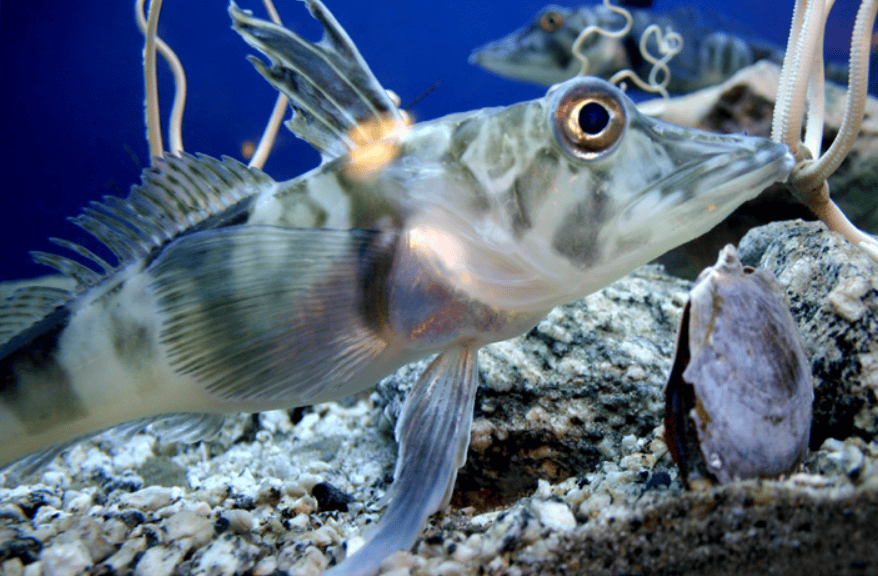
Icefish possess a distinctive appearance that reflects their specialized lifestyle and habitat. Most species grow to 30-60 centimeters (12-24 inches) in length, with elongated bodies that taper toward the tail. Their most striking visual feature is their ghostly, nearly transparent appearance, with skin so translucent that internal organs are often visible. This transparency extends to their skeleton, which lacks calcification and remains largely cartilaginous throughout life—another energy-saving adaptation to cold waters. Their large heads house wide mouths equipped with numerous small teeth, adapted for their predatory lifestyle. Most remarkable are their eyes, which are proportionally large and lack pigmentation, appearing as pale orbs that provide enhanced vision in the dim Antarctic waters. The overall effect is a creature that seems almost spectral, gliding through the frigid depths like a living ghost.
Habitat and Distribution
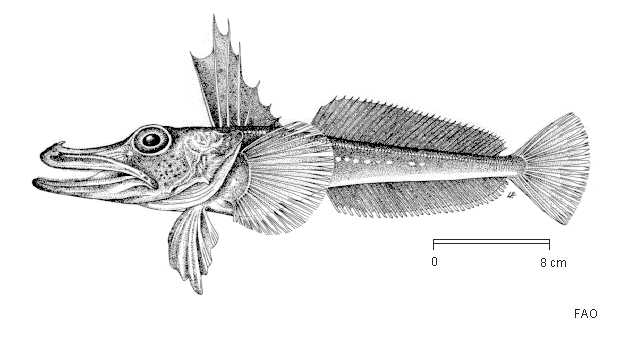
Icefish are exclusively found in the Southern Ocean surrounding Antarctica, with their range extending to some sub-Antarctic islands. They inhabit waters ranging from the continental shelf to depths of over 1,000 meters (3,280 feet), though most species prefer depths between 100-400 meters (330-1,300 feet). Their distribution is circumpolар, meaning they can be found in a ring around the Antarctic continent, though different species occupy specific regions and depth ranges. The Southern Ocean provides ideal conditions for these specialized fish, with water temperatures that remain remarkably stable year-round, typically between -1.9°C and 2°C (28.6°F and 35.6°F). This environment, while harsh by most standards, offers high oxygen saturation—cold water naturally holds more dissolved oxygen than warm water—which makes their hemoglobin-free existence possible. Some species prefer rocky substrates where they can ambush prey, while others inhabit the water column as more active predators.
Feeding Habits and Diet

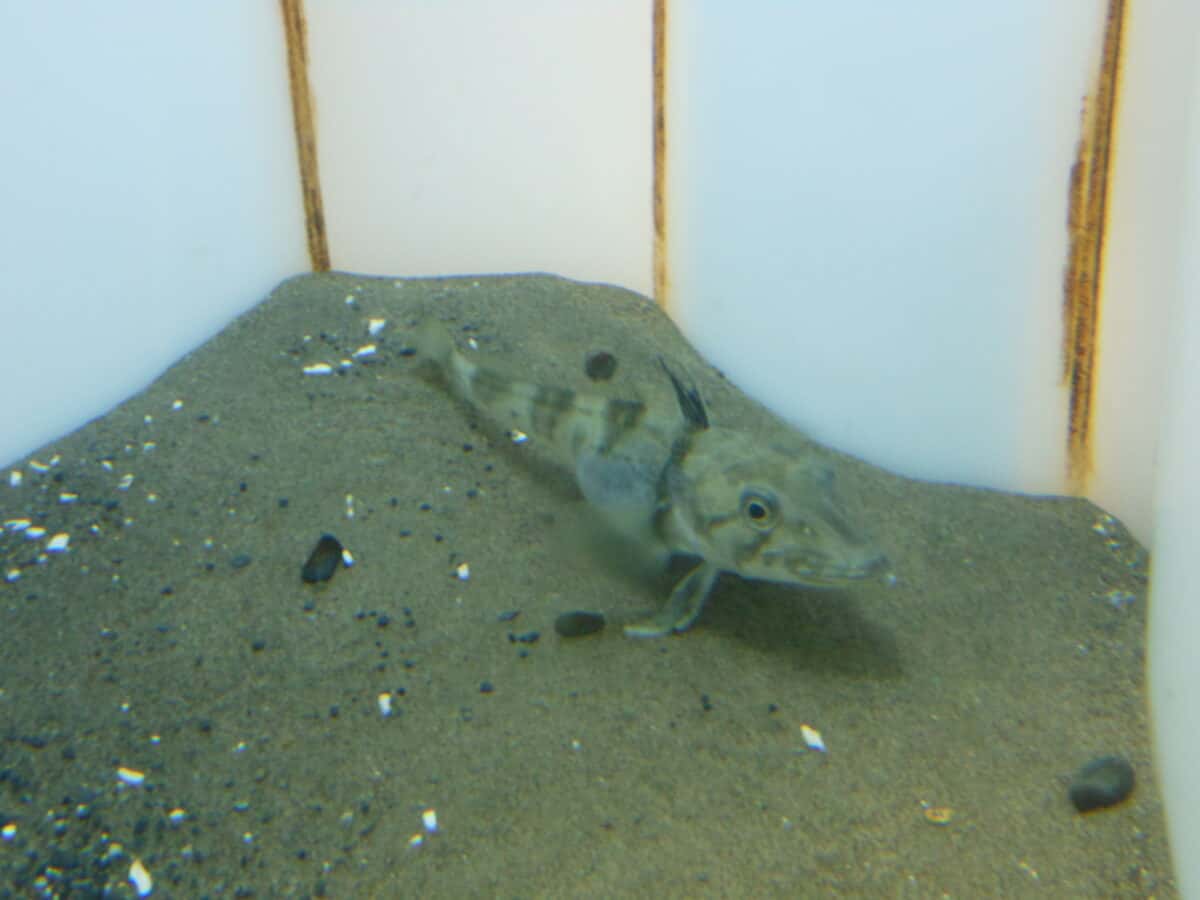
Icefish are active predators with feeding strategies adapted to the Antarctic marine food web. Most species are carnivorous, feeding primarily on krill, small fish, and various crustaceans. Their large mouths and numerous small teeth enable them to capture and consume prey efficiently. Some species are ambush predators, lying in wait on the seafloor before lunging at passing prey, while others actively pursue their quarry through the water column. Their hunting strategy is often opportunistic, taking advantage of seasonal abundance in certain prey species. Interestingly, their transparent bodies may serve as a form of camouflage during hunting, making them less visible to potential prey. Research has shown that icefish have a relatively slow metabolism compared to temperate fish species, allowing them to survive on less frequent feeding—an important adaptation in an environment where food availability can be highly seasonal and tied to the brief Antarctic summer when productivity peaks.
Reproduction and Life Cycle

The reproductive strategies of icefish reflect adaptations to their extreme environment. Most species reach sexual maturity at 5-7 years of age and may live up to 15 years. They typically spawn during the Antarctic winter or early spring, producing relatively few but large eggs compared to temperate fish species. Female icefish can produce between 1,000-11,000 eggs depending on the species, with each egg measuring 3-5 millimeters in diameter—significantly larger than the eggs of most fish. These large, yolk-rich eggs provide developing embryos with substantial nutritional reserves. After fertilization, many species practice parental care, with males guarding egg masses that are often attached to rocks or other substrates. The incubation period is exceptionally long, lasting 4-6 months, with hatching timed to coincide with the Antarctic spring when food availability increases. The newly hatched larvae are relatively large and well-developed, improving their chances of survival in the challenging Antarctic waters.
Ecological Role and Predators
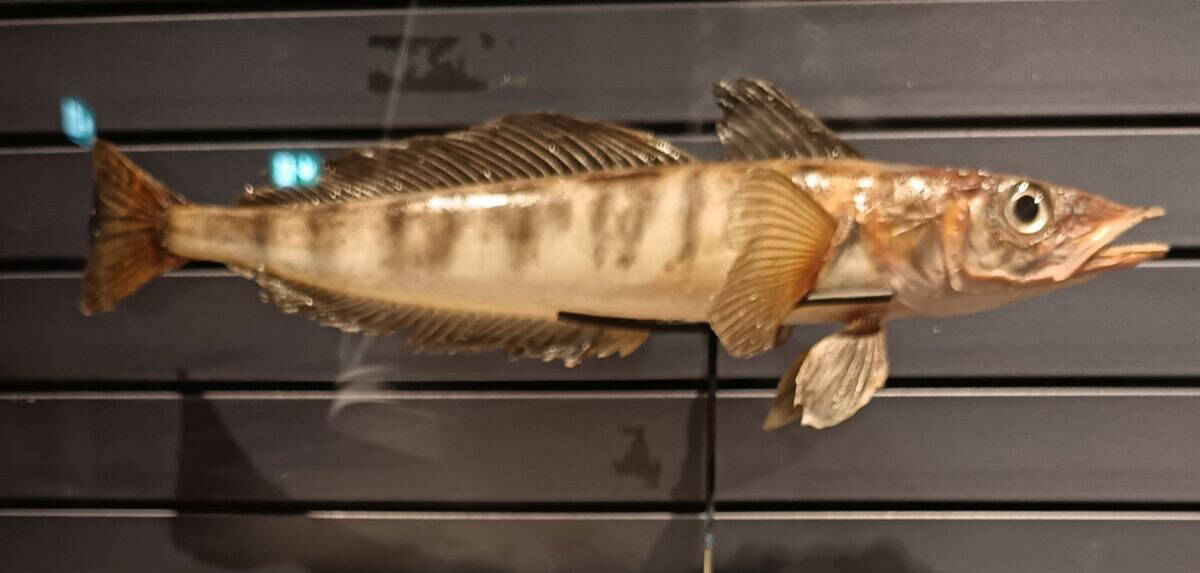
Within the Antarctic marine ecosystem, icefish occupy an important intermediate position in the food web. They serve as predators of krill, small fish, and crustaceans while simultaneously providing food for larger predators. Their principal natural predators include seals (particularly Weddell and leopard seals), toothed whales, larger fish species, and seabirds such as penguins and cormorants. The ecological importance of icefish extends beyond their role as prey and predator—their feeding activities help regulate populations of krill and other small organisms, contributing to the overall balance of the Antarctic marine ecosystem. Additionally, as they die and decompose, their bodies return nutrients to the system, supporting the growth of phytoplankton and other primary producers. This nutrient cycling role is particularly significant in the nutrient-limited Antarctic waters, where the efficiency of resource utilization is critical to ecosystem function.
Conservation Status and Threats

The conservation status of most icefish species remains poorly understood due to the challenges of studying these creatures in their remote, harsh habitat. However, they face several significant threats. Climate change represents perhaps the most serious long-term challenge, as Antarctic waters are warming at alarming rates, particularly in the Antarctic Peninsula region where some areas have experienced temperature increases of 2.5°C (4.5°F) since the 1950s. These rising temperatures threaten the oxygen-rich cold waters that make the icefish’s hemoglobin-free existence possible. Commercial fishing presents another potential threat, with some icefish species targeted directly for human consumption, particularly in Asian markets. Additionally, they may be caught as bycatch in krill fisheries. Ocean acidification, resulting from increased atmospheric carbon dioxide, poses yet another challenge, potentially affecting the development of icefish eggs and larvae. Conservation efforts are complicated by the remote nature of their habitat and limited international regulatory frameworks in Antarctic waters.
Research Significance and Medical Applications

The unique physiology of icefish has made them valuable subjects for scientific research with potential applications in human medicine. Their adaptations for life without hemoglobin have attracted particular attention from medical researchers studying anemia, circulatory disorders, and oxygen transport. The antifreeze proteins these fish produce have inspired developments in cryopreservation techniques for organs and tissues, potentially extending viability for transplantation. Researchers are also studying icefish to better understand bone formation and disorders, as their largely cartilaginous skeletons offer insights into osteoporosis and related conditions. Additionally, the remarkable cardiovascular adaptations of icefish—particularly their enlarged hearts and expanded circulatory systems—provide valuable models for cardiac research. Perhaps most significantly, icefish represent a natural experiment in adaptation to extreme conditions, offering a window into evolutionary processes and the remarkable plasticity of vertebrate physiology, potentially informing our understanding of how organisms might adapt to changing environmental conditions.
Conclusion: Nature’s Pale Pioneers
The Antarctic icefish stand as remarkable testimonies to the power of evolutionary adaptation in extreme environments. Their transparent blood, lacking the hemoglobin that virtually every other vertebrate relies upon, represents one of the most extraordinary physiological adaptations known to science. Through a series of genetic changes and corresponding physiological adjustments—enlarged hearts, expanded blood vessels, increased blood volume, and antifreeze proteins—these ghostly creatures have turned what would normally be a lethal mutation into a successful survival strategy. As climate change threatens their cold, oxygen-rich habitat, these unique fish face an uncertain future, highlighting the fragility of even the most remarkably adapted species when faced with rapid environmental shifts. The story of the icefish reminds us that nature’s solutions to environmental challenges are diverse and sometimes counterintuitive, offering valuable lessons about adaptation, evolution, and the remarkable diversity of life on Earth.

- Can Snakes Give Birth Without Mating? - July 15, 2026
- The Hidden Desert Beneath a U.S. Forest—A Strange Natural Twist - July 15, 2026
- Rare Shark Sighting Alarms Scientists Near Baja California - July 15, 2026