


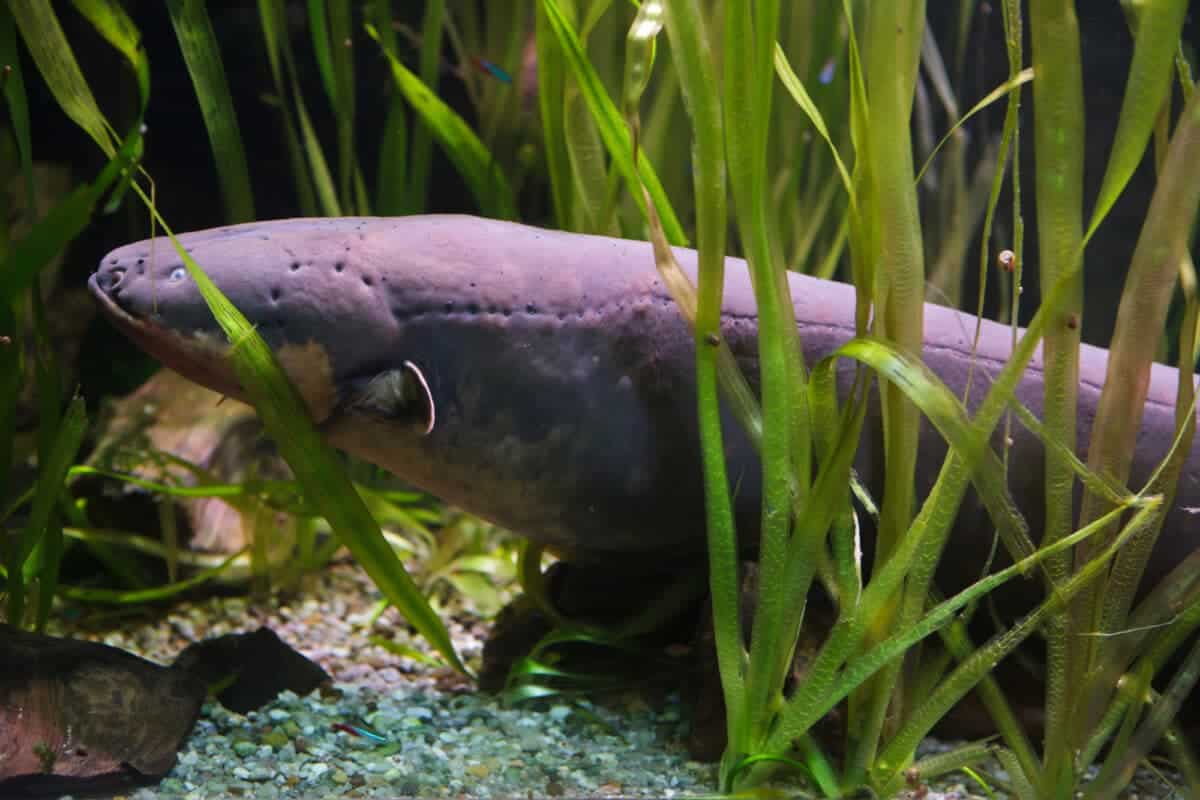
Deep in the murky waters of South America’s Amazon and Orinoco river basins lurks one of nature’s most electrifying marvels: the electric eel. Despite its serpentine appearance, this creature isn’t actually an eel at all—it’s a type of knifefish more closely related to catfish and carp. What truly sets this organism apart, however, is its remarkable ability to generate powerful electric shocks that can reach up to 860 volts—enough to stun a horse or incapacitate a human. For centuries, scientists have been fascinated by how these aquatic creatures produce such formidable electrical discharges. Recent breakthroughs have finally illuminated the strange secret mechanisms behind this shocking power, revealing a biological battery system more sophisticated than we ever imagined.
Not True Eels: The Taxonomy Surprise
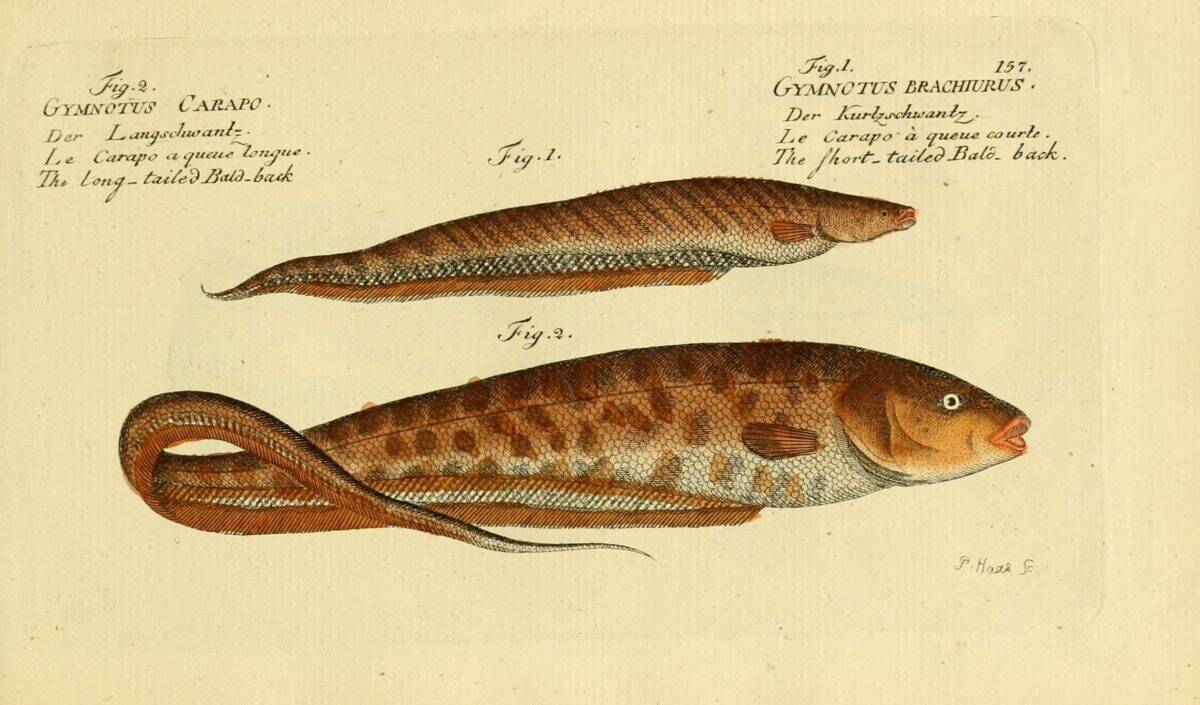
Despite their common name, electric eels (Electrophorus electricus) are not actually eels at all. They belong to the order Gymnotiformes and are classified as knifefish, making them more closely related to catfish and carp than to true eels. This taxonomic confusion dates back to early explorers who noted their elongated, serpentine body shape and mistakenly categorized them. The scientific community has long recognized this misnomer, but the name “electric eel” has persisted in common usage. Recent taxonomic research has revealed that what we thought was a single species is actually three distinct species of Electrophorus, with E. voltai capable of producing the strongest electrical discharge at 860 volts—significantly higher than the 650 volts previously recorded for the group. This taxonomic revelation underscores how much we still have to learn about these remarkable creatures and their evolutionary history.
The Biological Battery: Electrocyte Cells

The electric eel’s shocking ability comes from specialized cells called electrocytes. These cells make up approximately 80% of the eel’s two-meter-long body, arranged in stacks like batteries in series. Each individual electrocyte can generate a small voltage, but when activated simultaneously, they create a cumulative effect—much like stacking multiple batteries end-to-end. An adult electric eel possesses thousands of these electrocytes, organized into three pairs of organs: the main organ, Hunter’s organ, and Sachs’ organ. The main organ and Hunter’s organ produce high-voltage discharges for hunting and defense, while Sachs’ organ generates low-voltage pulses used for navigation and communication. What makes this system particularly remarkable is that these specialized cells evolved from muscle cells, which typically contract rather than generate electricity. Through evolutionary adaptation, these cells lost their contractile properties and instead developed the ability to create significant voltage differentials across their membranes.
The Electrocyte’s Molecular Secret

At the microscopic level, electrocytes function through a sophisticated mechanism involving ion channels and pumps embedded in their cell membranes. Each electrocyte has an innervated face that connects to a nerve and a non-innervated face on the opposite side. When the eel’s brain sends a signal, sodium channels on the innervated side open rapidly, allowing positively charged sodium ions to rush into the cell. This creates a voltage difference across the cell membrane. What makes this system particularly efficient is the asymmetric distribution of ion channels—the non-innervated side has significantly fewer sodium channels but contains specialized potassium channels that help maintain the voltage differential. Recent research has discovered that electric eels possess unique variants of the genes encoding these ion channels, with modifications that enhance their electrical properties beyond what’s seen in non-electric fish. This molecular specialization represents millions of years of evolutionary refinement, resulting in one of nature’s most effective bioelectrical systems.
Power Control: Three Different Electrical Systems
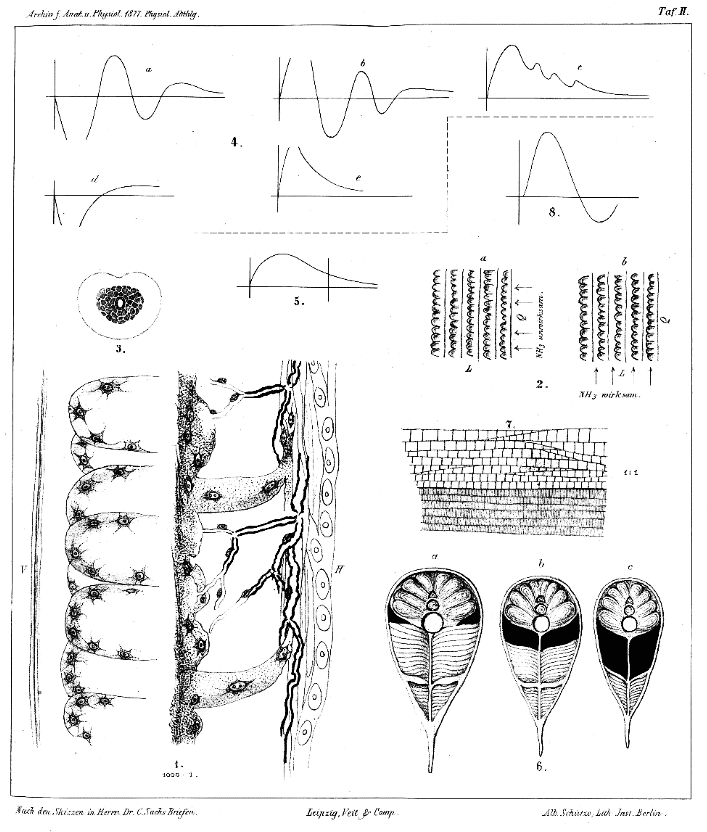
Electric eels don’t just have a single electrical system—they possess three distinct electrical organs that serve different functions. Sachs’ organ generates low-voltage pulses of around 10 volts used for electrolocation—a form of biological sonar that allows the eel to navigate and detect objects in murky waters where visibility is poor. The main organ and Hunter’s organ work together to produce high-voltage discharges ranging from 400 to 860 volts used for hunting and self-defense. The eel can control these systems independently, allowing for remarkable precision in their electrical output. Low-voltage discharges occur continuously at a rate of about 1-5 Hz as the eel explores its environment, while high-voltage discharges happen in brief, millisecond-long pulses only when needed. This sophisticated control system enables electric eels to conserve energy while still maintaining their electrical capabilities, functioning effectively as both a sensory system and a weapon without constant energy expenditure.
Shocking Hunting Techniques

Electric eels employ sophisticated hunting strategies that leverage their electrical abilities in ways scientists are only beginning to fully understand. When hunting, electric eels emit two phases of electrical discharge. First, they release a few high-voltage pulses that cause involuntary muscle contractions in nearby prey, essentially “freezing” them in place. This is followed by a high-frequency volley of discharges that force the prey’s muscles to contract so rapidly they become exhausted and immobilized, making them easy to capture. A particularly fascinating behavior observed by researchers is the “doublet attack,” where eels emit two rapid pulses 2-3 milliseconds apart, which is precisely timed to override the nervous system’s recovery period and maximize prey immobilization. Perhaps most remarkable is the recently documented “leaping attack,” where eels partially emerge from water to deliver direct shocks to threats above the water surface. This behavior allows them to overcome water’s electrical conductivity limitations and deliver more concentrated shocks to land-based threats—a sophisticated defense mechanism previously unknown to science until 2016.
Electrical Communication and Social Behavior

Beyond hunting and defense, electric eels use their electrical abilities for complex communication and social interaction. Adult electric eels are generally solitary, but they use distinctive electrical discharge patterns during breeding season to attract mates and establish dominance. Males produce specific electrical “signatures” that females can recognize, allowing for species-specific mate selection. Recent studies have observed juvenile electric eels forming hunting groups of up to 10 individuals, coordinating their electrical discharges to herd and capture prey more efficiently—a behavior previously thought impossible for these supposedly solitary creatures. The synchronization of their electrical pulses appears to serve as a form of communication, with leader eels initiating hunting sequences that others follow. This electrical communication represents a unique form of social behavior in the animal kingdom, where coordination happens not through sound or visual cues but through precisely timed electrical signals. This discovery has prompted researchers to reevaluate our understanding of electric eel social complexity and intelligence.
Evolutionary Origins: How Electric Organs Developed
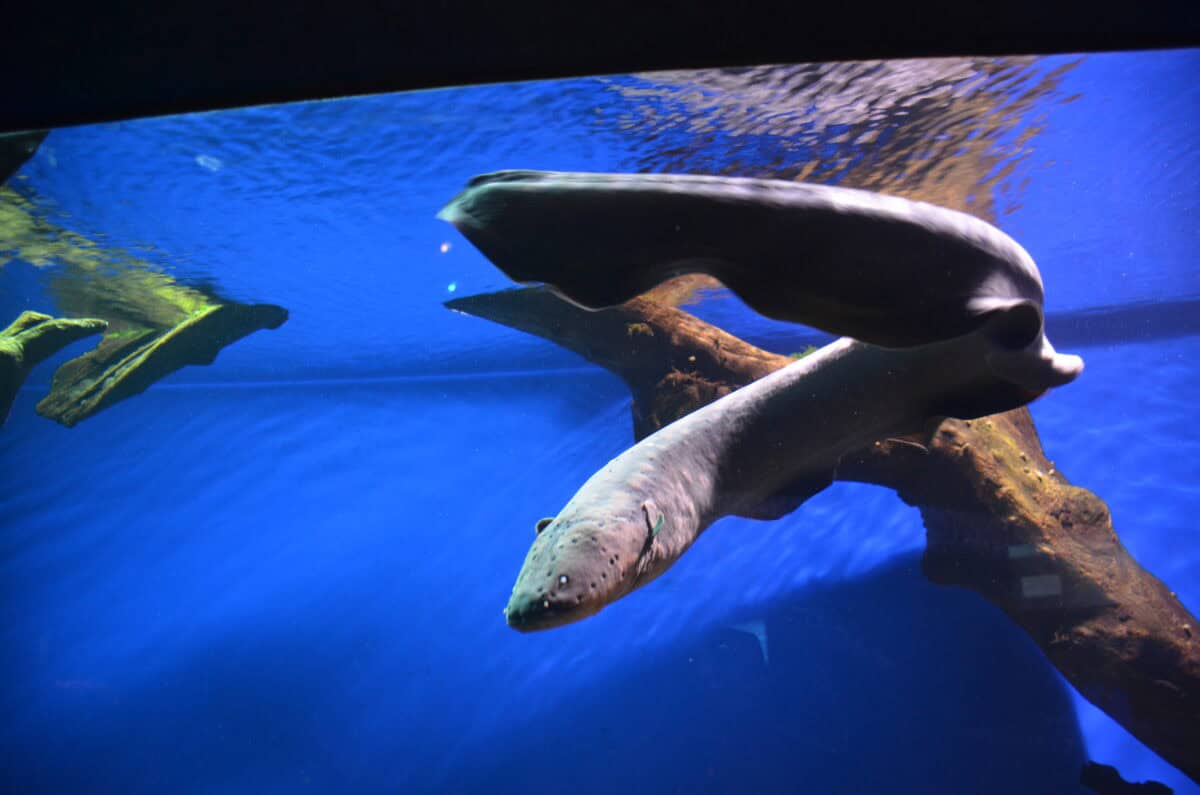
The evolution of electric organs represents one of nature’s most remarkable examples of repurposing existing biological structures. Approximately 100 million years ago, certain fish lineages began developing weak electrical abilities from modified muscle tissue. Through convergent evolution, electric organs have independently evolved at least six times in different fish lineages, including electric eels, electric rays, and electric catfish. Genetic analysis reveals that this transformation began when muscle cells started expressing different genes that favored electrical properties over contractile functions. The key evolutionary innovation was the duplication and subsequent modification of genes controlling sodium channels, allowing for specialized variants that could handle higher electrical loads. Over millions of generations, these cells gradually lost their contractile proteins and developed expanded membrane surfaces packed with ion channels. What makes the electric eel’s evolution particularly remarkable is the extreme specialization—while most electric fish generate only millivolts or a few volts, electric eels amplified this system to produce hundreds of volts, representing one of the most powerful bioelectric adaptations on Earth.
Surviving Their Own Shocks: Self-Protection Mechanisms

One of the most intriguing aspects of electric eels is how they avoid electrocuting themselves. Several specialized adaptations protect them from their own powerful discharges. First, their vital organs—including the heart and brain—are concentrated in the anterior 20% of their body, far from the electrical organs that occupy most of their length. This physical separation provides a measure of protection from the strongest electrical fields. Second, electric eels possess specialized insulating layers of fatty tissue that shield critical nervous system components. Third, and perhaps most remarkable, their nerve cells have evolved unique properties that make them less sensitive to electrical stimulation, with sodium channels that require significantly higher voltage to activate compared to those in other animals. The eel’s cardiovascular system also demonstrates adaptations that prevent cardiac arrhythmias during discharge events. These protective mechanisms represent an elegant solution to what would otherwise be an evolutionary dead-end—generating electrical power that would harm the producer—and showcase the remarkable co-evolution of offensive and defensive biological systems.
Breathing Air: The Respiratory Adaptation Connection
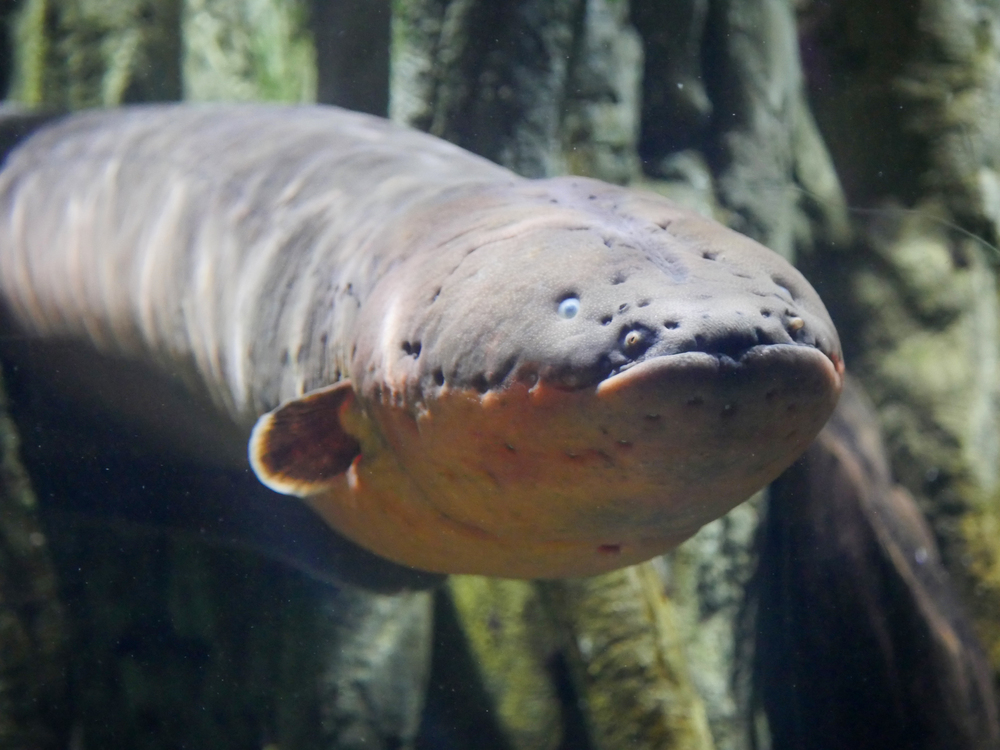
Electric eels possess another unusual adaptation that directly supports their electrical capabilities: they breathe air. Despite being aquatic creatures, they obtain approximately 80% of their oxygen by gulping air at the water’s surface rather than extracting dissolved oxygen through their gills. This adaptation is directly connected to their electrical abilities for several reasons. First, the high-energy demands of generating electrical discharges require more oxygen than could be efficiently obtained from the oxygen-poor waters of their native habitats. Second, their mouth-breathing behavior allows them to inhabit stagnant, oxygen-depleted waters where other predatory fish cannot survive, giving them a competitive advantage. Third, and most fascinatingly, this air-breathing capability allows electric eels to survive in shallow mud during dry seasons when waterways may partially dry up. Their specialized respiratory system includes a highly vascularized mouth lining that serves as a primitive lung, allowing oxygen absorption directly from gulped air. This respiratory adaptation represents a crucial supporting feature that makes their electrical lifestyle energetically viable in their challenging Amazonian environment.
Biomedical Inspirations: Electric Eels and Medical Science

The electric eel’s biological battery system has become an invaluable inspiration for biomedical researchers. Scientists at the University of Michigan and the University of Fribourg have developed artificial electric eel-inspired power sources that could eventually power medical implants and prosthetic devices. These bio-hybrid systems use hydrogels and specialized membranes to mimic the stacked arrangement of electrocytes, generating power without requiring external charging. In neuroscience, studying the eel’s specialized sodium channels has provided insights into pain management, as these channels share similarities with human pain receptors. Researchers are exploring how electric eels selectively activate and deactivate these channels, potentially leading to new analgesic medications targeting chronic pain. Perhaps most promisingly, the eel’s ability to precisely target neural pathways with electrical stimulation has informed the development of new neuromodulation therapies for conditions like epilepsy, Parkinson’s disease, and treatment-resistant depression. By understanding how electric eels generate and direct electrical current with minimal tissue damage, scientists are developing more sophisticated, targeted electrical stimulation devices that could revolutionize neurological treatment approaches.
Conservation Challenges: Protecting Electric Ecosystems

Despite their fearsome reputation, electric eels face significant conservation challenges. Habitat destruction from deforestation, mining, and hydroelectric dam construction throughout the Amazon basin has fragmented and reduced their natural range. Water pollution from agricultural runoff and gold mining operations, which introduce toxic mercury into waterways, poses particular threats to the eel’s specialized electrical organs, which can become impaired by heavy metal exposure. Climate change presents another serious concern, as alterations in rainfall patterns affect the seasonal flooding cycles that electric eels depend on for breeding and dispersal. Additionally, while not heavily targeted commercially, electric eels are sometimes collected for the international aquarium trade or killed by local fishermen who consider them nuisances or competitors. Their slow reproduction rate—typically producing only one clutch of 1,000-3,000 eggs annually with extensive parental care—makes populations vulnerable to overharvesting. Conservation efforts are complicated by gaps in our understanding of their population dynamics and distribution, highlighting the need for further research to develop effective protection strategies for these remarkable bioelectric specialists.
Future Research Frontiers: What We Still Don’t Know
Despite recent breakthroughs, significant mysteries about electric eels remain unsolved. One frontier involves mapping the neural circuitry that controls their electrical discharges—how exactly does their brain coordinate thousands of electrocytes to fire simultaneously with microsecond precision? Researchers are also investigating potential undiscovered uses of their electrical abilities, particularly whether they might employ low-level fields for immune system enhancement or wound healing, as some evidence suggests electrical fields can accelerate tissue repair. The genetic basis for electric organ development remains incompletely understood, with scientists working to identify all genes involved in transforming muscle cells into electrocytes. This could potentially have applications in regenerative medicine. Another intriguing question concerns whether electric eels might use their electrical discharges to modify their microbiome—the communities of bacteria in their digestive and external mucus layers—possibly selecting for beneficial microorganisms through controlled electrical exposures. Perhaps most fundamentally, researchers continue to explore why electric eels evolved such extreme voltage capabilities when most electric fish function effectively with much lower outputs, suggesting there may be additional survival advantages or ecological roles for these high-voltage systems that science has yet to discover.
The electric eel stands as one of nature’s most extraordinary examples of specialized adaptation, demonstrating how evolutionary processes can transform ordinary structures into remarkable biological technologies. Through millions of years of refinement, these creatures have developed a living battery system that outperforms any artificial power source of similar size and weight, capable of functioning reliably for decades without maintenance. Their ability to generate, control, and withstand powerful electrical currents without self-harm offers profound lessons about biological engineering and specialized tissue development. As we continue to unravel the complex mechanisms behind their shocking powers, electric eels remind us that some of our most promising biomedical and technological innovations may come from understanding nature’s solutions to biological challenges. In a world increasingly concerned with sustainable energy and biocompatible technologies, these ancient Amazonian fish—with their elegant electrical systems evolved over millions of years—may hold keys to advancements that human engineers are only beginning to imagine.

- The Threats Tigers Face Today—From Poaching to Habitat Loss - July 29, 2026
- The Most Chill Animals Taking Over the Internet: Meet the Capybara Kings - July 29, 2026
- Prairie Dogs and Bison: Wildlife of the Tallgrass Prairie - July 29, 2026