


When the Trump administration slashed critical federal research funding, countless animals bred for science—mice, monkeys, rabbits, and more—were suddenly at risk of being euthanized. These animals weren’t just test subjects; they were at the heart of major scientific breakthroughs. Now, as labs across the U.S. scramble to adjust, the quiet victims of political decisions are facing a final, tragic chapter.
Raised for Research, Abandoned by Policy

Across university labs and government-funded institutions, thousands of animals had been raised specifically for biomedical research. These animals were carefully bred, handled by trained caretakers, and used to study diseases like Alzheimer’s, cancer, and COVID-19. But after abrupt funding cuts were announced, many of these facilities could no longer afford to keep them alive. What began as a drive to “cut spending” quickly snowballed into widespread panic—animals were now surplus with no research to support their care.
Not Just Test Subjects, But Silent Partners
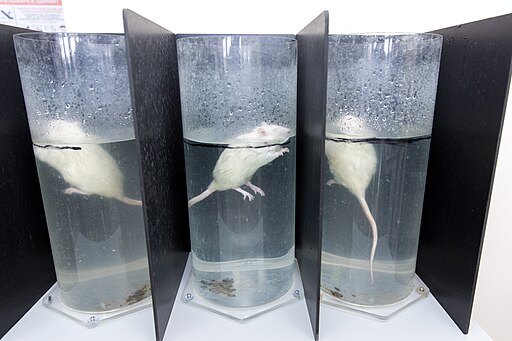
To researchers, these animals aren’t disposable. Dr. Emily Hartman, a neuroscientist who has worked with mice to study degenerative brain diseases, sees them as collaborators in the pursuit of human health. “You work with them every day. You know their rhythms, their personalities. It’s not just science—it’s stewardship,” she explained. For many in the scientific community, the forced euthanasia of healthy lab animals is both emotionally devastating and ethically haunting.
A Bond Disrupted by Bureaucracy
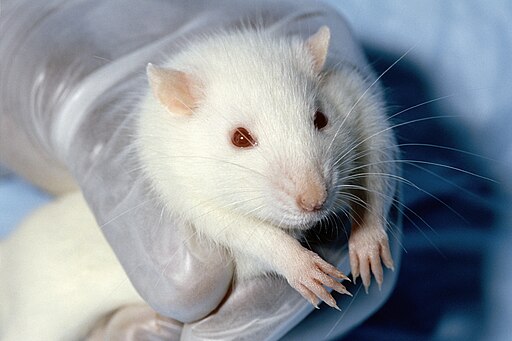
Labs function like ecosystems—built on trust, routine, and care. Animals are not only subjects of study but parts of tightly managed environments. The sudden cuts broke those systems. Without staff to maintain them, animals were left vulnerable. Veterinarians and technicians, often the first to notice stress or illness in the animals, found themselves making decisions no one in science wants to face: choosing between abandoning research and putting animals down.
Dreams on Hold, Discoveries Delayed
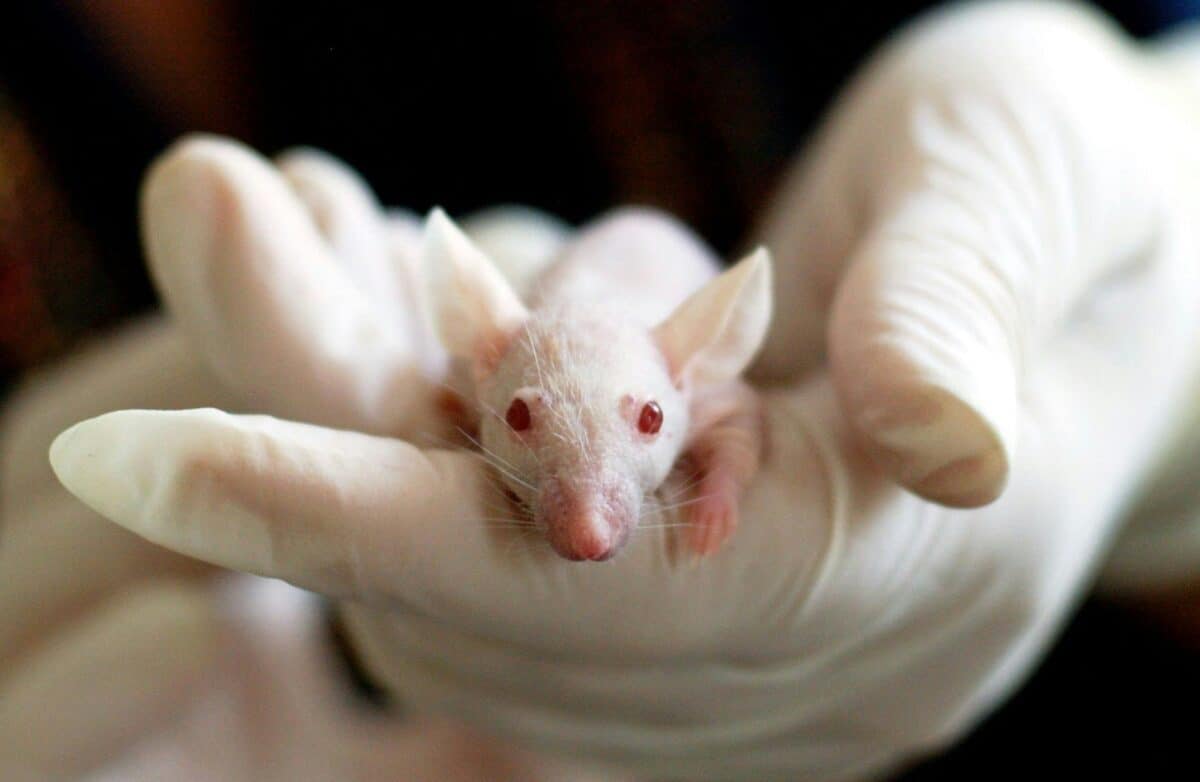
The long-term fallout is severe. Lifesaving studies are being halted midway. Promising work on vaccines, genetic disorders, and cancer therapies are now frozen indefinitely. Scientists fear that years of research will be lost—and with them, the potential cures that millions of people were waiting for. As institutions lay off researchers and liquidate animal colonies, the blow to American scientific innovation is immeasurable.
Searching for Humane Alternatives
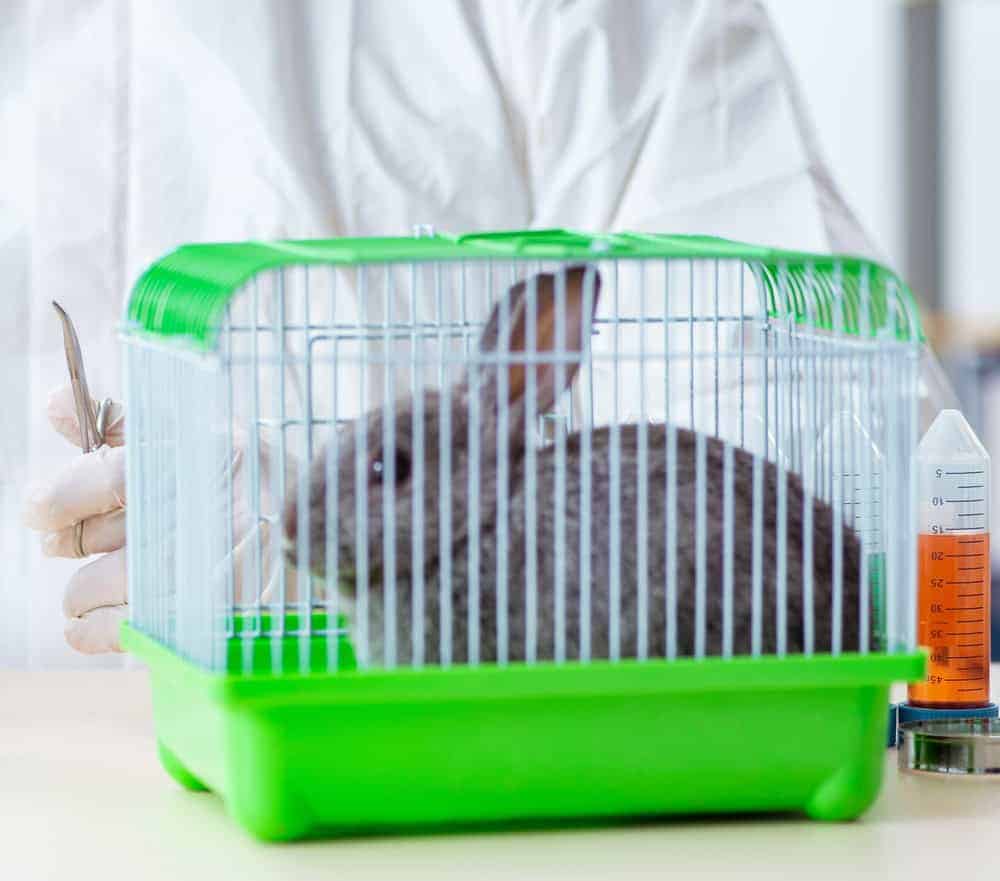
In response, some labs are working to rehome animals, though sanctuaries are few and rarely equipped for specialized lab species. Others are investing in non-animal models, such as organ-on-a-chip or computer simulations—but those technologies aren’t yet widespread enough to replace living systems. Still, these desperate times are forcing change. “We owe them more than just a quiet end,” said one lab technician, holding back tears. “We owe them better futures.”
The Call to Protect Our Most Vulnerable Research Allies
These animals were bred to help humanity, and in many ways, they already have. But their contributions are being silenced—not by natural causes, but by policy decisions made far from the lab bench. Researchers, ethicists, and animal advocates are pleading with lawmakers to reconsider. This isn’t just about science—it’s about compassion, accountability, and respect for the lives that have supported medical breakthroughs for decades. If nothing changes, thousands more animals will face unnecessary death—not for science, but for politics.

adventuring, photography and videography. I am currently working towards a BSc in Biodiversity and Ecology at Stellenbosch University to go on to specialise in Marine Sciences one day.
Please send any feedback to Feedback@animalsaroundtheglobe.com
- Dog Comes Face To Face With A Snow Leopard And Makes A Hasty Escape - July 22, 2026
- Moo Deng the Pygmy Hippo Turns One - July 22, 2026
- How One Fish is Emptying Senegal’s Waters - July 21, 2026