

In a remarkable paleontological breakthrough, researchers have uncovered a significant cache of sabertooth cat bones in the wind-swept plains of southwestern Wyoming. The discovery, made in early 2022 in Sublette County, represents one of the most complete sabertooth specimens found in the western United States in decades. The excavation site, located within the Green River Formation, has yielded not only multiple skeletal components but also remarkably preserved skull fragments complete with the iconic elongated canine teeth that give these prehistoric predators their famous name. This finding has sent ripples of excitement through the scientific community, offering new insights into these magnificent Ice Age predators that roamed North America between 2.5 million and 10,000 years ago.
Understanding Sabertooth Cats in North America

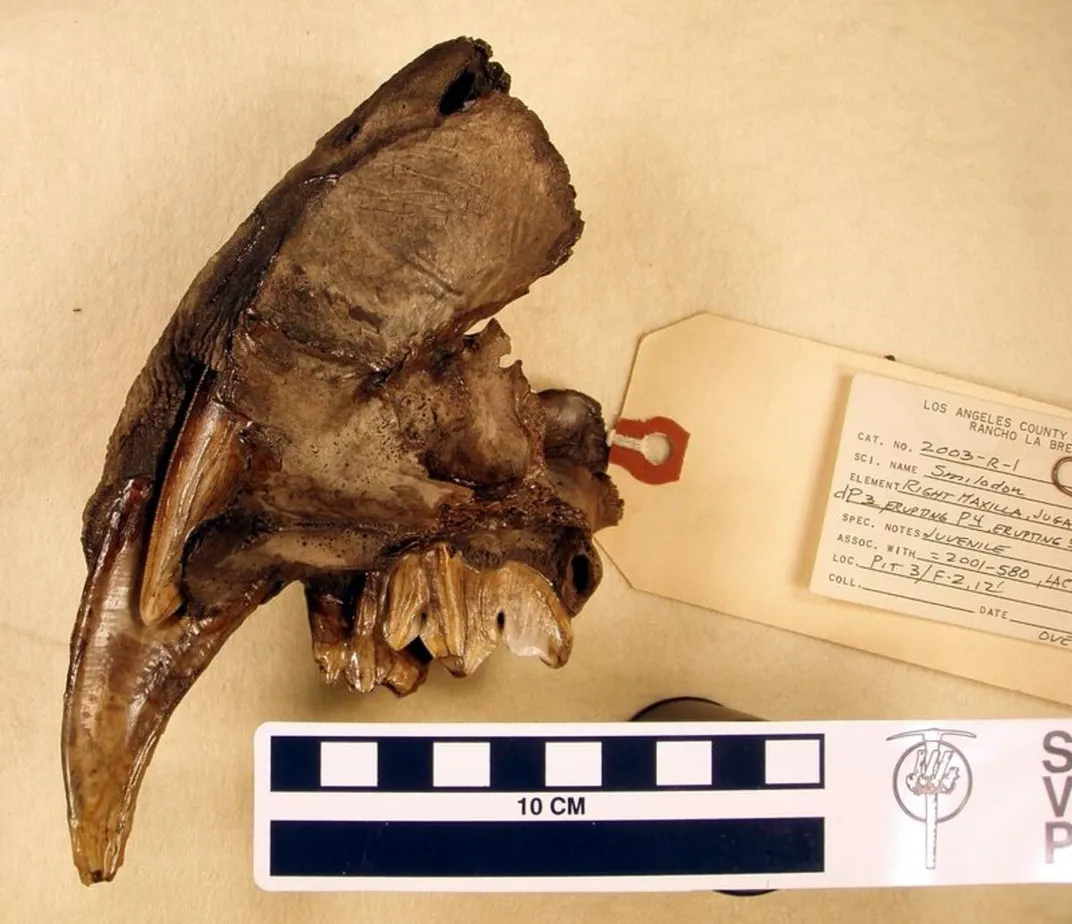
Sabertooth cats, specifically the Smilodon genus, were apex predators that dominated the North American landscape during the Pleistocene epoch. Unlike modern big cats, they possessed distinctively elongated upper canine teeth that could reach up to 7 inches in length. These formidable predators were powerfully built with particularly strong forelimbs, allowing them to subdue large prey. Wyoming’s unique geological conditions have preserved these remains for thousands of years, offering a rare glimpse into the Pleistocene megafauna that once inhabited what is now the American West. The sabertooth cats coexisted with other magnificent Ice Age mammals including woolly mammoths, giant ground sloths, and prehistoric bison, forming part of a complex ecosystem that disappeared following the last ice age.
Details of the Wyoming Excavation

The Wyoming excavation began after a local rancher noticed unusual bone fragments protruding from an eroded hillside following particularly heavy spring rains. A team led by Dr. Eleanor Harrington from the University of Wyoming’s Department of Paleontology was quickly assembled to investigate the site. Using ground-penetrating radar to map the bone bed before excavation, the team employed a meticulous grid-based excavation technique to ensure proper documentation of each bone’s position relative to others. The dig yielded approximately 70% of a complete skeleton, including a well-preserved skull, vertebrae, ribs, and limb bones. The careful excavation process took nearly three months, with each layer of sediment carefully removed to preserve the contextual relationship between the fossils and their surrounding matrix.
Species Identification and Classification

Initial analysis of the Wyoming specimen indicates it belongs to Smilodon fatalis, one of three recognized species of sabertooth cats that roamed North America. Distinguished from its larger relative Smilodon populator (found primarily in South America) and the smaller, earlier Smilodon gracilis, this specimen represents a mature adult that likely weighed between 350-600 pounds. The taxonomic identification was confirmed through comparative analysis of the skull morphology, dental patterns, and distinctive features of the post-cranial skeleton. Carbon dating of associated organic materials suggests these remains date to approximately 15,000-18,000 years ago, positioning this individual near the end of the species’ existence before their extinction. The Wyoming specimen’s excellent preservation offers unprecedented opportunities for detailed anatomical studies.
Remarkable Preservation Conditions

The exceptional preservation of the Wyoming sabertooth remains can be attributed to a unique combination of geological and environmental factors. The bones were found embedded in fine-grained sedimentary deposits created by an ancient lake bed, which rapidly covered the remains shortly after death. This quick burial protected the skeleton from scavengers and weathering processes. Additionally, the high mineral content of the surrounding soil created ideal conditions for fossilization, with minerals gradually replacing the original bone material while maintaining its structural integrity. Perhaps most remarkable is the preservation of trace amounts of collagen protein within some of the denser bones, offering rare opportunities for biochemical analysis. Such exceptional preservation is uncommon in North American sabertooth specimens and makes this discovery particularly valuable to researchers.
Technological Approaches to Studying the Remains

Modern technology has revolutionized how paleontologists study ancient remains, and the Wyoming sabertooth discovery benefits from these advances. Researchers have employed high-resolution CT scanning to create detailed three-dimensional models of the skull and dentition, allowing for non-destructive analysis of internal structures and even brain cavity morphology. Stable isotope analysis of tooth enamel provides insights into the animal’s diet and migration patterns, while advances in ancient DNA extraction techniques are being applied to attempt recovery of genetic material from the specimen. Additionally, specialized photogrammetry has documented minute details of bone surfaces, revealing evidence of healed injuries and potential pathologies. These multidisciplinary approaches combine to extract maximum information from this rare find, building a comprehensive picture of the animal’s life history.
Insights into Sabertooth Hunting Behavior
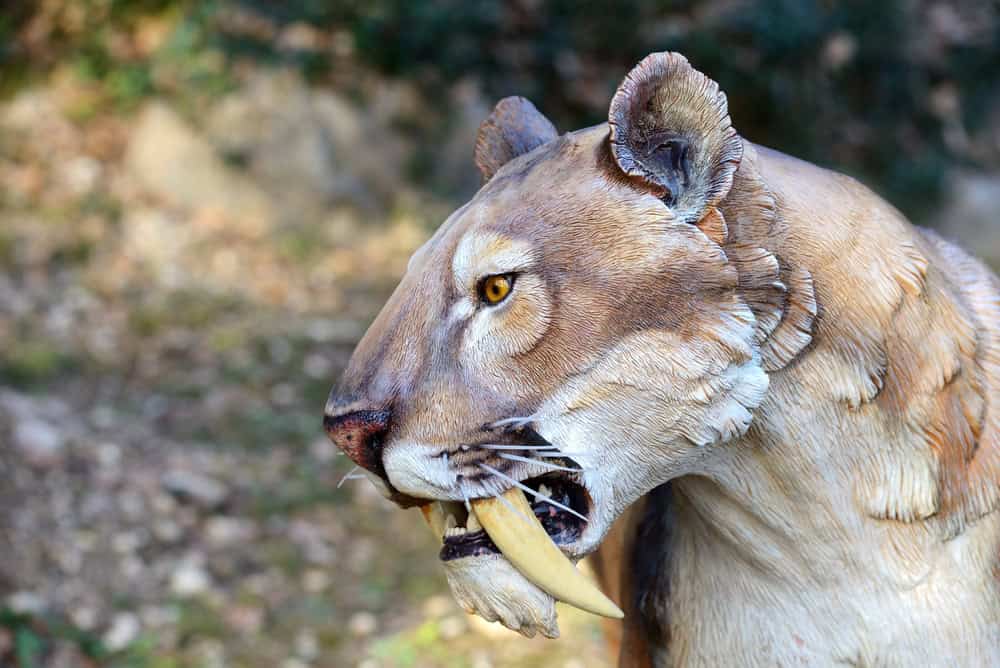
The Wyoming specimen offers new evidence supporting theories about sabertooth hunting strategies. Microscopic analysis of the distinctive canine teeth shows patterns of wear consistent with a specialized killing technique different from modern big cats. Rather than a throat bite that suffocates prey, sabertooths likely used their powerful forelimbs to immobilize large animals before delivering a precise bite to the throat with their canines, severing major blood vessels. The newly discovered skeleton shows particularly robust shoulder and neck muscle attachment points, reinforcing this hunting model. Intriguingly, the specimen also exhibits signs of arthritis in several joints and evidence of healed rib fractures, suggesting this individual survived significant injuries during its lifetime – possibly sustained during dangerous hunting encounters with large Ice Age herbivores like bison and young mammoths.
Comparing to Previous Wyoming Discoveries

While Wyoming has long been recognized for its rich fossil history, complete sabertooth cat remains have been exceedingly rare in the region. Previous discoveries in the state primarily consisted of isolated teeth, jaw fragments, and occasional limb bones found in locations like Natural Trap Cave in the Bighorn Mountains. What makes the current find exceptional is not only its completeness but also its geographical location in southwestern Wyoming, an area previously underrepresented in sabertooth fossil records. This discovery bridges an important gap in understanding the distribution and adaptation of sabertooth cats across different North American environments. It also complements famous sabertooth finds from other regions, such as the La Brea Tar Pits in California, allowing for comparative studies across geographically distinct populations of the same species.
Climate and Environmental Context
The period in which this sabertooth cat lived represented a time of significant climatic transition in North America. Approaching the end of the last ice age, Wyoming’s landscape was transforming from a cool, moist environment supporting vast grasslands and scattered woodlands to increasingly warmer and drier conditions. Analysis of pollen, plant remains, and other microfossils preserved alongside the sabertooth bones provides valuable insights into this changing ecosystem. These environmental reconstructions suggest the cat inhabited a mosaic landscape of open meadows, riparian corridors, and patches of coniferous forest. The Wyoming specimen lived during a time when many large mammal populations were beginning to decline across North America, possibly due to a combination of climate change and human hunting pressure. This environmental context helps paleontologists understand the challenges faced by these predators during their final millennia on the continent.
Extinction Theories and New Evidence

The extinction of sabertooth cats around 10,000 years ago coincides with the disappearance of many other North American megafauna, sparking ongoing scientific debate about the causes. The Wyoming specimen offers new evidence relevant to this discussion. Analysis of bone density and growth patterns indicates this individual experienced periodic nutritional stress, potentially reflecting increasingly difficult hunting conditions as prey species declined. The specimen’s chronological placement – dated to approximately 15,000-18,000 years ago – positions it during the period when human populations were expanding across North America and climate was undergoing significant warming. Careful examination of the bones revealed no evidence of human interaction, such as cut marks or tool damage, but the specimen nevertheless provides an important data point in understanding the complex factors that ultimately led to the extinction of these magnificent predators. The find supports the theory that sabertooth cats faced a perfect storm of changing climate, shifting ecosystems, declining prey populations, and potential competition with human hunters.
Public Exhibition and Educational Impact

Following careful preparation and study, the Wyoming sabertooth specimen will become a centerpiece exhibit at the University of Wyoming Geological Museum in Laramie. Museum curators are developing an immersive display combining the actual fossils with digital reconstructions, allowing visitors to visualize the complete animal and its environment. Interactive elements will demonstrate how scientists extract information from fossil remains and what they reveal about prehistoric ecosystems. Additionally, a traveling exhibition featuring casts of the specimen is being planned for schools throughout rural Wyoming, bringing this significant scientific discovery to communities that rarely have access to such materials. Educational resources for K-12 teachers are being developed to incorporate the discovery into science curricula, emphasizing both paleontological methods and broader concepts of evolution, extinction, and climate change as revealed through this remarkable find.
Future Research Directions

The Wyoming sabertooth discovery opens numerous avenues for continued research. Scientists are particularly interested in extracting and analyzing any preserved collagen proteins, which could clarify evolutionary relationships between sabertooth cats and modern felines. Comprehensive comparison with specimens from other regions may reveal geographical variations and adaptations within the species. Advanced dental microwear analysis is planned to provide detailed insights into the animal’s specific dietary preferences. Additionally, researchers hope to extract environmental DNA from the surrounding matrix to reconstruct the broader community of organisms present in the habitat. The excavation site itself remains partially unexplored, with ground-penetrating radar suggesting the possibility of additional remains in adjacent areas. A follow-up excavation is planned for the coming field season, with researchers optimistic about discovering further specimens that might include evidence of social grouping or even parent-offspring relationships among these prehistoric predators.
Conclusion: Piecing Together Prehistoric Predators
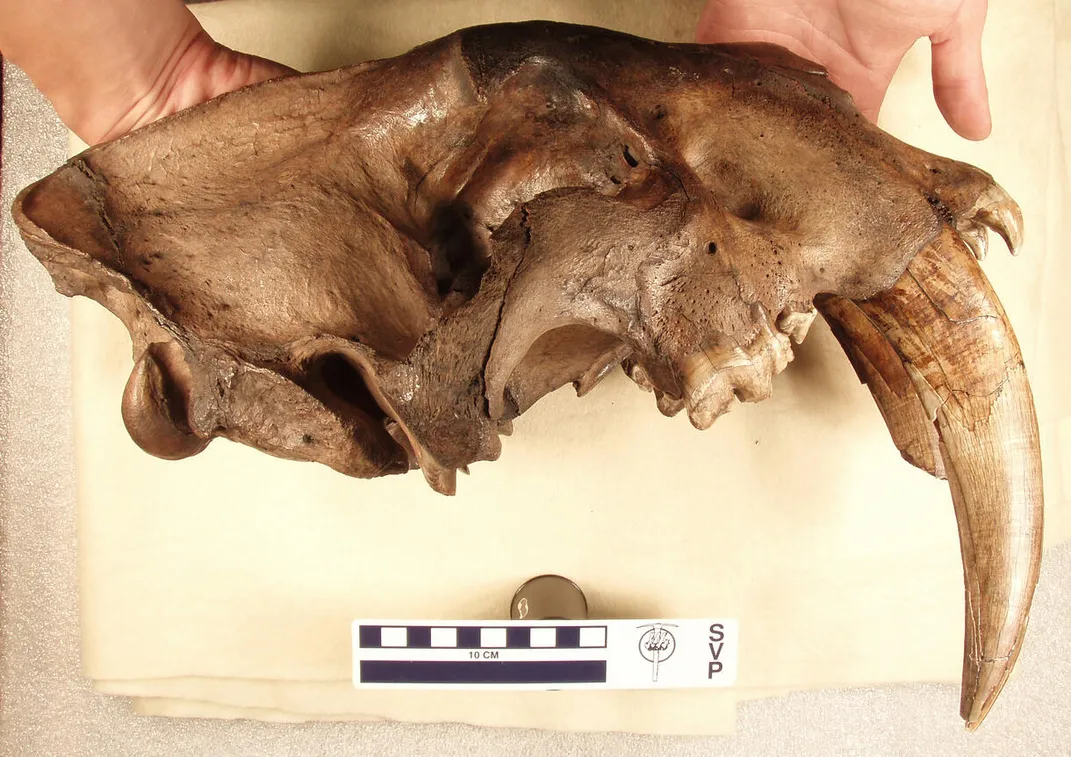
The discovery of exceptionally preserved sabertooth remains in Wyoming represents a significant contribution to our understanding of North America’s prehistoric predators. Through interdisciplinary research combining traditional paleontological methods with cutting-edge technology, scientists continue to extract remarkable insights from these ancient bones – revealing not just anatomical details but glimpses into behavior, ecology, and the environmental challenges faced by these magnificent cats. As analysis continues, this specimen promises to fill crucial gaps in our knowledge about sabertooth cats during their final millennia on the continent. Perhaps most importantly, finds like this remind us that even well-studied regions can still yield profound discoveries, highlighting the ongoing importance of paleontological fieldwork and the endless fascination of uncovering Earth’s prehistoric past.

- This Tiny Insect Can Survive in Outer Space—Here’s How - July 21, 2026
- Could the Tasmanian Tiger Be Brought Back to Life? - July 21, 2026
- Why You Should Never Approach a Sleeping Hippo - July 21, 2026