

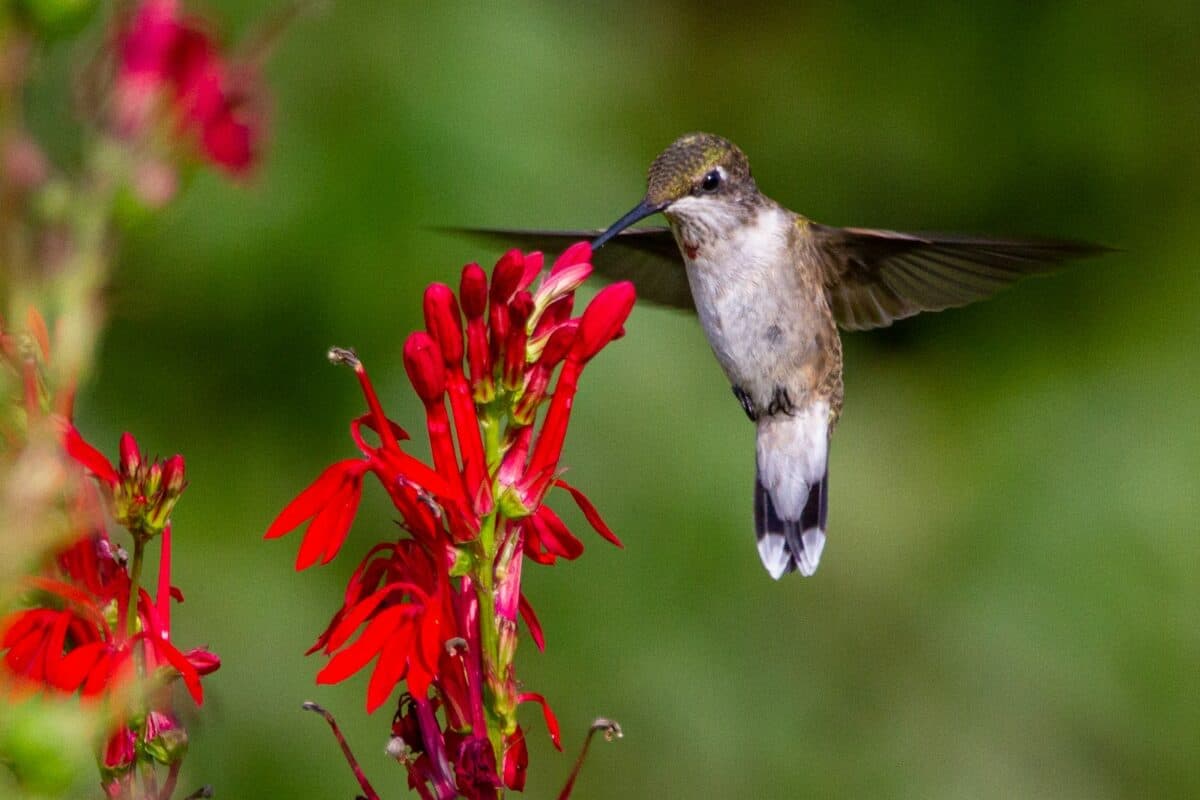
Hummingbirds possess one of the most extraordinary memory systems in the animal kingdom. Despite their tiny brains—weighing less than 0.2 grams, or less than a penny—these remarkable birds can remember every flower they’ve visited, when they visited it, and whether it contained nectar. This exceptional cognitive ability allows them to create complex spatial and temporal maps of their feeding territories, returning to productive flowers at precisely the right times while avoiding those recently drained of nectar. Research has shown that rufous hummingbirds can track the refill schedules of hundreds of individual flowers, demonstrating memory capabilities far beyond what their brain size might suggest. This cognitive marvel helps these tiny birds efficiently maintain their extraordinarily high metabolic rates, which require them to visit up to 2,000 flowers and consume more than their body weight in nectar daily.
The Science Behind Hummingbird Spatial Memory

Hummingbirds rely on a sophisticated hippocampus—the brain region responsible for spatial memory—that is proportionally larger than in many other birds. Researchers at the University of St. Andrews found that hummingbirds create three-dimensional mental maps of their territories, remembering the exact location of each flower. This spatial memory is so precise that they can return to specific flowers even after being displaced several miles from their normal range. In laboratory studies, hummingbirds demonstrated the ability to remember artificial flower locations with near-perfect accuracy, returning to exact positions even when visual cues were altered. This spatial memory appears to use multiple reference systems, including landmarks, celestial cues, and possibly even Earth’s magnetic field, creating redundant navigational systems that ensure these birds can always find their way to productive food sources.
Temporal Memory: Tracking Flower Refill Rates

Perhaps even more impressive than their spatial memory is hummingbirds’ temporal memory—their ability to track when flowers replenish their nectar. Studies by Dr. Susan Healy and colleagues revealed that wild hummingbirds can remember the refill schedules of hundreds of individual flowers, returning to them just as the nectar reaches optimal levels. In controlled experiments, hummingbirds quickly learned that artificial feeders were refilled at specific intervals, ranging from 10 minutes to 24 hours. The birds would then return precisely when nectar was available again, demonstrating remarkable timing accuracy. This temporal precision helps hummingbirds maximize their energy efficiency, visiting each flower at the optimal moment rather than wasting energy on empty blooms. Some species even appear to prioritize flowers based on nectar quality and quantity, creating complex feeding schedules that optimize their daily energy intake.
The Evolutionary Advantage of Flower Memory

The extraordinary memory capabilities of hummingbirds represent a critical evolutionary adaptation. With metabolic rates among the highest of any vertebrate—up to 100 times that of an elephant relative to body weight—hummingbirds must consume more than their body weight in nectar daily. This intense energy requirement creates strong selection pressure for cognitive abilities that maximize feeding efficiency. By remembering every flower they visit, hummingbirds minimize time and energy wasted on emptied flowers. This memory system evolved in tandem with their specialized feeding apparatus and hovering flight capabilities, creating a perfectly adapted nectar-feeding specialist. The coevolution between flowering plants and hummingbirds further reinforced these memory adaptations, as plants that flower predictably benefited from reliable pollinators with good memories, creating a mutually beneficial relationship that has persisted for over 22 million years.
How Researchers Test Hummingbird Memory

Scientists employ ingenious methods to study hummingbird memory capabilities. In wild studies, researchers tag individual flowers with tiny radio-frequency identification (RFID) chips and equip birds with miniature transponders to track exact visitation patterns. In controlled settings, artificial flower arrays with precisely controlled nectar volumes and refill schedules allow scientists to measure memory accuracy. One landmark study by researchers at the University of California created a grid of 64 artificial flowers, only 4 of which contained nectar, and found that hummingbirds learned the rewarding locations after just three trials. More sophisticated experiments have tested their ability to remember three-dimensional locations, color associations, and time intervals. Some researchers have even used motion-triggered cameras and computer vision algorithms to track thousands of natural flower visits, creating the most comprehensive dataset of hummingbird feeding behaviors ever assembled and confirming their remarkable memory capabilities.
Memory Capacity: How Many Flowers Can They Remember?

The memory capacity of hummingbirds appears to be truly extraordinary. Field studies indicate that a single hummingbird can remember the locations and refill schedules of 500 to 1,000 individual flowers within their territory. A 2016 study published in Animal Cognition documented a tagged Anna’s hummingbird that accurately tracked 673 distinct flowering plants over a three-week period. Laboratory studies suggest their memory retention can last for months, with birds recalling productive locations even after seasonal migrations of thousands of miles. This memory doesn’t appear to be limited by traditional capacity constraints—instead of forgetting old flowers, they seem capable of continuously adding new ones to their mental inventory. Researchers believe this exceptional capacity stems from specialized neural encoding that prioritizes spatial and temporal information specifically related to feeding opportunities, allowing these tiny brains to dedicate maximum resources to remembering critical survival information.
Color Associations and Visual Memory
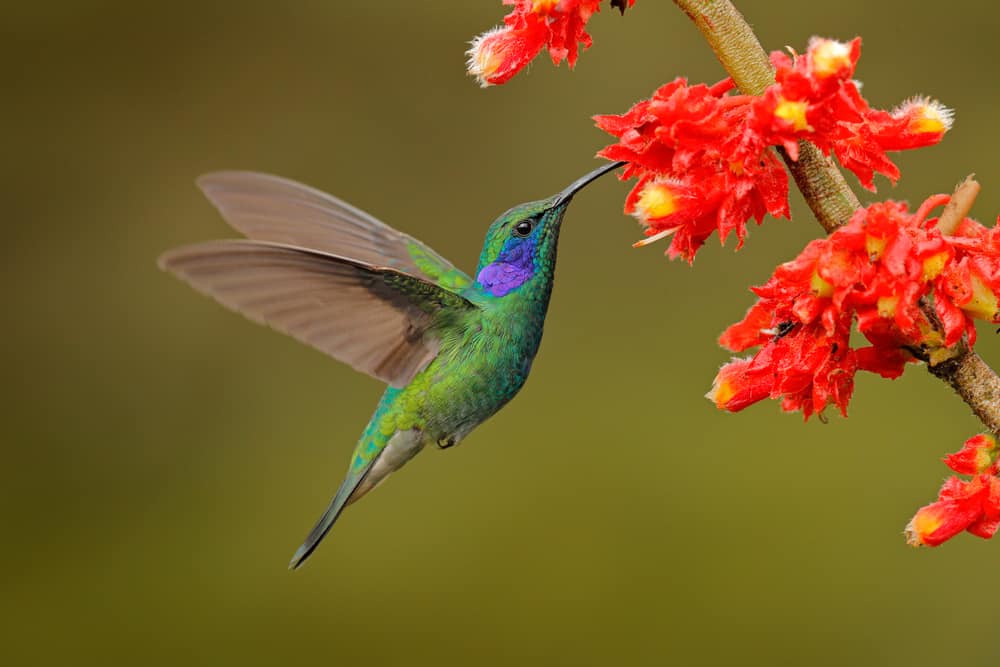
Color plays a crucial role in hummingbird memory systems. These birds can see into the ultraviolet spectrum—perceiving colors invisible to humans—and use this enhanced color vision to create powerful visual associations with rewarding flowers. Experiments show hummingbirds can remember specific color-reward relationships for years, with some individuals demonstrating perfect recall of color associations after nine-month absences. Interestingly, they appear to learn color preferences rather than having innate attractions. While initially attracted to red flowers, they quickly learn to associate any color with nectar rewards, demonstrating remarkable flexibility. This visual memory extends beyond simple colors to complex patterns—hummingbirds can distinguish between flowers with subtle pattern differences and remember which variants offered greater rewards. This sophisticated visual memory system helps them quickly identify productive flowers from a distance, increasing foraging efficiency in complex natural environments where flowering plants may be widely dispersed.
Species Differences in Memory Capabilities
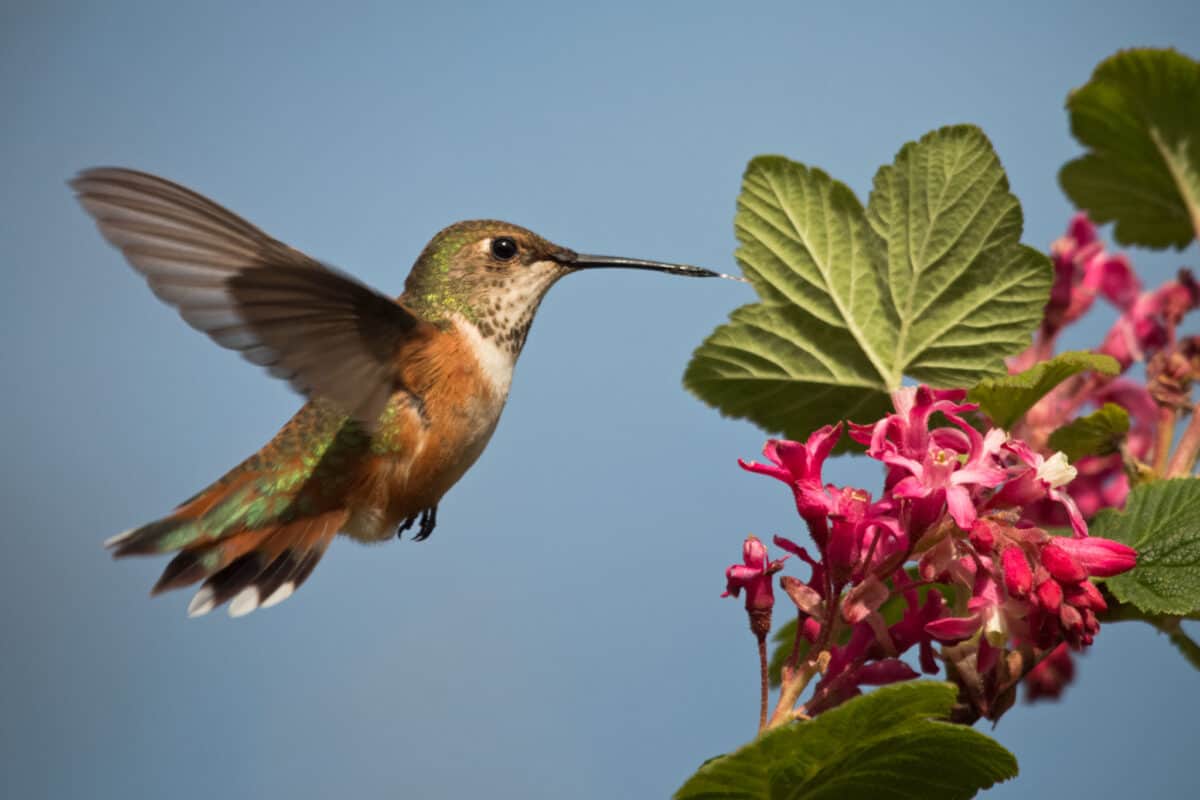
The approximately 340 species of hummingbirds show fascinating variations in memory capabilities that correlate with their ecological niches. Migratory species like the rufous hummingbird display exceptional long-term memory, able to recall feeding locations from previous years after migrations spanning thousands of miles. Territorial species such as the fiercely competitive Anna’s hummingbird excel at remembering complex spatial arrangements within their defended areas. Research indicates that species inhabiting complex forest environments, where flowers are hidden among dense vegetation, show superior spatial memory compared to those living in open habitats. Interestingly, specialized hummingbirds with extreme bill adaptations for specific flower types demonstrate more limited memory flexibility than generalist species. These differences highlight how cognitive capabilities evolve to match ecological demands, with each species developing memory specializations that optimize survival in their particular environmental niche.
The Role of Memory in Hummingbird Migration

Memory plays a vital role in the remarkable migrations undertaken by many hummingbird species. The ruby-throated hummingbird, weighing less than a penny, relies on precise spatial memory to navigate its 500-mile non-stop flight across the Gulf of Mexico during biannual migrations. Research tracking these tiny travelers has revealed that they often return to the exact same gardens and feeders year after year, sometimes arriving on nearly identical dates. This suggests they memorize entire migration routes, including key refueling locations where flowering plants provide critical energy. Even more impressively, juvenile hummingbirds making their first migration appear to learn and memorize these routes without parental guidance, demonstrating an innate ability to form and retain spatial memories critical for their long-distance travels. This combination of genetic programming and experiential learning creates a sophisticated navigational system that guides these birds across continents with remarkable precision.
Memory Failure and Limitations

Despite their extraordinary capabilities, hummingbird memory does have limitations. Research indicates they occasionally experience memory interference when flower arrangements change dramatically or when too many similar flowers bloom simultaneously. Studies show their error rates increase when forced to track more than 1,000 flowers with identical refill schedules, suggesting some upper capacity limits. Environmental factors also impact memory performance—severe weather, predator presence, or territorial conflicts can disrupt normal memory formation and recall. Interestingly, their memory appears somewhat specialized for natural scenarios; when researchers create highly artificial scenarios with completely random refill patterns lacking any natural correlations, hummingbirds struggle to adapt. There’s also evidence that memory performance declines during periods of extreme energy stress, such as during cold weather when maintaining body temperature requires additional calories. These limitations reveal that their remarkable memory, while exceptional, remains constrained by the practical realities of their ecology and physiology.
Comparing Hummingbird Memory to Other Animals

How does hummingbird memory compare to other animals? Their spatial memory rivals that of food-caching birds like Clark’s nutcrackers, which memorize thousands of seed storage locations. However, hummingbirds add the dimension of temporal tracking that most other birds lack. Compared to mammals, their memory efficiency is remarkable—while rats can remember maze configurations and elephants never forget faces, hummingbirds achieve similar feats with a brain thousands of times smaller. The closest cognitive parallels might be found in bees, which also remember flower locations and qualities, though hummingbirds appear to maintain larger mental maps covering greater territories. What makes hummingbird memory truly exceptional is its optimization for their specific ecological needs—they excel precisely in the cognitive domains critical for nectar feeding. This specialized intelligence demonstrates how evolution can produce remarkable cognitive adaptations even in miniature brains when survival depends on specific mental capabilities.
Supporting Hummingbirds: Creating Memory-Friendly Gardens

Understanding hummingbird memory offers valuable insights for creating gardens that support these remarkable birds. Consistency is key—hummingbirds remember reliable nectar sources, so maintaining feeders in the same locations year-round helps them establish consistent feeding routes. Research shows they prefer gardens with predictable blooming schedules, where different flower species bloom in sequence rather than all at once. Planting native flowering species that naturally stagger their blooming periods creates the ideal memory-friendly environment. Providing spatial landmarks like distinctive shrubs or garden ornaments helps hummingbirds create more detailed mental maps of feeding locations. For artificial feeders, maintaining regular cleaning and refilling schedules that mimic natural flower nectar replenishment (typically every 3-5 days) aligns with their evolved memory systems. By designing gardens that work with hummingbirds’ natural memory capabilities, we can create habitats that support their remarkable cognitive adaptations while enjoying more frequent visits from these fascinating aerial acrobats.
Hummingbirds represent one of nature’s most remarkable examples of specialized intelligence, their tiny brains packing cognitive abilities that defy conventional understanding of brain size limitations. Their ability to remember every flower they visit—tracking locations, nectar quality, and refill schedules with astonishing precision—showcases how evolution can produce extraordinary mental capabilities when survival demands it. This memory system, optimized through millions of years of coevolution with flowering plants, enables these high-metabolism birds to survive despite energy demands that would otherwise be impossible to sustain. As research continues to uncover the neural mechanisms behind their remarkable memory, hummingbirds offer valuable insights into the fundamental nature of memory itself, demonstrating that impressive cognitive abilities can emerge from miniaturized neural systems. These iridescent aerial jewels remind us that intelligence in nature takes many forms, often perfectly adapted to the specific challenges each species must overcome to survive and thrive.

- Indoor vs. Outdoor Cats: What American Vets Recommend - August 13, 2026
- How Parrots Became Some of the Smartest Birds on Earth - August 12, 2026
- The Safest Snake Breeds for First-Time Owners - August 12, 2026