
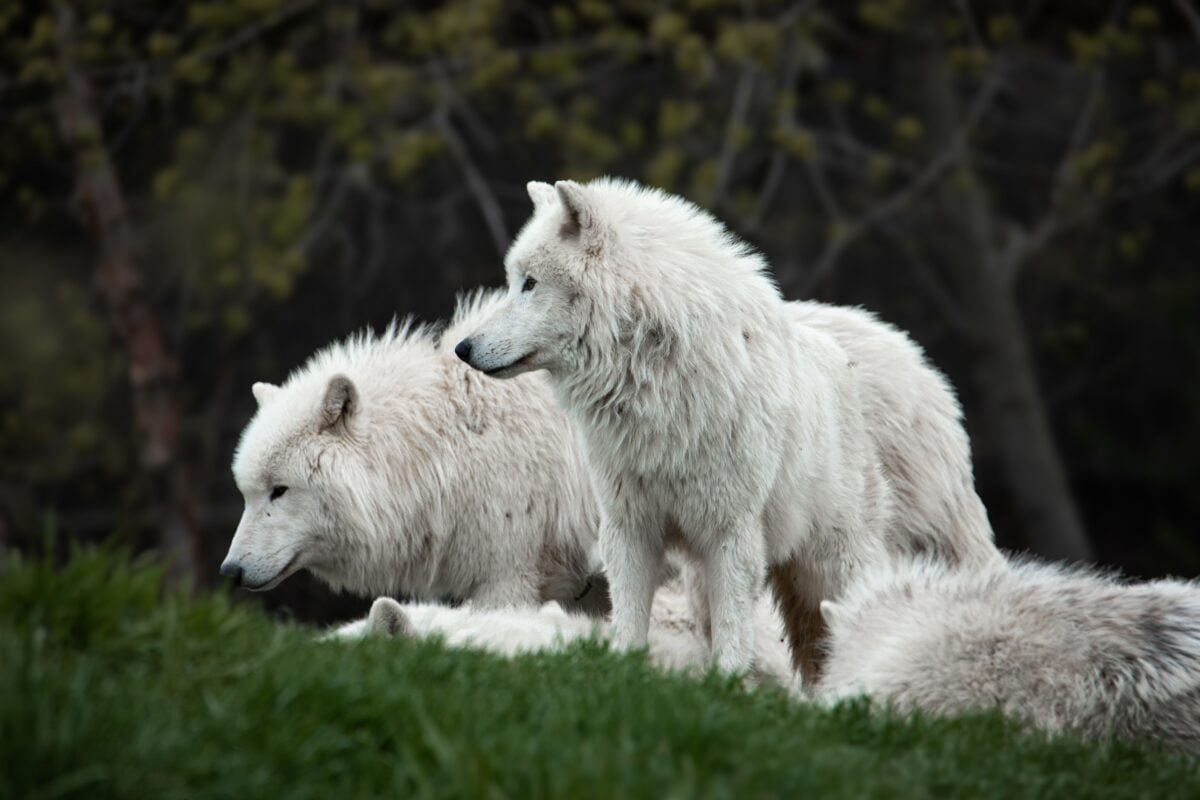
#1 The pack is a family, not a fighting ring
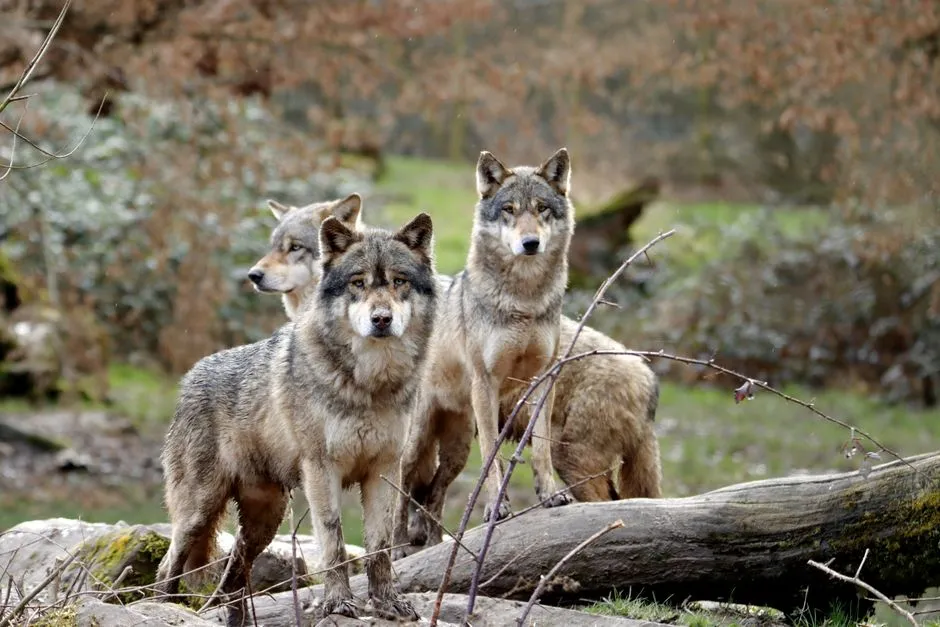
The single biggest correction to come out of modern wolf research is also the simplest. Wild wolf packs are usually made up of a breeding male, a breeding female and their offspring from the past two or three years that have not yet set out on their own, perhaps six to 10 individuals. That’s not a coalition of rivals held together by fear. It’s closer to a household.
Biologist L. David Mech, whose early work actually helped popularize the “alpha wolf” idea, spent years trying to correct the record once his own field observations told a different story. In nature, the wolf pack is not an assemblage of strangers vying for rank, but usually a family including a breeding pair and their offspring of the previous one to three years, or sometimes two or three such families. The adults are simply in charge because they are the parents of the rest of the pack members. Nobody fights their way to the top of a family dinner table, and the same logic applies here.
#2 Where the alpha myth actually came from
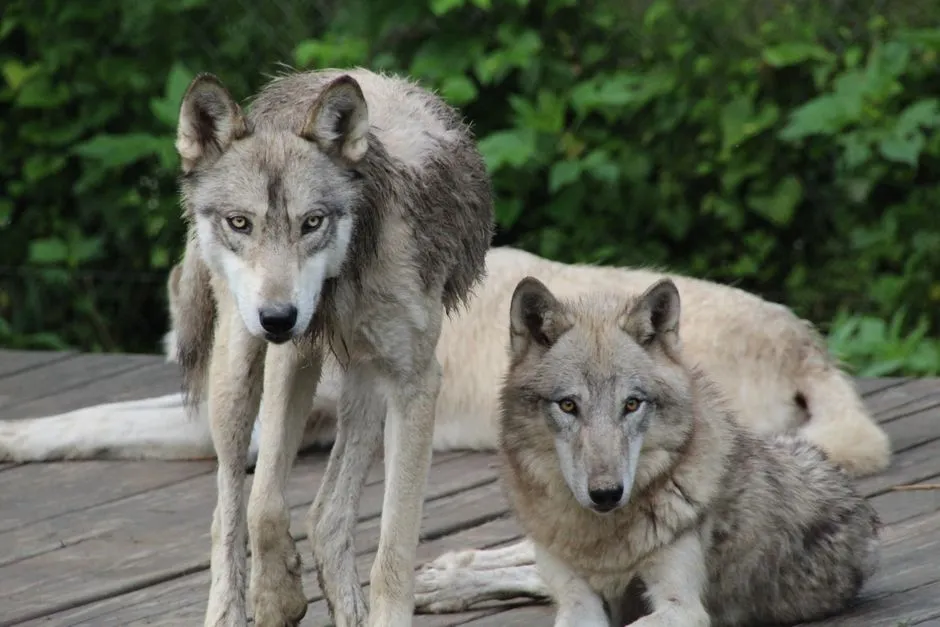
If wild packs are families, where did the image of the brutal alpha come from? The idea that wolf packs are led by a merciless dictator, or alpha wolf, comes from old studies of captive wolves, an idea that Mech used in his classic 1970 book on wolf biology. Those captive groups were made up of unrelated animals crammed into small enclosures, a setup almost guaranteed to produce tension.
In the 1940s, a German animal behaviorist studied wolves forced together in artificial zoo environments, where confinement and lack of kinship naturally led to aggressive dominance displays and rigid hierarchies among strangers. That captive artifact got mistaken for natural behavior and stuck around in textbooks and TV specials for half a century. Mech eventually pushed hard enough that his original book was finally taken out of print in 2022, closing the loop on a correction he’d been trying to make for over twenty years.
#3 Ritualized signals do the work fists would otherwise do
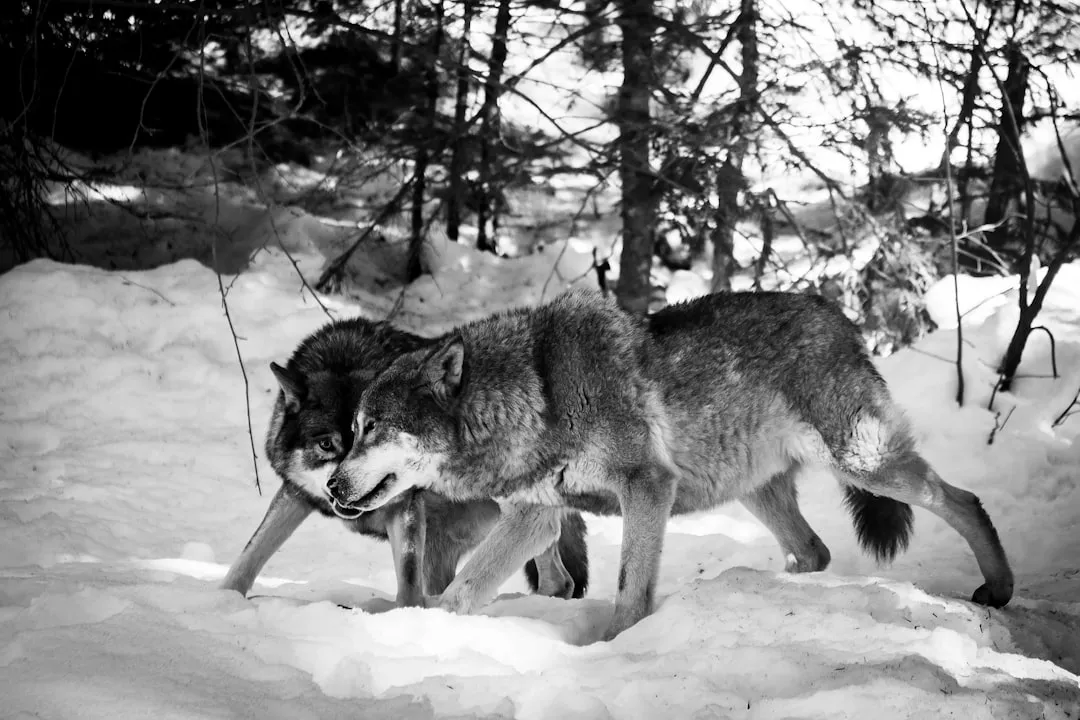
Inside a pack, wolves have built an entire vocabulary for settling disagreements without anyone getting hurt. They have developed ritualized behaviors that minimize serious fighting, allowing pack members to establish and maintain social relationships without risking serious injury. A lowered head, a tucked tail, a quick muzzle lick, these gestures carry real information and real consequences, just without the bloodshed.
Most confrontations between pack members end without physical harm, instead relying on posturing, vocalizations, and other non-contact displays that communicate intent and status. It’s worth pausing on how fast this happens. High-speed camera footage analyzed by wolf behaviorists has shown that these submission displays occur in milliseconds, often too fast for human observers to fully appreciate their complexity. A dispute that might look instantaneous to us is actually a rapid exchange of very deliberate signals.
#4 Wolves make up after conflict, not just avoid it
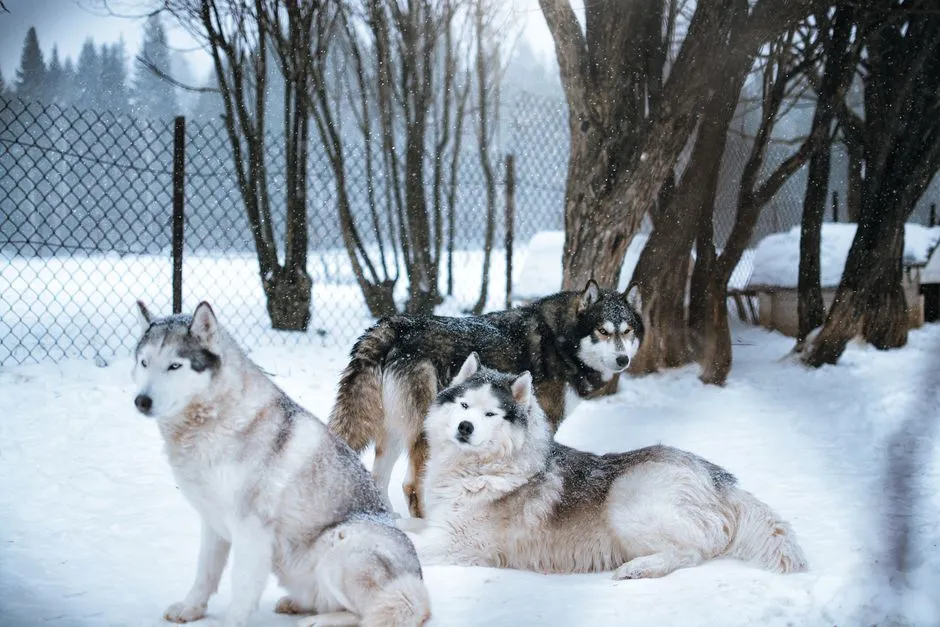
What might be the most surprising finding is that wolves don’t just prevent fights, they actively repair relationships afterward. Researchers studying free-ranging packs in Yellowstone wanted to understand how wolves keep internal conflict from tearing a pack apart over time. Scientists working in Yellowstone observed two packs of free-ranging wolves, the Druid Peak pack and the Blacktail Deer Plateau pack, from 2008 to 2009, monitoring wolf behaviors following fights and comparing them to behavior during calmer periods.
The pattern they documented reads almost like a peace treaty ritual. After a fight, subordinate wolves would actually attempt to reconcile with their more dominant pack mates, often touching noses and licking as a way of smoothing things over. A separate study on captive packs backed this up further, finding that wolves, which are highly dependent on cooperation between pack members, showed evidence of reconciliation, while domestic dogs, which rely on conspecific cooperation less, avoided interacting with their partners after conflicts. The comparison to dogs is telling. It suggests reconciliation isn’t just a nice habit, it’s tied directly to how much a species actually needs its group to function.
#5 Scent and sound replace physical confrontation between packs
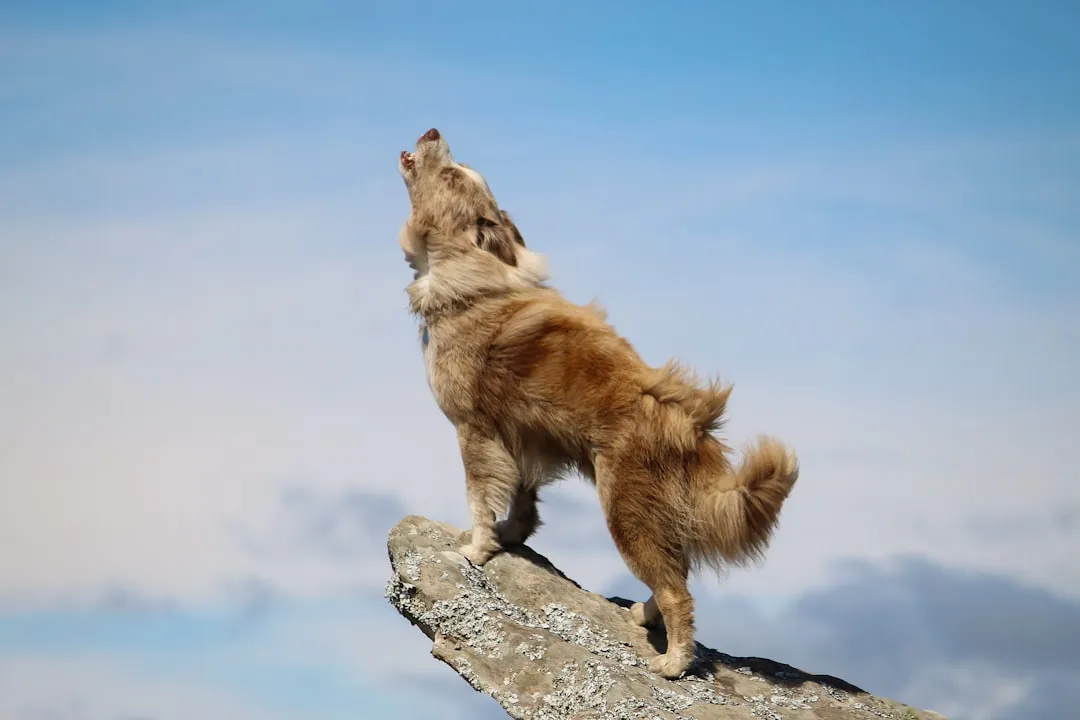
Cooperation inside the pack is one story. What happens between rival packs is a different, riskier calculation, and wolves handle it with an entirely different toolkit. Given the high costs of conflict, wolves have developed sophisticated communication strategies to avoid direct confrontations, including scent marking through urination to delineate territorial boundaries, with these scent posts serving as warnings to other packs.
This isn’t a minor detail of wolf life, it’s central to how they avoid costly encounters altogether. By establishing clear boundaries through scent marking and vocalizations, wolves minimize the need for physical confrontations with neighboring packs, ensuring access to necessary resources without the constant threat of conflict. A howl carried across a valley or a scent mark on a tree stump can do the job that a fight would otherwise have to do, at a fraction of the risk.
#6 Fighting is expensive, and wolves know it
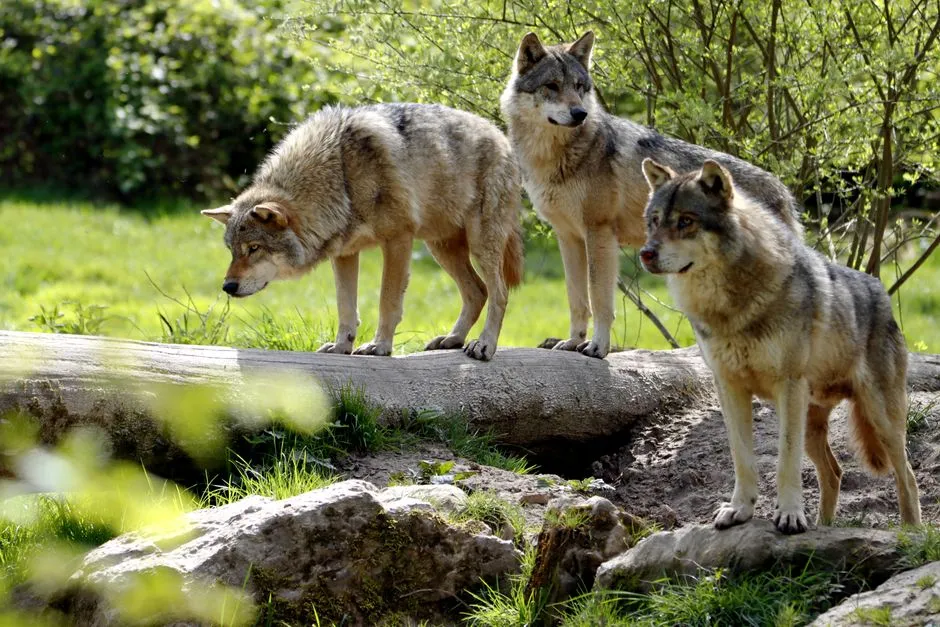
None of this restraint comes from gentleness. It comes from arithmetic. This avoidance of confrontation is not born out of fear but from a calculated strategy to conserve energy, since engaging in fights, especially with other packs, can lead to injuries or even death, which would jeopardize the pack’s survival.
Every wolf that gets hurt in a needless skirmish is a wolf that can’t hunt, can’t help raise pups, and can’t defend the group from real threats. By avoiding these conflicts, wolves ensure that their energy is reserved for essential activities like hunting and caring for their young. Even territory size reflects this efficiency mindset. The size of a wolf’s territory is often proportional to the availability of prey, so in areas with abundant food, territories may be smaller, reducing the energy required for patrolling and defending the area. It’s less about pride and more about not spending calories you can’t afford to lose.
#7 Cooperation isn’t optional, it’s the whole survival strategy
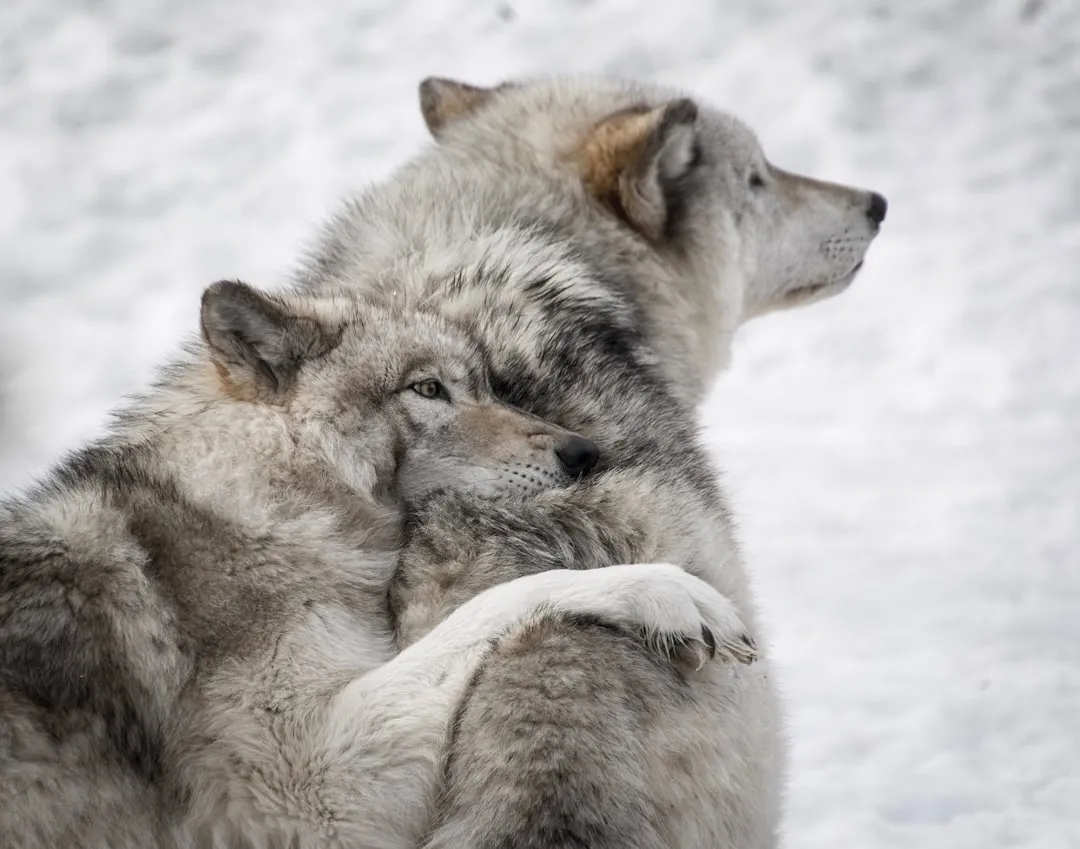
Step back far enough and the pattern becomes clear: everything about wolf conflict avoidance traces back to how dependent these animals are on each other. Wolves are highly dependent on cooperation because they rely on group hunting, cooperative breeding including alloparental care, and cooperative territorial defence, with pack cohesiveness crucial for successfully foraging, raising pups, and defending territories.
Compare that to a solitary hunter, and the logic snaps into focus. In order to survive in a dangerous and competitive world, wolves form cooperative groups known as packs, whose members hunt together, rear pups together, and compete against other packs for food and territory, with cooperation benefiting all members and improving their odds of survival. A wolf that damages its own pack through unnecessary aggression is, in a very real sense, damaging its own odds of survival. That’s a tough incentive to ignore, and evolution apparently didn’t let them.
Final thoughts
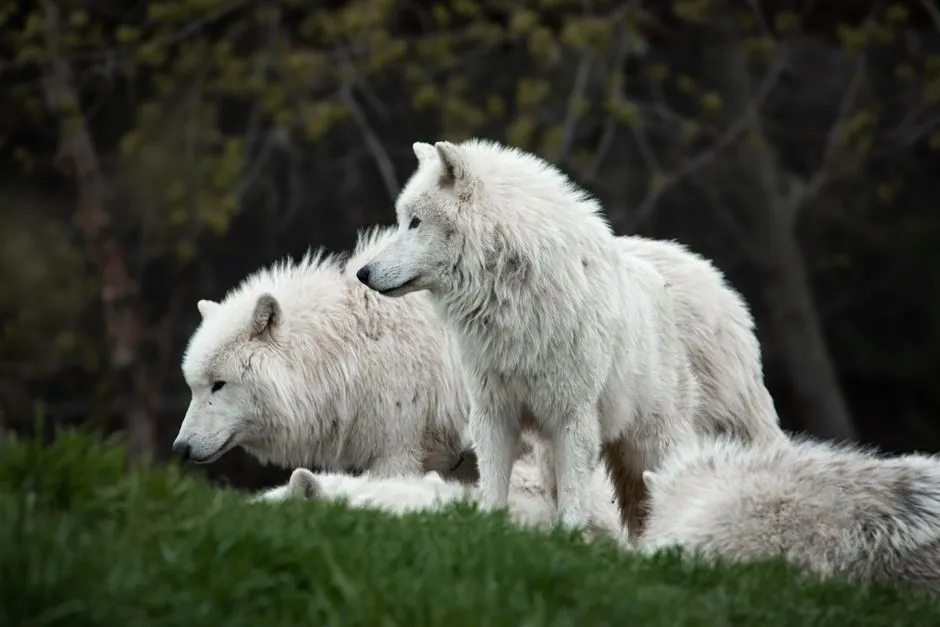
What strikes me most about this research isn’t the science itself, it’s how long the wrong story survived despite it. A single misread study from a cramped, unnatural zoo enclosure shaped how millions of people understood an entire species for over fifty years. That’s a pretty humbling reminder that vivid, dramatic narratives tend to travel faster than careful, patient observation.
The real wolf pack, it turns out, is a far better story anyway. It’s a family that hunts together, forgives each other after a scuffle, and would rather howl across a valley than risk a life over a border dispute. If there’s a lesson worth borrowing from wolves, it’s not about clawing your way to the top. It’s that the animals who survive best are usually the ones who figure out how to need each other, and act like it.

- 16 Things Your Dying Cat Quietly Asks For in Its Last Weeks That Almost Nobody Recognises - August 13, 2026
- What Vets Notice About an Older Cat in the First Minute 18 Things Owners Never See - August 13, 2026
- 18 Dog Breeds Rescue Centres Say Are Now Almost Impossible to Place With Any Family - August 13, 2026