
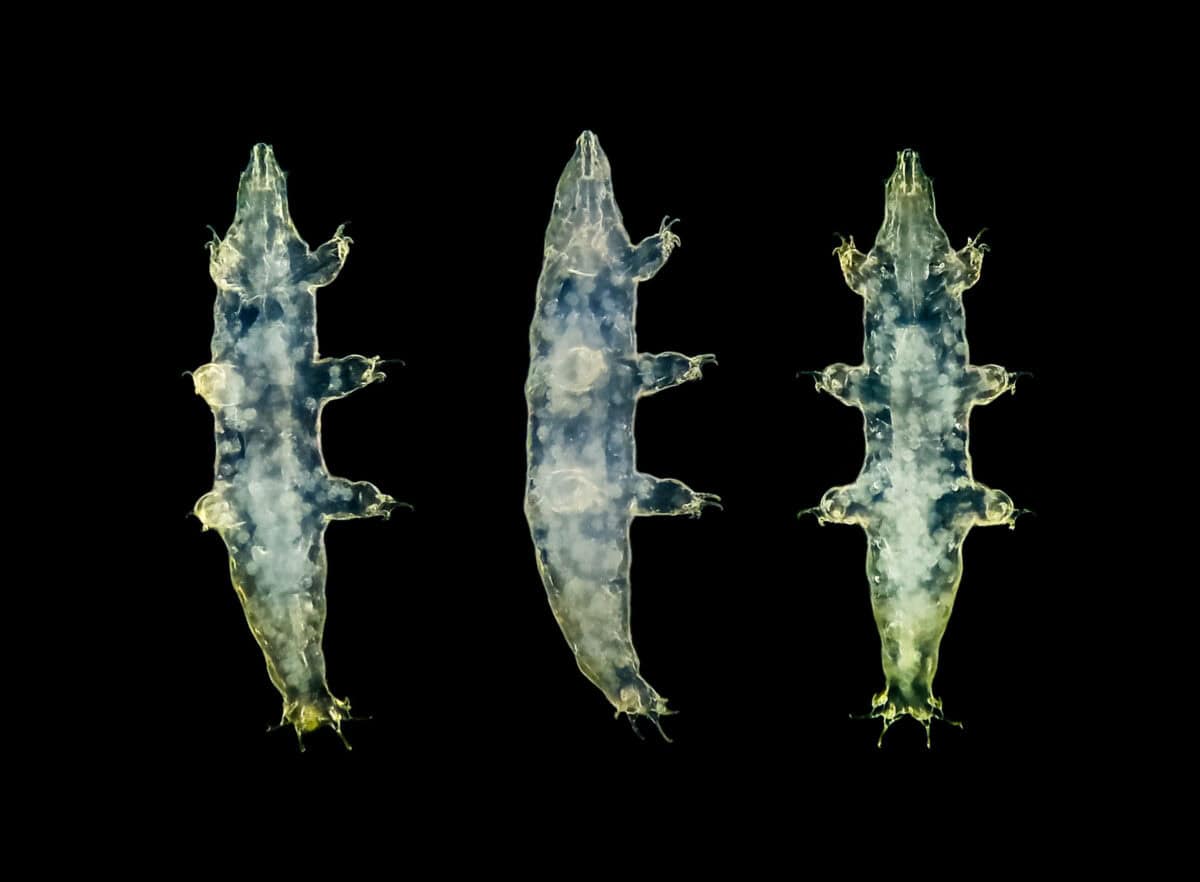
In the vast, inhospitable vacuum of space, where temperatures fluctuate between extreme cold and scorching heat, radiation is abundant, and there’s no oxygen to breathe, life as we know it cannot survive. Yet, against all odds, scientists have discovered an extraordinary creature that defies these limitations. The water bear, or tardigrade, stands as perhaps the most resilient organism on Earth—and beyond. These microscopic animals have survived conditions that would instantly kill any other known life form, including the harsh environment of outer space. Their remarkable abilities have revolutionized our understanding of life’s limits and opened new possibilities for space exploration and astrobiology.
Meet the Tardigrade: Earth’s Toughest Animal

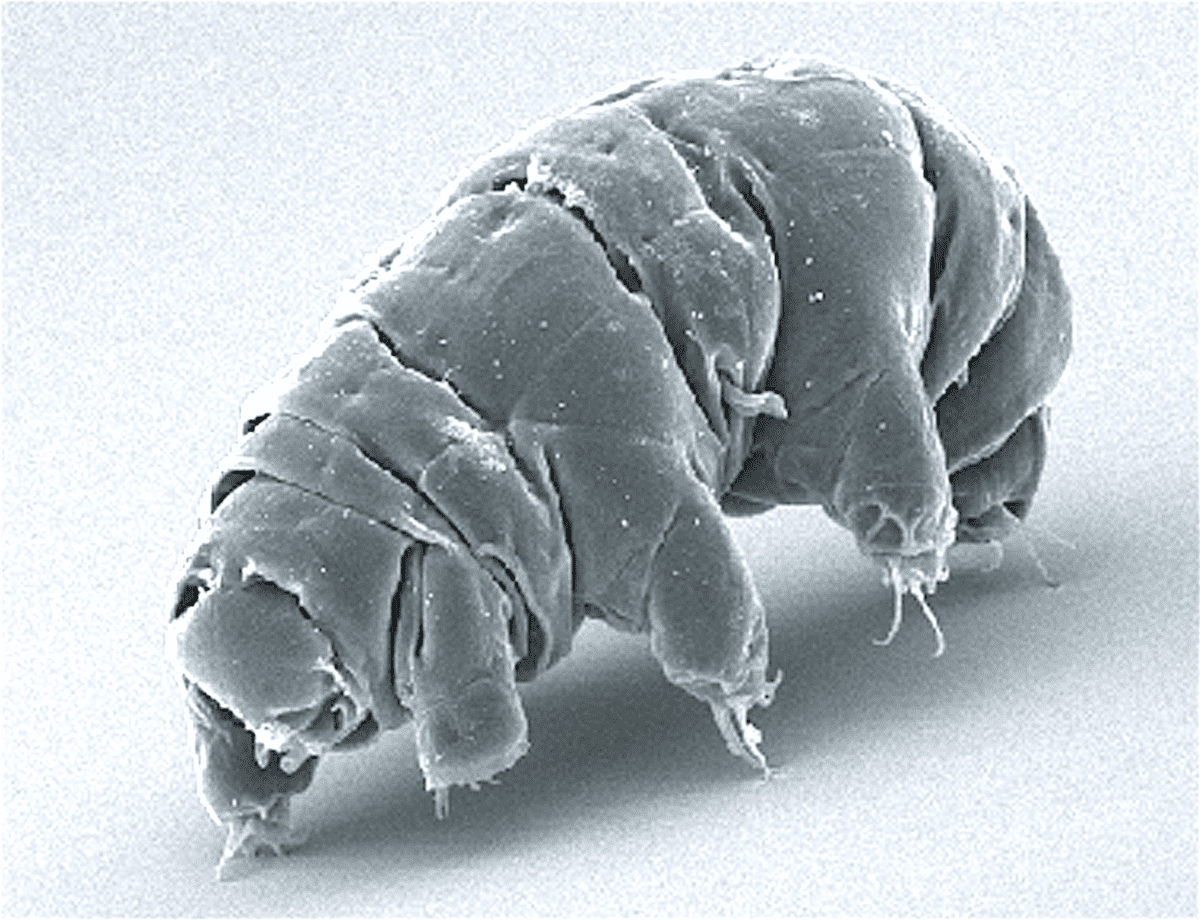
Tardigrades, affectionately known as water bears or moss piglets due to their bear-like appearance under a microscope, are tiny invertebrates measuring between 0.1 and 1.5 millimeters in length. First discovered in 1773 by German zoologist Johann August Ephraim Goeze, these eight-legged microanimals have been found everywhere on Earth—from the deepest ocean trenches to the highest mountain peaks, from tropical rainforests to Antarctic ice. More than 1,300 species of tardigrades have been identified, inhabiting diverse ecosystems worldwide. Despite their ubiquity, their extraordinary resilience remained largely unknown until recent scientific studies revealed their nearly indestructible nature and their unique ability to survive where no other complex multicellular organism can: the vacuum of space.
The Historic Space Experiment
In September 2007, the European Space Agency launched the FOTON-M3 mission, carrying thousands of tardigrades into low Earth orbit. The experiment, known as TARDIS (Tardigrades in Space), exposed these tiny creatures to the harsh conditions of space for 10 days. The tardigrades were dehydrated before launch, entering a state called anhydrobiosis, where their metabolic activity virtually stops. Once in space, some were exposed to the vacuum and radiation, while others were shielded from radiation but still exposed to the vacuum. Remarkably, upon return to Earth and rehydration, many of the tardigrades revived and were able to reproduce normally. This groundbreaking experiment confirmed what scientists had long suspected: tardigrades could survive in the vacuum of space, making them the first known animal to do so. This achievement earned them the distinction of being the only known animal that can survive in outer space without protective equipment.
Surviving the Vacuum of Space

The vacuum of space presents several deadly challenges to life. Without air pressure, water rapidly boils away even at low temperatures, cell membranes rupture, and essential gases escape from the body. For tardigrades, survival begins with their remarkable ability to enter cryptobiosis—a state where their metabolism slows to near zero. When faced with dehydration, tardigrades contract into a barrel-shaped form called a “tun,” reducing their water content to less than 3% of normal. In this state, they replace water in their cells with a sugar called trehalose, which forms a glass-like substance that preserves their cellular structure and prevents damage. Their metabolic activity drops to less than 0.01% of normal, and they can remain in this suspended animation for decades. In space, this adaptation allows them to endure the vacuum without losing structural integrity or suffering the cellular damage that would instantly kill other organisms.
Withstanding Extreme Radiation

In space, without Earth’s protective atmosphere and magnetic field, radiation levels are incredibly high. Cosmic rays and solar radiation can damage DNA and other cellular components, leading to mutations or death in most organisms. Tardigrades, however, possess remarkable radiation resistance. Studies have shown they can survive radiation doses of 5,000-6,000 Gy (gray)—about 1,000 times more than what would be lethal to humans. This extraordinary ability comes from a unique protein called Dsup (Damage Suppressor), which physically shields their DNA from radiation damage. Additionally, tardigrades have highly efficient DNA repair mechanisms that can quickly fix any damage that does occur. These adaptations allowed many tardigrades to survive the intense radiation exposure during their time in orbit, further demonstrating their unparalleled space-survivability.
Extreme Temperature Tolerance

Space presents another deadly challenge: extreme temperature fluctuations. In low Earth orbit, temperatures can swing from -150°C in shadow to +120°C in direct sunlight within minutes. Most living organisms would be instantly killed by either extreme, as cellular structures freeze and rupture at low temperatures or proteins denature at high temperatures. Tardigrades, however, can survive temperatures ranging from near absolute zero (-273°C) to well above boiling point (151°C). Their ability to withstand freezing comes from preventing the formation of ice crystals that would damage their cells, while heat resistance is likely due to heat-shock proteins that prevent other proteins from denaturing. During the space experiments, tardigrades endured these temperature extremes and still recovered upon return to Earth, demonstrating yet another aspect of their space-survival toolkit.
The Secret Behind Their Survival: Cryptobiosis

The cornerstone of tardigrades’ space-survival ability is cryptobiosis—a state of suspended animation where metabolic processes nearly stop. There are several forms of cryptobiosis that tardigrades can enter depending on the environmental stressor. Anhydrobiosis occurs in response to desiccation, cryobiosis in response to freezing temperatures, osmobiosis in response to high salinity, and anoxybiosis in response to oxygen deprivation. In space, tardigrades primarily rely on anhydrobiosis, where their bodies dehydrate and form the protective tun state. During this process, they produce special protective compounds like trehalose and various heat-shock proteins. Their cell membranes undergo changes that maintain integrity even in vacuum conditions. What’s most remarkable is their ability to remain in this state for extraordinarily long periods—some studies suggest decades or even centuries—before reanimating when conditions improve. This suspended animation allows them to essentially “time travel” through periods of extreme environmental stress, including the harsh conditions of outer space.
Tardigrade DNA: Built for Survival

The tardigrade genome holds many secrets to their extraordinary resilience. Scientists sequencing their DNA have discovered that tardigrades have acquired about 17.5% of their genes through horizontal gene transfer—absorbing genetic material from bacteria, plants, and fungi. These acquired genes appear to contribute to their stress tolerance. Most notably, researchers discovered the Dsup (Damage Suppressor) protein, which forms a protective cloud around DNA, shielding it from damage. When researchers experimentally transferred this protein into human cells, those cells showed a 40% reduction in X-ray damage. Additionally, tardigrades possess multiple copies of DNA repair genes and antioxidant enzymes that help them recover from radiation exposure. Their genome also contains genes for proteins that prevent water loss and stabilize cellular structures during desiccation. This genetic toolkit, evolved over 600 million years, makes tardigrades uniquely equipped for space survival and offers potential applications for improving human space travel.
Implications for Astrobiology

The space-surviving abilities of tardigrades have profound implications for astrobiology—the study of life in the universe. Their resilience challenges traditional notions about the limits of life and expands the range of environments where we might find living organisms. If tardigrades can survive in space, similar organisms might potentially exist on seemingly inhospitable worlds like Mars, Europa, or Enceladus. Furthermore, tardigrades provide a model for the possible transfer of life between planets through a process called panspermia. This hypothesis suggests that life can travel through space on meteorites or cosmic dust. The fact that tardigrades can survive in space lends credibility to this idea, suggesting that microorganisms might be able to endure interplanetary journeys. Tardigrades also serve as valuable test subjects for understanding the biological effects of long-term space exposure, helping scientists develop better protection for astronauts and potential bioregenerative life support systems for future space habitats.
Space Contamination Concerns

The extraordinary space-survival abilities of tardigrades have raised important questions about planetary protection protocols. In 2019, an Israeli lunar lander called Beresheet crashed on the Moon’s surface, carrying thousands of dehydrated tardigrades as part of an unofficial “lunar library.” While these tardigrades are likely dead due to the crash impact and continued exposure to lunar conditions, the incident highlighted concerns about biological contamination of other celestial bodies. If tardigrades or similarly resilient organisms were to inadvertently hitch rides on space missions, they could potentially survive and contaminate pristine environments, complicating the search for indigenous extraterrestrial life. This scenario has prompted space agencies to reevaluate sterilization procedures for spacecraft and emphasizes the importance of responsible space exploration. The tardigrade’s space-survivability has thus become not just a biological curiosity but a practical consideration in space mission planning and astrobiology research.
Applications in Space Technology

The remarkable abilities of tardigrades are inspiring new technologies for space travel and exploration. Researchers are studying their unique proteins and mechanisms to develop better radiation shielding for astronauts and spacecraft electronics. The Dsup protein, for instance, could potentially be synthesized and incorporated into medications or genetic modifications to protect astronauts from cosmic radiation during long-duration missions to Mars or beyond. Scientists are also investigating how tardigrade anhydrobiosis might inform the development of new methods for preserving biological materials in space, including food, medicines, and even human tissues. Some researchers envision tardigrade-inspired suspended animation techniques that could one day allow astronauts to enter a form of hibernation during long space journeys, reducing resource consumption and mitigating the psychological challenges of extended isolation. These biomimetic approaches could revolutionize humanity’s approach to deep space exploration, with tardigrades serving as the unlikely pioneers showing the way.
Tardigrades in Popular Culture
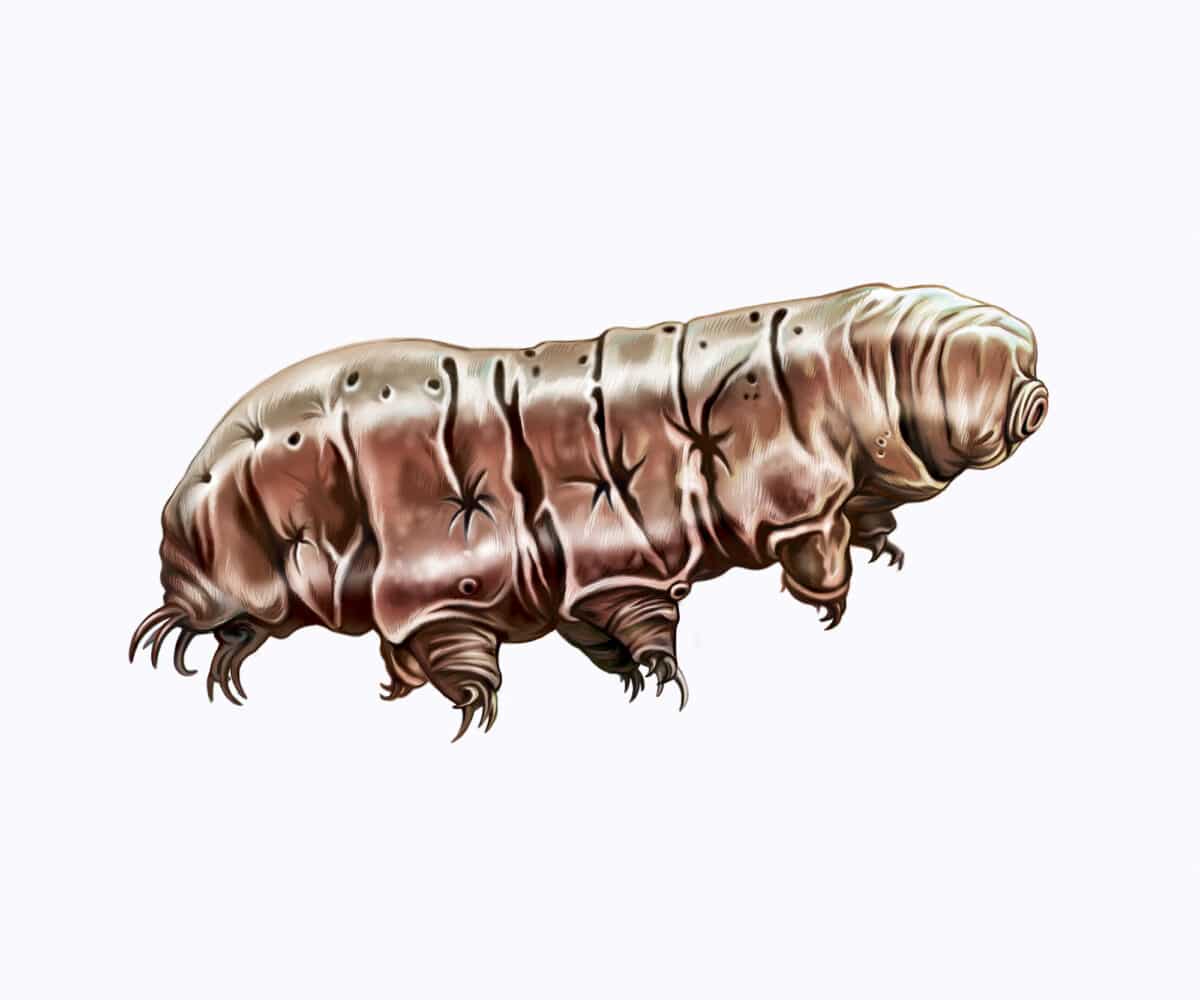
As awareness of tardigrades’ extraordinary abilities has grown, these microscopic space survivors have captured the public imagination and entered popular culture. They’ve featured prominently in science fiction, including an episode of “Star Trek: Discovery” where tardigrade DNA enables an experimental propulsion system. The video game “Mass Effect: Andromeda” includes tardigrade-inspired aliens, while the indie game “Space Bear” casts players as a tardigrade navigating challenges in space. Beyond entertainment, tardigrades have become educational icons, appearing in children’s books and science shows to teach concepts of resilience and adaptation. Their distinctive appearance—with eight pudgy legs and bear-like face—has led to plush toys, t-shirts, and other merchandise celebrating these tiny space pioneers. This cultural embrace has helped raise awareness about these remarkable creatures and stimulated interest in astrobiology among the general public. Once obscure organisms known only to specialists, tardigrades have become celebrated symbols of life’s extraordinary adaptability and the possibilities of survival beyond Earth.
Future Research Directions
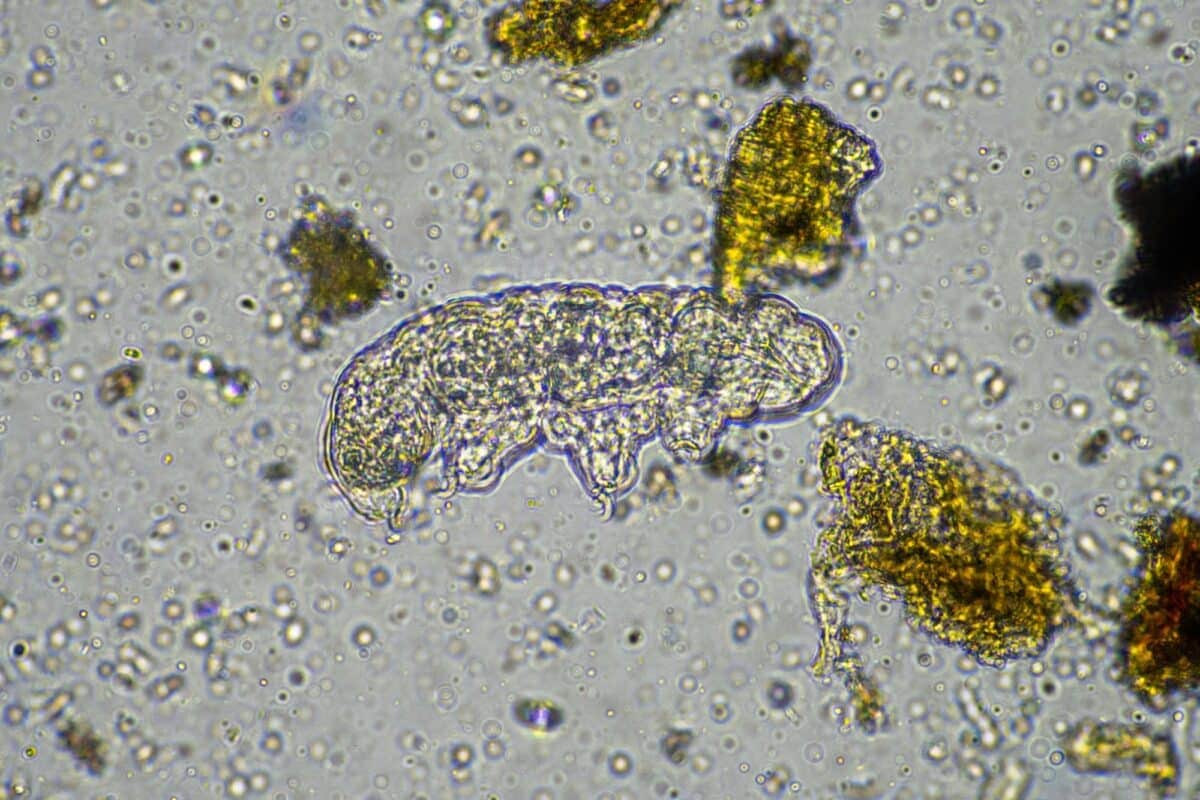
The study of tardigrades’ space-surviving abilities continues to evolve, with several exciting research directions. One focus is identifying all the molecular mechanisms behind their extreme tolerance, particularly the proteins and genes activated during exposure to space conditions. Scientists are conducting more comprehensive space experiments, including the Biological Research in Canisters (BRIC) missions on the International Space Station, where tardigrades are studied under various space conditions. Another promising area is comparative studies between different tardigrade species to identify which have the strongest space-survival traits and why. Researchers are also exploring applications of tardigrade biology to space medicine, developing tardigrade-inspired protection for human cells and tissues. Additionally, astrobiologists are using tardigrades as models to refine the search for extraterrestrial life, examining environments on other planets that might support tardigrade-like organisms. As space agencies plan missions to the Moon, Mars, and beyond, tardigrade research will likely play an increasingly important role in understanding how life might adapt to and thrive in extraterrestrial environments.
Conclusion: The Cosmic Significance of Earth’s Toughest Animal
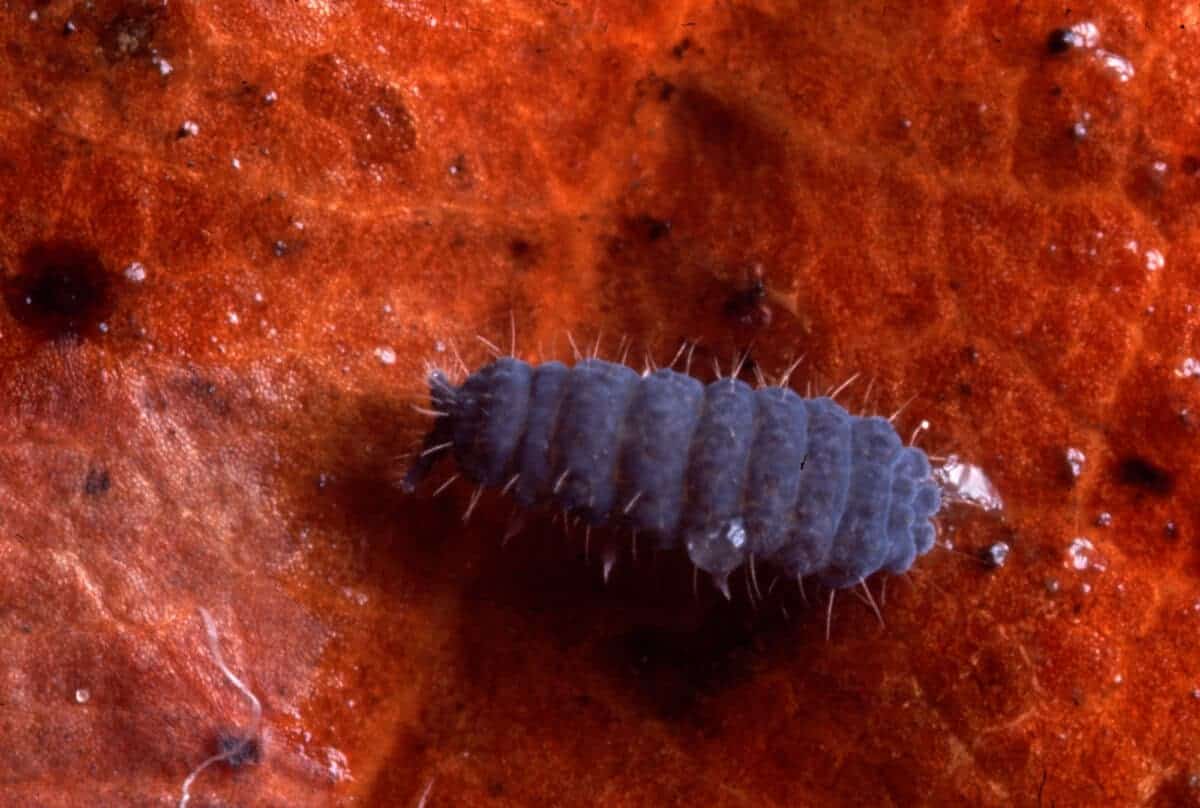
The humble tardigrade, barely visible to the naked eye, has forced scientists to redefine the boundaries of life and its potential to exist beyond Earth. Their unprecedented ability to survive the vacuum, radiation, and temperature extremes of outer space represents one of the most remarkable adaptations in the animal kingdom. As we venture further into the cosmos, these microscopic pioneers provide valuable insights for human space exploration and raise profound questions about the possibility of life on other worlds. The tardigrade stands as a testament to life’s incredible resilience—a tiny creature with cosmic significance, bridging the gap between Earth and the stars. In studying these extraordinary space survivors, we not only learn about the extreme limits of terrestrial life but also glimpse the possibilities for life throughout the universe.

- How Squirrel Monkeys Use Teamwork to Avoid Predators - June 22, 2026
- Why Sandbar Sharks Thrive Along the U.S. Atlantic Coast - June 22, 2026
- What Kind of Lemur Is King Julien from Madagascar? - June 22, 2026