


In the intricate world of natural mimicry, few examples are as striking as the snake-mimicking moths. These remarkable insects have evolved one of the most sophisticated defensive adaptations in the animal kingdom, developing wing patterns and behaviors that create a convincing illusion of a predatory snake. This evolutionary masterpiece serves as a powerful deterrent against potential predators who would rather avoid a venomous encounter. The resemblance is so uncanny that even experienced naturalists can be momentarily fooled. This article explores the fascinating biology, evolution, and ecological significance of these deceptive moths, revealing how this extraordinary example of mimicry showcases nature’s endless capacity for creative survival strategies.
The Masters of Disguise: Atlas and Hawk Moths
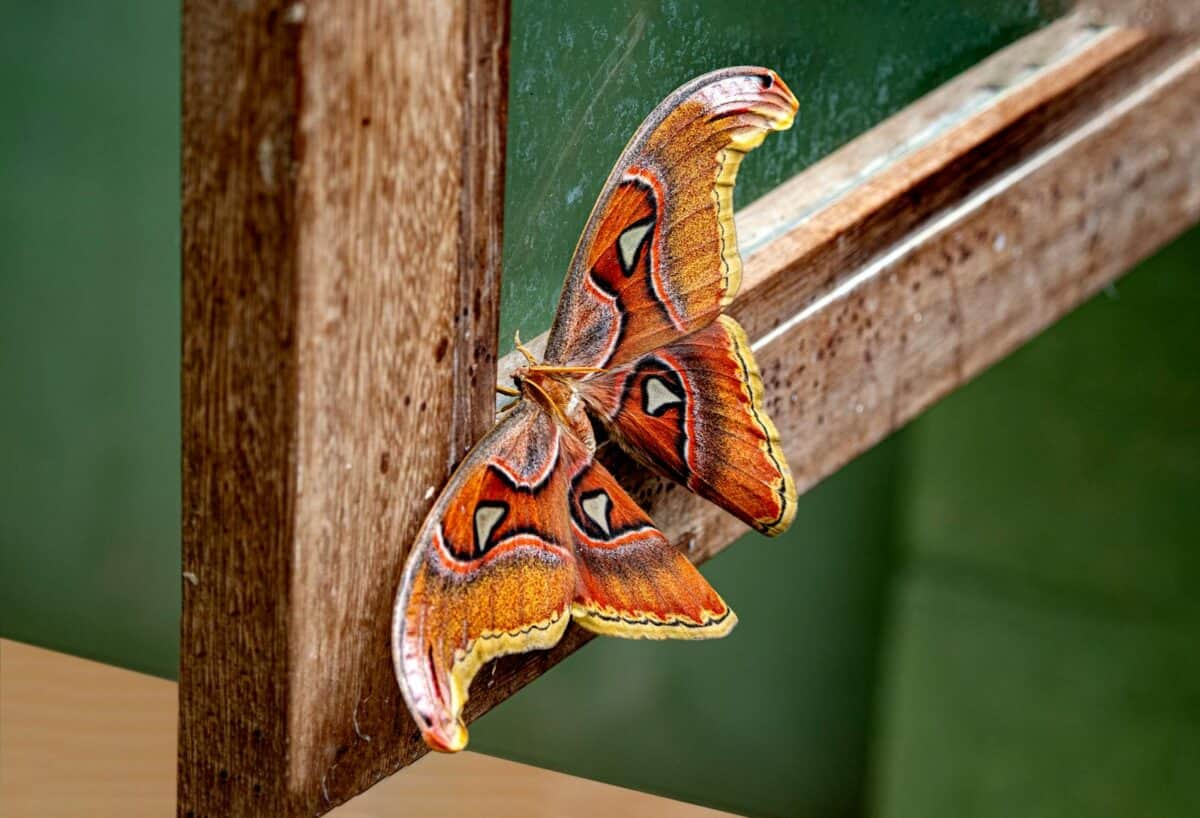
The most famous snake-mimicking moths belong to two primary families: Saturniidae (Atlas moths) and Sphingidae (Hawk or Sphinx moths). The Atlas moth (Attacus atlas) is among the largest moths in the world, with wingspans reaching up to 12 inches. When threatened, certain species within these families display wing patterns remarkably similar to snake heads, complete with realistic “eyes” and scales that resemble reptilian textures. The Hawk moths, particularly those in the genus Hemeroplanes, are especially renowned for their snake mimicry. Hemeroplanes ornatus and Hemeroplanes triptolemus from Central and South America are perhaps the most accomplished snake mimics, with caterpillars that can transform their appearance to resemble small pit vipers when disturbed.
How the Mimicry Works: Anatomy and Appearance

The snake mimicry in moths operates on multiple levels of deception. The most basic form involves wing patterns that, when properly positioned, create the illusion of a snake’s head. This typically includes eyespots that mimic a snake’s eyes, patterns resembling scales, and coloration similar to local snake species. In some hawk moth caterpillars, the mimicry is even more elaborate. When threatened, the caterpillar inflates its thoracic segments, withdraws its head, and displays false eyes and patterns that transform its front end into a convincing replica of a snake head. The segmented body even mimics the texture of snake skin. Some species can even mimic the triangular head shape characteristic of vipers, complete with what appears to be a mouth line and nostril markings.
Behavioral Adaptations that Enhance the Illusion
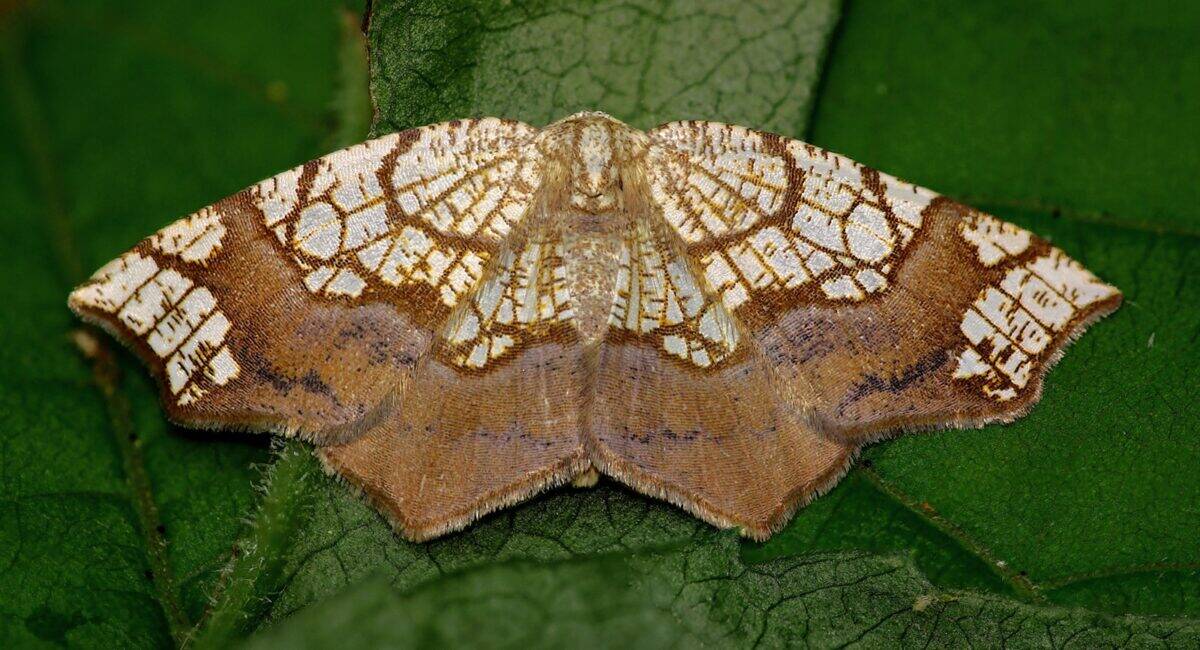
Snake-mimicking moths don’t rely solely on appearance—they’ve also evolved behaviors that enhance the illusion. When disturbed, these moths don’t simply fly away as most moths would. Instead, they often engage in specific movements that mimic a snake’s behavior. Some species will rock side to side, simulating a snake preparing to strike. Others might rapidly retract and extend their anterior segments in a pulsing motion reminiscent of an agitated snake. The hawk moth caterpillar Hemeroplanes triptolemus goes further—when threatened, it rears up, sways back and forth, and even produces a convincing hissing sound by forcing air through specialized apertures. These complex behaviors transform what might otherwise be an unconvincing static resemblance into a dynamic and frightening display that can startle even humans.
The Evolutionary Journey of Snake Mimicry
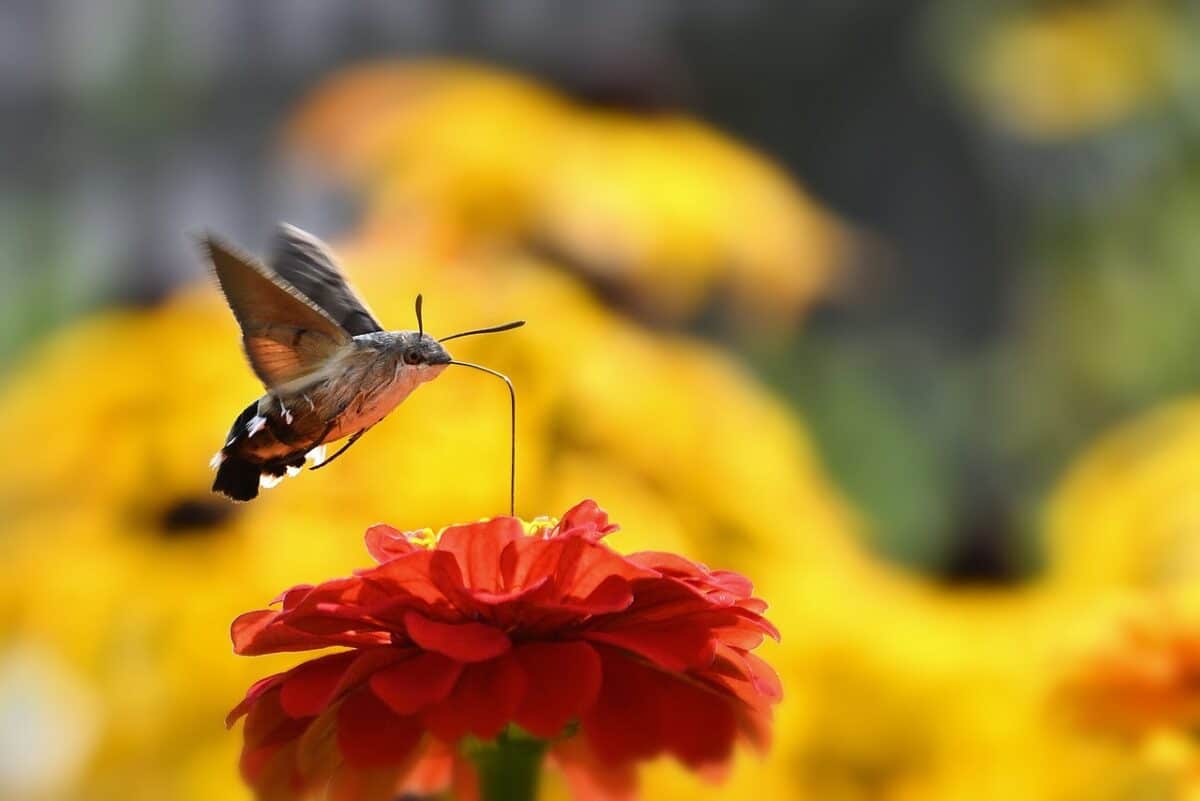
The evolution of snake mimicry in moths represents a remarkable case of convergent evolution and natural selection at work. This adaptation didn’t appear overnight but evolved gradually over millions of years. Scientists believe it began with simple eyespots, which provided some protection by startling predators. Moths with more effective eyespots survived at higher rates, and natural selection favored increasingly elaborate patterns.
Over countless generations, these patterns evolved to more closely resemble local snake species. The geographic distribution of snake-mimicking moths often overlaps with areas where venomous snakes are common, suggesting that the effectiveness of this mimicry depends on predators having experience with dangerous snakes. The most convincing snake mimics are typically found in regions with high snake diversity, particularly in tropical forests of Central and South America where predator pressure is intense.
The Spicebush Swallowtail: North America’s Snake Mimic
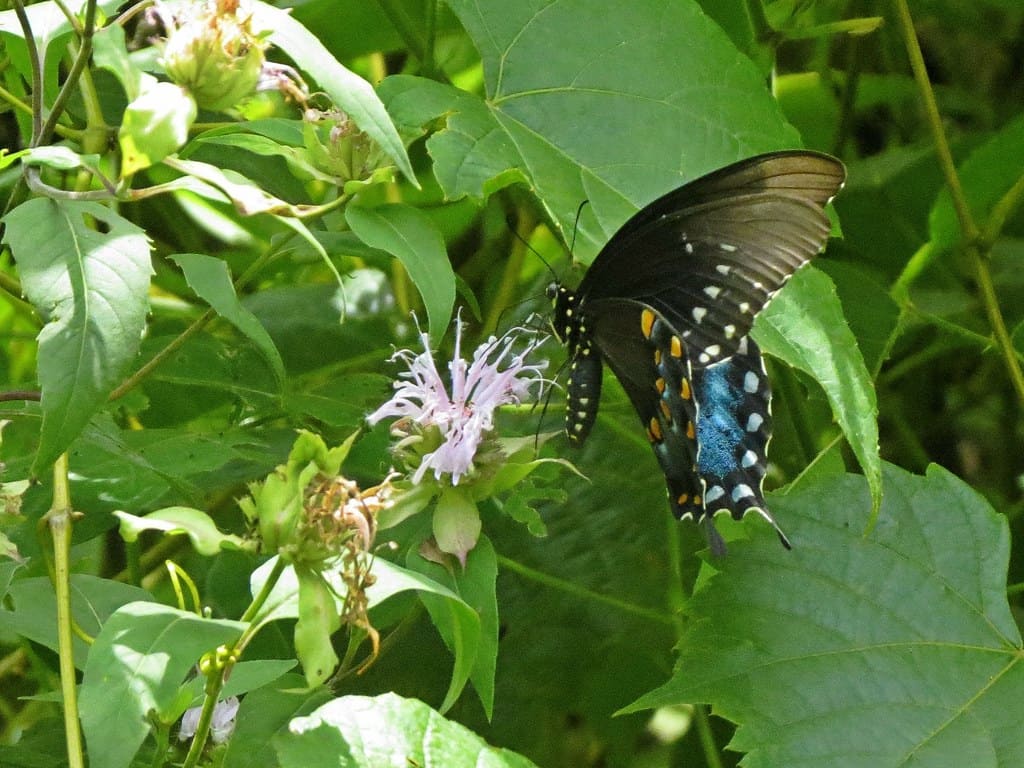
While the most dramatic snake mimics are tropical species, North America has its own snake-mimicking lepidopteran: the caterpillar of the Spicebush Swallowtail butterfly (Papilio troilus). When disturbed, this remarkable caterpillar inflates its thorax, creating a startling resemblance to a small green snake, complete with false eyes. In its earlier instars, the caterpillar resembles bird droppings, but as it grows larger and more vulnerable to predation, it develops its snake mimicry.
The caterpillar normally rests hidden in a leaf shelter, but when threatened, it emerges and performs its snake impression. This impressive display has proven effective against birds and small mammals that might otherwise see the caterpillar as an easy meal. The Spicebush Swallowtail demonstrates how snake mimicry has evolved independently in different lepidopteran lineages across different continents, underlining the effectiveness of this adaptive strategy.
Batesian Mimicry: The Ecological Framework
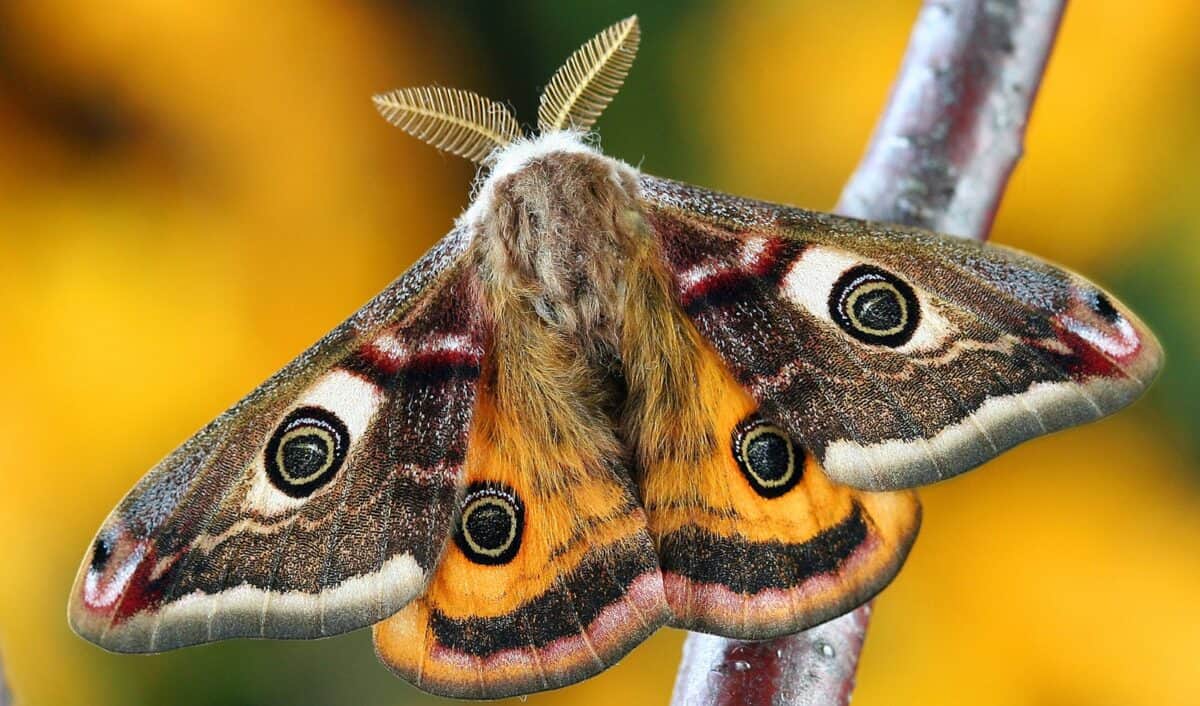
Snake mimicry in moths is a classic example of Batesian mimicry, named after the 19th-century English naturalist Henry Walter Bates. In this form of mimicry, a harmless species (the mimic) evolves to resemble a harmful species (the model) that predators have learned to avoid. The effectiveness of Batesian mimicry depends on several factors: the accuracy of the resemblance, the relative abundance of models and mimics, and the danger posed by the model.
Snake-mimicking moths benefit from the strong innate and learned aversion many predators have toward snakes, particularly venomous species. Even predators that have never encountered a particular venomous snake often display an instinctive wariness toward snake-like shapes and patterns. This creates a powerful selective advantage for any insect that can trigger this aversion response, explaining why snake mimicry has evolved multiple times across different moth lineages.
The Role of Predators in Shaping Mimicry
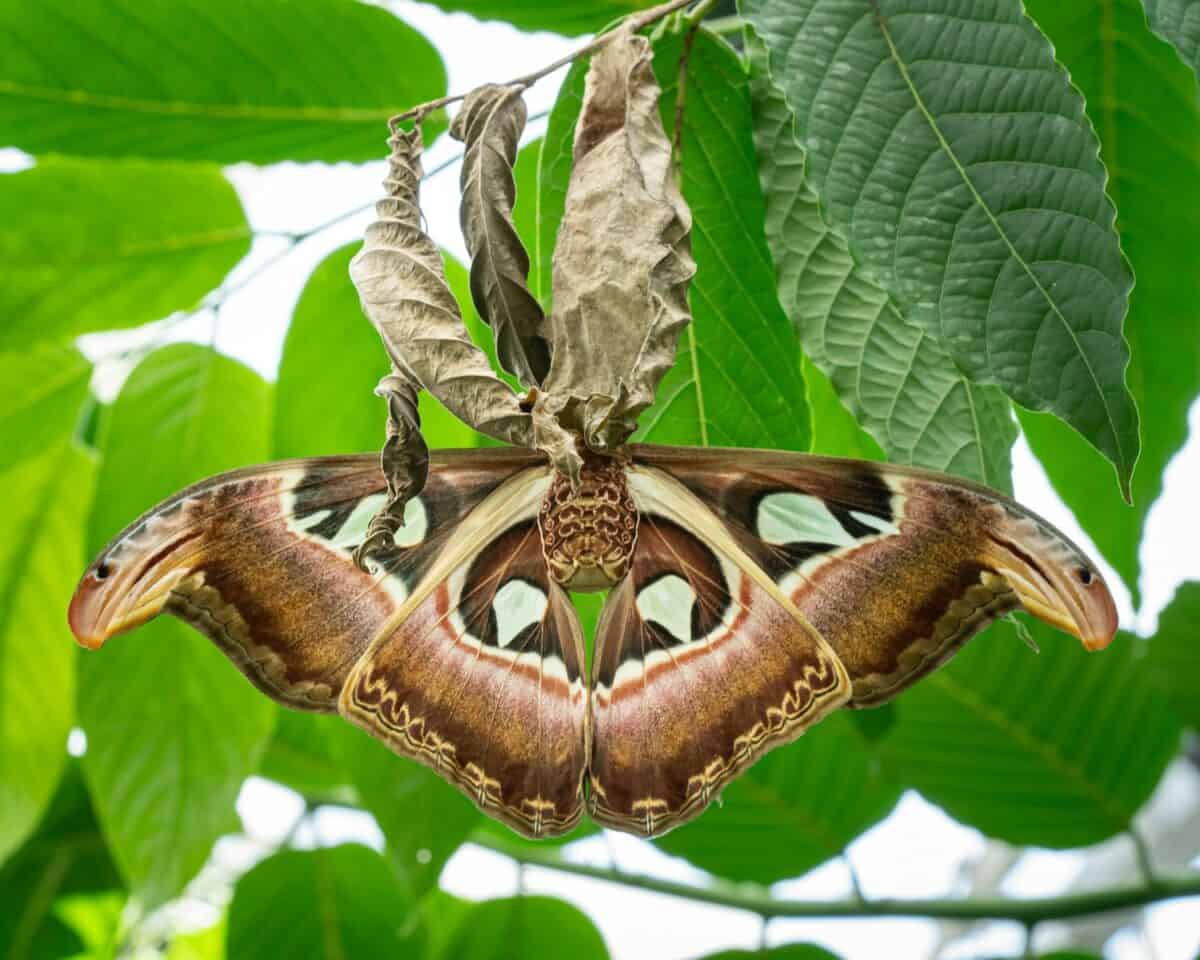
Predators play a crucial role in the evolution and maintenance of snake mimicry in moths. Birds are the primary selective agents driving this adaptation, as they represent the main predators of moths and their caterpillars. Research has shown that birds possess an innate wariness toward snake-like patterns and can quickly learn to associate certain color patterns with danger. Laboratory experiments have demonstrated that naive birds raised without exposure to snakes still show hesitation when confronted with snake-mimicking moths, suggesting some level of instinctive recognition. However, experienced birds that have encountered venomous snakes show even stronger avoidance behaviors. The effectiveness of snake mimicry varies depending on the predator species, with those that regularly encounter venomous snakes showing the strongest aversion. This creates a geographic mosaic of selection pressures, where moth species evolve different degrees of mimicry based on local predator communities.
The Asian Death’s Head Hawk Moth: A Special Case
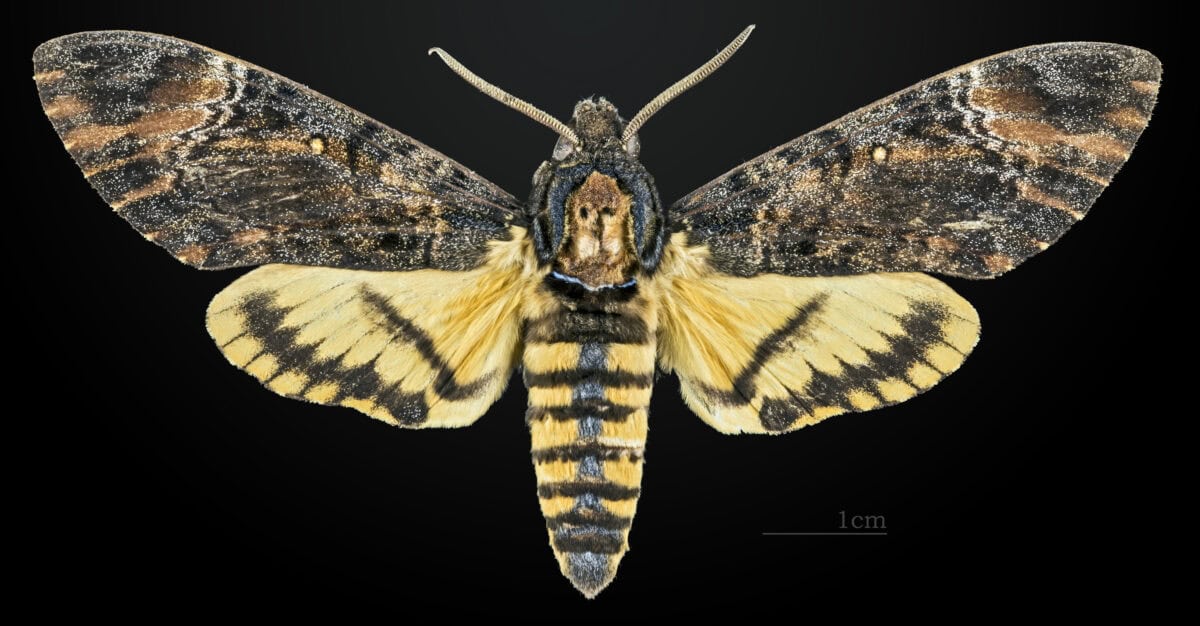
The Death’s Head Hawk Moth (Acherontia spp.) found across Africa, Europe, and Asia represents a unique variation on snake mimicry. While not mimicking a snake’s head directly, this moth displays a remarkable skull-like pattern on its thorax that can startle predators. When disturbed, it can produce a loud, snake-like squeaking sound by forcing air through its proboscis. Although the visual mimicry is different from the snake-head pattern seen in other moths, it functions similarly by triggering fear and caution in potential predators. The Death’s Head Hawk Moth combines this startling display with chemical defenses, as it can infiltrate honeybee hives undetected by mimicking the scent of the bees. This multifaceted defense strategy highlights how mimicry can evolve along different pathways while serving similar protective functions.
The Incredible Transformations of Hemeroplanes Caterpillars

Among all snake-mimicking moths, the caterpillars of the genus Hemeroplanes stand out for their extraordinary transformative abilities. In their normal state, these caterpillars appear as typical green sphinx moth larvae, blending with the leaves they feed on. However, when threatened, they undergo a remarkable metamorphosis that must be seen to be believed. The caterpillar inflates its thoracic segments to several times their normal size, completely changing its body shape.
The underside of these segments bears intricate patterns that, when displayed, create a perfect replica of a snake’s head, complete with realistic eyes, scales, and even reflective highlights that mimic the glossy appearance of a snake’s eye. The resemblance is so convincing that the caterpillar has been documented frightening away small mammals and birds. Some Hemeroplanes species can even change the color of their false snake head, displaying different intensities of pattern based on the level of threat, representing one of the most sophisticated examples of dynamic mimicry in the insect world.
Conservation Challenges for Snake-Mimicking Moths
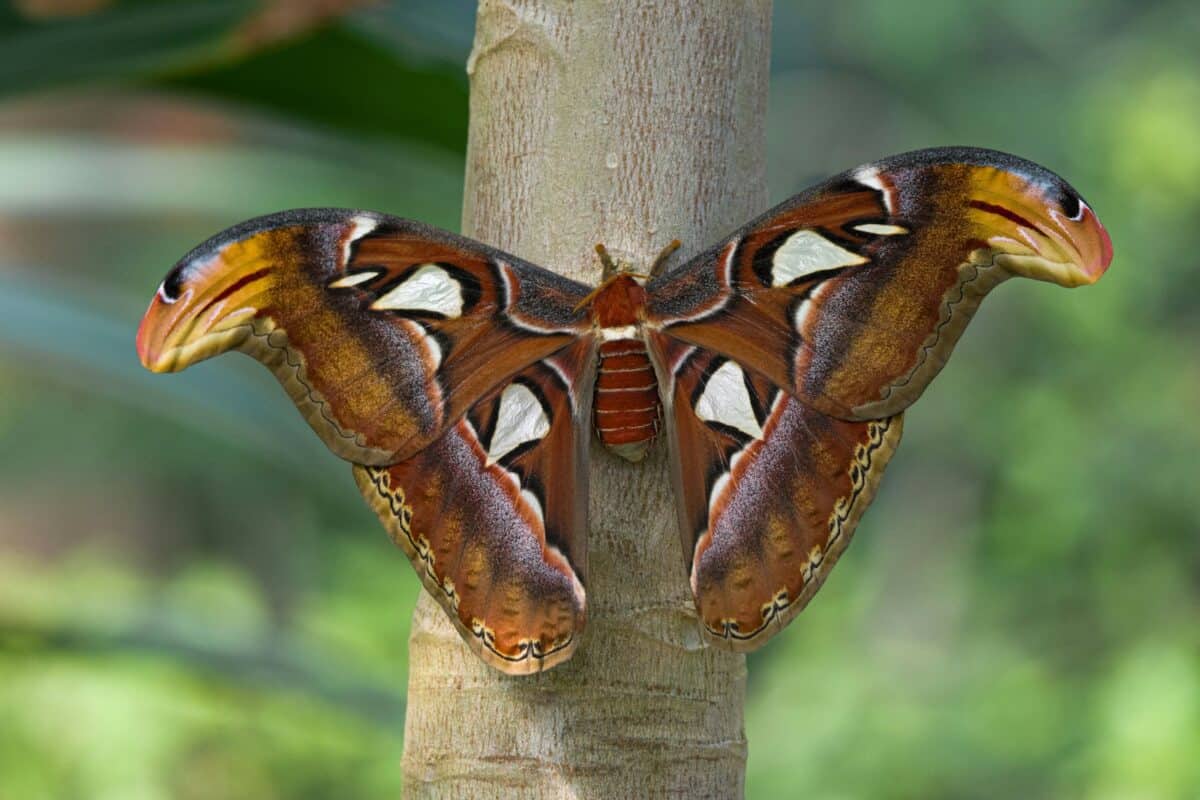
Despite their remarkable adaptations, many snake-mimicking moth species face significant conservation challenges. Habitat destruction, particularly in the tropical forests where the most dramatic snake mimics occur, threatens many species. The specialized host plant requirements of some hawk moths make them particularly vulnerable to forest fragmentation and agricultural expansion. Climate change poses another threat, as it may disrupt the synchronization between moth life cycles and the availability of their host plants.
Additionally, light pollution can disrupt moth behavior and reproduction, while pesticide use in agriculture affects both wild populations and their host plants. Conservation efforts for these remarkable insects require protection of intact forest ecosystems and greater awareness of their ecological significance. The loss of these extraordinary examples of evolutionary adaptation would represent not just a blow to biodiversity, but the disappearance of one of nature’s most fascinating evolutionary stories.
Scientific Research and Ongoing Discoveries
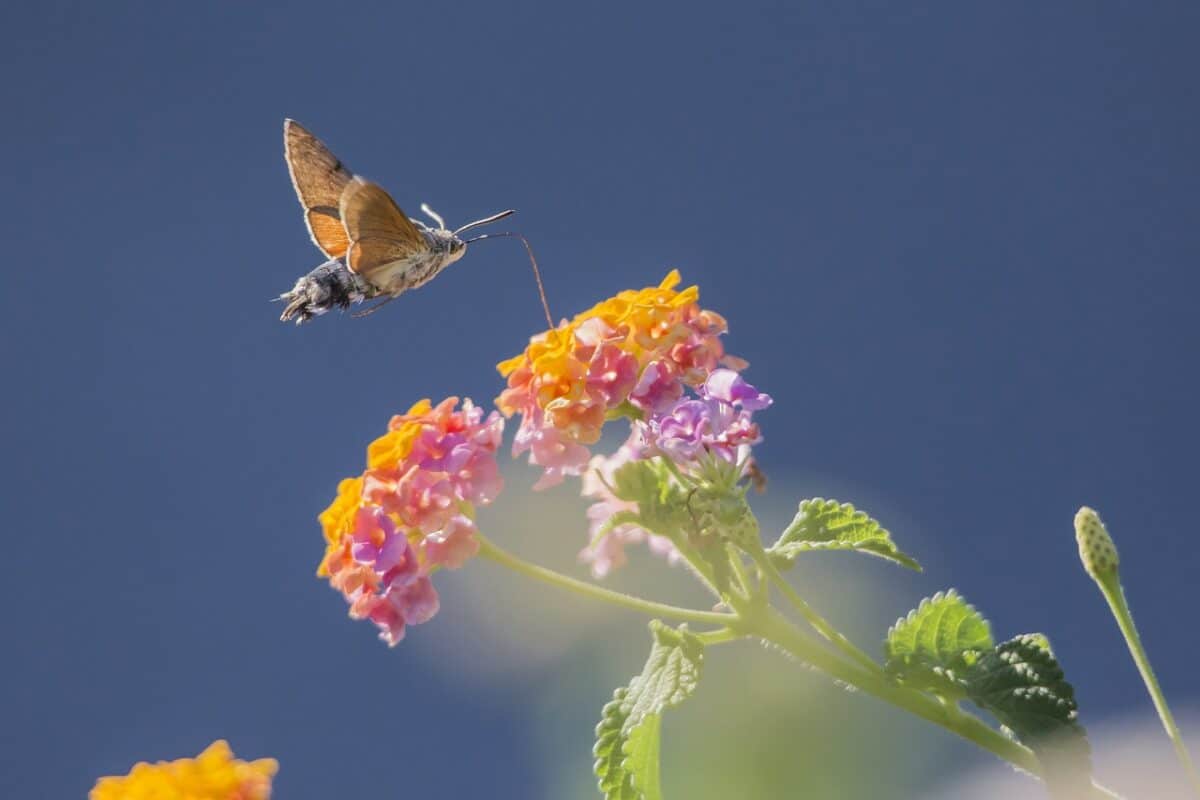
Scientific research on snake-mimicking moths continues to yield fascinating insights. Recent studies using sophisticated imaging techniques have analyzed the optical properties of moth wing patterns, revealing how they create convincing three-dimensional illusions on flat wing surfaces. Behavioral ecologists are documenting the specific movements that enhance the mimicry, while evolutionary biologists use genetic analysis to understand how these complex adaptations evolved.
One exciting area of research involves “naïve” predator experiments, where researchers observe how predators that have never encountered venomous snakes respond to snake-mimicking moths. These studies help determine how much of the avoidance behavior is learned versus innate. Another frontier is the study of potential chemical mimicry, as some researchers suspect certain moth species may also mimic the scent of snakes, adding another dimension to their deceptive strategy. New species of snake-mimicking moths continue to be discovered, particularly in remote tropical regions, suggesting there are still many aspects of this remarkable adaptation waiting to be uncovered.
Conclusion: Nature’s Master Illusionists
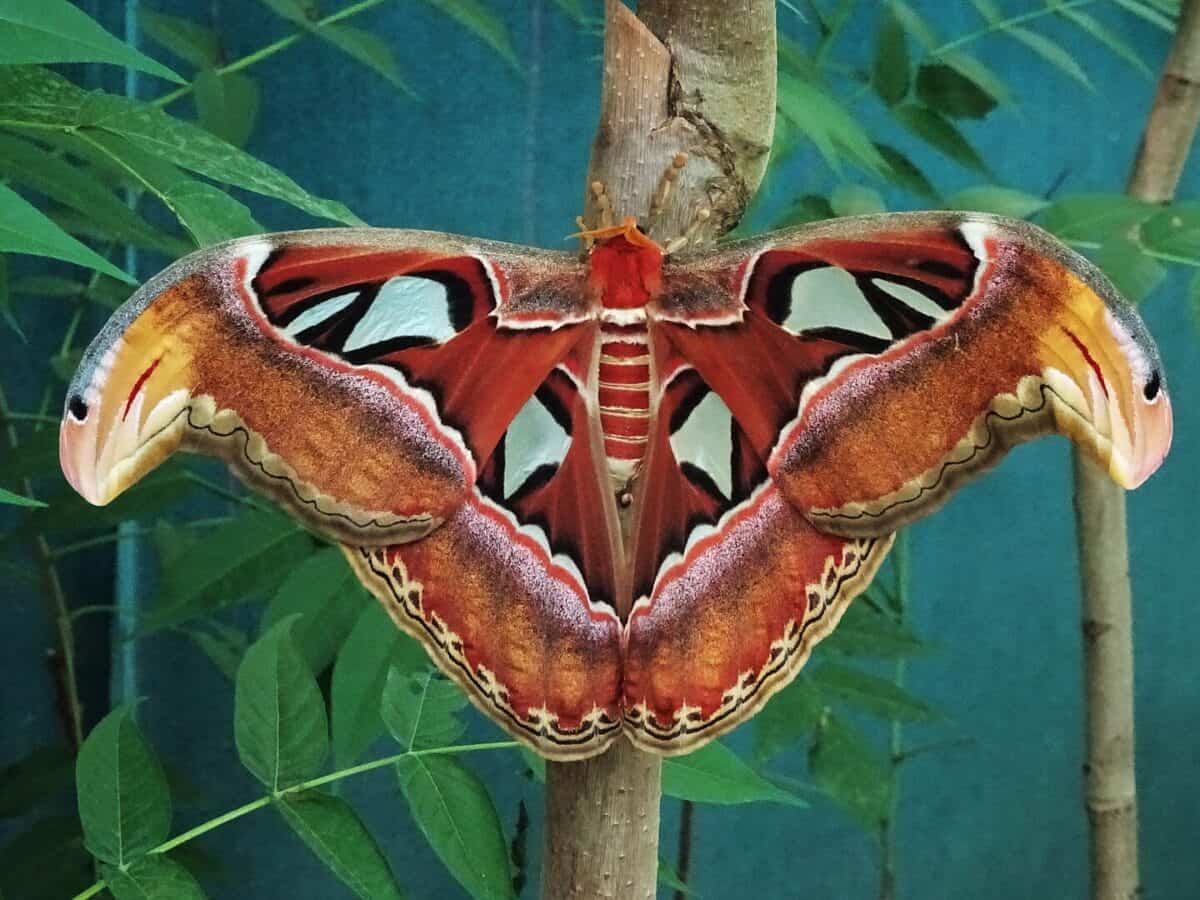
The snake-mimicking moths represent one of nature’s most spectacular evolutionary achievements, demonstrating the remarkable power of natural selection to shape living organisms in response to environmental pressures. These moths have developed not just a visual resemblance to feared predators, but complex behavioral adaptations that transform their mimicry from a static pattern to a convincing performance.
The fact that this adaptation has evolved independently multiple times across different moth families underscores its effectiveness as a survival strategy. As we continue to study these remarkable creatures, they provide valuable insights into evolutionary processes, predator-prey relationships, and the development of complex adaptations. The snake-mimicking moths stand as living testimony to the endless creativity of evolutionary processes and the extraordinary lengths to which organisms will go to survive in a world full of dangers.

From exploring the marine wonders in the Azores and witnessing the vast savannas of Kenya, to delving deep into the rich biodiversity of South Africa and traversing iconic landscapes in Australia and the US like Yellowstone, Chris's experiences are vast.
With a penchant for diving alongside sharks, the ocean holds a special place in his heart.
Through his academic insights, he champions wildlife conservation, striving with 'Animals Around The Globe' to cultivate a profound connection between humans and animals, enhancing our mutual appreciation.
Connect with him at Feedback@animalsaroundtheglobe.com.
- This Animal Can Change Color Faster Than a Chameleon - July 21, 2026
- Top 10 Animals and Wildlife in Hawaii - July 21, 2026
- Hollywood’s Wildest Star: California’s Famous Puma P-22 - July 21, 2026