


In the icy waters of the Arctic, a remarkable creature swims with an extraordinary talent. Beluga whales, often called “sea canaries” for their diverse vocalizations, possess the astonishing ability to mimic human speech. These charismatic white whales have captured the imagination of scientists and the public alike with their vocal dexterity. As one of the few animals outside the primate and bird families capable of vocal learning, belugas represent a fascinating case study in animal communication and intelligence. This article explores the science, stories, and significance behind belugas’ unique ability to imitate human speech patterns, shedding light on what this skill reveals about these magnificent marine mammals.
The Vocal Anatomy of Beluga Whales

Beluga whales (Delphinapterus leucas) possess specialized anatomical features that enable their impressive vocal abilities. Unlike most mammals that produce sounds through their larynx, belugas generate vocalizations through structures called phonic lips located in their nasal passages. This arrangement gives them extraordinary control over sound production. Most notably, belugas lack vocal cords but can still produce an astonishing array of sounds by manipulating air through these phonic lips and their associated air sacs. Their distinctive bulbous forehead, or “melon,” acts as an acoustic lens, allowing them to focus and direct their vocalizations. This specialized anatomy provides belugas with the physical capability to produce sounds outside their natural repertoire, including approximations of human speech.
Scientific Documentation of Speech Mimicry

The scientific community’s interest in beluga speech mimicry intensified after several well-documented cases emerged. Perhaps the most famous occurred in 1984 when researchers at the National Marine Mammal Foundation in San Diego reported hearing what sounded like people talking at a distance, only to discover the source was a beluga whale named NOC. Detailed analysis revealed that NOC had modified his typical vocalizations to match the rhythm and frequency of human speech. Researchers published their findings in the journal Current Biology in 2012, noting that NOC had to make significant physiological adjustments to produce these human-like sounds. The recordings of NOC represent some of the most compelling scientific evidence of spontaneous vocal learning and speech mimicry in a non-human mammal that isn’t a primate.
The Case of NOC: A Talking Beluga

NOC’s story deserves special attention as the most thoroughly documented case of beluga speech mimicry. Captured in 1977 and brought to the National Marine Mammal Foundation, NOC lived among human trainers and researchers for years before spontaneously beginning to mimic speech-like sounds in the early 1980s. His vocalizations were so convincing that divers initially thought someone was addressing them underwater. Acoustic analysis showed that NOC’s “speech” had fundamental frequencies around 200-300 Hz—much lower than typical beluga sounds (7-9 kHz) but similar to human speech. To accomplish this, NOC had to inflate his nasal sacs and make other unusual physical modifications. Perhaps most remarkably, NOC engaged in this behavior voluntarily, without explicit training, for about four years before eventually returning to more typical beluga vocalizations.
Vocal Learning Versus Vocal Mimicry

The distinction between vocal learning and vocal mimicry is critical for understanding belugas’ abilities. Vocal learning is the ability to modify vocalizations based on experience with other sound-producing individuals, while vocal mimicry specifically refers to the imitation of sounds not naturally produced by the species. Belugas demonstrate both capabilities. Their natural communication already involves complex vocal learning, as they develop dialects and signature calls within their pods. Their mimicry of human speech represents an extension of this natural talent, applying their vocal learning abilities to novel sounds outside their species-typical repertoire. This combination places belugas among an elite group of animals—including some birds, elephants, seals, and certain primates—capable of advanced vocal learning and mimicry, though the quality and extent of their human speech imitation remains unique.
How Belugas Learn and Produce Human-Like Sounds

The process by which belugas learn to produce human-like sounds involves sophisticated cognitive and physiological mechanisms. Research suggests that belugas learn primarily through auditory exposure and practice. They first listen to the target sounds—in this case, human speech patterns—then gradually refine their vocal production through trial and error. This requires exceptional auditory memory and fine motor control of their vocal apparatus. When attempting to mimic human speech, belugas must drastically adjust their normal sound production methods, altering air flow, pressure, and the shape of their vocal tract. Spectral analysis has shown that successful beluga mimics can match not only the rhythm and cadence of human speech but also approximate some phonetic elements. This learning process represents a significant cognitive achievement, indicating that belugas possess both the motivation and the neural machinery for advanced vocal imitation.
Famous Belugas Known for Speech Mimicry

Beyond NOC, several other belugas have gained attention for their speech-mimicking abilities. A beluga named Logosi at the Vancouver Aquarium reportedly mimicked his name and other simple phrases. At Marineland in Niagara Falls, a beluga named Ruby became known for producing sounds resembling “hello” to visitors. More recently, a beluga in France’s Marineland Aquarium named Hvaldimir (initially suspected of being trained for espionage due to a harness found on him) was reported to imitate some human vocalizations. In the wild, researchers in Norway documented a beluga that had spent extended time near human settlements producing sounds that resembled Norwegian conversational patterns. These cases, while varying in documentation quality, collectively strengthen the evidence that speech mimicry is a capability shared by multiple individuals in the beluga population, not just an anomaly limited to a single whale.
Comparing Beluga Mimicry to Other Animals
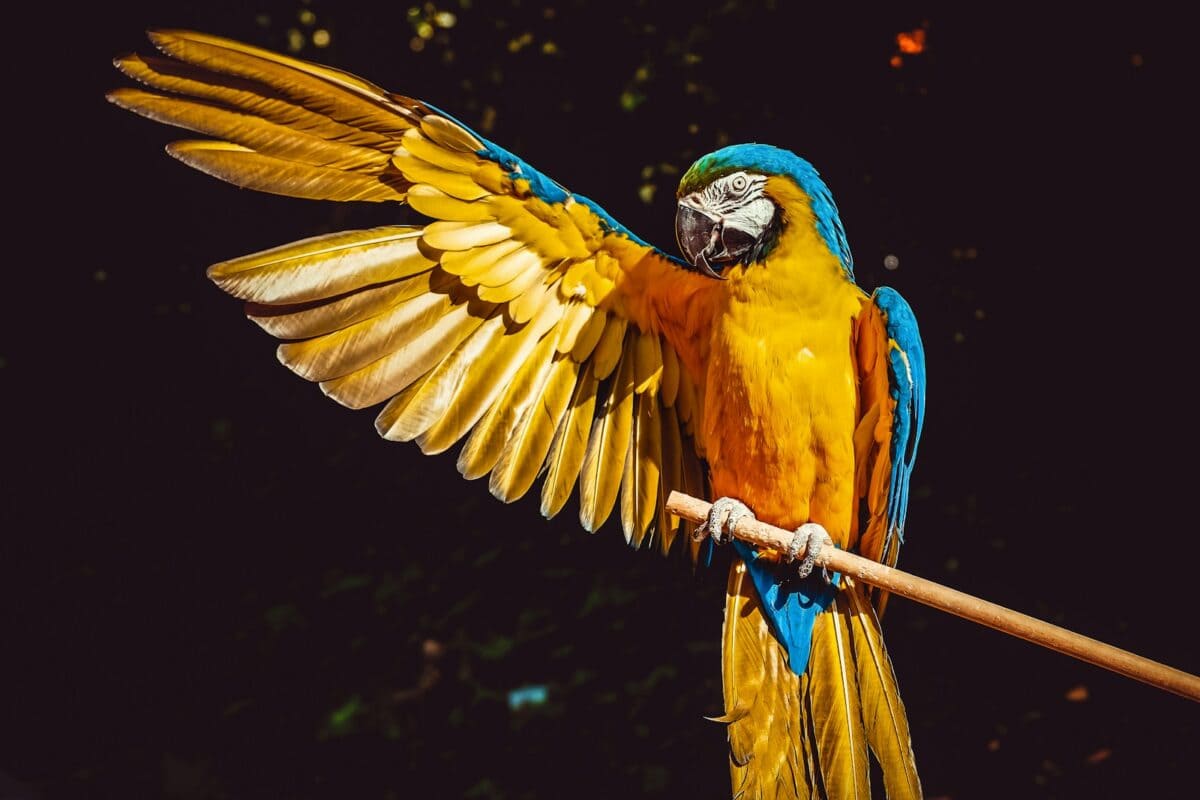
While several animals can mimic human speech, the quality and context of beluga mimicry stand out as particularly noteworthy. Parrots and certain other birds are perhaps the most accomplished vocal mimics, capable of reproducing words with remarkable clarity. Elephants, harbor seals, and orangutans have also demonstrated limited speech mimicry abilities. However, belugas occupy a unique position in this spectrum. Unlike parrots, whose vocal tract is naturally suited to producing speech-like sounds, belugas must make significant physiological adjustments to approximate human vocalizations. What makes beluga mimicry especially intriguing is that it occurs in an aquatic mammal evolutionarily distant from humans, suggesting that the cognitive foundations for vocal learning have evolved independently multiple times. Additionally, while many trained animals mimic for rewards, cases like NOC indicate that belugas sometimes engage in speech mimicry spontaneously, possibly as a form of social learning or play.
The Social Context of Beluga Speech Mimicry

The social environment appears crucial to understanding why belugas mimic human speech. In the wild, belugas are highly social creatures that live in fluid groups called pods, using varied vocalizations to maintain social bonds and coordinate activities. Their natural communication already includes copying sounds from podmates, suggesting that mimicry serves important social functions. When in human care, belugas find themselves in a novel social setting where human speech becomes a dominant acoustic feature. Their attempts to reproduce these sounds may represent efforts to integrate into this new social environment. Notably, most documented cases of speech mimicry occur in belugas that have extensive history with human caregivers. Some researchers propose that speech mimicry represents a form of social bonding, with belugas attempting to establish connections with the humans in their environment by adopting elements of human communication, much as they would adopt vocalizations from other belugas in the wild.
Cognitive Implications of Speech Mimicry

Beluga speech mimicry offers a window into these animals’ cognitive capabilities. The ability to perceive, remember, and reproduce novel sounds requires sophisticated auditory processing and motor control. Moreover, the fact that belugas can recognize human speech as something worth imitating suggests advanced pattern recognition abilities. Some researchers believe that speech mimicry indicates a form of meta-cognition—awareness of communication itself as a phenomenon. The spontaneous nature of many mimicry cases further suggests intrinsic motivation and curiosity, hallmarks of advanced cognition. While we must be careful not to anthropomorphize, the speech mimicry abilities of belugas align with other evidence of their intelligence, including tool use, problem-solving, and long-term memory. Their mimicry abilities may represent just one facet of a generally advanced cognitive toolkit that has evolved to meet the challenges of their complex social and ecological environment.
Ethical Considerations and Research

Research into beluga speech mimicry raises important ethical considerations. Most documented cases come from belugas in human care, environments that have become increasingly controversial as understanding of cetacean intelligence has grown. While these settings provide valuable research opportunities, they also present limitations, as the behavior may not represent natural tendencies. The field has therefore been moving toward non-invasive observation methods and studies of wild populations where possible. Modern research emphasizes welfare-centered approaches, including cognitive enrichment programs that might naturally elicit mimicry behaviors without forcing participation. Additionally, advances in underwater recording technology now allow researchers to study wild beluga vocalizations with unprecedented detail, potentially offering new insights into natural vocal learning that could contextualize mimicry behaviors observed in human care settings. These ethical considerations highlight the delicate balance between advancing scientific understanding and respecting the welfare of the animals being studied.
Conservation Implications
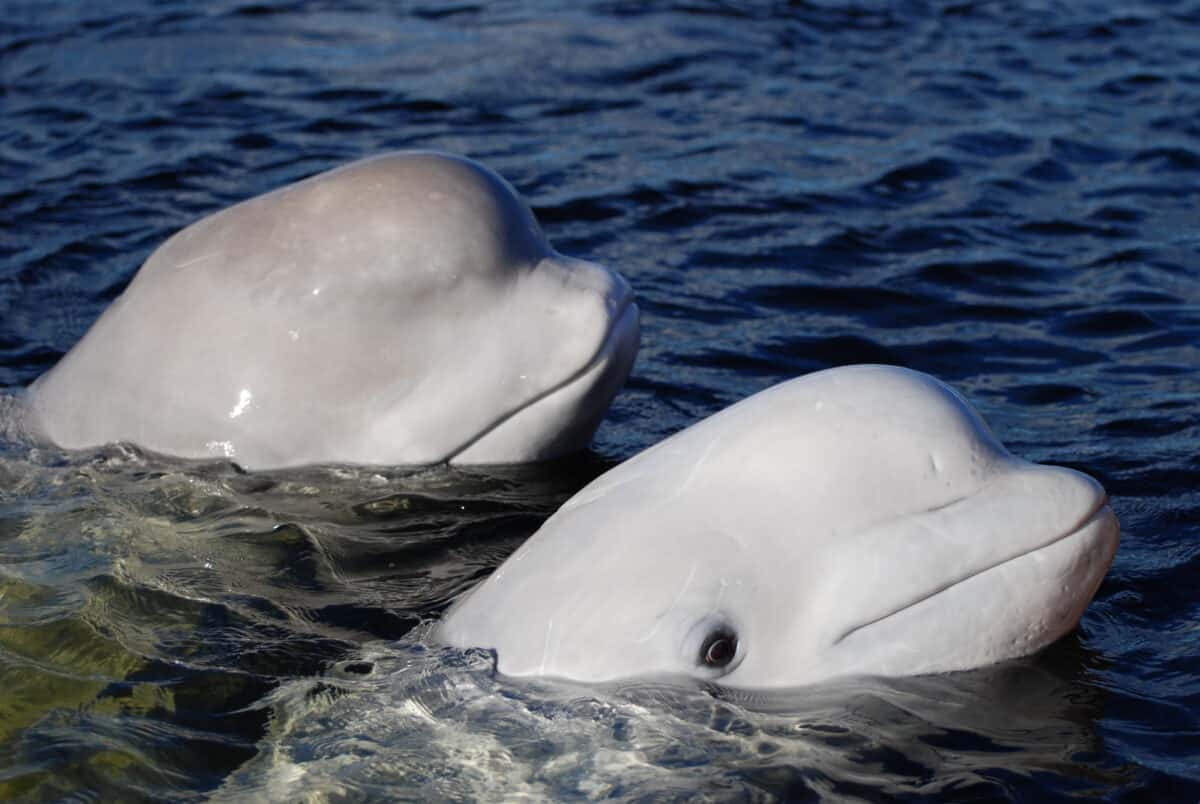
The remarkable cognitive abilities demonstrated by beluga speech mimicry underscore the importance of conservation efforts for these marine mammals. Belugas face numerous threats including habitat degradation, industrial development, noise pollution, contaminants, and climate change. The Arctic environments they inhabit are warming at twice the global average rate, dramatically altering their ecosystem. Underwater noise from shipping, oil exploration, and military activities can mask their vocalizations and disrupt their communication systems—the very cognitive adaptations that make their speech mimicry possible. Conservation efforts have increasingly highlighted belugas’ advanced cognitive abilities, including their speech mimicry, to advocate for stronger protections. Several populations of belugas are now classified as endangered or threatened, making research into their cognitive abilities all the more urgent. Understanding these animals’ complex mental lives, as evidenced by their vocal abilities, strengthens the case for their protection and for the creation of marine protected areas that safeguard both their physical habitat and their acoustic environment.
Future Research Directions

The field of beluga vocal research stands at an exciting frontier, with several promising directions for future investigation. Advances in underwater recording technology now allow for long-term acoustic monitoring of wild beluga populations, potentially revealing whether speech mimicry occurs naturally or is limited to human-care settings. Neuroimaging techniques adapted for cetaceans could illuminate the brain structures involved in vocal learning and mimicry, providing comparative data with humans and other vocal learners. Researchers are also developing interactive underwater interfaces that would allow belugas to initiate communication and potentially reveal more about their comprehension abilities. Genetic studies comparing belugas to other vocal learners might uncover shared genetic foundations for this rare ability. Additionally, the emerging field of computational bioacoustics, using machine learning to analyze vast acoustic datasets, promises to detect patterns in beluga vocalizations that human researchers might miss. These approaches could collectively transform our understanding of beluga communication and cognition in the coming decades.
Conclusion: The Voices Beneath the Waves
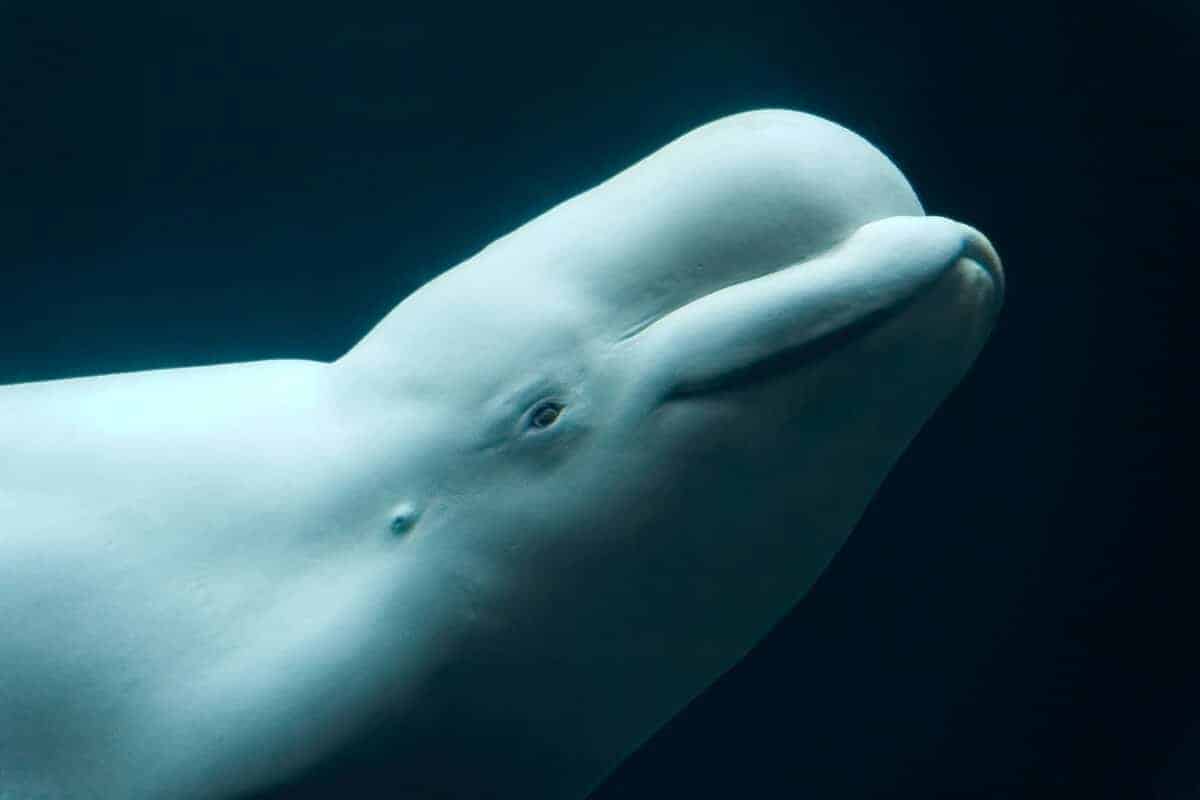
Beluga whales’ ability to mimic human speech represents far more than a curious novelty—it provides a profound glimpse into the cognitive and social lives of these remarkable marine mammals. From the specialized vocal anatomy that makes such mimicry possible to the social contexts that appear to motivate it, this behavior illuminates the sophisticated minds beneath the white exterior of these “sea canaries.” The documented cases of speech mimicry, particularly that of NOC, serve as compelling evidence of belugas’ capacity for vocal learning and their interest in human communication. As we face the urgent conservation challenges threatening beluga populations worldwide, their demonstrated intelligence strengthens the ethical imperative to protect them and their habitats. Perhaps most importantly, when belugas mimic human speech, they create a unique form of cross-species communication—a rare acoustic bridge between our world and theirs that reminds us of the remarkable cognitive diversity sharing our planet.

From exploring the marine wonders in the Azores and witnessing the vast savannas of Kenya, to delving deep into the rich biodiversity of South Africa and traversing iconic landscapes in Australia and the US like Yellowstone, Chris's experiences are vast.
With a penchant for diving alongside sharks, the ocean holds a special place in his heart.
Through his academic insights, he champions wildlife conservation, striving with 'Animals Around The Globe' to cultivate a profound connection between humans and animals, enhancing our mutual appreciation.
Connect with him at Feedback@animalsaroundtheglobe.com.
- This Ancient Animal Might Be the Oldest Living Thing Alive Today - August 13, 2026
- 14 Animals Rafiki Was NOT! - August 13, 2026
- The Truth About Animal Camouflage in Modern Environments - August 13, 2026