
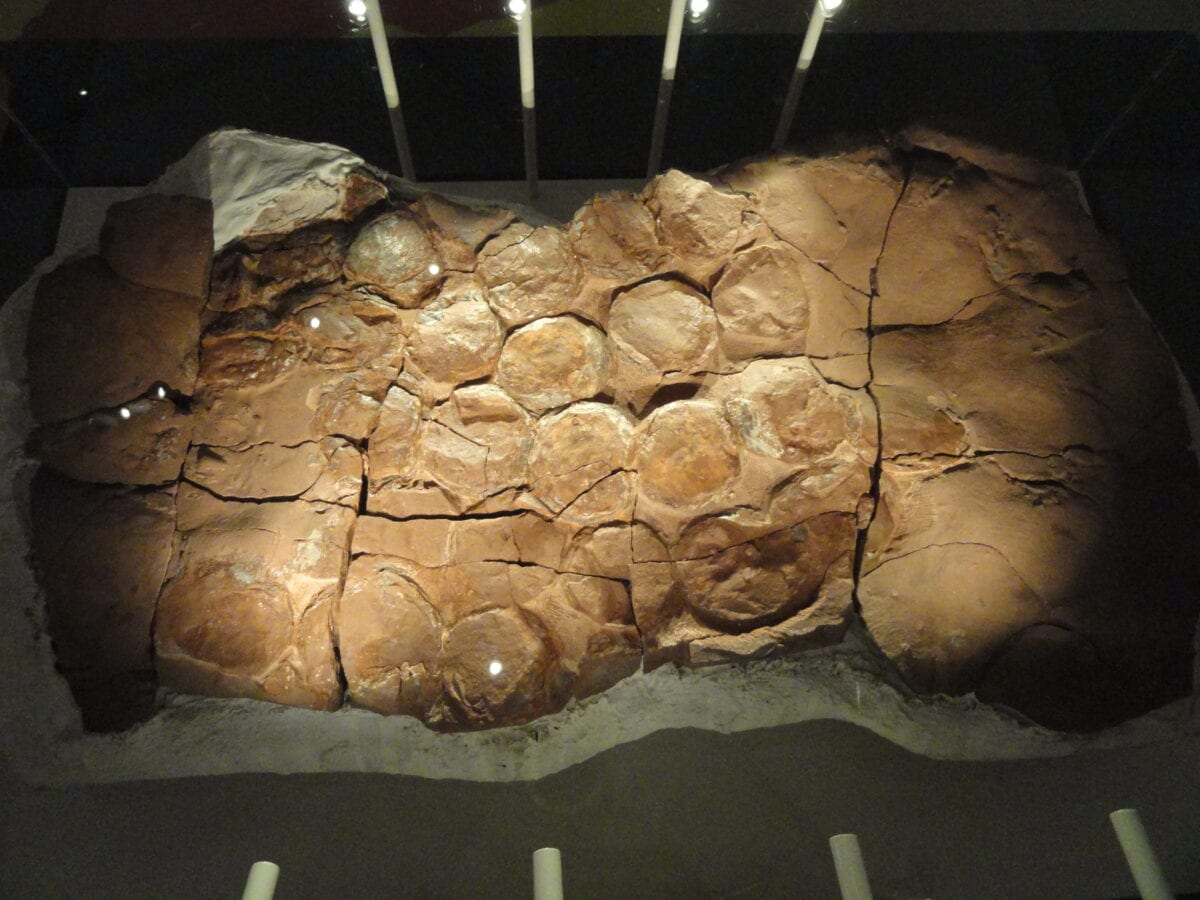
In a remarkable paleontological discovery that has excited dinosaur enthusiasts worldwide, scientists recently uncovered a pristine dinosaur nest in the rugged terrain of Utah. This extraordinary find offers unprecedented insights into the reproductive behaviors and family dynamics of dinosaurs that roamed North America approximately 75 million years ago. The nest, containing multiple eggs and embryonic remains, was discovered in the Grand Staircase-Escalante National Monument, a region renowned for its rich fossil deposits from the Late Cretaceous period. The exceptional preservation of this nest provides paleontologists with a rare window into the ancient past, offering clues about parental care among dinosaurs and contributing valuable information to our understanding of dinosaur evolution and extinction.
The Discovery: Location and Circumstances
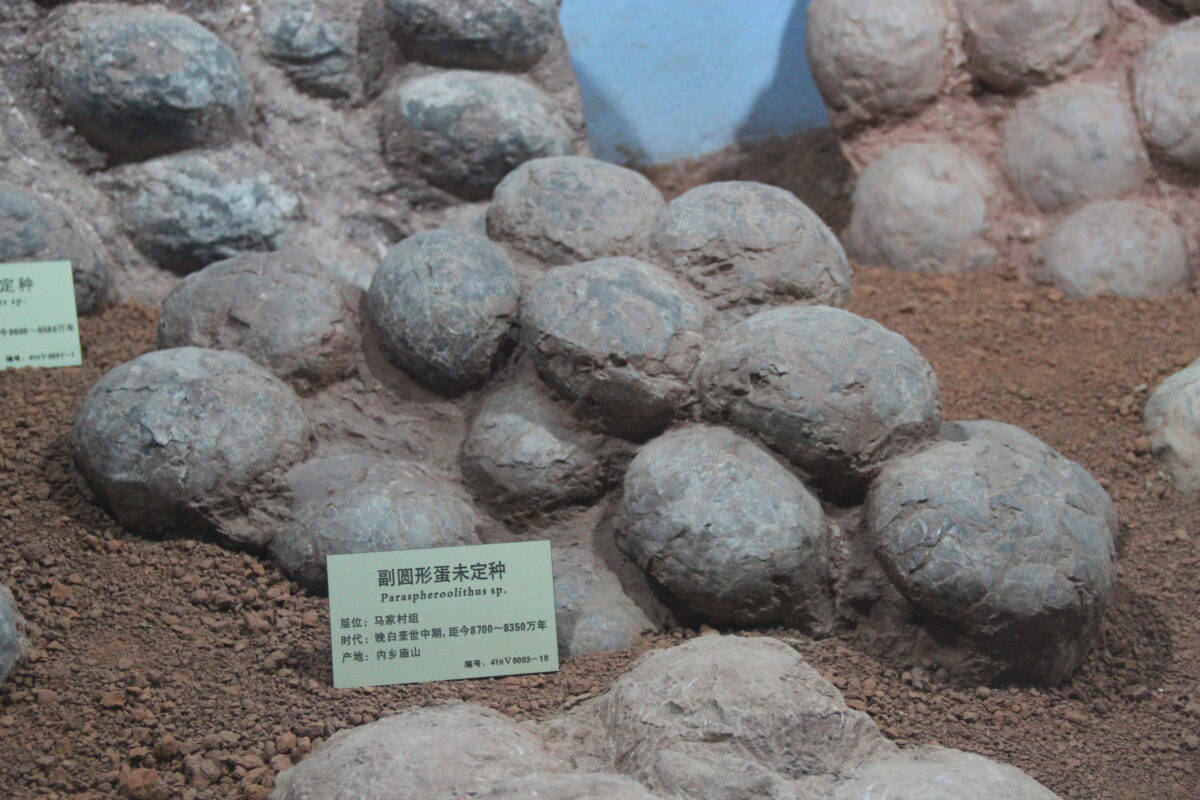
The dinosaur nest was uncovered in the southern region of Utah, specifically within the Kaiparowits Formation of Grand Staircase-Escalante National Monument. This geological formation is known for its remarkably preserved Late Cretaceous ecosystem. The discovery occurred during a routine geological survey conducted by researchers from the Natural History Museum of Utah in collaboration with paleontologists from several universities. The team initially spotted fragments of eggshell eroding from a sandstone outcrop, which prompted a careful excavation of the site. What made this discovery particularly significant was the completeness of the nest structure and the presence of multiple intact eggs arranged in a circular pattern. The remote location, challenging terrain, and arid climate of southern Utah contributed to the exceptional preservation of this 75-million-year-old dinosaur nursery.
Type of Dinosaur Identified
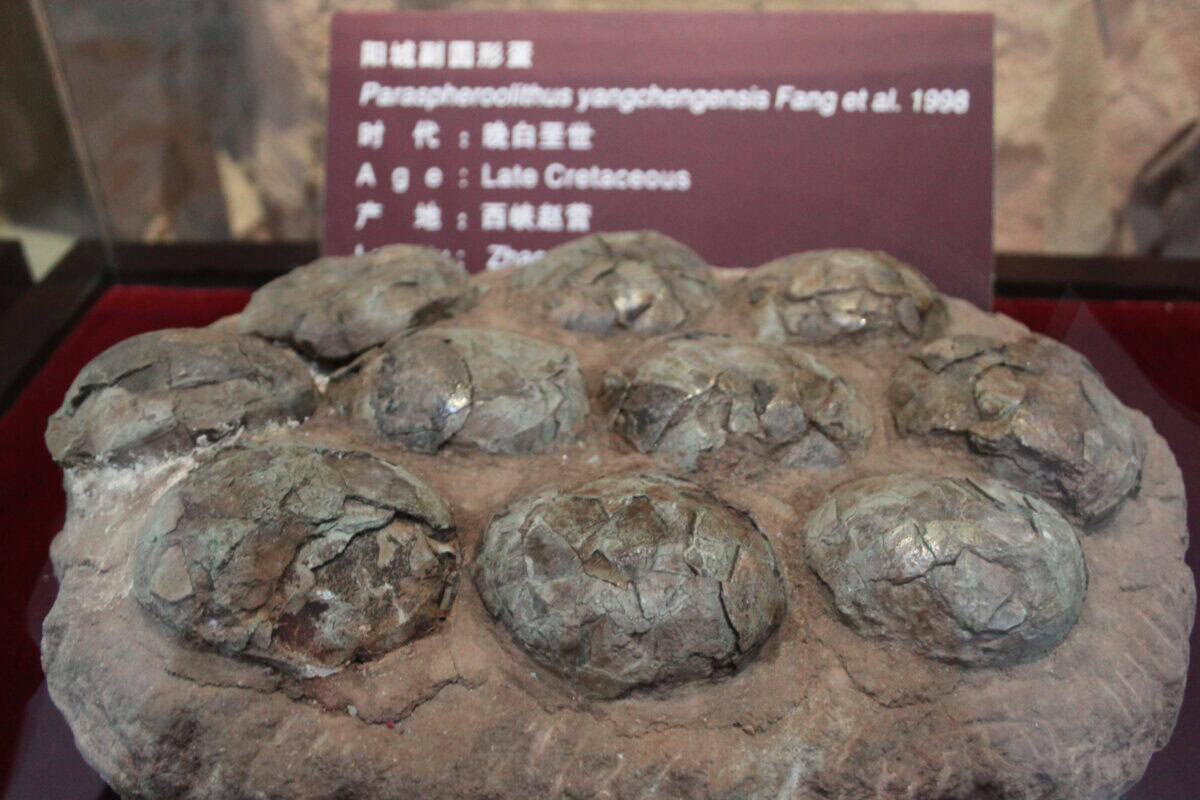
After careful analysis of the eggshell microstructure, nest arrangement, and embryonic remains, paleontologists identified the nest as belonging to a hadrosaur, specifically a duck-billed dinosaur from the Parasaurolophus genus. These herbivorous dinosaurs were common during the Late Cretaceous period across North America. Parasaurolophus is particularly recognized for its distinctive curved, tubular crest extending from the back of its head, which likely served as a resonating chamber for communication. The identification was confirmed through comparison with previously discovered hadrosaur nests and through microscopic examination of embryonic bone fragments found within several of the eggs. This finding is particularly valuable because it adds to the relatively sparse fossil record of Parasaurolophus nesting sites, providing new information about the reproductive strategies of these fascinating dinosaurs.
Egg Characteristics and Nest Structure
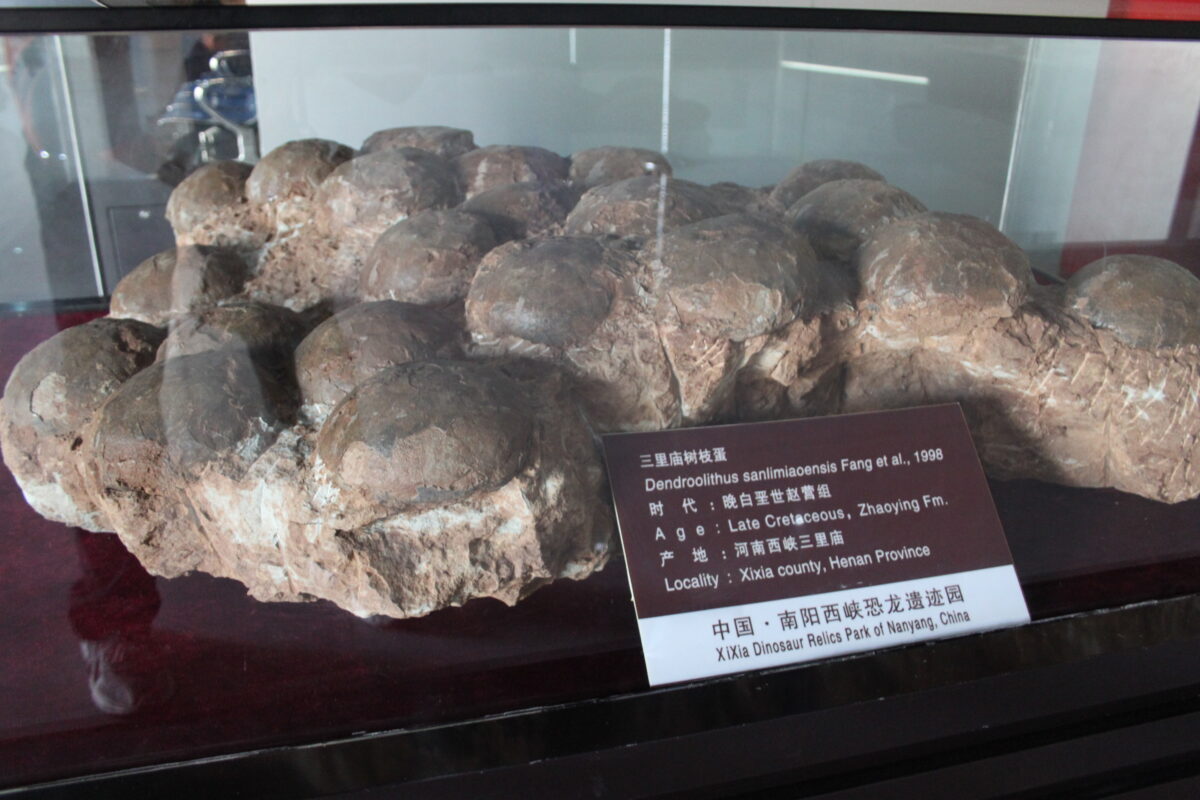
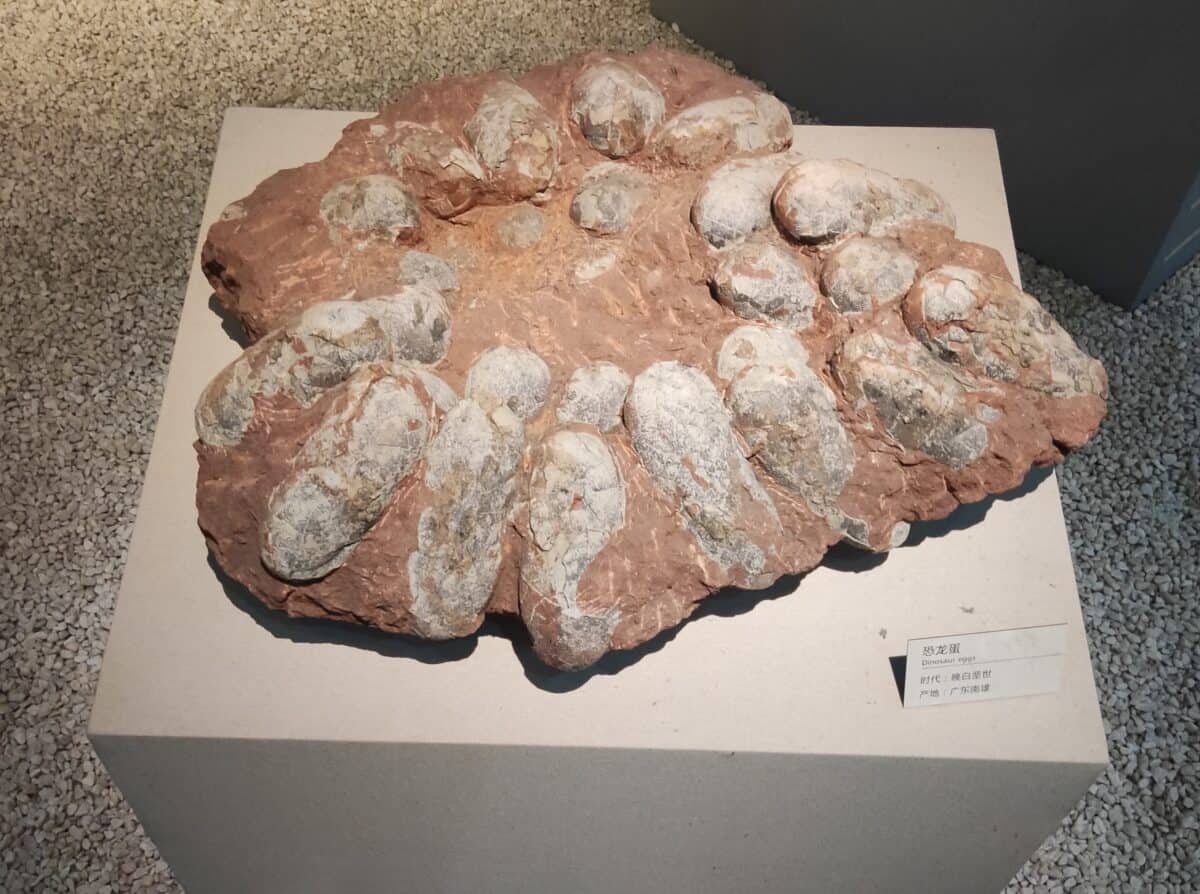
The Utah dinosaur nest contained thirteen eggs arranged in a circular pattern spanning approximately 2.5 meters in diameter. Each egg measured roughly 20 centimeters in length with a slightly oval shape and textured exterior. The eggs featured a unique porous shell structure that allowed gas exchange for the developing embryos while maintaining structural integrity. The nest itself was constructed in a shallow depression in the ground, with evidence suggesting that the parent dinosaur had gathered plant material to form a protective ring around the eggs. Interestingly, the eggs were positioned with their narrower ends pointing toward the center of the nest, a pattern observed in other hadrosaur nests and in some modern birds. This arrangement likely maximized heat retention and protection, suggesting sophisticated nesting behavior. The preserved soil beneath the nest contained traces of organic material, indicating that the nest environment may have been warm and humid, similar to many modern reptile nesting grounds.
Age and Time Period of the Find
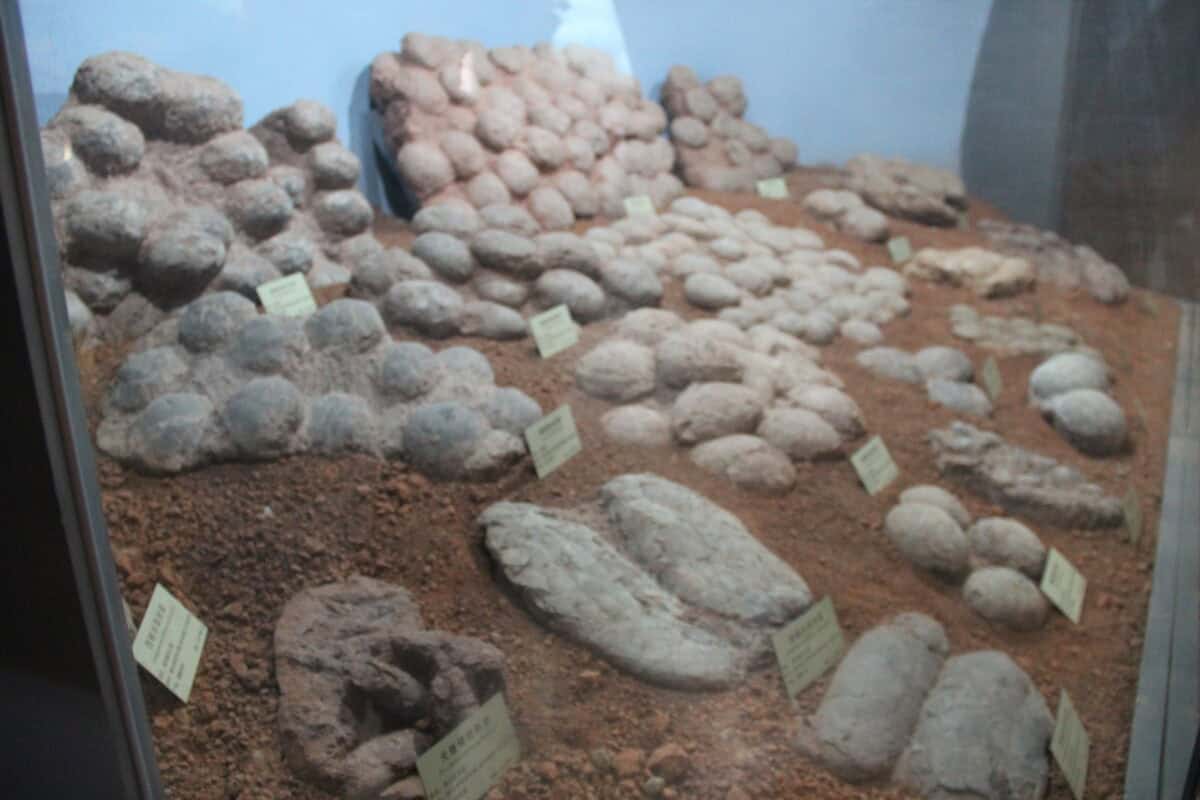
Radiometric dating of the surrounding rock layers places the dinosaur nest at approximately 75.5 million years old, situating it firmly in the Campanian stage of the Late Cretaceous period. This was a time when North America was divided by the Western Interior Seaway, with Utah forming part of an island continent called Laramidia. The climate during this period was considerably warmer than today, with subtropical conditions extending much further north than in our current era. The Campanian stage was characterized by high dinosaur diversity across multiple ecosystems, making it a particularly significant time period for understanding dinosaur evolution and adaptation. This specific time frame places the nest just prior to the major extinction event that would eventually eliminate non-avian dinosaurs approximately 66 million years ago, providing valuable context for understanding late dinosaur reproductive strategies before their ultimate disappearance.
Embryonic Remains and Development
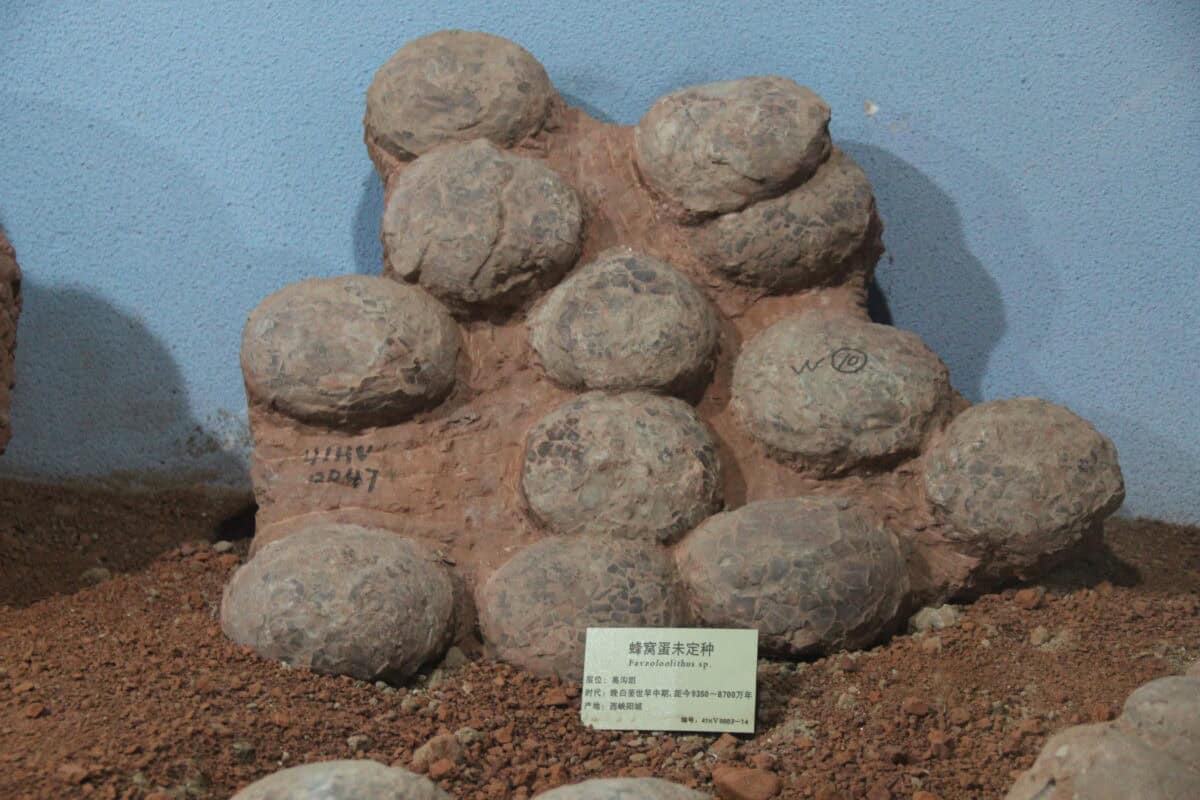
Among the thirteen eggs discovered in the Utah nest, five contained partial embryonic remains, offering an unprecedented look at dinosaur development. These embryos were at different stages of development, suggesting that the eggs were laid over a period of days rather than all at once – a behavior seen in some modern reptiles. The most complete embryo revealed remarkably preserved features, including a partially formed skull, vertebral column, and limb bones. Microscopic analysis of the bone structure indicated that these baby dinosaurs were probably weeks away from hatching when they were preserved. Of particular interest to paleontologists was evidence of developing tooth structures, which suggests these dinosaurs were capable of feeding themselves shortly after hatching. Additionally, the relative development of the leg bones compared to other skeletal elements points to precocial behavior – meaning the hatchlings would likely have been mobile and somewhat independent soon after emerging from their eggs, similar to many modern ground-nesting birds.
Preservation Conditions and Taphonomy
The exceptional preservation of the Utah dinosaur nest can be attributed to a series of fortunate taphonomic conditions – the processes affecting remains after death and during fossilization. Evidence suggests that the nest was quickly buried by sediment, possibly during a flash flooding event common in the ancient riverine environment of Cretaceous Utah. This rapid burial protected the eggs from scavengers and extensive weathering. The sediment surrounding the nest consisted primarily of fine-grained sandstone with low acidity, creating ideal conditions for preserving delicate eggshell structures and embryonic bones. Mineral-rich groundwater subsequently permeated the buried remains, replacing organic materials with minerals through permineralization, essentially turning the biological remains to stone while maintaining their structural integrity. The region’s subsequent geological stability, with minimal tectonic activity, helped ensure the nest remained largely undisturbed for 75 million years until its recent discovery. These extraordinary preservation conditions provide paleontologists with rare, three-dimensional fossil material rather than the flattened specimens typically found.
Parental Care Evidence
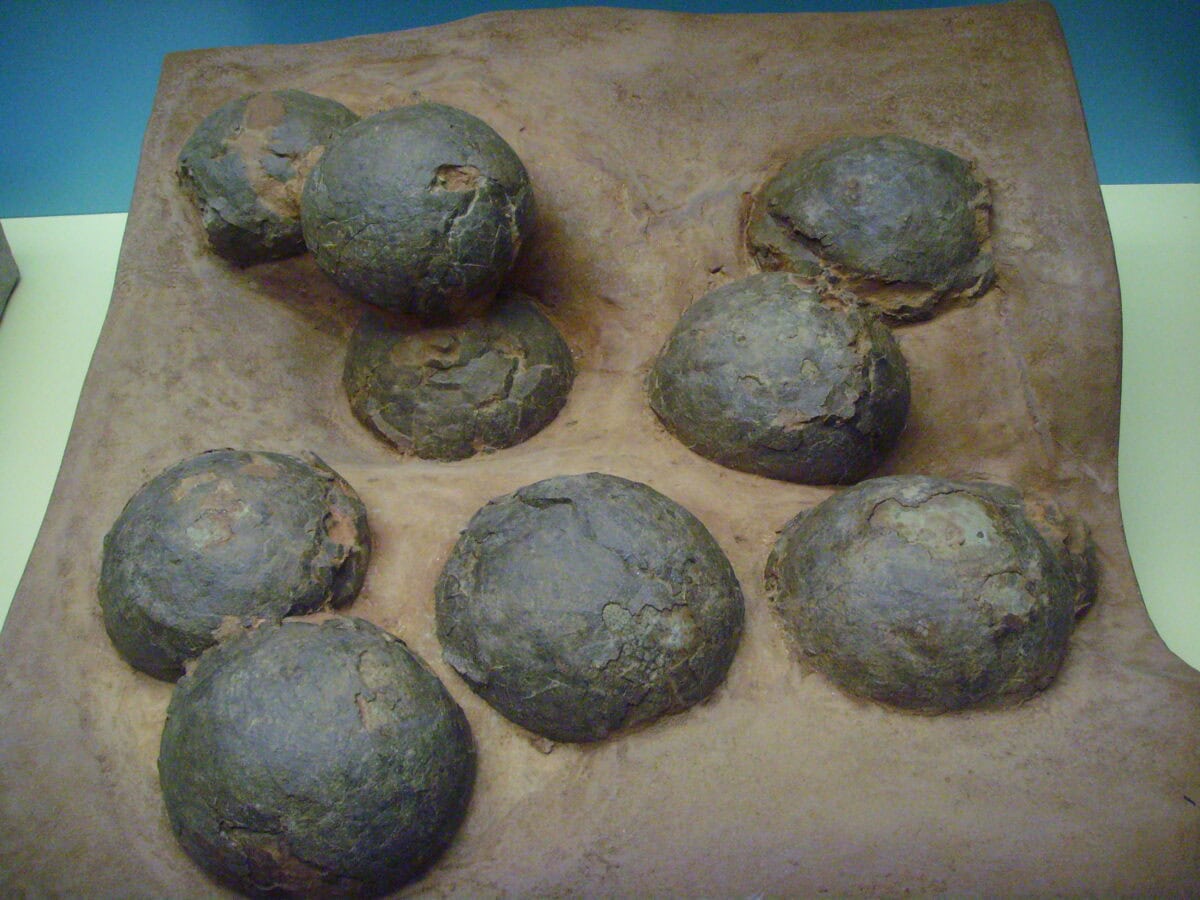
One of the most significant aspects of the Utah dinosaur nest discovery is the evidence it provides regarding parental care among hadrosaurs. The carefully constructed nest with its organized egg arrangement suggests deliberate parental behavior rather than simple egg dumping seen in some reptiles. Surrounding the nest, researchers identified preserved footprints of an adult Parasaurolophus, with multiple overlapping tracks indicating repeated visits to the site. This suggests the parent dinosaur regularly returned to the nest, possibly to protect the eggs or adjust their position – a behavior observed in modern crocodilians and birds. Further evidence comes from microscopic analysis of the sediment directly above the eggs, which contained traces of plant material that may have been used to cover the nest for insulation or camouflage. Additionally, the presence of partially decomposed vegetation within the nest structure indicates possible active nest maintenance. These findings collectively challenge earlier notions that dinosaurs abandoned their eggs after laying them, instead pointing to complex parental behaviors more similar to those of modern birds than reptiles.
Comparison to Other Dinosaur Nests
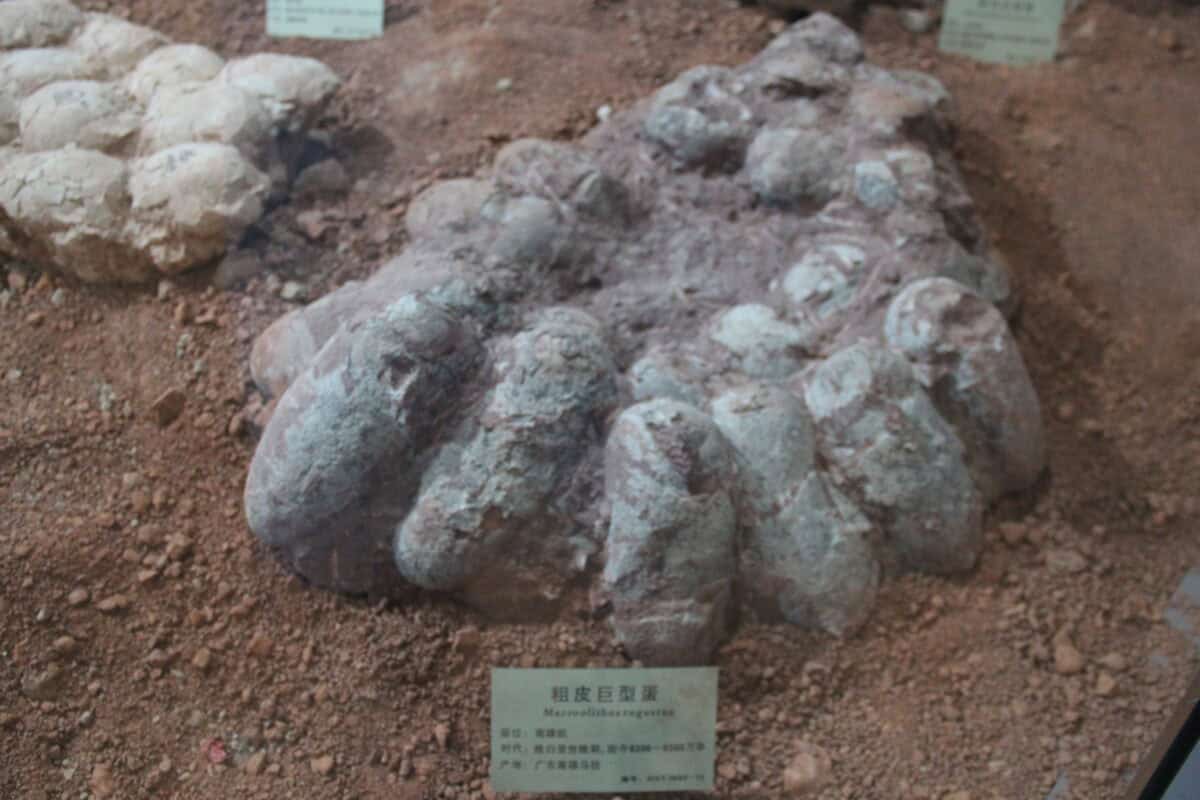
The Utah hadrosaur nest discovery joins a growing but still relatively rare collection of documented dinosaur nesting sites worldwide. Compared to the famous nesting grounds of Maiasaura in Montana (another hadrosaur), the Utah nest shows similar circular arrangement but contains fewer eggs, suggesting potential species-specific variations in clutch size. Unlike the colonial nesting behavior observed in Argentina’s titanosaur sauropod sites, where hundreds of nests were found in close proximity, the Utah nest appears to have been relatively isolated, potentially indicating different social structures among hadrosaur species. The egg morphology closely resembles those found in Alberta, Canada, supporting the theory of a continuous hadrosaur population throughout western North America during the Late Cretaceous. However, the Utah nest shows superior preservation of embryonic remains compared to many other sites. Interestingly, the nest architecture bears some resemblance to those of modern ground-nesting birds like ostriches, reinforcing the evolutionary connection between dinosaurs and birds. This comparative context places the Utah discovery as one of the most informative hadrosaur nesting sites yet found in North America, offering exceptional detail about a specific dinosaur species’ reproductive strategy.
Paleoenvironmental Insights
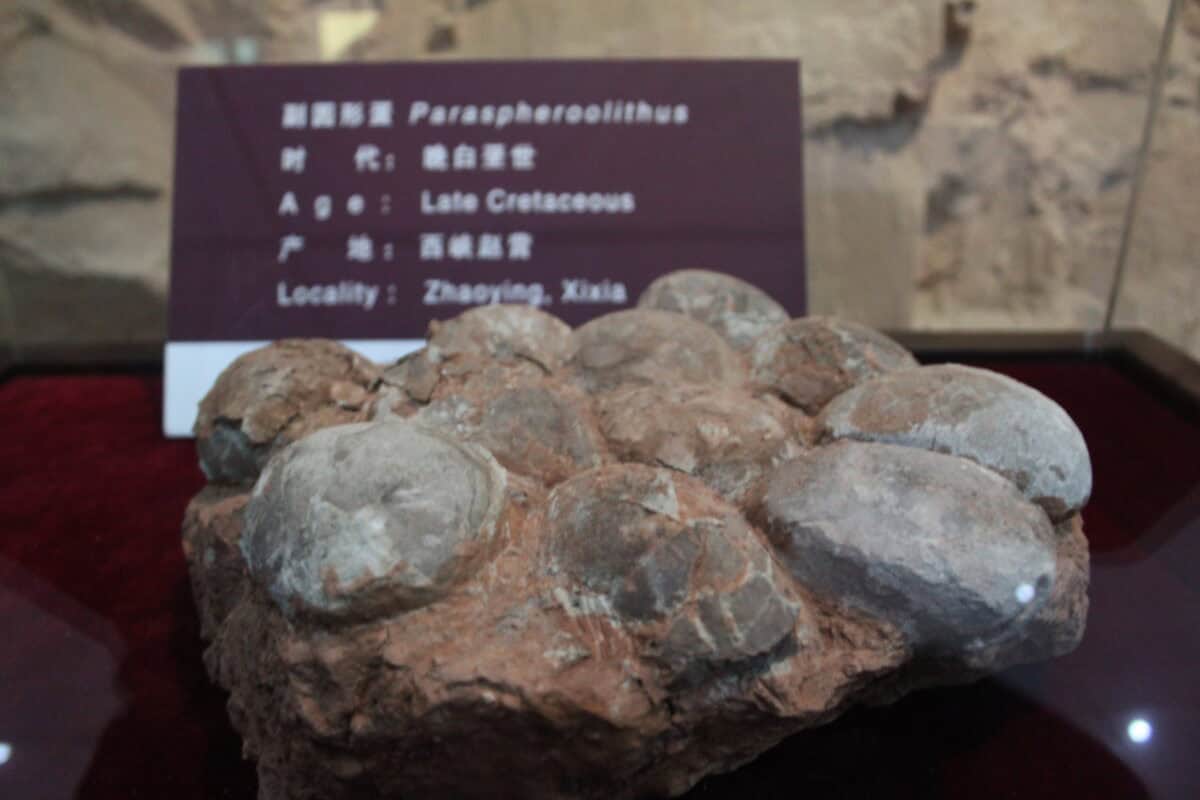
The Utah dinosaur nest provides valuable clues about the paleoenvironment of western North America during the Late Cretaceous period. Analysis of the surrounding sedimentary rock indicates that the nesting site was situated on a well-drained floodplain near a meandering river system, with nearby higher ground that likely provided protection from seasonal flooding. Fossilized plant remains found in the same rock layer reveal a diverse ecosystem dominated by flowering plants, ferns, and conifers, creating a mosaic of open areas and forests. Pollen samples extracted from the nest sediment suggest a warm, humid climate with seasonal rainfall patterns. The presence of multiple dinosaur species in the same formation, including predatory theropods and other herbivores, indicates a complex ecosystem with established food webs. Carbon isotope analysis of organic material preserved at the site points to C3 plant dominance, typical of forest environments rather than grasslands (which wouldn’t evolve until later). These environmental indicators collectively suggest that Parasaurolophus selected specific microhabitats for nesting that offered both protection from predators and optimal conditions for egg incubation, demonstrating sophisticated reproductive strategies adapted to their local environment.
Scientific Methods Used in the Analysis
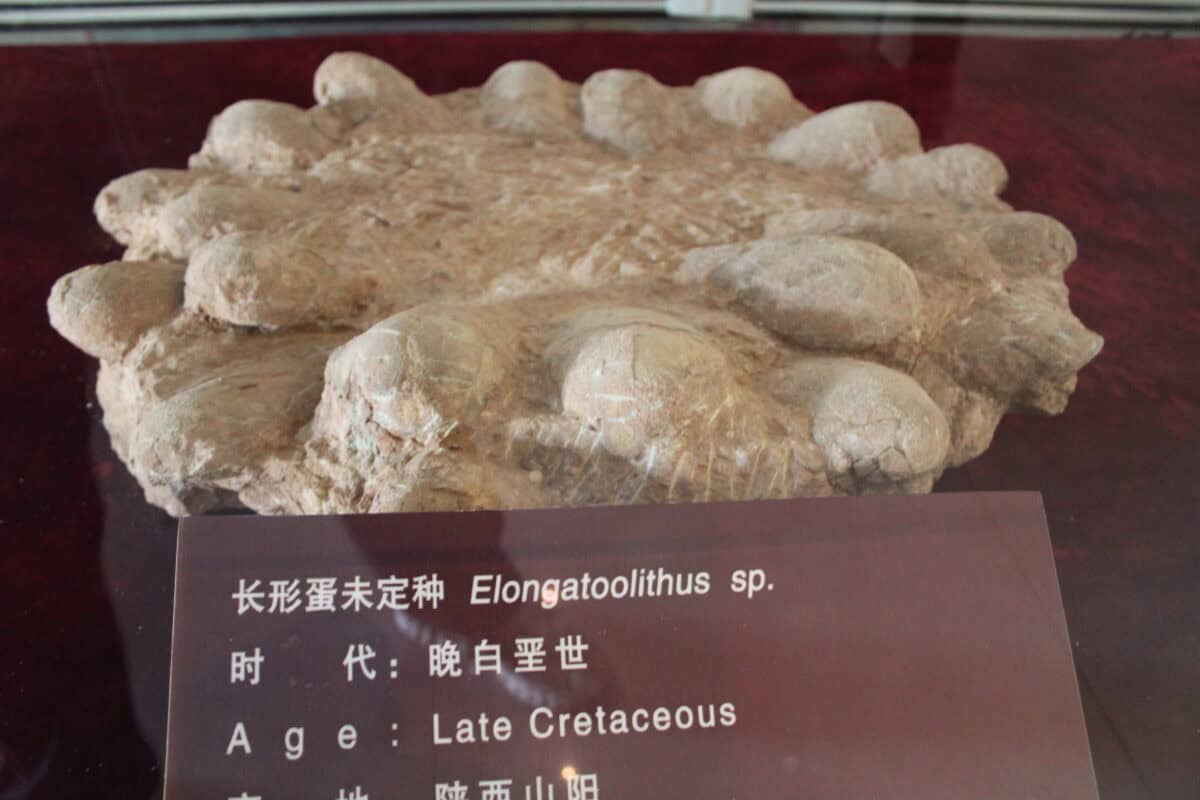
The comprehensive analysis of the Utah dinosaur nest employed cutting-edge scientific techniques from multiple disciplines. Initial site documentation used photogrammetry to create detailed 3D models of the nest in situ before careful excavation. Once removed, CT scanning of the intact eggs revealed embryonic structures without damaging the specimens, allowing researchers to visualize the internal contents and development stages of the unhatched dinosaurs. Scanning electron microscopy (SEM) was utilized to examine eggshell microstructure at nanometer resolution, providing insights into gas exchange capabilities and shell formation. For dating purposes, radiometric analysis of volcanic ash layers above and below the nest established a precise age range. Stable isotope analysis of the eggshells themselves offered clues about the mother dinosaur’s diet and local climate conditions. Paleobotanical studies of associated plant fossils helped reconstruct the surrounding ecosystem. Additionally, thin-section analysis of the embryonic bones revealed growth patterns and development rates. DNA extraction was attempted but proved unsuccessful due to the extensive mineralization of the remains. This multidisciplinary approach, combining traditional paleontological methods with advanced analytical techniques, allowed scientists to extract maximum information from this exceptional find.
Significance for Dinosaur Reproductive Biology
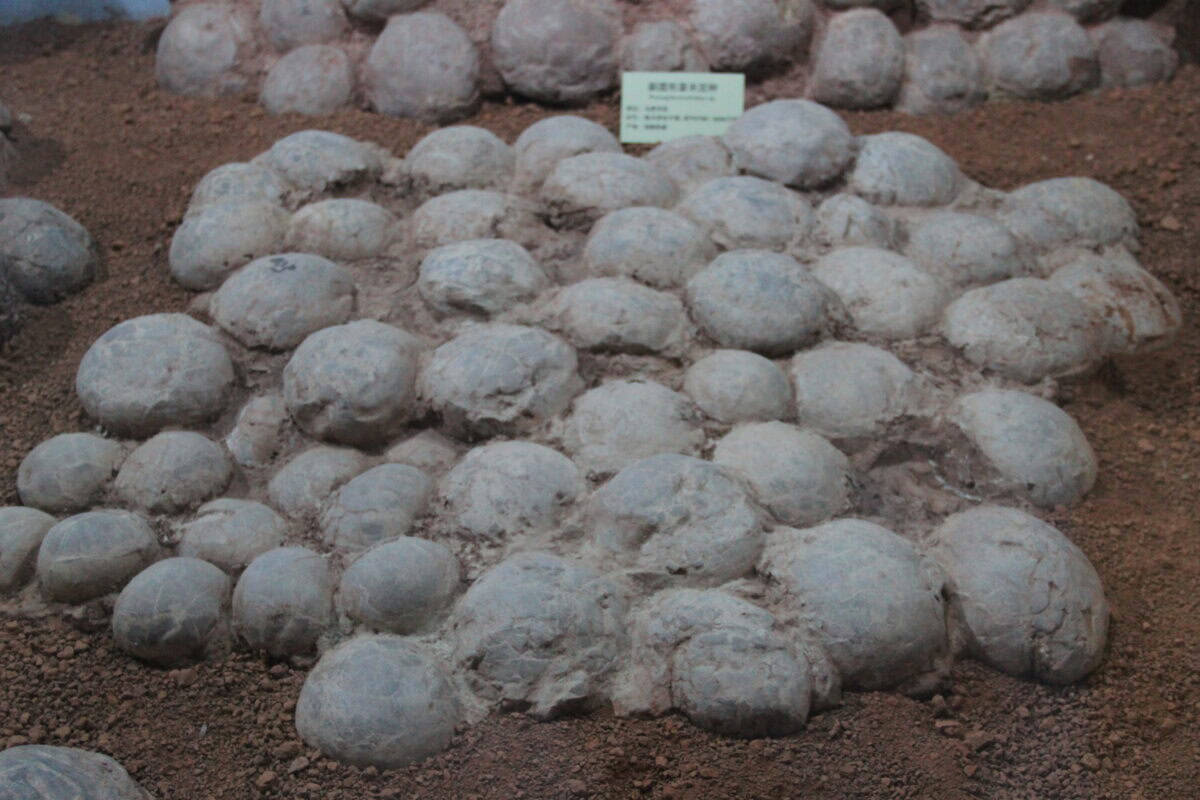
The Utah nest discovery significantly advances our understanding of dinosaur reproductive biology, particularly for hadrosaurs. The find provides concrete evidence that Parasaurolophus laid clutches of approximately 12-15 eggs, smaller than some other dinosaur species but consistent with their body size and metabolic needs. The arrangement of eggs in a circular pattern with consistent spacing suggests a single laying event with careful egg positioning, rather than random deposition. Examination of eggshell thickness reveals adaptations for gas exchange while maintaining structural integrity against predators, demonstrating evolutionary refinement of egg design. The varying developmental stages of the embryos indicates synchronized development after laying, suggesting the parent may have incubated the nest similar to modern birds. Of particular significance is evidence of rapid embryonic development based on bone histology, supporting theories that hadrosaurs had relatively fast growth rates compared to other reptiles. The nest also provides the first conclusive evidence of the complete incubation period for Parasaurolophus, estimated at approximately 65-70 days based on embryonic development stages and comparisons with modern relatives. These insights collectively suggest that hadrosaur reproductive strategies were more avian-like than previously thought, representing sophisticated adaptations that likely contributed to their widespread success during the Late Cretaceous period.
Future Research Directions
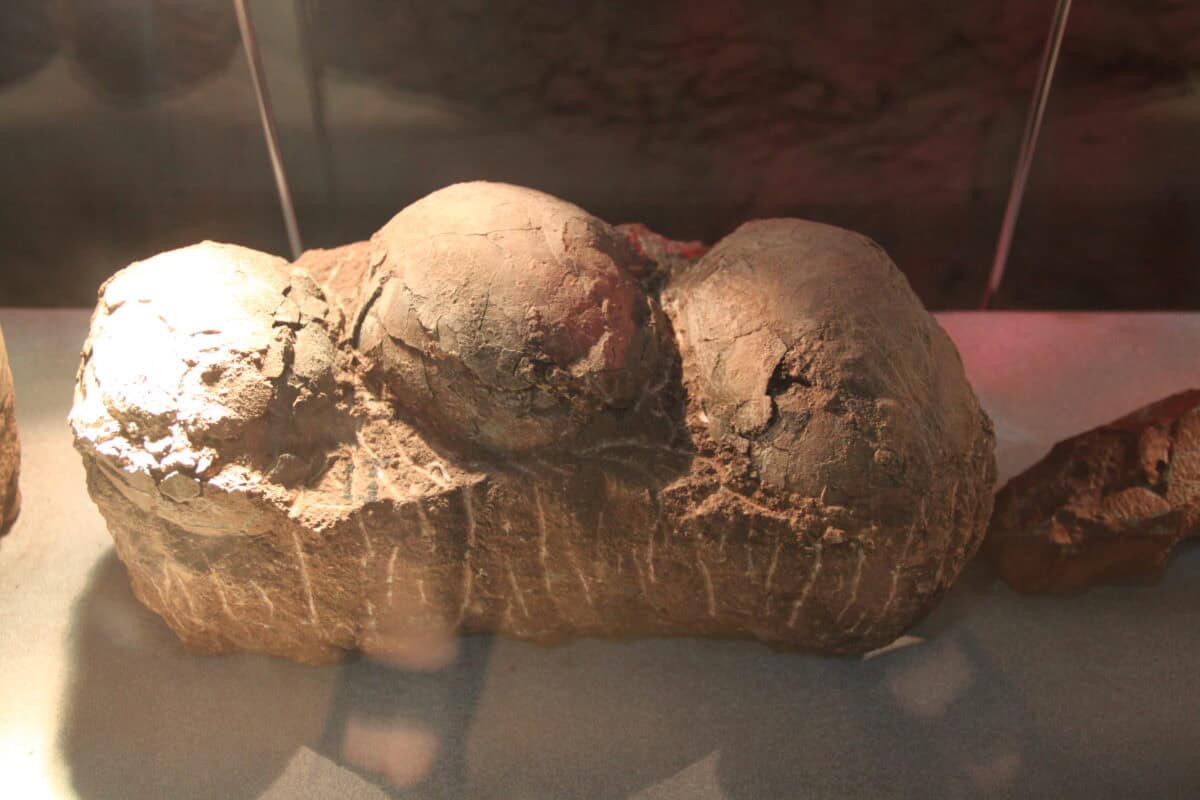
The discovery of the Utah dinosaur nest opens numerous avenues for future research. Scientists plan to conduct more detailed chemical analysis of the eggshells to extract potential DNA fragments or proteins that might have survived fossilization, using techniques recently developed for ancient biomolecules. Expanded excavations around the nest site are scheduled to determine whether other nests exist nearby, which would indicate colonial nesting behavior. Researchers also intend to use ground-penetrating radar to identify additional fossil sites in the vicinity without disturbing the surface layers. Further histological studies of the embryonic remains will focus on establishing more precise growth rates and developmental timelines for hadrosaur hatchlings. Computer modeling of the nest structure and the surrounding paleoenvironment will help simulate incubation conditions and test hypotheses about parental care strategies. Collaborative research with experts studying modern bird and reptile reproduction may provide additional comparative insights. Additionally, the development of new non-destructive imaging techniques might reveal previously undetected features within the eggs and surrounding matrix. These future research directions promise to extract even more information from this remarkable find, potentially revolutionizing our understanding of dinosaur reproductive biology and ecology.
Conclusion: Reimagining Dinosaur Family Life
The discovery of the exceptionally preserved dinosaur nest in Utah has fundamentally transformed our understanding of hadrosaur family dynamics and reproductive strategies. Through meticulous scientific analysis, this remarkable find has provided compelling evidence that dinosaurs like Parasaurolophus engaged in complex parental behaviors, carefully constructing and maintaining nests, and potentially providing extended care for their offspring. The preservation of embryonic remains at different developmental stages offers an unprecedented glimpse into dinosaur growth and development, connecting these ancient creatures more closely to their modern bird descendants than previously recognized. As research continues on this extraordinary fossil site, scientists anticipate further revelations that will continue to reshape our perception of dinosaur biology and behavior. This discovery reminds us that despite over a century of paleontological research, significant findings continue to emerge from the fossil record, each one bringing us closer to understanding the complex lives of the magnificent creatures that dominated Earth’s ecosystems for over 160 million years.

- The Story of the Arctic Fox’s Incredible Seasonal Transformation - July 18, 2026
- 10 Most Venomous Snakes in US National Parks - July 18, 2026
- The Moth That Drinks Blood - July 18, 2026