


The natural world is filled with incredible stories of survival that defy our expectations. From pets who traveled thousands of miles to find their way home to wild creatures who endured extreme conditions, animals continually demonstrate remarkable resilience and will to live. These tales of survival against overwhelming odds not only inspire us but also provide unique insights into animal adaptability, determination, and the extraordinary bond between humans and animals. The following stories highlight fifteen remarkable instances where animals faced seemingly impossible situations and emerged victorious, reminding us of nature’s tenacity and the surprising capabilities of our fellow creatures on this planet.
Faith the Two-Legged ccLearning to Walk Upright
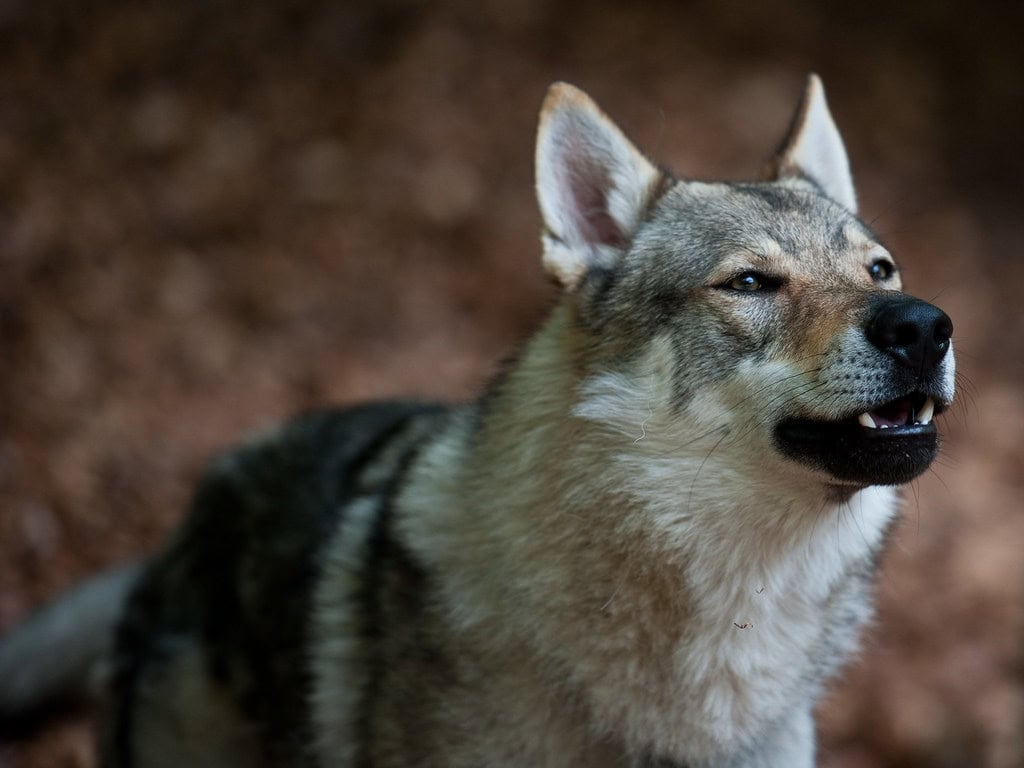
Born with severely deformed front legs that eventually had to be amputated, Faith the dog faced a seemingly impossible future. Most veterinarians suggested euthanasia as the humane option, but her owner, Jude Stringfellow, refused to give up on the Labrador-Chow mix. Through persistent training and encouragement, Faith learned to balance and walk entirely on her hind legs like a human. What began as a desperate attempt to help a disabled puppy turned into an inspirational journey that captured global attention. Faith became a therapy dog who visited veterans’ hospitals and appeared on numerous television programs, demonstrating remarkable adaptation to her physical challenges. Until she died in 2014, Faith inspired millions of people with disabilities, proving that limitations don’t define capability.
Scarlett the Cat Mother’s Ultimate Sacrifice

In March 1996, a fire broke out in an abandoned Brooklyn garage where a stray calico cat named Scarlett had been raising her five kittens. Firefighters at the scene witnessed an extraordinary act of maternal devotion when they observed Scarlett making repeated trips into the burning building. Despite suffering severe burns to her eyes, ears, and paws, the determined mother cat retrieved each of her kittens one by one. After bringing the last kitten to safety, Scarlett touched each one with her nose to ensure all were present, then collapsed from exhaustion and injuries. Scarlett’s story made international headlines, and she received the ASPCA’s “Cat of the Year” award. While one kitten eventually died from respiratory damage, Scarlett and her remaining four kittens recovered and were adopted into loving homes. Her unforgettable act of maternal sacrifice continues to symbolize the profound depth of animal love and devotion.
Shrek the Merino Sheep Six Years in the Wild

In 2004, a Merino sheep dubbed “Shrek” captured worldwide attention after being discovered in a cave in New Zealand’s Central Otago region. The remarkable animal had evaded mandatory annual shearing for six years by hiding in caves across the mountainous terrain. When finally captured, Shrek was carrying an extraordinary 60 pounds of wool—enough to produce 20 men’s suits. The weight of his enormous fleece was nearly equal to his body weight, severely restricting his movement and vision. His first shearing became a televised national event in New Zealand, with the wool auctioned for children’s medical charities. Veterinarians were amazed that Shrek had survived years in the wild with such a debilitating wool growth, enduring harsh winter conditions and avoiding predators despite his limited mobility. Shrek lived to the impressive age of 16 (well beyond the typical 10-12 year lifespan for sheep) and became a beloved national icon in New Zealand before he died in 2011.
Winter the Dolphin Swimming with a Prosthetic Tail

In December 2005, a three-month-old bottlenose dolphin became entangled in a crab trap near Cape Canaveral, Florida, resulting in the loss of her tail fluke and peduncle. Rescued and transported to Clearwater Marine Aquarium, the dolphin, named Winter, faced a grim prognosis. Without her tail, Winter developed an unnatural side-to-side swimming motion that threatened to cause severe spinal problems over time. In an unprecedented collaboration, marine mammal experts and prosthetists developed a unique silicone and plastic tail that attached to Winter’s body via a specialized sleeve. Winter successfully adapted to her prosthetic tail, becoming the first dolphin to use such a device. Her remarkable story inspired millions through the films “Dolphin Tale” and “Dolphin Tale 2,” while also advancing prosthetic technology for humans. The “Winter’s Gel”—the liner developed to prevent irritation to Winter’s skin—has benefited countless human amputees, especially children and military veterans with sensitive skin issues. Winter lived at Clearwater Marine Aquarium until she died in 2021 at age 16, having survived against extraordinary odds while helping transform rehabilitation technology.
Balthazar the Polar Bear Surviving Antifreeze Poisoning

In 2008, Balthazar, a 1,000-pound polar bear at the Anchorage Zoo in Alaska, faced a life-threatening crisis after accidentally ingesting ethylene glycol (antifreeze) that had leaked from a generator near his enclosure. This highly toxic substance causes rapid kidney failure and death in most animals. With no established protocol for treating antifreeze poisoning in polar bears, veterinarians took a desperate gamble by administering the traditional remedy used for dogs and humans: alcohol. Balthazar received intravenous vodka—approximately 10 units of 100-proof vodka through an IV line—which works by preventing the metabolism of ethylene glycol into more toxic compounds. For three tense days, the massive bear remained comatose while the alcohol competed with the antifreeze in his system. Against all predictions, Balthazar not only survived but made a complete recovery, returning to normal activity within weeks. His case became a veterinary case study and one of the few documented successful treatments of antifreeze poisoning in a large carnivore, highlighting both the ingenuity of his medical team and the remarkable resilience of his species.
Bobbie the Wonder Dog 2,500-Mile Journey Home
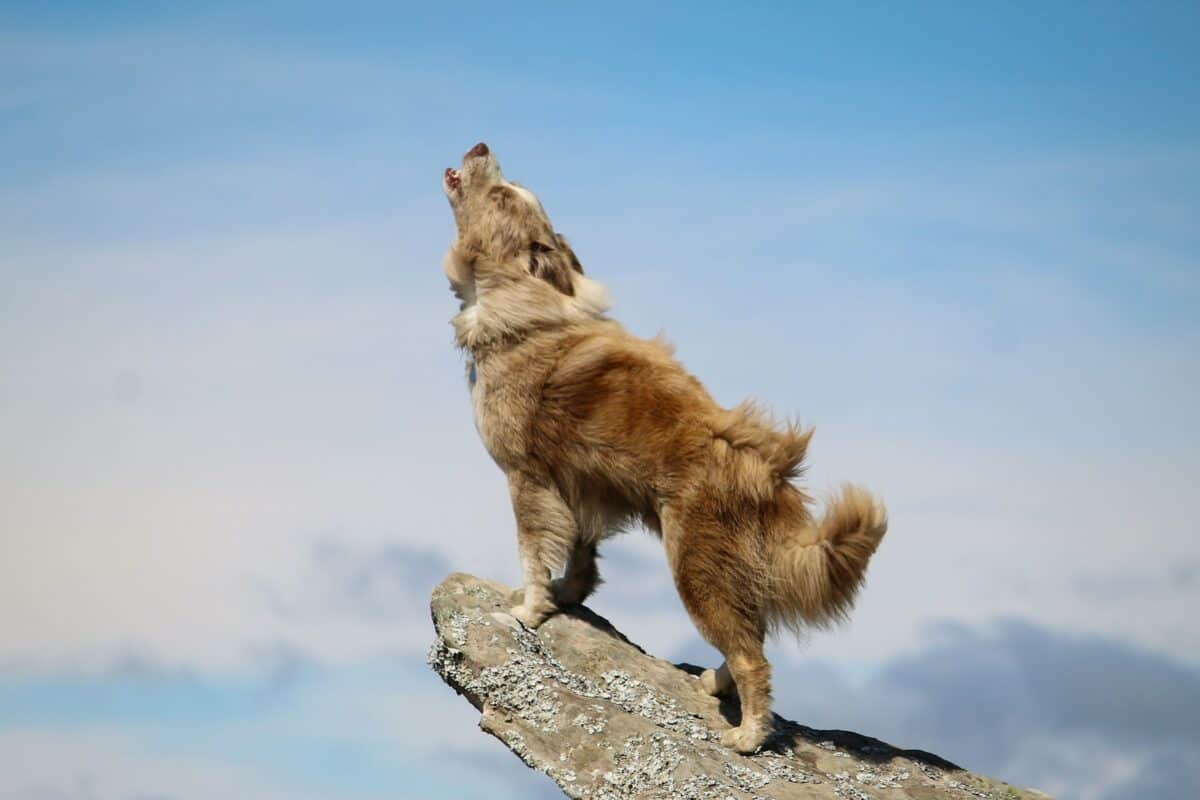
In August 1923, while on a family road trip in Indiana, a Scotch Collie-English Shepherd mix named Bobbie was separated from his owners, the Brazier family from Silverton, Oregon. After an extensive but fruitless search, the heartbroken family eventually returned to Oregon without their beloved pet. Six months later, in February 1924, Bobbie appeared on their doorstep—mangy, thin, and with worn-down paws, but very much alive. The astonished family soon pieced together evidence suggesting Bobbie had traveled approximately 2,500 miles across plains, mountains, and rivers, through winter conditions, to find his way home. His remarkable journey was extensively investigated and verified by the Oregon Humane Society, which collected documentation from people who had helped feed the dog along his route. Newspapers across America published the story, and Bobbie received hundreds of letters and medals, including the key to the city of Portland. He even played himself in a silent film about his journey called “The Call of the West.” Bobbie’s incredible feat of navigation and determination remains one of the most extraordinary documented cases of animal homing instinct ever recorded.
Binta the Orangutan Surviving Poachers and Deforestation

In 2003, wildlife rescuers in Borneo discovered a severely wounded female orangutan clinging to one of the last trees in a recently cleared section of rainforest. The orangutan, later named Binta, had survived not only the destruction of her habitat but also an attack by poachers who had shot her multiple times with an air rifle. X-rays revealed over 30 metal pellets embedded throughout her body, including near vital organs. Despite her critical condition, Binta displayed extraordinary resilience throughout her treatment at the Orangutan Conservation Centre in Kalimantan. More remarkably, veterinarians discovered she was pregnant during her rehabilitation. Against tremendous odds, Binta survived her injuries and gave birth to a healthy female infant six months later. The pair was eventually released into a protected forest reserve after Binta’s two-year recovery. Conservation biologists continue to monitor the mother and daughter, whose survival story has become a powerful symbol in the campaign against deforestation and the illegal wildlife trade in Southeast Asia. Their journey from near-death to freedom exemplifies the incredible will to survive that many endangered species exhibit despite humanity’s encroachment on their habitats.
Keiko the Orca From Captivity to Freedom

Made famous as the star of the 1993 film “Free Willy,” Keiko the orca’s real-life struggle for survival began long before his Hollywood fame. Captured near Iceland in 1979 at approximately two years old, Keiko spent years performing in substandard facilities in Canada and Mexico. By the early 1990s, he suffered from a compromised immune system, skin lesions, and a collapsed dorsal fin—conditions that threatened his survival. His appearance in “Free Willy” sparked a global campaign for his rehabilitation and potential release. After the film’s success, millions of dollars were raised to build Keiko a specialized rehabilitation facility at the Oregon Coast Aquarium, where he regained health and vitality. In 1998, he was transported to a sea pen in his native Icelandic waters—the first step in an unprecedented attempt to return a long-captive orca to the wild. Though Keiko never fully integrated with wild orca pods, he achieved semi-independence, swimming freely in the ocean for the last five years of his life before his death in 2003. His journey from near-death in captivity to swimming freely in the open ocean represented an extraordinary survival story that transformed public attitudes toward keeping orcas in captivity.
Stoffel the Honey Badger Escape Artist Extraordinaire

At the Moholoholo Wildlife Rehabilitation Centre in South Africa, a honey badger named Stoffel became legendary for his seemingly impossible escapes from every enclosure designed to contain him. Rescued after losing his mother to poachers, Stoffel’s survival story took an unexpected turn when the rehabilitation center staff discovered his exceptional problem-solving abilities. Using tools, creating ladders from rocks and branches, and manipulating locks, Stoffel repeatedly outsmarted his human caretakers. In his most remarkable escape, he used a rake left in his enclosure to scale a wall, later recreating the feat with tree branches when the rake was removed. When his enclosure was modified with smooth concrete walls, Stoffel collected mud, piled it against the wall, and used it to climb out. On another occasion, he enlisted the help of his female companion to create a living ladder. Wildlife experts studying Stoffel noted that his exceptional intelligence and determination would likely have made him one of the most successful wild honey badgers had he not been orphaned. His remarkable adaptability demonstrates the extraordinary cognitive abilities that help honey badgers survive in harsh environments, making him a living testament to the species’ reputation for tenacity.
Lazarus the Pit Bull 23 Days Trapped in Rubble

In 2016, Washington County, Tennessee residents heard faint whimpering sounds coming from beneath the rubble of a house that had been destroyed in a fire nearly a month earlier. Animal rescue workers were stunned to discover a severely emaciated pit bull alive beneath the debris, having somehow survived for 23 days without food and with minimal access to water. The dog, appropriately named Lazarus after the biblical figure who rose from the dead, had lost nearly half his body weight and suffered severe dehydration. Veterinarians determined that Lazarus had survived by licking condensation that formed on pipes running through the rubble and possibly by consuming small insects or rodents that entered his confined space. Despite his critical condition upon rescue—with pressure sores, muscle atrophy, and organ stress—Lazarus made a remarkable recovery that defied medical expectations. His story highlighted the extraordinary physiological adaptations that allow canines to survive extreme starvation conditions far longer than humans could endure. After months of rehabilitation, Lazarus was adopted by a loving family and now serves as a therapy dog, visiting hospitals and nursing homes where his incredible survival story continues to inspire patients facing their own difficult recoveries.
Phoenix the Goat Born from a Frozen Embryo After 25 Years
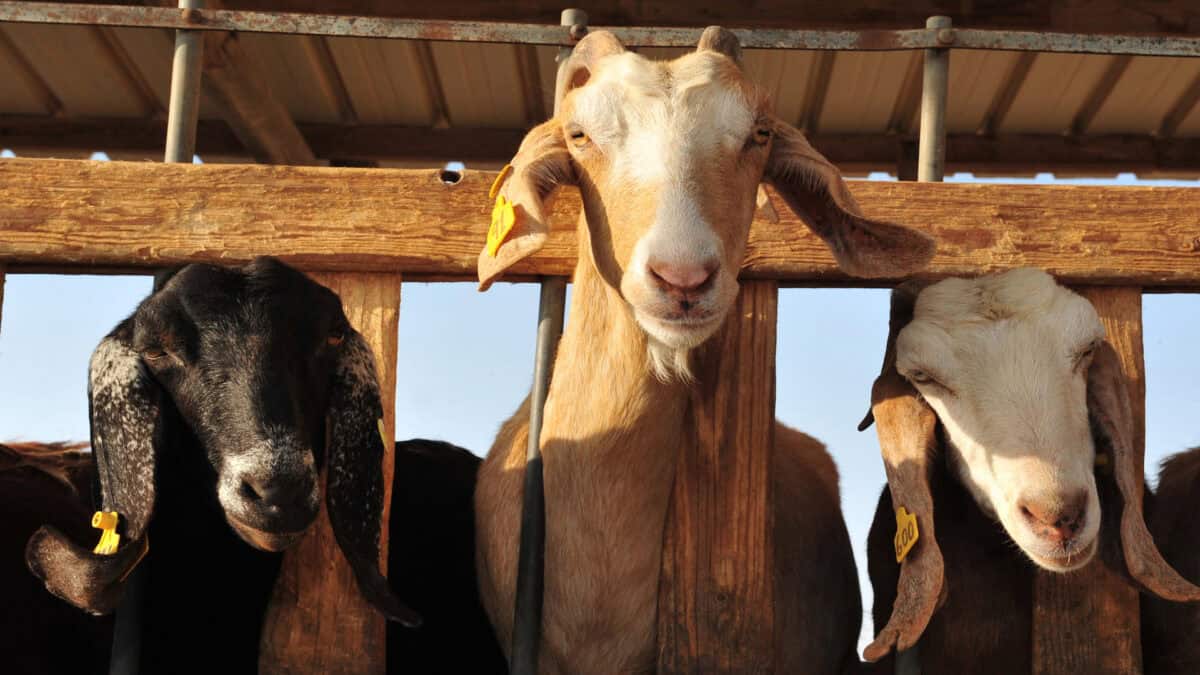
In 2023, scientists and veterinarians at the University of Tennessee made history when they successfully birthed a healthy female goat named Phoenix from an embryo that had been cryopreserved for a record-breaking 25 years. The embryo, frozen in 1998 using early cryopreservation techniques, had remained in liquid nitrogen at -321°F (-196°C) for more than two decades before being thawed and implanted into a surrogate mother goat. This remarkable case shattered previous mammalian embryo viability records and demonstrated unprecedented cellular resilience. The embryo not only survived the extreme freezing temperatures but also the thawing process and implantation, developing into a perfectly healthy kid with no detectable abnormalities or premature aging. Scientists monitoring Phoenix have found her development, immune function, and genetic expression to be indistinguishable from goats conceived naturally or from freshly transferred embryos. Phoenix’s extraordinary journey from frozen embryo to living animal has profound implications for endangered species conservation, potentially allowing scientists to maintain genetic diversity through long-term storage of embryos. Her very existence represents one of the most remarkable examples of cellular survival against physical extremes ever documented in a mammalian species.
Bubbles the African Elephant Surviving Ivory Poachers

In 1981, a baby African elephant was found wandering alone in the wilderness of Tanzania, her family slaughtered by ivory poachers. With a gunshot wound to her ear and severe trauma, the orphaned calf’s chances of survival were minimal. Rescued by wildlife conservationists and named Bubbles, she was transported to a safari park in the United States for rehabilitation. Elephants are highly social creatures that typically suffer profound psychological damage when separated from their herds, often leading to premature death in orphaned calves. Yet Bubbles defied these odds through an unexpected friendship with a black Labrador named Bella, who became her constant companion and emotional support. This cross-species bond helped the traumatized elephant recover from her psychological wounds while adapting to life without her herd. Now over 40 years old and weighing more than four tons, Bubbles has survived more than three decades beyond what experts predicted. She continues to thrive at the safari park, where she has become an ambassador for her endangered species. Her remarkable journey from traumatized orphan to healthy adult represents one of the most successful elephant rehabilitation cases ever documented and serves as a powerful reminder of the resilience that can emerge from even the most devastating circumstances.
Katrina the Dolphin Surviving a Hurricane and Release

When Hurricane Katrina struck the Gulf Coast in August 2005, it demolished the Marine Life Oceanarium in Gulfport, Mississippi, washing eight trained bottlenose dolphins into the open waters of the Gulf of Mexico. Among them was a female dolphin later nicknamed Katrina, who had been born in captivity and had never experienced life in the wild. Marine biologists and conservation experts feared the worst for these captive-raised dolphins, predicting they would be unable to hunt, avoid predators, or integrate with wild pods. Against all expectations, six months after the hurricane, researchers located Katrina swimming with a group of wild dolphins, having successfully adapted to life in the open ocean. Not only had she learned to catch live fish rather than accepting dead ones from trainers, but she had also formed social bonds with wild dolphins—a complex social transition that most experts considered nearly impossible for captive-raised cetaceans. Over the following years, researchers continued to document Katrina’s successful integration, observing her participating in cooperative hunting behaviors and eventually raising calves of her own. Her remarkable transition from captivity to thriving in the wild challenged long-held assumptions about the limitations of captive-raised marine mammals and demonstrated extraordinary behavioral plasticity and survival instinct.
Boonrod the Dog 135 Miles from Shore

In April 2019, workers on an oil rig 135 miles offshore in the Gulf of Thailand spotted something remarkable in the ocean below—a dog paddling in the open sea with no land in sight. The exhausted animal, later named Boonrod (meaning “survivor” in Thai), was struggling to keep her head above water when rig workers managed to rescue her using a rope. Veterinarians who examined Boonrod after her rescue estimated she had been swimming for at least 48 hours, an almost impossible feat for any dog. How she ended up so far from shore remains a mystery, with theories ranging from falling off a fishing vessel to being abandoned at sea. Despite severe exhaustion.
Conclusion:
The extraordinary survival stories of these animals illuminate the powerful instincts, adaptability, and emotional depth that exist across the animal kingdom. Whether it’s a dog walking upright on two legs, a dolphin learning to swim with a prosthetic tail, or a sheep surviving years in isolation, each tale offers a window into the resilience and spirit that animals can possess. These accounts do more than tug at our heartstrings—they challenge our understanding of what animals are capable of and inspire a deeper appreciation for the bonds we share with them. Ultimately, they remind us that survival is not merely about endurance, but about determination, ingenuity, and often, the transformative power of compassion and second chances.

As a little kid, I fell in love with nature, wildlife, and animals. Living in the USA, South Africa, Italy, China and Germany gave me the opportunity to discover the world's Wildlife. My favorite animals are Mountain Gorillas, Siberian Tigers, and Great White Sharks.
I'm a certified PADI Open Water Diver, went to Everest Base Camp and Trekked Gorillas in Uganda. I hold a Master of Science in Economics and Finance.
Please send any feedback to feedback@animalsaroundtheglobe.com
- 2 Animals With Super Sized Body Parts and What They are For - June 3, 2026
- Explore The Azores - June 3, 2026
- Protecting Wildlife from Harmful Pesticides - June 3, 2026