


In the lush rainforests and grasslands of Latin America, an unlikely contest occasionally unfolds between two remarkable creatures: the giant anteater and the powerful jaguar. While the jaguar reigns as one of the continent’s apex predators, the peaceful giant anteater possesses surprising defensive capabilities that can turn deadly when threatened. This fascinating intersection of predator and prey reveals nature’s complex balance and the extraordinary adaptations that have evolved for survival. This article explores the remarkable dynamics of these confrontations, the unique adaptations of both species, and the outcomes of these rare but intense wildlife encounters.
The Unlikely Adversaries: Introducing the Combatants
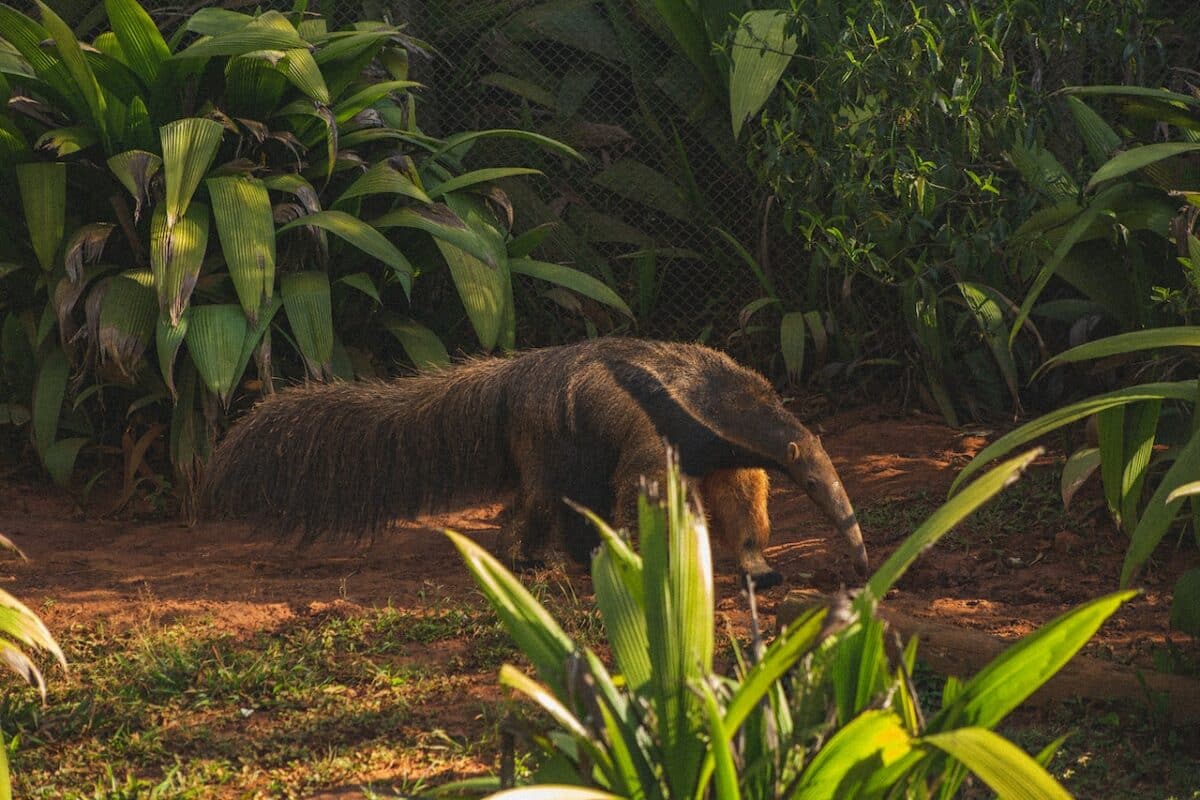
The giant anteater (Myrmecophaga tridactyla) and the jaguar (Panthera onca) represent two dramatically different evolutionary paths. The giant anteater is a specialized insectivore, reaching up to 7 feet in length from snout to tail and weighing between 60-100 pounds. With its distinctive elongated snout, powerful forelimbs, and massive front claws up to 4 inches long, this mammal is perfectly adapted for its primary lifestyle of tearing into termite mounds and ant colonies. In contrast, the jaguar stands as the largest cat in the Americas, weighing between 100-250 pounds, with a powerful build designed for ambush hunting and a bite force strong enough to pierce turtle shells and crocodilian armor. These two species occasionally cross paths in their shared habitats throughout Central and South America, leading to potentially dangerous encounters.
Natural Habitats and Encounter Zones

Giant anteaters and jaguars share extensive overlapping territories throughout Latin America, from southern Mexico to northern Argentina. Both species frequent similar ecosystems, including tropical and subtropical forests, savannas, and grasslands. The likelihood of encounters increases in areas like the Brazilian Pantanal—the world’s largest tropical wetland—where both animals thrive in substantial numbers. The cerrado (tropical savanna) of Brazil also serves as a significant encounter zone, particularly during dry seasons when both species may converge around limited water sources. These habitat overlaps create the potential for confrontation, especially when jaguars, opportunistic hunters by nature, spot anteaters during their dawn or dusk foraging activities.
The Hunting Strategy of Jaguars

Jaguars employ a distinctive hunting approach when targeting giant anteaters. Unlike their strategy with faster prey, jaguars typically stalk anteaters carefully, taking advantage of their relatively poor eyesight. The big cat utilizes vegetation and natural cover to approach within striking distance. Jaguars generally aim for a killing bite to the neck or base of the skull—their signature hunting technique. However, attacking an adult giant anteater presents unique challenges. The anteater’s thick neck hide offers some protection against the jaguar’s bite, while its alert senses of smell and hearing often provide early warning of approaching danger. Tracking studies have shown that jaguars will sometimes follow anteaters for considerable distances, waiting for the perfect moment to strike without exposing themselves to the anteater’s formidable defensive capabilities.
The Giant Anteater’s Defensive Arsenal
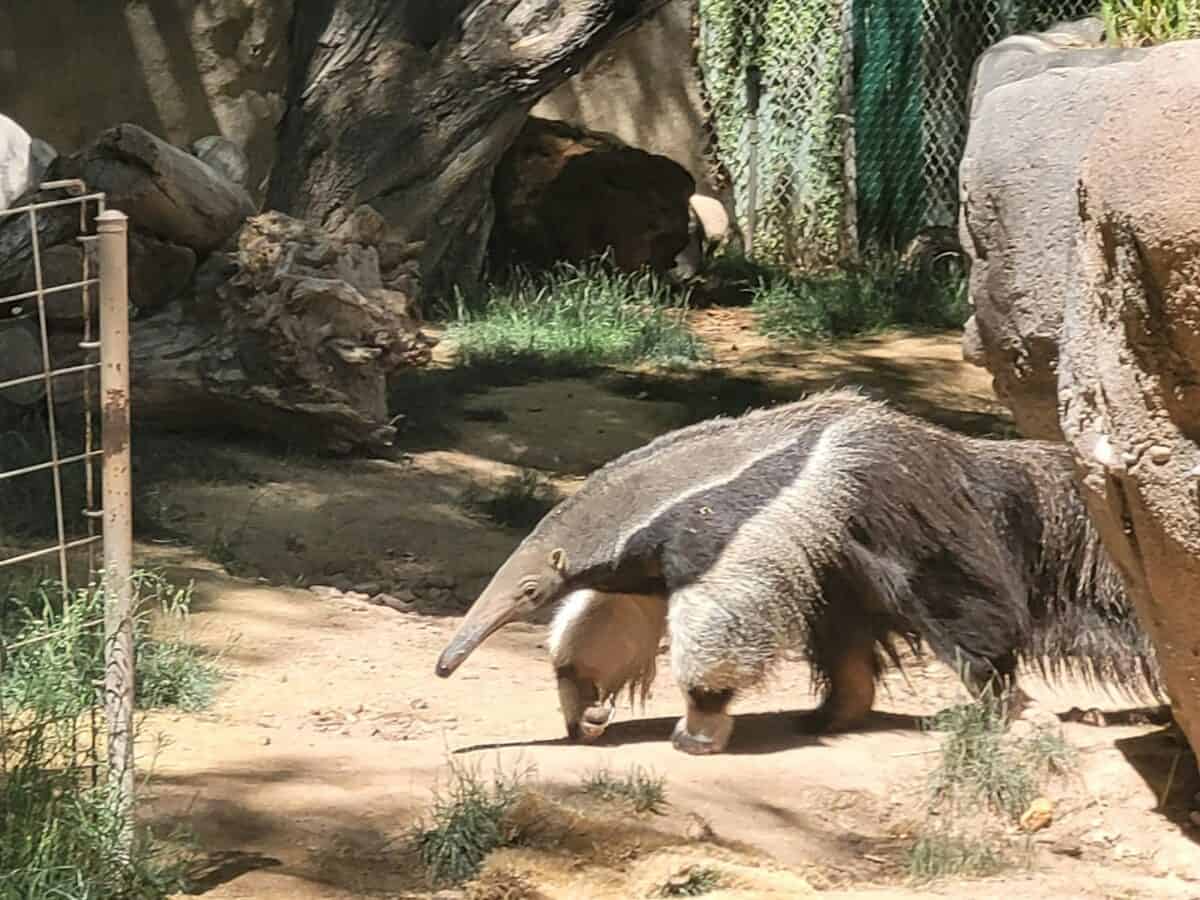
Despite their peaceful nature, giant anteaters possess formidable weaponry that makes them dangerous opponents. Their primary defensive tools are their massive front claws—evolved for tearing into hardened termite mounds but equally effective against predators. These claws can reach 4 inches in length and are sharp enough to inflict serious, even fatal wounds. When threatened, an anteater rises to its hind legs in an imposing stance, balancing on its powerful tail while freeing its forelimbs for defense. In this position, the anteater can reach heights of over 7 feet, sweeping its claws in wide, powerful arcs. The anteater’s muscular forelimbs can deliver strikes with remarkable force, capable of disemboweling a predator with a single swipe. Wildlife researchers have documented cases where these defensive capabilities have resulted in serious injuries to humans and predators alike.
The Battle Stance: When Anteaters Stand Their Ground

When a giant anteater detects an approaching jaguar, its behavior transforms dramatically. The normally slow-moving, peaceful insectivore becomes a formidable defensive fighter. At the first sign of danger, the anteater may initially attempt to flee, capable of a surprising burst of speed reaching 30 mph over short distances. If escape isn’t possible, the anteater adopts its distinctive battle stance—rising onto its hind legs with its back against a tree or other obstacle to prevent rear attacks. In this position, the anteater’s entire anatomical design serves its defense: its powerful tail creates a stable tripod, its narrow profile minimizes the target area, and its long front limbs maximize striking distance. This bipedal stance also makes the anteater appear larger, potentially intimidating predators. The animal will emit a loud hissing sound while swinging its front claws in wide, menacing arcs—a clear warning signal that it’s prepared to fight rather than become prey.
Documented Confrontations: Scientific Observations
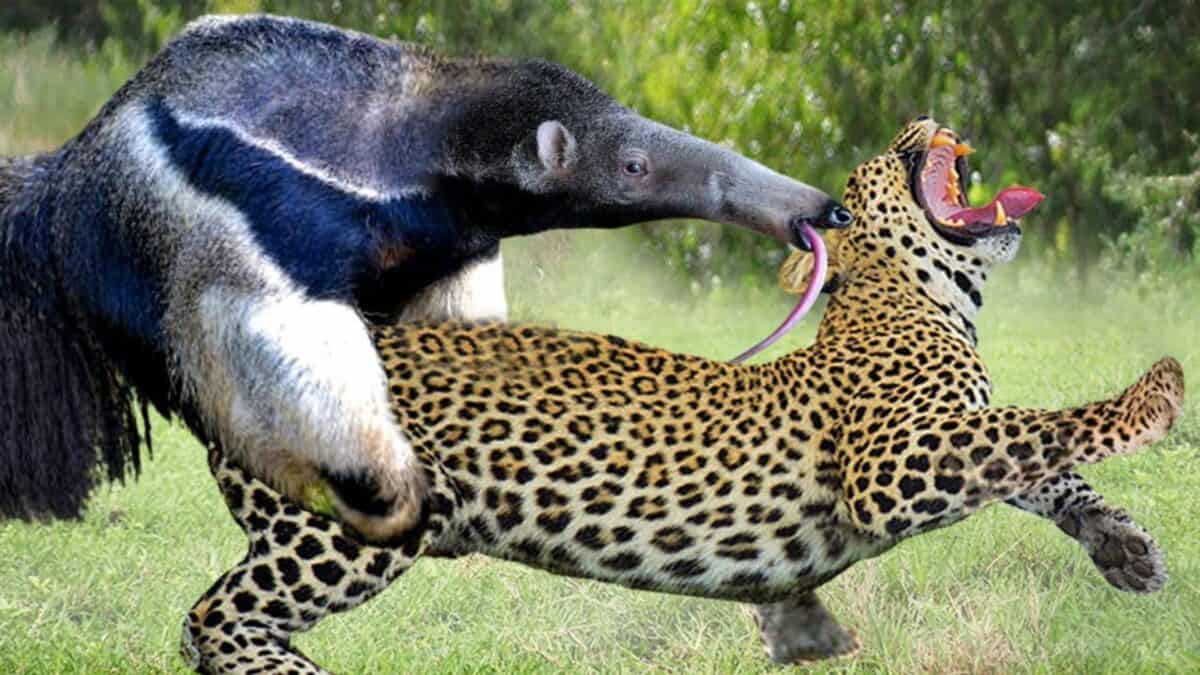
While direct observations of jaguar-anteater confrontations are rare, wildlife researchers have documented several encounters through camera traps, tracking studies, and occasional direct observations. A study published in the journal Edentata documented a jaguar attack on a giant anteater where the anteater successfully defended itself, inflicting significant injuries on the jaguar before escaping. Another notable observation from Brazil’s Pantanal region recorded by researchers from the Wildlife Conservation Society captured a prolonged standoff where a female jaguar ultimately abandoned her pursuit after the anteater maintained its defensive posture for over 20 minutes. Post-mortem examinations of jaguars occasionally reveal scars consistent with anteater claw marks, indicating survived encounters. Conversely, remains of anteaters with characteristic jaguar bite marks demonstrate that these conflicts can result in fatalities for the anteater, particularly when the jaguar achieves the element of surprise.
Fatal Outcomes: When Anteaters Kill Jaguars
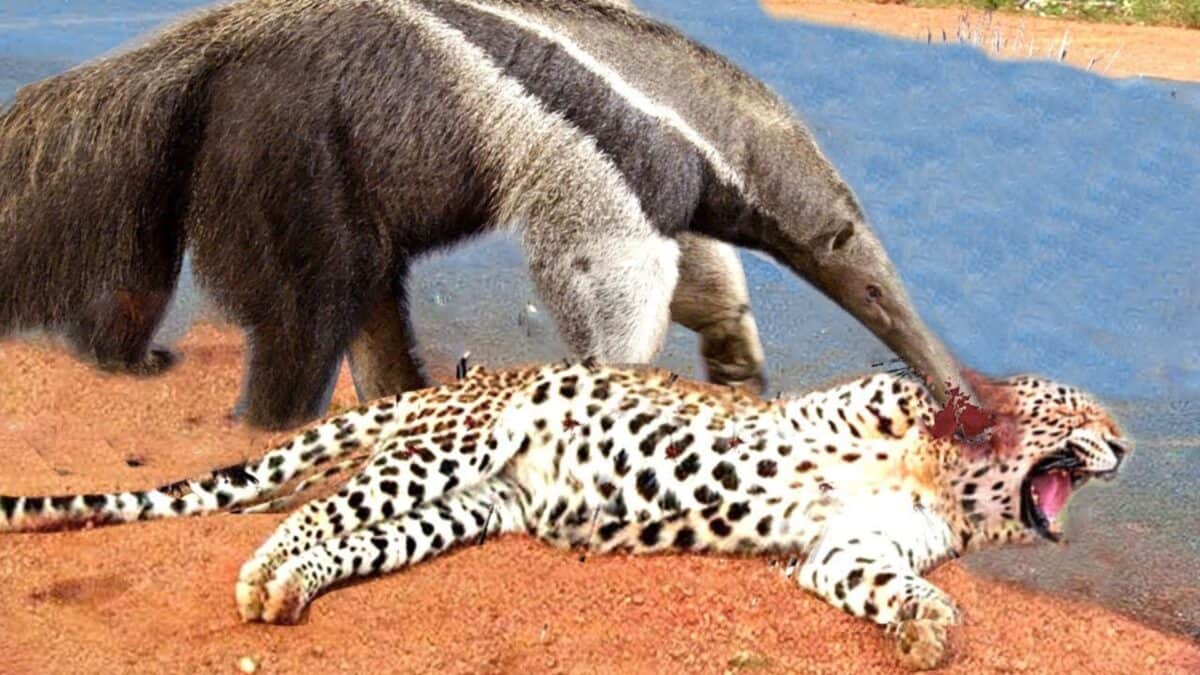
Perhaps most surprising in the jaguar-anteater dynamic is the documented evidence that giant anteaters can and do kill jaguars in self-defense. While relatively rare, wildlife biologists have confirmed cases where jaguars have died from injuries sustained during attacks on giant anteaters. The mechanism of these fatal encounters typically involves the anteater’s powerful claws slashing the jaguar’s vital areas. In one documented case from 2012 in Brazil’s Cerrado region, researchers discovered a dead jaguar with massive lacerations to its chest cavity and neck that forensic examination determined were caused by anteater claws. The anteater’s ability to deliver precisely targeted, powerful strikes to vulnerable areas makes it capable of inflicting wounds that can sever major blood vessels or damage vital organs. These lethal encounters typically occur when a jaguar miscalculates its attack or fails to deliver an immediately incapacitating bite, giving the anteater an opportunity to deploy its defensive response.
Evolutionary Adaptations: The Arms Race

The jaguar-anteater conflict represents a fascinating evolutionary arms race. Jaguars have developed specific techniques for hunting anteaters safely, including targeted approaches to avoid the defensive stance and precise killing bites aimed at quickly incapacitating the prey. Evidence suggests that jaguars in areas with high anteater populations show greater caution when targeting these animals compared to other prey. Conversely, the giant anteater’s formidable claws, while primarily evolved for accessing insects, serve a critical secondary function as defensive weapons. The anteater’s thick hide, particularly around the neck—a common attack point for predators—provides additional protection. This co-evolutionary relationship demonstrates how predator and prey shape each other’s physical characteristics and behaviors over evolutionary time, resulting in the current balance of capabilities that makes these encounters so unpredictable and dangerous for both animals.
Battle Demographics: Age and Size Factors
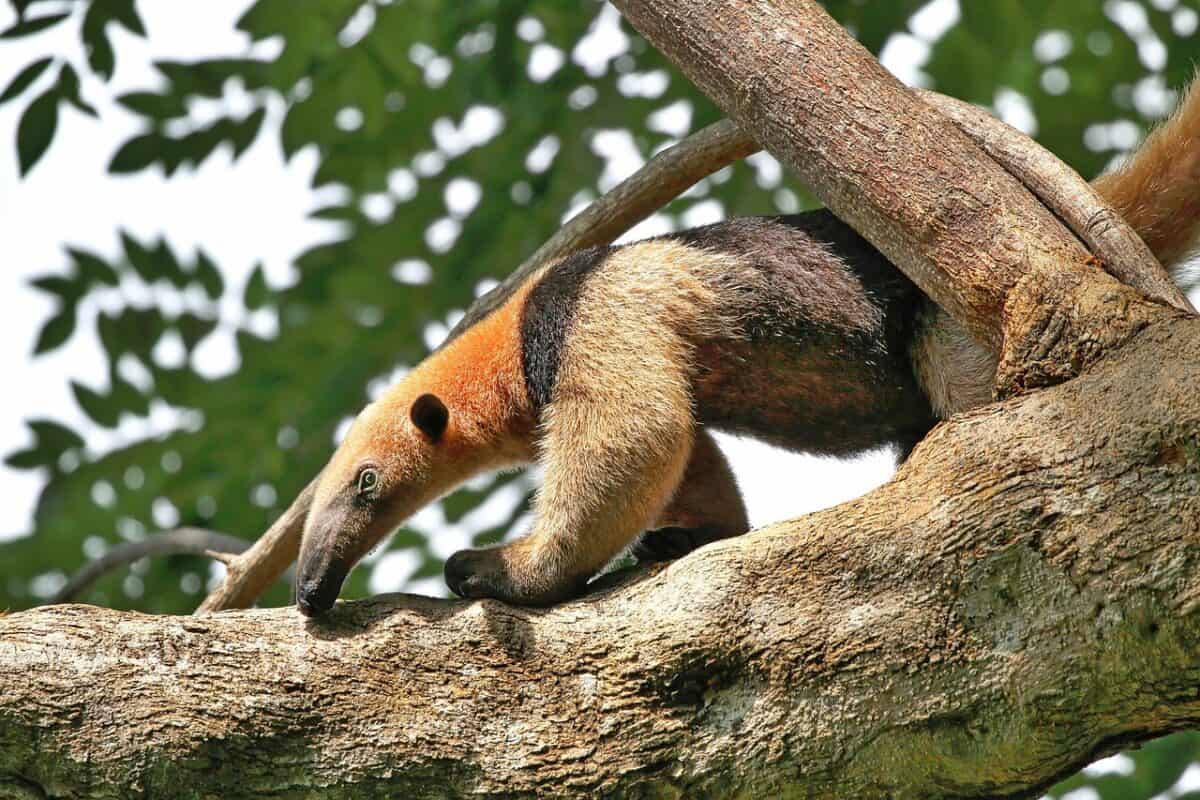
The outcome of jaguar-anteater confrontations is significantly influenced by the age, size, and sex of both combatants. Juvenile anteaters, lacking the full defensive capabilities of adults, fall prey to jaguars more frequently. Research data indicates that approximately 75% of documented jaguar predation on anteaters involves individuals less than two years old. For adult encounters, the size differential plays a crucial role. Male jaguars, which can weigh up to 250 pounds, possess a significant advantage over even the largest anteaters (typically maxing out around 100 pounds). However, this weight advantage must be balanced against the risk posed by the anteater’s claws. Female jaguars, being smaller, appear more cautious when targeting adult anteaters. Studies tracking both species with GPS collars have revealed that larger male jaguars are more likely to successfully prey on adult anteaters than their female counterparts, though all jaguars appear to exercise significant caution when approaching adult specimens.
Survival Strategies: How Anteaters Avoid Confrontation
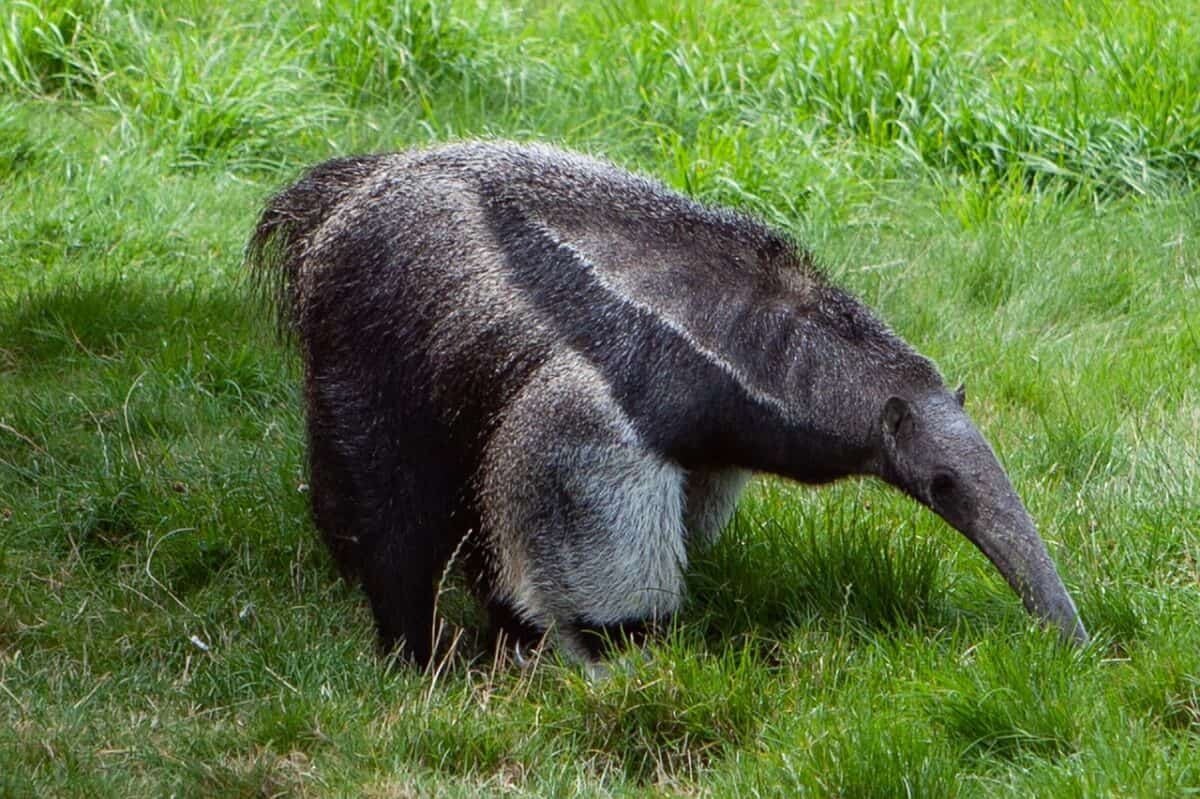
Giant anteaters have developed behavioral adaptations that reduce their vulnerability to jaguar predation. Their crepuscular activity pattern—being most active during dawn and dusk—helps minimize overlap with the jaguar’s peak hunting periods. Anteaters also employ excellent camouflage; their distinctive black and white striped coat creates disruptive coloration that breaks up their outline in dappled forest light. When traveling with young, female anteaters carry their offspring on their backs, where the juvenile’s markings blend with the mother’s, creating a unified camouflage pattern that makes it difficult for predators to distinguish the vulnerable offspring. Field studies have documented that anteaters exhibit heightened vigilance in areas with high jaguar populations, frequently pausing their foraging to stand up and scan their surroundings. They also preferentially forage near escape routes such as dense brush or trees they can climb if threatened, demonstrating sophisticated spatial awareness that helps them avoid potentially deadly encounters.
Conservation Implications of These Battles

The dynamic between jaguars and giant anteaters has significant conservation implications as both species face threats from habitat loss and fragmentation. As apex predators, jaguars require large territories with sufficient prey, including anteaters. Meanwhile, giant anteaters need extensive ranges to access enough ant and termite colonies. Conservationists tracking both species have observed that protected areas maintaining natural predator-prey relationships support healthier populations of both animals. In fragmented habitats, however, these interactions can become unbalanced. For example, when anti-poaching measures protect jaguars but their territory is restricted, increased predation pressure on anteaters can occur. Conversely, agricultural expansion that reduces termite and ant populations can weaken anteaters, making them more vulnerable to predation. Conservation strategies now increasingly consider these complex ecological relationships, recognizing that protecting either species effectively requires preserving not just the animals themselves but the entirety of their interactive ecological networks.
Lessons from Nature’s Battlefield
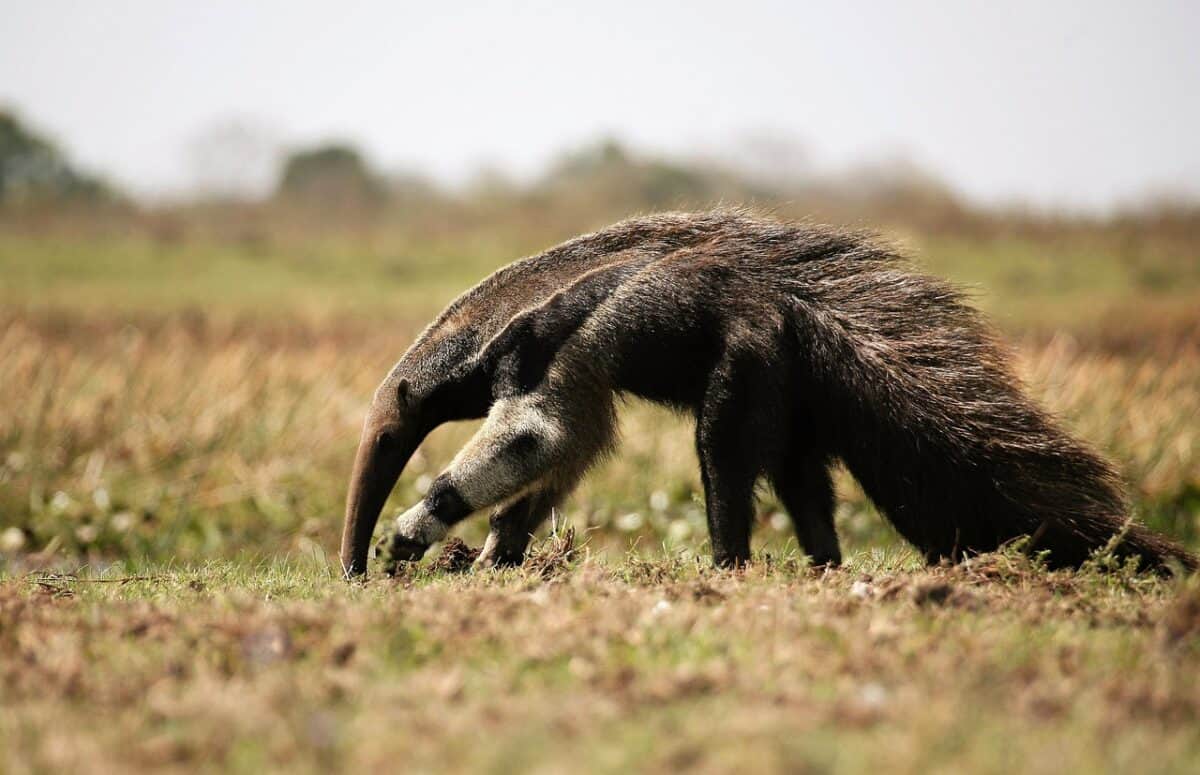
The jaguar-anteater conflict offers profound insights into evolutionary biology and the complexity of predator-prey relationships. Despite the apparent mismatch between a specialized insectivore and a powerful apex predator, the anteater’s defensive adaptations create a remarkable equalizer that challenges our understanding of trophic relationships. This dynamic illustrates how specialized adaptations can serve multiple evolutionary purposes—the anteater’s claws facilitate both feeding and defense with equal effectiveness. The confrontations also demonstrate the role of behavioral adaptations in survival; both species have developed specific strategies to maximize their advantages while minimizing risks. For wildlife biologists, these encounters provide valuable case studies in co-evolution and the selective pressures that shape species over time. Perhaps most significantly, these battles remind us that nature defies simple categorization, as a seemingly defenseless prey species can pose a deadly threat to one of the most formidable predators in the Americas.
The confrontations between giant anteaters and jaguars represent one of nature’s most fascinating and unexpected battlefield dynamics. While the jaguar possesses the advantages typical of an apex predator—superior strength, deadly bite force, and predatory instincts—the giant anteater’s specialized adaptations provide sufficient defensive capability to create genuinely unpredictable outcomes. These encounters epitomize the complex evolutionary arms race that shapes species through natural selection, where both predator and prey continuously adapt to the challenges posed by the other. As both species face mounting conservation challenges from habitat loss and human encroachment, understanding their ecological relationships becomes increasingly important for developing effective protection strategies. The giant anteater’s ability to stand its ground against one of nature’s most fearsome predators serves as a powerful reminder that in the intricate web of life, specialized adaptations can create unexpected champions capable of defying traditional predator-prey hierarchies.

- Why Some Owls Don’t Hoot And What It Means for the Species - August 13, 2026
- How to Tell If Your Rabbit Is Happy, According to Vets - August 13, 2026
- Indoor vs. Outdoor Cats: What American Vets Recommend - August 13, 2026