


For centuries, humans have marveled at the clever behaviors of animals, from tool-using crows to problem-solving dolphins. Yet, we’ve often underestimated the cognitive abilities of our fellow creatures, dismissing remarkable capabilities as mere instinct. Recent scientific advances have revolutionized our understanding of animal minds, revealing intelligence that exists not on a simple ladder with humans at the top, but rather as a diverse spectrum of specialized cognitive abilities evolved to meet specific ecological challenges. This article explores the fascinating truth about animal intelligence, challenging old assumptions and showcasing the remarkable mental lives of species across the animal kingdom.
Redefining Intelligence Beyond Human Standards

Historically, animal intelligence has been measured against human capabilities, creating an unfair comparison that privileges our specific cognitive adaptations. Modern researchers now understand that intelligence isn’t a single quality but manifests differently across species based on evolutionary demands. A honeybee’s ability to communicate complex spatial information through dance might not look like human problem-solving, but represents sophisticated cognitive processing perfectly tuned to its environment. Similarly, the octopus exhibits remarkable learning and tool use with a nervous system utterly different from our centralized brain. By broadening our definition of intelligence to include diverse cognitive adaptations, we gain a richer appreciation of animal minds and move beyond the outdated notion of a linear “cognitive ladder” with humans at the pinnacle.
The Remarkable Problem-Solving Abilities of Corvids
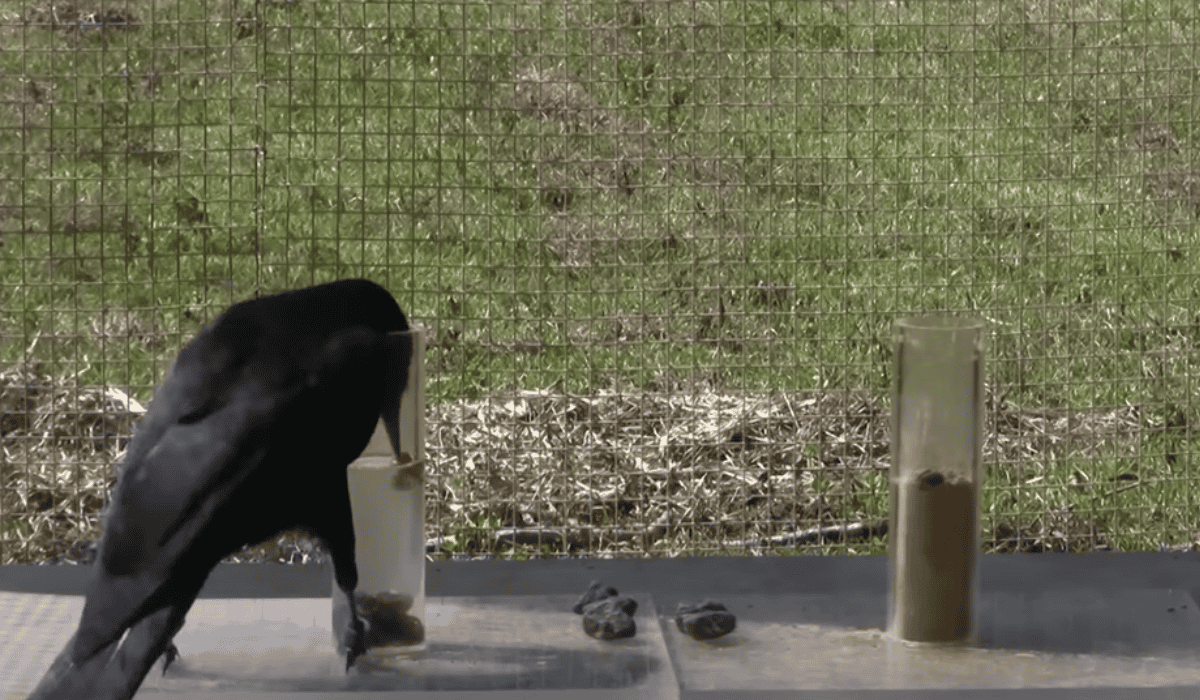
Crows, ravens, and other corvids demonstrate problem-solving skills that rival those of primates despite their distant evolutionary relationship. New Caledonian crows craft specialized tools from plant materials to extract insects from crevices, showing both technical skill and causal understanding. In laboratory settings, ravens have demonstrated multi-step planning by solving problems requiring them to use a sequence of tools. Perhaps most impressively, these birds can delay gratification, a cognitive skill once thought unique to humans and a few primates. One study showed crows rejecting an immediate small reward in favor of waiting for a larger reward—understanding the concept of investment for future gain. These birds also display remarkable social intelligence, remembering individual human faces for years and communicating information about “dangerous” humans to other crows, creating collective knowledge that transcends individual experience.
Elephants: The Self-Aware Giants
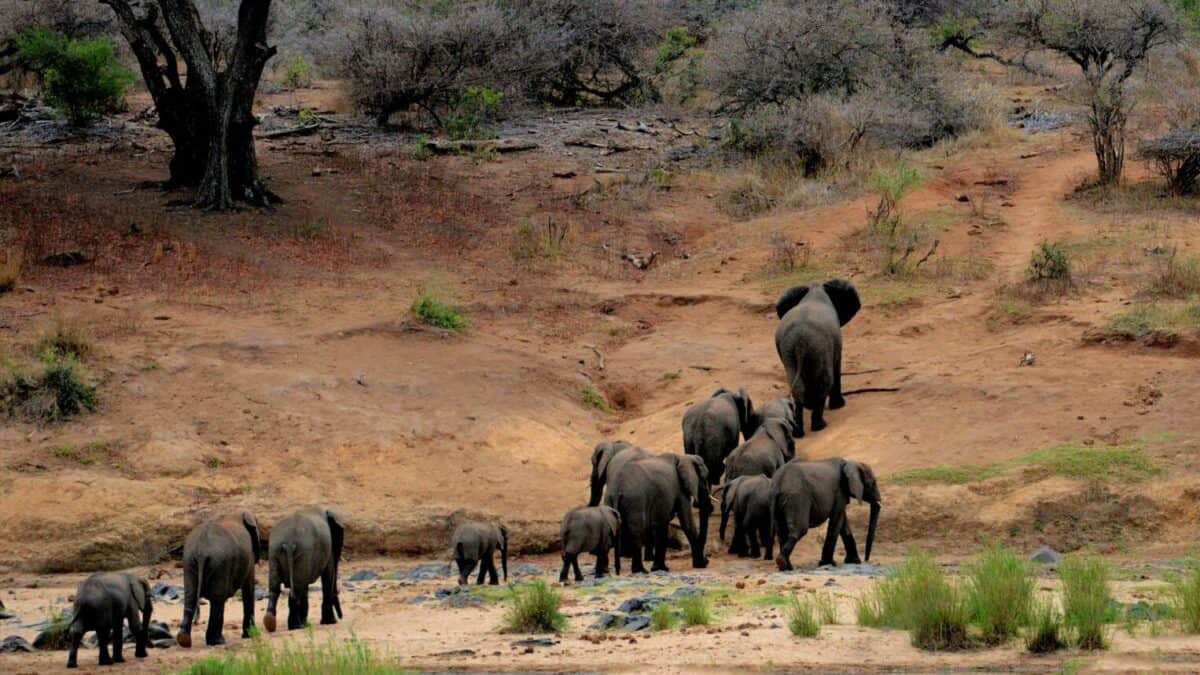
Elephants possess some of the most sophisticated cognitive abilities in the animal kingdom, demonstrating self-awareness, empathy, and complex problem-solving. They are among the few animals that can recognize themselves in mirrors—a classic test of self-awareness—joining humans, great apes, and dolphins in this elite cognitive club. Their remarkable memories aren’t just folklore; elephants can remember migration routes spanning hundreds of miles and recognize individual elephants after decades of separation. Even more compelling is their apparent comprehension of death. Elephants show interest in elephant bones, particularly skulls, and may hold what researchers cautiously describe as “funeral” behaviors, touching and investigating the bodies of deceased herd members. They’ve also been documented covering dead elephants with branches and dirt in what appears to be a form of burial. This awareness of mortality, combined with their complex social structures and sophisticated communication systems, paints a picture of cognitive depth previously underappreciated.
Cetacean Intelligence: Minds in the Deep
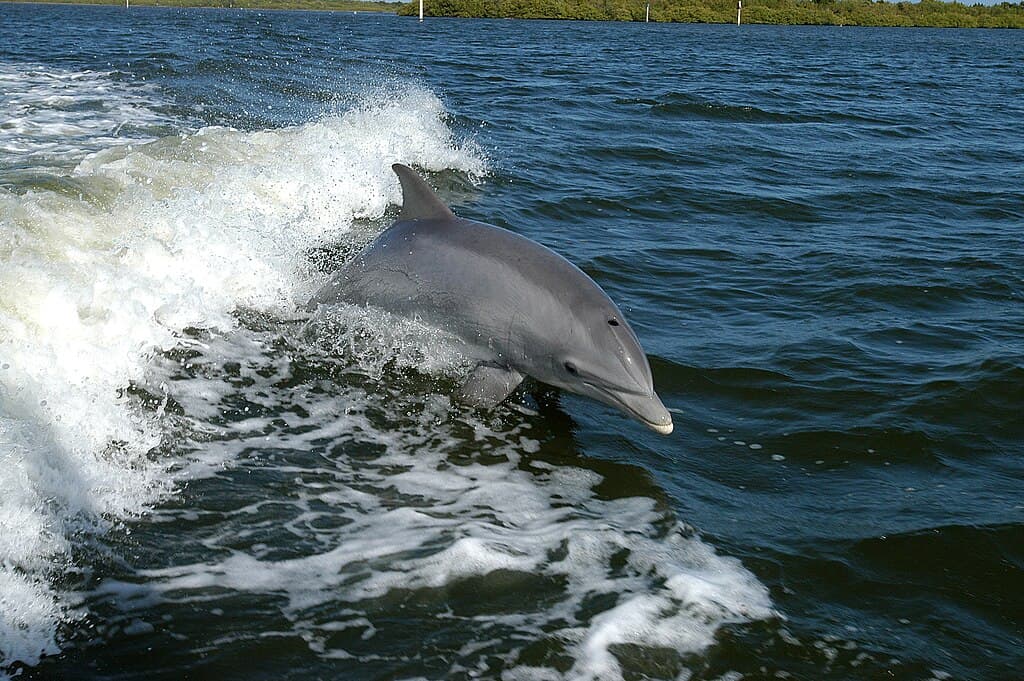
The intelligence of dolphins and whales has fascinated scientists for decades, revealing cognitive abilities that have evolved independently from primates. Bottlenose dolphins recognize themselves in mirrors and use signature whistles that function essentially as names—each dolphin creates its unique whistle in its first year of life and uses it throughout its lifetime. These sophisticated marine mammals also demonstrate cultural learning, with different pods developing unique hunting techniques that are passed down through generations. In one remarkable example, some dolphins in Shark Bay, Australia, place sea sponges on their beaks as protective tools while foraging along the rough ocean floor. This behavior, known as “sponging,” represents a clear case of tool use and cultural transmission, as it’s primarily passed from mother to daughter. Orcas (killer whales) display even more complex cultural behaviors, with different populations developing distinct vocalizations, hunting strategies, and social structures that qualify as unique cultures in the scientific sense.
The Surprising Intelligence of Pigs

Despite their portrayal in popular culture and their status as livestock, domestic pigs possess cognitive abilities that rival those of dogs and even some primates. Studies have shown that pigs can use mirrors to find hidden food, understand symbolic representations, and play simple video games with joysticks. Their problem-solving abilities are particularly impressive; researchers at the University of Cambridge found that pigs can quickly learn how to manipulate objects to obtain rewards and can remember these solutions for years. Socially, pigs recognize and remember dozens of other individual pigs, form complex social hierarchies, and display empathetic behaviors toward distressed herd members. They even engage in tactical deception, with subordinate pigs learning to follow dominant pigs to food only when the dominant pig is unable to defend the resource. These findings have profound ethical implications for how we treat these cognitively sophisticated animals within industrial farming systems.
Octopus Intelligence: Alien Minds
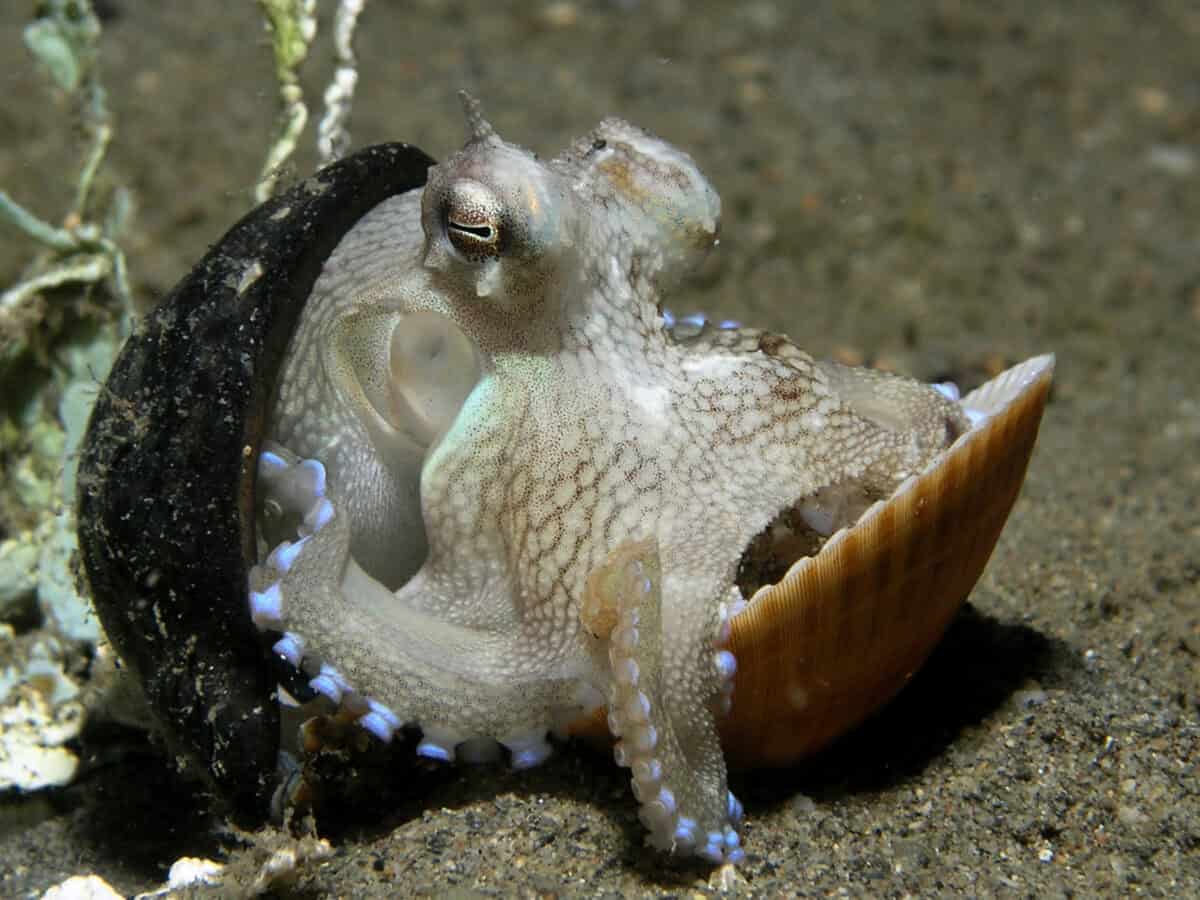
The octopus represents perhaps the most alien form of intelligence on Earth, having evolved sophisticated cognitive abilities through a completely different evolutionary path than vertebrates. With a distributed nervous system containing two-thirds of their neurons in their arms, octopuses process information in a radically different way than humans. Each arm can solve problems somewhat independently while still coordinating with the central brain. Octopuses are masterful escape artists, squeezing through tiny spaces, opening jars from the inside, and navigating complex mazes. They’re also tool users—researchers have documented octopuses collecting coconut shells to create portable shelters and using objects as defensive tools. Perhaps most remarkably, they display distinct personalities and can recognize individual human faces despite having evolved in an environment where this skill would seemingly have little benefit. This convergent evolution of intelligence—developing similar cognitive capabilities through entirely different neural structures—provides compelling evidence that intelligence can emerge through multiple evolutionary pathways.
Intelligence in Unexpected Places: Insects and Fish
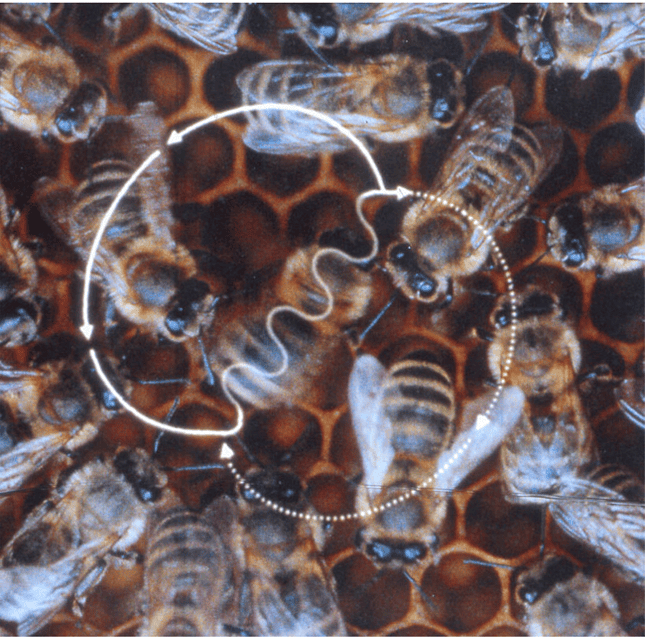
Research increasingly reveals surprising cognitive abilities in animals traditionally dismissed as simple, challenging our assumptions about brain size and intelligence. Honeybees, with brains smaller than a grain of rice, demonstrate complex social learning, abstract concept formation, and basic arithmetic skills. They communicate through the famous “waggle dance,” conveying precise information about food location, including distance, direction, and quality. Some fish species show equally impressive abilities; cleaner wrasse fish pass the mirror self-recognition test, suggesting a form of self-awareness previously thought limited to mammals and a few birds. Archerfish can learn to recognize specific human faces and spit water jets at them with remarkable accuracy, demonstrating sophisticated visual processing. Even fruit flies show decision-making processes that incorporate uncertainty assessments similar to those seen in primates. These discoveries suggest that complex cognition doesn’t necessarily require large brains but can emerge from neural systems optimized for efficiency rather than size.
Social Intelligence and Cooperation

Social intelligence represents one of the most sophisticated forms of cognition across the animal kingdom. Many species display remarkable abilities to navigate complex social dynamics, form alliances, and engage in cooperative behaviors. Wolves, for instance, coordinate sophisticated hunting strategies that require understanding the intentions and future actions of pack members. Vampire bats develop reciprocal food-sharing relationships, remembering which individuals have shared blood meals with them in the past and preferentially helping those same individuals when they’re in need—a clear example of reciprocal altruism. Meerkats take turns as sentinels, warning the group about predators while others forage, displaying a division of labor that benefits the colony. Perhaps most impressively, spotted hyenas live in complex societies with social hierarchies that rival those of primates in complexity. Young hyenas inherit their mother’s social rank, and entire lineages maintain their status through sophisticated alliance-building, requiring hyenas to track numerous social relationships simultaneously—a cognitive feat once thought possible only by primates.
Emotional Intelligence in Animals
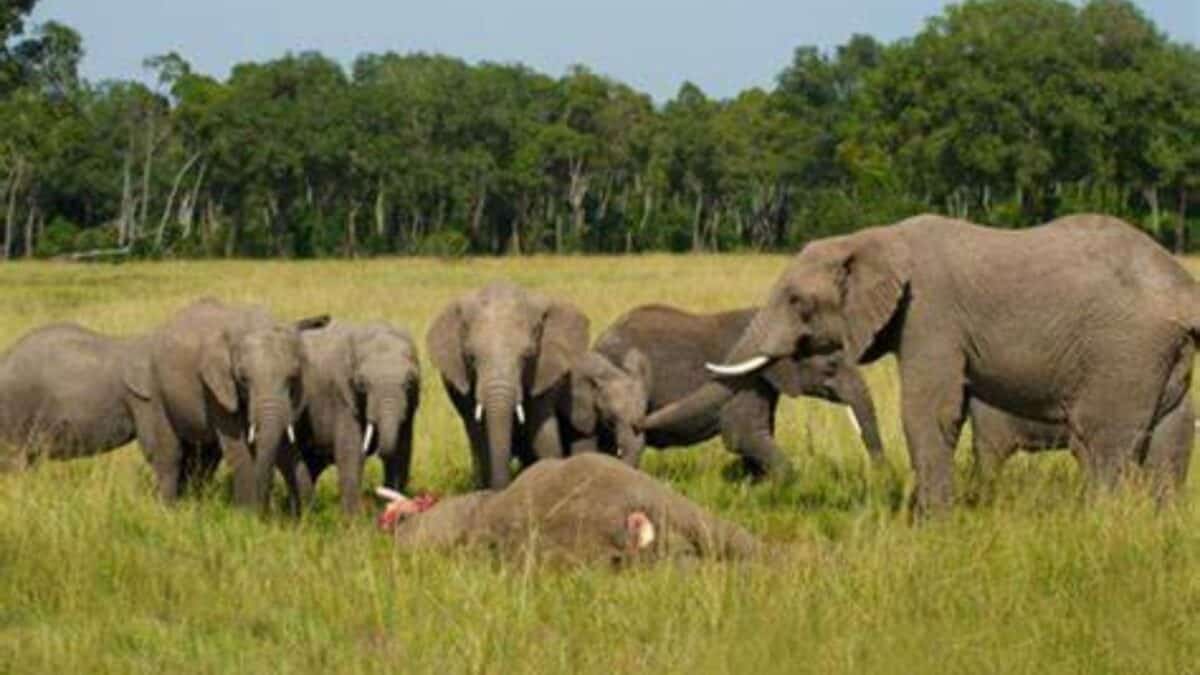
The capacity for complex emotions was long considered uniquely human, but substantial evidence now reveals rich emotional lives across many species. Elephants console distressed herd members through physical touch and vocalizations that correlate with reduced stress hormones in the upset individual—a clear example of empathy. Rats will free trapped cage-mates even when it means sharing a valuable food reward, suggesting emotional motivation beyond self-interest. Dogs show distinct jealousy behaviors when their owners interact with rival dogs or even stuffed animals. Perhaps most striking is mourning behavior observed across species: gorillas carrying their dead infants for days or weeks; dolphins supporting dead calves at the surface in apparent grief; and magpies placing grass “wreaths” beside their dead companions. While we must be cautious about anthropomorphizing, the neurological structures that generate basic emotions evolved long before humans appeared, suggesting emotional experiences are widely shared across vertebrates. These findings don’t just reveal animal consciousness but challenge our understanding of when and why emotional intelligence evolved.
How Different Species Learn

Learning mechanisms vary dramatically across the animal kingdom, with different species excelling at specific types of learning suited to their ecological niches. Imitation and observational learning, once considered primarily human abilities, appear in many species. Chimpanzees famously learn tool-use techniques by watching others, but so do octopuses, who will adopt more efficient hunting methods after observing successful peers. Some species display impressive capacities for rapid learning: Clark’s nutcrackers can remember the locations of thousands of seed caches over winter months, while hummingbirds recall which flowers they’ve already visited and when those flowers will refill with nectar. In controlled experiments, border collies have demonstrated “fast mapping”—learning new vocabulary words after a single exposure, much like human children. Many animals also exhibit metacognition—awareness of what they know and don’t know. When given tests with options to skip difficult questions, dolphins, monkeys, and even pigeons will selectively choose questions they’re likely to answer correctly, suggesting they monitor their own knowledge states.
The Evolution of Intelligence

Intelligence has evolved multiple times independently across different animal lineages, suggesting powerful selective advantages for cognitive abilities. The traditional view held that intelligence primarily evolved in social species, where navigating complex group dynamics created evolutionary pressure for enhanced cognition—the “Social Brain Hypothesis.” While social living certainly drives certain forms of intelligence, it doesn’t fully explain the sophisticated cognition found in relatively solitary animals like octopuses or certain birds. A newer perspective, the “Cognitive Buffer Hypothesis,” proposes that intelligence evolved as a buffer against environmental challenges, allowing animals to innovate solutions to unpredictable problems. This explains why some of the most intelligent animals inhabit highly variable environments or engage in complex foraging strategies. Most likely, intelligence results from multiple selective pressures acting simultaneously—social complexity, environmental variability, and foraging challenges all contribute to cognitive evolution. The convergent evolution of similar cognitive traits in distantly related species (like cephalopods and primates) provides compelling evidence that certain forms of intelligence represent adaptive solutions to common evolutionary problems.
Ethical Implications of Animal Intelligence

Our expanding understanding of animal cognition raises profound ethical questions about how we treat other species. If animals possess self-awareness, emotional lives, and capacities for suffering that resemble our own, traditional moral boundaries between humans and other animals become increasingly difficult to defend. This has driven legal changes in some countries, with New Zealand, France, and Quebec officially recognizing animals as sentient beings rather than property. The scientific evidence for complex cognition in farm animals like pigs and chickens challenges industrial agricultural practices that deny these animals the opportunity to express natural behaviors or form social bonds. Similarly, evidence of sophisticated cognition in octopuses and other invertebrates has prompted their inclusion in animal welfare regulations in the UK and EU, previously limited to vertebrates. Conservation efforts increasingly incorporate cognitive research, recognizing that protecting animal intelligence requires preserving not just individual animals but their cultures and knowledge systems—like the unique dialects and hunting techniques of different orca populations.
The Future of Animal Intelligence Research

The field of animal cognition stands at an exciting frontier, with new technologies and methodologies providing unprecedented insights into non-human minds. Advanced neuroimaging techniques now allow researchers to observe brain activity in awake, behaving animals, revealing the neural mechanisms underlying various cognitive processes. Machine learning algorithms help decode animal communications, with projects underway to translate dolphin whistles and elephant rumbles into meaningful categories. Miniaturized GPS and video technology enables researchers to track animals’ problem-solving in their natural environments rather than artificial laboratory settings. Perhaps most transformative is the growing recognition that studying animal intelligence requires approaches tailored to each species’ sensory world and ecological context. This “embodied cognition” perspective acknowledges that intelligence evolves to solve specific environmental challenges using the sensory systems available to each species. As research continues to reveal the diversity and sophistication of animal minds, we move further from an anthropocentric view of intelligence toward a richer understanding of the many forms cognition can take across the animal kingdom.
The scientific exploration of animal intelligence has fundamentally transformed our understanding of non-human minds, revealing cognitive abilities far more sophisticated than previously recognized. From the distributed intelligence of octopuses to the cultural traditions of whales, from the empathetic responses of elephants to the metacognition of birds, we now know that complex cognition exists throughout the animal kingdom in diverse and fascinating forms. This recognition challenges us to expand our conception of intelligence beyond human-centric models and appreciate the unique cognitive adaptations that allow different species to thrive in their ecological niches. As we continue to uncover the remarkable mental capabilities of our fellow creatures, we face important ethical questions about our relationships with other thinking beings and our responsibility to protect not just their bodies but their minds. The truth about animal intelligence isn’t simply that animals are smarter than we thought—it’s that intelligence itself is far more diverse, specialized, and widespread than we ever imagined.

- What’s Causing the Largest Bird Die-Off in America? - July 19, 2026
- How Tea Plantations Support Biodiversity and Wildlife - July 19, 2026
- How to Attract Pollinators Without Using Sugar Water - July 19, 2026