


Throughout Earth’s 4.5-billion-year history, countless organisms have lived, died, and occasionally left behind extraordinary remains that give us glimpses into ancient worlds. Fossil discoveries have revolutionized our understanding of evolution, extinction events, and the incredible diversity of life that preceded us. While many significant specimens remain in research collections, some of the most spectacular fossils are on public display in museums around the world. These tangible connections to Earth’s past continue to inspire wonder and scientific curiosity in visitors of all ages. This article explores twelve remarkable fossil discoveries that you can actually see on display today, each telling a unique story about our planet’s fascinating history.
1. Lucy: Our Ancient Human Ancestor

In 1974, paleoanthropologist Donald Johanson made a discovery that would forever change our understanding of human evolution. While working in the Afar region of Ethiopia, his team uncovered the partial skeleton of a female Australopithecus afarensis, dated to approximately 3.2 million years ago. Named “Lucy” after the Beatles song “Lucy in the Sky with Diamonds,” this remarkable fossil represents about 40% of a complete skeleton—an extraordinary level of preservation for a hominin of this age.
Lucy stands as evidence of our ancestors’ transition to bipedalism, with her pelvis and leg bones clearly showing adaptations for walking upright while her arms retained some features useful for climbing trees. Today, visitors can see the original Lucy skeleton at the National Museum of Ethiopia in Addis Ababa, though it’s only occasionally on public display due to its scientific importance and fragility. When not exhibiting the original, the museum displays an exact replica that still conveys the profound significance of this extraordinary human ancestor.
2. Archaeopteryx: The Missing Link Between Dinosaurs and Birds

When the first Archaeopteryx specimen was discovered in 1861 in the Solnhofen limestone of southern Germany, it created an immediate scientific sensation. This crow-sized creature, dating back approximately 150 million years to the Late Jurassic period, displays a remarkable combination of reptilian and avian features—exactly what Charles Darwin’s then-recent theory of evolution predicted should exist. With the toothed jaws, long bony tail, and clawed fingers of a small dinosaur, but also the feathered wings and flight capabilities of a bird, Archaeopteryx represents one of paleontology’s most significant transitional fossils.
The preservation of this specimen is nothing short of miraculous, with the delicate impressions of feathers clearly visible in the fine-grained limestone. The most famous specimen, known as the Berlin Specimen, is housed at the Museum für Naturkunde in Berlin, Germany, where it continues to draw visitors eager to see this crucial piece of evolutionary evidence with their own eyes. In total, twelve Archaeopteryx specimens have been discovered, most showing the exquisite preservation that makes these fossils so scientifically valuable.
3. The Tyrannosaurus rex Named Sue

In 1990, fossil hunter Sue Hendrickson was exploring the Cheyenne River Indian Reservation in South Dakota when she noticed several large vertebrae protruding from a cliff face. What followed was the excavation of the largest, most complete, and best-preserved Tyrannosaurus rex skeleton ever discovered. Named “Sue” after its discoverer, this 67-million-year-old specimen includes about 90% of the dinosaur’s bones and has revolutionized our understanding of T. rex biology. Standing 13 feet tall at the hip and measuring 40 feet from nose to tail, Sue represents a mature adult that lived to approximately 28 years of age—remarkably old for a dinosaur.
After a complicated legal battle over ownership, Sue was auctioned in 1997 for $8.4 million to the Field Museum of Natural History in Chicago, setting a record for the highest price ever paid for a fossil. Today, visitors to the Field Museum can marvel at this magnificent specimen in a specially designed exhibition space. Sue’s skeleton reveals numerous injuries and pathologies that accumulated during life, including broken ribs, an infected jaw, and arthritis, providing paleontologists with invaluable insights into the biology and behavior of one of history’s most formidable predators.
4. The Berlin Brachiosaurus: A Giant Among Giants
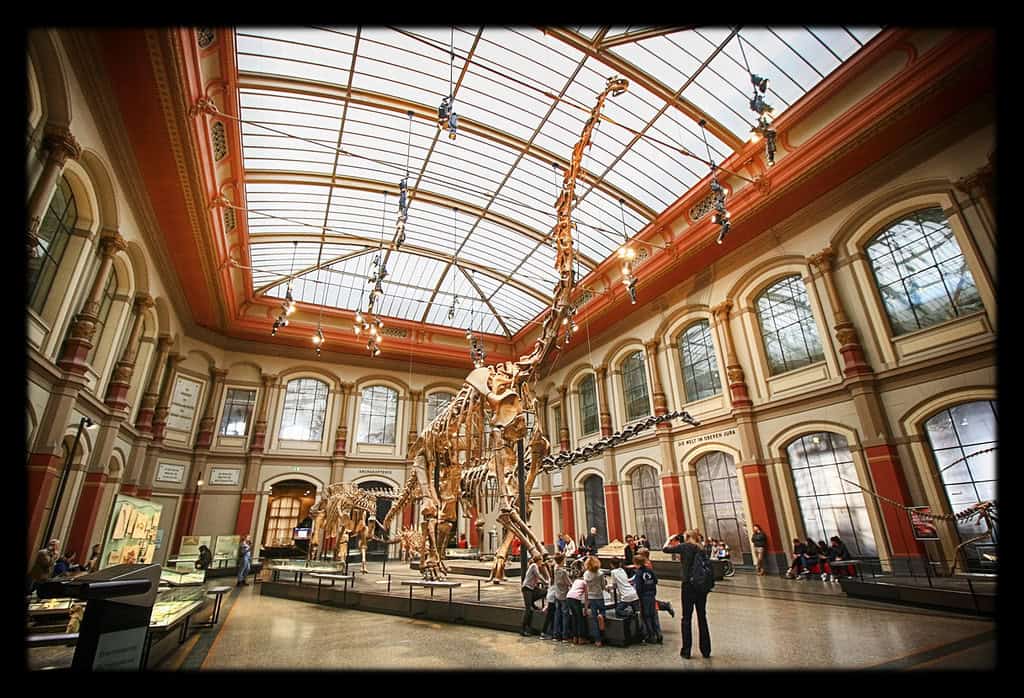
Dominating the main hall of Berlin’s Museum für Naturkunde stands one of the world’s most impressive dinosaur skeletons—a massive Brachiosaurus brancai (now reclassified as Giraffatitan brancai) that towers over visitors. Unearthed between 1909 and 1913 during German expeditions to the Tendaguru Formation in what is now Tanzania, this remarkable specimen represents the tallest mounted dinosaur skeleton in the world. Standing at approximately 13 meters (43 feet) tall and measuring 22 meters (72 feet) in length, the Berlin Brachiosaurus offers a visceral understanding of the truly enormous scale of sauropod dinosaurs.
Dating to the Late Jurassic period, roughly 150 million years ago, this herbivore would have weighed around 38 tons in life. The skeleton on display is composed of bones from multiple individuals of the same species, a common practice in paleontology when complete individual skeletons are rarely found. Despite heavy damage during World War II bombing raids, the specimen survived and was restored. Today, visitors can walk beneath this giant’s impressive form, gaining perspective on the immense diversity of dinosaur body sizes and appreciating the engineering feat that allowed such massive creatures to exist.
5. The Burgess Shale: Window into the Cambrian Explosion
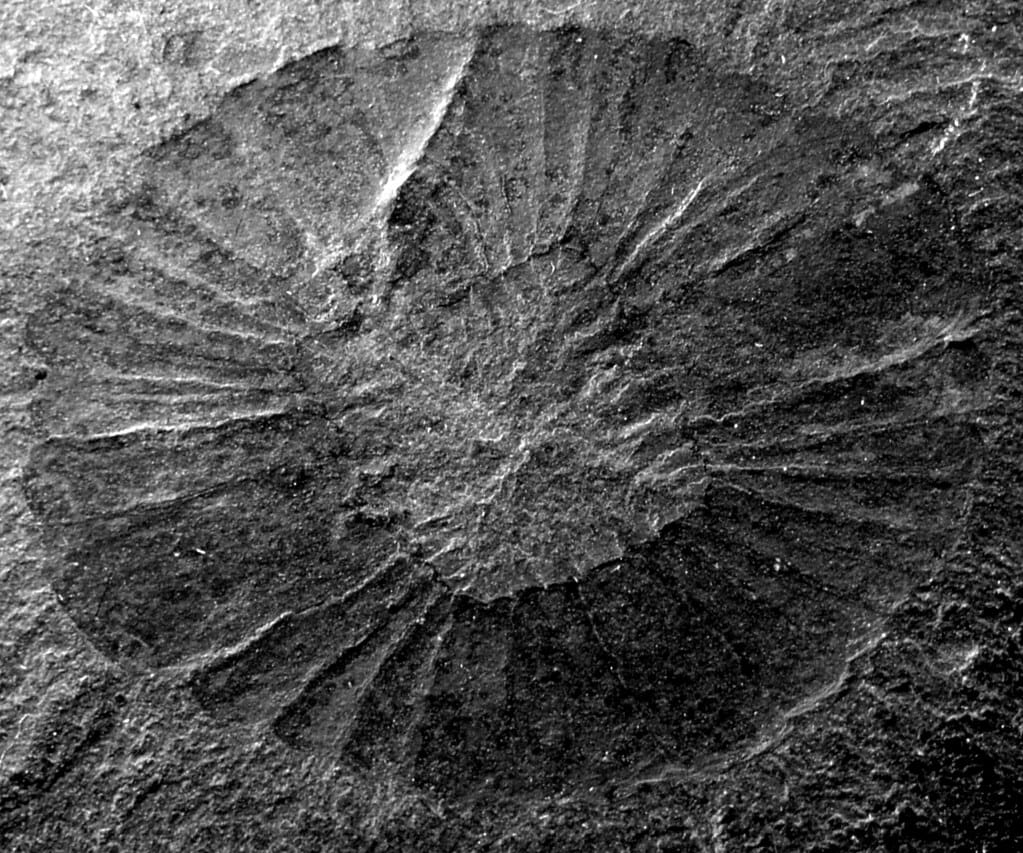
High in the Canadian Rockies of British Columbia lies one of paleontology’s most significant fossil sites—the Burgess Shale. Discovered in 1909 by paleontologist Charles Walcott, this extraordinary formation contains the exquisitely preserved remains of soft-bodied organisms from the Middle Cambrian period, approximately 508 million years ago. What makes the Burgess Shale particularly remarkable is that it captures the aftermath of the “Cambrian Explosion,” a relatively brief period when nearly all major animal phyla appear in the fossil record.
The exceptional preservation conditions at the Burgess Shale allowed even the most delicate tissues of these ancient creatures to fossilize, providing unprecedented insights into early animal evolution. Among the bizarre creatures preserved are Anomalocaris, a swimming predator with disk-like mouth parts; Hallucigenia, a spiny creature so strange that scientists initially struggled to determine which side was up; and Pikaia, possibly one of the earliest known ancestors of vertebrates. Today, the finest specimens from the Burgess Shale can be viewed at the Royal Ontario Museum in Toronto, Canada, which houses the world’s largest collection of these fossils. Additional specimens are displayed at the Smithsonian Institution in Washington, D.C. and the Geological Survey of Canada.
6. The Lascaux Cave Mammoth: Ice Age Art and Evidence

In September 1940, four teenagers exploring the woods near Montignac, France, stumbled upon what would become one of the most important prehistoric art sites ever discovered—the Lascaux Cave. Among its extraordinary collection of Paleolithic paintings, dating to approximately 17,000 years ago, are some of humanity’s earliest artistic depictions of now-extinct ice age mammals, including woolly mammoths, aurochs, and rhinoceroses. These vivid paintings, rendered in natural pigments by our Upper Paleolithic ancestors, are remarkable not only for their artistic merit but also for their scientific value, depicting animals that would later disappear from Earth.
The cave’s most famous section, the Hall of Bulls, contains a stunning representation of a woolly mammoth, with distinctive curved tusks and the shaggy coat accurately portrayed. Due to the fragility of these paintings and the damage caused by human visitation, the original Lascaux Cave was closed to the public in 1963. However, an exact replica called Lascaux II was created nearby, allowing visitors to experience these remarkable prehistoric artworks. In 2016, an even more comprehensive replica, Lascaux IV, opened as part of the International Centre for Cave Art in Montignac, offering visitors the opportunity to see how our ancestors documented the megafauna that shared their world.
7. The Solnhofen Pterodactyl: A Perfectly Preserved Flying Reptile

The fine-grained limestone quarries of Solnhofen, Germany, have yielded some of the most exquisitely preserved fossils ever discovered, including remarkable specimens of pterosaurs—the flying reptiles that dominated the skies during the age of dinosaurs. The most famous of these is a nearly complete skeleton of Pterodactylus antiquus, dated to approximately 150 million years ago during the Late Jurassic period. What makes this specimen extraordinary is not only its completeness but also the preservation of delicate structures rarely fossilized, including impressions of the wing membranes that stretched between its elongated fourth finger and body.
These membranes, composed of soft tissue that typically decays before fossilization can occur, provide critical information about pterosaur flight mechanics and anatomy. The specimen also shows remarkable preservation of its skull, including the distinctive elongated jaws and teeth that characterize pterodactyls. Today, this exceptional fossil is displayed at the Bavarian State Collection of Paleontology and Geology in Munich, Germany, where visitors can observe fine details of this ancient flying reptile. The specimen contributed significantly to our understanding that pterosaurs were not dinosaurs but a separate lineage of reptiles that independently evolved powered flight millions of years before birds.
8. The Wollemi Pine: A Living Fossil Discovered

Not all remarkable fossil discoveries involve ancient bones or imprints in stone. Sometimes, the most astonishing finds are living organisms thought to have gone extinct millions of years ago. In 1994, David Noble, a parks officer, was exploring a remote gorge in Wollemi National Park, just 150 kilometers from Sydney, Australia, when he noticed an unusual tree he couldn’t identify. This discovery led to the identification of the Wollemi pine (Wollemia nobilis), a species previously known only from fossils dating back 90 million years to the Cretaceous period.
Scientists were stunned to find this “living fossil” still growing in a limited area of temperate rainforest, having somehow survived while the rest of its kind disappeared from the fossil record. Only about 100 mature trees exist in the wild, making it one of the rarest tree species on Earth. To protect these survivors while allowing the public to appreciate this remarkable living fossil, specimens have been propagated and planted in botanical gardens worldwide. Notable living specimens can be seen at the Royal Botanic Garden Sydney, Kew Gardens in London, and the National Arboretum in Canberra. While not a traditional fossil display, these living trees represent one of paleontology’s most remarkable stories—the rediscovery of a species thought extinct for tens of millions of years.
9. The Fighting Dinosaurs of Mongolia
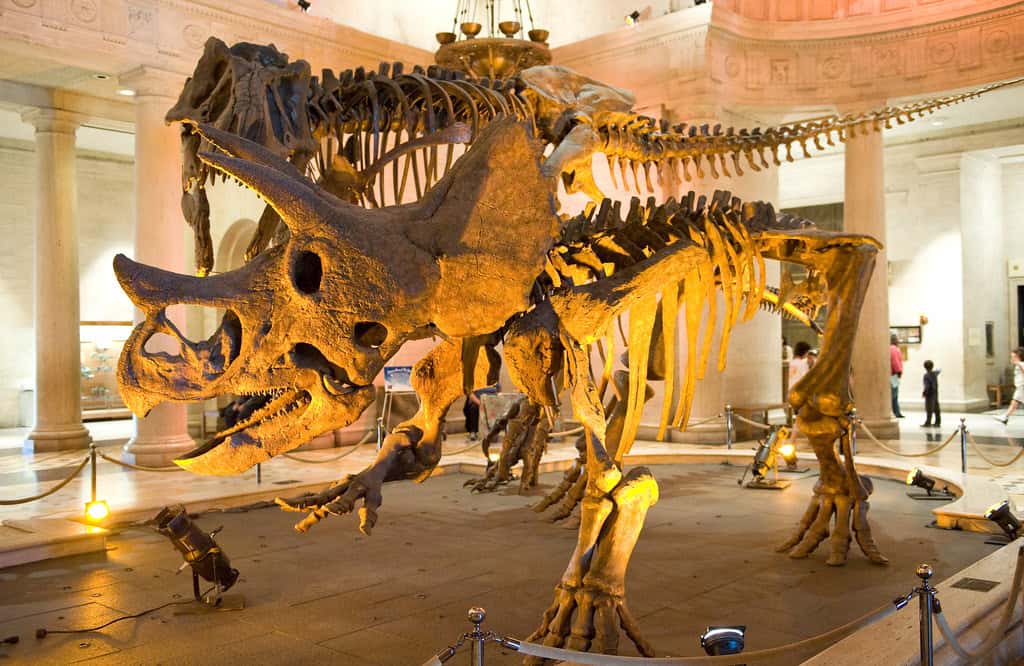
In 1971, a Polish-Mongolian expedition to the Gobi Desert uncovered one of the most dramatic fossil scenes ever discovered—a Velociraptor and Protoceratops locked in eternal combat. This extraordinary fossil, known as the “Fighting Dinosaurs,” captures a predator-prey encounter frozen in time approximately 80 million years ago. The Velociraptor, a small, feathered predatory dinosaur, has its distinctive sickle-shaped claw embedded in the neck region of the Protoceratops, a sheep-sized herbivore related to Triceratops. The Protoceratops, meanwhile, appears to have clamped its powerful beak onto the Velociraptor’s right arm.
Paleontologists theorize that these two dinosaurs were engaged in a life-or-death struggle when they were suddenly buried, possibly by a collapsing sand dune or during a sandstorm. What makes this fossil so remarkable is the preservation of a behavioral interaction—something extremely rare in the fossil record. This specimen provides direct evidence of predatory behavior in Velociraptor and defensive tactics in Protoceratops, confirming what had previously been only theoretical. Today, this dramatic fossil tableau is housed in the Central Museum of Mongolian Dinosaurs in Ulaanbaatar, Mongolia, where visitors can witness this prehistoric drama that occurred more than 80 million years ago.
10. The Messel Pit Fossils: A Complete Prehistoric Ecosystem

Near the town of Messel in Germany lies an extraordinary fossil site that offers an unparalleled glimpse into a complete Eocene ecosystem from 47 million years ago. The Messel Pit (Grube Messel), a UNESCO World Heritage site, was once an ancient lake that formed in a volcanic crater. The oxygen-poor, carbon dioxide-rich waters at the lake bottom, combined with fine sediments, created exceptional conditions for fossil preservation. What makes the Messel fossils truly remarkable is not just their abundance but their extraordinary preservation quality—including soft tissues, stomach contents, and even color patterns on insects’ wings.
Among the most famous Messel fossils is “Ida” (Darwinius masillae), a remarkably complete primate fossil that made headlines when announced in 2009. Other spectacular specimens include horses the size of fox terriers (Propalaeotherium), ancient pangolins, bats with intact wing membranes, and birds with preserved feathers. Perhaps most remarkably, several fossils of pregnant animals have been found, including horses and bats with fetuses still in place. The Messel Pit has also yielded numerous perfectly preserved insects, including beetles still displaying their iridescent colors after 47 million years. The finest specimens are on display at the Senckenberg Museum in Frankfurt, Germany, with others at the Hessisches Landesmuseum in Darmstadt, allowing visitors to see an entire prehistoric ecosystem captured in exceptional detail.
11. The Tully Monster: A Paleontological Mystery
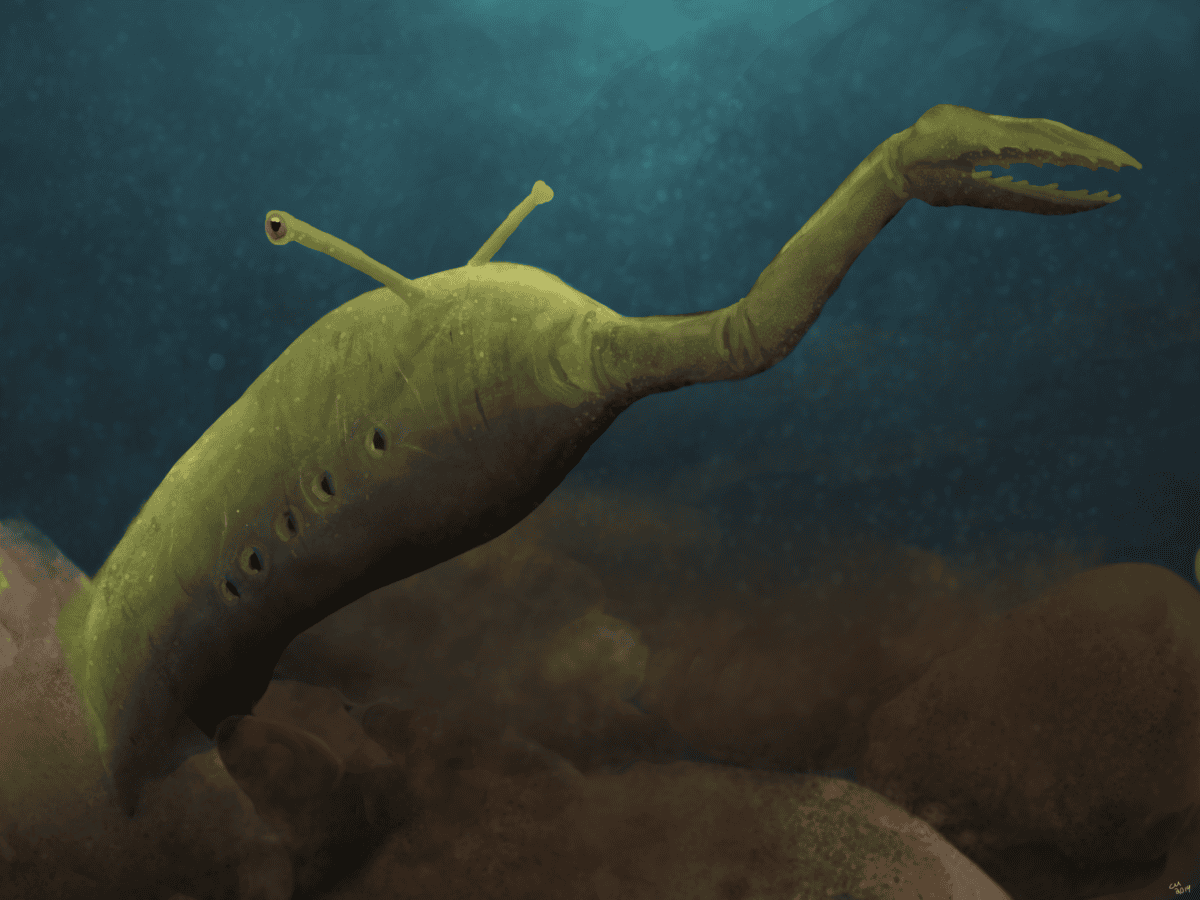
In 1958, amateur fossil collector Francis Tully discovered a strange creature in the 307-million-year-old Mazon Creek fossil beds of Illinois. The bizarre animal, officially named Tullimonstrum gregarium but commonly known as the “Tully Monster,” has baffled scientists for decades with its peculiar anatomy. This soft-bodied creature, typically around 15 centimeters (6 inches) long, possessed a long, flexible proboscis ending in what appears to be a toothed claw or jaw, eyes perched on a rigid bar extending sideways from its body, and a finned tail. Despite thousands of specimens being collected, the Tully Monster’s exact classification has remained contentious.
It has been variously identified as a worm, a mollusk, a primitive arthropod, and most recently, as a vertebrate possibly related to lampreys. What makes this fossil particularly remarkable is that it represents an entire animal lineage that might have left no modern descendants, a truly unique body plan that evolved and then disappeared. In 1989, Illinois recognized the significance of this mysterious creature by declaring the Tully Monster its official state fossil. Today, spectacular specimens can be seen at the Field Museum of Natural History in Chicago and the Illinois State Museum, where visitors can form their own theories about this enigmatic inhabitant of prehistoric Illinois.
12. The La Brea Tar Pits: Ice Age Time Capsule in Los Angeles

In the heart of Los Angeles lies one of the world’s richest and most accessible Ice Age fossil sites—the La Brea Tar Pits. For over 50,000 years, natural asphalt (tar) has seeped up from the ground in this area, creating sticky traps that ensnared countless animals. The preservation mechanism was remarkably effective: animals would become trapped in the sticky asphalt, die of exhaustion or starvation, and their bodies would sink into the tar, protecting the bones from scavengers and environmental decay. What makes La Brea particularly remarkable is not just the quality of preservation but the sheer quantity of specimens—over one million bones have been recovered, representing more than 231 species of vertebrates.
These include spectacular examples of now-extinct Pleistocene megafauna such as saber-toothed cats (Smilodon fatalis), dire wolves, American mastodons, and giant ground sloths. One of the most complete skeletons recovered is “Zed,” a near-complete male Columbian mammoth discovered in 2006. The site also preserves smaller organisms, including insects, plants, and microfossils, providing a comprehensive view of the Southern California ecosystem during the last Ice Age.

From exploring the marine wonders in the Azores and witnessing the vast savannas of Kenya, to delving deep into the rich biodiversity of South Africa and traversing iconic landscapes in Australia and the US like Yellowstone, Chris's experiences are vast.
With a penchant for diving alongside sharks, the ocean holds a special place in his heart.
Through his academic insights, he champions wildlife conservation, striving with 'Animals Around The Globe' to cultivate a profound connection between humans and animals, enhancing our mutual appreciation.
Connect with him at Feedback@animalsaroundtheglobe.com.
- The Largest Clam Ever Dredged Up From U.S. Waters - July 22, 2026
- How Animated Films Shape What Kids Believe About Animals - July 22, 2026
- The Most Iconic Animals Saved from Extinction in the U.S. - July 22, 2026
Leave a comment
You must be logged in to post a comment.