


The Great Lakes, North America’s vast freshwater ecosystem spanning over 94,000 square miles, have historically been home to native species adapted to cooler temperatures and seasonal changes. Yet in recent years, something unexpected has been happening beneath the surface: tropical fish—species that typically thrive in warm, equatorial waters—are increasingly being found in these northern waters. This surprising phenomenon has caught the attention of scientists, environmentalists, and fishing enthusiasts alike. The presence of these colorful, warm-water-loving species in the chilly waters of Lakes Superior, Michigan, Huron, Erie, and Ontario represents a significant ecological shift with far-reaching implications for the entire Great Lakes ecosystem. Understanding how and why these tropical visitors are appearing offers a window into the complex interactions between human activity, climate change, and aquatic ecosystems.
The Surprising Discovery of Tropical Species
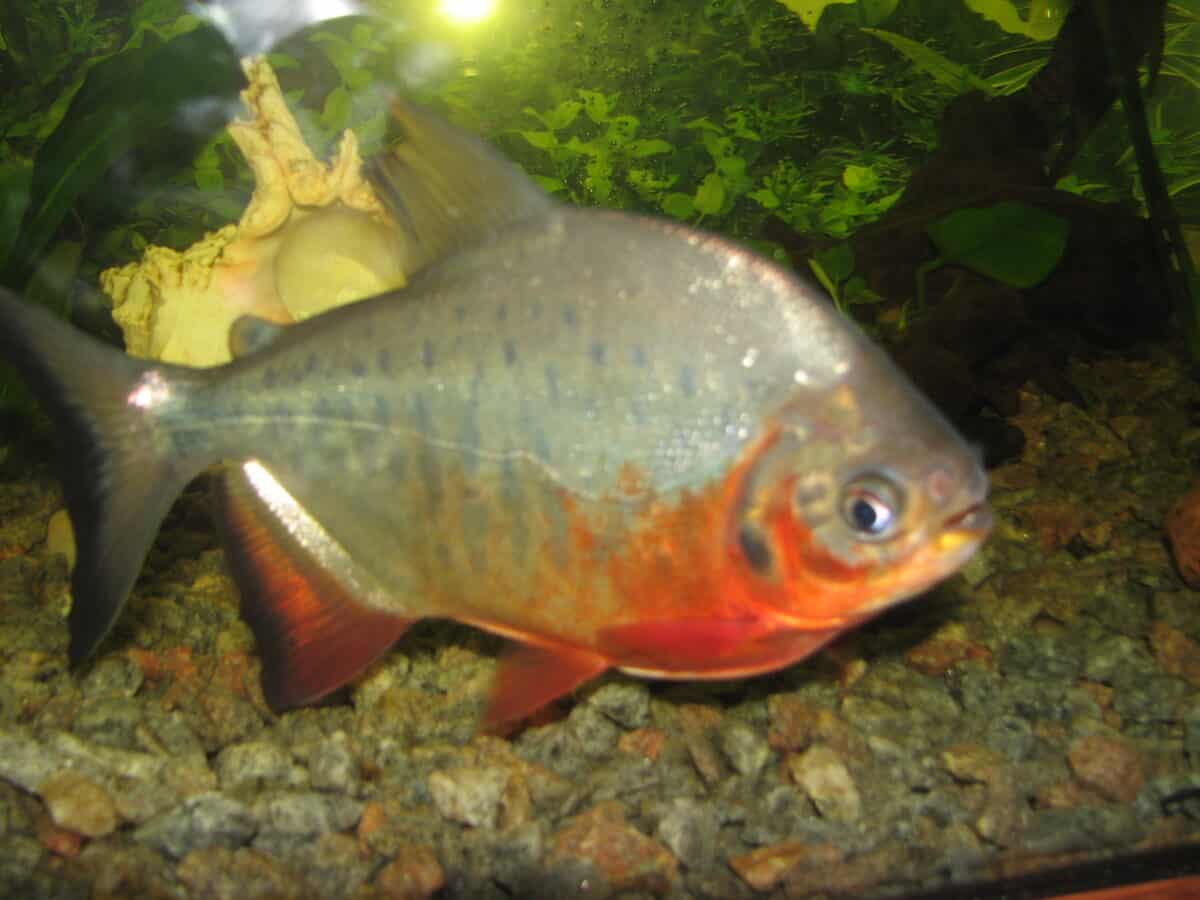
The first documented cases of tropical fish in the Great Lakes were initially dismissed as anomalies—perhaps a few released pets or isolated incidents. However, over the past decade, the frequency of such discoveries has increased dramatically. Anglers and researchers have reported catching species like blue tilapia, pacu (relatives of piranhas), oscar cichlids, and even amazon sailfin catfish.
In 2019, a fisherman in Lake Michigan caught a red-bellied pacu, a South American species popular in home aquariums, generating significant media attention. These findings were no longer isolated incidents but evidence of a pattern that demanded scientific investigation. Researchers now estimate that dozens of non-native tropical species have been documented in Great Lakes waters, with some populations showing signs of establishment—a concerning development for a freshwater ecosystem never intended to host such species.
Climate Change: Warming Waters Create New Habitats

Perhaps the most significant factor enabling tropical fish survival in the Great Lakes is climate change. Over the past century, average water temperatures in the Great Lakes have increased by approximately 2-3°F (1.1-1.6°C), with warming accelerating in recent decades. Lake Superior, the coldest and northernmost of the lakes, is now one of the fastest-warming large lakes in the world. Summer surface temperatures in some areas of the Great Lakes now regularly exceed 75°F (24°C)—approaching the comfort zone for many tropical species. While winter temperatures still plunge below what tropical fish can typically survive, thermal refuges created by industrial warm water discharges, urban heat islands affecting nearshore areas, and the deeper waters that retain heat longer have created year-round habitable zones. These “thermal pockets” allow some tropical species to survive even during the harshest months, effectively creating tropical microhabitats within an otherwise temperate ecosystem.
The Aquarium Release Problem

The primary source of tropical fish in the Great Lakes can be traced back to a common but environmentally destructive practice: the release of unwanted aquarium pets. When aquarium hobbyists can no longer care for their fish—whether due to the fish growing too large, aggressive behavior, or changing personal circumstances—some make the misguided decision to release them into local waterways. This practice, sometimes called “aquarium dumping,” accounts for an estimated 30% of all aquatic invasive species introductions in North America.
A survey conducted by the University of Toronto found that nearly 10% of aquarium owners admitted to releasing fish into the wild at some point. Most released fish perish quickly in unsuitable environments, but with warming waters and the sheer volume of releases, some tropical species are now finding conditions favorable enough to survive and, in some cases, reproduce. The aquarium trade globally moves approximately 1.5 billion ornamental fish annually, creating a massive potential source for new introductions.
Power Plants and Thermal Pollution

Industrial facilities, particularly power plants situated along the Great Lakes, have inadvertently created tropical fish havens through thermal pollution. Coal, nuclear, and natural gas power plants use lake water for cooling purposes and then discharge this warmed water back into the lakes. These discharge areas can be 10-15°F (5.5-8.3°C) warmer than surrounding waters, creating year-round tropical conditions in small areas.
In Chicago, for example, the area around a power plant discharge in Lake Michigan has become known among local fishermen as a hotspot for catching tropical species even during winter months. Researchers from the University of Wisconsin have documented several tropical species establishing small but persistent populations in these artificially warmed zones. These thermal plumes act as survival islands for tropical species that would otherwise perish during cold winter months, effectively circumventing the natural temperature barriers that would normally prevent tropical fish establishment.
Common Tropical Species Found in the Great Lakes

Several tropical fish species have been repeatedly documented in Great Lakes waters. Tilapia, particularly blue tilapia (Oreochromis aureus) and Nile tilapia (Oreochromis niloticus), are among the most common findings. Native to Africa and the Middle East, these hardy fish have established populations near warm water discharges in Lake Michigan and Lake Erie. Various cichlid species, including the oscar (Astronotus ocellatus) and the Jack Dempsey cichlid (Rocio octofasciata), both native to Central America, have been caught with increasing frequency.
More alarming has been the discovery of potential predatory species like the red-bellied pacu (Piaractus brachypomus) and the snakehead (Channa spp.), which could pose direct threats to native fish populations. Goldfish and koi, while not tropical, are temperate aquarium species that have established large populations in all five Great Lakes, demonstrating how released ornamental fish can adapt and thrive. Some of these introduced goldfish have grown to enormous sizes—specimens exceeding 14 inches and weighing several pounds have been documented—far larger than their aquarium counterparts.
Ecological Impacts and Native Species Concerns

The presence of tropical fish in the Great Lakes raises serious ecological concerns. These non-native species can disrupt food webs, compete with native fish for resources, introduce new parasites and diseases, and potentially alter habitat conditions. Cichlids, for example, are known for their aggressive territorial behavior and can displace native species from prime feeding and spawning areas. Some tropical species, like tilapia, are omnivorous and can significantly alter aquatic plant communities through their feeding habits.
Research conducted by the Great Lakes Fishery Commission suggests that even small populations of non-native fish can exert disproportionate ecological pressure on native species already stressed by other factors like pollution and habitat degradation. The Great Lakes fishing industry, valued at more than $7 billion annually and supporting over 75,000 jobs, could face significant disruption if tropical invasive species become permanently established. Native fish species like yellow perch, walleye, and various whitefish that form the backbone of commercial and recreational fisheries may find themselves competing with aggressive tropical newcomers.
Survival Mechanisms: How Tropical Fish Adapt

The survival of tropical fish in temperate environments like the Great Lakes demonstrates remarkable adaptive capabilities. Some species exhibit phenotypic plasticity—the ability to adjust their physiology based on environmental conditions. For example, certain cichlid species can gradually acclimate to cooler temperatures if the change is gradual enough. Some tropical fish seek out the warmest available microhabitats, congregating near warm water discharges or in shallow, sun-warmed bays during summer months.
During winter, they may retreat to deeper waters where temperatures remain more stable or find refuge near industrial thermal plumes. Some species that can’t survive year-round have established seasonal populations—reproducing during warm summer months when temperatures in parts of the Great Lakes can exceed 80°F (27°C), even though adults might not survive the winter. Their eggs or juvenile fish might find protected locations, allowing the cycle to continue the following year. Additionally, as waters warm due to climate change, each generation of tropical fish faces slightly more favorable conditions, potentially allowing for evolutionary adaptation over time.
The Ballast Water Vector

Beyond direct releases from aquariums, another significant pathway for tropical fish introduction comes from commercial shipping through ballast water discharge. Ships traveling from tropical ports take on ballast water—which may contain fish eggs or larvae—and later discharge this water in Great Lakes ports. Though ballast water regulation has improved, with requirements for mid-ocean exchange and treatment systems, microscopic eggs and larvae can still be transported. Research from the National Oceanic and Atmospheric Administration (NOAA) estimates that approximately 10,000 non-native species are transported in ballast water around the globe each day.
The Great Lakes, with their extensive international shipping connections through the St. Lawrence Seaway, receive vessels from tropical regions that may carry hitchhiking aquatic organisms. The warming of Great Lakes waters increases the probability that species introduced through ballast water will find suitable conditions for establishment. Historical ballast water introductions have already transformed the Great Lakes ecosystem, with notorious cases like the zebra mussel demonstrating how devastating such introductions can be.
Prevention and Management Strategies
Addressing the tropical fish invasion requires a multi-faceted approach. Public education campaigns like “Habitattitude” and “Don’t Let It Loose” work to inform aquarium owners about the environmental consequences of releasing pets, offering alternatives such as returning unwanted fish to pet stores, trading with other hobbyists, or humane euthanasia methods. Some states bordering the Great Lakes have implemented aquarium surrender events, where owners can relinquish unwanted fish without questions or penalties.
On the regulatory front, several states have strengthened laws against releasing non-native species, with penalties including significant fines and even potential jail time for serious violations. Early detection and rapid response networks have been established throughout the region, allowing for quick action when new tropical species are detected. Management of thermal pollution through cooling technologies at power plants and industrial facilities could eliminate some of the warm water refuges that currently enable year-round survival. Additionally, targeted removal efforts using electrofishing and other techniques have been implemented in areas where tropical fish concentrations have been identified.
The Scientific Monitoring Efforts

Researchers across the Great Lakes region have established comprehensive monitoring programs to track the presence and spread of tropical fish species. The Great Lakes Aquatic Nonindigenous Species Information System (GLANSIS) maintains a database of all reported sightings and established populations of non-native species. Environmental DNA (eDNA) sampling—a cutting-edge technique that detects genetic material shed by organisms into the water—allows scientists to identify the presence of tropical species even without direct observation or capture.
Citizen science initiatives have become invaluable, with recreational anglers and boaters submitting photographs and locations of unusual catches through smartphone apps like GLEAM (Great Lakes Early Detection Network App). Fish population surveys conducted by state natural resource departments and university researchers now specifically target areas where tropical species are most likely to establish, such as warm water discharges and urbanized harbors. This monitoring network provides crucial early warnings about new introductions and helps track the expansion or contraction of existing populations, allowing for targeted management responses.
Future Projections: The Great Lakes in a Warming World

Climate modeling for the Great Lakes region presents a concerning picture for the future of tropical fish invasions. By 2050, average summer water temperatures in the Great Lakes are projected to increase by an additional 2-4°F (1.1-2.2°C), creating even more favorable conditions for tropical species. Winter temperature extremes are expected to moderate, potentially eliminating the seasonal die-offs that currently limit year-round populations of many tropical species.
Some climate models suggest that by the end of the century, southern portions of the Great Lakes could have temperature regimes similar to present-day Kentucky or Tennessee lakes, where some tropical species are already established. A 2022 study published in the Journal of Great Lakes Research identified over 30 tropical fish species with high probability of successful establishment in the Great Lakes by 2050 if current warming trends continue. The combination of warming waters, continued aquarium releases, and potential adaptation of tropical species to cooler conditions suggests that the presence of tropical fish in the Great Lakes is likely not just a temporary phenomenon but rather the beginning of a permanent ecological transformation.
Economic and Recreational Implications

The presence of tropical fish in the Great Lakes creates complex economic implications. On one hand, established invasive species could threaten the region’s valuable fisheries—commercial and recreational fishing in the Great Lakes generates over $7 billion annually and supports more than 75,000 jobs. Competition from aggressive tropical species or the introduction of new diseases could harm native fish populations that support these industries. Conversely, some warm-water species like tilapia could potentially create new fishing opportunities.
In certain areas with consistent warm water discharges, local economies have already seen small-scale “tropical fishing tourism” emerge, with anglers specifically targeting unusual species. Property values around the Great Lakes, which benefit from clean water and healthy ecosystems, could be negatively impacted if tropical species cause visible problems like algal blooms (as some cichlid species might through their feeding behaviors) or reductions in desirable game fish. Management and control costs also factor into the economic equation—Great Lakes states and the federal government already spend over $75 million annually managing aquatic invasive species, and this figure will likely increase as more tropical species establish populations.
Conclusion: A Transformed Ecosystem in the Making

The appearance of tropical fish in the Great Lakes represents a profound example of how human activities are reshaping ecosystems on a global scale. The combination of climate change warming the lakes, aquarium releases introducing new species, and industrial thermal pollution creating survival refuges has opened the door to a potential ecological transformation that would have been unimaginable just decades ago. This situation serves as a microcosm of larger biodiversity challenges facing aquatic ecosystems worldwide, where temperature changes and species introductions are creating novel ecosystems with unpredictable outcomes.
The Great Lakes, containing 20% of the world’s surface freshwater, are too valuable a resource to risk through preventable invasions—making public awareness, responsible pet ownership, and continued scientific monitoring essential components of conservation efforts. As we look to the future, the presence of tropical fish in these northern waters stands as a vivid reminder that ecological boundaries are increasingly fluid in our rapidly changing world, necessitating adaptive management approaches and renewed commitment to environmental stewardship.

From exploring the marine wonders in the Azores and witnessing the vast savannas of Kenya, to delving deep into the rich biodiversity of South Africa and traversing iconic landscapes in Australia and the US like Yellowstone, Chris's experiences are vast.
With a penchant for diving alongside sharks, the ocean holds a special place in his heart.
Through his academic insights, he champions wildlife conservation, striving with 'Animals Around The Globe' to cultivate a profound connection between humans and animals, enhancing our mutual appreciation.
Connect with him at Feedback@animalsaroundtheglobe.com.
- Spirit Animals: What Yours Means and How to Find It - July 31, 2026
- Why the World’s Loudest Animals Are Going Quiet - July 31, 2026
- This Animal Produces the Loudest Mating Call on Earth - July 31, 2026
Leave a comment
You must be logged in to post a comment.